
Most Powerful Air Pistols 2026 With Serious Punch

Most powerful air pistols attract attention for one simple reason. Weak shots get old fast. Nobody wants to line up a clean target, squeeze the trigger, and watch pellets drift with disappointing force. Stronger air pistols solve that frustration by delivering sharper impact, flatter trajectories, and a more satisfying shot cycle that actually feels controlled instead of sloppy. That extra punch matters more than many people expect, especially during longer backyard sessions where consistency becomes the difference between fun and pure annoyance.
Pressure systems play a huge role here, and honestly, this is where many buyers get tripped up. CO2 models feel convenient at first, but temperature swings can mess with shot consistency badly. PCP designs usually provide steadier velocity and cleaner follow-up shots, though they demand more setup and maintenance. Spring-powered pistols have their own charm, yet recoil behavior and cocking effort can wear thin after repeated use. Tradeoffs exist everywhere, so raw power alone rarely tells the whole story.
Most powerful air pistols also reveal how important grip balance and trigger feel really are. A pistol that kicks hard but feels awkward in the hand becomes tiring after twenty or thirty shots. Tight groups disappear quickly once wrist fatigue sets in. Heavier frames sometimes stabilize the muzzle better, though carrying them around for extended shooting sessions isn't always pleasant. Small details like textured grips, trigger adjustment, and sight alignment suddenly matter far more once velocity climbs higher.
Noise level catches many people off guard too. More power often means more crack downrange, especially with lighter pellets traveling faster than expected. Quiet backyard practice can turn into a headache if the pistol lacks proper moderation or shroud design. Some models tame noise surprisingly well without sacrificing pressure efficiency, while others sound sharp enough to attract unwanted attention from half the neighborhood. That's why experienced shooters usually look beyond flashy velocity claims and pay closer attention to practical real-world handling.
Pellet choice changes everything, oddly enough. Lightweight ammo may produce impressive speed numbers on paper, but accuracy sometimes suffers once wind enters the picture. Heavier pellets often stabilize better and hit targets with more authority at medium range. Cheap pellets can also create inconsistent seals, leading to frustrating flyers that make even a strong pistol feel unreliable. A balanced setup usually delivers better satisfaction than chasing exaggerated velocity numbers alone.
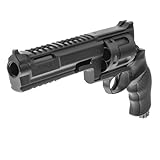
- ARS Mark9.2
ARS Mark is a ranking system developed by bestairriflescopes.com. ARS Mark has no relationship or impact from any manufacturers or sales agent websites. Learn more
- BrandDefense Innovation
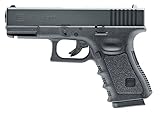
- ARS Mark8.8
ARS Mark is a ranking system developed by bestairriflescopes.com. ARS Mark has no relationship or impact from any manufacturers or sales agent websites. Learn more
- BrandUmarex

- ARS Mark8.8
ARS Mark is a ranking system developed by bestairriflescopes.com. ARS Mark has no relationship or impact from any manufacturers or sales agent websites. Learn more
- BrandDaisy
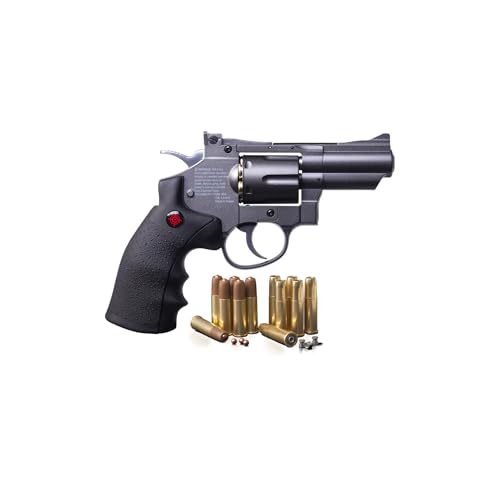
- ARS Mark8.8
ARS Mark is a ranking system developed by bestairriflescopes.com. ARS Mark has no relationship or impact from any manufacturers or sales agent websites. Learn more
- BrandCrosman
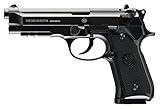
- ARS Mark8.6
ARS Mark is a ranking system developed by bestairriflescopes.com. ARS Mark has no relationship or impact from any manufacturers or sales agent websites. Learn more
- BrandUmarex
- ARS Mark8.6
ARS Mark is a ranking system developed by bestairriflescopes.com. ARS Mark has no relationship or impact from any manufacturers or sales agent websites. Learn more
- BrandUmarex
- ARS Mark8.6
ARS Mark is a ranking system developed by bestairriflescopes.com. ARS Mark has no relationship or impact from any manufacturers or sales agent websites. Learn more
- BrandUmarex
- ARS Mark8.4
ARS Mark is a ranking system developed by bestairriflescopes.com. ARS Mark has no relationship or impact from any manufacturers or sales agent websites. Learn more
- BrandUmarex

- ARS Mark8.4
ARS Mark is a ranking system developed by bestairriflescopes.com. ARS Mark has no relationship or impact from any manufacturers or sales agent websites. Learn more
- BrandUmarex
- ARS Mark7.8
ARS Mark is a ranking system developed by bestairriflescopes.com. ARS Mark has no relationship or impact from any manufacturers or sales agent websites. Learn more
- BrandSTREET WISE SECURITY PRODUCTS
- ARS Mark7.8
ARS Mark is a ranking system developed by bestairriflescopes.com. ARS Mark has no relationship or impact from any manufacturers or sales agent websites. Learn more
- BrandUmarex
Last update on 2026-05-29 / Affiliate links / Images, Product Titles, and Product Highlights from Amazon Product Advertising API
Most Powerful Air Pistols For Serious Defense
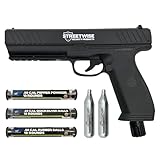
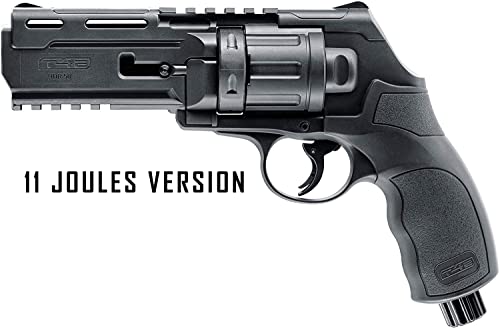
Weak recoil and soft target impact can suck the excitement out of shooting sessions pretty quickly. Plenty of buyers step into the most powerful air pistols category expecting serious punch, only to end up with flimsy plastic builds or watered-down CO2 systems that struggle after a few magazines. The Defense Innovation Umarex TR68 HDR68 takes a very different route. Bigger caliber, harder impact, and a factory-produced 16 joules power version give this revolver a much more aggressive personality than the average backyard plinker. Noise, recoil feel, and projectile versatility all push it into a space that feels closer to tactical training equipment than casual target toys.
TR68 HDR68
Defense Innovation Umarex TR68 HDR68 doesn't waste time pretending to be delicate. The oversized revolver frame immediately gives away its purpose. Thick polymer construction, large cylinder spacing, and chunky grip ergonomics create a platform that feels substantial in the hand. Some air pistols feel hollow or toy-like after a few minutes. This one doesn't carry that problem at all.
The factory-produced 16 joules configuration matters more than people realize. Aftermarket upgrades often create reliability headaches because seals, valves, and internal tolerances weren't originally tuned for the added pressure. Here, the stronger output comes directly from factory production. That changes the experience completely because the revolver feels balanced rather than overstressed during repeated shooting.
CO2 operation stays relatively straightforward too. A standard 12g CO2 cartridge powers the system, so setup isn't overly technical or messy. Fast cartridge swaps help during longer shooting sessions, especially for people who hate fiddling with complicated refill systems. PCP platforms may deliver steadier long-term pressure curves, sure, but many shooters still appreciate the simplicity of quick CO2 loading.
Grip texture deserves some credit as well. Sweaty palms and slippery handling become annoying fast on heavier revolvers. The TR68 frame maintains decent control even during rapid firing sequences, and that matters because stronger recoil impulse changes how follow-up shots feel. Smaller-framed air pistols sometimes jump awkwardly after discharge, while this revolver keeps a steadier hand position.
Power Delivery And Shot Feel
16 joules of power shifts expectations immediately. Lightweight pellet pistols often produce sharp velocity numbers on paper but feel weak against reactive targets. The TR68 creates a more forceful impact sensation thanks to its .68 caliber platform. Bigger projectiles naturally transfer energy differently, so the downrange feedback feels noticeably more substantial.
Velocity ratings around 360+ FPS place this revolver in an interesting category. Raw speed fanatics may chase even higher numbers elsewhere, though larger caliber systems focus more on impact behavior than pure velocity bragging rights. That distinction matters because heavy projectiles paired with solid energy output often produce more satisfying practical shooting results at short-to-medium distances.
Shot consistency stays reasonably controlled for a CO2 revolver, though temperature swings still influence performance somewhat. Cold weather can reduce pressure output, which isn't unusual for this type of platform. Indoor sessions or moderate outdoor temperatures help maintain steadier shot behavior. Anybody expecting laboratory-level consistency from CO2 alone might need more realistic expectations.
Trigger feel leans heavier than precision competition pistols, but honestly, that suits the revolver's overall personality. Crisp target-grade breaks aren't really the point here. The pull feels deliberate, slightly firm, and predictable enough for defensive-style drills or reactive target practice. That stronger trigger weight also helps prevent accidental overcorrection during faster shooting sequences.
Projectile Compatibility Changes Everything
Projectile flexibility gives the TR68 HDR68 a major advantage over many standard air pistols. Steel balls, rubber balls, pepper balls, nylon rounds, and shaped projectiles all work with this revolver platform. That wide compatibility opens up very different shooting experiences depending on the setup. Some people prefer reactive steel targets, while others focus more on training-style applications.
Rubber rounds create a noticeably different feel compared to steel ammunition. Impact behavior softens slightly, but recoil sensation and cycling rhythm still remain entertaining. Nylon balls tend to feel lighter and quicker downrange, though windy outdoor conditions can affect stability more than heavier projectiles. Switching ammunition types changes the revolver's personality enough to keep sessions from becoming repetitive.
Pepper ball compatibility also places the revolver into a category many traditional pellet pistols never touch. That doesn't automatically make it the right fit for every household or training setup, though. Responsible handling becomes even more important once defensive-style ammunition enters the picture. Safe storage and careful environment awareness matter a lot more than flashy marketing slogans.
Oddly enough, the larger caliber also changes target interaction. Small paper tears from standard pellets can feel underwhelming after a while. Bigger projectiles create more visible target response and stronger audible feedback. Reactive cans, spinning targets, and impact plates suddenly become much more entertaining during casual range sessions.
Handling Tradeoffs And Realistic Limitations
Large-frame revolvers naturally come with compromises. Compact concealed-style handling isn't part of this design language at all. The TR68 feels bulkier than smaller CO2 pistols, so extended one-handed shooting may tire some wrists faster. Heavier front-end balance helps stability, though carrying it around for long outdoor sessions becomes more noticeable over time.
Noise level deserves honest discussion too. Bigger caliber shots produce a sharper report than lightweight indoor pellet pistols. Backyard shooters dealing with close neighbors may need to think carefully about shooting environments and timing. The revolver isn't deafening, but it certainly doesn't disappear acoustically either.
CO2 efficiency remains decent without feeling extraordinary. Faster shooting strings naturally consume pressure more aggressively, and extended rapid-fire sessions can gradually soften velocity consistency. Slower pacing improves cartridge longevity while also helping maintain steadier shot behavior. Patience pays off more than mag-dumping habits here.
Sight setup feels functional rather than precision-focused. Defensive-style alignment works well enough for close-range reactive targets, but dedicated long-range accuracy enthusiasts may prefer optics-ready PCP systems instead. This revolver prioritizes practical handling and strong impact feedback more than surgical benchrest precision.
Build Quality And Everyday Ownership
Factory warranty support adds peace of mind that many modified air pistols simply can't offer. Some upgraded models perform impressively for a few weeks before seals wear unevenly or valves start acting inconsistent. Factory-built higher-power systems generally feel more dependable because internal components were designed around that pressure output from the start.
The revolver cylinder mechanism cycles with a satisfying mechanical feel. Cheap rotational systems sometimes wobble or bind after moderate use, but the TR68 maintains a firmer rotational rhythm during reloads and firing sequences. That tactile feedback helps the platform feel more serious and less gimmicky overall.
Maintenance requirements stay fairly manageable. CO2 revolvers always benefit from occasional seal lubrication and proper cartridge handling, though this platform doesn't demand constant adjustment or tuning. Shooters who hate complicated maintenance schedules will probably appreciate that simplicity. A little routine care goes a long way with CO2-powered systems.
Some shooters also end up comparing tactical-style revolvers with traditional air rifles during buying decisions. A related reference occasionally appears in Crosman Fury NP 177 Air Rifle, especially for people balancing compact handling against longer-range rifle stability. The differences become obvious pretty quickly once space limitations, recoil behavior, and shooting style preferences enter the conversation.
Who Will Appreciate This Revolver Most
Defense Innovation Umarex TR68 HDR68 fits people who enjoy physical shot feedback and larger-caliber handling more than ultra-light precision plinking. Fast target reactions, stronger impact sensation, and versatile projectile support create a shooting experience that feels more aggressive than standard pellet pistols. Smaller indoor target shooters may find it excessive, while reactive target enthusiasts will probably appreciate the extra authority.
Training drills feel surprisingly engaging with this revolver too. Drawing practice, reload rhythm, and close-range movement exercises pair naturally with the oversized revolver format. Lightweight pellet pistols sometimes feel too delicate for rougher handling patterns, whereas the TR68 carries a more rugged attitude during active sessions.
Storage space and portability still deserve consideration. This isn't the type of air pistol people casually slip into tiny gear bags without noticing the added bulk. Larger dimensions create better handling stability, but they also demand more room during transport and storage. That's the tradeoff for stepping into the most powerful air pistols category with a larger-caliber platform.
Pressure delivery, projectile flexibility, and sturdy construction ultimately define the revolver's strongest qualities. Plenty of air pistols focus heavily on cosmetic styling while delivering mediocre shooting satisfaction underneath. The TR68 HDR68 feels purpose-built instead. Loud, heavy, and unapologetically forceful, it leaves a much stronger impression than many standard CO2 sidearms floating around the market.
Most Powerful Air Pistols With Tactical Feel
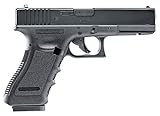
Cheap trigger response and flimsy slide action can ruin the fun before the second magazine even empties. Plenty of people jump into the most powerful air pistols category hoping for realistic handling, only to end up with awkward plastic frames that feel disconnected from actual firearm ergonomics. Glock 19 Gen3 .177 Caliber BB Gun Air Pistol takes a more grounded approach. Compact dimensions, licensed Glock markings, and a fast-moving CO2 platform give it a much more convincing feel than many entry-level BB pistols floating around online. The balance between usability, recoil simulation, and rapid-fire handling turns out surprisingly enjoyable during repeated target sessions.
G19 Gen3 BB Pistol
Glock 19 Gen3 .177 BB Pistol immediately feels familiar in the hand, especially for people already used to compact-frame pistol ergonomics. The grip angle stays close to the real firearm design, and that detail matters more than many casual buyers expect. Weird grip geometry can throw off wrist alignment during quick target transitions, but this one keeps things fairly natural. Compact sizing also helps during indoor handling drills or tighter shooting spaces.
The officially licensed Glock markings help the pistol avoid that cheap imitation vibe many replica air guns suffer from. Small details like slide texture, contour shaping, and sight layout create a cleaner overall presentation. Some replica pistols overdo cosmetic styling while ignoring practical usability. This model keeps things restrained instead of flashy, which honestly fits the Glock identity pretty well.
CO2-powered operation gives the pistol a noticeably snappier shooting rhythm than spring-powered alternatives. Repeated trigger pulls stay smooth without needing manual cocking between shots. Long shooting sessions feel less tiring because the pistol keeps cycling quickly and predictably. Fast plinking drills become genuinely entertaining instead of frustrating.
The compact layout also works nicely for storage and portability. Larger air pistols sometimes feel cumbersome in smaller gear bags or crowded shelves. This Glock-style frame avoids that issue. Lightweight handling and slimmer dimensions make it easier to carry around during backyard sessions without constantly adjusting grip position or hand placement.
Power And Shooting Experience
410 FPS velocity gives this BB pistol respectable speed for casual target shooting and reactive plinking. Steel BBs hit cans, spinner targets, and lightweight metal plates with enough authority to stay satisfying during longer sessions. It won't deliver the heavy impact of larger-caliber CO2 revolvers, though that's not really the role here. The strength comes from consistency, handling speed, and rapid follow-up shooting.
Trigger response feels surprisingly decent for a compact CO2 BB pistol. Some lower-end models suffer from mushy trigger travel that ruins rhythm completely. Here, the pull remains relatively predictable, especially during quick sequences. Tight precision shooters may still want a cleaner break, but for realistic handling practice and casual plinking, it holds up better than expected.
Rapid-fire sessions highlight one of the pistol's stronger qualities. The 15-shot magazine capacity creates a smoother shooting flow before reload interruptions appear. Constant reloading gets old fast on low-capacity BB pistols. Fifteen rounds feels much more practical for drills, especially when running multiple targets across short distances.
CO2 temperature sensitivity still exists, naturally. Colder outdoor conditions can reduce pressure efficiency and soften velocity slightly after repeated firing. Warm-weather sessions or indoor shooting environments help maintain steadier output. Anybody familiar with CO2 pistols probably expects that tradeoff already, though first-time buyers occasionally overlook it.
Pros Of The Glock Platform
Realistic handling stands out immediately. Grip shape, sight positioning, and compact balance create a shooting experience that feels more authentic than oversized tactical-style BB pistols. Muscle memory drills become easier because the controls and dimensions mimic a practical carry-sized handgun rather than a bulky fantasy design.
Integrated Weaver rail adds useful flexibility without making the frame feel cluttered. Flashlights or laser accessories attach fairly easily for low-light practice setups or reactive target sessions. Some compact BB pistols skip accessory compatibility entirely, which limits customization potential. The rail keeps options open without overwhelming the clean frame profile.
Maintenance stays relatively straightforward too. Basic CO2 seal care and occasional barrel cleaning handle most upkeep requirements. Complex disassembly routines aren't necessary for routine ownership. People who dislike high-maintenance platforms will probably appreciate that simplicity after extended use.
Noise output stays moderate compared to larger-caliber air pistols. Backyard sessions feel more manageable in tighter suburban spaces where louder revolvers might attract unwanted attention. The pistol still produces enough crack to feel satisfying, but it avoids becoming obnoxiously loud during repetitive plinking.
Cons Worth Talking About
Fixed Glock-style sights work adequately for close-range shooting, though adjustable sight fans may feel somewhat limited. Precision tuning options remain minimal compared to competition-style air pistols. Target shooters chasing tiny groups at longer distances could end up wanting more flexibility after a while.
Steel BB platforms naturally sacrifice some accuracy compared to pellet-firing air pistols. BBs don't stabilize the same way pellets do, especially once range stretches farther out. Tight indoor plinking and short-range reactive shooting suit this pistol best. Expectations need to stay realistic beyond those distances.
The lightweight frame helps portability, but some shooters may prefer more heft for recoil simulation and steadier aiming. Larger all-metal replicas often feel more substantial during extended sessions. This Glock keeps things practical and manageable instead of excessively heavy. That tradeoff works well for some hands while feeling slightly too light for others.
CO2 cartridge consumption also deserves mention. Fast trigger rhythm encourages rapid shooting, which naturally burns through cartridges quicker than slower-paced platforms. Extended range days may require keeping extra cartridges nearby. Heavy shooters will notice operating costs adding up faster than single-shot pellet pistols.
Handling During Real Use
Compact balance makes this pistol surprisingly enjoyable during movement drills and reactive target setups. Quick transitions between cans or hanging plates feel smooth because the frame doesn't fight wrist movement. Oversized tactical pistols sometimes feel front-heavy during repeated aiming adjustments. This one stays relatively nimble without feeling flimsy.
The slide profile also avoids snagging issues common on aggressively styled replicas loaded with oversized controls. Drawing from soft cases or storage compartments feels cleaner and less awkward. Small ergonomic details like that tend to matter more over time than flashy cosmetic add-ons.
Grip texture provides decent traction without becoming abrasive. Sweaty hands during warm outdoor sessions still maintain reasonable control, which helps during rapid shooting sequences. Some smooth polymer grips become slippery annoyingly fast. Glock's texturing approach keeps handling practical instead of decorative.
From a practical angle, another reference sometimes discussed alongside compact CO2 pistols appears in best multi-pump pcp air rifle, especially among shooters balancing portability against longer-range airgun setups. The shooting experience differs dramatically once rifle stability and larger air reservoirs enter the equation.
Where This Pistol Fits Best
Glock 19 Gen3 BB Pistol works best for fast-paced recreational shooting rather than precision benchrest sessions. Reactive targets, close-range plinking, and firearm-style handling drills fit its strengths naturally. Slow long-distance paper punching isn't really where this pistol shines. The platform feels more alive during movement and rhythm-based shooting.
Short practice sessions can easily stretch longer than expected because the pistol stays fun to cycle repeatedly. That matters because some air pistols become tiring or repetitive after only a few magazines. Lightweight handling and quick CO2 response help maintain momentum during extended backyard use.
The realistic Glock dimensions also create familiarity that oversized revolver-style air pistols sometimes lack. Compact balance, straightforward controls, and practical ergonomics make it easier to settle into a consistent shooting rhythm. Everything feels fairly intuitive right away without needing awkward adjustments or relearning grip habits.
Most powerful air pistols often focus heavily on raw force and oversized calibers, but this Glock chooses agility and realistic handling instead. Faster follow-up shots, cleaner portability, and practical training value become the stronger selling points here. That shift in focus actually makes the pistol more enjoyable for many day-to-day shooting situations.
Most Powerful Air Pistols For Fast Backyard Shooting
Missed shots and clunky reload systems can turn a relaxing shooting session into pure aggravation. Plenty of entry-level CO2 pistols look decent on the shelf, then start rattling, jamming, or spraying BBs all over the place after a few magazines. Daisy Powerline 426 Air Pistol lands in a more practical middle ground. Lightweight handling, quick semi-automatic cycling, and a steady 430 FPS output give it enough snap to stay entertaining without feeling oversized or difficult to control. Small details like grip texture and magazine capacity quietly make a bigger difference than flashy marketing claims.
Powerline 426
Daisy Powerline 426 keeps things straightforward from the very beginning. No oversized tactical styling. No fake suppressors hanging off the barrel. Just a compact CO2 pistol focused on fast shooting and manageable handling. Honestly, that simplicity works in its favor because plenty of air pistols try too hard to look aggressive while ignoring actual usability.
The pistol uses a .177 steel BB system powered by a standard 12g CO2 cartridge. That setup isn't exotic, though it stays practical for backyard plinking and casual target sessions. Reloading remains fairly quick, and the semi-automatic action keeps the pace moving smoothly once shooting starts. Slow single-shot loading can kill momentum fast, so the faster cycling here feels refreshing.
Grip comfort deserves some attention too. Molded checkering helps the frame stay planted during repeated firing sequences, especially once hands start getting sweaty outdoors. Slick polymer grips become annoying surprisingly quickly during summer range sessions. Daisy handled that detail better than many budget-friendly BB pistols in the same category.
The overall frame weight leans lighter than some all-metal replicas, but that creates easier portability for longer sessions. Carrying bulky air pistols around the yard or garage eventually becomes tiring. This one stays comfortable without feeling toy-like. Balance lands somewhere between practical and playful, which suits casual shooting sessions nicely.
Shooting Speed And Power Delivery
430 feet per second gives the Powerline 426 respectable speed for reactive targets and short-range practice. Aluminum cans, lightweight spinners, and paper targets all respond with enough authority to keep sessions engaging. It won't hit with the heavy force of larger-caliber CO2 revolvers, but that's not the goal here. Fast handling and rapid follow-up shots become the bigger strengths.
Semi-automatic operation changes the rhythm entirely compared to spring-powered pistols. Constant cocking between shots gets old quickly, especially during longer sessions. The Daisy platform keeps firing smooth and uninterrupted once the CO2 cartridge is installed. That faster pace naturally makes the pistol more entertaining for casual shooting routines.
Trigger response stays reasonably clean for this style of BB pistol. Some budget models suffer from stiff or unpredictable pulls that throw shots off target during rapid shooting. The Powerline 426 keeps the break fairly manageable, particularly for quick plinking drills inside shorter distances. Tight precision groups aren't really the focus, though consistency remains decent enough for recreational use.
CO2 cooling effects still exist after repeated rapid firing. Fast magazine dumps can gradually soften pressure output, which slightly affects shot feel and velocity consistency. Slower pacing helps maintain steadier performance. Most CO2 pistols behave similarly, so that tradeoff isn't unusual.
Sight Setup And Target Alignment
Blade and ramp front sights paired with a fixed open rear sight create a straightforward aiming system without unnecessary clutter. Fancy fiber optics and oversized tactical sights sometimes distract more than they help on compact BB pistols. Daisy kept the setup clean and functional instead. Quick target acquisition feels natural during backyard shooting.
The sight picture works especially well for reactive targets within moderate distances. Tin cans, hanging plates, and paper silhouettes stay easy to line up without overthinking every shot. Some compact pistols feel awkward because the sights sit too low or crowd the sight channel. The Powerline 426 avoids most of that frustration.
Fixed sights do create limitations for shooters who enjoy dialing in precise adjustments. Windage and elevation flexibility simply aren't part of the package here. People chasing ultra-tight groupings may eventually want adjustable systems or pellet-firing alternatives. Casual plinking sessions, though, fit this sight arrangement perfectly fine.
Smooth target transitions also benefit from the lighter frame design. Heavier pistols sometimes drag during rapid side-to-side movement between multiple targets. This one remains nimble enough for quick reactive shooting without feeling twitchy or unstable.
What Feels Good During Real Use
Built-in 15-shot magazine capacity helps the pistol maintain a much smoother shooting flow than lower-capacity designs. Reload interruptions happen less often, which keeps momentum alive during longer sessions. Tiny magazines become irritating after constant stop-and-go reloading. Fifteen rounds feels much more balanced for recreational shooting.
The smooth bore steel barrel keeps maintenance fairly uncomplicated too. Occasional cleaning and proper CO2 care handle most routine upkeep requirements. Nobody wants a finicky backyard BB pistol demanding constant tuning and disassembly. The simpler ownership experience becomes a real advantage after extended use.
Noise levels remain manageable for suburban environments. Louder revolver-style CO2 pistols sometimes draw too much attention in smaller neighborhoods. The Daisy setup produces enough crack to feel satisfying while avoiding the harsher report of larger-caliber systems. Backyard shooters will probably appreciate that balance.
From another angle, compact shooting setups occasionally overlap with discussions surrounding best airsoft gun for cqb and field, especially for people balancing fast handling against practical backyard shooting habits. The shooting mechanics differ quite a bit, though both categories reward lighter handling and quick target transitions.
Tradeoffs Worth Mentioning
Steel BB platforms naturally sacrifice some precision compared to pellet-based air pistols. BBs don't stabilize as consistently over longer distances, particularly once wind enters the equation outdoors. Close-range plinking feels much more comfortable than extended-distance target shooting. Expectations matter here.
The lightweight frame helps portability but reduces recoil sensation somewhat. Shooters wanting realistic firearm-style heft may prefer heavier all-metal replicas instead. This pistol focuses more on easy handling than authentic weight simulation. That tradeoff works differently depending on personal preference.
CO2 cartridge dependency also creates ongoing operating costs over time. Frequent shooters will burn through cartridges faster during rapid semi-automatic sessions. Spring-powered alternatives avoid that expense entirely, though they lose the convenience and speed of CO2 cycling. Different priorities push buyers toward different systems.
Fixed sights and smooth bore barrel construction limit long-range precision potential. Tight benchrest-style accuracy simply isn't where this pistol shines brightest. Reactive targets, casual backyard sessions, and fast-paced plinking remain its stronger territory instead.
Why The Powerline 426 Stays Entertaining
Daisy Powerline 426 succeeds because it doesn't pretend to be something overly tactical or excessively complicated. Fast shooting rhythm, manageable size, and decent CO2 performance create a relaxed shooting experience that stays fun over time. Plenty of air pistols overload the design with unnecessary accessories while ignoring core usability. This one keeps the basics working smoothly.
The semi-automatic action especially helps maintain that easygoing personality. Rapid target engagement feels natural without constant interruptions or awkward handling quirks. Long shooting sessions become less about fighting the pistol and more about enjoying the rhythm of repeated shots.
Grip texture, sight visibility, and balanced dimensions quietly improve the experience in ways flashy marketing phrases rarely explain properly. Small ergonomic wins add up quickly after several magazines. Annoying little flaws become impossible to ignore once range time stretches longer. Daisy handled those practical details fairly well here.
Most powerful air pistols sometimes lean too heavily into raw force and oversized construction. The Powerline 426 chooses speed, handling simplicity, and approachable shooting comfort instead. That shift in focus gives it a different kind of appeal, especially for relaxed backyard plinking where smooth operation matters more than brute impact.
Most Powerful Air Pistols With Revolver Realism
Plastic-heavy air pistols often lose their charm after a few shooting sessions. The frame starts feeling hollow, the trigger gets mushy, and target practice slowly turns into a chore instead of something enjoyable. Crosman SNR357 Snub Nose heads in a completely different direction. Heavy metal construction, reusable shell cartridges, and dual-ammo compatibility give this revolver a much more satisfying personality inside the most powerful air pistols category. The whole setup leans harder into realism and hands-on shooting rhythm rather than raw speed numbers alone.
SNR357 Snub Nose
Crosman SNR357 immediately feels more substantial than lightweight polymer BB pistols. The full-metal body adds noticeable heft, which changes the shooting experience in a surprisingly good way. Lighter frames sometimes bounce awkwardly during fast target transitions, while this revolver stays planted more naturally in the hand. That extra weight also creates a stronger sense of mechanical realism during reloads and handling drills.
The sleek black finish keeps the revolver looking understated instead of overloaded with fake tactical styling. Some air pistols try too hard to look futuristic and end up feeling gimmicky. Crosman kept the appearance simple and functional. Short-barrel revolver fans will probably appreciate the cleaner design language right away.
Shell-style loading becomes one of the most entertaining parts of ownership. Instead of dumping BBs into a generic stick magazine, the SNR357 uses reusable cartridges for both pellets and steel BBs. That small detail changes the pacing entirely. Reloading feels slower, sure, but also much more engaging during practice sessions.
The revolver format naturally creates a different rhythm than semi-automatic pistols. Fast mag dumping isn't really the focus here. Precision, handling feel, and deliberate shot placement matter more. That shift in personality helps the SNR357 stand apart from many rapid-fire CO2 pistols crowding the market.
Power Output And Ammunition Flexibility
Dual-ammo compatibility gives this revolver a huge advantage for shooters who enjoy variety. Steel BBs deliver faster-paced plinking sessions, while .177 pellets generally provide tighter accuracy potential. Some days call for noisy reactive targets and fast shooting. Other sessions feel better with slower, more controlled pellet groups on paper targets.
The revolver reaches around 400 FPS with BBs and up to 500 FPS with pellets, depending on ammunition choice and CO2 conditions. Pellet velocity especially helps the pistol feel more capable during medium-range shooting. That extra speed doesn't automatically guarantee precision, though it certainly adds more authority compared to weaker plinking revolvers.
CO2 delivery remains fairly smooth throughout moderate shooting sessions. Rapid firing eventually cools the cartridge and softens velocity somewhat, which happens with most CO2-powered revolvers anyway. Slower pacing helps maintain steadier performance. Thankfully, the revolver's entire design almost encourages that more deliberate shooting style naturally.
Pellet compatibility changes the accuracy conversation quite a bit. BB pistols often struggle once distance increases because steel rounds don't stabilize particularly well. Pellets behave differently thanks to their shape and weight distribution. The SNR357 benefits noticeably from that flexibility, especially during careful target shooting.
Handling And Trigger Feel
Heavy-weight revolver construction creates a steadier aiming platform during longer sessions. Lightweight pistols can feel twitchy after repeated shots, especially for shooters still refining trigger control. The added mass here slows movement slightly in a helpful way. Quick jerks and overcorrections become less common once the revolver settles into the hand.
Trigger pull feels more mechanical and deliberate than ultra-light semi-auto CO2 pistols. That's not necessarily a flaw. Revolver shooters often prefer a firmer pull because it matches the handling style and encourages slower shot pacing. Fast-action trigger fans may want something lighter, though realistic revolver enthusiasts will probably enjoy the feel.
Adjustable rear sights also help the revolver stand apart from many fixed-sight competitors. Small corrections become easier when switching between pellets and BBs or experimenting with different distances. Fixed sights can become frustrating once point-of-impact shifts appear. Crosman made the smarter choice by allowing some tuning flexibility here.
The fixed blade front sight stays simple and easy to acquire during close-range shooting. Overcomplicated optic systems sometimes clutter the sight picture unnecessarily on compact air pistols. This revolver keeps target alignment clean without feeling visually busy.
What Makes The Revolver Fun
Reusable cartridge loading turns ordinary target practice into something much more interactive. Sliding individual shells into the cylinder creates a tactile experience many magazine-fed air pistols completely lack. That old-school revolver rhythm slows things down in a satisfying way. Some shooters actually end up enjoying the reload process almost as much as the firing itself.
The snub nose format also changes how the revolver balances. Longer barrels can feel front-heavy and awkward during one-handed shooting. This setup keeps weight distribution tighter toward the center. Movement between targets feels smoother because the revolver doesn't fight the wrist excessively.
Noise levels remain manageable compared to larger-caliber CO2 revolvers. The SNR357 still delivers enough report to feel lively, though it avoids becoming obnoxiously loud in smaller backyard spaces. Neighbors probably won't appreciate constant rapid-fire sessions, but the revolver stays less aggressive acoustically than some oversized tactical airguns.
From another perspective, training-oriented discussions occasionally overlap with best air rifles for beginners, especially for shooters balancing compact revolver handling against traditional shoulder-fired platforms. The shooting styles differ substantially, though both categories reward patience and trigger discipline.
Weak Spots Worth Mentioning
Shell-loading systems naturally slow down shooting speed compared to magazine-fed pistols. Fast plinking enthusiasts may lose patience after repeated reload cycles. The revolver rewards deliberate pacing more than rapid-fire chaos. That tradeoff either becomes charming or frustrating depending on personal shooting habits.
CO2 dependency also creates recurring operating costs over time. Heavy shooters who burn through cartridges quickly will notice that expense adding up. Spring-powered pellet pistols avoid that issue entirely, though they lose the smoother firing cycle and faster follow-up shots offered here.
The full-metal construction feels excellent during use but adds extra carry weight during extended sessions. Smaller hands or weaker wrists might eventually notice fatigue after longer periods of one-handed shooting. Lightweight polymer pistols stay easier to carry around, even if they sacrifice realism.
Snub nose revolvers generally aren't built for extreme long-distance precision. Shorter barrel designs prioritize compact handling over maximum stability at extended ranges. Tight target groups remain possible, especially with pellets, though expectations should stay grounded within practical shooting distances.
Skill Building And Real Use
Crosman markets this revolver for skill development training, and honestly, that description makes sense once shooting begins. Trigger control, sight alignment, and pacing all become more noticeable because the revolver naturally slows the process down. Rushing shots tends to expose mistakes quickly. Deliberate shooting rewards patience much more effectively.
Handling drills also feel surprisingly authentic because of the metal frame and shell-loading mechanics. Lightweight stick-magazine pistols sometimes feel disconnected from real firearm handling routines. The SNR357 creates a more tactile shooting experience from start to finish.
Backyard target sessions become less repetitive thanks to the dual-ammo flexibility. Steel BBs suit reactive targets and casual plinking, while pellets support more controlled accuracy practice. That variety helps extend the revolver's usefulness instead of locking it into a single shooting role.
Most powerful air pistols often chase oversized velocity claims and exaggerated tactical styling. Crosman takes a more balanced route here. Realistic handling, satisfying reload mechanics, and flexible ammunition options become the stronger selling points instead of brute force alone. The revolver feels built for shooters who actually enjoy the process, not just the numbers printed on the box.
Most Powerful Air Pistols With Full Auto Action
Slow-firing BB pistols can feel stale after a couple of magazines. The excitement fades fast once the trigger response feels sluggish and every shot starts blending together. Umarex Beretta M92 A1 Blowback Full-Auto takes a louder, more chaotic approach inside the most powerful air pistols category. Full-auto capability, heavy all-metal construction, and realistic blowback action turn ordinary backyard shooting into something much more energetic. This pistol clearly prioritizes fun and firearm-style handling over calm precision target work.
Beretta M92 A1
Beretta M92 A1 immediately feels substantial the moment it lands in the hand. The all-metal frame adds real weight, and honestly, that changes the entire shooting experience. Lightweight CO2 pistols sometimes feel disposable after a few sessions. This one carries enough heft to feel planted and deliberate during rapid firing.
The official Beretta-inspired styling also helps the pistol stand out visually without drifting into overdesigned tactical nonsense. Clean slide lines, balanced proportions, and realistic controls give it a much more authentic personality. Plenty of BB pistols throw rails and fake attachments everywhere just to look aggressive. Umarex kept things recognizable and practical instead.
Blowback action creates a stronger sense of realism than standard non-blowback CO2 pistols. Each shot cycles the slide backward with noticeable snap, adding movement and feedback during firing. The recoil sensation obviously won't match a firearm, though it still creates more involvement than static-frame BB pistols that barely move at all.
Grip ergonomics deserve credit too. The larger frame fills the hand comfortably during longer shooting sessions, which matters once full-auto mode enters the conversation. Compact grips can become awkward quickly during rapid fire. This Beretta platform stays relatively stable even once trigger pace increases.
Full Auto Changes The Experience
Full-auto firing mode completely changes how this air pistol behaves compared to traditional semi-auto BB guns. One trigger pull can empty rounds rapidly, turning reactive target sessions into pure chaos in the best possible way. Cans jump, spinners rattle violently, and paper targets get shredded quickly. Slow-paced precision shooters may see that as wasteful, though recreational shooters will probably grin immediately.
The pistol also retains a semi-auto option, which helps preserve CO2 and encourages more controlled target practice when needed. Switching between modes creates two very different personalities inside the same platform. Semi-auto feels cleaner and steadier. Full-auto becomes loud, fast, and unapologetically excessive.
310 FPS velocity isn't the highest number in the CO2 world, but velocity alone doesn't define this pistol's appeal. The real attraction comes from firing rhythm and mechanical feel. Faster cycling and blowback movement create a much more entertaining shooting experience than raw FPS charts might suggest.
CO2 consumption naturally increases during full-auto bursts. Rapid cycling burns through cartridges noticeably faster than slower semi-auto sessions. That's one of the tradeoffs buyers should realistically expect before picking a blowback full-auto platform. Fun tends to cost a little extra in CO2 usage here.
Pros That Actually Matter
Realistic handling easily ranks among the strongest features. Weight distribution, slide movement, and grip shape all work together to create a more firearm-like feel during drills and casual shooting. Cheap plastic BB pistols often feel disconnected from real handling mechanics. The Beretta platform avoids that issue nicely.
18-shot magazine capacity helps support the pistol's faster firing style. Lower-capacity magazines would feel painfully restrictive in full-auto mode because reload interruptions would happen constantly. Eighteen rounds still disappear quickly during bursts, though the capacity feels much more practical overall.
The integrated Weaver rail adds flexibility without cluttering the frame excessively. Lights or laser accessories attach fairly easily for low-light practice setups or reactive target games. Some shooters ignore accessory rails entirely, while others enjoy tweaking the pistol setup depending on shooting conditions.
Noise and recoil simulation also create a more engaging atmosphere during target sessions. The blowback system adds extra mechanical sound and movement that static CO2 pistols completely lack. Backyard plinking suddenly feels more alive instead of repetitive.
Cons Worth Knowing Early
Full-auto mode drains CO2 quickly, plain and simple. Long rapid-fire sessions can chew through cartridges faster than many first-time buyers expect. Slower semi-auto shooting stretches efficiency better, though the temptation to hold the trigger down never really disappears. Self-control becomes part of ownership here.
Accuracy during full-auto bursts naturally suffers compared to careful semi-auto shooting. The slide movement, recoil simulation, and rapid cycling make tight grouping difficult once the trigger stays pinned. This pistol excels more with reactive targets than precision paper shooting.
All-metal construction improves realism but adds noticeable carry weight during extended sessions. Smaller-framed shooters or younger users may eventually feel wrist fatigue after long periods of rapid firing. Polymer pistols stay lighter, even if they sacrifice the same realistic feel.
The fixed tactical sights work fine for close-range shooting, though precision-focused shooters may wish for adjustable rear sight options. Windage and elevation flexibility remain fairly limited. Fast-paced plinking fits the sight setup much better than careful long-distance target tuning.
How The Pistol Feels In Practice
Rapid target transitions feel surprisingly smooth despite the heavier metal frame. The pistol balances well enough that quick movements between cans or steel plates don't feel sluggish. Some oversized CO2 pistols become clumsy during movement drills. This Beretta stays controllable even during faster sequences.
The blowback cycle also adds rhythm that changes how people naturally shoot. Static-frame pistols can feel oddly disconnected because nothing moves except the trigger. Here, the slide cycling adds visual and physical feedback with every shot. That extra mechanical activity keeps sessions entertaining much longer.
Magazine loading stays fairly straightforward too. Complicated loading systems tend to interrupt the pace and kill momentum during shooting days. The Beretta setup remains simple enough to reload quickly without turning every refill into a chore.
In some discussions surrounding tactical shooting setups, related references occasionally appear in best-ar-15-scopes-under-200, especially among shooters balancing pistol drills with rifle-style range setups. The shooting dynamics differ heavily, though accessory-focused shooters often overlap between both categories.
Who Will Enjoy This Platform Most
Umarex Beretta M92 A1 clearly favors excitement over surgical precision. Rapid-fire reactive shooting, casual plinking sessions, and realistic handling drills fit its strengths perfectly. People expecting quiet backyard accuracy testing may end up frustrated by the louder personality and faster CO2 usage.
Blowback movement and full-auto capability create a very different emotional response compared to traditional pellet pistols. Everything feels faster, louder, and more animated once shooting begins. The pistol practically encourages movement-based target games instead of slow benchrest routines.
The heavier metal frame also rewards shooters who value realistic firearm-style balance. Plastic replicas sometimes lose appeal quickly because they feel hollow and disconnected from actual handling mechanics. This Beretta carries enough weight and mechanical feedback to avoid that problem comfortably.
Most powerful air pistols don't always need massive FPS numbers or oversized calibers to stay entertaining. Sometimes firing rhythm, handling realism, and full-auto chaos create a stronger experience than raw velocity ever could. The Beretta M92 A1 leans heavily into that philosophy, and honestly, it works remarkably well for the right kind of shooting session.


The Best Pistols For Squirrel Hunting 2026 - Top Choices

Best Piston Air Rifles 2026 - 7 picks to buy
Best Semi Auto PCP Air Pistol: Top Rated Reviews for 2026
Top-Rated Reviews: The Best Self Defense Air Pistols of 2026

Best Revolver Air Pistols: Top-Rated Picks of 2026
Top Rated Best Replica Air Pistols: The Ultimate 2026 Guide

Best Self Defence Air Pistol: 2026 Top-Rated Picks

Best Recoiless Air Pistol: Top-Rated Picks of 2026








