
Best pr900 gen 3 pcp air rifle 2026 Guide

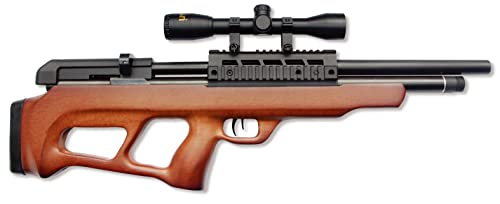
The pr900 gen 3 pcp air rifle sits in that practical middle ground where small details matter more than flashy promises. A lightweight build, a regulated air system, and a simple bolt-action layout make it feel approachable without turning every fill session into a science project. That matters because nobody wants to spend half the afternoon chasing pressure swings, fiddling with awkward magazines, or wondering why the last few shots suddenly dropped low.
The 130 cc air cylinder and 200 bar fill pressure give this rifle a tidy, manageable setup for regular plinking and short-range accuracy work. It’s not built to be a heavy benchrest monster, and honestly, that’s part of the charm. Pick it up, shoulder it, and it doesn’t feel like hauling fence posts across the yard.
The factory regulator is the feature that gives the Gen 3 version its real bite. Consistency is the headache many budget PCP rifles never quite solve, especially once pressure starts falling after a fresh fill. Here, the regulated shot cycle helps smooth things out, so pellet placement feels less like rolling dice and more like repeatable practice.
The multi-shot magazine keeps casual sessions moving, while the single-shot adapter is handy for careful groups or pellet testing. Sure, the magazine system isn’t luxury-grade, and it may feel a bit plain compared with pricier rifles. But plain can be good when it loads cleanly, cycles predictably, and doesn’t demand a manual every time.
The two-stage trigger adds better control than a basic pull-and-hope setup. It may still need a little getting used to, especially for anyone expecting match-rifle softness right out of the box. Still, for a compact PCP with this kind of price-minded design, the trigger gives enough feedback to build cleaner habits.
The 11 mm scope rail makes optics setup straightforward, and that’s a big deal because open sights only go so far once small targets start blending into leaves, shadows, or rough backstop texture. A modest scope pairs better with this rifle than an oversized optic that ruins the balance. Keep the setup light, and the rifle keeps its easy-going personality.
The removable moderator helps tame the report, though expectations should stay realistic. Backyard manners depend on pellet choice, surroundings, and local rules, not just the tube on the end. Still, the quieter feel makes longer practice less tiring and helps keep the whole session calmer.
The pr900 gen 3 pcp air rifle makes the most sense for steady practice, close-range pest control where legal, and low-fuss target shooting. It won’t satisfy someone chasing raw power or big-bore drama. But for clean handling, regulated shots, and a friendly learning curve, it’s a smart little rifle that doesn’t try to act bigger than it is.

- ARS Mark9.0
ARS Mark is a ranking system developed by bestairriflescopes.com. ARS Mark has no relationship or impact from any manufacturers or sales agent websites. Learn more
- BrandUmarex

- ARS Mark9.0
ARS Mark is a ranking system developed by bestairriflescopes.com. ARS Mark has no relationship or impact from any manufacturers or sales agent websites. Learn more
- BrandGamo

- ARS Mark9.0
ARS Mark is a ranking system developed by bestairriflescopes.com. ARS Mark has no relationship or impact from any manufacturers or sales agent websites. Learn more
- BrandBeeman

- ARS Mark8.6
ARS Mark is a ranking system developed by bestairriflescopes.com. ARS Mark has no relationship or impact from any manufacturers or sales agent websites. Learn more
- BrandUmarex

- ARS Mark7.6
ARS Mark is a ranking system developed by bestairriflescopes.com. ARS Mark has no relationship or impact from any manufacturers or sales agent websites. Learn more
- BrandUmarex
- ARS Mark8.4
ARS Mark is a ranking system developed by bestairriflescopes.com. ARS Mark has no relationship or impact from any manufacturers or sales agent websites. Learn more
- BrandBeeman
- ARS Mark8.4
ARS Mark is a ranking system developed by bestairriflescopes.com. ARS Mark has no relationship or impact from any manufacturers or sales agent websites. Learn more
- BrandBeeman

- ARS Mark5.8
ARS Mark is a ranking system developed by bestairriflescopes.com. ARS Mark has no relationship or impact from any manufacturers or sales agent websites. Learn more
- BrandCrosman
Last update on 2026-05-29 / Affiliate links / Images, Product Titles, and Product Highlights from Amazon Product Advertising API
pr900 gen 3 pcp air rifle With Compact Hunting Power
Long rifles sound appealing right up until they start snagging on truck seats, fence gates, or cramped shooting benches. Compact PCP setups solve that headache fast, especially during short backyard sessions where balance matters more than brute force. The pr900 gen 3 pcp air rifle category keeps attracting attention because shooters want lighter handling, steadier follow-up shots, and fewer annoyances during regular practice. That same practical mindset makes the Umarex Notos Carbine .22 stand out in a crowded field full of oversized air rifles trying too hard to look tactical.
Notos Carbine
The 11.75-inch barrel changes the entire feel of this rifle. It shoulders quickly, swings naturally, and avoids the front-heavy drag that turns long shooting sessions into arm workouts. Small game shooters usually notice this immediately because awkward positioning ruins accuracy faster than most people expect.
The shorter design also makes storage less irritating. Tight corners in a closet, crowded gear shelves, and compact rifle cases suddenly become manageable instead of frustrating puzzles. That practical side rarely gets enough attention, but anyone hauling gear in and out of vehicles already understands the difference.
Velocity sits around 700 fps with 12 grain .22 pellets, which places the Notos in a useful middle ground. It carries enough energy for pest control and close-range hunting work while staying calm enough for backyard target sessions. Some high-powered PCP rifles bark loudly and burn through air too quickly. This one feels more controlled.
The rifle doesn’t pretend to be a heavyweight long-range platform, and honestly, that restraint helps. Compact PCP rifles often become less enjoyable once manufacturers chase power at the expense of handling. The Notos keeps things balanced instead of turning into a noisy air-hungry beast.
Regulated Shot Consistency
The regulated air system makes a noticeable difference once the novelty phase wears off. Plenty of budget PCP rifles shoot well for the first few rounds, then start wandering as pressure drops. That inconsistency gets old fast, especially during careful target work.
Shot-to-shot behavior on the Notos feels steadier than many compact rifles in the same category. Pellets land with more predictable impact points, which helps during repetitive practice sessions. Consistency matters more than raw velocity for most realistic shooting situations.
Air efficiency also stays fairly respectable considering the compact format. Nobody enjoys dragging out a compressor or hand pump every few magazines. The regulated setup helps stretch useful shots without turning every session into a refill marathon.
There’s still a tradeoff, though. Shooters chasing maximum power may wish the rifle pushed harder. The regulated tune favors smooth behavior and practical control over aggressive output numbers. Depending on expectations, that’ll either feel smart or slightly conservative.
Quiet Shooting Behavior
The quiet report deserves genuine praise because some compact PCP rifles sound far louder than buyers expect. Backyard shooting gets uncomfortable quickly once neighbors start hearing every shot bounce across fences and garages. The Notos keeps things reasonably tame without relying on exaggerated marketing claims.
Noise reduction becomes especially noticeable during extended plinking sessions. Ears stay fresher, conversations remain possible, and the overall shooting experience feels calmer. That relaxed atmosphere changes how often people actually use the rifle instead of letting it collect dust.
Pellet selection still affects sound levels quite a bit. Lightweight pellets moving faster can produce sharper cracks depending on conditions. Heavier pellets often mellow things out and pair nicely with the regulated setup.
In real-world usage, Crosman Premier Wadcutters sometimes pair well with compact PCP rifles during close-range paper sessions because the flatter pellet face leaves cleaner target holes. That cleaner feedback helps during sight adjustments and casual accuracy testing.
Magazine And Side Lever Feel
The 7-shot rotary magazine keeps shooting sessions flowing smoothly without constant interruptions. Reloading one pellet at a time gets tedious during casual practice, especially while testing optics or practicing holdovers. The auto-indexing system helps maintain rhythm instead of slowing everything down.
The side lever cocking system feels lighter and smoother than old-school bolt actions that demand awkward wrist movement. Quick follow-up shots become easier because the rifle stays planted better during cycling. That subtle improvement adds up during longer sessions.
Magazine-fed PCP rifles sometimes suffer from rough indexing or occasional pellet clipping. The Notos handles its cycling reasonably well, although careful pellet seating still matters. Rushed loading can create unnecessary frustration, especially with softer lead pellets.
Some shooters may prefer a larger magazine capacity, particularly for pest control work. Seven rounds disappear quickly once targets start moving or multiple pests appear around feeders and barns. Still, the compact magazine helps preserve the rifle’s lightweight balance.
Handling During Real Use
The compact stock dimensions make this rifle easy to maneuver in cramped spots. Shooting from truck windows, inside blinds, or around dense brush feels less awkward than using a full-length PCP rifle. That convenience matters more than most spec sheets suggest.
Weight distribution feels pleasantly neutral. Front-heavy rifles often wobble during unsupported shooting, while poorly balanced carbines feel twitchy. The Notos avoids both extremes and settles naturally into the shoulder.
Grip comfort lands somewhere between functional and surprisingly decent. It doesn’t have luxurious shaping or fancy textures, but it avoids the cheap toy-like feeling that ruins some budget PCP platforms. Hands stay comfortable even after extended shooting sessions.
There’s a practical personality to the whole rifle. Nothing feels overly flashy or unnecessarily tactical. The design focuses more on everyday usability than attention-grabbing styling, and that grounded approach works in its favor.
Pros And Cons
Pros:
- Compact size makes storage and carrying easier
- Regulated air system improves shot consistency
- Quiet shooting behavior fits backyard practice better
- Smooth side lever allows quick follow-up shots
- Balanced handling feels natural during offhand shooting
Cons:
- 7-shot capacity feels slightly limited for fast pest control sessions
- Moderate power output may disappoint shooters chasing higher energy
- Compact air reservoir reduces overall shot count compared with larger PCP rifles
- Short barrel setup sacrifices some long-range stability
Everyday Shooting Experience
The Notos feels like the kind of rifle people actually keep using instead of endlessly modifying. Some PCP platforms become rabbit holes filled with aftermarket parts, tuning headaches, and endless troubleshooting. This rifle stays refreshingly straightforward.
Target sessions feel relaxed because the rifle doesn’t punish the shooter with excessive noise, awkward handling, or harsh cocking effort. That matters more than flashy specs once the honeymoon phase fades. Comfortable rifles usually get used more often.
Short-range pest control also suits the Notos nicely. Barn corners, feeders, and small backyard targets rarely require oversized magnum PCP power. A calmer rifle with predictable handling often produces cleaner shots under pressure.
The pr900 gen 3 pcp air rifle market keeps growing because shooters want manageable PCP setups that fit normal routines instead of demanding specialized gear and endless maintenance. The Umarex Notos Carbine leans heavily into that practical mindset, and frankly, that’s exactly why it keeps gaining attention.
pr900 gen 3 pcp air rifle Backyard Accuracy Setup
Air rifles get frustrating in a hurry once the weight creeps up, the refill process becomes annoying, or the noise level starts rattling the whole yard. Compact PCP rifles avoid a lot of those headaches, especially for shooters trying to keep things smooth and practical instead of turning every session into a gear experiment. The pr900 gen 3 pcp air rifle category attracts attention for exactly that reason, and the Gamo Urban PCP Air Rifle slides neatly into the same lane with its lightweight feel and controlled shot cycle.
Gamo Urban
The first thing that stands out is the rifle’s easy handling. Some PCP rifles feel like carrying a steel fence post after twenty minutes, but the Urban keeps a lean profile that works well for standing shots and tighter shooting areas. Long afternoons become a lot less tiring when the rifle doesn’t constantly pull downward at the front.
The compact shape also changes the rhythm of backyard practice. Tight benches, cluttered garages, and narrow shooting lanes feel less restrictive with a rifle that moves naturally. A bulky setup can kill spontaneous practice sessions because hauling everything around starts feeling like a chore.
Its .22 caliber platform balances pellet weight and energy nicely for short-range pest control and paper target work. The Urban isn’t trying to become a magnum powerhouse, and honestly, that restraint keeps the rifle more enjoyable during regular use. Excessive power often creates louder shots, heavier recoil impulses, and faster air consumption.
There’s also a slightly understated look to the rifle. Flashy tactical styling may grab attention online, but practical shooters usually care more about handling and consistency than aggressive cosmetics. The Urban feels built for repeated use instead of display shelf drama.
Pressure System And Fill Routine
The 232-bar fill pressure sounds intimidating at first, especially for shooters moving from spring-piston rifles into PCP territory. After a few sessions, though, the process becomes pretty straightforward. The built-in pressure gauge helps reduce guesswork, which matters because overfilling or running pressure too low can wreck consistency.
Quick-fill ports save time and reduce fumbling around with adapters. That convenience becomes more noticeable during frequent backyard sessions where constant setup interruptions get old fast. Nobody enjoys spending more time refilling than shooting.
Air efficiency stays respectable for a rifle in this size range. The Urban won’t produce endless shot strings like massive bottle-fed PCP platforms, but it avoids the frustratingly short shot count that turns practice into refill duty every ten minutes.
Hand-pump users should still expect a workout. Compact PCP rifles may use less air than giant hunting rigs, but repeated pumping sessions can wear people down during longer weekends. That tradeoff comes with nearly every PCP system, not just this one.
Accuracy And Real Shot Feel
The up to 800 FPS velocity gives the Urban enough authority for practical shooting without becoming overly harsh. Pellets travel fast enough for clean target impact while keeping recoil nearly nonexistent. That calmer shooting behavior helps tighten groups because the rifle stays settled during follow-through.
Trigger feel matters more than people expect, and the Urban keeps things reasonably manageable. It’s not a glass-rod competition trigger, but it avoids the mushy unpredictability that ruins careful shots. Consistent trigger behavior makes repetitive practice less frustrating.
Pellet preference still plays a big role. Some rifles become surprisingly picky once different pellet weights enter the mix. In real-world usage, laser sight accessories sometimes appear alongside compact PCP setups during close-range pest work where faster sight acquisition matters more than magnified precision optics.
Wind handling remains typical for lightweight .22 PCP rifles. Calm mornings produce cleaner groups, while breezy afternoons remind shooters how quickly lightweight pellets drift off target. The Urban performs best once expectations stay grounded around realistic distances.
Noise And Backyard Manners
The moderated shooting behavior keeps the Urban fairly backyard-friendly compared with louder spring rifles and some high-pressure PCP platforms. Noise control becomes a bigger deal once neighbors, fences, and reflective garage walls start amplifying every shot.
Backyard sessions feel calmer because the report avoids that harsh cracking sound many new PCP shooters expect. Short practice sessions become easier to squeeze into the day without turning the whole property into a noise chamber. That quieter personality encourages more regular shooting.
Pellet choice and surroundings still affect perceived noise. Heavier pellets often mellow the shot cycle a bit, while lightweight pellets can sound sharper depending on humidity and nearby structures. A quieter rifle still benefits from thoughtful shooting locations.
There’s a relaxed quality to the Urban’s firing behavior. Some PCP rifles feel overly mechanical or aggressive, almost like they’re trying too hard to prove their power. This rifle stays smoother and easiergoing, which honestly suits regular practice much better.
Practical Hunting And Plinking Use
The lightweight frame works especially well during slow walks around barns, tree lines, or small wooded areas. Carry fatigue sneaks up fast with heavier rifles, especially once optics and accessories start piling on extra ounces. The Urban avoids that problem pretty effectively.
Target transitions feel quick because the rifle swings naturally without excessive front-end drag. Fast handling matters during pest control where stationary paper-target pacing disappears instantly. Clumsy rifles can cost opportunities before the shooter even settles into position.
Bench shooting feels comfortable too. Some lightweight rifles become twitchy during careful aiming, but the Urban keeps a fairly stable personality once supported properly. It rewards calm trigger work rather than forcing constant correction.
Its compact dimensions also make transport easier. Truck cabs, storage lockers, and smaller rifle bags accommodate the Urban without much fuss. Those practical conveniences rarely show up on spec sheets, but they shape the everyday ownership experience more than flashy marketing lines.
Pros And Cons
Pros:
- Lightweight handling reduces fatigue during longer sessions
- Quiet shot behavior suits backyard environments better
- Quick-fill system simplifies PCP maintenance routines
- Balanced .22 caliber power works well for targets and small pests
- Compact dimensions improve transport and storage convenience
Cons:
- Hand pumping still requires physical effort over time
- Moderate power output limits longer-range hunting expectations
- Pellet sensitivity may require testing different ammo brands
- Compact air capacity reduces total shot count compared with larger PCP rifles
Daily Ownership Experience
The Urban feels less like a specialty rifle and more like a practical tool people actually use several times a week. That distinction matters because many PCP rifles sound exciting online but become inconvenient once real maintenance routines kick in. Simpler setups usually stay in rotation longer.
Regular cleaning and pressure checks stay manageable without demanding endless tinkering. Some shooters enjoy constant modifications and tuning experiments, but others just want a rifle that behaves consistently every weekend. The Urban leans toward that second group without feeling stripped down.
There’s also a nice balance between power and comfort here. Loud, overpowered PCP rifles can become exhausting after extended use, especially in smaller backyard ranges. The Urban feels calmer, steadier, and easier to live with during normal shooting routines.
The pr900 gen 3 pcp air rifle crowd usually appreciates rifles that reduce hassle instead of adding complexity. Gamo’s Urban keeps leaning into that practical formula with steady handling, manageable noise, and enough accuracy to stay genuinely enjoyable long after the first few magazines.
pr900 gen 3 pcp air rifle For Backyard Precision
Cheap PCP rifles usually reveal their weak spots after the honeymoon phase wears off. Air leaks show up, fills become annoying, or the balance starts feeling awkward halfway through a shooting session. That’s partly why the pr900 gen 3 pcp air rifle category keeps gaining traction among shooters who care more about practical handling than oversized tactical styling. The Raider .22 PCP 3500 PSI Air Rifle lands right in that conversation with a straightforward design that leans into power, manageable handling, and simple operation.
Raider .22 PCP
The Raider keeps things visually simple, which honestly works in its favor. Some air rifles pile on rails, oversized stocks, and flashy add-ons that look dramatic online but feel clumsy in actual use. This rifle sticks closer to a practical shooting tool instead of trying to imitate a military prop.
The .22 caliber platform gives it solid versatility for backyard targets and small pest control. Pellets carry enough weight to hit with authority without becoming overly loud or difficult to manage. That middle ground tends to keep shooters satisfied longer than ultra-light pellet setups that feel twitchy in windy conditions.
Its 3500 PSI PCP system immediately hints at a rifle built around sustained pressure and stronger shot consistency. Higher fill pressure can sound intimidating at first, though the benefit becomes clearer once shots start grouping more predictably across longer sessions. A steadier rifle simply makes practice more enjoyable.
Compact PCP rifles often struggle with identity. Some try chasing raw power while sacrificing comfort, while others become so lightweight they feel toy-like. The Raider avoids most of that confusion by staying grounded in practical shooting behavior.
Pressure Handling And Fill Routine
The 3500 PSI fill capacity gives the rifle a more serious feel compared with entry-level PCP setups running lower pressures. That extra pressure reserve helps maintain usable shot strings before noticeable performance drop-off starts creeping in. Long target sessions become less interrupted by refill breaks.
Hand-pumping to higher pressures still demands patience, no sugarcoating there. Shooters relying entirely on manual pumps will definitely feel the effort after extended use. Compressor owners, meanwhile, tend to appreciate the convenience much more once refill time drops to a quick routine.
Pressure stability matters because inconsistent velocity ruins confidence faster than most people expect. Tiny changes in pellet speed can shift point of impact enough to become irritating during precision shooting. The Raider handles this fairly well once the rifle settles into its preferred pressure range.
There’s also a psychological benefit to reliable air delivery. Shooters stop second-guessing the rifle and focus more on trigger control, breathing, and pellet choice instead of constantly wondering whether pressure inconsistency caused the last miss.
Handling During Real Shooting
The Raider carries a balanced feel that works nicely for mixed shooting styles. Standing shots feel steady enough without turning the rifle into a shoulder workout, while bench shooting stays comfortable during longer sessions. Balance matters more than raw weight numbers on a spec sheet.
Grip ergonomics stay fairly straightforward. Nothing feels exaggerated or awkwardly sculpted, which actually helps during repetitive practice. Some aggressively shaped stocks lock shooters into one position and become uncomfortable once shooting angles change.
The compact PCP profile also makes movement easier around tighter areas. Barn corners, backyard gates, and narrow shooting lanes become less frustrating when the rifle doesn’t constantly snag on everything nearby. Little annoyances like that shape the ownership experience more than flashy marketing buzzwords.
Offhand shooting benefits from the rifle’s calmer behavior too. Lightweight rifles sometimes wobble excessively during unsupported aiming, but the Raider manages to stay relatively composed. That steadiness helps newer shooters settle into cleaner trigger habits.
Shot Feel And Noise Control
The firing cycle feels reasonably smooth for a PCP rifle in this category. Some rifles produce a sharp, hollow crack that quickly becomes tiring during repeated use. The Raider keeps things more controlled and easier on the ears, especially in enclosed backyard environments.
Noise management matters more than people admit. One loud session can ruin an otherwise peaceful practice setup, especially around close neighbors or reflective structures. The Raider avoids becoming obnoxious, though pellet choice still influences overall sound.
Heavier pellets generally calm the report slightly while helping maintain steadier downrange behavior. Lightweight pellets may increase velocity but can produce sharper sound signatures depending on weather and surroundings. Small adjustments in ammo often reshape the rifle’s personality.
In real-world usage, gas piston air rifles sometimes get compared against PCP setups like the Raider because both platforms aim for smoother shooting behavior. The difference usually appears during follow-up shots, where PCP systems feel more controlled and less mechanically abrupt.
Accuracy And Practical Use
The Raider rewards patience more than rushed shooting. Careful pellet seating, stable positioning, and realistic distance expectations all help tighten groups considerably. PCP rifles generally expose sloppy technique faster because recoil stays minimal and leaves fewer excuses.
The .22 caliber accuracy potential feels best suited for moderate backyard ranges instead of exaggerated long-distance bragging contests. Wind drift eventually catches lightweight pellets no matter how confident the marketing language becomes. Calm mornings tend to produce noticeably cleaner results.
Target shooters will likely appreciate the rifle’s calmer shot behavior during repetitive practice. Follow-through becomes easier because recoil barely interrupts the sight picture. That steadier feedback loop helps shooters spot mistakes faster.
Small pest control duties also fit the Raider reasonably well within appropriate ranges and local regulations. Compact handling helps around barns, sheds, and fence lines where oversized rifles become cumbersome. Precision matters more than sheer velocity during those situations.
Pros And Cons
Pros:
- 3500 PSI system supports steadier shot consistency
- Balanced handling improves comfort during longer sessions
- Manageable noise levels fit backyard environments better
- .22 caliber versatility works for targets and pest control
- Compact dimensions reduce storage and transport hassle
Cons:
- Higher fill pressure can feel demanding with hand pumps
- Wind sensitivity still affects pellet behavior at longer ranges
- Moderate power limits reduce effectiveness for larger pest situations
- Pellet preference variation may require extra testing for best accuracy
Ownership Experience Over Time
The Raider feels less like a novelty rifle and more like something that naturally stays in regular rotation. Some PCP rifles impress during the first week, then slowly become frustrating once refill routines, storage issues, or excessive noise settle in. This one avoids many of those long-term annoyances.
Cleaning routines stay manageable without requiring constant disassembly or endless tuning sessions. Shooters who enjoy tweaking every internal component may want more customization potential, but practical owners often appreciate rifles that simply stay reliable between sessions.
The shooting rhythm also feels relaxed. Short backyard target sessions remain enjoyable because the rifle doesn’t punish the shooter with harsh recoil, awkward balance, or excessive noise. That smoothness keeps fatigue lower and encourages more regular practice.
The pr900 gen 3 pcp air rifle crowd usually values consistency, manageable handling, and realistic everyday usability over oversized power claims. The Raider fits comfortably into that lane with a calmer personality that feels built for repeated use instead of occasional attention-grabbing range trips.
Umarex Zelos .22 PCP Air Rifle Review
Extra reloads can break the rhythm faster than a bad trigger pull. A rifle that keeps cycling smoothly, holds pressure predictably, and gives enough rail space for a clean optic setup feels easier to live with during long backyard sessions. That’s where the pr900 gen 3 pcp air rifle conversation naturally crosses paths with the Umarex Zelos .22 PCP Air Rifle, because both appeal to shooters who want a steadier PCP platform without turning every range day into a tinkering project.
Umarex Zelos .22 PCP
The Umarex Zelos .22 PCP comes across as a more feature-loaded rifle than many simple entry PCP setups. Its 20-round rotary magazine immediately changes the pace, especially during plinking sessions where constant reloads get old in a hurry. More shots between reloads means the shooter can stay settled behind the rifle instead of constantly reaching for pellets.
The black finish gives it a clean, modern look without getting too loud visually. Some air rifles try so hard to look aggressive that the design becomes tiring before the first fill. The Zelos feels more purposeful, with integrated Picatinny rails that make optics and accessories easier to mount without awkward adapters.
The .22 caliber setup is the practical sweet spot here. It carries more pellet weight than .177, yet it stays easier to manage than larger calibers that drink air quickly. That balance matters for backyard targets, pest control where legal, and relaxed shooting sessions where consistency beats raw bragging numbers.
The rifle does have a busier personality than a stripped-down PCP. More adjustments, more capacity, and more accessory potential can be a blessing, but they also invite more decisions. Shooters who like simple grab-and-shoot tools may need a little patience while getting everything dialed in.
Power And Regulator Control
The 1000 FPS rating gives the Zelos a stronger edge than many compact PCP rifles. That extra velocity can help flatten trajectory at sensible distances, which makes holdover less fussy once the rifle is matched with the right pellet. Still, speed alone doesn’t make a rifle accurate, and the Zelos benefits from careful ammo selection.
The adjustable pressure regulator is the feature that gives this rifle more personality. With a range of 1000 to 2000 PSI, it allows tuning around shot feel, velocity, and air use. That’s useful for shooters who want more control instead of accepting a factory tune and calling it a day.
The 3625 PSI tank supports a serious air reserve, but higher pressure also raises the bar for fill equipment. A hand pump can technically handle plenty of PCP work, but repeated high-pressure fills can turn fun into sweat pretty fast. A compressor or tank setup makes the Zelos much easier to enjoy over time.
The tradeoff is clear. The Zelos gives more adjustability than basic PCP rifles, but it asks for more understanding in return. Anyone expecting a totally hands-off rifle may find the regulator range and high-fill system slightly intimidating at first.
Magazine Capacity And Cycling
The 20-round rotary magazine is a real convenience during casual shooting. Fewer reload breaks help maintain focus, especially while practicing trigger control or working through several targets. That steady rhythm feels less choppy than lower-capacity magazines that interrupt every few shots.
The side-lever cocking mechanism adds to that smooth flow. A good side lever keeps the rifle on target better than a stiff bolt that forces the shooter to shift position. That matters during fast follow-up shots, where small movements can throw off sight alignment.
Magazine systems can be picky, though. Soft lead pellets, rushed loading, or slightly deformed skirts may cause indexing issues in many rotary designs. The Zelos benefits from careful pellet handling, not because it feels fragile, but because magazine-fed PCP rifles always reward neat loading habits.
The compatible spare magazine part number 2251542 is worth noting from a practical angle. Having spare magazines can keep sessions moving, though extra magazines also mean another accessory to store, label, and keep clean. Small parts have a funny way of disappearing at the worst time.
Trigger And Optics Setup
The two-stage adjustable trigger gives the Zelos a more refined feel than basic budget rifles. A predictable first stage and cleaner break make careful shooting less stressful. The trigger won’t magically fix poor technique, but it gives the shooter better feedback during slow, deliberate shots.
Adjustment is the part that needs a light touch. Over-tinkering can make a trigger feel worse instead of better, especially for shooters who start changing settings without a clear baseline. Small changes, followed by careful testing, usually make more sense than chasing a hair-trigger feel.
The integrated Picatinny rails are a strong advantage for modern optics. Scope mounts, compact red dots, and other accessories fit more cleanly than they do on older dovetail-only air rifles. That flexibility gives the Zelos a more current feel, especially for shooters already using Picatinny gear.
Accessory weight still matters. Loading the rifle with oversized optics and extra hardware can ruin the handling balance that makes PCP rifles enjoyable. A modest scope often fits the Zelos better than a heavy setup that turns every standing shot into a wrestling match.
Noise, Handling, And Daily Use
The Zelos feels like a rifle made for longer sessions rather than quick novelty shooting. The large magazine capacity, adjustable regulator, and rail system all encourage fine-tuning and repeated use. That makes it more engaging for shooters who enjoy learning how a rifle behaves over time.
Noise depends heavily on pellet choice, pressure setting, and surroundings. A higher-power .22 PCP can sound sharper than a mild backyard plinker, especially near fences, sheds, or garage walls. The adjustable regulator helps here because lower settings can calm the shot cycle when maximum velocity isn’t needed.
Handling feels more serious than tiny carbines, but not clumsy. The Zelos has enough presence to feel stable from a bench while still staying manageable for field-style shooting. That middle-weight feel suits shooters who dislike featherweight rifles that wobble too easily.
From a practical angle, CO2 cartridges for air rifles belong to a different power system than this PCP platform, so the reference makes more sense as a comparison point for airgun fuel types rather than a direct accessory match. PCP rifles like the Zelos rely on compressed air, which gives more tuning potential but also demands proper fill gear.
Pros And Cons
Pros:
- 20-round magazine reduces reload interruptions during long sessions
- Adjustable regulator gives more control over shot behavior
- 3625 PSI tank supports a stronger air reserve
- Side-lever cocking keeps cycling smooth and comfortable
- Picatinny rails make optic and accessory setup easier
Cons:
- Higher fill pressure can be tiring with a hand pump
- More adjustments may feel busy for simple plinking use
- Pellet choice can affect accuracy and magazine reliability
- Accessory weight can spoil the rifle’s natural balance
The biggest strength is the way the Zelos blends capacity, power, and tuning control in one package. The main weakness is that it asks for better fill equipment and more setup patience than a plain beginner rifle. That difference matters because the Zelos feels less like a casual toy and more like a PCP platform meant to be learned properly.
Real Shooting Personality
The Zelos has a confident, slightly technical feel without becoming overly complicated. It rewards shooters who pay attention to pressure settings, pellet fit, and trigger behavior. That creates a more involved ownership experience than a basic rifle that only asks for air and pellets.
Accuracy potential depends on keeping the setup sensible. A stable rest, a properly mounted optic, and consistent pellets will do more for the Zelos than chasing every accessory on the rail. The rifle gives enough performance headroom, but sloppy setup can still waste it.
The pr900 gen 3 pcp air rifle crowd usually appreciates rifles that keep shooting practical, repeatable, and affordable to run. The Zelos sits a little higher on the feature ladder, with stronger velocity, a larger magazine, and more tuning flexibility. That makes it a better fit for someone who wants room to grow instead of a PCP rifle that feels finished after the first afternoon.
Expectations should stay realistic, though. The Zelos isn’t the quietest, simplest, or cheapest-feeling path into PCP shooting. Its appeal comes from capacity, adjustability, and strong .22 caliber performance, all wrapped into a rifle that makes repeated practice feel more deliberate and less stop-and-start.
Umarex Iconix .22 PCP Air Rifle Review
A rifle that pauses for reloads too often can make a short practice session feel choppy and irritating. Smooth cycling, simple filling, and steady pellet delivery matter a lot once the first few shots are out of the way. The pr900 gen 3 pcp air rifle crowd usually cares about that practical rhythm, and the Umarex Iconix .22 PCP Air Rifle steps into that lane with side-lever cocking, an 8-shot magazine, and a compact air system built for regular use.
Umarex Iconix .22 PCP
The Umarex Iconix .22 PCP has a straightforward feel that doesn’t try to be fancier than it needs to be. Its side lever action gives the rifle a cleaner shooting rhythm than a stiff bolt system. That matters during repeat shots, where breaking position can turn decent groups into scattered guessing.
The 8-round rotary magazine keeps the pace moving without making the rifle feel bulky. Eight shots won’t satisfy someone who wants a huge magazine, but it’s enough for careful target work and pest-control situations where each shot needs attention. The included single-shot tray is a nice touch for pellet testing or slow bench practice.
The rifle’s black finish and simple layout give it a clean, working-tool personality. It doesn’t look overbuilt, and that helps it avoid the clumsy feel some accessory-heavy PCP rifles develop. Practical design wins points here because comfort usually matters more than dramatic styling.
The .22 caliber platform fits the rifle’s purpose well. Pellets carry better impact than .177 options while staying easier to manage than larger hunting calibers. That balance keeps the Iconix useful for backyard targets, small-game work where legal, and casual shooting that doesn’t need excessive power.
Air Tank And Fill Behavior
The 3000 PSI tank keeps the Iconix in a more approachable pressure range than some higher-pressure PCP rifles. That makes the fill routine feel less intimidating, especially for shooters who aren’t using large shop-style compressors. The included fill probe also helps keep the setup more complete right out of the box.
The 6.1 cubic inch tank, listed at about 100 cc, is compact rather than oversized. That means the rifle stays lighter and easier to handle, but there’s a clear tradeoff in shot count. With around 25 shots per fill, longer sessions require a little planning.
That shot count makes sense for a compact PCP, though. The Iconix isn’t pretending to be a giant bottle-fed rifle built for endless strings. It feels better suited to focused shooting sessions where careful aim matters more than spraying pellets at steel until the tank runs flat.
Hand pumping should be manageable compared with rifles that demand much higher fill pressures, but it still takes effort. PCP ownership always has that little air-management chore attached. Anyone expecting spring-rifle simplicity may need a few sessions to settle into the routine.
Power And Shot Feel
The up to 1000 FPS rating gives the Iconix enough speed to feel lively in .22 caliber. That figure depends on pellet weight and conditions, so it shouldn’t be treated like a fixed promise for every shot. Still, the rifle has enough punch for practical target shooting and suitable small-game ranges.
The shot cycle feels more controlled than a hard-kicking springer. There’s no spring slap, no heavy forward jump, and no awkward recoil pattern to fight through. That smoother behavior helps with follow-through, which is where many shooters quietly lose accuracy.
Pellet choice matters quite a bit here. Lighter pellets may push closer to higher velocity numbers, while heavier pellets can feel more settled and predictable. The best results usually come from testing a few pellet shapes instead of assuming one tin will magically suit the barrel.
From a practical angle, small game air rifles often get judged by usable accuracy and handling rather than raw speed alone. The Iconix fits that thinking because its compact air tank, .22 caliber bore, and quick side lever all support realistic field use. Clean shot placement still carries more weight than chasing the loudest report.
Side Lever And Magazine Use
The side-lever cocking system is one of the rifle’s better everyday features. A smooth lever lets the shooter stay planted behind the scope while moving to the next shot. That makes a real difference during pest-control moments where hesitation can cost the opportunity.
The 8-shot magazine feels simple and practical. It gives enough capacity for a short string without turning the rifle into a bulky repeater. Spare magazine part number 2252611 is worth noting because extra magazines can make range sessions less stop-and-start.
Magazine-fed PCP rifles do reward neat loading habits. Damaged pellet skirts, rushed seating, or dirt in the magazine can cause annoying little issues. The Iconix isn’t unusually fussy, but it still behaves best when pellets are handled with some care.
The single-shot tray changes the rifle’s personality for bench work. It slows everything down in a good way, especially during pellet testing or zeroing. Instead of rushing through a magazine, the shooter pays closer attention to each trigger press.
Optics And Handling Setup
The Picatinny rail makes optic mounting easier than older dovetail-only setups. Scope rings, compact optics, and certain accessories fit more cleanly without odd adapters. That flexibility is helpful, especially for anyone already using standard rail-mounted gear.
Balance stays fairly friendly because the rifle’s air tank is compact. Heavy optics can still spoil that feel, though. A modest scope makes more sense than a huge glass setup that turns the rifle nose-heavy and awkward.
The Iconix has a practical shoulder feel. It’s not a tiny youth-style plinker, but it doesn’t carry like an oversized bench rifle either. That middle ground works well for backyard lanes, barn corners, and portable range setups.
Standing shots feel manageable as long as the optic choice stays sensible. Lightweight PCP rifles can wobble if they’re too stripped down, while heavy rifles tire the arms fast. The Iconix lands in a useful middle space where control feels natural rather than forced.
Pros And Cons
Pros:
- Side lever action supports quick and smooth follow-up shots
- 8-round rotary magazine reduces constant reloading
- 3000 PSI fill pressure feels more manageable than higher-pressure systems
- Picatinny rail simplifies optic mounting
- Single-shot tray helps with pellet testing and careful bench work
Cons:
- 25 shots per fill may feel limited during long plinking sessions
- 100 cc tank favors light handling over extended shot count
- Magazine capacity is modest compared with higher-capacity PCP rifles
- Pellet selection can affect accuracy and cycling smoothness
The biggest strength is the rifle’s easy shooting rhythm. Side-lever cycling, manageable pressure, and included loading options make it feel friendly without being dull. The main weakness is air capacity, since the compact tank naturally limits longer uninterrupted sessions.
The Iconix also sits in an interesting spot between basic and feature-rich. It gives enough useful hardware to feel complete, but it doesn’t bury the shooter under adjustment menus and tuning chores. That simplicity can be a relief when the goal is steady shooting rather than endless tinkering.
Daily Shooting Personality
The Iconix feels like a rifle built around routine use. Fill it, load it, mount a sensible optic, and it settles into backyard work without demanding a whole afternoon of setup. That kind of low-drama personality is easy to appreciate after dealing with fussy airguns.
Its 1000 FPS potential adds confidence, but the rifle still benefits from calm shooting habits. Rushed trigger pulls and sloppy rests will show up on paper fast. PCP rifles remove much of the recoil excuse, so technique becomes easier to read.
The pr900 gen 3 pcp air rifle comparison makes sense because both styles appeal to shooters who want practical PCP performance without oversized complexity. The Iconix leans a bit more toward quick cycling and modern mounting flexibility. That difference gives it a slightly more active, ready-to-use feel during repeated shooting.
Realistic expectations keep the Iconix enjoyable. It isn’t built for marathon shot strings, giant magazines, or extreme-distance bragging. It feels strongest as a compact .22 PCP with smooth cycling, clean optic support, and enough power for sensible target and small-game use.


12 Best 22 Pcp Air Rifle For Hunting of 2026 With Quiet Power

7 Best 22 Pcp Air Rifle Under 300 of 2026 For Backyard Pest Control

10 Best 22 Break Barrel Air Rifles of 2026 For Backyard Pest Control

10 Best 30 Caliber Pcp Air Rifle of 2026 For Medium Game

Top Best 177 Air Rifle Under 100: Budget-Friendly Picks for 2026

How to Safely Reload Shotgun Shells at Home

11 Best Co2 Air Rifle For Pest Control of 2026 To Ensure Humane Dispatch

12 Best Inexpensive Air Rifles of 2026 For Dependable Backyard Accuracy





