
Snowpeak AP900B PCP air rifle 2026 best compact pick

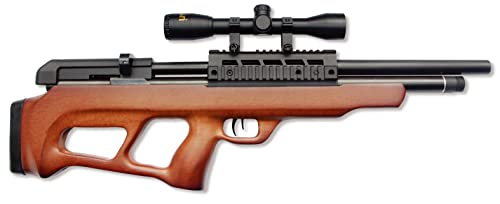
Snowpeak AP900B PCP air rifle makes sense for anyone tired of bulky rifles that feel awkward before the first shot is even lined up. Compact size is the first thing that stands out, but the real appeal sits in how the folding stock, side-lever action, and regulated PCP setup work together. Storage gets easier, handling feels less clumsy, and the rifle doesn’t ask for a huge bench or oversized case just to feel practical. Well, that matters more than spec sheets usually admit.
Regulated air delivery is the quiet hero here because inconsistent pressure can turn a relaxed target session into a guessing game. The AP900B’s regulated design helps keep shot behavior steadier across the fill, which can reduce those annoying flyers that make people blame pellets, scopes, or themselves. It’s not magic, and pellet choice still matters, but steady air control gives the rifle a calmer personality. That’s the kind of detail that saves patience over time.
Compact PCP rifles often trade comfort for portability, yet this one avoids feeling like a cramped toy. The folding synthetic stock helps with transport, while the side-lever action keeps the shooting rhythm smooth enough for repeat shots on paper or reactive targets. The 310 mm rifled barrel keeps the package short, so it won’t feel like a fishing pole indoors or around tight storage spaces. Still, the shorter barrel means expectations should stay grounded, especially for those chasing long-range perfection.
Practical maintenance deserves a nod because PCP ownership isn’t just about pulling a trigger and smiling. Fill pressure, probe care, O-rings, magazine fit, and pellet consistency all play a role, and the AP900B rewards a little routine attention. The 350 cc bottle gives breathing room between fills, though real shot count depends on caliber, power setting, pellet weight, and local setup. So, yes, the numbers look good, but real life always brings its own weather.
Snowpeak AP900B PCP air rifle fits best where portability, adjustability, and steady regulated behavior matter more than flashy extras. The adjustable trigger gives room to tune feel, while the manual safety and pressure gauge add useful day-to-day control. It may not satisfy someone wanting a heavy benchrest build with a long barrel and maximum heft. But for a compact, foldable PCP that feels easy to carry, store, and manage, it earns attention without shouting for it.

- ARS Mark9.0
ARS Mark is a ranking system developed by bestairriflescopes.com. ARS Mark has no relationship or impact from any manufacturers or sales agent websites. Learn more
- BrandUmarex

- ARS Mark9.0
ARS Mark is a ranking system developed by bestairriflescopes.com. ARS Mark has no relationship or impact from any manufacturers or sales agent websites. Learn more
- BrandGamo

- ARS Mark8.4
ARS Mark is a ranking system developed by bestairriflescopes.com. ARS Mark has no relationship or impact from any manufacturers or sales agent websites. Learn more
- BrandBeeman
- ARS Mark9.0
ARS Mark is a ranking system developed by bestairriflescopes.com. ARS Mark has no relationship or impact from any manufacturers or sales agent websites. Learn more
- BrandBeeman
- ARS Mark8.4
ARS Mark is a ranking system developed by bestairriflescopes.com. ARS Mark has no relationship or impact from any manufacturers or sales agent websites. Learn more
- BrandBeeman

- ARS Mark8.8
ARS Mark is a ranking system developed by bestairriflescopes.com. ARS Mark has no relationship or impact from any manufacturers or sales agent websites. Learn more
- BrandUmarex

- ARS Mark8.6
ARS Mark is a ranking system developed by bestairriflescopes.com. ARS Mark has no relationship or impact from any manufacturers or sales agent websites. Learn more
- BrandBeeman

- ARS Mark8.6
ARS Mark is a ranking system developed by bestairriflescopes.com. ARS Mark has no relationship or impact from any manufacturers or sales agent websites. Learn more
- BrandUmarex

- ARS Mark8.2
ARS Mark is a ranking system developed by bestairriflescopes.com. ARS Mark has no relationship or impact from any manufacturers or sales agent websites. Learn more
- BrandSig Sauer

- ARS Mark8.2
ARS Mark is a ranking system developed by bestairriflescopes.com. ARS Mark has no relationship or impact from any manufacturers or sales agent websites. Learn more
- BrandGamo

- ARS Mark8.2
ARS Mark is a ranking system developed by bestairriflescopes.com. ARS Mark has no relationship or impact from any manufacturers or sales agent websites. Learn more
- BrandUmarex

- ARS Mark7.6
ARS Mark is a ranking system developed by bestairriflescopes.com. ARS Mark has no relationship or impact from any manufacturers or sales agent websites. Learn more
- BrandUmarex
Last update on 2026-05-29 / Affiliate links / Images, Product Titles, and Product Highlights from Amazon Product Advertising API
Snowpeak AP900B PCP Air Rifle Alternatives
Compact air rifles sound convenient right up until the balance feels awkward, the shot cycle gets jumpy, or the fill routine becomes more annoying than expected. Plenty of shooters start hunting for something lightweight and backyard-friendly, then realize oversized platforms chew up storage space and patience at the same time. That’s where the Umarex Notos Carbine .22 Caliber PCP Pellet Gun Air Rifle starts getting attention around conversations tied to the snowpeak ap900b pcp air rifle. Short profile, regulated air system, and a side lever setup give it a more practical personality than many rifles in the same size range.
Notos Carbine
Notos Carbine keeps things refreshingly compact without turning into a cramped little novelty gun. The short 11.75-inch barrel helps the rifle stay maneuverable in tighter shooting areas, especially around small backyard lanes or indoor target setups where long barrels become a nuisance. Carrying it around for extended sessions also feels less tiring compared to bulkier PCP rifles that shift all the weight toward the front. That lighter handling changes the experience more than people expect.
The regulated air system is one of the rifle’s more useful traits because inconsistent shot pressure ruins rhythm fast. Instead of dealing with noticeable power swings after the first several shots, the Notos keeps a steadier feel through much of the fill range. The consistency becomes obvious during repeated target groups where vertical spread can get frustrating on cheaper PCP systems. Pellet choice still matters, naturally, but the rifle doesn’t constantly fight the shooter.
Side lever cocking gives the Notos a smoother shooting flow than bolt-action setups that feel stiff or awkward between shots. The lever action cycles quickly without requiring much effort, and the 7-shot rotary magazine keeps follow-up shots moving without constant interruptions. Some compact PCP rifles feel rough after extended use, yet the Notos maintains a surprisingly controlled cycle. That softer mechanical feel adds comfort during longer plinking sessions.
Noise control deserves attention too because many compact rifles sound sharper than expected. The Notos keeps the report fairly moderated for a PCP platform in this power range, which helps in tighter shooting environments where loud cracks become distracting fast. It’s not whisper silent, obviously, but the sound signature avoids the harsh bark common in some lightweight carbines. Neighbors usually appreciate that kind of restraint more than marketing brochures do.
Power And Real Shooting Feel
The .22 caliber setup pushes 12-grain pellets around 700 fps, which creates a balance between manageable recoil behavior and enough authority for practical target use. The rifle doesn’t try to chase exaggerated velocity numbers just to look impressive online. Instead, it leans toward controlled shooting characteristics that feel easier to manage during repeated sessions. That balance often matters more than raw speed once the novelty wears off.
Short-barrel PCP rifles sometimes sacrifice stability for portability, and that tradeoff still exists here to a degree. Long-distance precision shooters may notice the compact format requires more discipline with hold consistency and optics setup. Wind drift also becomes more noticeable outdoors with lighter pellets. So while the Notos feels agile, it rewards realistic expectations rather than fantasy-level accuracy claims.
Trigger feel lands somewhere between practical and surprisingly decent for the price range. It avoids the mushy sensation that drags down many entry-level PCP rifles, though perfectionists will probably want a finer break. During rapid target transitions, the trigger behavior feels predictable enough to maintain decent control. That predictability matters far more than flashy trigger marketing language.
Air efficiency stays respectable thanks to the regulated fixed HP tank, though compact PCP platforms naturally ask for more frequent refills than giant bottle rifles. Casual sessions won’t feel interrupted constantly, but extended shooting days will eventually push users toward compressors or larger air management setups. Hand pumping remains possible, though repeated fills become tiring after a while. PCP ownership always comes with that reality check.
Pros And Cons
The strongest advantage sits in the rifle’s compact handling. Storage becomes easier, transportation feels less awkward, and quick setup takes less effort overall. Small shooting spaces benefit from the shorter overall footprint, especially where maneuverability matters more than long-range specialization. Plenty of larger rifles simply feel excessive for relaxed recreational use.
Shot consistency also works in the rifle’s favor because the regulator smooths out much of the annoying variability common in budget PCP designs. Repeated groups feel steadier, and the shooting rhythm stays calmer across multiple magazines. The side lever and rotary magazine combination adds another layer of convenience during repeated firing. Little quality-of-life details like that tend to age well.
The downsides mostly revolve around the limitations of compact PCP platforms rather than catastrophic flaws. The smaller overall size won’t satisfy shooters who prefer heavier bench-oriented rifles with maximum stability. Air capacity also means refill frequency becomes noticeable during high-volume shooting sessions. People expecting marathon shot counts from a lightweight carbine may end up disappointed.
Optic pairing can take a bit of patience too because ultra-light rifles sometimes feel front-heavy once larger scopes get installed. Smaller optics generally complement the platform better and keep the handling balanced. Oversized accessories can accidentally ruin the very portability that makes the Notos appealing in the first place. That’s a common trap with compact rifles.
Daily Use And Ownership Tradeoffs
Routine handling feels approachable, which honestly helps newer PCP owners settle into maintenance habits without getting overwhelmed. Fill pressure checks, pellet loading, and magazine operation stay fairly straightforward. The rifle doesn’t bombard the owner with excessive adjustments or overly complicated tuning systems. Simpler setups often encourage more actual shooting time.
Cleaning requirements remain pretty manageable, though barrel maintenance still matters if accuracy starts drifting after extended pellet experimentation. Different pellet brands can shift performance noticeably, and the rifle tends to reward consistency once a preferred pellet is found. Chasing every random pellet tin on the shelf usually creates more confusion than improvement. That’s part of PCP ownership nobody really talks about early on.
From a practical angle, a relevant reference is Crosman Vigilante CO2 Revolver, especially for shooters comparing compact recreational platforms with different handling styles and power systems. The experience differs quite a bit, though both models appeal to people wanting manageable backyard-friendly formats instead of oversized setups. One leans toward PCP consistency while the other focuses more on CO2 revolver handling dynamics. The comparison becomes surprisingly interesting once convenience enters the conversation.
Long-term comfort might be the Notos Carbine’s most underrated trait. Carry fatigue stays low, setup remains uncomplicated, and the regulated shot cycle avoids the erratic behavior that often frustrates people away from budget PCP rifles. It doesn’t pretend to replace heavyweight precision platforms, and honestly, that restraint helps the rifle stay grounded. Compact PCP rifles usually succeed best when they stop trying to be everything at once.
Snowpeak AP900B PCP Air Rifle Alternatives
Heavy rifles can wear out the fun long before the air tank runs dry. Tight storage spaces, awkward carrying angles, and front-heavy balance points often turn quick target sessions into a chore nobody talks about beforehand. That frustration is exactly why the Gamo Urban PCP Air Rifle, 22 Caliber, Black keeps appearing in conversations around the snowpeak ap900b pcp air rifle. Compact dimensions, manageable weight, and straightforward PCP operation give it a calmer, less fussy personality than many oversized air rifles.
Gamo Urban PCP
Gamo Urban PCP leans into practicality instead of trying to look aggressive or overbuilt. The synthetic stock keeps overall weight manageable, which matters more after an hour of carrying and repositioning than people expect at first. Shorter sessions feel relaxed, but longer afternoons also stay comfortable because the rifle avoids that nose-heavy drag common on larger PCP platforms. Balance like that quietly improves accuracy because fatigue stops interfering so quickly.
The compact frame works especially well in smaller shooting areas where maneuverability matters. Long barrels can become annoying around benches, garage setups, or backyard target lanes with limited movement space. The Urban avoids feeling cramped while still staying easy to shoulder quickly. That middle ground gives the rifle a more natural rhythm during repeated shooting sessions.
Quiet shot behavior also deserves credit because loud reports can ruin relaxed practice sessions fast. The Urban keeps noise levels reasonably controlled for a .22 PCP rifle, especially compared to some sharper sounding entry-level models. Neighbors, family members, and even the shooter benefit from that softer report over time. Constant muzzle crack gets tiring in a hurry.
Visual simplicity may sound minor, yet it changes ownership experience more than flashy cosmetic details. The rifle doesn’t overload the platform with unnecessary tactical styling or excessive bulk. Instead, it feels approachable and clean, which makes maintenance and routine handling less intimidating. Sometimes simpler layouts age better than trend-driven designs.
Air System And Shot Consistency
The 232-bar fill pressure gives the Urban a respectable air reserve without forcing constant refill interruptions during moderate use. Built-in pressure monitoring through the onboard gauge helps keep fill management straightforward. That small detail reduces guesswork, especially for people still learning PCP shooting habits. Overfilling anxiety fades pretty quickly with visible pressure tracking.
Shot consistency stays one of the Urban’s stronger qualities because stable air behavior helps tighten groups and smooth out shooting rhythm. Velocity fluctuations can wreck confidence during target work, particularly at longer backyard distances where tiny inconsistencies suddenly become obvious. The Urban avoids feeling erratic through much of its usable pressure range. That steadier performance gives the rifle a more predictable personality.
Up to 800 FPS puts the rifle into a practical power bracket for .22 caliber pellet shooting without leaning into exaggerated velocity chasing. Faster isn’t always better once pellet stability and realistic accuracy enter the conversation. The Urban feels tuned more toward controlled shooting than raw headline numbers. That balance helps preserve manageable recoil behavior and cleaner follow-through.
Quick fill capability makes routine refilling less irritating compared to older PCP setups that demand awkward adapters or clumsy handling. Fill procedures still require attention, naturally, but the rifle doesn’t create unnecessary friction during setup. PCP ownership already asks enough patience from people. Simpler refill systems genuinely matter over months of regular use.
Handling And Daily Use
Trigger response feels surprisingly approachable for a rifle sitting in this category. The break isn’t match-grade perfection, though it avoids the spongy unpredictability that drags down many entry-level PCP rifles. Consistency matters more than exaggerated lightness anyway. Predictable trigger feel helps shooters settle into a cleaner rhythm over time.
The stock dimensions fit a broad range of shooting positions without constantly demanding readjustment. Bench shooting, standing practice, and casual backyard plinking all feel natural enough without major ergonomic complaints. Some compact rifles force awkward wrist angles or cramped cheek welds after repeated use. The Urban stays more forgiving during longer sessions.
Pellet sensitivity still exists because PCP rifles almost always favor certain pellet weights and shapes. The Urban rewards experimentation, but not every pellet tin will magically tighten groups. Spending time with a few quality options typically pays off better than buying random bargain pellets in bulk. Consistency starts with ammunition more often than marketing claims admit.
Routine maintenance stays relatively manageable thanks to the rifle’s straightforward overall design. Barrel cleaning, pressure monitoring, and seal awareness become easier habits once the layout feels familiar. PCP rifles naturally require more attention than spring-powered platforms, but the Urban doesn’t overwhelm the owner with unnecessary complications. That simplicity helps build confidence pretty quickly.
Strengths And Tradeoffs
Portability stands out as one of the Urban’s strongest advantages. Carrying it around feels less cumbersome than many heavier PCP rifles that demand oversized cases and extra setup space. The lighter feel also helps reduce shoulder fatigue during extended target sessions. Small comfort improvements like that add up faster than expected.
Noise moderation gives the rifle another practical advantage for controlled recreational use. Sharper sounding rifles often create tension in quieter neighborhoods or tighter shooting environments. The Urban keeps things noticeably calmer without completely sacrificing performance. That softer report makes casual practice easier to enjoy consistently.
Limitations still exist, naturally, and pretending otherwise would miss the point of honest ownership discussion. Long-range precision enthusiasts may eventually want a heavier platform with more advanced tuning options and expanded air capacity. The Urban prioritizes balance and ease of use over extreme customization potential. Some shooters will appreciate that restraint, while others may outgrow it later.
Optics pairing becomes important because oversized scopes can throw off the rifle’s otherwise comfortable handling. Compact or mid-sized optics usually complement the platform better and preserve the balanced feel. In some cases, a related reference can be seen in best reflex sight for shotgun, particularly for shooters interested in lightweight sighting setups and faster target acquisition habits. The Urban responds best when accessories support its compact character rather than overpower it.
Real Ownership Experience
Daily handling reveals the Urban’s personality better than spec sheets ever could. The rifle feels cooperative instead of demanding, which becomes refreshing after dealing with bulky systems that constantly require adjustment or troubleshooting. Small annoyances rarely stay small once they repeat every session. The Urban avoids creating too many of those friction points.
Weather changes can still influence performance because PCP systems react differently depending on temperature shifts and humidity levels. Pellet behavior, air pressure response, and even shooting comfort fluctuate slightly across seasons. The rifle stays fairly predictable overall, though outdoor winter sessions may still require some adjustment. Real-world shooting never happens in laboratory conditions anyway.
Storage convenience quietly becomes another reason people stick with compact PCP rifles like this one. Large rifle cases eat up closet space quickly, while oversized barrels turn transportation into an awkward balancing act. The Urban keeps those hassles under better control. That convenience factor matters far more after six months of ownership than it does on day one.
Long shooting sessions benefit from the rifle’s balanced combination of moderate power, manageable noise, and comfortable ergonomics. Nothing feels excessively flashy or aggressively tuned, yet the overall package remains satisfying to use repeatedly. The Urban doesn’t chase attention through gimmicks. Instead, it settles into a dependable routine that feels easy to live with over time.
RAIDER .25 PCP Air Rifle
Big-bore air rifles can look exciting on a product page, then feel like a handful once pressure, pellet choice, and fill gear enter the picture. The RAIDER .25 PCP 3500 PSI AIR RIFLE sits in that more serious lane, especially for someone already comparing compact PCP choices around the snowpeak ap900b pcp air rifle. Its .25 caliber setup and 3500 PSI fill rating point toward stronger impact potential than smaller casual plinkers, though that extra punch also brings more responsibility, more air demand, and less room for lazy setup habits.
RAIDER .25 PCP
RAIDER .25 PCP feels like the kind of rifle that should be approached with a steady hand and realistic expectations. The product information is sparse, so the fairest review has to stay close to what’s actually provided: .25 caliber, PCP power, and a 3500 PSI air system. That alone says plenty about its personality. This isn’t the same casual lane as a light CO2 backyard pistol or a small youth-oriented pellet rifle.
The .25 caliber format changes the conversation because pellet size affects air use, trajectory, and how the rifle feels during repeated shooting. Larger pellets can carry more mass, but they also ask more from the air system and usually require more thoughtful pellet matching. A rifle like this won’t forgive sloppy setup as easily as a mild .177 plinker. Feed it poorly matched pellets, and even a strong platform can feel inconsistent.
The 3500 PSI fill rating hints at a platform built around higher-pressure operation, which can be useful for maintaining usable power in a PCP system. Still, higher fill pressure also means the owner needs suitable filling equipment, careful pressure monitoring, and a little patience. Hand pumping to that level can feel like a gym session with no music. A compressor or proper tank setup may make ownership feel much smoother.
Build expectations should stay grounded because the provided detail description doesn’t include barrel length, stock material, regulator status, magazine capacity, weight, or trigger specifications. That missing information matters. Without those details, any claim about handling, noise, or long-session comfort would be guessing. A fair review can still judge the concept, but not pretend to know every corner of the rifle.
Power Feel And Air Demands
PCP air rifles earn their reputation by using pre-charged air instead of spring tension or CO2 cartridges. That setup often gives a smoother shooting cycle and more consistent behavior than many basic airgun systems. With the RAIDER sitting at .25 caliber, the appeal leans toward a heavier pellet experience rather than quick, cheap, casual plinking. More authority, yes, but also more air consumption.
Air management becomes part of daily ownership with a rifle like this. A 3500 PSI fill level isn’t something to treat casually, and proper fittings, gauges, and filling discipline matter. Overfilling, rushing the fill process, or ignoring tank condition can turn a promising rifle into a headache. PCP shooting rewards careful routines, not shortcuts.
The stronger caliber may feel satisfying on reactive targets because heavier pellets tend to hit with a more noticeable thump. Still, flatter shooting should not be assumed just because the caliber is larger. Heavier pellets often move slower than smaller ones, and that can make holdover more noticeable at longer distances. The rifle may reward patient sight-in work more than quick guessing.
Noise expectations deserve a cautious note because the description doesn’t mention moderation, shrouding, or suppressor-style barrel treatment. A .25 PCP can sound sharper than smaller calibers depending on tuning and barrel design. Anyone expecting a whisper-quiet platform from the product name alone could be setting themselves up for disappointment. Power and quietness don’t automatically travel together.
Handling Tradeoffs And Practical Fit
Handling is the hardest part to judge from the provided information because no weight or dimensions are listed. A .25 PCP rifle can feel front-heavy if it uses a larger air cylinder or a thicker barrel assembly. That may not bother bench shooters much, but it can matter during standing practice or longer sessions. Balance often decides whether a rifle feels enjoyable or tiring.
The RAIDER’s biggest strength is its straightforward identity. The name and description don’t bury the lead: this is a .25 caliber PCP air rifle built around a 3500 PSI air system. That simplicity helps set expectations quickly. It sounds like a rifle for someone who values stronger pellet impact more than tiny size or ultra-light handling.
The main weakness is the lack of listed detail. Without confirmed information on magazine design, stock ergonomics, trigger adjustability, pressure gauge placement, or barrel configuration, the buyer has to do more homework than usual. Product pages with thin descriptions can leave too many practical questions unanswered. That doesn’t make the rifle bad, but it does make careful checking more important.
Compared with the snowpeak ap900b pcp air rifle, the RAIDER feels like it belongs in a more power-focused discussion rather than a compact convenience discussion. The Snowpeak AP900B is often framed around portability and foldable handling, while this RAIDER description centers almost entirely on caliber and pressure. Those are different priorities. One sounds easier to store and carry, while the other sounds more serious about heavier pellet performance.
Ownership Notes And Realistic Limits
Pellet selection will likely shape the RAIDER experience more than many first-time PCP owners expect. A .25 rifle can be picky, and the difference between a decent pellet and a poorly matched one may show up as wider groups, uneven impact points, or wasted air. Buying random tins without testing can get expensive quickly. Slow, deliberate pellet matching usually saves money in the long run.
Maintenance habits matter because higher-pressure PCP systems depend on healthy seals, clean fill connections, and careful storage. Dust around the fill port, rough handling of probes, or neglecting pressure checks can create problems over time. This is not the sort of rifle that rewards toss-it-in-the-corner treatment. A clean routine keeps PCP ownership from turning into constant tinkering.
Accessory choices should support the rifle’s likely power-focused role rather than weigh it down for looks. A huge optic may seem tempting, but too much glass can make a heavier PCP feel clumsy. Mount height, eye relief, and balance all affect comfort. From a related equipment angle, traditional material discussions appear in best wood for archery bow, where stability and feel also shape how a shooting tool behaves in real hands.
Realistic expectations make this rifle easier to judge. The RAIDER .25 PCP 3500 PSI Air Rifle sounds promising for heavier-caliber airgun work, but the limited detail description leaves real gaps. It may suit someone comfortable with PCP filling routines, pellet testing, and higher-pressure gear. It may frustrate someone expecting plug-and-play simplicity without checking the finer points first.
Raider .22 PCP 3500 PSI Air Rifle
Some air rifles look simple on paper, then the ownership part sneaks up fast: filling gear, pellet matching, pressure habits, and all the little details that decide whether a session feels smooth or fussy. The Raider .22 PCP 3500 PSI AIR Rifle lands in that practical middle ground for anyone weighing a snowpeak ap900b pcp air rifle against a more straightforward .22 PCP setup. Its biggest talking points are clear enough from the provided details: .22 caliber, PCP power, and a 3500 PSI air system. That gives it a stronger, more serious feel than casual CO2 plinkers, but it also asks for better pressure discipline and realistic expectations.
Raider .22 PCP
Raider .22 PCP has a stripped-down identity, and honestly, that can be a strength. The product information doesn’t drown the buyer in buzzwords, but it does make the core setup obvious. This is a .22 caliber PCP air rifle built around a 3500 PSI fill rating. For a lot of practical shooting routines, that combination hits a useful lane between light backyard plinking and heavier-caliber air rifle work.
The .22 caliber format is the reason this Raider feels more flexible than a tiny .177 setup, at least in general airgun terms. A .22 pellet usually brings more mass and a steadier impact feel, which helps when paper targets start feeling too quiet and reactive targets need a little more authority. Still, larger pellets also cost more and can expose sloppy sight-in work faster. That’s the rub: more useful thump, but less patience for careless setup.
The 3500 PSI system suggests the rifle is designed for higher-pressure PCP operation. That can support stronger performance potential, but it also means filling equipment matters right from the start. A basic hand pump may work for some owners, though reaching higher pressure can turn into a real arm workout. A proper tank or compressor setup can make the rifle feel far less demanding over repeated sessions.
The limited product detail creates the biggest caution flag. The description doesn’t confirm stock material, barrel length, magazine system, regulator design, trigger adjustability, or noise-moderation features. Those details affect daily comfort more than many shoppers realize. So the Raider .22 should be judged as a promising pressure-and-caliber platform, not as a fully documented premium build.
Pressure Behavior And Shooting Rhythm
PCP rifles live or die by air management. A rifle marked for 3500 PSI gives the owner access to a higher-pressure fill window, but pressure alone doesn’t guarantee a refined shooting experience. Gauge visibility, valve tuning, and shot-to-shot consistency matter just as much. Since those finer specs aren’t provided, it’s smarter to keep the praise measured.
The .22 PCP setup should feel more settled than many low-powered casual airguns, especially during target work where pellet weight helps carry momentum. The benefit is a more substantial shot feel without jumping into the heavier air demands of .25 caliber. That makes the Raider .22 easier to live with than a bigger-bore platform for regular use. Less pellet weight usually means less air strain per shot, though the actual shot count isn’t listed.
Shot consistency cannot be assumed without regulator details, and that’s worth saying plainly. Some PCP rifles maintain a calm pressure curve, while others need the shooter to understand the sweet spot of the fill. The Raider may perform well, but the provided description doesn’t give enough information to claim exact behavior. Careful pressure tracking will matter, especially during early use.
Pellet choice will likely make or break the experience. A .22 PCP can feel tidy and predictable with one pellet, then oddly scattered with another. That doesn’t mean the rifle is bad; it means airguns are picky little machines. Testing a small set of pellet weights and shapes is usually better than buying a mountain of one random tin and hoping for the best.
Handling Expectations And Tradeoffs
Handling comfort is impossible to fully judge without listed dimensions or weight. That said, a .22 PCP normally has a better chance of feeling manageable than a larger .25 or .30 platform. The Raider .22 could suit longer target sessions if the stock and balance are sensible. But again, without confirmed measurements, the safe bet is to treat ergonomics as an open question.
The biggest strength is the rifle’s simple, focused configuration. A .22 caliber PCP with a 3500 PSI air system gives owners a familiar, useful caliber without jumping into overly specialized territory. It should feel more practical for regular range-style shooting than heavier-caliber air rifles that burn through air and pellets quickly. That kind of balance has real appeal.
The main weakness is the thin product description. No buyer wants to guess about magazine capacity, stock shape, cocking action, or pressure gauge layout after the box arrives. Missing details don’t automatically make the rifle weak, but they do make pre-purchase research more important. Sparse listings can hide both pleasant surprises and annoying compromises.
Compared with the snowpeak ap900b pcp air rifle, this Raider .22 sounds less like a compact convenience piece and more like a straightforward PCP platform built around pressure and caliber. The Snowpeak AP900B often enters the conversation for portability and compact handling. The Raider .22, based on the provided description, leans toward simple .22 PCP utility. Different tools, different mood.
Ownership Notes And Practical Limits
Filling routine deserves more attention than flashy specs. A 3500 PSI PCP rifle asks for clean connections, steady pressure monitoring, and patience during refills. Rushing the process can cause frustration, especially for someone new to PCP airguns. The rifle may be simple in concept, but the air system still needs respect.
Maintenance habits should stay boring, and boring is good here. Keep fill ports clean, watch seals, store the rifle sensibly, and avoid treating pressure gear like an afterthought. PCP rifles don’t need drama, but they don’t love neglect either. A little routine care can prevent a lot of “Why is this acting weird?” moments later.
Accessory choices should match the rifle’s practical role instead of piling weight onto it for looks. Oversized scopes can ruin balance, especially if the rifle turns out lighter than expected. From a broader shooting-equipment angle, field-oriented air rifle discussions sit naturally beside best hunting air rifles because power, carry comfort, and caliber choice all shape how a setup feels in real use. The Raider .22 makes more sense when accessories support its core .22 PCP identity.
Realistic limits keep this review honest. The Raider .22 PCP 3500 PSI Air Rifle has appealing bones, especially for someone who wants a .22 PCP without stepping into bigger-caliber air demands. The missing specifications keep it from being an easy blind recommendation, though. It looks like a practical air rifle for disciplined PCP ownership, not a lazy grab-and-go toy.
Pros, Cons, And Fit
The pros start with the familiar .22 caliber. It gives a useful balance of pellet weight, manageable air use, and more authority than smaller calibers in many target situations. The 3500 PSI fill rating also gives the platform a more serious PCP foundation. For owners already comfortable with air tanks, gauges, and fill gear, that part won’t feel intimidating.
The cons come from uncertainty rather than confirmed flaws. No listed barrel length means accuracy expectations need to stay flexible. No listed regulator information means shot curve behavior remains unknown. No listed magazine or trigger detail means day-to-day convenience is still a question mark.
Best-fit situations lean toward measured target shooting, controlled practice, and owners who don’t mind learning PCP routines. The Raider .22 probably won’t feel right for someone wanting the simplest possible airgun with no filling gear involved. PCP rifles bring smoother shooting potential, but they also bring more equipment around them. That tradeoff is part of the deal.
Buying expectations should stay practical and a little skeptical. The Raider .22 has enough core appeal to deserve attention, but the sparse listing means buyers should verify the details that matter most before treating it like a known quantity. Caliber and pressure tell part of the story. Comfort, consistency, and support tell the rest.
COMMODORE .22 PCP 3500 PSI Air Rifle
Nothing kills shooting momentum faster than realizing the rifle looked more complete online than it feels in actual use. Missing optics, extra magazine costs, awkward loading systems, and endless accessory shopping can turn a relaxing afternoon into a wallet-draining mess. The COMMODORE .22 PCP 3500 PSI AIR RIFLE CMB,W/4 X 32,10-MAG approaches things a little differently by arriving with a 4x32 scope and a 10-shot magazine setup already tied into the package. For shooters browsing alternatives around the snowpeak ap900b pcp air rifle, that bundled approach immediately changes the value conversation.
COMMODORE .22 PCP
COMMODORE .22 PCP sounds like a rifle designed around convenience rather than stripped-down minimalism. The included 4x32 optic may not satisfy someone obsessed with oversized long-range glass, but it gives the rifle a ready-to-use personality right out of the box. Plenty of PCP owners underestimate how annoying it feels to buy mounts, optics, and magazines separately. Bundled setups can remove that early ownership friction.
The 10-shot magazine shifts the shooting rhythm in a useful way because constant single-loading gets old fast during casual target sessions. Repeated follow-up shots feel smoother, especially during plinking or reactive target work where interruptions break concentration. Magazine-fed PCP rifles tend to feel more modern and fluid compared to slower single-shot systems. That convenience matters more after several hours than it does during the first five minutes.
The .22 caliber format gives this COMMODORE a practical middle ground between lighter .177 setups and larger .25 caliber air demands. Pellet availability usually stays broad in .22, and the caliber often balances manageable trajectory with enough impact for satisfying target feedback. That doesn’t magically erase pellet sensitivity, though. PCP rifles still tend to favor certain pellet weights and shapes over others.
The included scope deserves realistic expectations. A basic 4x32 optic can work perfectly fine for moderate-distance shooting and informal target sessions, but ultra-demanding precision shooters may eventually want better glass. The upside is simplicity. Smaller optics usually preserve rifle balance better than huge scopes that make compact PCP platforms feel awkward and top-heavy.
Pressure System And Shot Feel
The 3500 PSI air system immediately tells experienced PCP owners this rifle belongs in the higher-pressure category. That can support stronger and steadier shooting potential, though it also means filling equipment matters from day one. Hand pumps can technically reach those pressures, but repeated fills may test patience and shoulder endurance pretty quickly. Compressors or tanks tend to make higher-pressure PCP ownership much more enjoyable.
Shot behavior remains difficult to fully judge because the provided description doesn’t mention regulator details, barrel length, or valve tuning. That matters. Some PCP rifles maintain very calm shot-to-shot consistency, while others develop noticeable pressure swings as the fill drops. Without confirmed specs, honest reviewing means avoiding exaggerated accuracy promises.
The .22 caliber setup should still feel versatile for regular target use and recreational shooting routines. Heavier than .177 pellets yet less air-hungry than .25, the caliber tends to sit in a comfortable balance zone for many PCP owners. Pellets usually maintain satisfying impact without demanding excessive holdover correction at moderate distances. That balance explains why .22 remains such a common PCP choice.
Noise expectations should stay measured because the listing doesn’t mention shrouded barrels, moderators, or sound-dampening systems. PCP rifles can range from surprisingly quiet to fairly sharp depending on tuning and barrel design. The COMMODORE may end up neighbor-friendly, or it may bark harder than expected. Without more detail, pretending otherwise would just be guesswork dressed up as confidence.
Handling And Real Ownership Feel
Balance and ergonomics often decide whether a PCP rifle becomes a favorite or a safe queen collecting dust in the closet. Since no weight or stock dimensions are listed, comfort can’t be guaranteed. Still, rifles bundled with modest optics rather than oversized scopes usually maintain better natural handling. A lighter upper setup often keeps target transitions smoother and less tiring.
Magazine-fed shooting changes the emotional feel of a session more than spec sheets usually admit. Reaching for pellets after every shot slows things down and chips away at momentum. A 10-shot system keeps attention on the target instead of constantly managing ammunition. That smoother rhythm tends to make practice sessions feel more relaxed and enjoyable.
The biggest strength is the bundled practicality. Rifle, optic, and magazine setup already form a usable package without demanding immediate upgrades before the first range session. Some PCP rifles feel incomplete without another shopping cart full of accessories. The COMMODORE at least tries to reduce that problem.
The biggest limitation comes from the missing specification depth. Trigger quality, barrel characteristics, regulator presence, overall weight, and stock materials remain unclear from the provided information. Those details shape long-term ownership far more than flashy caliber labels. Sparse listings can leave buyers doing extra detective work before feeling confident.
Pros And Cons
The pros start with convenience. The included 4x32 scope and 10-shot magazine remove some early setup frustration, which helps new PCP owners settle into shooting more quickly. The .22 caliber platform also stays practical for common target use while avoiding the heavier air demands of larger calibers. Add the 3500 PSI setup, and the rifle sounds reasonably serious without becoming overly specialized.
Handling potential may also work in the rifle’s favor if the overall build stays reasonably balanced. Compact optics often pair better with PCP rifles than oversized tactical glass. Carry comfort matters over time, especially during longer sessions where front-heavy setups become annoying. Small ergonomic wins age well.
The cons revolve around uncertainty. No regulator information leaves questions about consistency. No confirmed sound moderation leaves noise behavior unknown. No trigger detail means nobody can fairly promise crisp or refined trigger performance based only on the listing.
Long-term expectations should stay practical rather than fantasy-driven. This COMMODORE package appears aimed at reducing startup hassle through included accessories and a magazine-fed PCP setup. It may suit shooters wanting fewer immediate add-on purchases. Precision fanatics chasing hyper-detailed tuning specs, though, will probably want more information before committing.
Where It Fits Beside Other PCP Rifles
Compared with the snowpeak ap900b pcp air rifle, the COMMODORE feels less focused on portability and more focused on being a complete package from the start. The Snowpeak AP900B often attracts attention for compact handling and folding convenience. This COMMODORE listing leans harder into included accessories and multi-shot practicality. Those are very different ownership priorities.
Real-world shooting routines usually expose little annoyances that product pages conveniently skip. Scope mounting issues, awkward reload systems, or poor balance can slowly drain enthusiasm. The COMMODORE’s included optic and magazine setup suggest a smoother starting point than barebones PCP packages. That doesn’t guarantee perfection, but it can reduce friction early on.
Maintenance routines still matter because PCP rifles depend heavily on clean fill practices and careful pressure management. Ignoring seals, rushing fills, or storing tanks carelessly can create headaches over time. PCP ownership rewards patience. Sloppy habits almost always come back later with interest.
From a practical angle, broader air rifle discussions often overlap with best air rifle break barrel because many shooters eventually weigh PCP convenience against the simpler self-contained nature of break-barrel systems. The COMMODORE sits firmly on the PCP side of that divide. Smoother shot behavior and magazine-fed convenience come with added air-management responsibility.


12 Best 22 Pcp Air Rifle For Hunting of 2026 With Quiet Power

7 Best 22 Pcp Air Rifle Under 300 of 2026 For Backyard Pest Control

10 Best 22 Break Barrel Air Rifles of 2026 For Backyard Pest Control

10 Best 30 Caliber Pcp Air Rifle of 2026 For Medium Game

Top Best 177 Air Rifle Under 100: Budget-Friendly Picks for 2026

How to Safely Reload Shotgun Shells at Home

11 Best Co2 Air Rifle For Pest Control of 2026 To Ensure Humane Dispatch

12 Best Inexpensive Air Rifles of 2026 For Dependable Backyard Accuracy





