
Umarex Break Barrel Air Rifle 2026 Best Picks That Make Sense

A umarex break barrel air rifle makes sense when straightforward shooting matters more than tanks, pumps, cartridges, or complicated setup. Break the barrel, load a pellet, close it, and the rifle is ready for the next shot. That simple routine is a big part of the appeal, especially after dealing with equipment that seems to need another accessory every time it comes out of storage. Still, simplicity doesn't mean every model feels the same once several pellets have gone downrange.
Cocking effort deserves more attention than flashy velocity numbers because it affects nearly every shooting session. A rifle can look impressive on paper yet become tiring if breaking the barrel repeatedly feels like a workout, particularly during longer backyard practice sessions. A smoother action keeps the rhythm comfortable, while a stiff mechanism may discourage the extra practice needed to tighten groups. That tradeoff matters more than squeezing a little extra advertised speed from the powerplant.
Accuracy and trigger feel matter just as much because raw speed won't rescue a rifle that's difficult to shoot consistently. Break barrel rifles have their own firing behavior, and a relaxed, repeatable hold often produces better results than gripping the stock like a bench vise. A predictable trigger helps reduce last-second movement, while a comfortable stock makes it easier to settle naturally behind the sights. Small differences here can turn casual plinking from mildly frustrating into something genuinely satisfying.
Pellet choice can also change the personality of an Umarex air rifle. Lightweight pellets may produce higher velocity, but heavier or differently shaped pellets can sometimes provide steadier flight or a calmer firing cycle. There's no magic pellet that behaves perfectly in every barrel, so trying a few sensible options is usually smarter than buying a huge quantity immediately. The cheapest tin on the shelf may be fine for knocking cans around, but consistency becomes more noticeable once tighter groups are the goal.
Noise, recoil behavior, and weight shouldn't be brushed aside either. A powerful spring or gas-piston system can create a sharp mechanical snap even without firearm-level muzzle blast, and that firing cycle may surprise anyone expecting the almost motionless feel of a PCP rifle. Extra rifle weight can steady the sight picture, yet carrying a heavy setup around the yard quickly gets old. A lighter rifle feels handier, though it may move more easily during the shot, so there's a genuine balance rather than one universally better answer.
Optics bring another practical wrinkle. Break barrel recoil has a different movement pattern from many conventional firearms, so an ordinary scope isn't automatically the smartest match. A scope suitable for air rifle recoil, mounted securely and checked periodically, can save plenty of irritation from wandering zero. Open sights keep the setup lighter and simpler, and they're often perfectly adequate for informal shooting at modest distances. For smaller targets, though, a dependable optic can make sight alignment far less demanding.
Maintenance is refreshingly modest, but neglect still catches up eventually. Keeping exposed metal dry, checking mounting screws, treating the barrel and seals sensibly, and storing the rifle away from persistent moisture can prevent avoidable problems. Excess lubricant isn't a shortcut to better performance and can create its own headaches, so restraint wins here. A little routine care beats tearing into a rifle only after accuracy suddenly falls apart.
The strongest Umarex break barrel options aren't automatically the fastest or the heaviest models in the catalog. A worthwhile rifle should match the shooting distance, physical effort, desired noise level, and amount of practice realistically expected from it. Some setups favor relaxed target sessions, while harder-hitting models may trade extra cocking effort and movement for greater energy. Picking around those real compromises usually leads to a rifle that gets used instead of one that spends most of its life leaning in a cabinet.

- ARS Mark9.2
ARS Mark is a ranking system developed by bestairriflescopes.com. ARS Mark has no relationship or impact from any manufacturers or sales agent websites. Learn more
- BrandUmarex
- ARS Mark8.8
ARS Mark is a ranking system developed by bestairriflescopes.com. ARS Mark has no relationship or impact from any manufacturers or sales agent websites. Learn more
- BrandUmarex
- ARS Mark8.4
ARS Mark is a ranking system developed by bestairriflescopes.com. ARS Mark has no relationship or impact from any manufacturers or sales agent websites. Learn more
- BrandUmarex
- ARS Mark8.4
ARS Mark is a ranking system developed by bestairriflescopes.com. ARS Mark has no relationship or impact from any manufacturers or sales agent websites. Learn more
- BrandUmarex

- ARS Mark7.0
ARS Mark is a ranking system developed by bestairriflescopes.com. ARS Mark has no relationship or impact from any manufacturers or sales agent websites. Learn more
- BrandUmarex

- ARS Mark6.6
ARS Mark is a ranking system developed by bestairriflescopes.com. ARS Mark has no relationship or impact from any manufacturers or sales agent websites. Learn more
- BrandUmarex

- ARS Mark-
ARS Mark is a ranking system developed by bestairriflescopes.com. ARS Mark has no relationship or impact from any manufacturers or sales agent websites. Learn more
- BrandUmarex

- ARS Mark-
ARS Mark is a ranking system developed by bestairriflescopes.com. ARS Mark has no relationship or impact from any manufacturers or sales agent websites. Learn more
- BrandUmarex
Last update on 2026-08-13 / Affiliate links / Images, Product Titles, and Product Highlights from Amazon Product Advertising API
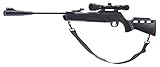
Umarex Prymex Break Barrel .22 Air Rifle
Simple air rifles can become surprisingly frustrating once cocking feel, trigger behavior, sight setup, and stock balance start working against each other. The umarex break barrel air rifle approach here keeps the operating routine familiar while adding a few practical touches that make repeated shooting less fussy. Umarex rates the Prymex for velocities up to 1,000 FPS with alloy pellets and up to 900 FPS with standard pellets, giving it a fairly energetic specification for a .22-caliber break barrel. Those figures sound lively on paper, though pellet weight, fit, and shooting conditions still influence what the rifle actually feels like from shot to shot.
Umarex Prymex Break Barrel .22 Air Rifle
The heart of the Prymex is its 1-Stroke NTP power system, which keeps the rifle independent of pumps, tanks, or replaceable gas cartridges. Break the barrel, load a pellet, close it, and the mechanical routine is ready to repeat. That straightforward cycle is useful when the goal is steady practice without dragging extra support gear outside. The tradeoff, naturally, is that every shot still requires another cocking stroke, so longer sessions demand more physical effort than a precharged setup.
Break-barrel dependability is a big part of the design language here. There aren't many external systems to manage, and the rifle doesn't rely on an air reservoir that needs separate filling equipment. That reduces preparation time and makes storage simpler, especially for someone who values a rifle that can be taken out, loaded, and used without much ceremony. Still, break barrels have their own personality, and learning a consistent hold usually matters more than simply chasing the highest velocity number printed on the box.
The advertised .22 caliber performance gives the Prymex a different feel from lighter-caliber plinking rifles. Standard pellets are listed at up to 900 FPS, while alloy pellets can reach up to 1,000 FPS according to the supplied specifications. Those numbers shouldn't be treated as guaranteed real-world speed with every pellet, but they do show where Umarex positions the rifle in its lineup. Pellet selection, shooting distance, and consistency will usually matter more than picking ammunition solely because it produces the biggest velocity figure.
Sights And Scope Setup
The Prymex arrives with a fiber optic front sight and an adjustable rear sight, so it isn't dependent on the included optic from day one. Fiber optics can make the sight picture easier to pick up against many outdoor backgrounds, particularly where plain black sights tend to disappear into shade. The adjustable rear sight also gives some room to refine alignment without immediately reaching for a scope. That's handy for basic practice, sight familiarization, or simply keeping the rifle lighter.
A 4x32 scope with rings is included for shooters who prefer magnification. Fixed 4x magnification keeps the setup relatively uncomplicated because there's no zoom ring to fuss with during a session. The 32 mm objective also keeps the optic from becoming overly bulky on a lightweight rifle. Scope setup still deserves patience, though, because mounting consistency and secure rings matter on any break barrel that produces a noticeable firing cycle.
The sighting choices create a useful bit of flexibility rather than forcing one approach. Open sights keep the rifle quick and uncomplicated, while the scope provides a more precise aiming reference for smaller targets at reasonable distances. Accuracy support here comes from having both options available rather than from any guarantee that one sighting system will suit every situation. A steady hold and consistent pellet choice remain just as important as the optic sitting on top.
Stock And Handling
The lightweight polymer stock is one of the more practical features in the Prymex package. Polymer keeps maintenance relatively simple because there's no wood finish to baby around damp grass, dust, or routine handling. The stock is described as easy to grip, which matters once the rifle has been cocked and shouldered repeatedly during a longer session. Lower stock weight can also make carrying easier, though some shooters prefer extra heft because it can help the rifle feel steadier while aiming.
Stock design affects more than appearance, and the Prymex seems aimed at keeping the controls approachable rather than ornate. A clean grip area and manageable overall feel can reduce the awkwardness that sometimes comes with bulky break barrels. Handling comfort becomes especially noticeable after several cocking cycles because poor balance gets old fast. On the flip side, a lighter stock can make the firing movement feel more obvious than it would in a heavier rifle.
The rifle's robust break barrel construction is paired with that lighter stock, so the design tries to balance durability with ease of handling. There's something appealing about a rifle that doesn't feel delicate every time it gets moved between a cabinet, bench, and shooting position. Still, sturdy doesn't mean maintenance-free. Screws, mounts, and sight alignment deserve occasional attention because repeated mechanical movement can gradually loosen hardware if it's ignored.
Trigger Feel And Shooting Rhythm
A two-stage adjustable trigger gives the Prymex more tuning potential than a basic fixed trigger. Two-stage designs let the initial take-up feel separate from the final release point, which can make deliberate shooting easier once the trigger is adjusted to a comfortable setting. That separation matters because jerking through a vague trigger can pull the rifle off target at the exact moment the pellet leaves the barrel. Adjustment should stay within the manufacturer's intended range rather than becoming a chase for an unnaturally light pull.
The shooting rhythm of a break barrel is slower and more deliberate than semi-automatic or multi-shot platforms. Each pellet requires a fresh cocking cycle, so there is a built-in pause between shots. That can actually help with disciplined practice because every shot gets a reset instead of becoming part of a rapid string. The downside is obvious too: anyone who values fast follow-up shots may find the single-shot break barrel routine a little old-school.
Smoother operation is one of the reasons the NTP system matters in this rifle. The supplied description emphasizes smoother shooting while retaining familiar break-barrel dependability. That combination should appeal more to someone who values a predictable mechanical routine than someone looking for a completely recoil-free experience. Break barrels still move during the firing cycle, so relaxed technique and consistent positioning remain part of getting repeatable results.
Practical Strengths And Tradeoffs
The strongest point is probably the way the Prymex bundles self-contained power, usable open sights, a scope, and an adjustable trigger into one platform. Nothing in the supplied specification suggests a complicated support system is needed just to start shooting. That keeps preparation straightforward and cuts down on accessories that can turn a simple afternoon session into a checklist. The flip side is that simplicity is purchased with manual cocking effort on every shot.
Another strength is the combination of .22 caliber capability and multiple sighting options. The velocity figures give the rifle plenty of specification-sheet presence, while the 4x32 scope and fiber optic sights provide two distinct aiming styles. Still, raw speed shouldn't dominate the buying decision because heavier pellets, pellet shape, and rifle preference all influence how a setup behaves. A slightly slower pellet that groups consistently can be far more satisfying than a faster one that scatters unpredictably.
There's also a realistic limit to what should be expected from the included optic package. A bundled 4x32 scope is convenient and saves the immediate need to source another sight, but fixed magnification offers less flexibility than a variable-power optic. That isn't necessarily a weakness for ordinary practice, where simplicity can be a virtue. It simply means the scope should be viewed as part of a practical starter configuration rather than the only possible long-term setup.
Where The Prymex Fits Best
The Prymex makes the most sense where low setup complexity matters more than rapid follow-up shooting. Its break-barrel action, polymer stock, and self-contained power system reduce the number of supporting items that need attention before a session. That straightforward ownership experience is easy to appreciate if filling tanks or keeping CO2 cartridges on hand sounds like unnecessary fuss. A related reference on how similar rifles are categorized for pest-control discussions appears in best rodent air rifles, though suitability always depends on local rules, safe backstops, and responsible use.
The rifle also fits well into a slower practice routine where trigger control and repeatable shooting form matter. Each cocking cycle naturally breaks the pace, giving time to reset grip, shoulder position, and sight alignment before the next shot. That rhythm can be useful for refining consistency, though it won't appeal to anyone expecting quick strings of shots. In other words, the mechanical pace is part of the experience rather than something the rifle tries to hide.
Storage and upkeep stay relatively uncomplicated because the polymer stock doesn't demand the same cosmetic care as finished wood. Wiping exposed metal, checking mounting hardware, and keeping the rifle dry remain sensible habits. The stock's lighter construction also makes moving the rifle around less tiring, though a heavier setup can sometimes feel steadier from a supported position. That balance between portability and planted feel is worth considering before assuming lighter automatically means better.
What Stands Out In Daily Use
Mechanical simplicity is the quality that keeps resurfacing in this design. The rifle combines a traditional break barrel layout with NTP power, open sights, an included scope, and an adjustable trigger without stacking on extra operating systems. That makes the Prymex easier to understand at a glance than platforms built around reservoirs, magazines, and external filling equipment. For someone who values a rifle that behaves predictably every time it comes out of storage, that straightforwardness has real value.
The sight flexibility also helps the rifle adapt to different styles of practice. Fiber optic sights keep the setup light and quick, while the fixed-power scope offers a clearer aiming reference for smaller targets. Neither system removes the need for consistent shooting technique, of course. Break barrels tend to reward calm repetition, and the Prymex's feature set is better understood as support for that process rather than a shortcut around it.
Its main compromises are equally clear: manual cocking, single-shot pacing, and the movement inherent to a break-barrel power system. Those characteristics aren't flaws so much as part of the platform's identity. The payoff is a rifle that doesn't depend on external charging equipment and keeps the operating sequence reassuringly simple. For practical ownership, that trade can make more sense than chasing a more complicated setup just because it offers faster follow-up shots.
Umarex Ruger Targis Hunter Max .22 Pellet Rifle
Repeated cocking, scope alignment, trigger feel, and the sharp mechanical behavior of some spring-powered rifles can turn a relaxed shooting session into more work than expected. The umarex break barrel air rifle design behind the Ruger Targis Hunter Max takes a different route by pairing a gas-piston powerplant with a manageable polymer-stocked platform and an included variable-power optic. Its supplied specifications include a .22 caliber barrel, adjustable trigger, automatic safety, SilencAir technology, and a 3-9x32 scope with mounts. None of those features eliminates the basic compromises of a single-shot break barrel, but together they make the rifle considerably more interesting than a bare-bones pellet gun built around velocity alone.
Ruger Targis Hunter Max .22 Pellet Rifle
The defining feature is the gas piston break-barrel system, which removes the need for CO2 cartridges, compressed-air tanks, or separate pumps. Each shot still begins with manually breaking the barrel and loading a pellet, so the operating process stays straightforward and self-contained. That independence can be a real strength for routine backyard target work because there’s less supporting equipment to organize before shooting. The obvious tradeoff is repetition, since every pellet requires another full cocking stroke.
The listed 34-pound cocking effort deserves more attention than it usually gets in product descriptions. Thirty-four pounds isn’t something most adults will regard as extreme for a full-power break barrel, but it certainly isn’t effortless after dozens of shots. A long practice session can become tiring, especially if the rifle is being cocked from an awkward stance or repeatedly rested on a bench between shots. That makes the Targis Hunter Max better suited to measured shooting than rapid-fire plinking where speed matters more than deliberate shot preparation.
Its .22 caliber pellet format also shapes the character of the rifle. The larger pellet diameter is commonly associated with a heavier projectile than .177 ammunition, though exact pellet weight depends entirely on the ammunition selected. That makes pellet choice important because different weights and profiles can change trajectory, firing behavior, and grouping. From a practical angle, a related category reference appears in best PCP air rifles, although PCP systems operate very differently from this self-contained gas-piston break barrel.
Scope And Sight Picture
The included 3-9x32 scope gives the Targis Hunter Max more flexibility than a fixed-power optic. At the lower end, 3x magnification keeps the sight picture broad enough for uncomplicated target work, while 9x offers a closer view of smaller aiming points. That adjustable range is useful because shooting distances don’t always stay consistent during an afternoon session. The supplied mounts also mean the rifle arrives with the basic hardware needed to put the optic into service.
Variable magnification has its own strength and weakness. More magnification can make a small target easier to see, but it also magnifies normal body movement and makes poor shooting form more obvious. Cranking the scope to 9x won’t magically tighten groups if the rifle is being held differently on every shot. A moderate magnification setting may actually feel calmer and more repeatable until the shooter has settled into the rifle’s firing behavior.
Break barrels can be demanding on scope mounting because the firing cycle differs from the smooth push associated with many other airgun platforms. The Targis uses a gas piston, but secure scope mounts and consistent screw tension still matter. A wandering zero can be mistaken for bad pellets or poor accuracy when the real problem is simply hardware movement. Keeping an eye on mounts, stock screws, and optic alignment is boring maintenance, sure, but it saves a lot of head-scratching later.
Trigger, Safety, And Shooting Feel
An adjustable trigger is a useful feature because trigger behavior has a direct effect on repeatability. A trigger that feels predictable makes it easier to build pressure smoothly without snatching the rifle off target at the final moment. The supplied information lists a 6.75-pound trigger weight, which is on the deliberate side rather than feather-light. Some shooters will appreciate that resistance, while others may prefer a lighter feel once they become comfortable with the platform.
The automatic safety adds another layer to the loading routine. Automatic safeties can be reassuring because the rifle returns to a safe condition during the cocking sequence rather than depending entirely on memory. The flip side is that an extra control step becomes part of every shot, and that may feel mildly repetitive during longer sessions. Still, a deliberate sequence of cock, load, aim, disengage safety, and fire fits the slow rhythm of a break barrel pretty naturally.
Gas-piston rifles often appeal because the firing cycle can feel different from traditional coiled-spring systems. The Targis Hunter Max uses that gas piston powerplant while retaining the familiar break-barrel action. That combination keeps operation uncomplicated without requiring an external power source. It doesn’t mean the rifle will feel motionless, though, so a consistent grip and shoulder position still matter more than squeezing the stock as tightly as possible.
SilencAir And Barrel Configuration
The rifle includes SilencAir technology, a feature intended to address muzzle noise as part of the overall shooting experience. Noise reduction can be useful in places where repeated sharp reports become distracting, although no suppression system makes every mechanical sound disappear. A gas piston still has its own internal firing noise, and pellet speed can influence perceived sound as well. So the realistic expectation is moderated noise rather than whisper-quiet operation.
The listed 15-inch barrel helps keep the rifle from becoming unnecessarily long at the front while still providing the leverage needed for break-barrel cocking. Barrel length affects handling just as much as appearance because a long nose can make a rifle feel slower to move between targets. A 15-inch barrel keeps the powerplant packaged in a relatively practical hunting-style format. The barrel also functions as the cocking lever, so its length plays a role every single time the rifle is prepared for another shot.
SilencAir and the gas piston work toward a shooting experience that feels less harsh than the reputation attached to some old-fashioned spring rifles. That doesn’t erase recoil-like movement or mechanical feedback, however. Anyone moving over from a PCP may notice the Targis requires a more forgiving hold and a little more technique. In return, there’s no reservoir pressure to monitor and no filling equipment waiting in the garage.
Weight, Cocking Effort, And Handling
The supplied specification lists a 6.75-pound weight, which lands the rifle in a middle ground where it has enough mass to feel substantial without becoming an obvious heavyweight. Extra mass can help settle the sight picture, particularly when firing from a supported position. Carrying that weight for a long stretch is another story, though, and the rifle won’t feel feather-light once the scope and mounts are installed. That’s a realistic handling compromise rather than a flaw.
The relationship between rifle weight and 34-pound cocking effort is worth thinking about together. Cocking the barrel requires enough leverage and body control that the process becomes part of the overall experience, not a minor detail. Someone firing five carefully aimed pellets may barely think about it, while a fifty-shot session makes that same effort much more noticeable. Break barrels reward a slower pace because rushing the cocking and loading sequence tends to make the whole session feel clumsy.
Balance also matters once the 3-9x32 scope is mounted. The optic adds weight above the receiver and slightly changes how the rifle settles into the shoulder. That can be useful from a steady rest, where a little extra mass often feels planted, but it may be less appealing during extended unsupported shooting. The rifle’s setup therefore favors deliberate aiming more than quick, lightweight handling.
Pros And Cons In Practical Use
The clearest pros are self-contained operation, a gas-piston power system, variable magnification, an adjustable trigger, and an automatic safety. Those features reduce the need for external equipment while giving some room to tailor how the rifle is aimed and fired. The included scope is especially convenient because the platform doesn’t have to begin as an open-sight-only setup. SilencAir technology adds another practical layer by addressing a common concern with backyard pellet-rifle noise.
The main cons stem from the platform itself. A single-shot break barrel requires manual loading after every shot, and the 34-pound cocking effort can become tiring over a long session. The 6.75-pound trigger specification may also feel heavier than some shooters expect from a target-oriented trigger. Those characteristics don’t make the rifle difficult to use, but they do make it less suited to anyone who values quick follow-up shots or a very light trigger pull.
Another difference worth keeping in mind is how much technique the platform asks from the shooter. A PCP generally fires with less mechanical movement, while the Targis Hunter Max has a gas-piston firing cycle that rewards consistent hold pressure. That means the rifle may take a little patience before groups settle down. Once the basic rhythm becomes familiar, though, the straightforward break-barrel routine can be refreshingly uncomplicated.
Where Its Features Make The Most Sense
The Targis Hunter Max makes the strongest case for itself through simplicity and independence. There’s no pressure gauge to watch, tank to refill, or cartridge supply to maintain. A tin of suitable pellets and a safe shooting area cover most of the operational basics. That convenience is easy to appreciate when shooting sessions are occasional and dragging out extra equipment feels like more trouble than it’s worth.
The included variable-power scope also broadens what can be comfortably aimed at without immediately replacing the optic. Lower magnification works naturally for closer practice, while higher power can help define smaller aiming points farther downrange. The limitation is that magnification makes movement more visible, so chasing the highest setting isn’t always the smartest move. A clear, steady sight picture at moderate power often feels more useful than a shaky one at maximum zoom.
Cocking effort, trigger weight, and single-shot operation ultimately define the rifle as much as its scope or noise-reduction features do. Those traits favor deliberate shooting with time between shots rather than fast strings of pellets. The payoff is a mechanically simple rifle that carries its own power source and avoids the infrastructure associated with PCP equipment. For a break-barrel setup built around practical independence, that distinction matters every time the rifle comes out of storage.
Umarex Prymex Break Barrel .177 Air Rifle
Extra gear can turn a simple afternoon of pellet shooting into a pile of pumps, tanks, cartridges, and setup chores. The umarex break barrel air rifle format avoids most of that baggage, and the Prymex .177 keeps the routine especially straightforward with a self-contained power system and single-shot break-barrel action. Its supplied specifications place velocity at up to 1,200 FPS with alloy pellets and up to 1,000 FPS with standard pellets, giving the rifle a lively performance profile without relying on an external air source. Those numbers are useful reference points, but pellet weight, fit, and shooting technique still shape the experience far more than one headline speed figure.
Umarex Prymex Break Barrel .177 Air Rifle
The rifle’s 1-Stroke NTP technology is the mechanical centerpiece, keeping operation independent of CO2 cartridges or refillable reservoirs. A single cocking stroke prepares the system, then the pellet is loaded directly into the breech before the barrel closes. That sequence isn’t fancy, but that’s part of the appeal because fewer supporting parts usually mean fewer interruptions before shooting. The break-barrel dependability described in the supplied specifications fits anyone who would rather focus on consistent form than manage pressure gauges and filling equipment.
The .177 version leans harder into speed than the .22 Prymex, with listed figures reaching 1,200 FPS using alloy pellets. Standard pellets are listed at up to 1,000 FPS, which gives a useful sense of how ammunition type can change the rifle’s headline performance. Faster doesn’t automatically mean tighter groups, though, and pellet compatibility can matter more than chasing maximum velocity. Different pellet weights and shapes may change how smoothly the rifle behaves, so the practical sweet spot may not sit at the top of the advertised speed range.
There’s also something refreshingly uncomplicated about the single-shot action. Each shot forces a brief reset, which naturally slows the pace and gives time to rebuild grip, cheek position, and sight alignment. That deliberate rhythm can help prevent sloppy strings where the trigger starts moving faster than the shooter’s concentration. The downside is equally obvious: anyone who values rapid follow-up shots may find the break-barrel routine a bit too measured.
Fiber Optic Sights And Included Scope
The Prymex comes with a fiber optic front sight and an adjustable rear sight, so the rifle isn’t dependent on glass from the first shot. Fiber optics can make the aiming point easier to pick up against varied outdoor backgrounds, especially where plain sights tend to disappear into shadow or foliage. The adjustable rear unit gives some room to refine point of impact without adding another accessory. That makes open-sight practice a realistic option rather than a temporary workaround.
A supplied 4x32 scope with rings adds a second sighting route without complicating magnification settings. Fixed 4x power keeps the optic simple because there’s no zoom adjustment to second-guess during a session. The 32 mm objective also avoids turning a lightweight rifle into a top-heavy setup. Still, any scope mounted on a break barrel deserves properly tightened rings and occasional inspection because mechanical movement can gradually expose weak mounting habits.
The real benefit is choice rather than the idea that one sighting system is universally better. Open sights keep things light and direct, while the 4x32 optic gives smaller targets a clearer visual reference. More magnification won’t fix inconsistent technique, of course, and even modest glass can magnify body movement just enough to make poor form obvious. In practice, the rifle rewards a steady hold far more than an obsession with equipment.
Stock Design And Everyday Handling
The lightweight polymer stock keeps the Prymex easy to handle without asking for the cosmetic care associated with finished wood. Polymer tends to shrug off ordinary bumps, fingerprints, and routine outdoor use with less fuss, which suits a rifle meant to be used rather than admired from across the room. The supplied description also emphasizes an easy-to-grip stock shape, and grip comfort matters more than it sounds after several cocking cycles. A stock that feels awkward can make even a modest shooting session drag on.
Lower weight brings both strength and compromise. A lighter rifle is easier to carry and quicker to shoulder, but it may also reveal more of the powerplant’s movement during the shot. Heavier rifles often feel more planted because their mass absorbs some of that perceived motion, though they’re less pleasant to carry around. The Prymex seems aimed at the middle ground where handling convenience matters more than creating the heaviest possible shooting platform.
The described robust construction pairs a traditional break-barrel mechanism with a stock built for practical grip rather than ornamental detail. That combination suits repeated everyday handling because the rifle doesn’t depend on delicate external hardware to function. Still, durable doesn’t mean maintenance-free, and screws, mounts, and sight alignment can all benefit from periodic checks. Tiny mechanical changes are easier to correct early than after they start showing up as unexplained accuracy problems.
Two-Stage Trigger And Shooting Control
A two-stage adjustable trigger gives the shooter more control over how the shot breaks. The first stage provides initial movement before the final release point, which can make the firing sequence easier to predict once the trigger is set to a comfortable feel. That predictability matters because a sudden, heavy pull can tug the muzzle away from the intended point of aim. A smoother trigger routine helps keep the last fraction of a second from undoing everything that happened before it.
Adjustment also introduces a bit of personalization without turning the rifle into a complicated tuning project. The trigger setup can be tailored within the manufacturer’s intended range to suit a more deliberate or slightly lighter preference. That flexibility is useful because grip pressure, hand size, and shooting style can make the same trigger feel different from one person to another. Sensible adjustment matters more than chasing the lightest possible setting.
Break barrels tend to expose poor trigger technique because the rifle already has a noticeable firing cycle. A clean pull combined with a repeatable hold gives the NTP power system a better chance to behave consistently from shot to shot. Grabbing the stock tightly or yanking through the trigger usually creates more trouble than it solves. The rifle is at its best when the shooter treats each shot as a small routine rather than a race.
Velocity, Pellets, And Realistic Expectations
The listed 1,200 FPS alloy-pellet figure will naturally grab attention, but it deserves some context. Alloy pellets are often lighter than standard lead pellets, so they can produce higher velocities while changing energy retention and flight behavior. The supplied specification of up to 1,000 FPS with standard pellets may actually be the more useful everyday reference for common shooting setups. Neither number guarantees a specific result with every pellet because ammunition variables can shift performance noticeably.
Pellet choice is where the rifle’s .177 caliber character starts to become interesting. Some pellets may favor speed, others may settle into tighter groups, and a few may simply feel less harsh through the firing cycle. Buying a huge quantity of one pellet before seeing how the rifle responds can be a false economy. A small selection of sensible weights and profiles usually tells you more than a single tin chosen purely for the fastest advertised number.
There’s also a practical reason not to obsess over maximum speed. A pellet that leaves the barrel slightly slower but behaves predictably can make the rifle feel far more satisfying at ordinary target distances. Consistency and controllability tend to matter more than chasing the loudest specification on the box. The Prymex gives enough listed velocity to make that experimentation worthwhile without requiring the shooter to treat speed as the only measure of performance.
Break-Barrel Routine And Maintenance
The familiar break-barrel action keeps setup simple because every shot follows the same mechanical sequence. Cocking the barrel, loading a pellet, closing the breech, and settling back onto the target creates a rhythm that quickly becomes second nature. That routine is slower than a repeating air rifle, but it also removes magazines, loading mechanisms, and external air systems from the equation. Fewer moving parts in the shooting process can be oddly satisfying.
Maintenance stays fairly modest, though the rifle still benefits from common-sense care. Keeping exposed metal dry, checking the scope rings and mounting screws, and storing the rifle away from persistent moisture can prevent avoidable annoyances. Over-lubrication isn’t automatically better and can create its own problems, so restraint is usually the smarter habit. A quick inspection now and then beats troubleshooting a wandering zero after several months of neglect.
The polymer stock also reduces cosmetic maintenance compared with traditional wood furniture. Scratches and everyday handling tend to be less emotionally painful on a practical synthetic stock, which suits a rifle likely to see frequent backyard or range use. The flip side is aesthetic because some shooters simply prefer the warmth and weight of wood. Functionally, though, polymer keeps the ownership routine pleasantly low-drama.
What The Prymex Does Well
The biggest strength is how much functionality is packed into a straightforward package. The rifle combines a self-contained NTP power system, open sights, a scope, an adjustable trigger, and a lightweight stock without requiring external charging equipment. That means the basic shooting setup stays compact and easy to understand. For anyone tired of turning a short practice session into an equipment checklist, that simplicity carries real value.
The sighting flexibility is another notable benefit because the rifle doesn’t lock the shooter into one aiming style. Fiber optic sights keep things nimble, while the 4x32 scope provides a clearer reference for smaller aiming points. Having both from the start allows the rifle to shift between casual open-sight practice and more deliberate scoped shooting. That flexibility is useful without adding much complexity.
The two-stage adjustable trigger also stands out because it gives the shooter some influence over one of the most important contact points on the rifle. A predictable trigger can help smooth out the final part of the firing sequence, especially once the shooter learns how the break barrel moves. The feature won’t create accuracy by itself, but it can make consistent technique easier to repeat. That’s a much more practical benefit than another cosmetic accessory bolted onto the rifle.
Tradeoffs Worth Knowing
The clearest weakness is the single-shot pace inherent to the platform. Every pellet requires another cocking and loading cycle, so high-volume shooting becomes more physical and slower than it would with a repeating PCP or CO2 rifle. That rhythm is fine for deliberate target practice, but it can feel tedious if the goal is quick strings of shots. The Prymex doesn’t try to hide that limitation because it’s part of the entire break-barrel concept.
Another tradeoff is the movement produced by a self-contained powerplant. Even with the smoother NTP system described by Umarex, the rifle won’t behave like a nearly motionless PCP. Hold technique, shoulder pressure, and trigger control can all influence how consistently the rifle shoots. That learning curve can frustrate someone expecting the scope alone to make every group tight from the first session.
The included fixed 4x scope is convenient, but fixed magnification naturally offers less flexibility than a variable-power optic. Four-power magnification covers plenty of ordinary shooting situations, yet it doesn’t provide the wide adjustment range some shooters prefer. That isn’t necessarily a serious drawback because simpler glass can be quicker to manage. It just sets realistic expectations about what the included optic is designed to do.
How It Fits Against Other Air Rifle Systems
The Prymex sits on the simpler side of the airgun spectrum because self-contained power is built directly into the rifle. PCP platforms can offer different firing characteristics and faster follow-up capability, but they typically depend on a separate source of compressed air. CO2 systems remove manual cocking effort yet bring cartridge management and temperature sensitivity into the ownership routine. The break barrel takes the old-fashioned route: more effort per shot, fewer external dependencies.
That difference matters most during ordinary use rather than spec-sheet browsing. A break-barrel rifle can come out of storage without checking tank pressure or wondering whether spare cartridges are available. The price for that independence is another cocking stroke after every shot. Some shooters love that mechanical ritual, while others quickly decide they’d rather trade simplicity for faster shot cycling.
From a separate equipment category, a neutral reference appears in best full face mask for airsoft, although protective gear for airsoft addresses a different activity and should not be treated as a substitute for appropriate safety equipment for pellet rifles. The distinction matters because airsoft and pellet rifles operate at very different performance levels and require different safety considerations. Mixing the two categories just because both involve air-powered platforms can create misleading expectations. Keeping their use cases separate is the more sensible way to think about gear.
Who Will Notice The Benefits Most
The Prymex makes the strongest case where low setup hassle matters more than rapid-fire capability. No external charging system means fewer items to remember, transport, maintain, or store. The lightweight stock keeps handling relatively easy, and the supplied sights give the rifle workable aiming options right out of the box. That mix favors short, deliberate practice sessions where simplicity is part of the appeal.
It also suits someone willing to spend a little time understanding pellet preference and hold technique. Break barrels can be picky about how they’re held and what ammunition they like, so patience usually pays better than brute-force adjustment. The two-stage trigger and included optic provide useful tools, but neither replaces the need for repeatable shooting habits. Once those habits settle in, the rifle’s straightforward design starts making more sense.
The final distinction is between convenience and speed. The Prymex delivers self-contained operation, adjustable trigger control, and two sighting options without demanding a pile of support equipment. What it doesn’t provide is magazine-fed speed or a recoil-free firing cycle. That balance is exactly what defines this type of air rifle: simple mechanics, deliberate pacing, and enough built-in features to keep the experience from feeling bare-bones.
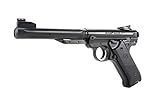
Ruger Mark IV Break Barrel .177 Air Pistol
Compact air pistols live or die by how easy they are to handle, because a heavy, awkward setup can drain the fun out of casual target sessions fast. The umarex break barrel air rifle category usually centers on shoulder-fired designs, yet the Ruger Mark IV takes the same break-barrel idea and shrinks it into a much handier pistol format. Its single-shot, one-stroke cocking system keeps the routine simple, while the listed velocity of up to 360 FPS keeps expectations grounded around recreational pellet shooting rather than raw power. That combination makes the pistol feel more like a straightforward practice tool than a miniature hunting platform pretending to be something it isn’t.
Ruger Mark IV Break Barrel .177 Air Pistol
The defining feature is its single-shot break-barrel design, which means every pellet gets its own complete loading cycle. There’s no magazine to index, no CO2 cartridge to manage, and no external air source to worry about. The barrel itself serves as part of the cocking process, keeping the mechanism mechanically simple and familiar. That simplicity is a real benefit for relaxed plinking because there’s very little setup standing between the shooter and the next target.
The one-stroke cocking mechanism also keeps operation consistent from shot to shot. Each cycle follows the same basic sequence, which naturally slows the pace and encourages a little more attention to grip and sight alignment. That slower rhythm won’t appeal to someone chasing rapid-fire fun, but it makes sense for paper targets, cans, and other low-pressure practice scenarios. In other words, the pistol favors deliberate shooting over speed, and that’s not necessarily a bad thing.
Power stays modest, with the Ruger Mark IV listed at up to 360 FPS using .177 caliber pellets. That figure clearly places the pistol in the recreational end of the airgun spectrum. It isn’t trying to compete with high-output rifles, and that lower performance ceiling can actually make the shooting experience feel more manageable for short-range practice. The practical takeaway is simple: this is about control, convenience, and repeatable target work rather than maximum impact.
Sights That Keep Aiming Straightforward
The sight setup deserves credit for being useful without becoming complicated. A fixed front fiber optic sight gives the eye a bright reference point, while the fully adjustable rear sight allows basic correction for alignment. That combination is well suited to the pistol’s intended pace because there’s no need to juggle magnification, rings, or scope position. For informal target work, keeping the sighting system this direct helps the pistol stay light and uncomplicated.
Fiber optics can be especially handy against cluttered backgrounds where a plain front blade tends to blend into everything behind the target. The front sight visibility makes it easier to establish a repeatable sight picture without squinting at a tiny black post. The rear adjustment adds enough flexibility to account for personal hold and pellet behavior within the pistol’s practical range. It’s a modest setup, sure, but the design matches the purpose rather than piling on unnecessary hardware.
The flip side is that this remains an open-sight pistol, so accuracy depends heavily on steady hands and a consistent presentation. There’s no optical magnification masking small aiming errors, and that can be either frustrating or useful depending on the goal. For basic technique, open sights expose sloppy alignment immediately. That honesty can make practice more productive, even if it also means the pistol won’t feel forgiving on every shot.
Grip Design And Handling
The Ruger Mark IV uses smooth and checkered grip panels, giving the handle a mix of comfort and texture. Checkering helps keep the hand from sliding around, while smoother areas avoid making the grip feel overly aggressive during longer sessions. That matters because a pistol that feels uncomfortable after ten minutes rarely gets used enough to justify owning it. The design seems aimed at making the controls approachable rather than turning the grip into a tactical sculpture.
Low overall complexity helps the pistol feel lightweight and easy to use. There’s no bulky air reservoir under the barrel and no accessory stack hanging off the frame. That keeps the center of mass easier to manage during one-handed or two-handed target practice. A lighter platform can show more movement in the sight picture, though, so the same convenience that helps handling can also demand a steadier trigger press.
The compact format also makes storage less of a headache than a full-size rifle. A break-barrel pistol takes up less room while still offering the mechanical independence that makes this power system appealing. That’s useful in situations where a full rifle feels cumbersome for short, casual sessions. The tradeoff is reduced stability because there’s no shoulder stock helping anchor the sight picture.
Trigger And Safety Feel
The pistol uses a smooth single-stage trigger, keeping the trigger sequence uncomplicated. A single-stage design skips the distinct take-up and second-stage wall found on more elaborate triggers, so the shooter simply presses through to release. That can feel intuitive during casual plinking, particularly where speed of understanding matters more than fine match-style adjustment. The downside is that there’s less separation between preparation and break than some experienced shooters prefer.
Trigger control matters even more on a lightweight pistol because small finger movements can shift the muzzle noticeably. A smooth trigger pull can help reduce that disturbance, but technique still carries most of the burden. Pressing straight back instead of snatching the trigger gives the sights a better chance of staying aligned. There’s no magic built into the mechanism, and that’s exactly why it can be useful for learning consistent fundamentals.
The listed manual and automatic thumb safety adds another layer of control around the firing sequence. Automatic safety behavior can reduce the chance of the pistol returning from the cocking cycle ready to fire without an extra deliberate step. Manual control gives the shooter a familiar way to keep the pistol in a safe condition between shots. That extra movement becomes part of the routine, but on a single-shot break barrel the pace is already deliberate enough that it doesn’t feel badly out of place.
Where The 360 FPS Limit Matters
The 360 FPS maximum velocity is one of the most important specifications because it defines the pistol’s realistic role. This isn’t a high-powered air rifle substitute, and treating it like one would miss the point. The lower velocity suits short-distance plinking and target work far better than situations demanding higher energy. That narrower purpose can actually simplify the decision-making because the pistol isn’t trying to cover every possible use case.
Pellet selection still matters even at modest speeds. Different .177 caliber pellets can vary in weight, fit, and shape, which can affect how smoothly they load and how consistently they group. The supplied information doesn’t specify particular pellet weights, so there’s no reason to invent an ideal combination. A sensible approach is simply to recognize that ammunition choice can influence results even when headline velocity remains the same.
The lower power level may also make the pistol feel calmer than larger break-barrel platforms. Less velocity doesn’t automatically mean zero movement or zero noise, of course, but the recreational performance profile keeps the experience focused on control rather than brute force. That suits a pistol with open sights and a compact frame. The design feels coherent because the trigger, sights, power level, and single-shot mechanism all point toward the same kind of use.
Practical Strengths Of The Mark IV
The clearest strength is mechanical simplicity. A single-shot barrel, one-stroke cocking system, open sights, and straightforward trigger keep the pistol easy to understand without a stack of accessories. There’s very little to configure before a shooting session begins. That can be refreshing for anyone tired of equipment that seems to need a manual every time it comes out of storage.
Another benefit is its light, compact format. Full-size break-barrel rifles can feel cumbersome for quick target sessions, while this pistol keeps the same basic self-contained operating idea in a much smaller package. The smooth and checkered grip treatment adds enough texture to help with control without making the handle feel overly busy. That balance between compactness and usability is probably the feature that gives the pistol its strongest everyday appeal.
The fiber optic front sight and adjustable rear sight also fit the pistol well. They provide practical aiming support without adding weight or complexity, and the rear adjustment gives some room to dial in the point of impact. A neutral reference to a very different category appears in best hunting air rifles, though those rifles serve a substantially different role and shouldn’t be confused with this lower-powered recreational pistol. That distinction is worth keeping clear because the Ruger Mark IV is built around casual precision, not heavy-duty output.
Limitations That Should Be Expected
The first limitation is obvious: one pellet means one cocking and loading cycle. That slows the pace dramatically compared with magazine-fed systems and makes the pistol less appealing for anyone who values quick strings. The same characteristic, however, also reduces mechanical complexity. So the weakness and the strength are really two sides of the same design choice.
The second tradeoff is the modest power ceiling. Up to 360 FPS is plenty to define the pistol as a recreational target tool, but it doesn’t leave much room for pretending this is a high-energy platform. That narrower performance range limits what the pistol is suited to, yet it also keeps the shooting experience easier to understand. Expectations stay realistic because the specification itself makes the intended role pretty clear.
Open sights introduce another difference compared with scoped air rifles. The compact setup remains light and direct, but smaller targets become harder to resolve at longer distances. That means steady technique matters a lot, particularly with a pistol that doesn’t have a shoulder stock to stabilize the sight picture. For short-range practice, though, the simplicity of the sight system fits the platform better than bulky optics would.
How The Mark IV Feels As A Practice Tool
The Ruger Mark IV makes sense as a practice-oriented air pistol because its design forces repetition without creating a lot of supporting chores. Cocking, loading, sight alignment, trigger press, and safety manipulation happen over and over in the same order. That repeated sequence can help build consistency because every shot starts from a full reset. There’s no magazine encouraging the shooter to hurry through a string.
The smooth single-stage trigger reinforces that uncomplicated character. There isn’t a complicated adjustment process standing between the shooter and the firing cycle, which makes the pistol approachable for casual use. At the same time, the lighter overall platform exposes bad trigger habits quickly because even small movements show up in the sights. That can make the pistol surprisingly honest as a basic technique trainer.
Its lightweight handling also keeps sessions from feeling physically demanding in the way heavier break-barrel rifles sometimes do. The pistol is easier to hold and move, although the lack of rifle mass means stability has to come from grip and stance rather than sheer weight. That’s a fair trade for a compact recreational platform. The result is a simple air pistol that asks for steady technique without burying the experience under extra equipment.
Umarex Fusion 2 Quiet .177 CO2 Air Rifle
A quiet backyard session can fall apart pretty fast once every shot comes with a sharp report, a tedious reload, or a power system that runs dry sooner than expected. The Umarex Fusion 2 tackles those annoyances with its SilencAir muzzle device, multi-shot magazine system, and flexible CO2 setup, although there’s one important distinction right out of the gate: this isn’t actually a break barrel air rifle. It runs on CO2, so anyone researching an umarex break barrel air rifle should treat the Fusion 2 as a different kind of platform rather than a direct mechanical match. That difference changes nearly everything about how the rifle feels between shots, from cocking effort to reload rhythm.
Umarex Fusion 2 Quiet .177 CO2 Air Rifle
The standout feature is the newly designed SilencAir muzzle device, which Umarex positions as the reason this rifle delivers an unusually quiet shooting experience. Noise can be one of the biggest headaches with repeated target practice, especially in a backyard where every sharp crack becomes more noticeable after the twentieth shot. The Fusion 2 is designed specifically to reduce that distraction without adding a complicated operating routine. That makes quiet operation far more central to its personality than brute-force power.
The second major difference is the complete absence of a break-barrel cocking stroke. Instead of bending the barrel down for every pellet, the Fusion 2 uses CO2 power and a repeating magazine system. That means less physical effort between shots and a much smoother rhythm at the firing line. The tradeoff is obvious, though: the rifle depends on cartridges or cylinders, so independence from external power supplies is sacrificed for convenience.
This matters because the Fusion 2 shooting routine feels fundamentally different from traditional spring or gas-piston rifles. There’s no heavy barrel to cock after every trigger pull, and there’s no need to reset the entire platform before loading another pellet. Instead, the magazine and CO2 system handle much of the repetitive work. For casual target sessions, that change can make a surprisingly big difference once the shot count starts climbing.
SilencAir Makes Noise Control The Main Story
Umarex clearly built the Fusion 2 around sound reduction, not just as an afterthought but as a defining feature. The supplied description calls the rifle virtually silent, which sets a strong expectation for restrained muzzle noise. Mechanical sounds and pellet impact will still exist, of course, because no air rifle becomes literally silent in use. Still, the SilencAir system is intended to make repeated shooting far less intrusive than louder airgun setups.
That quieter character fits especially well with target shooting and backyard practice. Repetition is where noise becomes annoying, since a sound that seems harmless once can become grating after dozens of shots. A suppressed muzzle report can help keep the session relaxed rather than making every trigger pull feel like an announcement. The benefit isn’t flashy, but it’s one of those practical details that can shape how often a rifle actually gets used.
There is also a nice balance between quietness and the supplied emphasis on accuracy. Umarex describes the Fusion 2 as capable of precise target performance, and the quieter firing character can help keep the shooting environment calmer. Noise reduction doesn’t automatically tighten groups, though, and the rifle still depends on pellet consistency, sight alignment, and trigger discipline. The quieter muzzle simply removes one more distraction from the process.
Nine-Shot Magazines Change The Pace
The 9-shot magazines are probably the biggest day-to-day convenience after the sound suppression system. Loading nine pellets before settling behind the rifle means far fewer interruptions than a single-shot break barrel requires. Instead of handling a pellet after every trigger cycle, the shooter can stay focused on the target for a longer string. That smoother flow is especially useful during casual paper punching where stopping every shot can feel like a chore.
Umarex describes these magazines as particularly easy to load, and that simplicity matters more than it sounds. Tiny pellet magazines can become irritating if chambers are difficult to access or pellets are constantly slipping out before the magazine reaches the rifle. An easy-loading magazine reduces fiddling and keeps preparation from eating into actual shooting time. It’s a small mechanical detail that can dramatically affect how friendly a repeating air rifle feels.
The downside is that magazines add another component to keep track of. A single-shot platform may be slower, but there’s very little to lose or misplace. With the Fusion 2, spare magazines can make a long session smoother, yet they also become part of the equipment pile. That’s hardly a serious flaw, but it highlights the broader tradeoff between a minimalist break barrel and a more convenient repeating CO2 system.
Two CO2 Power Options Add Useful Flexibility
The Fusion 2 can run on two 12-gram CO2 cartridges, which gives the rifle a familiar and compact power source. Umarex states that shooters can expect more than 70 shots from each pair, providing enough capacity for a substantial target session before replacement becomes necessary. That shot count is especially useful alongside the nine-shot magazine because the power supply lasts through multiple reloads. The rifle is clearly designed to minimize interruptions once everything is set up.
There’s also compatibility with an 88-gram CO2 cylinder, and the supplied specification raises expected capacity to more than 250 shots from a single cylinder. That changes the character of the rifle quite a bit for an extended day of shooting. Rather than opening new cartridges every few dozen shots, one larger cylinder can support a much longer stretch. The tradeoff is a larger CO2 source and a stronger dependency on having the right cylinder available.
This dual approach gives the Fusion 2 a practical advantage because CO2 capacity can match the length of the session. Shorter outings can stay compact with the pair of 12-gram cartridges, while longer sessions can lean on the 88-gram cylinder. There’s no need to commit permanently to one format. That flexibility is one of the areas where the rifle feels thoughtfully arranged instead of forcing every shooting day into the same setup.
Where The Fusion 2 Beats A Break Barrel
The biggest strength over a conventional break barrel is the lack of repeated cocking effort. A powerful spring or gas-piston rifle can become tiring after several dozen shots because the barrel has to be broken and reset every single time. The Fusion 2 skips that exercise completely once the CO2 supply is installed. For high-volume recreational shooting, that convenience can matter far more than an impressive mechanical specification on paper.
Multi-shot capability is another clear difference. Nine pellets can be loaded into the magazine before shooting begins, letting the rifle maintain a steadier pace. A break barrel forces the shooter to remove attention from the target after every shot to cock and reload. The Fusion 2 keeps the experience more continuous, which suits relaxed plinking and repeated group shooting.
Noise control gives it another advantage in situations where the sharp report of a conventional air rifle becomes annoying. The SilencAir system is designed around exactly that problem, while many break barrels depend on the basic muzzle and powerplant configuration they ship with. A quieter report can make longer practice sessions feel less tiring even though it has nothing to do with pellet speed. From a practical standpoint, comfort isn’t only about stock shape or weight.
Where A Break Barrel Still Has The Edge
The biggest weakness of the Fusion 2 is also built into its power system: CO2 eventually runs out. A true break barrel generates its firing energy mechanically, so a tin of pellets can be enough to keep shooting as long as the rifle remains functional. The Fusion 2 needs either its 12-gram cartridges or an 88-gram cylinder. That creates an ongoing supply requirement that a mechanical break barrel simply doesn’t have.
CO2 also changes the planning side of ownership. An umarex break barrel air rifle can generally be taken from storage and used without wondering how much propellant remains in a cartridge. With the Fusion 2, the remaining CO2 supply becomes part of the preparation routine. That’s the price paid for eliminating repeated cocking effort and gaining magazine-fed convenience.
The repeating mechanism also adds more pieces compared with an extremely basic single-shot design. Magazines have to be loaded, kept clean, and stored somewhere they won’t disappear. The mechanical simplicity of a traditional break barrel still has appeal precisely because there’s so little supporting equipment involved. The Fusion 2 trades some of that bare-bones independence for a noticeably easier shooting rhythm.
Shot Capacity Suits Longer Sessions
The advertised shot figures are among the most useful specifications supplied for this rifle. More than 70 shots from two 12-gram cartridges means a session can run through multiple nine-shot magazines before the power source needs attention. That’s plenty of repetition for working through paper targets without stopping every few minutes. The numbers also make it easier to estimate how much CO2 should be on hand for a planned afternoon.
Move to an 88-gram cylinder and the stated capacity climbs beyond 250 shots. That scale starts to make sense for extended sessions where constantly swapping small cartridges would become tedious. Pair that larger power supply with several loaded magazines and the Fusion 2 starts behaving more like a dedicated high-volume plinker. The convenience is real, although the larger cylinder setup naturally moves the rifle farther away from the minimalist appeal of a break barrel.
Shot count shouldn’t be mistaken for unlimited consistency because CO2 is still a gas-based system. The supplied description gives the expected numbers, but it doesn’t provide enough detail to claim identical performance on every shot. Realistic expectations matter here, so the stated figures are best treated as the manufacturer-provided capacity reference rather than a guarantee under every condition. What remains clear is that the Fusion 2 prioritizes long shooting runs over one-shot mechanical simplicity.
The .177 Format Fits Its Recreational Character
The Fusion 2 uses .177 caliber pellets, a sensible match for a rifle centered on repeated target shooting. The supplied details don’t provide a specific velocity, pellet weight, or energy figure, so there’s no reason to invent one. What the platform does offer is a small-caliber repeating setup paired with low-noise operation. That combination fits neatly with paper targets and ordinary plinking where shot volume and ease of use carry more weight than heavy pellet performance.
The caliber also works naturally with the nine-shot magazine. Smaller pellets keep the magazine compact enough to preserve the rifle’s repeating format without adding a bulky feeding system. That keeps loading straightforward while allowing enough capacity to noticeably reduce interruptions. The magazine design and caliber feel like parts of the same idea rather than separate features thrown together.
A related air rifle category appears in best .22 air rifle under 500 FPS, although those .22-caliber rifles represent a different pellet size and performance category from this .177 CO2 model. That distinction matters because .177 and .22 air rifles shouldn’t be treated as interchangeable simply because both launch pellets. The Fusion 2’s identity remains tied to quiet recreational shooting, magazine convenience, and sustained shot capacity.
Pros And Cons In Everyday Use
The strongest pros are easy to identify: quiet SilencAir operation, a nine-shot magazine, two CO2 power options, and high stated shot capacity. Those features work together rather than competing for attention. The rifle can fire multiple pellets without a manual cocking stroke, and the larger 88-gram cylinder can keep that cycle going for a long time. That makes the Fusion 2 particularly comfortable for repeated target shooting where constant interruptions get old fast.
The cons mostly come from its CO2 dependence. Cartridges and cylinders become consumable supplies, meaning the rifle can’t deliver the complete independence of a mechanical break barrel. A magazine also adds a small amount of complexity that single-shot rifles avoid entirely. None of that is hidden by the design, and the convenience benefits are substantial, but the trade is still worth recognizing.
There’s also a keyword mismatch that matters from a technical perspective. The Fusion 2 may sit in the broader Umarex air-rifle family, yet it isn’t a break barrel because its energy comes from CO2 rather than a cocked spring or piston system. Calling it a break-barrel model would give the wrong impression about how it operates. Its real strengths make more sense once it’s judged as a quiet repeating CO2 air rifle instead of forcing it into a category it doesn’t belong in.
Practical Fit And Realistic Expectations
The Fusion 2 feels most coherent when quiet shooting and low physical effort matter more than mechanical independence. Loading a magazine and installing CO2 takes some preparation, but once those jobs are done the rifle can settle into an easy rhythm. There’s no barrel to wrestle downward after every trigger pull. For a long stretch of paper-target shooting, that difference can be felt after only a few magazines.
Its flexibility with 12-gram and 88-gram CO2 also prevents the rifle from being boxed into one type of session. Small cartridges suit shorter outings, while the larger cylinder supports a much longer run without repeated power-source changes. Add the nine-shot magazine and the rifle becomes clearly oriented toward convenience over old-school mechanical simplicity. That isn’t better in every situation, but it’s a very specific advantage.
The practical limitation remains dependency on consumables, and that shouldn’t be brushed aside. A forgotten CO2 supply can end a session before it begins, while a traditional break barrel keeps going with little more than pellets and physical cocking effort. The Fusion 2 answers that weakness with easy multi-shot operation, substantial stated shot capacity, and a sound-suppression system built around quieter use. Those are meaningful benefits, provided the CO2-based operating style fits the kind of shooting being planned.


12 Best 22 Pcp Air Rifle For Hunting of 2026 With Quiet Power

7 Best 22 Pcp Air Rifle Under 300 of 2026 For Backyard Pest Control

10 Best 22 Break Barrel Air Rifles of 2026 For Backyard Pest Control

10 Best 30 Caliber Pcp Air Rifle of 2026 For Medium Game

Top Best 177 Air Rifle Under 100: Budget-Friendly Picks for 2026

How to Safely Reload Shotgun Shells at Home

11 Best Co2 Air Rifle For Pest Control of 2026 To Ensure Humane Dispatch

12 Best Inexpensive Air Rifles of 2026 For Dependable Backyard Accuracy






