
Best Umarex CO2 Revolver 2026 Picks That Feel Real

Umarex CO2 revolver models keep showing up in backyard ranges and home collections for one simple reason. They capture the feel of a traditional wheel gun without dragging people into expensive range trips or complicated maintenance routines. Plenty of pellet and BB pistols look flashy online, sure, but many lose their charm after a few magazines. Loose slides, awkward triggers, and cheap-feeling controls can kill the experience fast. That’s where a solid revolver setup changes the mood completely.
The heavier frame on many Umarex CO2 revolver options adds something people rarely mention enough. Balance. A lightweight air pistol can feel twitchy and toy-like after a while, especially during slower target practice sessions. Revolvers tend to settle naturally in the hand, which makes repeated shots feel calmer and more controlled. That steady grip matters more than flashy velocity numbers plastered across product listings.
CO2 efficiency also plays a bigger role than most expect. Some revolvers chew through cartridges quickly once rapid shooting starts. Others maintain decent consistency for casual practice without dramatic power drop-offs after a few cylinders. Nobody enjoys watching shots dip low halfway through a session while still hearing plenty of gas left inside the cartridge. Reliable pressure management keeps the experience enjoyable instead of frustrating.
Trigger style creates another big dividing line. Double-action shooting feels fast and satisfying, though heavier pulls can wear out accuracy during longer sessions. Single-action mode slows things down in a good way. Cocking the hammer before each shot creates a more deliberate rhythm that many shooters actually prefer after the novelty wears off. That old-school mechanical feel gives revolvers a personality semi-auto CO2 pistols sometimes lack.
Build material matters too, maybe more than velocity specs honestly. Metal-framed revolvers generally age better and feel more convincing over time. Plastic-heavy designs may cost less upfront, but scratches, flex, and loose tolerances tend to show up sooner. A sturdy revolver can sit on a shelf for months, then still feel satisfying the second it comes back out for target shooting.
Noise level surprises plenty of people as well. Some revolvers crack sharply enough to turn a quiet backyard session into an awkward conversation with nearby neighbors. Others keep things relatively controlled while still delivering enough punch for cans, paper targets, and reactive plinking setups. That balance often matters more than raw FPS numbers people obsess over online.
Umarex CO2 revolver designs also scratch a different itch compared to tactical-style pistols. The loading process feels slower, more mechanical, and oddly relaxing. Swinging out the cylinder, loading shells, and lining up each shot creates a pace that feels intentional instead of rushed. Funny enough, that slower rhythm often keeps shooting sessions going longer because the process itself stays enjoyable.

- ARS Mark9.4
ARS Mark is a ranking system developed by bestairriflescopes.com. ARS Mark has no relationship or impact from any manufacturers or sales agent websites. Learn more
- BrandUmarex
- ARS Mark9.4
ARS Mark is a ranking system developed by bestairriflescopes.com. ARS Mark has no relationship or impact from any manufacturers or sales agent websites. Learn more
- BrandUmarex
- ARS Mark9.2
ARS Mark is a ranking system developed by bestairriflescopes.com. ARS Mark has no relationship or impact from any manufacturers or sales agent websites. Learn more
- BrandDefense Innovation
- ARS Mark9.0
ARS Mark is a ranking system developed by bestairriflescopes.com. ARS Mark has no relationship or impact from any manufacturers or sales agent websites. Learn more
- BrandUmarex

- ARS Mark8.8
ARS Mark is a ranking system developed by bestairriflescopes.com. ARS Mark has no relationship or impact from any manufacturers or sales agent websites. Learn more
- BrandUmarex
- ARS Mark8.6
ARS Mark is a ranking system developed by bestairriflescopes.com. ARS Mark has no relationship or impact from any manufacturers or sales agent websites. Learn more
- BrandUmarex
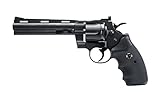
- ARS Mark8.6
ARS Mark is a ranking system developed by bestairriflescopes.com. ARS Mark has no relationship or impact from any manufacturers or sales agent websites. Learn more
- BrandUmarex

- ARS Mark8.6
ARS Mark is a ranking system developed by bestairriflescopes.com. ARS Mark has no relationship or impact from any manufacturers or sales agent websites. Learn more
- BrandUmarex

- ARS Mark8.6
ARS Mark is a ranking system developed by bestairriflescopes.com. ARS Mark has no relationship or impact from any manufacturers or sales agent websites. Learn more
- BrandUmarex

- ARS Mark8.4
ARS Mark is a ranking system developed by bestairriflescopes.com. ARS Mark has no relationship or impact from any manufacturers or sales agent websites. Learn more
- BrandUmarex
Last update on 2026-06-02 / Affiliate links / Images, Product Titles, and Product Highlights from Amazon Product Advertising API
Umarex CO2 Revolver With Classic Colt Styling
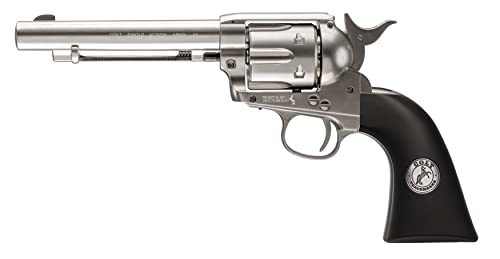
Cheap replica pistols usually lose their charm after the first afternoon. Loose parts start rattling, triggers feel mushy, and the whole thing ends up forgotten in a drawer beside half-used CO2 cartridges. The Umarex Colt Peacemaker Revolver Single Action Army Six-Shooter .177 Caliber Air Pistol, BB Gun heads in a different direction. Its all-metal frame, realistic loading process, and old-school western styling give the shooting experience a slower, more satisfying rhythm that feels surprisingly authentic for a CO2-powered BB revolver.
Colt Peacemaker Revolver
Authenticity carries this revolver harder than raw velocity numbers ever could. The moment the metal frame lands in your hand, the weight changes expectations immediately. Plenty of CO2 pistols feel hollow or overly plastic-heavy, but this one leans into realism instead. The textured grip panels and traditional single-action hammer setup create a mechanical feel that old western fans tend to appreciate almost instantly.
The loading system adds another layer of personality. Instead of dropping BBs into a stick magazine, this revolver uses individual cartridges, which changes the pace completely. Sliding each casing into the cylinder feels slower, sure, but also more engaging. That extra process becomes part of the fun rather than an inconvenience, especially during relaxed backyard shooting sessions.
Noise levels stay fairly reasonable for casual use, though the revolver still delivers a satisfying crack with each shot. Indoor garage setups or small backyard ranges feel much more immersive because the revolver doesn't behave like a generic air pistol. Single-action operation forces a deliberate shooting style too. Cock the hammer. Settle the sights. Fire. Repeat. Oddly enough, that rhythm becomes addictive after a while.
The finish deserves some credit as well. Bright chrome-style replicas often attract fingerprints and scratches quickly, but the darker finish on this model hides wear better over time. Minor scuffs blend naturally into the revolver’s western aesthetic instead of making it look beat-up after a few weekends.
Realistic Shooting Feel
Trigger behavior changes the whole personality of this revolver. Single-action shooting creates a crisp release compared to the heavier pulls common on many double-action CO2 revolvers. Accuracy feels easier to manage because the trigger doesn’t fight back as aggressively during slow target shooting.
The revolver pushes .177 steel BBs at up to 410 fps, which gives it enough punch for cans, paper targets, and light plinking sessions around the yard. Nobody should expect match-grade precision from steel BB ammunition, though. BBs naturally bounce and scatter more than pellets, especially once distance increases. Around shorter ranges, the revolver stays surprisingly enjoyable and consistent.
Grip ergonomics help during longer sessions too. Some replica revolvers feel awkwardly narrow or oversized depending on the frame design, but the Peacemaker maintains a comfortable middle ground. The grip angle naturally encourages steady aiming instead of wrist strain. That matters more than people think after running through several CO2 cartridges in one evening.
CO2 installation remains straightforward. The cartridge hides inside the grip, which keeps the revolver’s western profile clean and uncluttered. Nothing ruins a classic revolver faster than bulky modern-looking hardware hanging off the frame. Umarex handled that balance pretty well here.
Metal Construction And Handling
All-metal construction changes durability expectations right away. Lightweight polymer air guns can feel disposable after extended use, especially around moving parts and slide assemblies. The Peacemaker avoids most of that cheapness because the revolver frame feels dense and mechanically grounded. Even the cylinder rotation adds satisfying resistance instead of spinning loosely.
Holster compatibility also becomes easier with the traditional revolver dimensions. Plenty of western-style holsters fit naturally without awkward modifications, which adds another layer of immersion for collectors or casual enthusiasts. A lot of owners end up displaying this revolver almost as often as they shoot it.
The hammer action deserves mention because it feels intentionally mechanical rather than overly softened for beginners. Cocking the hammer creates a defined click with noticeable resistance. That tactile response makes every shot feel earned instead of automatic. Some shooters may actually prefer this slower interaction compared to rapid-fire semi-auto BB pistols.
Weight distribution helps stabilize aiming, though it may feel slightly heavy for younger shooters after extended sessions. Metal construction creates realism, but it also introduces fatigue during prolonged one-handed shooting. That tradeoff feels reasonable considering the revolver’s historical styling and intended shooting experience.
Practical Backyard Performance
Casual target shooting fits this revolver much better than rapid-fire plinking marathons. Six-shot capacity naturally slows the pace, and honestly, that works in its favor. Reloading cartridges between cylinders creates breaks that help conserve CO2 while keeping the experience more interactive.
Steel BB ammunition stays affordable and easy to store, which makes spontaneous shooting sessions simpler. Nobody wants specialty ammo that disappears from store shelves every few months. Basic .177 steel BBs remain widely available and inexpensive enough for regular practice.
Cold weather performance follows typical CO2 behavior. Rapid firing during colder temperatures can reduce gas pressure and soften shot consistency over time. Slower shooting helps stabilize performance considerably. The revolver rewards patience anyway, so the shooting style naturally works around some of CO2’s limitations.
Mechanical simplicity keeps maintenance fairly manageable. Revolvers generally avoid many feeding issues that plague cheaper blowback pistols because fewer moving parts rely on complex cycling. Occasional lubrication and basic cleaning usually keep things running smoothly without constant adjustments.
Historical Appeal And Ownership Experience
Western styling carries a lot of emotional weight with this revolver. Even people who already own tactical CO2 pistols often keep returning to the Peacemaker simply because it feels different. The old frontier aesthetic creates a slower, more hands-on shooting experience that modern replicas rarely capture.
Collectors usually appreciate how closely the revolver mirrors the classic Colt Single Action Army profile. The ejector rod housing, cylinder design, and grip shape stay visually faithful without drifting into cartoonish replica territory. Sitting on a shelf beside western memorabilia or historical displays, the revolver genuinely looks the part.
Some related shooting setups lean toward multi-shot rifles instead of revolvers, and that shift in pace creates a completely different experience. A separate reference appears in Umarex NXG APX Multi Shot Pellet Rifle, especially for people balancing compact backyard shooting with longer-range pellet practice.
Tradeoffs still exist, naturally. Fast reloads aren’t this revolver’s strength, and BB ammunition limits long-distance precision compared to pellet-based air guns. Still, the tactile loading process, metal construction, and classic revolver feel create a personality that many modern CO2 pistols simply can’t replicate. That character ends up being the real reason people keep reaching for it.
Umarex CO2 Revolver For Pellet Shooting Practice
Fast-firing air pistols grab attention for about ten minutes, then the little annoyances creep in. Sticky magazines, sloppy triggers, and plastic-heavy frames can drain the fun out of a quiet afternoon pretty quickly. The Colt Peacemaker Revolver Single Action Army Six-Shooter .177 Caliber Air Pistol, Pellet Gun, Black takes a slower route instead. That old western loading process, combined with pellet accuracy and an all-metal frame, gives this revolver a more deliberate personality that feels refreshing compared to modern tactical-style air guns.
Colt Peacemaker Pellet Revolver
Visual realism hits first with this revolver. The dark finish, classic six-shooter silhouette, and metal construction immediately separate it from lightweight replica pistols that feel hollow in the hand. Plenty of CO2 handguns try too hard with oversized rails and exaggerated styling. This Peacemaker keeps things simple, mechanical, and closer to the spirit of the original Colt Single Action Army revolver.
Pellet loading changes the shooting experience in a surprisingly satisfying way. Instead of feeding ammunition through a magazine, each pellet sits inside its own individual cartridge. Sliding six shells into the cylinder slows everything down, but honestly, that’s part of the charm. The process feels more hands-on and intentional, especially during quiet target practice sessions.
Single-action shooting also changes pacing dramatically. Every shot requires hammer cocking before firing, which naturally encourages steadier aim and slower follow-up shots. Some people may miss rapid-fire capability at first. After a few cylinders, though, the rhythm starts making sense. Cock. Aim. Fire. Repeat. The revolver almost forces patience into the session.
The revolver’s balance deserves attention too. Weight distribution leans naturally into the palm instead of feeling muzzle-heavy. Long shooting sessions stay comfortable because the grip shape avoids awkward wrist strain. That matters more than flashy specifications once several CO2 cartridges have passed through the gun.
Pellet Accuracy And Shooting Feel
.177 caliber pellets give this revolver a practical advantage over BB-only versions. Pellets typically stabilize better in flight, especially for casual target shooting at moderate backyard distances. Tiny paper targets, aluminum cans, and spinner setups become noticeably more enjoyable because shot placement feels more predictable.
Velocity reaches up to 380 fps, which suits relaxed target practice rather than aggressive pest-control expectations. That balance actually works in the revolver’s favor. Excessive power often creates louder shots, heavier CO2 usage, and rougher shooting behavior. This setup keeps recoil minimal while still delivering satisfying impact on lightweight targets.
Trigger response stays fairly clean for a CO2 revolver in this category. Some replica revolvers develop gritty hammer travel or inconsistent break points after moderate use. The Peacemaker maintains a smoother feel because the single-action design eliminates much of the heavy trigger stacking found in double-action systems.
Accuracy still comes with realistic limitations. Pellet revolvers using cartridge systems generally favor moderate-range shooting instead of precision competition work. Tight groups remain possible at shorter distances, though pellet seating consistency inside each shell can influence results slightly. Casual backyard shooters will probably appreciate the forgiving nature more than tiny group obsessives.
Metal Frame And Historical Character
All-metal construction changes the ownership experience almost immediately. Lightweight polymer replicas often feel disposable after extended handling, especially once scratches and loose components start appearing. This revolver carries enough heft to feel mechanically convincing without becoming uncomfortable during extended shooting sessions.
The cylinder action creates one of the most enjoyable parts of the entire package. Rotating the cylinder, ejecting shells, and reloading pellets all contribute to a tactile experience that semi-auto CO2 pistols rarely match. A lot of owners probably spend nearly as much time handling the revolver as they do actually firing it.
Western styling naturally attracts collectors and history enthusiasts, but the appeal reaches beyond display shelves. Mechanical simplicity keeps operation approachable without feeling stripped down or toy-like. The revolver behaves like a proper six-shooter instead of pretending to be one.
Grip-mounted CO2 housing also deserves credit because it preserves the revolver’s clean profile. Some air pistols awkwardly expose tightening screws or bulky gas compartments in ways that ruin realism. Hiding the cartridge inside the grip keeps the visual presentation much more authentic.
Backyard Practice And Everyday Use
Casual shooting sessions suit this revolver especially well. Six-shot capacity naturally slows firing pace, which helps stretch CO2 usage longer than rapid-fire semi-auto pistols. Reloading individual pellet cartridges creates pauses that make each cylinder feel more engaging instead of mindlessly repetitive.
Noise levels stay manageable enough for most backyard environments. The revolver still produces a satisfying report, but it avoids the sharp crack that some higher-powered CO2 pistols generate. That softer shooting signature makes evening practice sessions feel less disruptive around nearby neighbors.
Cold weather performance follows standard CO2 behavior, naturally. Rapid shooting during lower temperatures can reduce gas pressure and soften shot consistency after several cylinders. Slower single-action pacing helps offset some of those issues because the revolver encourages measured shooting anyway.
Maintenance remains fairly straightforward. Basic lubrication, occasional barrel cleaning, and proper cartridge removal after use usually keep the revolver functioning smoothly. Fewer moving parts compared to blowback pistols also reduce opportunities for feeding issues or mechanical hiccups.
Tradeoffs And Long-Term Appeal
Reload speed definitely won’t impress anyone chasing tactical-style shooting drills. Individual pellet cartridges create realism, but they also slow down the process considerably. Some shooters love that interaction. Others may lose patience after repeated loading sessions.
Pellet compatibility introduces another practical detail. Softer lead pellets generally work better than oversized or oddly shaped specialty designs. Using inconsistent pellet types can occasionally affect shell seating or cylinder rotation. Standard domed or wadcutter pellets usually provide the smoothest overall experience.
Mechanical authenticity keeps pulling attention back toward this revolver despite its slower pace. Fast blowback pistols may deliver more action, but they rarely capture the same tactile satisfaction. Handling the Peacemaker feels closer to interacting with a historical replica than simply shooting another CO2 air pistol.
Some shooters eventually branch into non-CO2 airgun setups for quieter sessions or reduced cartridge costs, and a related comparison appears naturally in best air pistol without CO2. That shift changes the shooting rhythm entirely, though the Peacemaker still holds onto its unique western personality remarkably well.
Umarex CO2 Revolver Built For Heavy .68 Caliber Impact
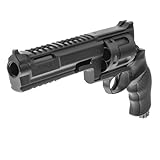
Lightweight air pistols can feel entertaining for a few magazines, but that novelty fades once weak impact and flimsy handling start showing through. Bigger-frame revolvers tend to leave a completely different impression, especially during outdoor target sessions where power actually matters. The Defense Innovation Umarex TR68 HDR68 .68 Caliber Home Defense Revolver 16 Joules Power Factory Production Version doesn’t behave like a casual plinking toy. Its oversized frame, factory-rated 16 joules output, and multi-projectile compatibility push this revolver into a much more serious category.
Umarex TR68 HDR68 Revolver
Presence stands out immediately with this revolver. The frame looks large because it actually is large. Smaller CO2 revolvers often disappear in the hand and feel more like props than functional shooting tools. The TR68 carries noticeable weight and bulk, giving it a sturdier personality before the first CO2 cartridge even goes in.
The revolver uses .68 caliber ammunition, which changes expectations right away. Standard steel BB pistols rely on speed and rapid firing, while this setup focuses more on projectile mass and visible impact. Steel balls, rubber rounds, pepper balls, nylon balls, and shaped projectiles all fit within its operating range. That versatility creates a broader shooting experience depending on the environment and intended use.
Factory production details matter here too. Plenty of upgraded airguns floating around online use aftermarket modifications that sometimes sacrifice reliability for extra power. This TR68 version arrives as an original factory 16-joule configuration, which keeps the revolver aligned with factory engineering and warranty coverage instead of relying on homemade tuning experiments.
The revolver’s styling leans modern and aggressive rather than historical. Sharp contours, oversized cylinder proportions, and tactical grip texture create a completely different mood compared to western-style CO2 revolvers. Some shooters will love that industrial appearance immediately. Others may prefer more traditional designs, though this model clearly isn’t trying to blend into that category anyway.
Power Delivery And Shooting Impact
Impact energy defines the entire shooting experience with the TR68. The revolver produces over 360 FPS using 12g CO2 cartridges, but raw velocity numbers only tell part of the story here. Projectile size changes the feel dramatically. Even simple target setups react differently once .68 caliber rounds start landing with noticeably heavier force.
Rubber balls and nylon projectiles deliver distinct shooting feedback depending on range and target material. Lightweight aluminum cans that barely twitch from standard BB pistols tend to jump aggressively under .68 caliber impacts. That extra force makes reactive targets much more entertaining during outdoor sessions.
CO2 efficiency stays reasonably balanced considering the revolver’s power output. High-energy airguns often burn through cartridges rapidly once firing speeds increase, especially during continuous shooting. Slower pacing helps preserve consistency better here. A measured shooting rhythm usually rewards the revolver with steadier pressure across multiple cylinders.
Recoil still remains relatively manageable despite the heavier projectile system. Nobody should expect firearm-style kick, naturally, but the TR68 produces enough mechanical feedback to feel more substantial than smaller-caliber CO2 pistols. That physical response contributes heavily to the revolver’s appeal.
Projectile Flexibility And Real-World Use
Multi-projectile compatibility changes how people approach this revolver. Steel balls create a harder-hitting target experience, while rubber or nylon rounds offer a completely different dynamic for controlled practice setups. Switching projectile types lets the revolver adapt to various environments without requiring major adjustments.
Outdoor shooting spaces suit this revolver better than cramped indoor ranges. The larger projectile size and stronger impact energy naturally demand more substantial backstops and safer spacing. Lightweight cardboard boxes that stop BB pistols easily may struggle against repeated .68 caliber hits.
The oversized cylinder design helps loading stay straightforward despite the larger ammunition format. Some magazine-fed systems become annoying after repeated jams or awkward feeding issues. Revolver simplicity avoids much of that frustration. Open the cylinder, load the rounds, close it, and shoot. Pretty direct.
Grip texture also deserves attention because the revolver’s larger frame could easily become awkward without proper handling surfaces. The textured grip panels improve control during longer sessions, especially once outdoor heat or humidity enters the picture. Sweaty hands and slick polymer rarely mix well.
Handling Characteristics And Build Feel
Weight distribution feels front-heavy compared to smaller CO2 revolvers, though that balance actually helps stabilize aiming during slower shots. Lightweight pistols sometimes drift too easily during sight alignment. The TR68 settles more deliberately once both hands lock into position.
The trigger pull leans firmer than casual plinking revolvers, which matches the revolver’s overall personality. Light competition-style triggers wouldn’t really suit this platform anyway. Controlled pressure feels more appropriate given the revolver’s heavier-duty design and intended use cases.
Polymer construction helps keep overall weight manageable despite the oversized dimensions. A fully metal frame at this scale could become exhausting during extended sessions. Some traditionalists may prefer more metal components, but practical handling benefits from the lighter construction balance.
Factory warranty support adds reassurance for buyers avoiding aftermarket modified versions. High-power CO2 systems naturally place more stress on seals and internal components over time. Factory-backed engineering tends to inspire more confidence than random upgrade kits installed outside official production standards.
Range Experience And Practical Tradeoffs
Noise level climbs noticeably higher than standard .177 BB revolvers. Larger projectiles and stronger gas release create a sharper report that feels more commanding during outdoor sessions. Quiet backyard plinking probably isn’t this revolver’s strongest role, especially in tightly packed neighborhoods.
Projectile costs can also increase depending on ammunition type. Steel BBs remain inexpensive and widely available, while specialty pepper balls or shaped projectiles may require more selective purchasing. Casual shooters focused purely on inexpensive target practice may eventually notice the difference.
Bulkier dimensions reduce concealability and portability compared to smaller CO2 pistols. Tossing the TR68 into a small range bag feels less convenient because the revolver simply occupies more physical space. That tradeoff comes naturally with larger-caliber airgun platforms.
Longer-range airgun discussions sometimes shift toward rifles rather than revolvers, especially once projectile stability becomes part of the conversation. A related reference appears naturally in best air gun for long range, particularly for shooters balancing compact defensive-style revolvers with distance-focused setups.
Mechanical simplicity still keeps the TR68 surprisingly approachable despite its aggressive appearance. No complicated electronics. No delicate blowback system. Just a heavy-duty CO2 revolver built around larger-caliber impact and straightforward operation. That blunt simplicity ends up being part of its appeal.
Umarex CO2 Revolver With Long Barrel Precision Feel
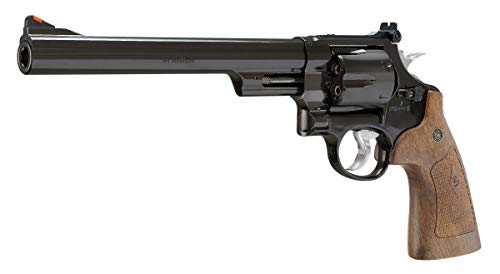
Short-barrel BB revolvers can feel fun for quick plinking, but frustration creeps in once sights become difficult to track and shot consistency starts wandering around the target. Barrel length changes more than appearance, honestly. The Smith & Wesson Model 29 Revolver .177 Caliber BB Air Pistol, 8-inch Barrel leans heavily into stability, visibility, and old-school revolver handling instead of compact carry styling. That oversized 8-inch barrel creates a completely different shooting mood compared to snub-nose CO2 revolvers that prioritize portability over control.
Smith & Wesson Model 29 Revolver
Visual presence drives immediate attention with this revolver. The long barrel stretches the entire silhouette into something unmistakably classic and slightly intimidating at the same time. Plenty of CO2 revolvers mimic compact defensive handguns, but this Model 29 feels more like a dedicated target revolver that accidentally wandered into a backyard range session.
The overall revolver action stays satisfyingly mechanical. Swinging out the cylinder, inserting the removable BB capsules, and closing everything back into place creates a tactile process that semi-auto CO2 pistols rarely replicate. That slower loading style adds personality instead of inconvenience. Funny enough, people often end up handling revolvers like this longer than they actually shoot them.
All-day handling feels steadier because of the barrel length and front-end weight distribution. Lightweight pistols sometimes twitch too much during sight alignment, especially for less experienced shooters. This revolver settles naturally once both hands grip the frame. The heavier nose actually helps calm unnecessary movement.
The finish and styling also carry a more mature look than tactical-heavy CO2 handguns loaded with oversized rails and exaggerated contours. The Model 29 leans into classic revolver lines without feeling outdated. It looks serious without trying too hard.
Accuracy And Barrel Performance
Eight-inch barrel length changes the shooting experience in practical ways. Longer sight radius improves alignment naturally, which helps maintain steadier shot placement at moderate backyard distances. Tiny aiming corrections become easier because the front and rear sights sit farther apart compared to shorter revolvers.
Velocity reaches up to 415 fps using .177 steel BBs powered by a 12-gram CO2 cartridge. That output gives the revolver enough energy for cans, hanging targets, and paper shooting setups without feeling overly aggressive. BB pistols aren’t precision pellet rifles, naturally, but the Model 29 squeezes respectable consistency from its platform.
Fiber optic sights help more than expected during changing outdoor lighting conditions. Standard black sights sometimes disappear against darker targets or shaded backstops. Bright fiber optics pull the eye forward quickly, especially during casual rapid shooting sessions where traditional revolver sights can slow target acquisition.
Shot grouping still depends heavily on realistic expectations. Steel BBs naturally lack the aerodynamic stability of pellets, especially once distances stretch farther out. Closer-range shooting tends to reward the revolver most. Tight backyard target work feels far more natural than long-range precision experiments.
Mechanical Features And Shooting Experience
Working ejector rod adds another layer of realism that revolver fans usually appreciate immediately. Some airgun replicas fake the appearance while cutting corners mechanically. This setup actually allows the shells to eject properly, which keeps the revolver experience feeling authentic from loading to unloading.
The removable BB capsules create a much more immersive rhythm than simple stick magazines. Reloading six shells between cylinders slows things down, sure, but it also encourages more deliberate shooting. Fast mag dumps lose their novelty eventually. Mechanical interaction tends to age much better.
Manual safety integration feels relatively discreet compared to some air pistols where oversized safety levers ruin the revolver aesthetic entirely. Here, the safety remains functional without constantly pulling attention away from the traditional Smith & Wesson styling.
Accessory mounts create an unusual twist for a revolver platform too. Purists may ignore them completely, preferring the revolver’s clean classic lines. Others may appreciate the flexibility for lights or optics during recreational setups. At least the option exists without forcing extra attachments into the design.
CO2 Operation And Real-World Use
CO2-powered shooting gives the revolver consistent trigger feel without requiring manual pumping or spring tension between shots. That convenience matters during relaxed evening sessions where repetitive pumping quickly becomes annoying. Drop in a cartridge, load the shells, and shooting stays smooth for extended periods.
Cold weather still affects CO2 behavior, naturally. Faster firing rates can cool the cartridge rapidly and soften shot consistency over time. Slower revolver pacing actually helps offset some of that limitation because the shooting style naturally creates small pauses between cylinders.
The larger revolver frame also makes grip comfort surprisingly solid during extended use. Narrow compact pistols sometimes create awkward pressure points after repeated shooting. This grip shape spreads hand pressure more evenly, especially during two-handed firing.
Noise level lands somewhere in the middle ground. The revolver produces enough crack to feel satisfying without crossing into excessively sharp territory. Backyard target sessions remain enjoyable without sounding overly harsh in smaller shooting spaces.
Practical Limitations And Long-Term Appeal
Barrel length tradeoffs become obvious once portability enters the conversation. The extended 8-inch setup creates balance and sighting advantages, but it also makes storage and transport slightly less convenient. Compact range bags can feel cramped pretty quickly with a revolver this large.
BB ammunition remains affordable and easy to source, which helps keep practice sessions inexpensive compared to specialty ammunition systems. Steel BBs also simplify casual plinking because there’s no need to fuss over pellet skirt damage or exact seating depth. Convenience wins there.
The revolver’s heavier front end may tire some shooters during prolonged one-handed shooting. Stability improves because of that added forward weight, though fatigue naturally appears faster over extended sessions. Two-handed grip technique solves most of that issue comfortably.
Gas-powered shooting conversations sometimes branch into broader airsoft discussions, especially around maintenance habits and pressure systems. A related reference appears naturally in what is the best green gas for airsoft, particularly for shooters balancing CO2 revolvers with gas-blowback platforms.
Classic revolver handling ultimately gives this Model 29 its strongest personality trait. The long barrel, visible shell loading process, and mechanical action create a slower, more tactile experience than modern magazine-fed pistols. That old-school rhythm keeps pulling attention back long after the novelty of rapid-fire airguns wears off.
Umarex CO2 Revolver For Tactical Paintball Training
Small paintball pistols often struggle with two problems at once. Weak impact leaves target sessions feeling flat, while bulky marker setups become awkward for quick drills or backyard practice. The T4E TR50 Gen 2 Revolver .50 Caliber Training Pistol Paintball Gun Marker lands somewhere in the middle, blending revolver handling with practical .50 caliber power in a format that feels far more manageable than oversized paintball markers. That balance gives the revolver a unique personality compared to standard CO2 handguns or full-size tactical platforms.
T4E TR50 Gen 2 Revolver
Compact tactical handling defines the TR50 almost immediately. The revolver frame feels purposeful without becoming oversized or cumbersome during movement drills. Plenty of paintball markers prioritize capacity and attachments so heavily that they end up awkward in tighter spaces. This revolver keeps things simpler and easier to maneuver.
The revolver shoots .50 caliber paintballs or rubber balls, which opens up several different training and recreational uses. Paintballs create visible impact feedback during target sessions, while rubber rounds shift the experience toward heavier-impact practice. Swapping between ammunition types changes the entire mood without requiring another platform.
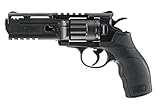
Visual styling leans modern and aggressive rather than traditional. Sharp edges, tactical grip texture, and integrated accessory rail sections give the revolver a more duty-focused appearance compared to classic western CO2 revolvers. Some shooters prefer old-school aesthetics. Others want a revolver that feels contemporary and purpose-built. The TR50 clearly aims at the second group.
Grip ergonomics feel surprisingly controlled despite the revolver’s thicker cylinder dimensions. Large-caliber CO2 revolvers sometimes become awkward because the frame widens too aggressively around the grip area. This setup maintains enough contouring to stay comfortable during longer sessions.
Quick Piercing CO2 System
Quick piercing CO2 technology changes the setup process in a genuinely practical way. Traditional CO2 revolvers usually require fully piercing the cartridge during installation, which slowly leaks pressure once the gun sits unused for extended periods. The TR50’s quick-piercing system allows the cartridge to remain installed until activation becomes necessary.
That small design shift makes storage much more convenient. Casual shooters often leave CO2-powered gear untouched for weeks between sessions. Opening the case later and realizing the cartridge leaked itself empty gets old fast. The TR50 reduces that annoyance considerably.
CO2 installation itself stays straightforward. The grip compartment opens easily without awkward tools or complicated locking systems. Once the cartridge sits in place, activating pressure feels quick and clean instead of clumsy. Little details like that matter more than flashy marketing language after repeated use.
Cold weather performance still follows normal CO2 limitations, naturally. Rapid shooting can cool the cartridge quickly and soften shot consistency over time. Slower firing rhythms help stabilize pressure much better, especially during longer backyard sessions.
Rotary Magazine Shooting Experience
Dual 6-round rotary magazines help the revolver maintain smoother shooting flow than many people expect. Reloading revolvers usually slows everything down dramatically, but carrying an extra rotary magazine keeps interruptions shorter and less frustrating. Swapping magazines feels faster than individually loading chambers one at a time.
The rotary system also keeps feeding relatively simple. Magazine-fed paintball pistols sometimes struggle with jams, awkward ball alignment, or inconsistent chambering. Revolver systems generally avoid much of that complexity because the rotating cylinder naturally guides each round into position.
Trigger feel carries more resistance than lightweight BB pistols, though that suits the revolver’s training-oriented identity. Feather-light triggers might feel fun for casual plinking, but controlled pressure creates a more deliberate shooting rhythm during tactical-style drills.
Paintball impact visibility creates another practical advantage. Paper targets and steel cans work fine with BB pistols, but paint splatter delivers immediate visual confirmation without requiring walks downrange after every cylinder. That quick feedback keeps practice sessions moving smoothly.
Accessory Compatibility And Tactical Features
Picatinny accessory mounts expand the revolver’s versatility far beyond basic backyard shooting. Lights and lasers fit naturally without awkward adapters or improvised mounting systems. Some revolvers tack on accessory rails that feel visually out of place. Here, the tactical styling already supports that direction.
Low-light handling improves considerably once a compact weapon light enters the setup. Dim garages, evening shooting sessions, and darker indoor environments become easier to manage without relying entirely on ambient lighting. That flexibility gives the revolver broader practical use beyond daytime plinking.
Weight balance stays relatively controlled despite the larger-caliber chambering and accessory compatibility. Some tactical paintball pistols become front-heavy once attachments start stacking onto the frame. The TR50 maintains decent balance even with compact lights installed.
The revolver’s polymer-heavy construction helps keep carry fatigue manageable too. Full-metal tactical revolvers can feel satisfying initially, but extended sessions often reveal how exhausting that extra weight becomes. This design strikes a more practical middle ground.
Realistic Limitations And Ownership Experience
Capacity limitations remain part of the revolver experience. Six-round rotary magazines naturally force more reloads compared to high-capacity paintball markers. Some shooters actually prefer that slower pace because it encourages more controlled shooting habits instead of endless spraying.
Paintballs themselves introduce occasional tradeoffs. Fragile rounds can break under rough handling or inconsistent storage conditions, especially in hotter environments. Rubber balls generally avoid those issues but create a different target experience entirely. Projectile choice changes the revolver’s personality more than people initially expect.
Noise output lands noticeably above lightweight BB revolvers. Larger-caliber rounds and stronger gas release create a deeper, sharper report during firing. Backyard use remains practical in many environments, though tighter residential areas may require more thoughtful timing.
Night shooting setups often become part of tactical-style airgun discussions, particularly once lights and optics enter the picture. A related reference appears naturally in best night vision for PCP air rifle, especially for shooters interested in low-light training equipment across multiple airgun platforms.
Mechanical simplicity ultimately keeps the TR50 approachable despite its tactical appearance. The revolver doesn’t rely on complicated electronics, fragile blowback systems, or oversized air tanks. It stays focused on practical CO2-powered shooting with straightforward controls and adaptable projectile options, which honestly gives it a more grounded feel than many overly complicated tactical markers.


12 Best 22 Pcp Air Rifle For Hunting of 2026 With Quiet Power

7 Best 22 Pcp Air Rifle Under 300 of 2026 For Backyard Pest Control

10 Best 22 Break Barrel Air Rifles of 2026 For Backyard Pest Control

10 Best 30 Caliber Pcp Air Rifle of 2026 For Medium Game

Top Best 177 Air Rifle Under 100: Budget-Friendly Picks for 2026

How to Safely Reload Shotgun Shells at Home

11 Best Co2 Air Rifle For Pest Control of 2026 To Ensure Humane Dispatch

12 Best Inexpensive Air Rifles of 2026 For Dependable Backyard Accuracy






