
Umarex Elite 2 2026 Best Backyard Pick

Umarex Elite 2 lands in that practical middle ground where casual plinking, basic handling practice, and budget-minded gear all meet. It’s not trying to feel like a heavy steel sidearm, and honestly, that’s part of the charm. The lightweight frame makes long backyard sessions less tiring, especially when the goal is steady repetition instead of showing off. Still, the lighter build also means it won’t satisfy anyone craving a weighty, ultra-realistic feel.
The biggest appeal is the CO2-powered setup, which keeps shooting simple once the cartridge is installed correctly. Shots feel snappy enough for cans, paper targets, and short-range practice, but consistency can dip as the cartridge cools or runs low. That’s the usual tradeoff with compact CO2 pistols, so patience pays off. Keep extra cartridges nearby, because nothing kills the mood faster than a half-finished session with no gas left.
Handling comfort matters more than many people admit. A small pistol that points naturally can make basic aim practice feel less clumsy, especially in tight backyard spaces where a full-size replica feels awkward. The grip shape is straightforward rather than fancy, and that helps during quick pick-up-and-shoot moments. On the flip side, larger hands may want more palm fill and texture.
The Umarex Elite 2 also works best with realistic expectations. It’s better for casual target shooting than precision-focused drills, and it shouldn’t be treated like a serious training substitute. Accuracy depends heavily on distance, BB quality, shooting posture, and how fresh the CO2 cartridge is. So, yeah, clean technique still matters, even with an easygoing plinker.
Maintenance stays refreshingly basic. A drop of proper CO2 oil now and then can help protect seals, while simple storage habits reduce leaks and performance headaches. Don’t leave a cartridge sitting under pressure for ages, because seals don’t love that. Small habits like that make a cheap-feeling problem less likely to show up later.

- ARS Mark8.4
ARS Mark is a ranking system developed by bestairriflescopes.com. ARS Mark has no relationship or impact from any manufacturers or sales agent websites. Learn more
- BrandBeretta
- ARS Mark8.0
ARS Mark is a ranking system developed by bestairriflescopes.com. ARS Mark has no relationship or impact from any manufacturers or sales agent websites. Learn more
- BrandUmarex
- ARS Mark7.8
ARS Mark is a ranking system developed by bestairriflescopes.com. ARS Mark has no relationship or impact from any manufacturers or sales agent websites. Learn more
- BrandUmarex

- ARS Mark7.8
ARS Mark is a ranking system developed by bestairriflescopes.com. ARS Mark has no relationship or impact from any manufacturers or sales agent websites. Learn more
- BrandUmarex

- ARS Mark7.6
ARS Mark is a ranking system developed by bestairriflescopes.com. ARS Mark has no relationship or impact from any manufacturers or sales agent websites. Learn more
- BrandUmarex
- ARS Mark7.6
ARS Mark is a ranking system developed by bestairriflescopes.com. ARS Mark has no relationship or impact from any manufacturers or sales agent websites. Learn more
- BrandElite Force
Last update on 2026-06-17 / Affiliate links / Images, Product Titles, and Product Highlights from Amazon Product Advertising API
Beretta Elite II .177 Caliber BB Gun Air Pistol
Cheap air pistols often stumble into one of two traps. They either feel toy-like and frustrating to use, or they chase realism so hard that simplicity gets tossed out the window. The Umarex Elite 2, sold as the Beretta Elite II .177 Caliber BB Gun Air Pistol, lands somewhere in the middle. It doesn't pretend to be a collector's centerpiece, yet it offers enough performance and practicality to make backyard sessions genuinely enjoyable.
Elite II At A Glance
Lightweight handling defines the first impression. Pulling it from the case, the polymer construction immediately reminds you this isn't trying to mimic the heft of an all-metal sidearm. Some shooters may initially view that as a compromise, while others quickly appreciate how much easier extended practice becomes without wrist fatigue creeping in.
The advertised 480 FPS velocity gives the pistol enough snap for casual target shooting. Paper targets, aluminum cans, and reactive backyard setups all fall comfortably within its intended range. Velocity alone never guarantees accuracy, but it certainly keeps sessions entertaining and helps maintain a satisfying shooting rhythm.
The familiar Beretta-inspired styling adds visual appeal without becoming overly dramatic. Fixed controls and uncomplicated operation reduce distractions. There's a refreshing honesty here. The Elite II knows exactly what it wants to be.
Magazine Capacity And Shooting Flow
The 19-round removable magazine changes the pace of shooting more than many people expect. Frequent reloading interrupts concentration and can make practice feel tedious. Nineteen rounds provide enough breathing room to focus on trigger control and sight alignment before pausing to refill.
Magazine removal feels straightforward. The process won't require a manual after a handful of uses, and that's a blessing for anyone who prefers shooting over fiddling with mechanisms. Small conveniences like this tend to become more valuable over time.
Extended plinking sessions often expose weak points in budget-friendly designs. Here, the magazine system remains one of the pistol's strongest assets. It keeps momentum alive and supports drills built around consistency rather than constant interruption.
Conversations around capacity naturally lead toward related accessories. Some readers interested in magazine-focused setups may appreciate additional perspective through Umarex Glock 17 CO2 Extended Magazine, which highlights how magazine design can influence the overall shooting experience.
CO2 Performance In Real Use
Power comes from a standard 12-gram CO2 cartridge, one of the most accessible propulsion systems in the airgun world. Installation remains uncomplicated, making the Elite II approachable for shooters who don't want steep learning curves. Once punctured properly, the pistol settles into a predictable routine.
Temperature, however, still plays referee. Faster firing strings cool the cartridge and can slightly influence shot consistency. That's not unique to this pistol. CO2-powered designs share this characteristic, and understanding the limitation prevents unrealistic expectations.
The sweet spot emerges during moderate-paced shooting. Allowing a brief pause between magazines helps maintain steadier performance. Those little moments also encourage more deliberate practice instead of rushing through ammunition.
Ease of ownership becomes a practical advantage here. Replacement cartridges remain widely available, storage demands stay minimal, and maintenance avoids unnecessary complexity.
Sights And Accuracy Expectations
Fixed front and rear sights reveal the Elite II's priorities. Adjustable target sights would offer greater tuning flexibility, but simplicity often brings reliability. Nothing drifts accidentally out of adjustment while bouncing around inside a range bag.
Short-range shooting rewards proper fundamentals. Grip pressure, trigger discipline, and consistent sight pictures matter far more than chasing tiny groups at unrealistic distances. Respecting the pistol's intended role often leads to a much better experience.
Accuracy discussions sometimes become exaggerated online. The Elite II isn't built to compete against dedicated target pistols costing several times more. Instead, it provides enough precision to sharpen habits and inject a little excitement into informal shooting sessions.
Practical expectations transform perceived weaknesses into acceptable tradeoffs. Understanding what this air pistol was designed to accomplish helps prevent disappointment.
Handling, Comfort, And Long Sessions
The lighter frame changes how the Elite II behaves over extended periods. Hours of backyard plinking feel less taxing, particularly for shooters who value comfort over realism. Fatigue sneaks in slower, allowing more focus on technique.
Grip texture stays modest but functional. Hands settle naturally into position without aggressive contours digging into the palm. People seeking exact firearm replication may wish for additional heft, yet others won't miss the extra weight one bit.
Balance and accessibility elevate the experience. The pistol points instinctively enough to build confidence through repetition. Familiarity arrives quickly, which often encourages more frequent practice.
Tradeoffs still exist. The polymer-heavy construction won't satisfy enthusiasts who prioritize authenticity above everything else. The Elite II favors practicality instead.
Maintenance And Ownership Experience
Maintenance rarely becomes the highlight of any review, but ownership frustrations often begin there. Thankfully, the Elite II keeps things simple. Basic cleaning habits and occasional attention to seals go a long way toward preserving dependable operation.
A small amount of approved CO2 lubrication used periodically may help maintain internal components. Avoid storing the pistol indefinitely under pressure, since seals appreciate a bit of common sense. Tiny habits frequently prevent larger annoyances later.
Affordability, ease of use, and uncomplicated upkeep combine to shape the Elite II's strongest argument. It offers approachable performance without demanding obsessive maintenance schedules or advanced technical knowledge.
The Beretta Elite II .177 Caliber BB Gun Air Pistol ultimately shines brightest during relaxed practice sessions where reliability, convenience, and straightforward enjoyment matter more than chasing perfection. Sometimes that's exactly what keeps people coming back for another magazine.
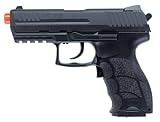
HK Heckler & Koch P30 Electric Blowback 6mm BB Pistol Airsoft Gun
Expectation has a funny way of sabotaging enjoyment. Plenty of people pick up a compact airsoft pistol hoping for thunderous recoil and rifle-like range, only to end up disappointed by what the platform was never designed to deliver. The Umarex Elite 2 conversation occasionally drifts toward alternatives that prioritize convenience over raw force, and the HK Heckler & Koch P30 Electric Blowback occupies that lane with surprising confidence. It leans into accessibility, embraces its limitations, and turns quick trigger sessions into something that feels refreshingly uncomplicated.
P30 Blowback Character
Shortened to HK P30 EBB, this airsoft pistol brings a different personality to the table. Instead of relying on gas cartridges or CO2 capsules, it draws power from four AAA batteries, a setup that strips away concerns about pressure fluctuations and leaking seals. Some enthusiasts might scoff at electric pistols at first glance, yet convenience has a habit of winning people over.
The visual styling remains unmistakably Heckler & Koch. Angular contours, practical proportions, and a duty-pistol silhouette give it an authentic presence without demanding premium-tier investment. It feels approachable rather than intimidating, and that's not a bad thing.
Realistic blowback action injects life into every shot. The slide movement isn't as aggressive as gas-powered platforms, but the feedback adds enough sensation to prevent shooting from feeling sterile. That little mechanical snap often keeps sessions entertaining longer than expected.
Electric Simplicity In Everyday Use
Battery-powered operation eliminates one of the biggest headaches associated with entry-level airsoft ownership. No gas purchases. No puncturing cartridges. No worrying whether a partially used canister still has enough pressure for the afternoon. Pop in fresh batteries and get moving.
That simplicity creates a low-maintenance experience that fits naturally into busy routines. Someone squeezing in fifteen minutes of target practice after work doesn't have to spend half that time preparing equipment. The pistol asks for very little before getting started.
Consistency becomes a practical advantage in moderate conditions. Gas-powered systems can react noticeably to environmental changes, while the electric setup maintains familiar behavior as long as battery life remains healthy. Predictability carries value, especially during repetitive drills.
Battery dependency does present a tradeoff. Spare AAA batteries become part of the equation, and performance gradually declines as power levels dip. Fortunately, replacements remain inexpensive and widely available.
Semi And Full Auto Entertainment
The presence of both semi-automatic and full-auto firing modes separates the P30 from many compact airsoft handguns. Semi-auto shooting encourages discipline and measured pacing. Full-auto, meanwhile, scratches an entirely different itch.
Switching modes changes the atmosphere instantly. One moment becomes focused practice built around sight alignment and trigger control. The next transforms into rapid-fire chaos aimed at reactive targets dancing across the backyard.
Versatility stands out as a defining strength. Not every session needs structure and seriousness. Sometimes the objective revolves around having fun, blowing off steam, and hearing plastic BBs rattle against aluminum cans.
That flexibility also means understanding realistic expectations. Full-auto drains magazines quickly and won't replicate the sustained capability of dedicated airsoft rifles. Used appropriately, though, it's undeniably entertaining.
Magazine Design And Reload Rhythm
The 16-shot drop-out magazine contributes to the pistol's authentic handling. Reloads feel intentional instead of gimmicky, preserving some of the tactile appeal that draws people toward pistol platforms in the first place.
Magazine capacity invites strategic pacing. Sixteen rounds disappear quickly during enthusiastic bursts, encouraging shooters to become more mindful of trigger habits. That subtle discipline often improves consistency over time.
Magazine discussions occasionally branch into unrelated firearm accessories and design philosophy. Readers interested in how supporting components influence shooting setups may encounter additional perspective through best scope rings for Ruger M77 Mark II, where equipment choices shape confidence and usability in different ways.
Reload practice itself becomes part of the enjoyment. Muscle memory develops naturally, and repetitive handling builds familiarity without requiring expensive consumables.
Range Performance And Practical Limits
The HK P30 launches 6mm plastic BBs at up to 180 FPS, which immediately frames its intended role. This isn't an outdoor powerhouse built for long-distance engagements. Instead, it excels in close-range target work and informal airsoft scenarios where compact maneuverability matters.
Accuracy expectations benefit from a dose of realism. Lightweight BBs react to environmental factors more readily than newcomers often anticipate. Wind, distance, and ammunition quality all influence shot placement.
Controlled shooting rewards patience. Deliberate pacing and careful aiming often produce more satisfying results than simply emptying magazines as quickly as possible. The pistol encourages experimentation without punishing mistakes too harshly.
Its modest velocity can actually become an advantage in confined practice environments. Lower impact energy may make certain recreational setups feel less intimidating while still preserving the fun factor that keeps people reaching for one more magazine.
Ownership Experience And Daily Appeal
Not every airsoft purchase needs to anchor a serious hobby. Sometimes practicality deserves the spotlight. The HK P30 EBB thrives because it lowers barriers, removes unnecessary complications, and focuses on repeatable enjoyment.
Ease of operation, accessible maintenance, and adaptable firing modes create an experience that's easy to revisit. There isn't much ceremony involved. Grab the pistol, confirm battery condition, load the magazine, and settle into the rhythm of shooting.
Weight distribution remains comfortable enough for extended sessions, especially compared to heavier metal-bodied replicas. Hands tire less quickly, making prolonged practice surprisingly manageable.
Limitations deserve acknowledgment. The blowback effect lacks the punch of gas systems, velocity remains modest, and realism enthusiasts may crave something more substantial. Yet judged by its intended purpose rather than unrealistic standards, the HK Heckler & Koch P30 Electric Blowback continues to justify its place as an uncomplicated source of airsoft enjoyment.
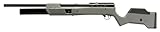
Umarex Gauntlet 2 SL22 .22 Caliber PCP Pellet Gun Air Rifle
Nothing drains enthusiasm faster than wrestling with an air rifle that feels awkward every time the bolt cycles or watching accuracy unravel after a handful of shots. Expectations rise quickly once people move beyond entry-level airguns, and compromises become easier to spot. The Umarex Elite 2 name often surfaces in conversations about accessible shooting experiences, yet the Umarex Gauntlet 2 SL22 takes a very different path. Bigger ambitions, stronger performance, and a design shaped around practicality push this PCP platform into more demanding territory.
Gauntlet 2 SL22 Overview
Shortened to Gauntlet 2 SL22, this rifle feels like the result of listening carefully to what experienced shooters repeatedly ask for. The original Gauntlet earned attention by delivering PCP capability without drifting into unreachable pricing. This updated version builds on that foundation with more air capacity, increased shot availability, and a smoother interaction between shooter and rifle.
The silhouette carries a purposeful look. Functional details outweigh decorative flourishes, creating a rifle that appears ready for regular use rather than occasional admiration. Practicality shapes nearly every aspect of its identity.
Higher velocity and increased impact energy headline the specification sheet, but numbers alone rarely tell the entire story. The real question revolves around whether those enhancements translate into a better shooting experience. Fortunately, much of the answer points toward yes.
Side Lever Convenience Changes Everything
The move toward a side-lever cocking mechanism might sound minor until repeated use reveals its value. Traditional bolt systems can interrupt rhythm and force awkward hand repositioning. The Gauntlet 2 SL22 minimizes that disruption.
Cycling the action feels intuitive. The large knurled bolt handle offers reassuring grip, even with gloves or damp conditions working against dexterity. Small ergonomic improvements often produce outsized effects during long sessions.
Fast follow-up shots become less cumbersome because the side lever requires less exaggerated movement. That efficiency contributes to steadier positioning and reduced fatigue. It's one of those upgrades that quietly improves every outing.
Interaction between shooter and rifle gains a smoother cadence. Less fumbling means more focus directed toward breathing, trigger discipline, and shot placement.
Regulated Performance And Shot Consistency
Consistency remains one of the defining strengths of quality PCP rifles. The Gauntlet 2 SL22 incorporates a state-of-the-art pressure regulator intended to stabilize shot output as reservoir pressure changes. Predictability matters because confidence erodes quickly when impacts wander unpredictably.
Velocity variation can influence trajectory and point of impact. Regulated systems seek to reduce those fluctuations, creating a steadier shooting pattern across usable fill pressure. That translates into fewer surprises and more trust in the rifle.
More shots per fill also contribute to a smoother experience. Interruptions caused by constant refilling can break concentration, particularly during extended range sessions. Additional air capacity stretches those moments of uninterrupted focus.
Realistic expectations still deserve acknowledgment. External factors such as pellet selection, environmental conditions, and individual technique continue to influence outcomes. The regulator supports consistency without magically correcting every variable.
Magazine Flexibility And Practical Use
The included 10-round rotary magazine strikes a comfortable balance between convenience and control. Multiple follow-up opportunities exist before attention shifts toward reloading. That rhythm works especially well during target practice and informal pest management scenarios where legally appropriate.
Versatility increases thanks to the addition of a single-shot tray. Some shooters prefer the deliberate pace of loading one pellet at a time, believing it encourages discipline and mindful shot execution. The option respects differing preferences without forcing compromise.
Maintenance considerations haven't been ignored either. The presence of a degassing tool simplifies storage and servicing procedures. Thoughtful inclusions often separate well-rounded packages from stripped-down alternatives.
Accessory conversations occasionally branch into optic configurations beyond the rifle category itself. Broader discussions about aiming systems sometimes reference best holographic sight for shotgun, highlighting how sight choices influence confidence across different shooting platforms.
Ergonomics Built For Adaptability
Extended sessions expose ergonomic flaws quickly. Fortunately, the Gauntlet 2 SL22 incorporates features intended to support comfort over time. The adjustable cheek piece helps establish a repeatable head position behind optics, improving consistency through familiarity.
M-LOK accessory slots expand customization possibilities without overwhelming the rifle's layout. Shooters who appreciate modular setups can tailor configurations to suit evolving preferences and applications. Those who prefer simplicity can leave the platform untouched.
A quick disconnect sling mount acknowledges practical realities. Carrying a larger PCP rifle across uneven ground becomes easier when support options already exist within the design. Convenience isn't glamorous, but it often proves indispensable.
The rifle's dimensions and capabilities naturally introduce additional weight compared with lightweight plinking platforms. Transport and maneuverability demand slightly more consideration. That's part of the tradeoff accompanying enhanced performance potential.
Velocity, Energy, And Real Expectations
The Gauntlet 2 SL22 sends .22 caliber pellets at up to 1130 FPS, placing it firmly within serious PCP territory. Velocity figures attract attention, yet pellet choice frequently determines whether speed translates into practical effectiveness. Lighter projectiles and heavier hunting pellets can produce notably different experiences.
Energy on impact receives equal importance. The combination of caliber, regulated output, and platform design gives the rifle authority beyond casual backyard plinking applications. Responsible use and awareness of local regulations remain essential.
Chasing maximum velocity for its own sake can become a distraction. Precision, repeatability, and confidence ultimately shape satisfaction more than headline specifications. The Gauntlet 2 SL22 understands that balance surprisingly well.
Capability paired with thoughtful ergonomics defines this rifle's identity. It doesn't eliminate every tradeoff associated with PCP ownership, yet it addresses many frustrations that experienced shooters encounter as expectations grow and priorities evolve.
Umarex Gauntlet 2 SL25 .25 Caliber PCP Pellet Gun Air Rifle
Big-bore-style airgun confidence gets expensive fast, especially once stronger impact, steadier shot behavior, and better handling all land on the wish list at once. A rifle can have plenty of power and still feel clumsy if the action fights your rhythm or the cheek weld changes every few shots. The Umarex Elite 2 keyword may suggest a lighter conversation around accessible shooting gear, but the Umarex Gauntlet 2 SL25 pushes into a heavier, more serious PCP lane. It feels built for shooters who want .25 caliber authority without turning every session into a wrestling match.
Gauntlet 2 SL25
The shortened name, Gauntlet 2 SL25, fits the rifle better than the long catalog label. This is a side-lever PCP pellet rifle with a clear focus on usable power, not flashy gimmicks. The supplied details point toward more air, more shots, higher velocity, and more energy on impact, which matters because .25 caliber pellets usually appeal to people who want harder-hitting performance rather than casual tin-can plinking.
The rifle’s personality starts with its side-lever cocking mechanism. A side lever can make a big PCP feel less stubborn during repeated shooting, especially compared with bolt designs that force more movement from the firing position. That smoother motion helps preserve concentration, which is a quiet advantage during range work where every tiny shift in posture can show up downrange.
The platform also includes practical pieces that show some thought went into daily handling. The large knurled bolt handle, adjustable cheek piece, M-LOK accessory slots, and quick disconnect sling mount all aim at making the rifle easier to live with. None of those details sound dramatic alone, but together they reduce the little annoyances that pile up during longer sessions.
Side Lever Feel And Shooting Rhythm
The side lever is more than a comfort feature. It changes the pace of the rifle. With the Gauntlet 2 SL25, cocking should feel more natural because the hand doesn’t have to break position as awkwardly between shots. That matters on a heavier PCP, where unnecessary movement gets old in a hurry.
A smoother cocking cycle also supports better follow-through. After a shot breaks, the mind stays on the target instead of jumping straight to the next mechanical chore. For anyone working on repeatable groups, that kind of rhythm is worth more than it sounds. The rifle encourages a steady routine rather than a rushed one.
The large knurled handle deserves credit here as well. Knurling gives the fingers something to bite into, which helps when hands are cold, dusty, or slightly sweaty. Small grip details can separate a rifle that feels cooperative from one that feels fussy.
The tradeoff is size and purpose. This isn’t the air rifle that disappears in the hand or feels featherlight during quick backyard sessions. The SL25 design makes more sense when stability, energy, and controlled operation matter more than compact convenience.
Regulated PCP Power Without The Guesswork
The listed state-of-the-art pressure regulator is one of the most important features in the package. PCP rifles can deliver strong performance, but unregulated shot behavior can leave shooters wondering why impact points start drifting as pressure changes. A regulator helps keep shot strength more consistent through the usable pressure range.
Consistency builds trust. A rifle that sends pellets with steadier output lets the shooter focus on technique, pellet choice, wind, and distance instead of second-guessing the power plant. The Gauntlet 2 SL25 still won’t erase every variable, but regulated output gives the platform a more disciplined feel.
The promise of more air and more shots also matters in practical use. Frequent refills interrupt rhythm, and interruptions can turn a careful session into a stop-start chore. More available air keeps the rifle in the working zone longer, which is especially useful during sight-in work or repeated target strings.
Still, PCP ownership has its own demands. Filling equipment, pressure awareness, and safe handling habits are part of the package. The rifle offers strong capability, but it asks for more preparation than a simple springer or CO2 pistol.
.25 Caliber Impact And Realistic Performance
The .25 caliber pellet setup gives the SL25 a different character from smaller-caliber air rifles. Bigger pellets usually bring more mass, stronger impact, and a more deliberate shooting feel. That makes the rifle appealing for demanding target work and practical airgun use where energy matters.
The supplied velocity figure reaches up to 1000 FPS, which is serious territory for a .25 caliber PCP air rifle. Speed can be useful, but pellet weight and accuracy matter just as much. Chasing the highest number on paper rarely beats a pellet that groups cleanly and hits predictably.
Impact energy is the real draw here. The product details emphasize more energy on impact, and that lines up with what many shooters expect from a .25 caliber platform. It gives the rifle a more authoritative feel than lighter plinking guns, though responsible backstop planning becomes even more important.
The stronger setup also means this rifle may be too much for casual indoor-style practice or tiny backyard spaces. Noise, safety distance, and pellet trap strength all deserve careful thought. Power is helpful only when the shooting environment can handle it safely.
Magazine, Single-Shot Tray, And Loading Choices
The included 8-round rotary magazine fits the .25 caliber role well. Larger pellets take up more room, so capacity naturally drops compared with smaller calibers. Eight rounds still provide enough follow-up capability without turning the rifle into a constant reload exercise.
The magazine supports a smoother shooting flow during repeated target strings. Load, settle in, cycle the lever, and keep the rifle moving at a measured pace. That rhythm feels especially useful when evaluating pellet behavior or working through small adjustments.
The single-shot tray adds a more deliberate option. Single loading slows everything down in a good way, giving each pellet and each trigger press more attention. For accuracy checking, that slower cadence can feel cleaner and less mechanical.
The package also includes a degassing tool, which is a practical ownership detail rather than a shiny selling point. Safe pressure management matters with PCP rifles. Having the proper tool included helps make maintenance and storage feel less improvised.
Accessory Fit And Field Practicality
The M-LOK accessory slots give the rifle room to adapt without cluttering the base setup. A bipod, light support accessory, or other compatible add-on can be fitted depending on how the rifle is used. That modularity gives the SL25 room to grow with changing preferences.
The adjustable cheek piece may be the more important ergonomic feature for scoped shooting. A consistent cheek weld keeps the eye aligned behind the optic, which helps reduce awkward head movement. That makes the rifle feel more repeatable from shot to shot.
A quick disconnect sling mount sounds simple, but carrying a larger PCP rifle without a sling can become a hassle. The QD sling setup adds convenience during movement between benches, fields, or storage areas. Practical gear earns its keep by reducing friction, not by looking fancy.
Optic choices can shape how confidently a powerful air rifle handles target transitions and sight pictures. A separate reference around sighting systems appears in best air rifles for hogs, where power, aiming confidence, and real-world setup choices sit in the same broader conversation.
Tradeoffs Worth Knowing Before Buying
The Gauntlet 2 SL25 brings real strengths, but it isn’t a casual toy. PCP rifles require fill gear, attention to pressure, and safe storage habits. Anyone expecting grab-and-go simplicity may feel surprised by the extra steps around setup and maintenance.
The .25 caliber format also changes ammo considerations. Pellets may cost more than smaller calibers, and testing different weights or designs can become part of the process. That’s not a flaw, exactly. It’s the price of chasing better impact and stronger downrange behavior.
Weight and size should be considered honestly. The rifle’s larger PCP build can feel steady from a rest but less nimble during unsupported shooting. Strong performance often rides along with extra bulk, and this platform doesn’t magically avoid that bargain.
What stands out is how many frustrations the design tries to soften. The side lever, regulator, adjustable cheek piece, rotary magazine, single-shot tray, and degassing tool all point toward a rifle built for repeat use rather than one impressive spec. The Umarex Gauntlet 2 SL25 works best when its power is matched with patience, proper setup, and realistic expectations.
Umarex AirSaber Elite X2 Double Barrel PCP Arrow Gun
Two-shot air archery sounds simple on paper, then the practical side starts asking questions. How fast can the second shot happen, how awkward is the platform under pressure, and does the extra barrel feel useful or just bulky? The Umarex Elite 2 keyword points toward gear that solves shooting frustrations without making the setup feel like a science project, and the Umarex AirSaber Elite X2 leans hard into that idea. It brings double-barrel PCP power, serious arrow speed, and accessory-friendly design into a package that feels more specialized than casual backyard equipment.
AirSaber Elite X2
The shortened name, AirSaber Elite X2, captures the main attraction better than the full product label. This is a double barrel air archery rifle powered by 4,000 psi of air, so expectations should start in the serious-use lane rather than the plinking aisle. It’s built around arrow delivery, not pellets or BBs, and that changes everything from backstop planning to handling rhythm.
The included details make the platform feel purpose-driven. A 240 cc onboard tank supports repeated shooting, while the dual-barrel system gives it an uncommon follow-up shot advantage. That second barrel isn’t just a party trick. In the right setting, it cuts down the delay that usually comes with preparing another arrow.
The rifle includes three carbon fiber AirSaber arrows with 100-grain field tips, which gives the package a more ready-to-set-up feel. Still, air archery demands careful matching of arrows, safe targets, and suitable shooting space. This isn’t the kind of platform to treat casually in a cramped backyard.
Double Barrel Design And Follow-Up Speed
The defining feature is the double barrel layout. Instead of firing once and immediately going into a full reload sequence, the AirSaber Elite X2 keeps a second arrow available. That can make a real difference when timing matters and the first shot doesn’t end the job cleanly.
Accessing that second shot uses a push-through barrel selector. The concept is refreshingly direct. Press, shift barrels, and get back on task without turning the moment into a clumsy mechanical puzzle.
That said, the second shot still depends on calm handling. A faster follow-up doesn’t replace good judgment, proper shot placement, or knowing when not to force a shot. Power helps, but discipline keeps the platform from becoming sloppy.
The extra barrel also brings a size tradeoff. More capability usually means more bulk, and the Elite X2 frame won’t feel as sleek as a single-shot air archery rifle. The added mass makes sense only if the second shot matters to the way the rifle will be used.
PCP Power And Arrow Performance
The supplied performance figures put the AirSaber Elite X2 in a serious category. It can launch arrows at up to 450 FPS and produce 135+ ft-lbs of energy with a 376-grain arrow. Those numbers explain why safe shooting space and a reliable target system aren’t optional details.
The product information also notes that the first five shots launch above 450 FPS and 130 ft-lbs of energy. That early-shot strength matters because consistency at the top of the fill can shape confidence during demanding use. Still, real-world results can depend on arrow setup, fill pressure, temperature, and shooting conditions.
The claim of 25 shots from its barrels gives the platform more breathing room than many single-purpose high-energy setups. More shots mean fewer interruptions at the air source, which helps keep the session from feeling chopped into pieces. For sight-in work, that matters quite a bit.
PCP power comes with responsibility. A 4,000 psi air system requires proper filling equipment, pressure awareness, and careful handling habits. The rifle rewards preparation, but it won’t suit anyone who wants an ultra-simple grab-and-go tool.
Rails, Optics, And Setup Flexibility
The top Picatinny rail makes optic mounting straightforward. Air archery depends heavily on clean sight pictures because arrow trajectory behaves differently from pellets, BBs, or firearm cartridges. A stable optic setup can make the rifle feel far more predictable.
The front end includes three additional rail sections for accessories like quivers or bipods. That flexibility helps tailor the platform around actual use rather than forcing a one-size-fits-all layout. A quiver keeps arrows close, while a bipod can make range work feel less fidgety.
Accessory choices should stay practical. Loading the rails with unnecessary gear can make the rifle nose-heavy and slower to manage. The best setup is usually the one that removes friction without turning the AirSaber into a bench-only contraption.
Broader airgun conversations often circle back to pest-control setups, power levels, and realistic field handling. A related reference appears in best spring air rifle for pest control, where a very different power system raises similar questions about control, safety, and usable performance.
Included Arrows And Field Tip Practicality
The package includes three carbon fiber AirSaber arrows, which is useful because this platform is not designed around ordinary arrows pulled from a general archery bin. Air arrow systems need compatible shafts, proper fit, and correct loading habits. Using the wrong arrow can create safety concerns and poor performance.
The supplied 100-grain field tips make the included arrows suitable for setup work and target shooting. Field tips also help keep early practice focused on alignment, consistency, and impact behavior. That’s the right place to start before making the platform work harder.
Carbon fiber construction brings strength and repeatability, but arrows still deserve inspection. Cracks, damaged nocks, or rough handling can turn a normal session into a problem. A quick check before loading is a small habit that carries a lot of weight.
Replacement arrow planning should happen early. Three arrows get the rifle started, but serious use will demand spares. Losing or damaging one arrow feels less painful when backups are already part of the kit.
Handling, Limits, And Best Use Cases
The AirSaber Elite X2 makes the most sense where high-energy arrow delivery and fast follow-up capability matter more than compact handling. It isn’t a casual basement target tool. It needs space, a serious target, and careful awareness of what sits beyond the impact point.
The double barrel system adds confidence, but it also asks for familiarity. Practicing the barrel selector movement before any serious outing makes the rifle feel more natural when timing tightens. Mechanical advantage only helps when muscle memory has caught up.
Noise, arrow recovery, fill equipment, and transport all deserve consideration. This is a more involved platform than a basic air rifle, and that involvement is part of the deal. The upside is a level of power and follow-up readiness that simple plinkers can’t touch.
The strongest appeal comes from the way the platform blends 450 FPS arrow speed, 135+ ft-lbs energy, dual-barrel readiness, Picatinny mounting, and included carbon fiber arrows. It’s not trying to be everything. It’s built for a narrower job, and that focus is exactly where its personality shows.


12 Best 22 Pcp Air Rifle For Hunting of 2026 With Quiet Power

7 Best 22 Pcp Air Rifle Under 300 of 2026 For Backyard Pest Control

10 Best 22 Break Barrel Air Rifles of 2026 For Backyard Pest Control

10 Best 30 Caliber Pcp Air Rifle of 2026 For Medium Game

Top Best 177 Air Rifle Under 100: Budget-Friendly Picks for 2026

How to Safely Reload Shotgun Shells at Home

11 Best Co2 Air Rifle For Pest Control of 2026 To Ensure Humane Dispatch

12 Best Inexpensive Air Rifles of 2026 For Dependable Backyard Accuracy






