Umarex Gauntlet 2 22 Best 2026 Field Pick

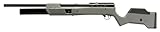
umarex gauntlet 2 22 sits in that sweet spot where a PCP air rifle feels serious without sliding into fussy, wallet-draining territory. The big appeal is simple: more air, steadier pressure, and enough punch for backyard target work, longer-range plinking, and small-game use where legal. It’s not a tiny rifle, and honestly, that matters. The 47-inch length and 8.5-pound bare weight make it feel more like a bench or bipod companion than something built for wandering all afternoon.
Regulated performance gives this rifle its personality. The 24 cubic inch tank fills to 4,500 PSI, while the .22 version runs with a 1,900 PSI regulator, helping each shot feel less random as the air supply drops. That’s the thing many PCP shoppers quietly worry about: spending decent money, then getting a rifle that throws pellets like it can’t make up its mind. This one leans toward consistency, especially with the right pellet match and a steady shooting setup.
Power output is another reason the Gauntlet 2 in .22 keeps getting attention. Lighter pellets can run fast, while standard-weight pellets sit around useful energy levels for practical airgun work. Still, speed isn’t always your friend. Push pellets too light and too fast, and the report can sharpen up, so heavier lead pellets often make more sense for smoother sound and better downrange behavior.
The redesigned stock brings real-world convenience instead of decoration. The adjustable cheekpiece helps line up with a scope, which matters because this rifle ships without open sights and expects glass on top. The Picatinny rail keeps optic mounting straightforward, while M-LOK slots on the forearm make bipod mounting cleaner. Set it up on a bench, and the rifle starts to make much more sense.
Tradeoffs still deserve a fair look. The air tank adds bulk up front, the rifle isn’t exactly nimble, and filling to 4,500 PSI means a proper compressor or high-pressure tank becomes part of the ownership story. But that’s the PCP bargain. Accept the gear routine, and the reward is a strong, steady .22 air rifle that doesn’t feel stripped down where it counts.
AirSaber Arrow Rifle Review For Umarex Gauntlet 2 22 Fans
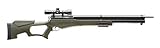
Routine range sessions can start feeling predictable after a while. Different pellets, different scopes, and different targets help, but sometimes the biggest change comes from switching projectile types altogether. The Elite Force Umarex AirSaber takes that route by launching full-size arrows with compressed air rather than pellets. For shooters familiar with the umarex gauntlet 2 22, the AirSaber offers a completely different shooting experience while still relying on PCP technology.
AirSaber PCP Arrow Rifle
Arrow propulsion is the defining feature here. Instead of sending lightweight pellets downrange, the AirSaber uses carbon fiber arrows powered by compressed air. That creates a shooting style that feels closer to air archery than traditional air rifle use.
Power output is another notable characteristic. According to the provided specifications, the AirSaber can propel arrows up to 450 fps and generate up to 169 foot-pounds of kinetic energy. Those figures place it in a category far removed from casual backyard plinking.
The bolt-action design keeps operation familiar. Loading and cycling the rifle feels intuitive, especially for shooters already comfortable with rifle platforms. The integrated pressure gauge also makes air management straightforward.
Weight remains manageable at approximately 6.85 pounds without the scope. Combined with the 41-inch overall length, the rifle feels substantial without becoming awkward to handle.
Included Equipment And Setup
The package includes an Axeon 4x32 scope equipped with an Air Archery Ballistic Reticle. That addition helps simplify the learning curve because arrow trajectories differ significantly from pellet trajectories.
Three Straight Flight Technology arrows come in the box along with 100-grain field tips. Having multiple arrows available immediately makes practice sessions far more convenient.
Accessory flexibility adds practical value. Picatinny mounting points allow shooters to attach optics, bipods, quivers, and other gear without requiring aftermarket modifications.
The all-weather stock supports outdoor use in changing conditions. Synthetic construction generally requires less maintenance than traditional wood furniture, especially when the rifle spends a lot of time in the field.
Performance In Practical Use
Shot consistency benefits from the large onboard air reservoir. The manufacturer states that the system delivers approximately 25 effective shots per fill, which provides plenty of shooting time before returning to the air source.
Arrow flight creates a very different visual experience compared to pellet shooting. Tracking the projectile through the air can be easier, particularly at moderate distances, making practice sessions more engaging.
Accuracy depends heavily on arrow condition. Straight shafts, undamaged vanes, and properly secured field tips all contribute to more predictable results. Routine inspection becomes part of ownership.
The included reticle helps compensate for trajectory differences. Rather than relying entirely on guesswork, shooters have dedicated aiming references designed around arrow performance.
Strengths And Tradeoffs
Versatility stands out as one of the AirSaber's biggest advantages. The rifle accommodates multiple accessories while maintaining a relatively lightweight profile for its category.
Arrow systems naturally involve different ownership habits than pellet rifles. Storage, maintenance, and replacement costs can be higher because arrows require more care than tins of pellets.
Shooting pace also tends to slow down. Each shot feels more deliberate, and retrieving arrows becomes part of the overall experience. Some shooters enjoy that rhythm, while others may prefer the higher volume shooting associated with traditional PCP rifles.
A related historical design can provide additional context for those interested in the broader Umarex lineup, and that perspective appears naturally in the Umarex Walther P38 overview.
How It Relates To The Umarex Gauntlet 2 22
The umarex gauntlet 2 22 and AirSaber share compressed-air foundations, yet they pursue different goals. One focuses on pellet accuracy, extended shot strings, and traditional rifle use. The other emphasizes air-powered archery with heavier projectiles and a unique shooting experience.
Practical expectations matter. The AirSaber isn't a replacement for a pellet rifle, nor is it trying to be. Instead, it fills a specialized role for shooters who want something different while staying within the PCP ecosystem.
Accessory support, substantial energy output, and included equipment give the platform immediate usability. Most of the essentials arrive in the box, reducing the need for additional purchases before the first range session.
The result is a distinctive PCP-powered arrow rifle that offers a different kind of challenge and satisfaction while still appealing to enthusiasts who appreciate platforms like the umarex gauntlet 2 22.
Umarex Origin PCP .22 Caliber Pellet Gun Air Rifle
Filling a PCP rifle can be the moment that pushes people away from the platform. Plenty of shooters love the accuracy and smooth shooting characteristics, yet the thought of endless pumping sessions often takes the shine off the experience. That frustration is exactly where the Umarex Origin enters the conversation. While many enthusiasts researching the umarex gauntlet 2 22 focus on regulated performance and extended shot strings, the Origin approaches the PCP formula from a different angle by making air filling less intimidating from the start.
Umarex Origin PCP Air Rifle
Accessibility sits at the heart of this rifle's appeal. Unlike some PCP setups that practically assume you'll own a compressor or carbon fiber tank, the Origin arrives with a hand pump included. That changes the ownership experience immediately because there is no urgent need to budget for additional filling equipment.
The standout feature is the Ever-Pressure EPT Tank System. According to the provided specifications, the patented Air Tube design helps make pumping easier while allowing the tank to be filled more efficiently. That may not sound exciting on paper, yet anyone who has spent time hand-pumping a PCP rifle understands why this detail matters.
Practical convenience often determines whether a rifle gets used regularly or spends months sitting in a closet. The Origin removes one of the most common barriers to PCP ownership by simplifying the filling process.
From a reviewer’s perspective, that focus feels intentional rather than accidental. The rifle isn't trying to overwhelm buyers with complexity. Instead, it concentrates on solving a real-world problem that many PCP newcomers encounter early.
Shot Consistency And Performance
Consistent velocity is one of the biggest advantages PCP shooters look for. The Origin's air system is designed to provide steadier performance from shot to shot, helping reduce the unpredictable fluctuations that can make group sizes grow unexpectedly.
Accuracy discussions often become obsessed with raw velocity numbers. The Origin is capable of sending .22 caliber pellets at up to 1000 fps, but speed alone doesn't tell the whole story. Consistency usually matters more than chasing the highest possible velocity figure.
A tighter velocity spread often translates into better confidence behind the scope. Pellets that leave the barrel under similar conditions tend to impact closer together, especially at moderate distances where many PCP owners spend most of their time shooting.
Balanced performance makes the rifle approachable. It provides enough capability to keep experienced shooters interested while avoiding unnecessary complexity that could frustrate newer PCP owners.
Magazine System And Handling
The included 10-shot magazine helps maintain shooting rhythm. Reloading after every shot can interrupt concentration, particularly during target practice sessions where consistency is the goal.
Side-cocking operation also contributes to a smoother experience. The side handle feels more convenient than traditional bolt systems for many shooters because it requires less movement between shots.
Long afternoons at the range often reveal whether a rifle's controls are genuinely comfortable. Small ergonomic advantages may seem minor during the first magazine, but they become increasingly noticeable after dozens of reload cycles.
The Origin manages to keep operation straightforward. Nothing feels overly complicated, and that simplicity works in its favor.
Optics And Setup Flexibility
The optics-ready accessory rail leaves room for personalization. Some shooters prefer lightweight hunting scopes, while others favor larger optics with adjustable magnification. The platform accommodates different preferences without forcing a particular setup.
Scope selection often becomes part of the fun. Dialing in a rifle, experimenting with pellet choices, and fine-tuning holdovers can transform an ordinary range day into a surprisingly rewarding project.
Customization potential helps the Origin remain relevant even as shooting interests evolve. A simple optic today can easily be replaced with a more advanced setup later.
That flexibility mirrors one reason rifles like the umarex gauntlet 2 22 continue attracting attention. Shooters appreciate platforms that can adapt rather than requiring complete replacement when needs change.
Everyday Ownership Experience
Ownership isn't defined solely by velocity figures or magazine capacity. The routine matters. Filling the rifle, transporting it, cleaning it, and preparing it for the next outing all contribute to long-term satisfaction.
The included hand pump becomes especially valuable here. Rather than delaying a shooting session because additional equipment isn't available, owners can simply pump the rifle and continue shooting. That independence creates a level of convenience that many first-time PCP owners appreciate.
Some perspective on modern PCP development can be seen in recent air rifle releases, where manufacturers continue searching for ways to make compressed-air shooting more approachable and less equipment-dependent.
Maintenance expectations remain fairly reasonable. Like any PCP rifle, proper storage and routine care help preserve performance, but the Origin doesn't introduce unusual requirements beyond standard airgun ownership practices.
Strengths And Realistic Tradeoffs
The biggest strength is easy to identify. The Ever-Pressure EPT system directly addresses one of the most common complaints surrounding hand-pumped PCP rifles. That benefit impacts nearly every shooting session.
Tradeoffs still exist. Hand pumping remains physical work, even if the system is designed to reduce effort. Shooters planning extremely high-volume sessions may eventually prefer a compressor or external air tank.
Velocity capability, magazine capacity, and included equipment create a package that feels thoughtfully assembled. Nothing appears included merely to inflate a specification sheet.
The result is a PCP rifle that focuses on practical ownership rather than chasing flashy claims. For shooters evaluating alternatives to the umarex gauntlet 2 22, the Origin stands out by tackling one of the biggest PCP frustrations before the first pellet is even loaded.
Umarex Hammer .50 Caliber PCP Pellet Gun Air Rifle
Most air rifles are built around balance. A little power, a reasonable shot count, manageable weight, and enough accuracy to keep a shooter interested. Then there are products that completely ignore that formula. The Umarex Hammer belongs in that second category. While enthusiasts researching the umarex gauntlet 2 22 often focus on efficiency and extended shooting sessions, the Hammer takes an entirely different path by putting sheer projectile energy at the center of the experience.
Umarex Hammer Air Rifle
Raw power is the headline feature, and there is no point pretending otherwise. The Hammer was designed around a .50 caliber projectile, launching pellets at velocities up to 1130 fps according to the provided specifications. That immediately separates it from the majority of PCP rifles on the market.
Size alone doesn't tell the full story. Plenty of large air rifles feel oversized without offering meaningful benefits. The Hammer earns its footprint because every major component appears focused on supporting substantial energy delivery.
Purpose-built engineering becomes obvious once the specifications are examined. The platform isn't chasing high shot counts or lightweight portability. Instead, it prioritizes performance per shot.
Viewed through a reviewer’s lens, that focus creates a rifle with a very distinct personality. It isn't trying to satisfy every shooter. It knows exactly what it wants to be.
Power Delivery And Shooting Character
Energy transfer sits at the center of the Hammer's design philosophy. The manufacturer specifically notes that the rifle is engineered to dump energy into the target rather than carrying excess energy through it. That statement reflects the entire concept behind the platform.
Heavy projectiles behave differently than lightweight pellets. Momentum, impact characteristics, and downrange behavior all change when caliber increases. The result feels dramatically different from smaller PCP rifles.
Shot authority is noticeable even on paper specifications alone. Few air rifles operate within the same category as a .50 caliber platform capable of reaching the stated velocity figures. The Hammer was clearly designed for shooters seeking something beyond conventional PCP performance.
That approach does create tradeoffs. Bigger projectiles require more air, which naturally affects shot count. The rifle prioritizes output rather than efficiency.
Air System And Tank Design
The Hammer uses a 4500 PSI carbon fiber air tank with a 24 cubic inch capacity. Carbon fiber construction helps reduce weight compared to some traditional tank materials while maintaining the strength required for high-pressure operation.
Shot count tells an important part of the story. The provided specifications indicate one full fill provides four full-power regulated shots plus a finishing shot. That number sounds modest until the rifle's intended purpose is considered.
Efficiency expectations need adjustment here. A rifle designed around massive projectile energy simply cannot be judged by the same standards as smaller-caliber PCP rifles delivering dozens of shots per fill.
Owners who value extended plinking sessions may find the refill schedule more demanding. Shooters prioritizing maximum performance per shot will likely view the air consumption differently.
Handling And User Experience
The straight-pull bolt contributes to a surprisingly modern feel. Cycling the action requires a relatively short movement, and the specified two-pound pull weight helps keep operation smooth.
Magazine management remains straightforward thanks to the included two-shot linear magazines. While that capacity won't satisfy high-volume shooters, it fits the rifle's intended shooting style. Deliberate shots matter more here than rapid strings.
Ergonomic considerations haven't been ignored. The stock includes M-LOK mounting locations along with a Picatinny rail for optics installation. That flexibility allows owners to tailor the rifle around different shooting setups.
The overall experience feels more refined than many people expect from a platform focused primarily on power. Controls appear thoughtfully arranged rather than treated as an afterthought.
Noise And Safety Features
Powerful air rifles often carry a reputation for excessive noise. The Hammer counters that expectation with a design specifically described as very quiet shooting. That characteristic may surprise people who assume a large-caliber PCP automatically produces an aggressive report.
Safety systems deserve attention as well. The rifle incorporates a magazine lockout that prevents firing without a magazine installed. That feature adds another layer of operational awareness during handling.
The trigger block safety provides a second safeguard. Multiple safety systems won't replace responsible firearm or airgun handling practices, but they do contribute to a more secure operating experience.
Thoughtful details like these often separate mature designs from products focused solely on headline specifications.
How It Differs From The Umarex Gauntlet 2 22
The umarex gauntlet 2 22 and the Hammer occupy opposite ends of the PCP spectrum. One emphasizes efficiency, practical shot counts, and traditional pellet rifle versatility. The other concentrates heavily on delivering maximum energy through a large-caliber projectile.
Neither approach is inherently better. The choice depends on what kind of shooting experience feels more rewarding. Some shooters appreciate long afternoons behind a magazine-fed .22 PCP, while others enjoy the deliberate pace and substantial impact characteristics of a .50 caliber platform.
Ownership expectations differ as well. The Hammer asks for more air per shot and rewards users with a level of performance that smaller calibers simply cannot replicate in the same way.
That contrast is one reason the two rifles often attract attention from entirely different corners of the PCP community.
Practical Strengths And Limitations
The biggest strength is easy to identify. Few production air rifles offer the same combination of caliber, velocity, and intended energy transfer. The Hammer occupies a specialized niche with very little direct overlap from conventional PCP designs.
The limited shot count per fill represents the most obvious compromise. Some shooters will gladly accept that tradeoff, while others may prefer a platform built around higher volume shooting.
A broader discussion about projectile selection across different air rifle categories often appears in resources covering pellets for Gamo Varmint air rifles, highlighting how ammunition choices can shape performance expectations from one platform to another.
Purpose-driven design defines nearly every aspect of the Hammer. The air tank, magazine system, action design, safety features, and caliber selection all point toward a rifle engineered around substantial energy output rather than general-purpose versatility.
Umarex Gauntlet 2 SL22 .22 Caliber PCP Pellet Gun Air Rifle
Small frustrations tend to pile up during a long shooting session. A stiff action, inconsistent velocity, awkward stock geometry, and limited shot count can slowly chip away at the experience. That's exactly why rifles that refine the details often leave a stronger impression than products chasing attention-grabbing specifications alone. The umarex gauntlet 2 22 already earned a reputation among PCP enthusiasts, and the Gauntlet 2 SL22 takes that familiar foundation and pushes several key areas further.
Gauntlet 2 SL22 Air Rifle
Evolution rather than reinvention defines this rifle. The platform keeps many of the characteristics that made earlier Gauntlet models popular while introducing upgrades that directly affect everyday shooting. Instead of changing everything, Umarex focused on improving the parts shooters interact with most often.
The most noticeable upgrade is the side-lever cocking system. Traditional bolt actions work perfectly well, but side levers often feel smoother and require less disruption to shooting position. During extended range sessions, that difference becomes surprisingly noticeable.
Ergonomics receive a genuine boost from this design change. Less movement between shots helps maintain consistency, especially when shooting from a bench or bipod. A rifle that feels easier to run often becomes more enjoyable to use.
Viewed from an experienced shooter's perspective, the side lever alone gives the platform a more modern feel. It transforms interaction with the rifle without changing its core identity.
More Air And More Shooting Time
Air capacity remains one of the biggest conversations in the PCP world. Nobody enjoys interrupting a productive range day simply because the tank is running low. The Gauntlet 2 SL22 addresses that concern with more onboard air than previous generations.
The manufacturer specifically highlights more shots per fill, which is meaningful for anyone who values uninterrupted practice sessions. Extra shooting time between refills often improves the overall ownership experience more than a small increase in velocity.
Long afternoons behind the trigger tend to reveal whether a rifle was designed with practical use in mind. A larger air supply allows shooters to focus on accuracy, pellet testing, and scope adjustments rather than constantly monitoring tank pressure.
Efficiency improvements help the rifle feel less demanding. Every refill carries further, which naturally adds convenience over time.
Regulated Performance And Consistency
The heart of many successful PCP rifles is the regulator. Velocity consistency often determines whether groups tighten or spread as the air reservoir pressure changes. The Gauntlet 2 SL22 incorporates a state-of-the-art pressure regulator designed to maintain stable shot strength.
Predictable performance matters more than flashy velocity claims. A rifle that delivers similar energy from one shot to the next gives shooters greater confidence, particularly at longer distances where inconsistencies become more visible.
The listed maximum velocity reaches up to 1130 FPS with .22 caliber pellets. Actual results naturally vary based on pellet weight and other shooting conditions, but the specification demonstrates the platform's capability.
Consistency often becomes the difference between a rifle that is merely fun and one that earns a permanent place in a collection. The regulator helps support that goal.
Stock Design And Practical Features
Adjustability plays a major role in shooting comfort. The adjustable cheek piece allows shooters to achieve better eye alignment behind their optic, reducing unnecessary strain during extended sessions.
The inclusion of M-LOK accessory slots expands customization possibilities. Bipods, support accessories, and other compatible equipment can be added without relying on awkward adapters.
Attention to detail appears in smaller features as well. The quick-disconnect sling mount may not dominate product descriptions, yet it adds convenience for transport and field use.
The large knurled handle deserves recognition. Gripping and operating the action feels easier, especially when conditions are less than ideal or when gloves enter the equation.
Magazine System And Shooting Flexibility
The included 10-round rotary magazine supports a steady shooting rhythm. Reload interruptions become less frequent, allowing shooters to concentrate on technique rather than constantly handling ammunition.
Flexibility increases further through the addition of a single-shot tray. Some shooters prefer loading individual pellets when testing accuracy or evaluating different ammunition types. Having both options available broadens the rifle's usefulness.
A thoughtful touch appears in the form of the included degassing tool. Maintenance-related features are often overlooked until they're needed. Having the correct tool readily available simplifies ownership.
The overall package feels designed by people who understand how PCP rifles are actually used rather than simply how they look on a specification sheet.
Range Experience And Handling
Balance between power and usability is one of the stronger aspects of the rifle. Plenty of PCP models pursue maximum velocity without considering the overall shooting experience. The Gauntlet 2 SL22 manages to remain approachable while still delivering meaningful performance.
Bench shooters will likely appreciate the improved interaction created by the side lever. Less body movement between shots helps maintain position and reduces unnecessary interruptions during group testing.
Field use benefits from the practical stock features and accessory support. Carrying equipment, attaching accessories, and adjusting fit all feel more streamlined than they do on many entry-level PCP platforms.
Even the rhythm of operation feels polished. The rifle encourages longer shooting sessions because fewer aspects of the design become irritating over time.
Strengths And Realistic Tradeoffs
The biggest strength is how effectively the upgrades work together. More air, more shots, a side-lever action, regulator improvements, and better stock features all contribute to a more refined platform rather than existing as isolated additions.
No rifle is completely free of tradeoffs. A larger PCP platform naturally occupies more space than compact alternatives, and ownership still requires access to an appropriate air source. Those realities come with the territory.
An interesting example of how specialized outdoor equipment develops for entirely different purposes can be seen in discussions surrounding using an extinguisher deer call, where equipment design follows a completely separate set of priorities.
Practical refinement ultimately defines the Gauntlet 2 SL22. Rather than chasing novelty, it focuses on making familiar PCP shooting smoother, more comfortable, and more efficient from the first magazine to the last fill of the day.
Umarex Fusion 2 Quiet .177 Air Rifle
Quiet shooting changes the whole mood of a backyard range session. Less sharp noise means fewer distractions, fewer awkward glances over the fence, and a smoother rhythm once the targets are set. The Umarex Fusion 2 Quiet .177 takes that comfort-first approach and pairs it with easy CO2 power instead of a PCP fill routine. For anyone comparing it around the umarex gauntlet 2 22, the Fusion 2 feels like a lighter, quieter, more casual alternative rather than a direct power match.
Fusion 2 Quiet Air Rifle
Noise control is the feature that gives this rifle its personality. Umarex built the Fusion 2 with its SilencAir muzzle device, and the provided description makes quiet shooting a major selling point. That matters because not every air rifle session needs to feel loud or intense. Some days, a calm rifle with a clean routine simply makes more sense.
The .177 caliber setup also tells you what kind of experience to expect. This isn’t trying to be a heavy-hitting hunting-style PCP rifle. It leans toward target work, casual plinking, and repeatable shooting where smooth operation matters more than big-bore impact.
The rifle uses CO2 power, which keeps setup fairly simple. There’s no hand pump, compressor, or high-pressure tank to manage before getting started. That alone makes the Fusion 2 feel approachable for someone who wants less gear clutter and more time behind the trigger.
The shooting pace feels relaxed by design. Load the magazine, settle into the target, and keep a steady rhythm without wrestling with heavy cocking effort or complicated fill steps. It’s the kind of rifle that rewards patience without making the whole session feel like work.
Quiet Shooting Without The Fuss
SilencAir sound reduction gives the Fusion 2 its strongest everyday advantage. A quieter rifle can make target practice feel less disruptive, especially in spaces where noise carries easily. That doesn’t mean silence in every possible setting, but the design clearly focuses on softening the report.
The phrase “virtually silent” appears in the provided product details, and that sets a clear expectation for a subdued shooting experience. Still, practical conditions matter. Backstops, pellet choice, nearby walls, and outdoor surroundings can all affect what the shooter actually hears.
Low-noise performance pairs nicely with the rifle’s casual personality. It’s not chasing the same lane as the umarex gauntlet 2 22, which is more about PCP consistency, pellet energy, and longer-range potential. The Fusion 2 feels more at home where comfort and convenience lead the conversation.
That difference is important because many shooters don’t need maximum power every time. Sometimes the better rifle for the day is the one that keeps things simple, quiet, and easy to repeat.
CO2 Flexibility And Shot Count
Fuel flexibility is one of the more useful details here. The Fusion 2 can run on two 12-gram CO2 capsules, or it can be used with 88-gram CO2 tanks for longer sessions. That gives owners a practical choice between compact convenience and extended shooting time.
The provided details state that shooters can expect over 70 shots from each pair of 12-gram cartridges. With a single 88-gram cylinder, the stated expectation rises to upwards of 250 shots. Those figures help explain why the Fusion 2 works well for long target sessions without constant refueling.
CO2 does have tradeoffs, though. Temperature can affect performance, and shot feel may vary more than a regulated PCP system under changing conditions. That’s part of the bargain with CO2 rifles, and it’s worth knowing before expecting PCP-style behavior.
Even with that limitation, the convenience factor is hard to ignore. Tossing extra CO2 and a few tins of pellets into a range bag keeps the whole process tidy and familiar.
Magazine Design And Range Rhythm
The 9-shot magazine is a small feature that makes a big difference once the shooting starts. Single-shot loading can be satisfying for precision work, but it can also slow down a casual session. The Fusion 2 keeps the rhythm moving without turning the rifle into something complicated.
The provided description calls the magazines some of the easiest loading ammo magazines around. That kind of detail matters because fiddly magazines can ruin the mood fast. A rifle built for easygoing target work should not make loading pellets feel like a chore.
Repeatable handling helps the shooter stay focused on the target instead of the mechanics. Load, shoulder, aim, shoot, then repeat without breaking flow. That’s a big part of why this rifle feels friendly for casual practice.
The phrase “fling some lead” from the provided description fits the personality pretty well. The Fusion 2 isn’t stiff or overly serious. It’s built for steady practice with just enough fun baked into the process.
Accuracy Expectations And Practical Use
Accuracy is mentioned directly in the product details, with the rifle described as capable of drilling the center of the target. That points toward a target-focused design rather than raw power bragging. A quiet rifle still needs to put pellets where they belong, or the whole calm shooting experience loses its charm.
Pellet choice will still matter. Even a well-designed air rifle can behave differently with various pellet weights, shapes, and brands. The smart move is to treat pellet testing as part of ownership rather than assuming the first tin will be the best match.
The .177 caliber typically suits paper targets and plinking well because pellets are light, easy to source, and pleasant for longer sessions. Compared with the umarex gauntlet 2 22, it won’t offer the same .22 pellet mass or PCP character. But for relaxed precision work, the Fusion 2 has a clear lane.
Practical expectations keep the review fair. This rifle makes the most sense where quiet operation, easy loading, and long CO2-powered sessions matter more than maximum impact energy.
Where It Fits Beside Bigger Air Rifles
The Fusion 2 sits on the calmer side of the air rifle world. It’s light on setup demands, friendly to repeated shooting, and focused on noise reduction. That makes it very different from high-pressure PCP rifles built for heavier pellets and stronger impact.
Some airgun discussions naturally move from quiet target rifles to heavier platforms, and broader category perspective appears in best big bore air rifles for readers weighing how power, caliber, and use case can pull designs in very different directions. That contrast helps make the Fusion 2’s purpose clearer. It’s not pretending to be a hard-hitting big-bore rifle.
Realistic limitations are part of the package. CO2 performance can shift with temperature, .177 pellets are not meant to mimic larger-caliber energy, and the rifle’s strengths lean toward casual precision rather than heavy-duty field use. None of that feels like a flaw if the buyer understands the lane.
The better way to view the Fusion 2 is as a quiet, low-fuss range companion. Against something like the umarex gauntlet 2 22, it trades PCP muscle for simpler fueling, gentler sound, and an easier daily routine.
Comfort, Tradeoffs, And Ownership Feel
Ease of ownership may be the Fusion 2’s biggest everyday win. CO2 cartridges are simpler to manage than high-pressure air systems, and the rifle’s 9-shot magazine keeps the experience moving. For short sessions after work or longer afternoons with extra CO2 on hand, that convenience matters.
The tradeoff is that CO2 consistency won’t behave exactly like a regulated PCP rifle. Cooler weather can change the feel of the shot, and extended strings may require realistic expectations. Shooters who want a highly controlled PCP experience may still lean toward platforms like the umarex gauntlet 2 22.
Still, the Fusion 2 has a relaxed charm that shouldn’t be brushed aside. Quiet operation, easy magazine loading, and flexible CO2 options make it feel less demanding than many air rifles. That’s a real benefit for someone who wants to shoot more often without turning every session into a gear checklist.
Practical enjoyment defines this rifle better than any flashy claim. It’s a quiet .177 CO2 air rifle with enough shot capacity to keep practice flowing and enough simplicity to stay inviting after the first few range days.