Bestairriflescopes.com is reader-supported. When you buy through links on our site, we may earn an affiliate commission. Learn more

Umarex Gauntlet 25 Cal 2026 Best Quiet Power

Umarex Gauntlet 25 Cal hits a sweet spot for steady PCP shooting without making the setup feel fussy or overpriced. The regulated air system helps keep shot-to-shot power more consistent, which matters once groups start opening up and the problem isn't always the pellet. Some air rifles feel exciting for the first magazine, then annoying after the pressure curve starts wandering. This one keeps things calmer, more predictable, and easier to trust.

.25 caliber power gives this rifle a heavier feel on target than smaller calibers, especially at sensible airgun distances. That extra pellet weight can help with energy retention, but it also means more air use, pricier ammo, and a need for a decent fill setup. Fair trade? For many backyard range sessions and small pest control needs where local law allows it, yes. For casual plinking on a tiny budget, maybe not.

The big appeal is the way the rifle removes some of the guesswork that makes PCP ownership feel like a chore. A regulated platform, a repeatable bolt cycle, and a practical magazine system all help create a rhythm that doesn't fight back. Still, it's not feather-light, and the longer air tube gives it more front presence than a compact carbine. So, steady bench work feels natural, while all-day carrying may feel less charming.

Accuracy expectations should stay realistic, because pellets still matter a lot. A good tin can make the rifle feel dialed-in, while the wrong pellet can make the same setup look sloppy. That little bit of trial and error isn't wasted time, though. It's part of getting a PCP to settle into its groove.

Noise control is another reason this model gets attention. The shrouded barrel helps tame the report, though it won't make the rifle silent, and hard backstops can still sound sharp. A quiet shot cycle matters in tight spaces where every loud crack feels twice as loud as it should. To reduce pressure swings and keep groups from wandering, rely on the Umarex Gauntlet 25 Cal as a practical regulated PCP with real-world patience built in.
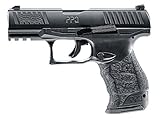
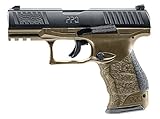
Umarex T4E Walther PPQ .43 Cal Training Pistol

Cheap-feeling training pistols ruin practice fast. Sloppy controls, unrealistic weight, and mushy handling can turn a serious routine into glorified backyard plinking. The Umarex T4E Walther PPQ .43 Caliber Training Pistol Paintball Gun Marker avoids that trap by focusing on realistic handling instead of gimmicks. Its metal slide, functional controls, and CO2-powered blowback create a more believable rhythm that feels surprisingly close to handling a centerfire sidearm.

Walther PPQ T4E

Realistic handling stands out almost immediately. The grip angle feels natural in the hand, and the weight distribution doesn't come across as hollow or toy-like. Plenty of training markers miss this detail completely, especially cheaper plastic-heavy options that wobble during reloads. This one carries enough heft to make transitions, reload drills, and target movement feel grounded instead of awkward.

The metal slide and barrel add more than just visual appeal. Cycling the slide gives the pistol a cleaner mechanical feel, while the slide catch locking back after the final shot helps preserve training habits. Muscle memory matters during repetitive drills, and tiny details like realistic magazine release placement help keep routines more consistent. That familiarity reduces the weird adjustment period common with many low-cost markers.

CO2 power keeps the system fairly straightforward, though there are tradeoffs. Temperature swings can affect consistency because CO2 naturally reacts to colder conditions. Outdoor sessions during chilly mornings may produce slightly different shot behavior compared to warm afternoons. Still, the setup stays simpler than PCP systems that require pumps or air tanks cluttering up the routine.

Magazine design deserves credit too. The drop-free 8-round magazine ejects cleanly, and reload practice feels smoother than expected for a training marker in this price range. Fast reload repetition becomes easier because the release button placement mirrors familiar duty-style pistols. That little detail makes repetitive drills feel less artificial.

Noise levels land somewhere in the middle. It isn't whisper quiet, but it also avoids the harsh crack that makes neighbors glance over fences every five minutes. Indoor garage setups, private property drills, and controlled backyard ranges feel manageable without turning the session into a spectacle. The recoil impulse stays modest, yet noticeable enough to keep practice from feeling dead.

Practical Training Value

Training repetition is where this marker earns most of its praise. Burning through centerfire ammunition for basic draw drills and movement practice gets expensive fast, especially once weekly routines become consistent. A .43 caliber paintball marker lowers that barrier considerably without stripping away all realism. That balance makes shorter sessions easier to justify instead of postponing practice for “later.”

The pistol handles multiple ammunition types, including paintballs, powder balls, and rubber balls. That flexibility changes the experience more than people expect. Paint rounds work well for visible impact confirmation, while rubber balls shift the focus toward durability and repetitive target work. Powder rounds add another layer for force-on-target feedback in training environments.

Accuracy stays respectable at realistic training distances, though expectations should stay grounded. This isn't a precision target pistol built for tiny benchrest groupings across long distances. Short-to-medium range practice feels far more appropriate, especially for movement drills, room clearing exercises, or reactive target setups. The adjustable rear sight helps tighten alignment without turning adjustments into a frustrating chore.

Visible sight dots help during lower-light practice sessions. Tiny blacked-out sights on some markers become irritating indoors or under shaded outdoor conditions. The yellow-dot system isn't fancy, but it solves a very real annoyance that shows up during quick target transitions. Fast sight acquisition matters more than decorative styling during active drills.

Some training pistols end up collecting dust because the handling feels disconnected from real firearm routines. This model avoids that problem by preserving practical ergonomics. Even simple magazine changes feel satisfying instead of clunky. Somewhere between the realistic controls and the snappy slide action, the marker starts feeling more like equipment and less like a novelty.

Handling, Balance, And Everyday Use

Grip texture lands in a comfortable middle ground. Aggressive enough to stay planted during sweaty hands and repetitive drills, but not rough enough to chew through palms after an extended afternoon session. Long practice strings matter because discomfort tends to shorten sessions quicker than people admit. A pistol that's annoying to hold rarely gets used consistently.

The accessory rail adds practical flexibility without making the frame bulky. Compact lights and laser attachments mount cleanly for low-light routines or scenario-based practice. Some users won't touch the rail at all, while others build entire indoor drill setups around it. Either way, the feature feels purposeful rather than decorative.

Holster compatibility quietly becomes one of the better advantages here. The fact that it fits many duty-style holsters means training transitions feel more natural from draw to reload. Cheap replicas often fail here because dimensions end up slightly off, creating awkward retention problems. That mismatch can ruin otherwise solid practice habits.

Slide movement and trigger feel aren't exact copies of live-fire pistols, but the general rhythm stays believable enough for repetitive work. Trigger reset feels predictable, and the blowback action adds a little mechanical feedback to each shot. No, it won't replace actual firearm training entirely. Still, for repetitive handling practice and force-on-force scenarios, it captures enough realism to stay genuinely useful.

Interesting comparisons sometimes come up alongside older replica designs, and a related reference appears in Umarex Walther PPK Airsoft. The differences in handling philosophy become obvious pretty quickly once realism and training utility enter the conversation instead of simple backyard entertainment.

Tradeoffs Worth Knowing

CO2 consumption remains one of the ongoing costs people should think about early. Frequent practice sessions burn through cartridges faster than expected, especially during rapid-fire drills. Spare cartridges become part of the routine whether someone likes it or not. Thankfully, the overall operating cost still lands far below regular centerfire ammunition expenses.

The 8-round capacity feels realistic for certain drills, though high-volume sessions require frequent reloads. Some shooters enjoy that because it forces magazine change repetition under pressure. Others may find it slightly interruptive during casual target sessions. Spare magazines help smooth that issue out considerably.

Rubber ball recoil and marker feedback won't fully mimic firearm recoil, and pretending otherwise would be misleading. Training value here comes from repetition, handling consistency, and procedural practice rather than raw recoil simulation. Drawing, aiming, transitioning, and reload timing all benefit from repetition even without heavy kickback.

Maintenance stays fairly manageable, but regular lubrication matters more than some new owners expect. Neglecting seals and moving parts can eventually create gas efficiency problems or sluggish cycling. A little routine care keeps the system running cleaner and more consistently over time. That maintenance rhythm becomes second nature after a few sessions.

Overall practicality probably explains why the pistol continues getting attention among realistic training markers. It balances believable controls, manageable operating costs, and durable construction without drifting into overly specialized territory. Plenty of training tools either feel too toy-like or too complicated. This one lands somewhere far more usable in day-to-day practice.

T4E Walther PPQ .43 Caliber Training Pistol

Dry-fire routines can get stale in a hurry, especially once repetition starts feeling disconnected from real movement and pressure. Cheap training markers often make the problem worse with awkward controls, featherweight frames, and sloppy magazine handling. The T4E Walther PPQ .43 Caliber Training Pistol Paintball Gun Marker heads in a different direction by focusing on realistic feel instead of arcade-style gimmicks. That shift matters more than flashy packaging ever will, particularly during repetitive draw drills and reload practice.

Walther PPQ T4E FDE

Flat Dark Earth styling gives this version a slightly more duty-oriented look without turning it into some overdone tactical prop. The finish pairs nicely with the metal slide and barrel, creating a setup that feels solid in the hand instead of hollow and plasticky. Plenty of low-cost training pistols wobble during reloads or develop loose slide movement after regular use. This one feels tighter and more deliberate straight out of the box.

The weight balance catches attention almost immediately. Front-to-back distribution feels surprisingly natural, especially during quick transitions between targets. A realistic grip angle also helps maintain familiar handling habits, which becomes useful during repetitive sessions where muscle memory matters more than raw power. Tiny ergonomic details tend to separate useful training tools from backyard toys.

CO2 power keeps the platform accessible without adding extra complexity. No external tanks, no hand pumps, and no bulky fill stations cluttering up the process. That convenience comes with predictable tradeoffs, though. Cold weather can slightly affect gas efficiency, and long rapid-fire strings may change shot consistency a bit as the cartridge cools down.

Magazine handling feels refreshingly authentic for a training marker in this category. The 8-round drop-free magazine ejects cleanly, and the release placement supports faster reload repetition without awkward hand repositioning. Plenty of repetitive drills depend on consistency during magazine swaps. Sloppy magazine systems can wreck training rhythm fast, but this one avoids most of those frustrations.

Noise levels stay manageable enough for controlled backyard setups or indoor garage practice. It produces enough snap to feel engaging without creating the harsh crack associated with louder air-powered systems. Neighbors probably won't mistake it for silence, but it also avoids the cannon-like bark that turns quick practice into an unwanted neighborhood event.

Training Value Beyond Backyard Fun

Realistic controls give this marker far more purpose than casual plinking alone. The slide catch locks back after the final shot, and that simple feature changes reload drills dramatically. Muscle memory develops through repetition, not imagination. Functional controls allow transitions and manipulations to feel much closer to centerfire handgun routines.

The ability to shoot .43 caliber paintballs, powder balls, and rubber balls adds practical flexibility. Paint rounds provide visible impact feedback during movement drills or target marking exercises. Rubber balls work better for repetitive target sessions where cleanup matters. Powder rounds create an entirely different visual effect that some training environments appreciate.

Accuracy stays respectable within realistic training distances, though this isn't built for precision benchrest shooting. Controlled room-distance practice, short-range target transitions, and movement drills suit the platform far better than stretching shots across long outdoor ranges. The adjustable rear sight helps fine-tune alignment without making sight adjustments feel overly technical or annoying.

Visible yellow sight dots make quick alignment easier under uneven lighting conditions. Dark indoor corners and shaded outdoor practice areas can make basic black sights frustrating to track during fast transitions. Bright reference points reduce hesitation during aiming without turning the setup into a flashy competition-style sight system.

Interesting crossover discussions occasionally happen around air-powered systems and charging setups, especially among people already familiar with PCP rifles. Some related equipment references appear in best pump for pcp air rifle, though the T4E platform itself stays rooted in straightforward CO2 simplicity instead of high-pressure air systems.

Handling During Extended Sessions

Grip texture deserves more credit than it usually gets. Aggressive enough to maintain control during sweaty summer practice, yet smooth enough to avoid irritating the hands after several magazines. Some pistols lean too hard in either direction, creating discomfort during longer sessions. This one lands somewhere more balanced.

The Picatinny accessory rail adds practical flexibility without making the frame feel oversized. Compact lights or laser units mount easily for low-light drills and indoor practice scenarios. Some owners may never touch the rail at all, while others build entire training routines around attached accessories. Either way, the feature feels genuinely usable instead of decorative filler.

Holster compatibility quietly becomes one of the more valuable details over time. Plenty of replica-style markers fail here because dimensions drift too far from practical carry pistols. The PPQ T4E fitting duty holsters helps transitions feel smoother and less artificial. Drawing from familiar retention setups preserves consistency during repetitive movement drills.

Slide operation and trigger rhythm maintain enough realism to stay engaging without pretending to fully replicate firearm recoil. The blowback action gives each shot some mechanical presence, and the trigger reset feels predictable enough for repeated cadence drills. Nobody should expect centerfire recoil levels here, but the handling still feels connected to real defensive-style practice.

Longer sessions reveal another strength. The pistol simply stays fun to run without becoming exhausting or finicky. Some training markers start feeling tedious once magazines pile up and gas efficiency dips. This one keeps a smoother rhythm overall, which makes spontaneous practice sessions easier to continue instead of cutting short.

Tradeoffs And Everyday Ownership

CO2 cartridge usage becomes part of the ongoing cost equation pretty quickly. Frequent sessions chew through cartridges faster than many first-time owners expect. Thankfully, the operating expense still remains far below centerfire handgun ammunition. That gap makes repeated handling drills much easier to justify financially.

The 8-round capacity creates mixed opinions depending on training style. Fast-paced drills benefit from more frequent reload practice, while casual target sessions may feel interrupted sooner than expected. Spare magazines help smooth things out considerably. Realistically, anyone planning longer sessions will probably want extras nearby.

Maintenance requirements stay relatively straightforward, though seal care shouldn't get ignored. Regular lubrication helps maintain smoother cycling and reduces the chance of gas leaks over time. Neglecting maintenance on CO2-powered markers tends to show up later through sluggish slide behavior or inconsistent performance. A little routine attention keeps things running cleaner.

Weight and realism create another small tradeoff. The realistic build feels great during drills, but carrying the marker around for extended outdoor sessions may feel heavier than expected compared to lightweight polymer air pistols. That extra heft supports better realism, though. Most people looking at this platform probably prefer that compromise anyway.

Practical training realism ultimately separates this marker from many casual alternatives. The controls, slide behavior, and overall handling create a believable rhythm that supports repetitive skill work instead of just random backyard shooting. Plenty of air-powered pistols feel disposable after the novelty wears off. This one keeps pulling attention back because the handling stays engaging session after session.

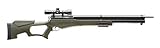
Elite Force Umarex AirSaber PCP Arrow Rifle Combo

Some air-powered setups feel like they were designed around bench specs first and actual outdoor handling second. Heavy gear, awkward loading, and fussy sighting can make a short session feel like a chore before the first clean shot lands. The Elite Force Umarex AirSaber PCP Powered Arrow Gun Air Rifle takes a more focused route with a bolt-action PCP arrow rifle layout, an integrated pressure gauge, and a bundled scope that gives the package a ready-to-set-up feel without pretending it’s maintenance-free.

Umarex AirSaber Combo

Air archery power is the big personality trait here, and the AirSaber doesn’t try to hide it. The listed output reaches up to 450 fps with up to 169 fpe kinetic energy, which puts it in a different conversation than casual backyard plinkers. That kind of power demands a serious backstop, careful setup, and a respect for local rules. Fun, sure, but not careless fun.

The PCP powerplant gives this arrow rifle its consistency-minded appeal. A high-capacity air tank is listed for 25 effective shots per fill, which helps reduce the stop-start rhythm that can ruin practice. Instead of constantly topping off air after every handful of shots, there’s more room to settle into a measured pace. That matters when sighting in, checking arrow flight, or building confidence with the bolt-action cycle.

Integrated pressure monitoring is one of those features that sounds minor until it saves a session from guesswork. The built-in gauge helps keep pressure awareness right in front of you, rather than forcing a separate check every time performance feels slightly off. PCP gear always has a learning curve, and pressure management is part of the deal. The gauge makes that curve less annoying.

The included Axeon 4x32mm scope adds a useful starting point for the combo kit. Its custom Air Archery Ballistic Reticle gives the package a more purpose-built feel than tossing on a random optic and hoping the hold points make sense. Still, sight-in time shouldn’t be skipped. Every arrow setup has its own personality once distance, air pressure, and arrow condition enter the picture.

Three carbon fiber arrows come in the kit, each using Umarex Straight Flight Technology with 100-grain field tips. That’s enough to get started, but frequent practice will likely make extra arrows feel less optional over time. Arrows can get damaged, misplaced, or tuned differently after repeated use. Realistic planning means treating arrows as working gear, not display pieces.

Build, Fit, And Field Handling

Overall length sits at 41 inches, so this isn’t a tiny grab-and-go backyard tool. The size gives the rifle a steady feel, especially from rested positions, but tight storage spaces and cramped shooting lanes may feel less forgiving. At 6.85 pounds without the scope, it has enough weight to feel planted without drifting into bulky territory. Add optics and accessories, though, and the carry feel changes.

The all-weather stock gives the AirSaber a practical edge for outdoor use. Damp grass, light weather shifts, and rougher handling are easier to tolerate when the stock isn’t delicate. That doesn’t mean the rifle should be abused or left exposed without care. It simply feels built for field-style handling rather than spotless indoor storage only.

Rubber recoil pad comfort may sound funny on an air-powered arrow rifle, but shoulder fit still matters. A stable pocket helps keep alignment consistent, especially during repeated shots or longer sight-in sessions. The pad also gives the stock a more finished feel against the shoulder. Small comfort details can decide whether practice feels smooth or irritating.

The Picatinny accessory mounts give the setup room to grow. Optics, bipods, quivers, and other compatible accessories can be mounted without turning the rifle into a homemade puzzle. That flexibility helps people tailor the rifle toward bench work, field carry, or controlled outdoor practice. The tradeoff is simple: every added accessory changes balance.

Optic choices can change how an outdoor rig feels during faster target alignment, and a related optics reference sits naturally alongside best red dot sight for deer hunting for readers thinking through sight picture, field visibility, and aiming speed.

Shot Cycle And Practical Use

Bolt-action operation gives the AirSaber a deliberate shooting rhythm. It’s not built around spraying shots quickly or pretending to be a semi-auto toy. Each shot feels more intentional because loading, shouldering, aiming, and pressure awareness all matter. That slower pace can actually improve consistency, especially for patient outdoor practice.

The 25 effective shots per fill figure gives the rifle a useful working window. For sight-in work, that means several groups before refill planning interrupts the session. For controlled practice, it helps maintain a cleaner flow from shot to shot. Still, PCP ownership means a fill source needs to be part of the setup from day one.

Air supply planning is the hidden cost that new PCP owners sometimes underestimate. A pump, tank, or compressor setup becomes part of the routine, and that can add both expense and effort. The AirSaber itself may feel straightforward, but the support gear matters just as much. No air source, no session.

The 450 fps listed velocity should be treated with respect rather than as a bragging point. Powerful arrow rifles need safe lanes, proper targets, and careful awareness of what sits beyond the target. Casual indoor use would be a poor fit. This is outdoor-capable gear that rewards controlled conditions and sensible discipline.

Arrow condition also plays a larger role than some first-time owners might expect. Bent shafts, damaged vanes, or inconsistent field tips can affect flight and accuracy. Carbon fiber arrows are strong, but they’re not magic. Regular inspection keeps the rifle’s performance from being blamed for arrow problems.

Strengths, Limits, And Real Expectations

Combo-kit convenience is a clear strength because the rifle includes the scope and three arrows. That saves some early decision fatigue, especially for someone who doesn’t want to piece together every component separately. The included setup gives a working foundation rather than a bare rifle that immediately needs more shopping. Even so, tuning and sight-in still belong on the schedule.

Power and range potential make the AirSaber feel more serious than typical recreational airguns. The listed kinetic energy gives it enough authority for demanding outdoor use where legal and appropriate. That seriousness is exactly why it won’t suit casual plinking habits or cramped spaces. A responsible setup matters more here than excitement.

The scope package is helpful, but not everyone will stop there. Some may prefer different optics after learning their preferred distances and shooting style. The included Axeon 4x32mm scope gives the rifle a focused start, not a permanent rule. Personal fit, eye relief, and field visibility can still push future changes.

Weight and length create a fair tradeoff. The rifle feels stable, but it won’t disappear in the hands like a compact carbine. Long walks, thick brush, or awkward carrying positions can make the 41-inch profile more noticeable. For rested shooting or planned outdoor sessions, that size feels easier to accept.

Real-world ownership comes down to preparation. The AirSaber rewards careful pressure management, arrow inspection, sight-in patience, and safe shooting spaces. Skip those steps and even a strong platform can feel frustrating. Treat it like serious PCP air archery gear, and the package makes far more sense.

Umarex Notos .22 PCP Carbine

Compact air rifles can be tricky little beasts. Too short, and they feel jumpy; too quiet, and they sometimes give up useful power; too lightweight, and steady aiming turns into a wobble-fest. The Umarex Notos Carbine .22 Caliber PCP Pellet Gun Air Rifle aims for a better balance with an 11.75-inch barrel, regulated air delivery, and a practical side-lever action that keeps the shooting rhythm smooth without making the setup feel overbuilt.

Umarex Notos Carbine

Short-barrel PCP design gives this rifle its main personality. The 11.75-inch barrel keeps the carbine easy to handle in tight spaces, especially around small backyard ranges, storage corners, and brushy outdoor paths. A longer rifle can feel steadier from a bench, sure, but it’s not always fun to carry or maneuver. The Notos leans into compact control instead of trying to act like a full-size field rifle.

.22 caliber performance adds enough punch for practical target work, plinking, and small game use where legal and appropriate. The listed setup launches a 12 grain .22 caliber pellet at 700 fps, which gives it a useful working range without turning the rifle into a loud, heavy, hard-to-manage rig. That kind of balance matters when the goal is clean repetition, not just chasing the biggest number on a spec sheet. Power feels more useful when it stays manageable.

The regulated fixed HP air tank is a major reason this carbine feels more serious than a basic entry-level pellet gun. Regulation helps keep shot-to-shot behavior steadier, which can reduce those annoying moments where a good hold still sends a pellet slightly off because pressure is drifting. PCP rifles can punish sloppy air management, and that frustration shows up fast during group shooting. The Notos helps calm that down.

Quiet shooting makes the rifle easier to live with during regular practice. It doesn’t turn outdoor shooting into a neighborhood announcement, which is a big deal for anyone working around limited space or noise-sensitive areas. Quiet doesn’t mean careless, though. A proper backstop, safe shooting lane, and local rule awareness still matter every single time.

Handling And Shot Rhythm

Side-lever cocking gives the Notos a smoother feel than many bolt-style compact air rifles. The action lets the shooter transition into the next shot without breaking position as much, which helps during target strings or pest-control scenarios where follow-up timing matters. A clunky cocking cycle can throw off sight picture and patience in one move. This side lever keeps things tidier.

The 7-shot auto-indexing rotary magazine supports that rhythm nicely. Instead of loading one pellet at a time and losing your flow, the magazine keeps the session moving at a steady pace. Seven shots also feel sensible for a compact PCP carbine because it encourages controlled shooting rather than careless dumping. That’s a good habit to build.

Magazine-fed convenience does bring a small responsibility with it. Pellets need to seat properly, and rushed loading can create feeding hiccups or damaged skirts. A little care during magazine prep pays off once the rifle is shouldered. Nothing spoils a clean string faster than a pellet that wasn’t loaded right in the first place.

The compact stock and carbine layout make the rifle feel nimble, but not everyone will prefer that feel. Some shooters like the planted weight of a longer rifle, especially from a bench. The Notos feels more at home during active handling, quick shoulder transitions, and casual outdoor movement. It’s not trying to be a heavy bench queen, and that’s part of its charm.

Power, Accuracy, And Real Use

Practical accuracy depends heavily on pellet choice. The rifle’s regulated air system helps, but pellets still decide a lot of the final result on paper. Some tins will group neatly, while others may scatter just enough to make the shooter blame the rifle too soon. Testing a few pellet styles is simply part of getting the Notos dialed in.

Small game hunting is listed as one of its intended uses, and the .22 caliber setup makes sense for that role where regulations allow it. Ethical shots still require proper distance judgment, solid pellet placement, and a realistic understanding of energy limits. The rifle’s compact design helps in tighter spaces, but discipline matters more than convenience. A clean shot starts before the trigger moves.

Target shooting and plinking may be where the Notos feels easiest to enjoy. The quiet report, magazine system, and smooth side lever make casual sessions feel less stop-and-start. Tin cans, paper targets, and small reactive targets all suit the rifle’s personality well. Just don’t expect it to behave like a big-bottle competition PCP built for long strings at extended ranges.

Scope setup becomes important because a compact rifle can expose poor sight alignment quickly. Air rifles and crossbows are different tools, but sight adjustment habits still share some overlap, especially around careful zeroing and repeatable hold points. A related sighting reference sits naturally in how to adjust crossbow scope for readers thinking through alignment, distance marks, and patient adjustment work.

Realistic range expectations keep this carbine enjoyable. Stretching every compact air rifle too far usually leads to frustration, wasted pellets, and unnecessary tinkering. The Notos feels better when used inside sensible .22 PCP distances where its quiet shot cycle and regulated performance can actually shine. That’s where the rifle starts making sense.

Strengths And Tradeoffs

Compact size is both a strength and a compromise. The rifle is easier to carry, store, and maneuver than many larger PCP air rifles, but the shorter build may feel less steady for shooters who prefer heavy front-end balance. That’s not a flaw so much as a personality choice. Lightweight control usually comes with a little more movement at the shoulder.

PCP ownership also brings fill-source planning into the picture. The fixed HP air tank needs a proper way to refill, whether that means a hand pump, compressor, or tank setup. Anyone used to springers or CO2 guns may need to adjust expectations here. The reward is regulated consistency, but the support gear is part of the package.

Quiet performance makes the Notos easier to practice with, though the pellet impact can still be louder than the shot itself depending on the target. Hard backstops can slap sharply, especially in enclosed spaces. Softer pellet traps or purpose-built targets can make the whole session feel calmer. Noise control isn’t just about the muzzle.

Side-lever smoothness gives the rifle a more refined feel during repeated shooting. That feature sounds simple on paper, yet it changes the pace of use in a big way. Less disruption between shots means better focus, especially during groups or small target work. The rifle feels less fussy because the action doesn’t constantly demand attention.

Everyday Ownership Notes

Maintenance habits should stay simple but consistent. Keeping the magazine clean, checking seals, and treating the air system with basic care will help preserve reliable operation. PCP rifles don’t need constant fussing, but neglect has a way of showing up at the worst time. A few minutes of care beats troubleshooting mid-session.

Pellet storage matters more than it sounds. Damaged skirts, dirty tins, and mixed pellet weights can make accuracy seem random. The Notos benefits from clean, consistent ammunition because its regulated system gives pellets a better chance to perform predictably. Good shooting starts before the pellet enters the magazine.

Best-fit situations include quiet plinking, short-to-medium target work, and practical small game use where allowed. Large open-field shooting at long distances may call for a bigger platform with more air capacity and weight. The Notos doesn’t need to be everything. It works better as a compact, steady, easy-to-handle PCP carbine.

Overall value comes from the mix of quiet operation, regulated air delivery, a 7-shot magazine, and a smooth side lever. The rifle solves several common compact-airgun annoyances without pretending to erase every PCP tradeoff. It still needs air, pellets, care, and realistic expectations. Get those pieces right, and the Notos feels like a practical little carbine that earns its keep through steady, repeatable use.

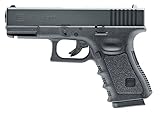
Glock 19 Gen3 .177 BB Air Pistol

A compact BB pistol can look convincing on a product page and still feel disappointing once the first magazine runs dry. Loose controls, awkward balance, and toy-like details tend to kill the mood fast, especially for anyone trying to build steady handling habits without dragging out a full air rifle setup. The Glock 19 Gen3 .177 Caliber BB Gun Air Pistol keeps things simple with a 15-shot BB magazine, CO2 power, fixed Glock-style sights, and officially licensed markings that give it a familiar shape without overcomplicating the experience.

Glock 19 Gen3 BB Pistol

Official Glock styling gives this air pistol much of its immediate appeal. The Gen3-inspired profile feels recognizable, especially around the grip shape, slide lines, and fixed sight picture. Some replica-style air pistols get the outline right but miss the small details that make handling feel natural. This one leans on licensed markings and familiar proportions to make basic practice feel more grounded.

The .177 caliber steel BB setup makes sense for casual target work and controlled plinking. Steel BBs are easy to source, simple to load, and better suited for short-range practice than pellet-style precision work. That simplicity helps keep sessions moving instead of turning every reload into a tiny workshop project. Still, steel BBs require smart backstop planning because ricochets are no joke.

CO2 power keeps the pistol convenient, but it brings the usual gas-powered quirks. A 12-gram cartridge runs the system, and colder temperatures can affect how lively the pistol feels from shot to shot. Long, fast strings may cool the cartridge and soften consistency a bit. That’s not unusual for CO2 airguns, but it’s worth knowing before expecting perfectly even behavior all afternoon.

The listed velocity reaches up to 410 FPS, which is plenty for paper targets, cans, and backyard-style plinking where local rules allow it. Power alone shouldn’t be the whole story, though. A pistol like this works best with realistic distances, a safe trap, and deliberate shooting rather than wild rapid-fire. The reward is cleaner practice and fewer wasted BBs bouncing around where they shouldn’t.

Handling And Everyday Feel

Compact size is one of the main reasons this model feels easy to live with. It doesn’t demand much storage space, and it’s quicker to grab for a short practice session than a larger rifle or longer-barreled pistol. That convenience matters on busy days when a full setup feels like too much trouble. Small gear gets used more often because it doesn’t turn practice into a production.

The fixed Glock-style sights keep the sight picture simple and familiar. There’s no adjustment fuss, no tiny screws to chase, and no temptation to over-tinker after every group. Fixed sights also mean the pistol expects the shooter to do the work with grip, stance, and trigger control. For basic handling practice, that’s not a bad thing at all.

Accessory mounting gets a practical nod through the integrated Weaver rail. A compact light or laser-style accessory can be mounted for certain practice routines, though piling on gear can make a small pistol feel front-heavy. The rail is useful, not mandatory. The pistol still feels cleaner and more balanced when kept simple.

The 15-shot capacity gives enough room for steady strings without constant reloading. That makes short target sessions feel smoother, especially compared with lower-capacity replicas that interrupt the rhythm every few shots. At the same time, 15 shots can disappear quickly if trigger discipline goes out the window. A slower pace makes the pistol feel more useful and less like a BB dispenser.

Performance For Practical Plinking

Short-range target work is where this air pistol makes the most sense. Paper targets, spinner-style traps, and aluminum cans all fit its personality better than long-distance precision shooting. The smoothest results usually come from staying realistic with distance and using a proper BB trap. Stretching a BB pistol too far often leads to frustration, not better skill.

Steel BB accuracy has natural limits compared with rifled pellet pistols. BBs are round, light, and more prone to tiny inconsistencies in flight, so tiny groups shouldn’t be the main expectation. The pistol is better suited for sight alignment, trigger rhythm, and casual marksmanship practice. That’s where it feels honest.

Trigger control becomes the quiet lesson behind every session. A compact CO2 pistol can expose sloppy pulls quickly because the sight picture shifts before the BB leaves the barrel. Slow presses, consistent grip pressure, and a clean follow-through matter more than blasting through the magazine. Funny how a simple BB pistol can still call out bad habits.

Airgun heritage often overlaps with broader conversations about European-style airgun design, replica realism, and practical backyard shooting, and a related reference appears naturally in best german air rifles for readers sorting through different air-powered platforms and their tradeoffs.

Strengths, Limits, And Tradeoffs

Replica realism is a strong point, especially for those who appreciate Glock proportions and official markings. The pistol looks and handles more convincingly than generic BB pistols that borrow a vague duty-gun shape without much character. That said, realism here is mostly visual and ergonomic. It shouldn’t be mistaken for live-fire recoil practice.

CO2 convenience keeps ownership easy, but cartridges are a running expense. Anyone planning frequent sessions will want spare CO2 on hand, plus a habit of not leaving cartridges installed for long storage. Seal care matters with gas guns. A little attention prevents avoidable leaks and sluggish performance later.

Fixed sights make the pistol straightforward, though they also limit adjustment. That can be a strength for simple practice and a drawback for anyone who likes dialing in point of impact with different BB brands. Some shooters will enjoy the no-fuss setup. Others may wish for rear sight adjustment after a few careful groups.

Safety planning deserves real attention because steel BBs can bounce hard off improper surfaces. Cardboard boxes and random backyard objects aren’t enough. A proper trap, eye protection, and a clear shooting lane should be treated as part of the setup, not optional extras. Casual gear still demands serious habits.

Best Use Cases And Ownership Notes

Casual plinking fits this pistol better than demanding accuracy work. It’s easy to load, simple to run, and familiar in the hand, which makes quick practice sessions feel natural. The compact shape also works well for short indoor-range style setups where safe BB traps are used. It’s not fussy, and that’s part of the appeal.

Handling practice benefits from the Glock-style frame and controls, especially for basic grip, sight alignment, and draw-to-target routines using safe, unloaded handling procedures where appropriate. The air pistol won’t duplicate recoil or centerfire trigger feel. Still, it can support repetition in a lower-cost, lower-noise format. Repetition, done carefully, is where small improvements stack up.

Maintenance stays fairly simple if the pistol is treated properly. Keep BBs clean, avoid damaged ammunition, use appropriate CO2 handling habits, and don’t ignore signs of leaking seals. A gas air pistol that gets tossed in a drawer after every session usually complains eventually. Basic care keeps the whole thing less annoying.

Overall practicality comes from the mix of recognizable Glock styling, 15-shot BB capacity, CO2 simplicity, and a compact frame that doesn’t ask for much space. The main limits are also clear: BB accuracy has boundaries, CO2 performance can shift with temperature, and safety gear is non-negotiable. Used within those limits, the Glock 19 Gen3 BB pistol feels like a sensible plinker with enough realism to stay interesting.

4.7
3 ratings
ARS Team
WRITTEN BY
ARS Team