
Best Umarex Hammer 50 Caliber PCP Pellet Gun Air Rifle

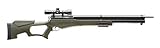
Umarex Hammer 50 caliber PCP pellet gun air rifle sits in a different lane from backyard plinkers and casual target rifles. This is a big-bore PCP air rifle built around heavy .50 caliber slugs, serious muzzle energy, and the kind of setup that makes air supply just as important as the rifle itself. That sounds exciting, sure, but it also means storage, filling gear, ammo cost, and local rules deserve real attention before anyone gets carried away.
Power is the headline, but control is the part that matters after the first shot. The regulated air system helps keep shots more predictable, while the multi-shot magazine design saves the awkward single-load routine common with many big-bore airguns. Still, this isn’t a featherweight walk-around rifle, and the size can feel like a chore during long field sessions. Fair enough, because raw punch usually brings baggage.
Accuracy depends heavily on slug choice, fill pressure discipline, and optics setup. Cheap pellets won’t magically turn into tight groups, and a weak scope mount can ruin the whole mood fast. The rifle rewards careful prep, steady breathing, and a clean shooting position. Skip those basics, and even a hard-hitting air rifle can feel fussy.
Maintenance also matters more than casual buyers expect. A 4,500 PSI fill system means a hand pump isn’t the fun route for most people, especially after the novelty wears off. A quality compressor or carbon fiber tank makes ownership smoother, though it raises the total cost. So, the rifle itself is only part of the budget.
Hunting performance is where the Hammer earns its reputation, provided the shooter respects range, shot placement, and local hunting laws. It’s not quiet like a small .177 pellet rifle, and it won’t replace good field judgment. But with the right slug and setup, it brings a hard, confident hit that smaller airguns simply can’t match. That’s the appeal, plain and simple.

- ARS Mark9.0
ARS Mark is a ranking system developed by bestairriflescopes.com. ARS Mark has no relationship or impact from any manufacturers or sales agent websites. Learn more
- BrandUmarex

- ARS Mark9.0
ARS Mark is a ranking system developed by bestairriflescopes.com. ARS Mark has no relationship or impact from any manufacturers or sales agent websites. Learn more
- BrandUmarex
- ARS Mark9.0
ARS Mark is a ranking system developed by bestairriflescopes.com. ARS Mark has no relationship or impact from any manufacturers or sales agent websites. Learn more
- BrandUmarex

- ARS Mark8.8
ARS Mark is a ranking system developed by bestairriflescopes.com. ARS Mark has no relationship or impact from any manufacturers or sales agent websites. Learn more
- BrandUmarex

- ARS Mark8.8
ARS Mark is a ranking system developed by bestairriflescopes.com. ARS Mark has no relationship or impact from any manufacturers or sales agent websites. Learn more
- BrandUmarex

- ARS Mark8.8
ARS Mark is a ranking system developed by bestairriflescopes.com. ARS Mark has no relationship or impact from any manufacturers or sales agent websites. Learn more
- BrandUmarex

- ARS Mark8.4
ARS Mark is a ranking system developed by bestairriflescopes.com. ARS Mark has no relationship or impact from any manufacturers or sales agent websites. Learn more
- BrandUmarex

- ARS Mark8.4
ARS Mark is a ranking system developed by bestairriflescopes.com. ARS Mark has no relationship or impact from any manufacturers or sales agent websites. Learn more
- BrandUmarex

- ARS Mark8.0
ARS Mark is a ranking system developed by bestairriflescopes.com. ARS Mark has no relationship or impact from any manufacturers or sales agent websites. Learn more
- BrandUmarex

- ARS Mark7.6
ARS Mark is a ranking system developed by bestairriflescopes.com. ARS Mark has no relationship or impact from any manufacturers or sales agent websites. Learn more
- BrandUmarex

- ARS Mark7.0
ARS Mark is a ranking system developed by bestairriflescopes.com. ARS Mark has no relationship or impact from any manufacturers or sales agent websites. Learn more
- BrandUmarex
Last update on 2026-06-08 / Affiliate links / Images, Product Titles, and Product Highlights from Amazon Product Advertising API
Umarex Hammer 50 Caliber PCP Pellet Gun Air Rifle
Noise, recoil, and rising ammo costs tend to push plenty of shooters toward air rifles, but not every setup feels satisfying after the honeymoon phase fades. Some rifles end up too heavy for casual sessions, while others lose steam once accuracy starts slipping past moderate distances. The umarex hammer 50 caliber pcp pellet gun air rifle category usually attracts attention for brute force, yet smaller break-barrel platforms still hold a strong place for practical target shooting and pest control. That’s exactly where the Umarex Prymex Break Barrel .22 Caliber Pellet Gun Air Rifle starts making sense.
Prymex Break Barrel .22
Velocity grabs attention immediately with this rifle. Umarex rates it up to 1000 FPS using alloy pellets and around 900 FPS with standard lead pellets, which puts it in a useful range for backyard targets, small pest situations, and longer-range paper shooting without turning every session into a shoulder-thumping experience. Numbers alone don’t guarantee consistency, though, and thankfully the rifle feels more balanced than some bargain break-barrels that sacrifice control for raw speed.
Break-barrel reliability remains one of the strongest selling points here. No external air tanks. No compressors cluttering the garage floor. No filling routine that eats up half the afternoon. A quick barrel break and reload cycle keeps the process straightforward, especially during cold mornings where complicated PCP setups can feel like extra homework nobody asked for.
The polymer stock deserves more credit than it usually gets in entry-level air rifle conversations. Lightweight construction helps during longer shooting sessions, especially if standing shots are part of the routine instead of bench-only shooting. The grip texture also avoids that slick, toy-like feeling some synthetic stocks develop after humid weather or sweaty hands settle in.
The trigger system adds another pleasant surprise. A two-stage adjustable trigger doesn’t magically turn the Prymex into a competition rifle, but it does help reduce that jerky break common with cheaper spring-powered rifles. Shooters trying to tighten groups at moderate range will appreciate the cleaner pull after minor adjustments.
Field Handling And Shooting Feel
Balance matters more than many spec sheets admit. Plenty of rifles advertise speed and power, then become awkward once a scope gets mounted and several shots go downrange. The Prymex avoids feeling nose-heavy, so offhand shooting stays manageable instead of turning into an arm workout after twenty minutes.
The recoil impulse feels predictable rather than violent. Spring and gas-piston style rifles often produce a strange double-jolt motion that catches new shooters off guard. This model still kicks enough to remind you it’s a break-barrel rifle, but the shot cycle remains smoother than many low-cost competitors using harsher spring setups.
Noise levels sit in an interesting middle ground. It’s quieter than a firearm, obviously, yet still loud enough that suburban shooters should think carefully about neighbors and backyard spacing. Alloy pellets at higher velocity produce a sharper crack, while heavier lead pellets tend to calm things down slightly.
Scope pairing feels practical right out of the box. The included 4x32 scope won’t replace premium glass for serious precision shooting, though it’s usable for moderate-distance plinking and pest management. Beginners often underestimate how frustrating bad optics can become, so having a workable setup included saves some early aggravation.
Sights, Accuracy, And Practical Limits
Fiber optic sights keep the rifle usable even if the scope eventually comes off. That sounds minor until cloudy weather or fading evening light starts making cheap iron sights nearly invisible. The front sight grabs light well, while the adjustable rear sight allows enough tuning for casual shooting distances.
Accuracy potential depends heavily on pellet selection. Alloy pellets maximize velocity, but lighter ammo can become twitchy in windy conditions. Standard lead pellets generally settle down better for tighter groupings, especially once shooters spend time matching pellet weight to the rifle’s preferences.
Break-barrel technique still matters. Resting the rifle too rigidly can throw shots off because spring-powered systems react differently than PCP rifles. A looser artillery hold usually produces cleaner consistency, though it takes patience to develop that rhythm. Shooters expecting laser precision after five rushed shots may end up blaming the rifle unfairly.
Distance expectations should stay realistic. The Prymex handles backyard targets and moderate pest-control ranges confidently, but it’s not designed for extreme-distance precision work. That tradeoff actually helps many shooters because lighter weight and simpler mechanics often matter more during regular use than bragging-right velocity figures.
Daily Ownership Experience
Maintenance demands stay refreshingly low. PCP systems can become expensive fast once tanks, compressors, seals, and fill stations enter the picture. The Prymex skips all that complexity, which makes spontaneous shooting sessions much easier. Grab pellets, cock the barrel, and start shooting. Simple stuff still matters.
Durability also feels reassuring for a rifle in this category. The break-barrel design has been around forever because it’s dependable when treated properly. Polymer furniture helps resist weather-related swelling and minor scratches better than cheaper wood stocks that pick up cosmetic damage almost immediately.
Weight distribution makes storage and transport less annoying too. Lugging oversized rifles across uneven property gets old quickly, especially during humid summer afternoons. The Prymex keeps things manageable without feeling flimsy.
Related airgun setups sometimes push shooters toward defensive-style platforms instead of traditional rifles, and some broader references naturally appear in Umarex T4E HDR 68 discussions where CO2-powered launchers take a very different approach to handling and purpose.
Tradeoffs Worth Knowing Before Buying
Break-barrel cocking effort won’t suit everyone. Repeated sessions can become tiring, especially for shooters expecting effortless rapid-fire shooting. That’s the tradeoff for ditching compressors and high-pressure air tanks.
The included scope works adequately, but experienced shooters may eventually swap it out for better glass. Spring-powered recoil can be rough on weak optics over time, so upgrading later wouldn’t be surprising for frequent shooters.
Trigger adjustment helps personalize the rifle, though it still stops short of premium match-grade feel. Casual target shooters probably won’t care much, but highly detail-oriented shooters tend to notice those small differences quickly.
Cold weather performance remains fairly stable compared to some CO2 systems, which is a genuine advantage during winter shooting. Mechanical consistency matters once temperatures drop and equipment starts acting stubborn. The Prymex keeps the process straightforward instead of temperamental.
Umarex Hammer 50 Caliber PCP Pellet Gun Air Rifle
Dragging around oversized air rifles gets old fast, especially once tanks, hoses, and bulky cases start taking over the truck bed. Plenty of shooters love the raw muscle behind big-bore setups, but shorter PCP carbines have carved out their own loyal following for a reason. The umarex hammer 50 caliber pcp pellet gun air rifle crowd usually values authority and impact, yet lighter platforms like the Umarex Notos Carbine .22 Caliber PCP Pellet Gun Air Rifle offer a totally different kind of satisfaction. Less hassle. Faster handling. More relaxed shooting sessions that don’t feel like a full-day commitment.
Notos Carbine .22
Compact size shapes the entire personality of the Notos. The 11.75-inch barrel keeps the rifle maneuverable without turning it into a clumsy front-heavy stick. Tight shooting lanes, wooded property lines, and backyard target setups all benefit from that smaller footprint. Carrying it around for an hour feels reasonable instead of annoying.
Velocity performance lands in a practical sweet spot for a .22 PCP platform. Umarex rates the rifle around 700 FPS with a 12-grain pellet, which gives enough punch for plinking, small game work, and controlled target shooting without producing excessive noise or wasting air inefficiently. Some shooters chase extreme speed numbers nonstop, but balanced consistency often matters more during real sessions.
The side lever cocking system changes the experience dramatically compared to break-barrel rifles. Smooth cycling keeps follow-up shots quick and comfortable, especially during target practice where rhythm matters. That side lever also avoids the repetitive physical strain common with harder-cocking spring rifles.
The overall balance deserves genuine praise too. Plenty of compact PCP rifles still feel awkward because the weight sits too far back or too high above the hands. The Notos keeps its center manageable, which helps steady offhand shots and makes the rifle feel approachable even during longer sessions.
Quiet Shooting And Backyard Appeal
Noise control stands out immediately once the first pellet leaves the barrel. PCP rifles already tend to produce smoother shot behavior than spring-powered guns, and the Notos leans into that advantage nicely. Backyard shooting becomes more realistic because the sound signature avoids that sharp crack many high-velocity break-barrels create.
Neighbors tend to appreciate quieter shooting setups whether they say it out loud or not. Early morning pest situations or evening target sessions become less stressful when every shot doesn’t echo through the block. That softer report also helps newer shooters stay relaxed instead of flinching after each trigger pull.
The regulated air system plays a major role in shot consistency. Regulated PCP platforms manage air pressure more evenly between shots, which helps reduce velocity swings that can throw off groups. Tiny inconsistencies become noticeable quickly once targets move farther downrange, so stable air delivery matters more than flashy marketing language.
Trigger behavior feels cleaner than many budget-friendly PCP rifles in this category. Predictable break points help maintain tighter groups, especially during bench shooting where tiny errors suddenly become visible. A sloppy trigger can ruin an otherwise decent rifle, and thankfully the Notos avoids that trap.
Magazine System And Real Use Cases
The 7-shot rotary magazine gives the rifle a smoother shooting rhythm compared to single-shot loading systems. Follow-up shots feel natural instead of awkward, particularly during pest control situations where fumbling loose pellets becomes frustrating fast. Auto-indexing also keeps the process streamlined without requiring extra attention between shots.
Plinking sessions benefit from that magazine setup more than many shooters expect. Spending time shooting cans, spinners, or reactive backyard targets feels more fluid once reload interruptions shrink. PCP carbines already encourage relaxed shooting styles, and the magazine system strengthens that laid-back feel.
Small game applications fit the Notos nicely within realistic distance limits. The rifle isn’t pretending to replace a massive big-bore platform, and honestly, that restraint works in its favor. Moderate power paired with quieter operation creates a setup that feels practical rather than excessive.
Compact air rifles often overlap with other property-management tools in unexpected ways, and discussions around outdoor control methods sometimes connect naturally with best green laser for geese control references where quieter disturbance strategies become part of the bigger conversation.
Handling Tradeoffs And Ownership Realities
The fixed HP air tank keeps the rifle compact, though it also means shooters eventually need proper filling equipment. PCP ownership always carries that reality. Compressors, scuba tanks, or carbon fiber fill systems become part of the routine sooner or later.
Air management takes a little discipline. Rapid-fire shooting sessions can burn through air quicker than expected, especially once the fun kicks in and targets start disappearing one after another. Keeping track of pressure levels becomes second nature after some range time.
The short barrel helps maneuverability but can slightly limit maximum long-range efficiency compared to full-length PCP rifles. That tradeoff feels fair considering the rifle’s intended role. Fast handling and portability matter more here than chasing extreme-range bragging rights.
Storage convenience remains one of the strongest long-term benefits. Full-sized rifles become surprisingly irritating in cramped safes, vehicles, or workshop corners. The Notos avoids that problem entirely, sliding comfortably into spaces where larger PCP platforms would feel oversized and awkward.
Daily Shooting Personality
Session pacing feels relaxed with this rifle. The side lever action, moderate report, and balanced frame encourage slower, more deliberate shooting instead of rushed magazine dumps. Some rifles almost beg to be shot carelessly. The Notos leans the other direction.
Pellet experimentation also becomes part of the fun. Different pellet weights can noticeably change how the rifle behaves at varying distances, and that tuning process gives the setup more personality over time. Small adjustments often reveal surprising accuracy improvements.
The lightweight frame helps during awkward shooting angles too. Leaning around fence lines, shooting from seated positions, or carrying the rifle through uneven terrain simply feels less tiring. Heavy rifles may stabilize nicely from a bench, but they lose charm quickly once mobility enters the equation.
Overall shooting comfort ends up being the reason many people stick with compact PCP carbines long-term. Power matters, sure, but convenience keeps rifles coming back out of the safe week after week. The Notos understands that balance surprisingly well.
Elite Force Umarex AirSaber PCP Arrow Gun
Big-bore air power can be thrilling on paper, but the gear around it often decides whether the experience feels smooth or like a weekend chore. Tanks, scopes, projectiles, fill pressure, and carry weight all matter once the setup leaves the bench. The umarex hammer 50 caliber pcp pellet gun air rifle sits in the heavy-hitting PCP world, while the Elite Force Umarex AirSaber PCP Powered Arrow Gun Air Rifle takes that air-powered idea in a different direction with arrows instead of pellets. It’s still serious equipment, just with a hunting-focused rhythm that feels closer to archery than traditional pellet shooting.
Umarex AirSaber PCP Arrow Gun
The AirSaber’s identity starts with its bolt-action PCP arrow rifle design. Instead of sending pellets downrange, it launches carbon fiber arrows using compressed air, which gives it a very specific personality. It isn’t a casual plinker in the usual sense, and it won’t feel like a backyard tin-can rifle. This is more deliberate, more gear-minded, and more dependent on careful setup.
Power output is one of the clearest talking points. The listed performance reaches up to 450 fps with up to 169 fpe of kinetic energy, which puts the AirSaber in a serious category for air-powered arrow shooting. That said, numbers should be treated as setup-dependent rather than magic guarantees. Arrow condition, fill pressure, distance, and proper sighting all affect the final result.
The included three carbon fiber arrows give the kit a useful starting point. They come with 100-grain field tips, so the package feels more complete than a bare rifle that immediately sends you hunting for basic accessories. Still, three arrows won’t feel like many during long practice sessions. Extra arrows become part of the real ownership plan pretty quickly.
The integrated pressure gauge adds practical value because PCP gear lives and dies by air management. Guessing pressure is a bad habit with any air-powered platform, and this gauge helps keep the shooter aware of where the rifle stands before the next shot. That matters even more here because arrow flight depends on consistent launch behavior.
Power Delivery And Shot Routine
The high-capacity air tank is rated for 25 effective shots per fill, which gives the AirSaber a useful advantage over setups that feel empty after only a few shots. Practice matters with arrow rifles, and a decent shot count lets someone work on form without constantly stopping for air. That’s a big deal during sight-in sessions. Nobody likes breaking focus every few minutes.
Shot pacing feels naturally slower than a magazine-fed pellet rifle. The bolt-action design encourages a reset after each arrow, which actually suits this kind of tool. Rushing doesn’t help much here. A careful load, steady aim, and clean release matter more than trying to fire quickly.
The PCP system gives the AirSaber a different feel from crossbows or traditional archery equipment. There’s no limb draw cycle, no string cocking routine, and no heavy cocking rope process between shots. Instead, the work shifts toward filling the tank and monitoring pressure. That tradeoff will feel convenient to some and gear-heavy to others.
Air supply planning shouldn’t be ignored. A PCP arrow gun needs a proper fill source, and that can mean a compressor, tank, or other compatible high-pressure setup. The rifle itself may be ready out of the box, but the air ecosystem adds cost, space, and maintenance. That’s not a flaw. It’s just the price of admission.
Scope Package And Aiming Setup
The Axeon 4x32mm scope included in the combo kit makes the AirSaber easier to set up than a plain rifle package. The custom Air Archery Ballistic Reticle is meant for this style of shooting, which feels more thoughtful than tossing in a generic scope and calling it done. Clear aiming references matter because arrows behave differently from pellets. Trajectory becomes part of the learning curve.
Optic mounting also benefits from the rifle’s picatinny accessory mounts. That gives room for practical add-ons such as optics, bipods, or quivers, depending on how the rifle is being used. The mounts make the platform feel adaptable without turning it into a cluttered project. Still, piling on too many accessories can make the rifle less pleasant to carry.
Field visibility is where a 4x scope makes sense. It gives enough magnification for controlled aiming without making the sight picture feel cramped at closer distances. Higher magnification may sound better in theory, but arrow shooting often rewards quick target recognition and steady hold more than extreme zoom. Simple glass can be a blessing when the setup is already specialized.
Zeroing patience becomes essential. An arrow rifle needs careful sight-in work, especially if different arrow weights or tip styles enter the mix later. Small changes can shift impact noticeably. The scope gives a good starting point, but the shooter still has to put in the time.
Build, Carry Weight, And Outdoor Use
The all-weather stock fits the AirSaber’s purpose nicely. Outdoor gear gets bumped, damp, dusty, and leaned against awkward places, so a weather-ready stock makes more sense than something delicate. It won’t remove the need for basic care, but it should reduce stress during rougher use. Practical beats pretty here.
The rubber recoil pad is a smart comfort detail. PCP arrow rifles don’t behave exactly like firearms, but shoulder contact still matters during repeated shots. A little cushioning helps keep the rifle planted and comfortable. That steadier shoulder position can also support better consistency.
The 41-inch overall length gives the AirSaber enough presence without feeling wildly oversized. At 6.85 pounds without the scope, it lands in a carryable range, though added optics and accessories will increase the real field weight. That’s worth remembering before attaching every rail-friendly gadget in the gear box. A cleaner setup often handles better.
Outdoor handling feels more suited to planned use than casual wandering. The AirSaber isn’t something most people will grab for light plinking after dinner. It asks for arrows, air, sight checks, and space. In return, it offers a focused air-powered arrow platform with enough punch to feel purposeful.
Strengths, Limits, And Best-Fit Situations
The biggest strength is the way the kit blends power, included optics, arrows, and accessory mounting into one package. That helps reduce the early confusion that often comes with specialized airguns. A buyer still needs air-fill gear, of course, but the shooting side starts with more of the essentials included. That makes the first setup less piecemeal.
The main limitation is specialization. This isn’t a do-everything rifle for cans, paper, casual backyard sessions, and quiet basement practice. It’s an arrow-launching PCP platform with real space, safety, and equipment demands. Anyone expecting a simple pellet rifle experience may feel surprised by how different the routine is.
Maintenance habits matter more than they do with basic spring-piston rifles. The air tank, gauge awareness, seals, arrows, tips, and scope alignment all need attention. None of that is scary, but it does reward the kind of person who doesn’t mind a little prep before shooting. Skip the prep, and the experience gets messy fast.
Unrelated workshop cleanup sometimes comes up around gear benches, especially where adhesives, targets, and DIY repairs share the same space, and a neutral reference like how to remove hot glue gun fits that broader maintenance conversation without being tied to the AirSaber’s shooting performance.
Use Experience From A Reviewer’s Bench
The AirSaber feels purposeful rather than playful. That’s not a knock. Some gear is built for casual fun, while some gear asks you to slow down and respect the process. This one lands firmly in the second camp.
The shooting routine has a calm, measured pace that many people may actually enjoy. Load the arrow, check the setup, settle behind the scope, and make the shot count. There’s a satisfying rhythm in that, especially for someone who dislikes wasteful shooting or rushed practice. Slow can be good.
The included arrows make the kit feel approachable at first, but serious practice will likely demand extras. Arrows can get damaged, misplaced, or tuned differently over time. Keeping spares on hand prevents one bad shot into a rough backstop from ending the afternoon early.
The AirSaber’s tradeoff is simple enough. It gives strong air-powered arrow performance and a well-rounded starter package, but it also brings PCP logistics and arrow-specific upkeep. For the right use case, that feels fair. For casual plinking, it’s probably more machine than the job requires.
Umarex Ruger Blackhawk .177 Pellet Gun Air Rifle
Small targets have a funny way of exposing bad habits. A shaky hold, a rushed trigger pull, or a cheap scope that won’t stay friendly can turn a relaxed afternoon into a string of head-scratchers. The umarex hammer 50 caliber pcp pellet gun air rifle conversation usually circles around heavy power and PCP logistics, but the Umarex Ruger Blackhawk .177 Caliber Pellet Gun Air Rifle plays a leaner, simpler tune. It’s a spring-style pellet rifle built around accessible velocity, basic optics, and the kind of straightforward shooting routine that doesn’t need tanks, compressors, or a workbench full of extras.
Ruger Blackhawk .177 Pellet Rifle
The Ruger Blackhawk feels like a classic entry into serious pellet rifle shooting without wandering into complicated territory. Its .177 caliber setup makes sense for paper targets, cans, spinners, and general practice where flatter pellet flight can help at common backyard distances. The listed 1000 ft/sec velocity gives it enough bite to feel lively, though pellet type and conditions will influence how that speed shows up downrange. It’s not trying to mimic a big-bore PCP, and that honesty helps.
The break-barrel layout keeps the whole routine simple. No refill station. No pressure gauge. No magazine indexing to troubleshoot. Break the barrel, load a pellet, close it, aim, and shoot. That rhythm slows things down just enough to build better habits instead of spraying pellets without thinking.
The included 4x32mm scope gives the package a ready-to-mount feel for basic aiming work. It won’t be confused with expensive glass, but for a pellet rifle in this class, it helps new shooters move beyond open-sight guessing. Scope setup still takes patience, especially with spring-powered recoil. A rushed zero can make even a decent rifle feel worse than it is.
The one-year limited warranty adds some reassurance, mainly because break-barrel rifles live through repeated cocking, vibration, and ordinary handling knocks. Warranty language isn’t glamorous, but it matters when a rifle becomes regular garage, shed, or range-bag gear. Basic support can save headaches if something arrives wrong or wears oddly early.
Power, Pellet Choice, And Real Accuracy
Velocity is the easy number to notice, but accuracy is where the Blackhawk earns or loses trust. A .177 pellet moving fast can shoot flatter, yet lighter pellets may become touchy in wind or produce less satisfying hits on reactive targets. Heavier pellets often calm things down, even if they don’t chase the highest speed figure. That tradeoff is worth accepting.
Pellet testing should be treated as part of ownership, not a nerdy side quest. Different pellet shapes can group very differently from the same barrel. Domed pellets often make sense for general accuracy, while lighter alloy pellets may emphasize speed more than consistency. The rifle will usually tell the truth after a few calm groups on paper.
Spring-piston behavior brings its own quirks. These rifles can be hold-sensitive, meaning a death grip on the stock may scatter shots instead of tightening them. A softer hold, steady cheek pressure, and patient follow-through usually help. Funny enough, trying too hard can make the groups worse.
The 4x scope fits the rifle’s practical range. Higher magnification can sound tempting, but too much glass on a spring rifle can exaggerate wobble and make casual shooting feel fussy. A modest fixed-power scope keeps the view simple and quick. That suits cans, paper, and small backyard targets just fine.
Handling Feel And Everyday Shooting
The Blackhawk’s shooting pace feels deliberate in a good way. Every shot asks for a cocking stroke and a fresh pellet, so there’s a natural pause between attempts. That pause can be useful for correcting grip, breathing, and trigger control. It turns practice into practice, not just noise.
Cocking effort is part of the deal with this style of rifle. Repeated shots can tire smaller or younger shooters faster than expected, especially during longer sessions. That doesn’t make the rifle difficult by default, but it does mean marathon plinking takes a little stamina. A bench nearby doesn’t hurt.
The rifle’s simplicity is also its charm. PCP rifles can be smoother, quieter, and easier to shoot repeatedly, but they bring fill gear and pressure management along for the ride. The Ruger Blackhawk skips that whole circus. For many casual sessions, that’s exactly the point.
Noise sits above toy-level backyard quiet but below firearm territory. The shot has a snap, especially with lighter pellets, so space and local rules still matter. It’s not something to treat carelessly in a tight neighborhood. Sensible backstops and respectful shooting hours keep the peace.
Build Quality And Practical Ownership
Durability depends heavily on how the rifle is treated. Break-barrel actions don’t love being slammed shut, dry-fired, or stored dirty after damp outdoor use. Basic care, like wiping metal surfaces and checking screws, goes a long way. Small maintenance habits keep spring rifles from slowly turning sloppy.
Scope mounting needs extra attention because spring-powered air rifles can be rough on optics and rings. That reverse recoil impulse is different from a firearm’s recoil pattern, and loose mounts can creep under repeated shots. Threading everything down carefully, without overdoing it, helps preserve zero. A wobbly scope turns good pellets into wasted pellets.
The .177 caliber format keeps ammo affordable and easy to store. Pellet tins don’t take much space, and trying several types won’t feel as painful as feeding larger-caliber PCP rifles. That makes the Blackhawk friendly for repetitive practice. More shots usually mean better habits, assuming the shooter pays attention.
Related mounting discussions sometimes show up around optics-heavy shooting setups, and older rifle projects may share a loose connection with best Mosin Nagant scope mounts as a separate reference point for how hardware fit and stability can shape aiming confidence.
Strengths, Weak Spots, And Fit
The strongest appeal is low-fuss shooting. The Blackhawk doesn’t need a battery, air bottle, compressor, or specialty filling routine. That makes it easier to grab for a short session without planning the whole afternoon around equipment. Sometimes simple gear gets used more because it asks for less.
The biggest limitation is the spring-rifle learning curve. New shooters may blame the scope, pellets, or barrel before realizing their hold technique is the real issue. This rifle rewards consistency, but it won’t hide sloppy fundamentals. That can be frustrating at first and helpful later.
The included scope is a useful starting piece rather than the final word. Some owners may eventually prefer sturdier rings or different optics, especially after putting plenty of pellets through the rifle. That upgrade path is normal, not a red flag. Starter scopes are meant to get the rifle running, not settle every preference forever.
The Ruger Blackhawk fits best as a practical .177 pellet rifle for target practice, plinking, and skill building. It doesn’t offer the raw authority of the umarex hammer 50 caliber pcp pellet gun air rifle, and it doesn’t pretend to. Its value sits in approachable power, a familiar break-barrel rhythm, and enough accuracy potential to make careful shooting feel rewarding.
Reviewer Notes From Range-Style Use
First impressions lean more traditional than flashy. The rifle feels like something made for learning clean fundamentals rather than showing off a spec sheet. That’s a useful quality, especially for anyone tired of gear that promises too much and teaches too little. A simple rifle can be a strict coach.
Trigger discipline becomes noticeable quickly. A rushed pull will pull shots off line, and the rifle won’t politely cover that mistake. With a calmer squeeze and steady follow-through, groups usually begin to make more sense. That feedback loop is part of the fun.
Backstop setup deserves real attention. A pellet rifle with this listed velocity can punch through flimsy materials, so casual cardboard-only setups may not be enough. A proper pellet trap or safe outdoor backstop keeps shooting responsible. No rifle review should gloss over that part.
Long-term satisfaction depends on expectations. Anyone wanting quiet multi-shot PCP smoothness may outgrow this style quickly, but anyone who enjoys mechanical simplicity and deliberate practice will understand the Blackhawk’s appeal. It’s not fancy. It’s not delicate. It’s a practical .177 break-barrel that rewards patience, decent pellets, and a steady hand.
Ruger Explorer Youth Break Barrel Air Rifle
Heavy rifles can wear people out before the fun even starts. Long barrels, stiff cocking effort, and oversized frames may impress on paper, but they often turn casual practice into a chore after twenty minutes. The umarex hammer 50 caliber pcp pellet gun air rifle world leans toward brute force and advanced setups, while the Ruger Explorer Youth Break Barrel .177 Caliber Pellet Gun Air Rifle heads in the opposite direction with lighter handling, simpler mechanics, and a much friendlier learning curve. That smaller footprint changes the entire shooting experience.
Ruger Explorer Youth Air Rifle
The reduced overall size is the first thing most people notice. At 37.125 inches long and around 4.45 pounds, the Explorer avoids the bulky, awkward feel that larger air rifles sometimes create. Carrying it around the yard, moving between targets, or learning stable shooting positions feels less tiring. Smaller rifles can actually encourage longer practice sessions because the setup never feels physically demanding.
The spring-powered break barrel system keeps the operation straightforward. No tanks to refill. No pressure gauges to monitor. No extra PCP equipment eating up garage space. Break the barrel, load the pellet, reset, and shoot. That routine helps newer shooters focus on safety, sight picture, and trigger control instead of wrestling with complicated gear.
The all-weather synthetic stock also fits the rifle’s role nicely. Outdoor shooting setups deal with dirt, grass, humidity, and accidental bumps constantly, so a durable synthetic stock makes practical sense. The ambidextrous shape helps the rifle stay comfortable from either shoulder too, which matters more than people think during long practice sessions.
The automatic safety deserves real attention because beginner-focused rifles sometimes cut corners in that area. Here, the extra safety layer creates a more controlled routine during loading and handling. It doesn’t replace responsible habits, obviously, but it helps reinforce them naturally every time the rifle cycles.
Handling Feel And Everyday Shooting
Balance plays a huge role in how approachable the Explorer feels. Some air rifles become front-heavy after only a few minutes, especially once optics enter the equation. This one stays manageable enough for offhand shooting without making the arms feel cooked halfway through a target session.
The cocking effort feels lighter than many higher-powered break barrels. That makes repeated shooting less frustrating and helps keep the experience enjoyable rather than physically tiring. Spring-powered rifles always require some force, sure, but the Explorer avoids turning every reload into a mini workout.
The rubber recoil pad adds a little comfort even though recoil itself stays mild. Small details like that can make a rifle feel less harsh during longer sessions. Tiny improvements in comfort often help newer shooters relax instead of tightening up after every shot.
Noise levels stay fairly reasonable for backyard-style practice. It still produces enough crack to deserve safe handling and awareness of nearby spaces, but it doesn’t create the aggressive bark that more powerful air rifles can generate. That calmer sound profile helps make shorter-range practice feel more relaxed.
Velocity, Accuracy, And Realistic Expectations
The listed 495 fps velocity tells a pretty honest story about the Explorer’s intended role. This isn’t a high-powered hunting machine trying to flatten every target at extreme distance. Instead, it focuses on controllable speed for basic target shooting, skill building, and light plinking. That lower velocity can actually help reduce bad habits caused by flinching or rough recoil behavior.
.177 caliber pellets remain affordable and easy to experiment with, which matters for practice-heavy shooting. Spending time learning hold technique and trigger control usually burns through plenty of ammo, so lower pellet costs help keep the rifle fun long-term. Cheap practice often leads to better consistency.
The fiber optic sights make the rifle easier to use right out of the box without forcing an immediate optic purchase. Bright sight inserts help during cloudy afternoons or shaded backyard conditions where plain black sights can disappear visually. They’re simple, but they work well for the rifle’s intended distances.
Accuracy depends heavily on pacing and follow-through. Rushing shots usually causes more problems than the rifle itself. Slower breathing, smoother trigger control, and a relaxed grip often tighten groups noticeably. Funny enough, the Explorer tends to reward patience more than strength.
Strengths That Make Sense For Beginners
The manageable size changes everything for people learning proper rifle handling. Oversized air rifles can create sloppy posture and rushed shooting habits because the setup feels tiring too quickly. A lighter frame allows shooters to focus on fundamentals instead of fighting the rifle itself.
The simple break-barrel system removes a huge chunk of complication from ownership. PCP rifles may shoot smoother, but they also bring compressors, fill systems, and pressure management into the picture. The Explorer skips all that extra maintenance and setup frustration completely.
The ambidextrous stock design also deserves praise because it keeps the rifle flexible for different shooting styles. Not every beginner settles naturally into the same shoulder position right away. A stock that doesn’t fight the shooter makes learning more comfortable.
Smaller-caliber air rifle discussions often overlap with broader hunting and practice conversations, and related references sometimes appear naturally in best 22 hunting air rifles articles where larger calibers and stronger hunting-focused setups take center stage.
Limitations And Tradeoffs
The lower power output naturally limits how far the Explorer should realistically be pushed. Expecting long-range precision or hard-hitting small-game performance would ignore the rifle’s intended role completely. It’s better treated as a controlled practice rifle than a powerhouse.
The included setup also stays intentionally simple. Shooters wanting advanced optics, adjustable cheek rests, suppressor-ready barrels, or PCP-style refinement may outgrow this rifle eventually. That doesn’t make the Explorer weak. It just means the design prioritizes accessibility over advanced features.
Spring-powered shot behavior still requires technique. A tight, nervous grip can throw shots off even at moderate distances. Softer support and smoother follow-through usually improve consistency more than endlessly changing pellets or blaming the sights.
The lightweight frame can feel slightly less stable from a bench compared to heavier rifles. Extra weight sometimes helps calm tiny movements during precision shooting. The Explorer trades a little of that planted feel for easier handling and reduced fatigue.
Practical Ownership Experience
Storage and transport stay refreshingly simple with this rifle. Larger PCP setups often need separate tanks, hoses, or padded cases, while the Explorer can slide into tighter storage spots without turning the closet into an equipment locker. Convenience matters more than many reviews admit.
Maintenance routines are fairly light as long as the rifle is treated respectfully. Keeping the barrel clean, avoiding careless dry-firing, and checking screws occasionally will usually prevent most common frustrations. Basic care tends to go a long way with spring rifles.
The Explorer’s personality feels calm and approachable rather than aggressive. Some air rifles constantly push speed, noise, and raw force. This one leans into controlled practice and easy handling instead. That difference makes it easier to shoot casually without feeling overwhelmed.
The overall shooting rhythm stays enjoyable because the rifle doesn’t demand elaborate preparation. Grab pellets, set up a safe backstop, and start practicing. That simplicity often means the rifle gets used more frequently, which usually leads to steadier improvement over time.


12 Best 22 Pcp Air Rifle For Hunting of 2026 With Quiet Power

7 Best 22 Pcp Air Rifle Under 300 of 2026 For Backyard Pest Control

10 Best 22 Break Barrel Air Rifles of 2026 For Backyard Pest Control

10 Best 30 Caliber Pcp Air Rifle of 2026 For Medium Game

Top Best 177 Air Rifle Under 100: Budget-Friendly Picks for 2026

How to Safely Reload Shotgun Shells at Home

11 Best Co2 Air Rifle For Pest Control of 2026 To Ensure Humane Dispatch
12 Best Inexpensive Air Rifles of 2026 For Dependable Backyard Accuracy





