
Umarex Hammer PCP Air Rifle 2026 best big-bore pick

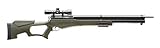
The umarex hammer pcp air rifle sits in a strange, serious corner of the airgun world. It’s not a backyard plinker, not a casual tin-can toy, and not something to buy just because the numbers sound wild. This is a .50-caliber PCP air rifle built around heavy lead slugs, big air pressure, and the kind of impact that makes every shot feel deliberate. That sounds exciting, sure, but it also means the whole setup demands planning, space, and a clear head.
Power is the headline, and for once, the headline isn’t empty noise. The Hammer has been listed with a .510 bore, a 550-grain slug around 760 FPS, and energy around 700 foot-pounds, depending on ammo and setup. Those numbers explain why it gets talked about so much, but they also hint at the catch. Heavy air use, limited shot count, and expensive projectiles come with the territory, like it or not.
The rifle’s PCP powerplant changes the whole ownership experience. A high-pressure fill source isn’t optional, so a hand pump fantasy won’t last long here. Tanks, compressors, fittings, and steady maintenance matter more than they would with a smaller pellet rifle. So, yes, the rifle itself is the star, but the supporting gear can steal part of the budget before the first serious range day even starts.
Handling feels more purpose-built than playful. At roughly 8.5 pounds and over 43 inches long, the Hammer has presence in the hands, especially with glass mounted on top. The two-shot magazine gives a follow-up shot without turning the rifle into a high-volume repeater. That’s useful, but it doesn’t erase the reality that every fill and every slug should count.
The best part is the way the Hammer refuses to pretend it’s a general-purpose air rifle. It’s loud, powerful, and picky about where it makes sense. The sweet spot is controlled big-bore shooting where energy, slug weight, and shot placement matter more than cheap trigger time. Separately, compare your fill setup and ammo supply before committing, because the rifle is only half the story.

- ARS Mark9.2
ARS Mark is a ranking system developed by bestairriflescopes.com. ARS Mark has no relationship or impact from any manufacturers or sales agent websites. Learn more
- BrandUmarex

- ARS Mark9.0
ARS Mark is a ranking system developed by bestairriflescopes.com. ARS Mark has no relationship or impact from any manufacturers or sales agent websites. Learn more
- BrandUmarex

- ARS Mark7.0
ARS Mark is a ranking system developed by bestairriflescopes.com. ARS Mark has no relationship or impact from any manufacturers or sales agent websites. Learn more
- BrandUmarex
- ARS Mark9.0
ARS Mark is a ranking system developed by bestairriflescopes.com. ARS Mark has no relationship or impact from any manufacturers or sales agent websites. Learn more
- BrandUmarex

- ARS Mark8.2
ARS Mark is a ranking system developed by bestairriflescopes.com. ARS Mark has no relationship or impact from any manufacturers or sales agent websites. Learn more
- BrandUmarex

- ARS Mark8.0
ARS Mark is a ranking system developed by bestairriflescopes.com. ARS Mark has no relationship or impact from any manufacturers or sales agent websites. Learn more
- BrandUmarex
Last update on 2026-05-29 / Affiliate links / Images, Product Titles, and Product Highlights from Amazon Product Advertising API
Umarex Hammer PCP Air Rifle Alternatives
Noise complaints, limited backyard space, and expensive ammo have pushed a lot of airgun owners into a weird middle ground lately. Some shooters still want the rugged feel of a firearm-inspired platform, but they’re tired of filling massive air tanks or dealing with the hard recoil and bulk of oversized hunting rifles. That’s exactly where the umarex hammer pcp air rifle conversation gets interesting, because not everybody actually needs .50-caliber brute force. Plenty of people end up enjoying realistic CO2-powered replicas more often simply because they’re easier to grab, load, and run through a quick session after work.
Legends M1A1 Air Rifle
The Legends M1A1 Air Rifle leans heavily into realism, and honestly, that’s the first thing most people notice before they even pull the trigger. The all-metal frame has real heft, the open-bolt style action snaps backward with authority, and the blowback gives each burst a satisfying mechanical feel. Some replica air rifles look convincing from ten feet away and toy-like up close. This one doesn’t really fall into that trap.
Handling feels lively instead of stiff. That matters more than spec-sheet bragging because lightweight plastic replicas often lose their charm after a few magazines. Here, the weight distribution adds a little swagger to the shooting experience, especially during full-auto mode. The recoil simulation isn’t brutal, obviously, but the bolt cycling creates enough movement to keep things entertaining.
The 30-shot drop-free magazine changes the pacing in a good way. Reloads feel quick and physical instead of awkwardly feeding individual BBs into tiny ports. People who get bored with slow-loading pellet rifles usually appreciate this setup almost immediately. Still, CO2 consumption climbs fast once the trigger finger gets reckless.
Velocity tops out around 435 FPS, which keeps the rifle firmly planted in the recreational category rather than serious pest control territory. That tradeoff actually makes sense for indoor ranges, backyard target setups, and casual plinking sessions. Thin cans, spinning targets, and reactive steel plates feel like the rifle’s natural habitat. Heavy outdoor use in windy conditions? Not so much.
One practical detail worth mentioning is the sound profile. The M1A1 produces enough mechanical chatter to feel engaging, but it won’t create the same earth-shaking crack associated with giant PCP rifles. Apartment garages, private workshops, and tighter suburban spaces become more manageable with this style of platform. That alone can keep neighbors from getting grumpy after ten minutes.
Realistic Blowback Feel
Blowback systems can either feel gimmicky or strangely addictive. The blowback action on this rifle lands somewhere comfortably in the middle. There’s enough force cycling through the bolt to create movement and feedback, but not enough to wreck accuracy during controlled semi-auto shooting. That balance keeps sessions fun without turning the rifle into a sloppy mess.
Semi-auto mode feels tighter and more deliberate. Full-auto, meanwhile, becomes pure chaos in the best possible way. BB consumption skyrockets during bursts, though, and CO2 efficiency drops like a rock once rapid firing starts. That’s just part of the bargain with realistic replicas.
The trigger pull isn’t feather-light, yet it suits the design. A super-sensitive trigger on a blowback BB rifle can feel twitchy and cheap, especially during rapid fire. This setup has a little resistance, enough to keep things controlled while still moving fast during follow-up shots. The rhythm becomes surprisingly natural after a few magazines.
Temperature also plays a role here. Cold weather can sap CO2 pressure pretty quickly, causing reduced velocity and weaker blowback cycling. Summer shooting sessions tend to feel noticeably snappier and more consistent. Folks running these rifles year-round usually figure that out the hard way after a chilly morning range trip.
Build Quality And Everyday Use
The metal receiver construction gives the rifle a sturdier personality than many entry-level BB guns. Cheap replicas sometimes creak, flex, or develop loose fittings after regular use. The M1A1 feels tighter overall, particularly around the magazine well and action area. That mechanical solidity adds confidence during reloads and rapid shooting.
Weight can become a mixed blessing after extended sessions. Carrying the rifle around for an hour feels immersive at first, then gradually starts tugging on the shoulders. Some people love that realistic heft because it mirrors old military firearms. Others eventually wish it shaved off a pound or two during casual target sessions.
Maintenance stays relatively straightforward, thankfully. Steel BB platforms generally require less fuss than precision pellet rifles with delicate barrels and tuning sensitivities. Wiping down the exterior, lubricating seals occasionally, and avoiding dirty ammunition goes a long way. Neglect still catches up eventually, especially around the blowback mechanism.
Magazine handling deserves some praise too. The drop-free design keeps reloads smooth, and the seating mechanism feels positive instead of mushy. Nothing kills momentum faster than fighting a stubborn mag latch every few minutes. This rifle avoids that annoyance surprisingly well.
In real-world usage, a relevant reference is Reximex air pistols, especially for shooters who enjoy tactical styling but prefer more compact PCP or air-powered platforms with different handling dynamics.
Pros And Cons
Pros start with the realism factor. The blowback action, full-auto capability, and metal frame create an experience that feels dramatically more engaging than standard spring-powered BB rifles. Fast reloads and responsive cycling keep the shooting rhythm lively instead of repetitive. The rifle also handles casual plinking far better than oversized hunting PCP systems that feel excessive for simple target practice.
The semi-auto and full-auto modes genuinely change the mood of the rifle. Semi-auto works well for controlled shooting and conserving CO2. Full-auto turns soda cans into shredded aluminum confetti in seconds. Few air rifles in this price category manage to deliver both personalities convincingly.
Cons show up once the excitement settles down a little. CO2 cartridges disappear quickly during aggressive shooting sessions, and replacement costs add up faster than many first-time buyers expect. Steel BBs also sacrifice some precision compared to pellet rifles, especially at longer distances. Tight grouping enthusiasts may walk away frustrated.
The rifle’s weight creates another tradeoff. Some people adore the authentic heft, while others find it tiring after extended use. Younger shooters or anyone expecting featherlight handling may need time to adjust. Add a loaded magazine and extended shooting session, and the rifle starts feeling more demanding physically.
Noise and mechanical clatter can surprise people too. It’s quieter than a firearm, sure, but definitely not whisper-soft. Indoor shooting requires decent hearing awareness, especially during full-auto bursts. Neighbors probably won’t appreciate mag dumps in tight suburban yards late at night.
Umarex Hammer PCP Air Rifle Compact Alternatives
Dragging a long, heavy air rifle through tight brush gets old fast. Add a bulky air tank, awkward balance, and loud muzzle crack, and suddenly the excitement fades before the first magazine is empty. That frustration explains why the umarex hammer pcp air rifle conversation keeps drifting toward compact PCP carbines lately. Smaller setups don’t always chase raw brute force, but they often end up getting used more because they’re easier to carry, quicker to shoulder, and far less tiring during long afternoons outdoors.
Umarex Notos Carbine
The Umarex Notos Carbine feels like somebody finally admitted that not every PCP shooter wants a giant bench rifle. Its compact frame changes the entire rhythm of shooting. Instead of wrestling with length and front-heavy balance, the rifle moves naturally through tight spaces, truck beds, backyard lanes, and small wooded trails. That shorter profile becomes surprisingly addictive after a while.
The 11.75-inch barrel delivers more punch than most people expect from something this compact. Launching a 12-grain .22 caliber pellet at around 700 FPS, the Notos hits a practical middle ground between backyard friendliness and useful hunting energy. Small pests, reactive targets, and steel spinners all feel well within its comfort zone. It avoids the exhausting “bigger is always better” mentality that sometimes dominates the PCP market.
Handling is where the rifle quietly separates itself from bulkier alternatives. The lighter feel makes offhand shooting less fatiguing, especially during extended sessions where arms usually start shaking halfway through a tin of pellets. Fast shoulder transitions also feel smoother. Short carbines tend to reward natural movement, and this one absolutely leans into that personality.
The overall vibe stays practical rather than flashy. There’s no oversized tactical furniture screaming for attention, and honestly, that helps. Plenty of air rifles look aggressive on a shelf yet become awkward during real-world use. The Notos keeps things compact, direct, and refreshingly uncomplicated.
Shot Consistency And Regulated Air System
The regulated fixed HP air tank deserves more attention than the velocity numbers. Consistent shot delivery matters a lot once targets stretch farther out or pellet placement starts becoming more critical. Wild pressure swings can ruin accuracy, especially on compact PCP rifles trying to squeeze efficiency from smaller air volumes. The regulated setup keeps the rifle calmer and more predictable from shot to shot.
That consistency becomes noticeable during repetitive target work. Pellets land with a steadier rhythm, and the rifle avoids the frustrating highs and lows common with cheaper unregulated PCP platforms. Tiny shifts still happen because temperature and pellet choice always matter, but the Notos stays more controlled than many compact rifles in its category.
The side lever cocking system adds another layer of smoothness. Side levers often feel quicker and less disruptive than traditional bolt actions, especially during rapid follow-up shots. Here, the action cycles cleanly without forcing awkward hand repositioning. Shooting sequences feel fluid instead of mechanical and clunky.
Quiet shooting behavior helps the rifle fit into tighter environments too. Loud PCP rifles can turn casual backyard sessions into neighborhood drama surprisingly fast. The Notos avoids that harsh crack associated with larger calibers and aggressive power tuning. Sound levels still demand common sense, but the softer report definitely broadens where the rifle feels comfortable.
In some situations, a related reference appears in best air rifle for preppers, especially for shooters prioritizing compact storage, dependable operation, and practical field handling over oversized hunting platforms.
Magazine Design And Everyday Shooting
The 7-shot auto-indexing rotary magazine keeps the shooting experience moving at a satisfying pace. Single-shot trays have their place, sure, but constantly loading individual pellets can start feeling tedious during casual sessions. The rotary system keeps momentum alive without making the rifle overly complicated. Follow-up shots stay quick and intuitive.
Magazine feeding generally feels reliable with properly sized pellets. Cheap or inconsistent ammo can still create hiccups because rotary systems aren’t magic, but quality pellets cycle smoothly through the action. That’s one of those little details experienced PCP shooters learn pretty quickly. Good ammo matters more than flashy accessories.
Reloading the magazine doesn’t feel like solving a puzzle either. Some compact PCP carbines cram their internals so tightly that pellet loading becomes irritating after a few rotations. The Notos keeps the process fairly straightforward, which helps during longer shooting sessions where patience starts wearing thin.
The rifle also rewards realistic shooting distances. Tiny pellet groups at extreme range aren’t really its identity. Instead, the Notos thrives in the kind of distances most people actually use regularly, where fast handling and repeatable accuracy matter more than stretching every shot to the limit.
Field Use And Practical Tradeoffs
Carrying the Notos through brush or uneven terrain feels noticeably easier than hauling oversized PCP rifles with long barrels and giant reservoirs. Compactness changes everything once movement enters the equation. Crawling into position, stepping around fences, or maneuvering through dense trees becomes less awkward. The rifle simply stays out of the way more often.
The lighter platform does create tradeoffs, though. Stability from a rested shooting position can feel slightly different compared to heavier rifles that naturally settle into sandbags or bipods. Lightweight carbines sometimes magnify shaky technique a bit more. That’s not necessarily a flaw, just part of the personality.
Air capacity also reflects the rifle’s compact design. Smaller PCP systems rarely deliver endless shot strings, and the Notos follows that reality. Efficient shooting habits help stretch fills further, while rapid firing burns through air noticeably faster. Owners expecting marathon sessions without refilling may need to adjust expectations.
Weather conditions influence performance too, especially during colder mornings. Pellet behavior, air pressure, and consistency can shift slightly once temperatures drop. The rifle still performs capably, but PCP systems naturally react to environmental changes more than casual shooters sometimes realize.
Practicality ends up being the strongest argument for the Notos. The rifle slips into spaces where large airguns become annoying, yet still delivers enough authority for target shooting and small game work. Compact PCP carbines often succeed because they stay convenient enough to use regularly, and this rifle absolutely understands that assignment.
Umarex Fusion 2 Quiet Air Rifle
Backyard shooting gets tricky when every shot sounds louder than expected, especially with fences close by and neighbors pretending not to listen. A rifle can be accurate, affordable to run, and still sit unused if the noise turns every session into a headache. That’s where the umarex hammer pcp air rifle crowd may notice a very different kind of appeal in the Umarex Fusion 2 Quiet .177 Caliber Pellet Gun Air Rifle. Instead of chasing giant bore energy, this CO2-powered rifle focuses on quiet shooting, simple repeat shots, and enough convenience to make regular target practice feel less like a production.
Umarex Fusion 2 Quiet Air Rifle
The Umarex Fusion 2 Quiet Air Rifle has a calmer personality than big PCP hunting rifles, and that’s not a knock. Its whole charm comes from being easier to live with. The SilencAir muzzle device is the headline feature because sound control matters more than people admit. A rifle that stays quieter simply gets used more often in normal spaces.
The design feels aimed at steady target work rather than loud, dramatic power. With .177 caliber pellets, the Fusion 2 is better suited for paper targets, backyard plinking, and controlled practice than heavy field work. That smaller pellet size helps keep operating costs reasonable and shooting sessions relaxed. Bigger isn’t always better, especially when the goal is clean repetition.
The CO2 setup gives this rifle a friendly, low-fuss rhythm. It can run on two 12-gram CO2 capsules, which keeps things familiar for casual shooters already used to common CO2 guns. For longer sessions, the option to use an 88-gram CO2 cylinder changes the mood completely. Less stopping, less swapping, more time actually shooting.
That flexibility is a real strength. Some airguns feel locked into one routine, and that gets annoying fast. The Fusion 2 gives you a shorter-session setup and a longer-session setup without turning the rifle into a complicated gear puzzle. Simple choices, practical benefits, no big speech needed.
Quiet Shooting And Accuracy Feel
The quiet shooting system is the feature that gives the Fusion 2 its reason to exist. Umarex describes the SilencAir muzzle device as designed for an extremely quiet shooting experience, and that aligns well with the rifle’s whole identity. This isn’t the rifle for someone trying to feel a massive blast after every trigger pull. It’s built for smoother, less disruptive practice.
Accuracy is also part of the pitch, especially with the product description pointing toward drilling the center of the target. That claim should be taken in a practical way, not as magic. Good pellets, steady shooting form, and consistent CO2 pressure still matter. The rifle can support accurate work, but it won’t fix rushed trigger pulls or sloppy rests.
The .177 caliber format helps with flatter, cleaner target shooting at reasonable distances. Lightweight pellets tend to suit paper targets and casual backyard lanes nicely. Wind can still push them around outside, so expectations need to stay grounded. Calm conditions will flatter the rifle more than gusty afternoons.
There’s also a comfort benefit hiding inside the quietness. A softer report makes it easier to focus on sight picture and trigger control instead of flinching or worrying about who heard the shot. That makes the Fusion 2 feel more forgiving during longer practice sessions. Quiet rifles often teach better habits simply because the shooter relaxes.
CO2 Power And Magazine Setup
The dual 12-gram CO2 option makes the Fusion 2 easy to understand right away. Standard cartridges are common, compact, and simple to store. According to the provided details, shooters can expect over 70 shots from each pair of 12-gram cartridges. That’s enough for a satisfying session without constantly interrupting the rhythm.
The 88-gram CO2 cylinder option is the better fit for longer afternoons. The provided description mentions upwards of 250 shots from a single 88-gram cylinder, which changes how the rifle feels during use. Instead of counting shots nervously, the shooter can settle into a steadier pace. For target lanes, that’s a big quality-of-life improvement.
The 9-shot magazine adds convenience without making the rifle feel overbuilt. Easy-loading magazines matter because fiddly pellet systems get old quickly. A smooth magazine process keeps your attention on the target instead of on tiny parts and awkward loading angles. That’s especially helpful during casual sessions where the point is repetition, not tinkering.
CO2 does bring a few tradeoffs, though. Temperature can affect pressure, so cold weather may reduce consistency and shot feel. Fast shooting can also cool the system and change performance from shot to shot. That’s normal CO2 behavior, but it’s still worth knowing before expecting PCP-style consistency all day.
Practical Use And Handling
The Fusion 2 makes the most sense in places where low noise, repeatable shooting, and simple operation matter. Backyard target setups, paper groups, and plinking sessions suit it better than rough hunting chores. The rifle’s quieter nature gives it a softer footprint than hard-hitting big-bore platforms. That can be the difference between regular practice and a rifle collecting dust.
Handling should feel less demanding than oversized PCP rifles. Without a massive air reservoir or heavy big-bore hardware, the Fusion 2 comes across as more approachable for routine shooting. That lighter-use personality is part of the appeal. Not every session needs to feel like preparing for a hunt.
The pellet magazine system also supports a smoother pace. Nine shots give enough follow-up capacity for casual groups without burning through ammo too recklessly. It sits in a nice middle ground between slow single-shot discipline and high-volume BB spraying. For measured target practice, that balance feels sensible.
From a practical angle, a related reference sits naturally in best air rifle for left handed, especially because handling comfort, control layout, and easy repeat shooting can matter just as much as raw power.
The rifle won’t satisfy someone chasing the punch of the umarex hammer pcp air rifle. That’s a completely different lane. The Fusion 2 is more about quiet repetition, lower drama, and clean pellet placement. Judged on that basis, its design choices make a lot more sense.
Pros And Cons In Real Use
Pros start with the quiet shooting experience. The SilencAir system gives the Fusion 2 a practical advantage in noise-sensitive spaces. That matters for people who practice near homes, fences, garages, or small backyard ranges. A rifle that doesn’t bark loudly after every shot is simply easier to enjoy often.
The CO2 flexibility is another clear strength. Running two 12-gram capsules keeps setup simple for shorter sessions, while the 88-gram cylinder option supports longer stretches with fewer interruptions. That choice gives the rifle a wider comfort zone. It can be quick and casual one day, then more session-friendly the next.
The 9-shot magazine deserves credit too. Easy loading sounds minor until you’ve used a fussy magazine that pinches pellets or wastes time. The Fusion 2’s magazine setup helps keep the pace moving, and that makes practice feel smoother. Small conveniences often matter more than flashy specs over months of use.
Cons mostly come from the CO2 platform itself. Cold weather, rapid fire, and cartridge cost can all affect the ownership experience. The rifle also isn’t built for the same kind of power conversation as larger PCP models. Anyone expecting heavy-impact performance will probably feel underwhelmed.
Another weakness is that .177 pellets have limits outside controlled target work. Wind drift, lighter impact, and distance sensitivity can show up quickly outdoors. The Fusion 2 rewards realistic expectations more than wishful thinking. Keep it in its lane, and it feels much more satisfying.
Umarex AirSaber PCP Arrow Rifle
Big-bore air rifles can be thrilling, but they also bring noise, weight, fill logistics, and a pretty narrow use case. Some setups feel like they’re built for raw bragging rights more than clean field handling. That’s where the umarex hammer pcp air rifle conversation takes a sharp turn toward something different with the Elite Force Umarex AirSaber PCP Powered Arrow Gun Air Rifle. Instead of launching pellets or slugs, this platform sends carbon fiber arrows downrange with PCP power, a bolt-action layout, and a hunting-minded personality that feels closer to archery than ordinary airgunning.
AirSaber PCP Arrow Gun
The AirSaber PCP Arrow Gun doesn’t feel like a normal pellet rifle wearing a fancy costume. It has its own lane, and that matters. The rifle uses a bolt-action PCP system to launch arrows rather than pellets, giving it a very different shooting rhythm from typical air rifles. Every shot feels more deliberate, more physical, and honestly, a little more serious.
The included setup makes the package feel more field-ready than a bare rifle. You get an Axeon 4x32mm scope with a custom Air Archery Ballistic Reticle, plus three Umarex Straight Flight Technology arrows with 100-grain field tips. That doesn’t remove the need for proper sight-in work, but it does reduce the amount of gear guessing at the start. Less piecing things together, more time learning how the platform behaves.
Performance sits in a strong middle ground for an arrow-launching PCP. The provided details list speeds up to 450 FPS and energy up to 169 FPE, which gives the AirSaber a very different impact profile than standard pellet rifles. This isn’t about punching tiny paper groups with .177 pellets. It’s about arrow energy, trajectory awareness, and disciplined shot placement.
The rifle’s 41-inch overall length and 6.85-pound weight without scope make it manageable without feeling flimsy. That balance matters during carry, setup, and shoulder transitions. It’s not featherlight once optics and accessories are mounted, but it avoids the clumsy bulk that can make some hunting-style airguns feel awkward in real use. Field movement feels more natural than expected.
Power Delivery And Shot Behavior
The PCP air system gives the AirSaber its backbone. A high-capacity air tank delivers up to 25 effective shots per fill, according to the provided specs. That number matters because arrow guns aren’t made for spraying shots all afternoon. The whole platform encourages patience, planning, and clean execution.
The integrated pressure gauge is one of those practical touches that sounds boring until you actually depend on it. Nobody wants to guess pressure before a serious shooting session. A visible gauge helps keep the rifle’s air status clear, especially before heading away from the fill station. Small detail, big relief.
Shot behavior feels more archery-minded than rifle-like. Arrows carry differently than pellets, so the shooter has to pay attention to range, reticle holds, and clean form. The included ballistic reticle helps with that learning curve, but it won’t replace practice. Rushing shots with this platform is a quick way to waste arrows and confidence.
The bolt-action operation adds a steady, mechanical pace. It’s slower than magazine-fed pellet carbines, but that slower cadence suits the platform. Each shot gets its own little ritual: cock, aim, settle, release. That rhythm can be satisfying for people who dislike hurried shooting and prefer a more measured approach.
Field Handling And Accessory Setup
The all-weather stock gives the rifle a practical field character. Wet grass, dusty lanes, and changing temperatures are part of outdoor shooting, so a stock that doesn’t feel delicate is a real plus. It’s not a luxury wood showpiece, and that’s fine. This rifle seems happier being handled than admired from across the room.
The rubber recoil pad adds comfort even though PCP arrow rifles don’t kick like traditional firearms. Shoulder feel still matters during longer sessions, especially while sighting in or practicing from standing positions. A hard, slippery buttpad can turn stable aim into constant adjustment. This one helps the rifle settle more naturally.
Picatinny accessory mounts give the AirSaber room to adapt without becoming overcomplicated. Optics, bipods, quivers, and other useful add-ons can be mounted depending on the setup. That flexibility helps because arrow shooting often benefits from stable rests and smart gear placement. Still, piling on accessories can make the rifle heavier fast.
From a practical angle, a related reference appears in best PCP air rifles under 300, especially because budget, fill gear, and realistic power expectations often shape the buying decision just as much as headline velocity.
Pros In Real Shooting Use
The biggest strength is the AirSaber’s purpose-built identity. It doesn’t pretend to be a casual plinker or a tiny target rifle. The combination of arrow-based power, PCP consistency, and included optics makes it feel focused from the start. That clarity helps set expectations before the first shot.
The 25 effective shots per fill rating is another practical advantage. For an arrow rifle, that gives enough room for practice, sight-in checks, and field use without constantly worrying about air. It’s not endless, but it’s workable. The air tank supports a useful session instead of forcing constant refill breaks.
The included Axeon 4x32mm scope adds real value because arrow trajectory needs a different mindset than pellet shooting. A standard scope can work, but a reticle designed around air archery makes the package feel more complete. Holdover references become easier to understand once the rifle is properly sighted. That helps reduce guesswork.
The Straight Flight Technology arrows also give the kit a cleaner starting point. Matching arrows matter because inconsistent projectiles can make a capable platform look worse than it is. Three included arrows won’t be enough forever, but they’re useful for setup and early practice. Extra arrows should be treated as part of the real ownership cost.
Cons And Tradeoffs
The first weakness is simplicity only goes so far. The AirSaber may be easier to carry than some big-bore PCP rifles, but it still depends on a fill source, proper pressure management, and arrow care. That’s more involved than grabbing a basic break-barrel pellet rifle. Convenience depends heavily on having the right support gear.
The arrow format also changes the cost equation. Arrows, broadheads or field tips, targets, and maintenance pieces can add up faster than basic pellets. Missed shots can be expensive if arrows get damaged or lost. Backyard plinking with this rifle requires a proper target setup, not a random can on a fence post.
The single-shot bolt-action rhythm may frustrate anyone expecting fast follow-up shots. This isn’t a rotary-magazine PCP that lets you stay glued to the scope through multiple pellets. Each arrow takes attention and reset time. That slower pace is part of the charm, but it won’t suit impatient shooting habits.
Noise and space still deserve respect. The AirSaber may not behave like a firearm, but launching arrows at serious speed demands safe lanes, strong backstops, and plenty of awareness. Small yards, thin targets, or casual setups can become risky fast. The rifle rewards discipline and punishes sloppy planning.
AirSaber Versus Big-Bore PCP Rifles
The umarex hammer pcp air rifle sits in a different category, built around big-bore slug energy and heavy impact. The AirSaber takes another route by using arrows and air pressure to create a hunting-style experience with a different feel. Comparing them by caliber alone misses the point. One speaks the language of big-bore airgunning, while the other borrows more from archery.
The AirSaber’s 6.85-pound bare weight gives it a lighter field personality than many oversized PCP platforms. That matters during long walks or repeated shouldering. Heavy rifles can feel steady from a bench but annoying once carried through uneven ground. This one keeps the burden more reasonable.
Power delivery also feels different. A pellet or slug rifle usually rewards tight groups and ballistic consistency across repeated shots. An arrow rifle asks for range judgment, arrow condition, and careful shot selection. The learning curve isn’t worse, just different.
The best-fit situation is realistic field-style shooting where arrow energy, controlled pace, and accessory support matter. It’s not the right tool for cheap basement target practice or high-volume backyard fun. Used within its lane, though, the AirSaber feels purposeful, rugged, and refreshingly unlike another copycat air rifle.
Umarex Origin PCP Air Rifle
Air rifles lose their charm pretty quickly once filling them starts feeling like a gym workout. Plenty of PCP shooters love the smooth recoil and repeatable accuracy, yet the pumping process alone pushes some rifles into “weekend-only” territory. That frustration sits right in the middle of the umarex hammer pcp air rifle discussion, especially for people wanting PCP performance without massive air tanks and complicated fill routines. The Umarex Origin PCP .22 Caliber Pellet Gun Air Rifle tries to tackle that exact problem with a simplified fill system, practical handling, and enough power to keep small game and target sessions interesting.
Umarex Origin PCP Air Rifle
The Umarex Origin PCP Air Rifle feels designed around accessibility rather than intimidation. Some PCP rifles practically assume the owner already has compressors, carbon fiber tanks, and a garage full of support gear. The Origin takes a different path by including the Umarex HPA hand pump right in the package. That alone lowers the barrier quite a bit for shooters stepping into PCP ownership.
The rifle uses the Ever-Pressure EPT Tank System, and honestly, that feature carries most of the conversation. Umarex describes it as a patented Air Tube design that makes pumping and filling easier across the entire tank. That matters because traditional hand pumping can become exhausting fast, especially once pressure climbs higher. A system aimed at reducing pumping strain makes the rifle feel more approachable for regular use.
Power sits in a practical range too. The Origin launches .22 caliber pellets up to 1000 FPS, according to the provided specifications. That gives the rifle enough authority for small game tasks and outdoor target work without drifting into oversized big-bore territory. It’s strong enough to feel serious, but not so excessive that every shot becomes expensive or overcomplicated.
The overall personality stays balanced. The rifle doesn’t scream for attention with aggressive styling or giant tactical furniture. Instead, it focuses on usability, manageable PCP ownership, and repeatable shooting sessions. That quieter confidence actually makes the platform easier to appreciate over time.
Air System And Pumping Experience
The Ever-Pressure EPT Tank System changes the ownership experience more than velocity numbers probably will. PCP rifles often scare people off because pumping gets tiring near the upper pressure range. Here, the patented Air Tube system aims to reduce that frustration and make fills feel less punishing. That practical improvement can influence how often the rifle actually leaves the case.
The included HPA hand pump deserves real credit too. Some PCP packages technically look affordable until the owner realizes a separate fill solution costs almost as much as the rifle itself. Including the pump keeps the setup more complete from day one. Less scrambling for extra equipment, fewer hidden surprises.
Consistency also benefits from the pressure system. The product description mentions more consistent shot velocity shot after shot, and that’s a major piece of the PCP appeal overall. Wild velocity swings can ruin groups and make trajectory prediction frustrating. The Origin aims for steadier performance, especially during controlled shooting strings.
Hand pumping still requires effort, though. Nobody should expect bicycle-pump simplicity here. Longer shooting sessions and repeated refills will absolutely remind you that PCP systems use serious pressure. The difference is the Origin tries to make the process more manageable instead of pretending it doesn’t exist.
Temperature and shooting pace can still affect consistency as well. Fast shooting sessions drain air faster and may slightly change feel over longer strings. PCP rifles naturally reward patience and measured pacing more than rapid-fire habits.
Handling And Shooting Feel
The easy cocking side handle helps the rifle maintain a smoother rhythm during shooting sessions. Side levers and side handles generally feel quicker and less awkward than traditional bolt systems, especially during follow-up shots. The action here keeps the process fairly fluid without forcing exaggerated movement. That small ergonomic detail matters more after a couple hundred pellets.
The 10-shot magazine adds convenience without turning the rifle into a spray-and-pray setup. Ten rounds offer enough capacity to stay engaged with targets while still encouraging careful shot placement. That balance feels sensible for a PCP rifle centered around practical accuracy. Constant single-loading gets tedious after a while, so the magazine definitely helps.
The rifle also benefits from being optics-ready. The included accessory rail makes scope mounting straightforward, and that’s important because .22 PCP rifles really come alive once paired with decent glass. Open sights can work, but scoped shooting better highlights the rifle’s consistency and pellet placement potential.
Recoil stays mild, as expected from a PCP platform. That softer shooting behavior helps maintain sight picture and follow-through, especially compared to spring-powered rifles with heavier internal movement. Smooth recoil characteristics often make PCP rifles feel calmer and easier to shoot accurately over long sessions.
Backyard and range sessions both suit the Origin fairly well. It has enough energy for outdoor work, yet it avoids the intimidating blast and oversized personality of giant slug-launching PCP systems. That middle-ground identity may actually become its strongest advantage for everyday use.
Pros In Real Ownership
The biggest strength is accessibility. Including the hand pump changes the buying experience dramatically because new PCP owners aren’t immediately pushed toward expensive compressors or tanks. The rifle feels more self-contained and less dependent on extra purchases. That simplicity lowers a major psychological barrier.
The Ever-Pressure EPT system also gives the Origin a practical edge. Easier pumping sounds like a boring technical detail until you’ve struggled through exhausting fills on traditional PCP rifles. Reduced pumping effort makes casual ownership much more realistic. A rifle that’s easier to refill tends to get used more often.
The .22 caliber platform works nicely for versatility too. Pellet selection stays broad, energy levels feel useful without becoming excessive, and outdoor target sessions remain affordable compared to larger calibers. That balance helps the rifle adapt to multiple shooting styles without forcing a narrow purpose.
The 10-shot magazine improves pacing during practice. Repeated follow-up shots feel smoother, and the side handle supports quick cycling without awkward interruptions. Together, those features create a shooting rhythm that feels modern and comfortable instead of stiff or outdated.
From a practical angle, a related reference appears in best springer air rifle for squirrels, especially because many shooters debating PCP ownership also weigh simpler spring-powered alternatives for pest control and outdoor use.
Cons And Tradeoffs
The first weakness is PCP ownership still requires commitment. Even with the easier pumping system, filling high-pressure air rifles by hand takes energy. Long shooting sessions can turn into refill breaks quicker than some people expect. The Origin softens the burden, but it doesn’t erase physics.
The included pump also creates a tradeoff of its own. Hand pumps are convenient and cost-effective, yet they’re slower than compressors or large air tanks. Shooters planning heavy weekly use may eventually outgrow manual filling altogether. That upgrade path adds future expense.
The rifle’s 1000 FPS capability sounds impressive, but velocity numbers alone never tell the full story. Pellet weight, consistency, and environmental conditions all affect real-world performance. Lightweight pellets may hit high speeds, while heavier options behave differently. Expectations should stay practical rather than chasing raw velocity bragging rights.
Another limitation is the rifle doesn’t deliver the same dramatic impact as larger PCP platforms like the umarex hammer pcp air rifle. That’s not a flaw so much as a category difference. The Origin prioritizes balanced PCP shooting instead of massive big-bore energy. People expecting explosive slug-rifle power may feel disappointed if they misunderstand the platform.
The magazine-fed setup can also introduce occasional sensitivity to pellet shape or fit. Rotary magazines generally prefer consistent ammunition dimensions, and poorly made pellets can create feeding hiccups. Good pellet selection becomes part of the ownership routine whether people like it or not.


12 Best 22 Pcp Air Rifle For Hunting of 2026 With Quiet Power

7 Best 22 Pcp Air Rifle Under 300 of 2026 For Backyard Pest Control

10 Best 22 Break Barrel Air Rifles of 2026 For Backyard Pest Control

10 Best 30 Caliber Pcp Air Rifle of 2026 For Medium Game

Top Best 177 Air Rifle Under 100: Budget-Friendly Picks for 2026

How to Safely Reload Shotgun Shells at Home

11 Best Co2 Air Rifle For Pest Control of 2026 To Ensure Humane Dispatch

12 Best Inexpensive Air Rifles of 2026 For Dependable Backyard Accuracy






