
Best umarex iconix 22 pcp air rifle 2026 Guide

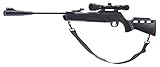
Umarex iconix 22 pcp air rifle sits in that sweet spot where PCP shooting feels powerful, but not overbuilt or fussy. The .22 caliber setup gives pellets enough punch for steel targets, pest control duties, and small-game work where legal and appropriate. Better yet, the side-lever action keeps follow-up shots quick without that clunky break-barrel rhythm. Still, it’s not a whisper-quiet backyard toy, so noise expectations need to stay realistic.
PCP air rifle ownership can feel like a rabbit hole at first. Fill pressure, shot count, magazines, probes, scopes, pellet weight, yeah, it adds up fast. The Iconix keeps that learning curve less annoying with a 3,000 PSI fill system, an onboard pressure gauge, and a compact 100cc air cylinder rated for around 25 shots per fill. That means less guessing and fewer “Oops, pressure dropped” moments halfway through a shooting session.
Side-lever action gives this rifle much of its everyday charm. The movement feels more natural than wrestling with a stiff cocking stroke, especially during longer range sessions. A rotary magazine helps keep the pace lively, while the included single-shot tray gives slower, more deliberate shooting a place at the table. So, yes, it can be casual, but it still rewards careful pellet selection and steady form.
Picatinny rail mounting is a big deal because the rifle doesn’t lean on built-in open sights. A scope or red dot isn’t just a fun add-on here, it’s part of the setup. That adds cost, no sugarcoating it, but it also lets the rifle be matched to the job instead of being stuck with basic sight hardware. A light optic makes sense because the rifle itself stays around 5 pounds, keeping the whole package easy to carry and shoulder.
Umarex Iconix .22 won’t suit every shooting space. The barrel is fairly short, the power is respectable, and sound moderation is limited, so cramped suburban plinking may not be the smartest fit. On the other hand, open land, controlled pesting, and informal target work are right in its lane. The real appeal is simple: solid PCP energy, repeat-shot convenience, and a price-minded build that doesn’t pretend to be a benchrest diva.
- ARS Mark8.8
ARS Mark is a ranking system developed by bestairriflescopes.com. ARS Mark has no relationship or impact from any manufacturers or sales agent websites. Learn more
- BrandUmarex

- ARS Mark8.8
ARS Mark is a ranking system developed by bestairriflescopes.com. ARS Mark has no relationship or impact from any manufacturers or sales agent websites. Learn more
- BrandUmarex
- ARS Mark9.0
ARS Mark is a ranking system developed by bestairriflescopes.com. ARS Mark has no relationship or impact from any manufacturers or sales agent websites. Learn more
- BrandUmarex

- ARS Mark8.0
ARS Mark is a ranking system developed by bestairriflescopes.com. ARS Mark has no relationship or impact from any manufacturers or sales agent websites. Learn more
- BrandUmarex

- ARS Mark8.2
ARS Mark is a ranking system developed by bestairriflescopes.com. ARS Mark has no relationship or impact from any manufacturers or sales agent websites. Learn more
- BrandUmarex

- ARS Mark7.6
ARS Mark is a ranking system developed by bestairriflescopes.com. ARS Mark has no relationship or impact from any manufacturers or sales agent websites. Learn more
- BrandUmarex

- ARS Mark7.0
ARS Mark is a ranking system developed by bestairriflescopes.com. ARS Mark has no relationship or impact from any manufacturers or sales agent websites. Learn more
- BrandUmarex
Last update on 2026-05-29 / Affiliate links / Images, Product Titles, and Product Highlights from Amazon Product Advertising API
Umarex Iconix 22 PCP Air Rifle Alternatives
Backyard shooting gets frustrating fast once accuracy starts drifting, scopes lose zero, or cocking effort leaves your arm feeling cooked after twenty shots. Plenty of air rifles look impressive on paper, but real use exposes the annoying stuff pretty quickly. The Umarex Iconix 22 PCP air rifle often enters the conversation because shooters want PCP-style consistency without draining half the budget on tanks, hoses, and accessories. Oddly enough, the Umarex Ruger Targis Hunter Max .22 Pellet Rifle approaches the same problem from a totally different direction, leaning into gas-piston simplicity instead of compressed-air hardware.
The first thing that stands out is how differently these rifles behave during long shooting sessions. A PCP setup like the Iconix keeps recoil light and follow-up shots smoother, while the Targis Hunter Max fights back with more physical effort through its break-barrel system. Some shooters actually prefer that mechanical feel because it’s self-contained and doesn’t rely on refill gear cluttering up the garage. Others get tired of the repeated cocking motion and start eyeing PCP rifles after a few weekends.
Scope stability, shot rhythm, and maintenance style all shape the ownership experience more than flashy marketing phrases. The Targis Hunter Max includes a 3-9x32 scope package, which helps newer shooters skip the painful “What optic fits this thing?” phase. Still, bundled scopes tend to split opinions. Some hold up surprisingly well for casual target sessions, while others end up replaced once tighter groups become the priority.
Ruger Targis Hunter Max
Ruger Targis Hunter Max .22 feels built for shooters who don’t want air tanks taking over the corner of the workshop. The gas-piston system removes the refill routine completely, and honestly, that convenience matters more than many people admit. Filling PCP rifles sounds simple until compressors overheat, hand pumps become mini workout machines, or fittings decide to leak right before a weekend range session. The Targis keeps things straightforward: cock it, load a pellet, and shoot.
The rifle’s 34-pound cocking effort creates a noticeable tradeoff. One or two shots feel manageable, no big deal. A longer afternoon session, though, starts reminding your shoulders that this isn’t a lightweight plinker. Younger shooters or anyone dealing with wrist strain may eventually feel worn down, especially during repeated target practice.
SilencAir technology softens the noise enough to avoid the sharp crack some break barrels produce, although it’s still not library quiet. Neighbors probably won’t appreciate rapid-fire pellet dumping across a tiny suburban yard. Open space suits this rifle much better. In wooded property setups or larger backyards, the sound profile feels far more reasonable.
The adjustable trigger deserves more credit than it usually gets. Factory triggers on spring and gas-piston rifles can feel stiff or unpredictable, which wrecks confidence fast. This one stays usable for hunting practice and informal targets, although experienced shooters may still wish for a cleaner break. Trigger feel tends to become more noticeable once groups tighten past casual soda-can distances.
Accuracy And Pellet Behavior
.22 caliber pellets behave differently depending on rifle temperament, and this Targis model definitely has preferences. Lightweight pellets sometimes open groups wider than expected, while medium-weight domed pellets generally settle things down. That trial-and-error stage frustrates impatient shooters, yet it’s part of the airgun hobby whether people admit it or not. A rifle can look mediocre with one pellet type and suddenly tighten up beautifully with another.
The included 3-9x32 scope helps reveal the rifle’s actual capability once properly mounted and zeroed. Casual plinking around 25 to 40 yards feels comfortable, and pest-control duties fall within realistic reach under the right conditions. Push much farther, though, and break-barrel recoil starts demanding sharper shooting discipline. Tiny inconsistencies in grip or hold become painfully obvious downrange.
PCP rifles like the Iconix usually maintain smoother shot cycles because there’s barely any recoil pulse. The Targis moves differently. It has that classic forward-and-back recoil snap common with gas-piston rifles, so artillery hold technique matters more here. Ignore that detail and accuracy suffers, plain and simple.
Wind drift also becomes part of the equation with .22 pellets, especially lighter options. Calm mornings produce satisfying steel-target sessions. Gusty afternoons? Different story. Pellet arcs become more visible, and shots require more compensation than many first-time air rifle owners expect.
Handling And Everyday Use
6.75-pound rifle weight puts the Targis Hunter Max in a fairly balanced spot. It’s heavy enough to feel stable against the shoulder without turning into a burden during extended carry. Synthetic furniture keeps maintenance easier too. Scratches and weather exposure won’t trigger panic attacks the same way glossy wood stocks sometimes do.
The 15-inch barrel gives the rifle a slightly front-heavy personality, though not in a clumsy way. Standing shots feel steady once the shooter settles into position. Quick offhand shots can wobble a bit until muscle memory develops. A sling would honestly make long property walks much more comfortable.
Automatic safety systems tend to divide opinions, and this rifle won’t change that debate. Some appreciate the built-in protection during repetitive loading sessions. Others find automatic safeties mildly irritating because they interrupt shooting rhythm. Either way, it becomes second nature after enough use.
Cold weather shooting exposes another practical difference between gas-piston rifles and PCP platforms. PCP pressure consistency can shift depending on fill conditions and temperature swings. The Targis avoids that issue entirely since it doesn’t rely on stored compressed air. Winter shooters often appreciate that simplicity more than spec sheets suggest.
Pros And Cons That Matter
Pros become obvious once convenience enters the discussion. No scuba tanks, no compressors, and no refill anxiety simplify ownership dramatically. The included scope package lowers startup cost, while the gas-piston design removes spring fatigue concerns common in older spring-powered rifles. Also, the rifle carries enough .22 punch for realistic small-game and pest-control work within moderate distances.
Consistency stays respectable once the right pellet match is found. Shooters willing to practice proper hold technique usually get far better results than impatient users expecting laser-beam precision immediately out of the box. The quieter firing behavior compared to many older break barrels also makes backyard sessions less obnoxious.
Cons, though, deserve equal attention. The cocking effort isn’t gentle, especially during longer sessions. Recoil behavior creates a steeper learning curve than PCP rifles, and bundled optics may eventually become the weak link for demanding shooters. Follow-up shots also move slower because every round requires manual cocking effort.
From a practical angle, most reliable pcp air rifle discussions usually highlight how much smoother PCP systems feel during repetitive shooting. The tradeoff, naturally, comes from added setup costs, refill equipment, and maintenance complexity. Some shooters happily accept that extra hassle. Others would rather keep things simple with a self-contained gas-piston setup like the Targis Hunter Max.
Real Ownership Tradeoffs
Air rifle ownership gets romanticized online all the time, but daily use tells the real story. Scope mounting issues, pellet shortages, shifting weather, and storage space all influence satisfaction more than catalog photos. The Targis Hunter Max handles those realities fairly well because it stays mechanically straightforward. Fewer accessories mean fewer headaches.
Still, shooters chasing ultra-fast follow-up shots or tiny benchrest-style groups may eventually outgrow this platform. PCP rifles dominate that territory for good reason. The Targis feels more grounded in practical field use, casual target sessions, and uncomplicated ownership. That difference matters.
Maintenance demands stay refreshingly low. Occasional cleaning, proper storage, and decent pellets go a long way here. There’s no regulator tuning or air cylinder maintenance schedule hanging over your head. Some folks genuinely prefer spending time shooting instead of babysitting extra gear.
The rifle also rewards patience. Early sessions may feel inconsistent while learning hold sensitivity and pellet preferences. Then suddenly, groups tighten, confidence builds, and the rifle starts making much more sense. That learning curve frustrates some shooters and hooks others completely.
Umarex Iconix 22 PCP Air Rifle Entry-Level Alternatives
Heavy rifles, expensive optics, and complicated air systems can suck the fun out of shooting before the first pellet even hits paper. Plenty of people start researching the Umarex Iconix 22 PCP air rifle because they want something more serious than a toy, yet not every shooter needs a PCP setup right away. The Ruger Explorer Youth Break Barrel .177 Caliber Pellet Gun Air Rifle heads in the opposite direction with a lightweight frame, modest velocity, and simpler mechanics. That shift changes the whole experience, especially for shorter practice sessions or smaller backyard spaces.
Compact rifles often get dismissed as “starter guns,” but that label misses the point. A lighter platform can actually help improve trigger discipline and shooting posture because fatigue kicks in slower. The Explorer leans into comfort rather than raw force, and honestly, that makes a difference during repetitive target sessions. A sore shoulder ruins accuracy faster than people expect.
Spring-powered break barrel systems also remove the cost and maintenance headaches tied to PCP rifles. No compressors humming in the garage. No hand pumps turning into accidental cardio workouts. Just pellets, basic upkeep, and enough patience to master consistent shooting technique.
Ruger Explorer Youth
Ruger Explorer Youth feels intentionally trimmed down, and that’s not a criticism. The 37.125-inch overall length keeps the rifle manageable in tighter shooting spots where oversized barrels become awkward. Hallway-sized storage closets, cramped garages, and smaller backyard setups suddenly feel less restrictive. Some rifles seem designed only for wide-open property. This one clearly isn’t.
The lighter 4.45-pound frame changes handling more than the velocity numbers do. Carrying it around the yard or repositioning for targets doesn’t feel tiring after twenty minutes. Younger shooters and smaller-framed users usually notice that benefit immediately, but even experienced shooters appreciate lighter rifles during casual plinking days.
Ambidextrous synthetic stock design keeps things practical instead of flashy. Rain, dust, and random bumps against fences or benches won’t create the same panic scratches that glossy wood stocks tend to invite. The rubber recoil pad also softens the surprisingly sharp kick common with some spring-powered rifles in this category.
Automatic safety systems sometimes annoy experienced shooters who prefer direct manual control. Still, for repeated loading sessions and newer shooting routines, the built-in safety becomes useful rather quickly. Forgetfulness happens, especially during long afternoons where concentration drifts after dozens of pellets.
Real Shooting Feel
.177 caliber pellets give this rifle a very different personality compared to the larger .22 PCP setups people often compare it against. Shots feel quicker and flatter at shorter distances, especially inside 20 to 30 yards. Tin cans, spinner targets, and paper bullseyes suit the rifle naturally. Heavier pest-control roles? That’s where limitations start showing up.
The stated 495 fps velocity tells a pretty honest story. This isn’t a brute-force hunting platform pretending to be something else. Instead, the Explorer focuses more on manageable recoil and easier backyard use. That lower velocity also helps reduce some of the intimidating snap that stronger spring rifles can produce.
Fiber optic sights deserve attention because they make fast sight acquisition much easier in changing outdoor light. Late afternoon shooting sessions benefit the most. Bright green and red inserts stand out quickly against darker targets, though precision shooters may eventually outgrow open sights altogether.
Spring-powered rifles always introduce a learning curve tied to hold sensitivity. Grip too tightly and groups shift. Rest the rifle awkwardly and pellets scatter unexpectedly. PCP rifles like the Iconix feel more forgiving because recoil stays softer and smoother. The Explorer asks for cleaner shooting habits from the start.
Daily Ownership Tradeoffs
Simple maintenance becomes one of the rifle’s biggest strengths after the honeymoon phase fades. A wipe-down cloth, occasional barrel cleaning, and proper pellet storage cover most of the upkeep. There’s no pressure gauge to monitor or refill schedule hanging over your weekend plans. That simplicity feels refreshing in a hobby packed with accessories.
The flip side comes from the repetitive break-barrel cocking motion. Even lighter spring rifles eventually create fatigue during extended sessions. Fifty shots can feel perfectly fine. Double that amount and your arms start negotiating for a coffee break. PCP rifles maintain faster, easier shot cycling once filled.
Noise levels stay relatively reasonable for suburban use, although “quiet” still depends heavily on surroundings. Thin fences and close neighbors change the equation fast. The smaller .177 caliber report sounds sharper than many people expect, even at moderate velocity. Early morning backyard sessions may require a little common sense.
Cold weather shooting reveals another practical advantage. Spring-powered systems don’t rely on compressed air storage, so temperature swings affect them less dramatically than some PCP setups. Winter plinking remains consistent without worrying about fill pressure fluctuations or moisture buildup inside tanks.
Pros And Cons That Actually Matter
Pros start with accessibility. The rifle stays lightweight, manageable, and mechanically straightforward without requiring extra support equipment. Fiber optic sights keep the setup beginner-friendly, while the shorter frame helps avoid awkward balance issues common with oversized pellet rifles. Also, the synthetic stock handles rough handling surprisingly well.
Comfort-focused design helps the rifle stay enjoyable during casual target practice. A lot of cheaper air rifles feel clunky or front-heavy, but the Explorer avoids that problem fairly well. The recoil pad softens repeated shots enough to keep longer sessions more comfortable than expected.
Cons, though, deserve equal honesty. Velocity limits the rifle’s practical range and energy output compared to .22 PCP platforms. Trigger feel can also seem stiff until enough rounds smooth things out. Then there’s the break-barrel recoil pattern, which punishes sloppy shooting technique more than many newcomers expect.
From a practical angle, best 24mm scope mounts discussions often come up after shooters decide to move beyond factory sights. Mount stability matters more than people realize, especially on spring-powered rifles where recoil movement can loosen weaker setups over time. Cheap mounts usually become obvious after a few frustrating range sessions.
Where This Rifle Fits Best
Backyard target practice feels like the Explorer’s natural territory. Lightweight handling, moderate power, and quick setup make spontaneous shooting sessions much easier than hauling out PCP support gear. Five-minute practice windows suddenly become realistic instead of feeling like a whole production.
Small framed shooters often struggle with oversized break barrels because balance matters just as much as raw weight. The Explorer avoids that front-heavy shovel feel many budget rifles develop. Holding steady against paper targets feels more natural, especially during standing shots without bench support.
Pellet experimentation still plays a role here, even at lower velocities. Flat-nose wadcutters usually perform well for paper targets, while domed pellets tend to stabilize better outdoors. Tiny changes in pellet shape can noticeably shift group patterns, which surprises many first-time air rifle owners.
The rifle also exposes bad habits quickly. Jerking the trigger, gripping too hard, or rushing follow-up shots all show up clearly on target paper. Oddly enough, that challenge becomes part of the appeal. Rifles like this reward patience more than brute force.
Elite Force Umarex AirSaber PCP Arrow Gun
Big power usually brings big chores along for the ride, and that’s where arrow rifles can either feel clever or fussy. A regular pellet rifle like the umarex iconix 22 pcp air rifle makes sense for repeatable target work and small-game airgun use, but the Elite Force Umarex AirSaber PCP Arrow Gun steps into a much heavier lane. This isn’t a casual tin-can plinker pretending to be mild-mannered. It’s a PCP powered arrow rifle built around serious arrow energy, controlled shot placement, and a setup that feels closer to hunting gear than weekend backyard fun.
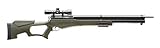
Umarex AirSaber PCP Arrow Gun
Umarex AirSaber PCP Arrow Gun brings a very different personality from a typical .22 PCP pellet rifle. Instead of sending pellets downrange, it launches carbon fiber arrows from a bolt-action PCP system. That shift matters because arrow rifles reward slower, more deliberate shooting. Rushing this platform would be like pruning a fruit tree with kitchen scissors, technically possible, but not exactly smart.
The supplied details list up to 450 fps and up to 169 fpe kinetic energy, which puts this tool far beyond casual target popping. Power like that demands safe backstops, thoughtful range setup, and a clear idea of local rules. It’s not something to treat like a lightweight practice rifle behind a shed. The energy level changes the whole mood of ownership.
The bolt action PCP design gives the AirSaber a controlled rhythm. Load, close, aim, breathe, shoot. That slower pattern actually suits the rifle because arrows aren’t meant to be sprayed at steel targets all afternoon. The experience feels more like preparing a hunting shot than running a pellet magazine.
An integrated pressure gauge helps keep the air system from becoming a guessing game. PCP gear can get annoying once pressure drops without warning, especially during outdoor sessions where distractions pile up. A visible gauge makes the workflow calmer. You still need refill equipment, sure, but at least the rifle tells you what’s going on.
Power And Shot Discipline
High-capacity air tank performance is one of the more practical points here. The listed 25 effective shots per fill gives the AirSaber enough working room for practice without constant refilling. That number matters because arrow rifles don’t burn through shots the same way pellet repeaters do. A slower pace makes each fill feel more useful.
The difference between this rifle and the umarex iconix 22 pcp air rifle comes down to purpose. The Iconix makes more sense for repeat pellet shots, target groups, and general PCP handling. The AirSaber is built around arrow delivery, heavier impact, and a more serious shooting routine. Same broad PCP family, completely different job.
169 fpe kinetic energy sounds impressive, but it also brings responsibility. Arrow flight needs space, a reliable target zone, and careful recovery planning. Misses can become a pain in tall grass or brush, and damaged arrows aren’t cheap little pellets. That’s the tradeoff people sometimes forget until the first arrow disappears.
The AirSaber’s 450 fps rating gives arrows a flatter feel than many traditional archery setups, but it doesn’t erase the need for range awareness. Arrows still arc, wind still meddles, and poor form still shows up downrange. The rifle helps with consistency, but it won’t babysit bad habits. Fair enough.
Scope And Arrow Package
The included Axeon 4x32mm scope gives the AirSaber a more complete starting package. A fixed 4x optic keeps the setup simple without turning the rifle into a glass-heavy bench queen. For field-style shooting, that simplicity has value. Fewer magnification decisions means less fiddling before the shot.
The custom Air Archery Ballistic Reticle is especially relevant because arrows don’t behave like pellets. Holdover references can make distance changes easier to manage once the shooter learns the rifle’s actual arrow path. Still, the reticle won’t replace practice. It gives a map, not magic.
Three Umarex Straight Flight Technology arrows with 100-grain field tips are included, which helps the kit feel ready for initial setup. That said, three arrows can feel limiting during practice. Damaged vanes, lost shafts, or repeated target pulling can slow things down fast. Extra arrows become less of a luxury and more of a sanity saver.
The scope and arrow bundle also lowers the early decision fatigue. Picking arrows, tips, and optics separately can get messy for someone moving into air archery from pellet rifles. This kit keeps the first step cleaner. Later, personal preferences may still push upgrades or spare parts into the shopping list.
Stock, Mounts, And Handling
The all-weather stock fits the AirSaber’s field-minded personality. Damp grass, dusty paths, and changing temperatures won’t feel as nerve-racking as they would with a delicate finish. Practical gear should be able to take a little abuse without acting precious. This stock leans into that idea.
The rubber recoil pad adds comfort, even though PCP arrow rifles don’t kick like firearms. Shoulder contact still matters during longer sessions, especially while holding steady and repeating a careful shot cycle. A stable, comfortable mount helps prevent small aim shifts. Tiny mistakes get louder at hunting-style distances.
Picatinny accessory mounts open the door for optics, bipods, quivers, and other field accessories. That flexibility is useful, but it can also tempt people into bolting on too much gear. A heavy accessory stack can make the rifle slower and less balanced. Clean setups often handle better than overloaded ones.
The listed 41-inch overall length and 6.85-pound weight without scope put the AirSaber in a manageable but not featherlight category. Add the scope and any accessories, and the rifle starts feeling more substantial. Carried across open property, that weight is reasonable. Held offhand for too long, it reminds you to settle down and shoot with purpose.
Pros, Cons, And Real Fit
Pros start with power, package completeness, and field-focused design. The AirSaber includes a dedicated scope, three carbon fiber arrows, an air gauge, and accessory mounting options. That makes the setup feel less pieced together. The PCP arrow rifle system also gives strong energy without the same draw cycle used in traditional bows.
Shot count is another clear strength. With 25 effective shots per fill listed, practice sessions can stay productive before refill gear enters the picture. The bolt-action flow also encourages patience, which suits this kind of rifle nicely. It’s not fast in a casual plinking sense, but it feels controlled.
Cons live in the ownership details. PCP refill equipment adds cost and storage needs, arrows require care, and safe shooting space matters a lot more than with a low-powered pellet rifle. The AirSaber also isn’t the natural pick for cheap backyard repetition. For that role, the umarex iconix 22 pcp air rifle style of platform feels more relaxed and affordable to feed.
In real-world usage, best pcp air rifles for hunting sits near the same broader conversation because power, shot control, and field setup all shape the final experience. The AirSaber belongs on the heavier, more specialized side of that discussion. It favors deliberate shooting over casual volume. That’s both its strength and its boundary.
Field Use And Practical Limits
Hunting-style use is where the AirSaber makes the most sense, assuming local laws allow it and the shooting environment is safe. The energy rating, arrow format, and scope package all point toward serious outdoor application. It’s not shy about its purpose. Still, legal rules around air archery can vary, so guessing would be a bad move.
The rifle’s carbon fiber arrows need more care than pellets. Shafts should be inspected, field tips should stay properly seated, and damaged arrows shouldn’t be reused casually. That maintenance rhythm feels normal for archery-minded shooters. Pellet-only shooters may need time to adjust.
Noise and space also deserve a realistic look. PCP arrow rifles may avoid firearm-level blast, but impact noise and arrow energy still require a serious backstop. A soft bag target or proper arrow-rated target matters. Backyard improvisation can get risky fast, especially with neighbors, sheds, fences, or pets nearby.
The AirSaber rewards a slower, cleaner routine. Fill pressure gets checked, arrows get inspected, the optic gets trusted only after practice, and shots happen with intent. That may sound old-school, but it keeps mistakes from snowballing. Powerful air gear has a way of humbling sloppy habits.
Umarex Hammer .50 Caliber PCP Air Rifle
Some airguns feel like backyard tools, then a few models show up wearing work boots and asking for real space. The umarex iconix 22 pcp air rifle lives in a lighter, more repeatable PCP lane, while the Umarex Hammer .50 Caliber PCP Air Rifle takes a much heavier swing. This is not the rifle for casual soda-can afternoons behind a fence. It’s a big-bore PCP air rifle built around serious energy transfer, limited shot count, and deliberate shooting decisions.
Umarex Hammer .50 PCP
Umarex Hammer .50 PCP feels unapologetically purpose-built. The provided detail calls it the most powerful production air rifle on the planet, and that line says plenty about the kind of role it’s meant to fill. It isn’t chasing lightweight plinking manners or cheap pellet volume. Instead, it focuses on .50 caliber impact, controlled power delivery, and a shooting rhythm that rewards patience.
The biggest difference from the umarex iconix 22 pcp air rifle is scale. A .22 PCP usually keeps things manageable for target work, pest control, and repeat practice. The Hammer steps into a heavier class where every shot carries more consequence. Safe backstops, clear surroundings, and proper local rule awareness aren’t side notes here.
Energy transfer is the headline feature, especially because the design is described as dumping energy into the target instead of simply carrying it through. That matters for big-bore airgun use where impact behavior can shape performance as much as speed. Still, power alone doesn’t make a rifle forgiving. A heavy-hitting platform can expose sloppy aim, poor setup, and rushed decisions in a hurry.
The rifle’s personality is almost stubborn, in a good way. It doesn’t pretend to be a do-it-all backyard companion. It asks for a proper role, proper air supply, and enough room to be used responsibly. That honesty makes the Hammer easier to understand than rifles that try to please every possible shooter.
Power And Shot Count
.50 caliber pellets moving at up to 1130 fps put this rifle in a completely different category from most pellet guns. That figure sounds wild, but the real story is what comes with it. Big power eats air quickly. No surprise there, and the Hammer’s shot count makes that tradeoff plain.
A full tank delivers 4 full-power regulated shots plus a finishing shot according to the provided detail. That limited count changes how the rifle gets used. There’s no casual string of magazine after magazine here. Each shot needs planning, and honestly, that slower pace fits the platform.
The regulated shot delivery helps keep those main shots more controlled before pressure drops into the finishing-shot zone. That’s useful because big-bore rifles can feel inconsistent if air management gets messy. With only a small handful of strong shots per fill, pressure awareness becomes part of the routine. Forgetting that detail can turn a session sour fast.
The Hammer’s 4500 psi carbon fiber air tank also brings a practical reality check. Filling to that pressure isn’t something every basic hand pump setup handles comfortably. A capable compressor or suitable fill source becomes part of ownership. That extra gear cost and storage need should be expected, not treated like an afterthought.
Stock Design And Setup
Modern stock design gives the Hammer a more serious, tactical-style feel without making the description sound like showroom fluff. The M-LOK locations add flexibility for accessories, which can help tailor the rifle for field carry or supported shooting. Still, accessory rails are a temptation. Load the rifle with too much gear and the handling can get clunky fast.
The Picatinny rail for optics is a practical must, not a decorative add-on. A rifle with this much range potential and energy needs a dependable optic setup. Cheap glass or weak mounts can turn a powerful rifle into an expensive frustration. Big-bore PCP recoil may not match firearm recoil, but the shot cycle still deserves sturdy mounting hardware.
The included two 2-shot linear magazines fit the rifle’s limited-shot personality. Two-shot mags make sense because the air system is not built around long, fast firing strings. They keep the second shot ready without pretending this is a high-volume repeater. That’s a smart match between magazine design and available air.
The straight pull bolt has a listed 2-pound pull weight and 2 inches of travel. That sounds tidy on paper because heavy or awkward bolts can break concentration during follow-up shots. A smoother bolt stroke matters when the rifle is already asking the shooter to manage air pressure, safety, aim, and target conditions. Small handling details add up.
Safety And Shooting Control
Dual safety features make sense on a rifle with this much force behind every shot. The mag lock-out prevents firing without the magazine, and the trigger block safety adds another layer of control. Those details may seem ordinary until a powerful PCP is on the bench. Then they feel a lot less optional.
The mag lock-out system is especially relevant because loading routines can get busy with big-bore pellets and air management. A rifle that refuses to fire without the magazine helps reduce one common handling mistake. Some experienced shooters may grumble about extra safety steps. Fair enough, but with this level of power, extra control is not wasted.
Very quiet shooting is an interesting strength because big power usually brings big noise expectations. Quiet does not mean casual or neighborhood-friendly, though. Impact sound, pellet energy, and safe distance still matter. A quieter report can make field use more comfortable, but it doesn’t shrink the responsibility that comes with .50 caliber performance.
Trigger feel and bolt operation also shape confidence. A heavy, gritty setup can make a powerful rifle feel unpredictable, while cleaner controls encourage steadier shots. The provided straight pull bolt details suggest the Hammer was designed with shooting rhythm in mind. Not fast, not frantic, just deliberate.
Pros And Cons In Real Use
Pros begin with raw authority. The Hammer offers serious .50 caliber PCP power, regulated full-power shots, and a carbon fiber tank built for high-pressure use. It also includes modern mounting points and two linear magazines. That package feels focused rather than scattered.
The rifle’s energy behavior is another meaningful strength. Dumping energy into the target, as described, separates it from lighter pellet platforms that may prioritize flatter shooting or higher shot volume. This big-bore design is about impact. That difference is exactly why it shouldn’t be judged like a small-caliber plinker.
Cons are just as clear. Four full-power shots per fill means refill planning is part of every session. The 4500 psi fill requirement can raise the ownership cost through compressors, tanks, or fill access. Also, .50 caliber pellets cost more than smaller pellets, so casual practice gets expensive quicker than expected.
From a field-use angle, best air rifles for squirrel hunting belongs near a broader discussion of airgun power, practical range, and responsible shot placement. The Hammer sits on the heavy end of that conversation, while smaller PCP rifles usually make more sense for lighter field tasks. Matching rifle power to the job matters more than chasing the biggest number.
Where The Hammer Makes Sense
Big-bore airgun use rewards planning. The Hammer makes sense where the shooting environment can safely support its energy, and where limited full-power shots are not a problem. It is not designed for casual paper punching all afternoon. It’s built for controlled, purposeful shooting.
The umarex iconix 22 pcp air rifle comparison helps frame the Hammer’s niche. The Iconix-style platform favors lighter handling, more approachable shooting, and smaller-caliber practicality. The Hammer favors force, fewer shots, heavier ammo, and more demanding support gear. Neither role cancels the other.
Air supply logistics may be the biggest ownership filter. A 4500 psi carbon fiber tank sounds great until filling becomes inconvenient. Shooters with reliable refill access will have a smoother time. Without that setup, the rifle may spend more time waiting than shooting.
Realistic expectations keep this rifle from becoming a disappointment. It won’t deliver endless shots, it won’t be cheap to feed, and it won’t fit tiny backyard routines. Handled for what it is, though, the Hammer offers a rare mix of big-bore power, controlled shot delivery, modern mounting options, and surprisingly restrained sound for its class.
Umarex Origin PCP .22 Air Rifle
Hand-pumping a PCP rifle can turn a fun shooting session into a sweaty little argument with physics. That’s exactly why the umarex iconix 22 pcp air rifle gets attention from shooters who want repeatable .22 performance without jumping into complicated gear, and the Umarex Origin PCP .22 Air Rifle takes that same problem from a very practical angle. Its included hand pump and Ever-Pressure EPT Tank System make the package feel less like a half-finished project. Instead of buying the rifle first and solving the air problem later, this setup puts the main pieces in the same box.
Umarex Origin PCP .22
Umarex Origin PCP .22 feels like a rifle built around one annoying truth: PCP shooting is fun, but filling air can be a pain. The included Umarex HPA hand pump gives the rifle a more complete starting point, especially for anyone who doesn’t already have a compressor or scuba-style tank. That matters because hidden setup costs can sour the whole experience before the first real group lands on paper. With this kit, the air source isn’t an afterthought.
The Ever-Pressure EPT Tank System is the main feature that separates this rifle from many basic PCP packages. The provided detail says its patented air tube design makes the tank easier to pump and fill. That’s a big deal for real use, because hand pumping gets old fast if the rifle demands too much effort too often. Less filling frustration means more time actually shooting.
.22 caliber pellets give the Origin a useful middle ground between backyard plinking and more serious field work where legal and safe. The rifle is listed at up to 1000 fps, which gives it plenty of speed for target practice and small-game style roles within reasonable distance. Still, pellet choice will matter. A rifle this quick can behave differently with lightweight, domed, or heavier pellets.
The Origin also feels more approachable than some PCP rifles because its layout doesn’t bury the shooter in fancy controls. The easy cocking side handle, 10-shot magazine, and optics-ready rail all point toward simple repeat shooting. That’s the whole charm. It doesn’t make the process feel like assembling a lab experiment on the bench.
Filling And Air Management
Air management can make or break the PCP experience. A rifle may shoot beautifully, but if filling it feels like punishment, it won’t get used as much as expected. The Origin tries to soften that problem with the Ever-Pressure EPT Tank System. Easier pumping may not sound glamorous, but out in the garage after a long day, it matters.
The included hand pump is both a strength and a reality check. It saves the buyer from needing separate fill gear right away, which keeps the setup cleaner and more budget-friendly. Still, hand pumping is never effortless. Anyone expecting push-button convenience will learn quickly that PCP air takes some work.
Consistent shot velocity is another major part of the Origin’s pitch. The provided detail says it gives more consistent velocity shot after shot, and that’s exactly the kind of trait that helps groups settle down. Inconsistent speed can make pellets land high, low, or just plain weird, even when the shooter does everything right. A steadier air system helps reduce that guessing game.
The Origin’s air setup also makes it easier to understand why rifles like the umarex iconix 22 pcp air rifle attract so much interest. PCP rifles give smoother shooting than many break barrels, but they demand an air plan. The Origin’s advantage is that the plan starts in the box. That doesn’t remove every chore, but it clears a major hurdle.
Magazine, Cocking, And Shooting Flow
10-shot magazine capacity gives the Origin a relaxed rhythm for range sessions. Instead of loading every pellet one at a time, the shooter gets a short string of shots before stopping. That helps during target work, pest-control practice, or simply checking pellet performance across a few groups. The rifle feels more fluid because the loading routine doesn’t keep interrupting every single shot.
The easy cocking side handle is another feature that sounds small until the shooting session gets longer. Stiff cocking actions can pull the rifle off position and wear out the hand. A smoother side handle keeps the motion cleaner. It also makes follow-up shots feel less clumsy, especially from a bench or supported rest.
Repeat-shot convenience separates this rifle from traditional spring-powered break barrels. Break barrels have their own charm, sure, but they demand a full cocking and loading cycle each time. The Origin keeps the shooter settled behind the rifle. That steadier rhythm can help with consistency because body position doesn’t reset after every shot.
The action still asks for discipline. A magazine-fed PCP can tempt people to shoot too quickly, and that’s where groups start opening up. The Origin rewards a slower pace: breathe, settle, squeeze, cycle, repeat. Fast shooting may feel fun, but careful shooting tells more truth about the rifle.
Optics And Accuracy Setup
Optics-ready accessory rail gives the Origin flexibility right out of the gate. Open sights can be useful on some rifles, but a .22 PCP with this kind of speed deserves a proper scope. The rail makes that path straightforward. A solid optic will help the rifle show what it can actually do at practical distances.
Scope choice should match the rifle’s real use, not just the biggest magnification number on the box. A moderate scope often makes more sense for backyard targets, pest-control distances, and pellet testing. Too much magnification can make wobble look worse than it feels. The right glass keeps aiming calm instead of turning every heartbeat into a visual earthquake.
Pellet testing will still matter with the Origin. The listed up to 1000 fps velocity sounds strong, but air rifles rarely shoot every pellet equally well. Some pellets may group tight while others scatter enough to make the rifle look worse than it is. That’s not a flaw so much as normal PCP behavior.
In some cases, a related reference sits in best and quietest 177 break barrel air rifle because sound, caliber, and shooting style often shape buying decisions before the final rifle choice becomes clear. A .177 break barrel and a .22 PCP don’t fill the same role, though. The Origin leans into smoother cycling and stored-air consistency, while quieter break barrels usually appeal to simpler, lower-gear routines.
Strengths And Weak Spots
Strengths start with the full PCP package. The rifle includes the pump, uses an easier-fill tank design, and offers a 10-shot magazine with side-handle cocking. That combination reduces the usual startup mess. For someone who wants to get into PCP shooting without chasing parts immediately, the Origin feels well thought out.
Shot consistency is another important benefit. The provided detail highlights more consistent velocity shot after shot, which directly affects confidence downrange. Tight groups depend on repeatable speed as much as a steady trigger finger. A rifle that behaves predictably lets the shooter focus on hold, breathing, and pellet choice.
Weaknesses show up around effort and expectations. The hand pump solves the air-source problem, but it doesn’t make filling effortless. Some owners may eventually want a compressor if they shoot a lot. The rifle also doesn’t include an optic in the provided details, so the rail is ready, but the final sighting setup still needs planning.
The .22 caliber platform also costs more to feed than tiny .177 plinking setups. Pellets are still affordable compared with many shooting hobbies, but higher-volume practice adds up. Also, stronger PCP rifles need safe backstops and more thoughtful yard layout. A flimsy target box won’t cut it for serious use.
How It Stacks Against Iconix
Umarex Origin PCP .22 and the umarex iconix 22 pcp air rifle sit close enough in concept to invite comparison. Both revolve around .22 PCP shooting, smoother firing behavior, and repeatable pellet delivery. The Origin’s biggest advantage, based on the provided details, is the included hand pump and easier-fill tank approach. That gives it a more self-contained feel.
The Iconix-style appeal often comes from lightweight PCP handling and practical shooting simplicity. The Origin answers with a stronger kit mindset. It says, in effect, “Here’s the rifle, here’s the air source, now go figure out your pellets and optic.” That’s a pretty sensible path for a first serious PCP setup.
Performance expectations should stay grounded. Up to 1000 fps sounds lively, but accuracy still depends on pellet fit, scope quality, fill pressure habits, and shooter technique. A PCP rifle won’t magically erase bad form. It simply removes some of the recoil drama and cocking disruption found in spring-powered rifles.
The Origin makes the most sense where regular practice, manageable filling, and repeat-shot convenience all matter. It’s not the lightest possible airgun path, and it’s not as simple as a break barrel. But for a .22 PCP package with a pump included, practical ownership is clearly part of its appeal.


12 Best 22 Pcp Air Rifle For Hunting of 2026 With Quiet Power

7 Best 22 Pcp Air Rifle Under 300 of 2026 For Backyard Pest Control

10 Best 22 Break Barrel Air Rifles of 2026 For Backyard Pest Control
10 Best 30 Caliber Pcp Air Rifle of 2026 For Medium Game

Top Best 177 Air Rifle Under 100: Budget-Friendly Picks for 2026

How to Safely Reload Shotgun Shells at Home

11 Best Co2 Air Rifle For Pest Control of 2026 To Ensure Humane Dispatch

12 Best Inexpensive Air Rifles of 2026 For Dependable Backyard Accuracy





