
Umarex Iconix PCP Air Rifle 2026 Best Field Value

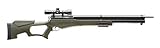
Umarex Iconix PCP air rifle sits in that sweet spot where serious backyard practice, small-game control, and longer-range plinking all start to feel more predictable. Its appeal isn’t just power on paper. It’s the way a regulated PCP platform helps keep shots steadier, so fewer pellets feel wasted after the first few good hits. That matters when every fill, tin of pellets, and spare hour outside has to count.
The rifle’s pre-charged pneumatic system gives it a cleaner shooting feel than spring-powered rifles, with less harsh movement at the shot. That calmer behavior can make a real difference for tight groups, especially from a bench, shooting sticks, or a supported field position. Still, PCP ownership isn’t free lunch. A hand pump, compressor, or tank becomes part of the deal, and that extra gear may feel like a nuisance at first.
Practical accuracy is the real hook here, not flashy bragging rights. A consistent air supply, useful shot count, and repeatable trigger control help reduce those head-scratching flyers that ruin a good session. The rifle also feels more approachable than some bulky PCP rigs, which helps when moving between a shed, a fence line, and a small shooting lane. Sure, it still needs safe handling and a proper backstop, but it doesn’t feel like a complicated science project.
Field use brings out the rifle’s strengths and its limits. The power level suits pest-control style precision where legal and appropriate, but pellet choice, fill pressure, and distance discipline still matter a lot. Cheap pellets can turn a promising setup into a guessing game. Better pellets, careful sight-in work, and steady shooting habits let the rifle show what it’s really built to do.
The Umarex Iconix PCP air rifle makes the most sense for someone tired of fighting recoil, inconsistent break-barrel habits, or underpowered plinkers that run out of steam too quickly. It rewards patience, not shortcuts. Keep the air system clean, avoid rushing the setup, and spend time matching pellets to the barrel. Do that, and this rifle becomes a dependable, no-nonsense PCP that feels useful rather than overhyped.

- ARS Mark9.2
ARS Mark is a ranking system developed by bestairriflescopes.com. ARS Mark has no relationship or impact from any manufacturers or sales agent websites. Learn more
- BrandUmarex
- ARS Mark9.0
ARS Mark is a ranking system developed by bestairriflescopes.com. ARS Mark has no relationship or impact from any manufacturers or sales agent websites. Learn more
- BrandUmarex

- ARS Mark8.8
ARS Mark is a ranking system developed by bestairriflescopes.com. ARS Mark has no relationship or impact from any manufacturers or sales agent websites. Learn more
- BrandUmarex

- ARS Mark8.2
ARS Mark is a ranking system developed by bestairriflescopes.com. ARS Mark has no relationship or impact from any manufacturers or sales agent websites. Learn more
- BrandUmarex

- ARS Mark7.6
ARS Mark is a ranking system developed by bestairriflescopes.com. ARS Mark has no relationship or impact from any manufacturers or sales agent websites. Learn more
- BrandUmarex

- ARS Mark7.0
ARS Mark is a ranking system developed by bestairriflescopes.com. ARS Mark has no relationship or impact from any manufacturers or sales agent websites. Learn more
- BrandUmarex
Last update on 2026-05-29 / Affiliate links / Images, Product Titles, and Product Highlights from Amazon Product Advertising API
Umarex Iconix PCP Air Rifle Hunting Alternatives
Quiet afternoons behind the barn don’t stay relaxing for long once inconsistent shots start creeping in. One pellet lands clean, the next drifts wide, and suddenly the whole session turns into second-guessing instead of shooting. That frustration pushes a lot of shooters toward platforms with steadier power delivery, which is partly why the umarex iconix pcp air rifle keeps getting attention from people who’ve grown tired of jumpy spring rifles and fussy gas-piston setups. Oddly enough, the Umarex AirJavelin Arrow Gun Air Rifle with 3 Carbon Fiber Arrows enters the conversation from a completely different angle, blending air rifle handling with arrow-based shooting in a way that feels surprisingly practical for close-range field work.
Arrow rifles aren’t trying to replace traditional PCP pellet rifles outright. Their appeal comes from controlled power, straightforward loading, and a different shooting rhythm that slows things down a bit. Instead of chasing tiny pellet groups at extended range, the AirJavelin leans into short-range precision with substantial impact energy. That shift changes the experience dramatically, especially during pest-control scenarios where overpenetration concerns and noise levels often shape equipment choices.
AirJavelin Arrow Rifle Breakdown
Umarex AirJavelin uses a single 88-gram CO2 cartridge to launch arrows at speeds up to 300 fps while generating up to 35 foot-pounds of kinetic energy. Those numbers tell part of the story, but the real personality of the rifle comes from its handling. The lightweight feel and simple loading process make it less intimidating than many bulky PCP hunting setups. Long shooting sessions also feel more manageable since recoil stays mild and shot behavior remains predictable.
CO2-powered systems always carry tradeoffs, though. Temperature swings can influence performance, especially during colder mornings or late evening sessions. That doesn’t mean the rifle suddenly becomes unusable, but consistency may taper off compared to regulated PCP platforms running compressed air. Shooters expecting identical velocity from the first arrow to the last should keep realistic expectations in mind.
The included Straight Flight Technology arrows help simplify setup for people who don’t want to spend hours tuning broadheads or experimenting with custom shafts. Those carbon fiber arrows track cleanly at shorter distances and feel stable during release. A fixed orange fiber optic front sight also keeps things approachable for casual field use, especially before adding optics or accessories.
One small detail that genuinely matters is the stock design. The all-weather stock doesn’t feel overly delicate, which makes the rifle easier to trust during muddy walks, humid mornings, or rough truck-bed transport. That practical durability matters more than flashy cosmetic finishes once equipment starts seeing regular outdoor use.
Why The Shooting Experience Feels Different
Pellet rifles and arrow rifles create two very different rhythms behind the trigger. A traditional PCP setup often encourages rapid follow-up shots, magazine cycling, and extended plinking sessions. The AirJavelin slows the pace naturally because each arrow carries more presence, both physically and mentally. That slower cadence can actually improve shot discipline for shooters who tend to rush.
Noise management also changes the overall feel. The AirJavelin avoids the sharp crack associated with many high-velocity rifles, making backyard-friendly practice more realistic in certain environments where legal. Sound still exists, obviously, but the tone feels softer and less abrupt than many powder-burning alternatives.
Several shooters end up surprised by how intuitive the platform feels after only a few sessions. Arrow loading becomes second nature pretty quickly, and the rifle shoulders naturally thanks to its conventional stock profile. The rubber recoil pad doesn’t fight major recoil, since recoil remains modest anyway, but it does improve comfort during extended carry sessions.
Accessory compatibility deserves attention too. The built-in Picatinny mounting points make it easier to customize optics, bipods, lights, or quivers without awkward adapters. Some hunting-oriented airguns feel frustratingly limited once customization begins. This one stays refreshingly simple.
Practical Limitations Worth Knowing
Shot count limitations become noticeable if someone expects endless target sessions. One 88-gram CO2 cartridge delivers around 27 effective shots, which works fine for deliberate field use but feels restrictive during long recreational outings. Keeping spare cartridges nearby becomes part of the routine pretty quickly.
Arrow rifles also demand more attention to backstop safety than many newcomers expect. Arrows retain energy differently than pellets and can travel unpredictably after misses or pass-throughs. A casual backyard pellet trap won’t cut it here. Solid shooting lanes and proper target setups matter a lot.
The AirJavelin’s strengths stay most obvious at shorter practical distances. Stretching range too aggressively can expose trajectory challenges and magnify minor aiming errors. Shooters accustomed to laser-flat PCP pellet rifles may need time adjusting expectations. Patience and practice smooth out that learning curve.
CO2 dependency creates another maintenance consideration. Unlike refillable PCP rifles using compressors or tanks, this platform relies on disposable cartridges. Some shooters appreciate the simplicity, while others eventually tire of replacing cylinders regularly. The preference really comes down to shooting habits and how often the rifle leaves the safe.
Field Handling And Everyday Use
Dragging heavy gear across uneven ground gets old fast. The AirJavelin avoids that problem with a lighter, more maneuverable feel than many large-frame PCP hunting rifles. Carrying it through wooded trails, fence lines, or brushy edges feels manageable instead of exhausting. That lighter balance also helps newer shooters stay steadier offhand.
Quick setup routines give the rifle another practical edge. No compressors humming in the garage. No high-pressure tank refills to schedule. Load the CO2, seat the arrow, and the rifle feels ready without much drama. That convenience becomes surprisingly valuable after a long workday when patience already runs thin.
Optics pairing changes the experience considerably. A compact scope or red dot tends to suit the platform better than oversized magnified optics. Shorter engagement distances reward speed and visibility more than extreme zoom. Some setups start feeling front-heavy once oversized accessories pile up.
Conversations around PCP alternatives often drift toward lightweight field rifles, and somewhere in that broader discussion, a related setup appears in Notos PCP Air Rifle. Compact handling, manageable dimensions, and simplified shooting routines tend to attract the same crowd searching for less cumbersome outdoor gear.
Where The AirJavelin Makes The Most Sense
Close-range pest control is probably the clearest fit for this rifle. The arrow-based system delivers controlled energy with a shooting experience that feels deliberate rather than frantic. People frustrated by noisy powder rifles or overly complicated PCP systems often appreciate that middle ground.
Target shooting also becomes more engaging in a surprisingly old-school way. Pulling arrows, checking placement, and resetting targets create a slower, hands-on rhythm that many modern magazine-fed airguns don’t really offer anymore. There’s less temptation to burn through ammo mindlessly.
Storage practicality helps too. The rifle doesn’t require giant air tanks, heavy compressors, or extensive support equipment cluttering the garage. For shooters dealing with limited storage space, simpler gear arrangements matter more than marketing buzzwords ever will.
Realistic expectations remain important, though. The AirJavelin isn’t built for precision benchrest competition or ultra-long-range pellet shooting. It succeeds because it offers a focused experience with solid field utility, approachable handling, and a distinct shooting style that feels refreshingly different from the usual PCP routine.
Umarex Iconix PCP Air Rifle Power Alternatives
Long waits between refills, weak downrange impact, and clunky handling can suck the fun out of airgun shooting faster than most people admit. Plenty of rifles sound impressive until real field use exposes awkward balance, inconsistent energy, or accessories that feel slapped on as an afterthought. That’s partly why the umarex iconix pcp air rifle keeps surfacing in conversations around practical PCP setups, but the Elite Force Umarex AirSaber PCP Powered Arrow Gun Air Rifle Combo Kit takes a much more aggressive path. This thing doesn’t behave like a casual backyard plinker at all. It leans heavily into power, arrow stability, and hunting-focused utility.
The first surprise comes from how serious the AirSaber feels once it’s shouldered. A lot of arrow rifles come across like novelty hybrids, somewhere between a gadget and a specialty tool. The AirSaber avoids that trap. Its PCP-driven system, bolt-action layout, and included scope setup create a package that feels purpose-built rather than experimental.
Umarex AirSaber Combo Kit
AirSaber pushes considerably harder than many shooters expect from an air-powered arrow rifle. The platform launches arrows up to 450 fps while generating up to 169 foot-pounds of kinetic energy. Those numbers change the shooting experience immediately. Targets react differently, penetration becomes more substantial, and shot placement starts demanding more discipline because there’s genuine force behind every release.
The rifle uses a high-capacity PCP air tank capable of delivering roughly 25 effective shots per fill. That shot count lands in a practical range for hunting-style sessions without forcing constant refill interruptions. PCP ownership still means compressors, tanks, or pumps become part of life, though. Anyone expecting total simplicity compared to CO2 systems should keep that extra equipment commitment in mind.
Weight distribution deserves credit here. At around 6.85 pounds without the scope, the rifle stays manageable during extended carry sessions. Some large hunting-oriented PCP rifles feel front-heavy after adding optics and accessories, but this setup avoids becoming exhausting too quickly. That lighter feel helps steady movement around wooded property lines or uneven terrain.
The included Axeon 4x32 scope actually matters more than many bundled optics usually do. Cheap combo scopes often end up sitting in a drawer after the first range trip. This one feels intentionally matched to the platform thanks to the Air Archery Ballistic Reticle, which helps simplify holdover adjustments at realistic arrow-rifle distances.
Power Delivery Changes Everything
Traditional pellet rifles reward precision through tiny groupings and careful trajectory management. The AirSaber shifts attention toward impact energy and controlled shot execution. There’s a heavier sense of commitment every time the bolt cycles forward and an arrow slides into place. That added seriousness changes how people shoot almost immediately.
Arrow flight also feels surprisingly stable with the included Straight Flight Technology arrows. The 100-grain field tips maintain a cleaner tracking pattern than many newcomers expect, especially inside practical hunting distances. Minor form mistakes still show up, naturally, but the system avoids feeling twitchy or unpredictable.
One detail that sneaks up on shooters is how much quieter the experience can feel compared to powder rifles. Noise doesn’t disappear entirely, obviously, but the tone comes across softer and less abrupt. That lower sound signature can make longer practice sessions less fatiguing, especially in areas where noise becomes part of the equation.
The integrated pressure gauge helps eliminate some guesswork too. PCP rifles become frustrating fast when shooters lose track of fill levels and start chasing inconsistent impacts. Having quick visual confirmation on remaining pressure keeps the platform feeling more controlled during extended outings.
Handling In Real Outdoor Conditions
Muddy boots, damp mornings, and rough truck rides expose weak equipment in a hurry. The all-weather stock on the AirSaber handles rougher environments without feeling fragile or overly polished. That practical construction matters because outdoor shooting gear rarely stays clean for long.
Picatinny mounting sections open up useful customization possibilities without forcing awkward aftermarket workarounds. Bipods, lights, quivers, and additional optics mount cleanly, which keeps the rifle adaptable for different shooting styles. Some setups stay lightweight and minimal, while others turn into fully equipped hunting rigs pretty quickly.
The bolt-action system creates a satisfying mechanical rhythm. There’s a deliberate pace to loading and shooting that encourages better focus compared to rapid-fire magazine systems. Fast follow-up shots aren’t really the point here anyway. Precision and placement carry far more importance than speed.
Optic conversations around PCP rifles and precision shooting often overlap with broader scope discussions, and some setups naturally connect with best competition rifle scopes during equipment planning. Glass quality, reticle clarity, and reliable adjustments become increasingly noticeable once shooting distances start stretching out.
Tradeoffs That Matter Before Buying
PCP maintenance routines can frustrate shooters expecting a simple grab-and-go experience. Compressors, air tanks, fittings, and refill schedules become part of ownership pretty quickly. Some people enjoy that ritual because it adds consistency and control. Others eventually miss the convenience of break-barrel simplicity.
Arrow retrieval changes the pace of practice too. Pellet shooting lets people stay behind the bench longer, while arrow rifles demand frequent walks downrange. That slower rhythm isn’t automatically bad, though. Plenty of shooters end up appreciating the forced pauses because it reduces rushed shooting habits.
The AirSaber also requires thoughtful backstop planning. Arrows carry substantial energy and behave differently than pellets after impact. Standard pellet traps won’t safely contain this setup, and improvised targets can become risky in a hurry. Responsible shooting space matters here more than with casual backyard plinkers.
Cold-weather performance stays more dependable than many CO2-driven systems because the rifle relies on compressed air instead of disposable gas cartridges. That consistency helps during early mornings and changing seasonal conditions where CO2 rifles sometimes lose stability.
Who Benefits Most From This Setup
People frustrated by lightweight airguns that feel underpowered usually react differently after shooting the AirSaber for the first time. The rifle delivers a much more substantial experience without drifting into excessive complexity. Every shot feels deliberate, controlled, and mechanically satisfying.
Short-to-mid-range hunting applications suit the platform especially well. The combination of strong arrow energy, manageable handling, and quieter operation creates a setup that feels genuinely practical outdoors. Tiny mistakes still matter, of course, but the rifle rewards careful positioning and patience.
Backyard target shooters expecting rapid-fire fun may not connect with the AirSaber quite as quickly. Arrow retrieval, air management, and slower pacing naturally shape the experience differently. The rifle shines brightest for shooters who enjoy preparation, shot discipline, and a more methodical style.
The included package also saves time piecing together accessories separately. Scope compatibility, arrow matching, and mounting options already feel sorted out from the start. That convenience removes some of the trial-and-error frustration that usually follows specialty airgun purchases.
Umarex Iconix PCP Air Rifle Budget Shooting Options
Sticker shock hits pretty hard once someone starts digging into PCP rifles, air tanks, compressors, and accessories all at once. A setup that looked affordable at first can suddenly snowball into a much bigger commitment than expected. That’s exactly why the umarex iconix pcp air rifle often gets weighed against simpler break-barrel rifles like the Umarex Ruger Blackhawk .177 Caliber Pellet Gun Air Rifle. Different systems, different personalities, and honestly, very different ownership experiences.
Plenty of shooters still prefer spring-powered rifles because they eliminate air tanks, refill gear, and maintenance routines tied to PCP platforms. The Ruger Blackhawk leans directly into that simplicity. Crack the barrel, load a pellet, and shoot. No gauges, no compressors humming in the garage, and no refill appointments eating into weekend plans.
Ruger Blackhawk Air Rifle
Ruger Blackhawk runs on a traditional spring-piston system chambered in .177 caliber, and its straightforward design is part of the appeal. The rifle launches pellets up to 1000 feet per second, which gives it enough speed for casual target work, backyard practice where legal, and small pest control duties within sensible distances. Velocity numbers always grab attention, but smooth handling and shot discipline matter far more than raw speed once real shooting begins.
The included 4x32 scope helps new shooters get started without scrambling for immediate upgrades. Sure, bundled scopes rarely compete with premium optics, but this one handles basic plinking and introductory accuracy work reasonably well. Keeping expectations realistic helps. Nobody’s pretending this is a long-range precision monster.
One thing the Blackhawk does surprisingly well is preserve that classic air rifle rhythm many people grew up with. There’s mechanical feedback in every shot cycle. The spring recoil, the barrel cocking motion, the slight vibration afterward. Those little quirks give the rifle personality instead of making it feel sterile.
Cost control also becomes a huge advantage here. Pellets stay relatively inexpensive, and there’s no secondary investment into air systems or CO2 cartridges. For someone who shoots casually on weekends or only squeezes in short sessions after work, that simpler ownership experience can feel refreshingly practical.
How The Blackhawk Differs From PCP Rifles
PCP rifles usually dominate conversations around consistency because compressed air systems reduce recoil and maintain steadier shot behavior. The Blackhawk takes the opposite route. Its spring-piston recoil cycle introduces movement during the shot, which means technique matters more than many newcomers realize.
That learning curve frustrates some shooters at first. A rifle that jumps slightly during firing won’t forgive sloppy grip pressure or rushed trigger pulls. Oddly enough, that challenge becomes part of the appeal later on. Tight groups start feeling earned rather than automatic.
Noise levels also change the experience. The Blackhawk produces a sharper mechanical snap compared to many moderated PCP rifles. Backyard use still depends heavily on local laws and property setup, but shooters expecting whisper-quiet operation should temper expectations a bit.
Maintenance simplicity balances those tradeoffs nicely. PCP systems demand pressure management, seals, fittings, and occasional fill troubleshooting. The Blackhawk avoids most of that complexity entirely. Wipe it down, store it properly, and keep decent pellets nearby. That uncomplicated routine fits busy schedules surprisingly well.
Real Shooting Impressions Outdoors
Early morning pest-control sessions tend to expose weak ergonomics pretty quickly. Heavy rifles become annoying halfway through a property walk, especially while carrying extra gear. The Ruger Blackhawk keeps things lighter and more manageable, which helps during longer outings or informal practice sessions.
Trigger behavior feels fairly typical for this category. It’s usable, predictable after some familiarization, and good enough for recreational accuracy work. Shooters moving from higher-end PCP triggers may notice the difference immediately, though. Crisp match-grade performance isn’t the point here.
The break-barrel action creates a self-contained shooting setup that many people still appreciate. No external tanks. No pumps. No hoses tangled across the garage floor. That independence becomes especially valuable for rural properties, cabins, or quick shooting sessions where convenience matters more than squeezing every ounce of precision from the rifle.
Optics discussions naturally drift into sighting systems after enough range time, and compact aiming setups often overlap with conversations around best red dot sight for air pistol configurations. Lightweight optics can change handling dramatically, especially on rifles that benefit from faster target acquisition.
Strengths That Keep The Rifle Relevant
Affordability remains the obvious headline, but the rifle’s staying power goes deeper than price alone. The Blackhawk removes barriers that often scare people away from PCP ownership. Someone can open the box, mount the included scope, grab pellets, and start shooting without building an entire support system around the hobby.
That convenience matters more than internet debates usually admit. Plenty of expensive airguns spend most of their lives sitting unused because setup routines become tedious. The Blackhawk encourages spontaneous shooting sessions simply because it’s easy to grab and use.
Pellet selection also becomes part of the fun. Different .177 pellets can noticeably affect accuracy and point of impact, which gives the rifle a more hands-on tuning feel without demanding expensive upgrades. Some pellets tighten groups nicely, while others scatter unpredictably. Experimentation becomes part of the experience.
Durability expectations stay pretty grounded too. The rifle doesn’t pretend to be a luxury showpiece. Instead, it behaves more like a dependable workhorse built for repeated backyard use, occasional field carry, and routine practice.
Tradeoffs Worth Considering First
Spring rifles demand patience during the learning phase. The Blackhawk punishes rushed shooting habits more than many PCP rifles because recoil and hold sensitivity influence accuracy heavily. Shooters accustomed to recoil-free platforms may need time adjusting their technique.
Long-range precision also becomes more challenging compared to regulated PCP setups. Pellet speed alone doesn’t guarantee easy accuracy once distances stretch out. Wind drift, hold consistency, and trigger control all start stacking together quickly.
The included scope works adequately for basic use, but experienced shooters may eventually outgrow it. Better glass can sharpen the rifle’s potential, especially for tighter grouping work or pest control at moderate distances. Still, having an included optic softens the initial investment considerably.
Cold weather, thankfully, creates fewer headaches here than with CO2-powered rifles. Spring-piston systems avoid the temperature sensitivity that often affects gas-driven platforms. That reliability helps during seasonal shooting when conditions shift unpredictably from morning to afternoon.
Umarex Iconix PCP Air Rifle Entry-Level PCP Rival
Sticker fatigue creeps in fast once somebody realizes a PCP rifle often needs extra gear before the first pellet ever leaves the barrel. Compressors cost money, tanks take up space, and hand pumps can turn a quick shooting session into an unexpected workout. That’s where the umarex iconix pcp air rifle usually enters the conversation, but the Umarex Origin PCP .22 Caliber Pellet Gun Air Rifle pushes hard from another direction by bundling practical PCP performance with a hand pump right out of the gate. The setup feels aimed at shooters who want compressed-air consistency without building an expensive support system around it.
PCP rifles sometimes scare away newcomers because the learning curve looks steeper than it really is. The Origin softens that problem considerably. Side lever operation, a 10-shot magazine, and the included fill pump make the platform feel approachable instead of intimidating. There’s less fumbling around and more actual trigger time.
Umarex Origin PCP Air Rifle
Umarex Origin centers its design around the Ever-Pressure EPT Tank System, which uses a patented air tube setup intended to make pumping easier across the full fill cycle. That detail matters more than flashy marketing language because traditional PCP hand pumping can wear people out surprisingly fast. A rifle that stays manageable during filling tends to get used more often instead of collecting dust in the corner of the garage.
The rifle shoots .22 caliber pellets at speeds up to 1000 fps, giving it enough authority for pest control, target work, and moderate field use within realistic distances. Velocity alone never guarantees accuracy, though. Pellet quality, wind conditions, and shooting form still shape results heavily. Thankfully, the Origin’s steadier PCP shot cycle helps smooth out some common beginner mistakes.
Another pleasant surprise comes from the side-cocking handle. Some lower-priced PCP rifles feel awkward during cycling, almost like the action is fighting back. The Origin avoids that clunky sensation. Loading feels smooth enough to keep rhythm steady during longer sessions without becoming annoying after every magazine change.
The included Umarex HPA hand pump changes the value conversation dramatically. Buying PCP gear piece by piece often becomes expensive quickly, so having a functional filling solution already included lowers the barrier quite a bit. Sure, pumping still takes effort, but at least the rifle arrives ready for actual use instead of creating another shopping list.
Pros That Stand Out In Real Use
Shot consistency becomes one of the biggest strengths immediately noticeable behind the trigger. PCP rifles naturally avoid the harsh recoil and spring vibration that often throw off less experienced shooters. The Origin’s air delivery system keeps velocity steadier from shot to shot, which helps tighten groups and reduce frustrating flyers.
The 10-shot rotary magazine also improves the shooting flow noticeably. Single-shot loading slows things down and breaks concentration, especially during pest-control situations or extended plinking sessions. Magazine-fed operation keeps things smoother without turning the rifle into an overly complicated platform.
Noise levels stay relatively manageable compared to powder-burning firearms, making the rifle more comfortable for backyard target practice where legal and safe. The sound profile still depends on pellet choice and environment, but the calmer shooting behavior feels less disruptive overall.
Optics-ready mounting adds practical flexibility too. Some shooters prefer compact scopes for shorter-range work, while others lean toward larger optics for field precision. The rail setup keeps customization simple instead of forcing awkward mounting solutions or aftermarket adapters.
Cons That Deserve Attention
Hand pumping fatigue remains the most obvious drawback despite the Ever-Pressure design improvements. Longer shooting sessions eventually turn into arm workouts, especially if the rifle gets refilled repeatedly throughout the day. People expecting effortless operation may end up considering compressors later anyway.
Weight distribution changes slightly once optics and accessories start piling onto the rifle. The base platform feels manageable, but adding bipods, larger scopes, or lights can shift the balance forward faster than expected. That becomes more noticeable during offhand shooting.
The Origin also asks for more maintenance awareness than a basic break-barrel rifle. PCP systems rely on seals, pressure management, and clean air handling. None of that becomes overwhelmingly technical, but ownership definitely requires more attention compared to simpler spring-powered designs.
Cold-weather shooting introduces another small tradeoff. PCP rifles generally remain more stable than CO2 systems in cooler temperatures, but pressure behavior can still shift slightly depending on conditions. Serious winter shooters may notice minor performance changes during long outdoor sessions.
Field Performance And Everyday Handling
Backyard range sessions highlight the Origin’s calmer shooting personality pretty quickly. Minimal recoil makes it easier to stay on target, especially for shooters transitioning from spring-piston rifles that bounce aggressively during firing. That smoother behavior helps confidence build naturally over time.
Pellet compatibility also gives the rifle some flexibility. Different .22 pellets can noticeably change accuracy and energy retention depending on shooting distance. Heavier pellets often feel steadier outdoors where wind becomes a factor, while lighter options can flatten trajectory slightly for target work.
The side lever deserves another mention because repetitive bolt systems can quietly ruin otherwise decent rifles. Fast cycling matters more than people think during active shooting sessions. The Origin maintains a smoother pace without feeling fragile or overly stiff.
In real-world usage, related discussions sometimes drift toward best air rifles for rabbits because power consistency and practical field handling often overlap in those conversations. Rifles that combine manageable recoil with dependable energy tend to attract attention for exactly that reason.
Where The Origin Fits Best
PCP beginners probably get the most value out of this package because the included pump removes one of the biggest entry barriers. A rifle that arrives mostly ready to operate simply feels less intimidating. That convenience matters a lot during the first few months of ownership.
Experienced shooters may still appreciate the Origin as a lightweight backup rifle or a lower-cost practice platform. Not every session requires expensive competition gear or massive air tanks. Sometimes a reliable, straightforward PCP setup hits the sweet spot better than overbuilt alternatives.
The rifle also balances portability fairly well. Lugging giant compressors or scuba tanks across rural properties gets old quickly. Having a self-contained rifle-and-pump combination feels more practical for cabins, camps, or improvised shooting setups away from permanent workspaces.
Long-term versatility keeps the Origin relevant after the novelty phase fades. Some budget rifles lose their charm once accuracy expectations rise, but this platform still offers enough consistency and handling refinement to stay enjoyable well beyond beginner territory.
Umarex Iconix PCP Air Rifle Side Lever Review
Cheap follow-up shots can ruin a good shooting session faster than most people expect. A stiff bolt, awkward reload, or inconsistent air delivery starts feeling annoying after only a few magazines, especially during pest control or longer backyard practice sessions. That irritation explains why the umarex iconix pcp air rifle has gained attention among shooters who want PCP performance without stepping into oversized, overly expensive territory. The Umarex Iconix .22 Caliber PCP Pellet Gun Air Rifle with Side Lever Cocking leans heavily into practical handling instead of flashy gimmicks, and honestly, that decision works in its favor.
Some air rifles feel engineered for spec sheets more than actual use. The Iconix avoids that trap by focusing on smooth cycling, repeatable shooting, and manageable dimensions. It doesn’t pretend to be a competition rifle or a luxury showpiece. Instead, it behaves like a working PCP rifle designed for people who care more about usable field performance than polished marketing language.
Umarex Iconix PCP Rifle
Side lever operation immediately becomes one of the strongest parts of the Iconix experience. Fast cycling matters more than people think, especially once moving targets or quick follow-up shots enter the picture. The lever motion feels smoother and more natural than traditional bolt systems that sometimes require awkward hand positioning. Long sessions stay less fatiguing because the action doesn’t fight back constantly.
The rifle uses a 3000 PSI 100 cc air tank capable of delivering around 25 shots per fill. That shot count lands in a practical middle ground for casual target sessions and light field use without creating refill anxiety every few minutes. Shooters still need PCP filling equipment, obviously, but the balance between usable shots and compact tank size feels sensible.
Velocity reaches up to 1000 FPS with .22 caliber pellets, which gives the rifle enough punch for small pest control duties and solid backyard target work where legal. Speed alone never guarantees clean accuracy, though. Pellet quality and consistent shooting form still shape the final results heavily. The calmer PCP shot cycle helps reduce some common shooter mistakes compared to spring-piston rifles.
The included 8-round rotary magazine keeps shooting rhythm steady without forcing constant reload interruptions. Some magazine-fed PCP systems feel bulky or unreliable after repeated use, but this setup stays refreshingly straightforward. A single-shot tray is also included, which target shooters may appreciate during slower accuracy sessions.
Pros That Actually Matter
Low recoil behavior changes the entire feel of the rifle. Spring-powered guns often bounce sharply during firing, which punishes sloppy form and makes scope tracking harder. The Iconix stays much calmer behind the trigger, allowing shooters to remain on target more easily during follow-up shots.
Compact PCP rifles sometimes sacrifice ergonomics in favor of portability, but the Iconix manages a decent balance. The rifle shoulders naturally, carries comfortably, and doesn’t feel oversized while moving around fences, trails, or small shooting lanes. That lighter handling becomes noticeable during longer outdoor sessions.
Optic flexibility also deserves credit. The built-in Picatinny rail makes scope mounting straightforward without weird adapters or frustrating compatibility problems. Some shooters prefer compact optics for pest control, while others lean toward larger magnified scopes for bench shooting. The rifle accommodates both setups fairly easily.
Another strong point comes from overall shooting rhythm. Fast side-lever cycling combined with the rotary magazine creates a much smoother pace than single-shot PCP rifles. That flow helps during reactive target practice where momentum matters more than people expect.
Cons And Real Tradeoffs
Air management still becomes part of ownership whether people like it or not. PCP rifles demand pumps, compressors, or external tanks, and that support gear adds cost and storage concerns quickly. Someone expecting complete simplicity may feel frustrated once refill routines become regular maintenance.
The 25-shot fill capacity works well for moderate sessions, but high-volume shooters may burn through air faster than expected. A long afternoon of rapid plinking can suddenly turn into another refill break. Larger PCP tanks obviously stretch shooting time further, though they also increase weight and bulk.
Noise levels stay moderate rather than whisper quiet. The rifle avoids the sharp mechanical crack common with some spring rifles, but it’s not silent either. Backyard shooters still need proper backstops, safe shooting conditions, and awareness of surrounding space.
The included accessories stay fairly minimal. Buyers receive the essentials like the magazine, fill probe, and single-shot tray, but optics and air systems still require separate planning. Some people appreciate the freedom to customize, while others may wish for a more complete out-of-box package.
Field Handling And Everyday Shooting
Quick pest-control situations expose weak rifle handling immediately. A rifle that feels clumsy during offhand aiming becomes frustrating fast once targets stop sitting still. The Iconix stays nimble enough for real-world movement without feeling toy-like or overly stripped down.
Magazine-fed operation helps maintain focus during active shooting. Reload interruptions break concentration, especially while tracking multiple targets or shifting between distances. Eight shots before reloading won’t replace high-capacity systems, but it’s enough to keep the shooting experience flowing smoothly.
Bench shooting reveals another strength: the rifle’s calmer firing behavior helps newer shooters tighten groups more consistently. Less recoil movement means fewer unexpected flyers caused by flinching or grip inconsistency. That forgiving nature builds confidence quickly.
In some cases, broader air rifle discussions naturally overlap with best Gamo break barrel air rifle comparisons because shooters often weigh PCP convenience against traditional spring-piston simplicity. The differences become pretty noticeable once longer sessions and follow-up speed enter the equation.
Who Gets The Most From The Iconix
Intermediate shooters probably benefit the most from this rifle because it bridges the gap between beginner airguns and higher-end PCP systems nicely. The handling stays approachable, yet the side lever and rotary magazine add enough refinement to feel like a meaningful step upward.
Backyard target shooters may also appreciate how manageable the rifle feels during shorter practice sessions. The setup doesn’t require oversized tanks or massive support equipment cluttering every corner of the garage. That practicality matters more than flashy advertising buzzwords.
Pest control tasks fit naturally within the rifle’s comfort zone too. The .22 caliber platform carries enough energy for realistic short-to-medium-range work while maintaining a smoother shooting cycle than many break-barrel rifles. Proper pellet selection still matters quite a bit, especially outdoors where wind starts influencing trajectory.
The Iconix ultimately succeeds because it feels balanced rather than exaggerated. Fast side-lever operation, reasonable shot count, useful magazine capacity, and manageable handling all work together without any single feature trying too hard to steal the spotlight.


12 Best 22 Pcp Air Rifle For Hunting of 2026 With Quiet Power

7 Best 22 Pcp Air Rifle Under 300 of 2026 For Backyard Pest Control

10 Best 22 Break Barrel Air Rifles of 2026 For Backyard Pest Control

10 Best 30 Caliber Pcp Air Rifle of 2026 For Medium Game

Top Best 177 Air Rifle Under 100: Budget-Friendly Picks for 2026

How to Safely Reload Shotgun Shells at Home

11 Best Co2 Air Rifle For Pest Control of 2026 To Ensure Humane Dispatch

12 Best Inexpensive Air Rifles of 2026 For Dependable Backyard Accuracy




