
Best umarex komplete air rifle 2026: Simple PCP Power

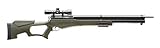
The umarex komplete air rifle tackles one of the biggest headaches surrounding PCP ownership: dealing with bulky filling equipment before the fun even starts. Its NitroAir cartridge system supplies the pressure source through a replaceable nitrogen cartridge, so there's no conventional compressor, hand pump, or separate charging tank involved in normal operation. That simpler setup matters when storage space is tight or dragging extra gear outside feels like more trouble than it's worth. Still, cartridges become an ongoing consumable, so convenience comes with a recurring supply cost rather than completely free air.
The shooting layout keeps things pleasantly straightforward, too. A side-lever action cycles the rifle without the long cocking movement associated with many traditional break-barrel designs, while the rotary magazine keeps repeated target sessions from turning into a load-one-pellet, shoot-one-pellet routine. The .177 version uses a 12-round magazine, while the .22 configuration uses a 10-round magazine, giving each caliber enough capacity for relaxed strings without constant reloading. Two magazines are supplied with current standard configurations, which is a small detail that becomes surprisingly handy once a session gets rolling.
Power isn't just dumped from the cartridge with every trigger pull. An internal regulated pressure system manages delivery, helping the rifle maintain a more consistent behavior through the useful portion of the cartridge. Umarex rates the .177 configuration at up to 1,025 fps with a 7-grain pellet and about 18 foot-pounds of muzzle energy, while the .22 version is rated at up to 975 fps with an 11.9-grain pellet and roughly 25 foot-pounds. Pellet weight changes real velocity, of course, so those figures make more sense as manufacturer reference points than promises for every tin sitting on the shelf.
Convenience extends to the furniture and accessory setup rather than stopping at the power source. A Picatinny optics rail provides a familiar mounting surface, and standard packages include a 4x32 scope with rings, reducing the number of pieces needed before basic target shooting can begin. M-LOK slots beneath the forearm leave room for compatible accessories without covering the rifle in unnecessary rails. Better yet, the relatively uncluttered arrangement keeps the Komplete approachable instead of making a simple afternoon of shooting feel like an equipment-management project.
The tradeoff is worth keeping in plain sight. NitroAir convenience makes the Komplete attractive precisely because it skips much of the traditional PCP support equipment, but dependence on compatible cartridges means keeping spares around matters more than it would with a refillable onboard reservoir and personal compressor. Availability and cartridge expense can therefore influence long-term ownership as much as velocity or magazine capacity. For someone tired of pumping, hoses, fittings, and charging routines, though, the umarex komplete air rifle offers a refreshingly tidy interpretation of PCP shooting without pretending that convenience has no strings attached.

- ARS Mark8.3
ARS Mark is a ranking system developed by bestairriflescopes.com. ARS Mark has no relationship or impact from any manufacturers or sales agent websites. Learn more
- BrandUmarex
- ARS Mark9.0
ARS Mark is a ranking system developed by bestairriflescopes.com. ARS Mark has no relationship or impact from any manufacturers or sales agent websites. Learn more
- BrandUmarex

- ARS Mark8.8
ARS Mark is a ranking system developed by bestairriflescopes.com. ARS Mark has no relationship or impact from any manufacturers or sales agent websites. Learn more
- BrandUmarex

- ARS Mark8.0
ARS Mark is a ranking system developed by bestairriflescopes.com. ARS Mark has no relationship or impact from any manufacturers or sales agent websites. Learn more
- BrandUmarex
- ARS Mark6.6
ARS Mark is a ranking system developed by bestairriflescopes.com. ARS Mark has no relationship or impact from any manufacturers or sales agent websites. Learn more
- BrandUmarex
Last update on 2026-08-14 / Affiliate links / Images, Product Titles, and Product Highlights from Amazon Product Advertising API
Umarex Fusion 2 Quiet .177 Air Rifle
Noise can turn a relaxed backyard target session into an awkward exercise in restraint, especially where every sharp report seems louder than expected. The umarex komplete air rifle may be the broader topic, but the Umarex Fusion 2 takes a very different route by pairing a .177-caliber platform with CO2 power and a dedicated sound-moderating muzzle system. That distinction matters because the Fusion 2 isn't trying to imitate a conventional spring-powered rifle or a full PCP setup. Its appeal sits squarely in quiet operation, simple repeat shots, and avoiding a demanding cocking cycle between pellets.
Umarex Fusion 2 Quiet .177 Air Rifle
The defining piece of the Fusion 2 is Umarex's redesigned SilencAir muzzle device. The idea is simple enough: reduce the sharpness of the muzzle report so target practice feels less disruptive, particularly during longer sessions. CO2 rifles already tend to avoid the mechanical slap associated with some spring-powered designs, and adding a dedicated moderator pushes the Fusion 2 further toward a subdued shooting character. Quiet doesn't mean completely noiseless, of course, since the pellet striking a backstop can still make plenty of racket depending on the material.
Accuracy also deserves more attention than the sound level because a quiet rifle isn't much fun if groups wander around the paper. The Fusion 2 is designed around .177-caliber pellets, a common format for paper targets and general plinking where a flatter trajectory and modest pellet cost can be useful. The product description emphasizes accurate performance, but realistic results still depend on pellet selection, shooting distance, weather, and how steadily the rifle is supported. That's worth saying plainly because claims about punching the center out of a target sound catchy, yet consistency comes from the whole setup rather than the rifle alone.
The Fusion 2 feels especially different from a break-barrel rifle during repeated strings because there's no need to swing a barrel through a long cocking stroke after every shot. That can make a session feel less stop-and-start, and it also reduces the physical routine that sometimes wears thin after dozens of pellets. CO2 power does bring its own personality, though, including sensitivity to temperature and declining pressure as cartridges cool during rapid fire. A calm cadence tends to suit the platform better than hammering through magazines as quickly as possible.
Quiet Shooting And SilencAir Design
Sound moderation is where this rifle earns most of its personality. The SilencAir system is integrated into the shooting experience rather than treated as an afterthought, giving the muzzle end a purpose beyond simply finishing the barrel. That can make target practice feel less intrusive in suitable locations, although local laws, safe backstops, and property boundaries still matter regardless of how mild the report seems. A quieter shot changes comfort, not the responsibility that comes with using an air rifle.
There is also a practical benefit that tends to get overlooked: reduced perceived noise can make it easier to concentrate on trigger control and sight picture. A loud mechanical cycle sometimes encourages flinching, especially during longer practice sessions, while a milder report tends to fade into the background more easily. The Fusion 2's low-noise character therefore complements its target-oriented design rather than existing only as a marketing feature. Still, the sound of a pellet hitting steel or a hard trap may easily become the loudest part of the entire shot cycle.
From a practical angle, a related reference is nitro piston air rifles, which use a completely different powerplant and shooting cycle. That contrast helps explain the Fusion 2's personality because CO2 favors smooth repeat shooting, while gas-piston rifles typically trade cartridge dependency for a self-contained cock-and-shoot arrangement. Neither system automatically wins every situation. The Fusion 2 makes more sense when quiet repetition and magazine-fed convenience matter more than independence from disposable gas.
CO2 Setup And Shot Capacity
Umarex gives the Fusion 2 some flexibility in how its gas supply is handled. The rifle can operate using two 12-gram CO2 cartridges, a familiar format that's easy to store and straightforward to replace. According to the supplied product specifications, shooters can expect more than 70 shots from a pair of those cartridges under suitable conditions. Actual yield can shift with temperature, firing pace, seal condition, and pellet choice, so treating that figure as a working estimate makes more sense than viewing it as a fixed guarantee.
The alternative is an 88-gram CO2 cylinder, which stretches the available shot count much further. The provided specifications cite upward of 250 shots from one 88-gram cylinder, making it the more sensible format for extended target sessions where swapping small cartridges repeatedly would get old fast. The tradeoff is bulk and commitment, since a large cylinder changes the balance of convenience and isn't as casual to replace after only a short afternoon of shooting. For brief practice, the paired 12-gram setup may feel tidier; for long strings, the larger tank can reduce interruptions.
CO2 also brings one limitation that can't be polished away with clever design. Temperature affects pressure, so performance can feel more consistent on a mild day than during cold-weather shooting. Rapid strings can cool the cartridges as gas expands, sometimes causing velocity to sag temporarily before pressure recovers. That characteristic isn't unique to the Fusion 2, but it matters when deciding whether this type of rifle fits a year-round routine. Shooters expecting identical behavior in chilly winter air and warm summer conditions may prefer a different power system.
Magazine Handling And Shooting Rhythm
The Fusion 2 uses 9-shot rotary magazines, and that capacity lands in a comfortable middle ground. Nine pellets are enough to keep a target session moving without making the magazine bulky or complicated, and the supplied description specifically calls out their easy-loading design. A straightforward magazine matters more than it sounds because fiddly pellet orientation can quickly become annoying once fingers are cold or several magazines are being filled at once. Here, the setup is meant to keep the mechanical routine short so more attention stays on shooting rather than loading.
Magazine-fed operation also gives the rifle a different rhythm from traditional single-shot pellet guns. Cycle, settle, shoot, repeat. That shorter sequence is handy during paper-target drills where maintaining the same cheek position and general stance between shots can support better consistency. The repeating action doesn't remove the need for careful trigger control, but it does reduce the number of large movements between pellets.
There is a flip side. Rotary magazines add another component that needs to stay clean, correctly loaded, and accounted for, while a simple single-shot breech has almost nothing to misplace. Spare magazines can make longer sessions easier, yet they also become another small accessory to keep organized in a range bag. The Fusion 2's easy-loading magazine system reduces that friction, but it doesn't erase the basic tradeoff between repeating convenience and mechanical simplicity.
Pros, Cons, And Practical Tradeoffs
The strongest point is easy to identify: quiet shooting is built into the rifle's character rather than added as a side benefit. The SilencAir muzzle device, CO2 power source, and repeat-shot layout work together to produce a calmer target-shooting experience with less physical effort between pellets. The ability to use either paired 12-gram cartridges or a larger 88-gram cylinder also gives the gas system useful flexibility. Add the 9-shot magazines, and the Fusion 2 feels designed around smooth, uninterrupted practice rather than raw mechanical drama.
The drawbacks mostly come from the same CO2 system that makes the rifle convenient. Consumable cartridges create an ongoing operating cost, colder weather can reduce consistency, and rapid firing can temporarily cool the gas supply. Long-term shooting therefore depends on keeping the right cylinders available rather than relying on a fully self-contained spring or gas piston. Those aren't minor details for someone who shoots frequently, even though they may feel insignificant during occasional recreational sessions.
Another strength is how little physical work is demanded between shots compared with many break-barrel rifles. That can make the Fusion 2 more comfortable during extended paper-target sessions, and the repeating magazine keeps the pace pleasantly steady. Still, .177 caliber, CO2 behavior, and the quiet-focused design position this rifle more naturally around recreational accuracy and controlled target use than around situations demanding a heavier projectile or maximum independence from external supplies. The best part isn't one oversized specification; it's how the sound moderation, magazine system, and flexible CO2 arrangement fit together without making the rifle unnecessarily complicated.
A realistic weakness is that convenience has a shelf-life measured partly in cartridges. Running out of CO2 ends the session immediately, and an 88-gram cylinder that's only partly used isn't quite as casually managed as dropping another pair of small cartridges into the rifle. The Fusion 2's operating economy will therefore depend heavily on how often it's fired and which cylinder format becomes the normal routine. Light recreational use can make the simplicity feel worthwhile, while very high-volume shooting may put more attention on gas cost and supply than expected.
Elite Force Umarex AirSaber PCP Arrow Rifle Combo
Dragging a compressor, fill gear, specialized arrows, and an optic into the equation changes the meaning of "simple" pretty quickly. The umarex komplete air rifle sits in a different corner of the air-powered market, while this AirSaber pushes the PCP idea toward full-length arrow propulsion rather than ordinary pellets. Its appeal comes from the combination of a bolt-action PCP system, an integrated pressure gauge, and a purpose-built arrow setup packaged with the optic already accounted for. That's a specialized formula, and buyers expecting an everyday pellet rifle should recognize that difference before anything else. :contentReference[oaicite:0]{index=0}
Elite Force Umarex AirSaber PCP Arrow Rifle Combo
The numbers immediately separate the AirSaber from normal small-caliber air rifles. Umarex lists the platform at up to 450 fps and approximately 169 foot-pounds of kinetic energy with its specified arrow configuration, figures that belong to an air-archery platform rather than a casual backyard plinker. The rifle uses a pre-charged pneumatic powerplant and an onboard high-pressure reservoir, so there's no spring to cock and no CO2 capsule to replace between sessions. That makes the firing cycle straightforward, but the rifle still needs a suitable high-pressure air source before the tank can be filled. :contentReference[oaicite:1]{index=1}
The integrated pressure gauge is a practical little detail because it keeps reservoir status visible without turning every range session into guesswork. Umarex describes the AirSaber as delivering around 25 effective shots per fill, which is enough capacity for a deliberate session without constantly returning to filling equipment. That number shouldn't be mistaken for endless full-power shooting, though, because PCP pressure inevitably drops as the reservoir is used. The real convenience is having a meaningful shot count packed into one fill rather than pretending compressed air lasts forever. :contentReference[oaicite:2]{index=2}
There is one substantial tradeoff right out of the gate: a PCP system needs infrastructure. A hand pump, compressor, or compatible high-pressure tank adds cost and storage requirements beyond the rifle itself, and filling to the AirSaber's specified pressure is more involved than snapping a break barrel shut. The PCP advantage is a smooth power cycle with no heavy spring movement, while the weakness is dependence on an external air supply. For occasional use, that setup burden can feel larger than expected; for repeated sessions, the 25-shot capacity helps make the preparation feel less fussy. :contentReference[oaicite:3]{index=3}
Arrow System And Included Equipment
Umarex doesn't treat ordinary archery shafts as interchangeable ammunition here. The AirSaber package includes three Straight Flight Technology arrows supplied with 100-grain field tips, and Umarex specifically warns that the AirSaber requires arrows engineered to withstand the pressure generated by the system. That's more than a compatibility footnote. Using purpose-built shafts keeps the setup aligned with the pressure levels the rifle was designed around, although it also means replacement ammunition is more specialized than walking into a store and grabbing a common tin of pellets. :contentReference[oaicite:4]{index=4}
The bundled Axeon 4x32 scope removes another piece of setup friction. Its custom Air Archery Ballistic Reticle is designed specifically around this type of air-powered arrow platform rather than being a random low-magnification optic tossed into the box. That makes the combo more coherent because the optic, rifle, and ammunition system were selected with the same basic use in mind. Still, a fixed 4x scope offers less magnification flexibility than a variable optic, so anyone accustomed to dialing magnification up and down will notice that limitation. :contentReference[oaicite:5]{index=5}
Separately, a reference related to conventional pellet ammunition is pellets for .22 air rifles, although that category uses entirely different ammunition from the AirSaber's specialized arrows. Mixing the two concepts would muddy the picture because air archery and pellet-rifle shooting solve different problems and rely on different projectiles. The AirSaber's arrow-over-barrel arrangement is central to its design, not an accessory mode bolted onto a normal pellet rifle. That specialization is a strength for its intended format and a weakness for anyone wanting one airgun to handle common pellets as well. :contentReference[oaicite:6]{index=6}
Stock, Handling, And Accessory Layout
At roughly 41 inches overall and about 6.85 pounds without the scope according to the supplied configuration, the AirSaber has enough physical presence to feel like a full-size shoulder-fired platform without becoming extraordinarily heavy on paper. The all-weather stock suits equipment that may see dust, humidity, or changing outdoor conditions better than delicate furniture would. A rubber recoil pad also gives the rear of the stock a more forgiving contact surface, even though a PCP arrow rifle doesn't behave like a hard-recoiling powder-burning firearm. Those choices lean toward practical handling rather than visual ornament. :contentReference[oaicite:7]{index=7}
The Picatinny mounting points are another sensible part of the layout. Umarex provides an integrated rail for optics plus additional mounting provisions for compatible accessories, keeping the rifle from locking the owner into one rigid configuration. That flexibility is useful, but piling hardware onto every available section can quickly turn a reasonably balanced platform into something front-heavy and awkward. Sometimes less really is more, especially on equipment that's already carrying an air reservoir, specialized barrel assembly, and optic. :contentReference[oaicite:8]{index=8}
Bolt operation keeps the mechanical routine familiar and easy to understand. There isn't a detachable multi-shot magazine feeding projectiles because the AirSaber is fundamentally a single-shot arrow platform, so each arrow has to be handled individually. That slows the shooting rhythm compared with magazine-fed pellet rifles, but rushing isn't exactly what this design is built around anyway. The slower cycle also highlights a broader difference from the umarex komplete air rifle: the Komplete emphasizes convenient repeating pellet fire, while the AirSaber is a specialized air-archery system with very different ammunition and handling priorities. :contentReference[oaicite:9]{index=9}
Pros That Matter In Daily Ownership
The first real strength is shot capacity per fill. Twenty-five effective shots gives the reservoir enough endurance that filling equipment doesn't need to stay beside the firing line every few minutes. A visible pressure gauge helps track what remains, while PCP operation avoids the repeated heavy cocking cycle associated with powerful spring-driven platforms. Put together, those details create a deliberate, low-interruption shooting routine once the rifle has been properly filled. :contentReference[oaicite:10]{index=10}
The second strength is how complete the combo feels out of the box. Three compatible carbon-fiber arrows, field tips, the Axeon 4x32 optic, an all-weather stock, and mounting rails cover several pieces that would otherwise have to be sourced separately. That's not merely about getting more stuff in the carton. Matching critical components reduces compatibility headaches, particularly on a specialized platform where ordinary bow arrows aren't appropriate substitutes for the pressure-rated AirSaber shafts. :contentReference[oaicite:11]{index=11}
Power is the third obvious differentiator. The manufacturer specification of up to 450 fps and 169 fpe puts the AirSaber far beyond the energy range associated with lightweight recreational pellet shooting. That performance also means ownership calls for a suitable shooting environment, secure backstop arrangements, and attention to applicable local rules rather than casual assumptions based on the word "airgun." The power figure is impressive on a specification sheet, but responsible storage and controlled use matter more than chasing headline velocity. :contentReference[oaicite:12]{index=12}
Cons And Ownership Tradeoffs
The biggest weakness is specialization. Ordinary pellets won't work, ordinary archery arrows aren't appropriate, and Umarex explicitly states that AirSaber-specific arrows are required because they are engineered for the platform's high-pressure operation. That limits ammunition flexibility and makes keeping compatible shafts on hand more important than it would be with a common .177 or .22 pellet rifle. Specialized equipment can be satisfying to use, but it rarely wins on convenience once replacement supplies enter the picture. :contentReference[oaicite:13]{index=13}
PCP filling is the second hurdle. The reservoir operates at very high pressure, so the external filling equipment isn't optional background gear; it's part of the ownership equation. A compressor generally costs more than a simple manual solution, while manual pumping can demand considerable effort at higher pressures. That makes the AirSaber less self-contained than spring-piston equipment even though the actual firing cycle feels cleaner and easier once everything is charged. :contentReference[oaicite:14]{index=14}
The bundled 4x optic deserves a small caveat as well. A fixed-magnification scope keeps operation straightforward and the custom reticle matches the platform, but fixed power naturally offers fewer viewing options than variable magnification. Some will appreciate that simplicity; others may eventually prefer a different sighting arrangement within the mounting system's compatibility limits. The supplied optic is therefore a practical starting component rather than proof that every preference has already been covered. :contentReference[oaicite:15]{index=15}
Finally, the AirSaber occupies a very different niche from a conventional pellet rifle, despite sharing PCP technology with products under the umarex komplete air rifle umbrella. Its full-length arrows, single-shot action, substantial energy, specialized ammunition, and external filling requirements create a platform that rewards deliberate preparation more than spontaneous plinking. The strength is a tightly integrated air-archery system with meaningful shot capacity and useful included equipment. The weakness is that almost every benefit depends on accepting specialized arrows, high-pressure filling gear, and a more involved ownership routine. :contentReference[oaicite:16]{index=16}
Umarex Komplete NCR .22 PCP Air Rifle
Compressed-air gear can make a quick shooting session feel like a small engineering project before the first pellet ever leaves the barrel. The umarex komplete air rifle tackles that frustration from an unusual angle, replacing the typical refill routine with a disposable high-pressure nitrogen cartridge that slips into a much simpler ownership pattern. The Komplete NCR still delivers the regulated behavior people expect from a PCP platform, but it skips the compressor, large air tank, and tiring hand-pump routine. That cartridge-powered PCP design is the real story here, and it changes both the strengths and the compromises of the rifle.
Umarex Komplete NCR .22 PCP Air Rifle
The Komplete NCR runs on a NitroAir N2 cartridge filled with nitrogen at 3,600 psi, rather than relying on a conventional refillable onboard reservoir. A patent-pending piercing mechanism accesses that pressure, while the internal regulator releases nitrogen at a controlled 1,800 psi. That setup is designed to produce a steady shot cycle without requiring the shooter to monitor and refill a traditional PCP tank between outings. The supplied specifications state that one cartridge can provide 45 shots or more, which gives the rifle enough endurance for a meaningful session before another cartridge is needed.
That convenience has a very clear practical benefit. There is no need to buy an expensive airgun compressor, store a bulky scuba-style tank, or spend several minutes leaning over a high-pressure hand pump. For someone who enjoys PCP behavior but dislikes the support equipment that normally comes with it, the N2 cartridge system removes a surprisingly large amount of friction. The catch is just as obvious: each cartridge is single-use, so convenience gets traded for an ongoing consumable cost.
The rifle doesn't include the NitroAir cartridge, according to the supplied product details, and that deserves attention before the first range trip. The compatible cartridge is identified as part number 2211382, which means the rifle's defining power source has to be obtained separately. That's not a deal-breaking weakness, but it does make the box less self-contained than the included scope and magazines might suggest. Running out of cartridges also ends the session immediately, something a refillable PCP owner with a compressor can usually avoid at home.
Regulated Pressure Keeps The Shot Cycle Predictable
Consistency matters more than a flashy pressure number once pellets start landing on paper. The Komplete uses an internal pressure regulator that meters nitrogen at 1,800 psi, helping the rifle release a controlled amount of gas for each shot. That regulated approach is meant to keep performance steadier across the useful life of the cartridge instead of allowing pressure behavior to swing wildly from one shot to the next. In practical terms, a predictable power cycle makes sighting and pellet placement easier to manage.
Nitrogen brings another useful characteristic to the system. According to the information provided, it performs in both hot and cold conditions and leaves no residue behind inside the rifle. That clean-running gas reduces one maintenance concern and avoids the messier side of some alternative gas systems. It doesn't mean the rifle becomes maintenance-free, of course, because magazines, seals, optics, and the barrel still deserve normal care.
The regulator also separates the Komplete from simpler cartridge-powered airguns that merely release gas without sophisticated pressure management. Here, the pressure source and regulation system work together, giving the rifle more of the controlled feel associated with a PCP. The difference is that the owner doesn't have to become the filling technician every time reservoir pressure gets low. That's a clever compromise for someone who wants regulated pneumatic performance without building a small filling station in the garage.
.22 Caliber Output Has Real Purpose
The supplied specifications put this .22-caliber rifle at 975 FPS with an 11.9-grain pellet, producing approximately 25 foot-pounds of energy. Those figures give the Komplete considerably more authority than a lightweight recreational plinker and explain why Umarex positions it for small-game applications as well as target shooting. Pellet weight still matters, though, and changing ammunition will naturally change velocity and energy. The listed figures are useful reference points, not a promise that every pellet will leave the muzzle at exactly the same speed.
The 25 foot-pounds of energy also makes shot placement and backstop selection more serious considerations. This isn't a low-powered rifle that should be treated casually just because it runs on nitrogen rather than gunpowder. A secure shooting area, dependable pellet trap, and awareness of local regulations remain essential parts of the setup. The quieter report can make the rifle feel tame, but its .22-caliber output deserves respect.
Pellet choice will influence how well the rifle's regulated power translates into accuracy. An 11.9-grain projectile is the reference used in the supplied specification, yet different shapes and weights can behave differently in the barrel. The regulated N2 system creates a stable foundation, while ammunition compatibility still decides how tidy the groups become. That's a more realistic way to view accuracy than assuming a single advertised velocity tells the whole story.
Ten-Round Magazines Keep The Pace Moving
The Komplete arrives with two removable 10-round magazines, giving it a useful advantage over single-shot air rifles during repeated target strings. Ten pellets per magazine is enough to keep the shooting rhythm moving without creating an oversized magazine hanging awkwardly from the action. Having a second magazine in the package is especially handy because both can be loaded before a session begins. That cuts down on interruptions once the rifle is shouldered and zeroed.
The repeating setup also changes the feel of practice. Instead of reaching for a pellet after every shot, the magazine allows the shooter to focus more closely on breathing, trigger control, and sight alignment. That reduced loading interruption can make a bench session feel less fragmented and more deliberate. Still, magazines introduce small parts that can be misplaced or damaged, so a little organization goes a long way.
A spare-magazine path is already accounted for in the supplied information, with part number 2251559 identified for additional magazines. That matters more for high-volume shooting than occasional use, but it shows that the platform isn't locked to the two magazines supplied in the package. Extra magazines won't improve the rifle's mechanical accuracy, yet they can make extended sessions smoother. The tradeoff is simply more accessories to keep loaded, clean, and accounted for.
Included Scope And Accessory Mounting
A 4x32 scope with rings comes with the rifle and is ready to mount on the Picatinny rail. Fixed 4x magnification keeps the setup straightforward, especially for moderate-distance target work where constantly adjusting magnification isn't necessary. It also saves the immediate hassle of matching a basic optic and rings to the rifle. The limitation is flexibility, since a fixed-power scope can't adapt its magnification as shooting distances change.
The front end adds M-LOK slots, opening room for a compatible accessory rail, bipod, or other aftermarket hardware. That modular layout is practical because accessories can be added where they actually serve a purpose rather than covering the rifle with permanent rails. A bipod, for instance, can make bench or supported shooting steadier without permanently changing the rifle's basic handling. Too much hardware can still add bulk quickly, so restraint makes more sense than filling every available slot.
From a broader equipment angle, a neutral reference is ILF bow setup and terminology, although that subject belongs to traditional archery rather than PCP air-rifle hardware. Both involve careful equipment matching, but the underlying systems couldn't be more different. The Komplete relies on regulated nitrogen pressure, detachable pellet magazines, and optic mounting, while an ILF bow centers on limbs, risers, tiller, and mechanical fit. Keeping those categories separate avoids muddy comparisons between two very different projectile platforms.
SilencAir Technology Cuts Down The Report
Noise can become a bigger nuisance than recoil during casual practice, especially where a sharp muzzle report echoes off fences, sheds, or nearby structures. The Komplete includes integral Umarex SilencAir Technology, designed to reduce the rifle's sound level without requiring an external muzzle accessory. That feature fits the rest of the platform nicely because the regulated nitrogen system already produces a smooth pneumatic firing cycle. The result is a rifle built around controlled operation rather than mechanical drama.
Reduced muzzle noise can also make longer sessions easier on concentration. A calmer report leaves less distraction between shots, helping attention stay on the reticle and trigger press rather than anticipating a loud crack. The quiet shooting profile is especially useful where discretion matters, although the impact of a pellet against a hard backstop can still be louder than expected. SilencAir reduces one part of the noise equation; it doesn't make the entire shooting environment silent.
That distinction matters because quiet doesn't mean harmless. The rifle still develops the stated 25 foot-pounds of energy, and sound reduction doesn't change safe-distance requirements or the need for a proper backstop. The subdued report is a comfort and field-use benefit, not permission to treat the Komplete like a toy. That's an important practical line, particularly with a rifle whose low-noise character can mask how much energy is traveling downrange.
Strengths That Make Ownership Easier
The biggest strength is the way the Komplete removes expensive filling equipment from the normal routine. A disposable nitrogen cartridge, internal regulator, and built-in piercing system handle the pressure side without external hoses or pumps. That means less storage space, less setup time, and fewer connections to manage before shooting. For anyone annoyed by traditional PCP infrastructure, that's a genuine quality-of-life improvement.
The package is also sensibly equipped beyond the power source. Two magazines, a 4x32 scope, mounting rings, a Picatinny rail, and M-LOK slots cover the basic shooting and accessory needs without immediately demanding a pile of extras. These aren't flashy additions, but they're the sort of details that make a rifle easier to put into regular use. The overall layout feels purposeful rather than stuffed with features just for the sake of a longer specification sheet.
Nitrogen's stated ability to function in hot and cold conditions adds another practical advantage. Temperature stability matters because gas behavior can become a headache with some cartridge-powered platforms, particularly once the weather shifts. The residue-free nature of nitrogen also supports a cleaner internal environment. Together, those characteristics make the power source feel like more than a convenience trick.
Weaknesses Worth Thinking Through
The main weakness is dependence on proprietary disposable cartridges. Traditional PCP equipment costs more upfront, but a compressor or large tank can support repeated fills for a long time. The Komplete lowers the equipment barrier while creating a recurring consumable requirement instead. Frequent shooting could make cartridge supply more noticeable than it initially appears.
The cartridge not being included adds a small but meaningful inconvenience. The rifle arrives with magazines and optics, yet the component that actually powers it has to be sourced separately. That creates an odd first-use situation where the package looks nearly complete but still can't fire without the NitroAir cartridge. Planning around cartridge availability becomes part of ownership from day one.
The included optic creates another modest tradeoff. A fixed 4x32 scope is simple, compact, and immediately useful, but it offers less adaptability than variable magnification. Some shooting distances may feel perfectly matched to 4x, while others could make more or less magnification desirable. The Picatinny rail at least leaves the door open for a different optic later without changing the rest of the rifle.
Finally, the umarex komplete air rifle solves the PCP filling problem by replacing it with a cartridge-management problem. That's not automatically better or worse; it's simply a different ownership equation. Less equipment, less pumping, and fewer pressure connections come at the cost of keeping disposable N2 cartridges on hand. For shooters who value uncomplicated setup more than refill independence, that tradeoff is exactly what makes the Komplete NCR stand apart.
Umarex Komplete NCR .177 PCP Air Rifle
Owning a PCP rifle can become surprisingly complicated once compressors, fill tanks, hoses, and hand pumps start crowding the shooting routine. The umarex komplete air rifle takes a noticeably different path, using a disposable NitroAir nitrogen cartridge instead of asking the shooter to refill a conventional onboard reservoir. That change trims away much of the preparation that can make PCP ownership feel like work before the fun even starts. The tradeoff is straightforward: less filling equipment at home means keeping replacement nitrogen cartridges ready.
Umarex Komplete NCR .177 PCP Air Rifle
The defining feature is the 3,600 psi NitroAir cartridge, a single-use N2 pressure source that fits directly into the Komplete NCR system. A patent-pending piercing mechanism accesses the nitrogen, removing the need to attach an external fill hose every time pressure runs low. The rifle then regulates that stored gas rather than sending full cartridge pressure straight through the firing system. This approach gives the Komplete NCR a much cleaner ownership routine than the usual compressor-and-reservoir arrangement.
Inside the rifle, the regulator releases nitrogen at 1,800 psi in a predetermined volume for each shot. According to the supplied specifications, that controlled pressure delivery provides 45 shots or more per cartridge. With a repeating magazine system onboard, that capacity is enough for several shooting strings before the pressure source needs attention. The benefit isn't endless air; it's getting a useful number of regulated shots without pumping or carrying a large tank.
One detail deserves attention before the first shooting session: the NitroAir cartridge isn't included. The compatible pressure source is identified as part number 2211382, so pellets alone won't make the rifle ready to fire straight from the box. That's the first meaningful weakness of the system because its easiest feature depends on a separate consumable. Run out of cartridges, and the rifle stays quiet until another one is available.
Nitrogen Makes PCP Filling Far Less Fussy
Traditional PCP charging tends to force a choice between money, storage space, and physical effort. A compressor can be costly, a large air tank takes up room, and a hand pump can turn a simple refill into a workout. The Komplete avoids those headaches by putting the stored pressure inside a factory-filled N2 cartridge. For day-to-day ownership, that simplified pressure system is arguably more important than the headline velocity figure.
Nitrogen also fits the low-maintenance idea rather well. The supplied product information states that the gas performs in both hot and cold conditions and leaves no residue behind. That means the propellant itself isn't adding material that later needs cleaning from the pressure system. Normal rifle care still applies, naturally, but residue-free operation removes one source of unnecessary mess.
There is a catch, and heavy shooting makes it easier to notice. A standard refillable PCP may demand more equipment upfront, yet the owner can keep using that equipment for future fills. The Komplete shifts the burden toward replacement cartridges, so convenience comes with an ongoing consumable requirement. Occasional sessions may make that bargain feel easy; frequent shooting can make cartridge supply a much bigger part of the ownership equation.
.177 Caliber Brings Speed With Useful Energy
The supplied specifications pair a 7.0-grain .177 pellet with a listed velocity of up to 1,025 FPS. At that combination, the rifle is stated to generate approximately 18 foot-pounds of energy. That puts the Komplete well beyond the territory of a mild recreational plinker while keeping the smaller .177 projectile format. Different pellet weights will naturally produce different velocities, so the quoted speed belongs specifically to the stated 7.0-grain reference.
The 18 foot-pounds of energy matter because a quiet rifle can sometimes feel less powerful than it really is. SilencAir may reduce the report, but the projectile still carries meaningful energy downrange and demands a suitable backstop. The smaller caliber can also support a relatively flat trajectory with lighter pellets, which is useful for deliberate target work. Still, pellet weight, shape, and barrel fit remain part of the accuracy equation.
The regulator helps by controlling one of the variables shooters normally have to think about. Delivering nitrogen at 1,800 psi is intended to keep the power cycle steadier across the useful portion of the cartridge. That doesn't mean every pellet will group the same way, nor does it replace good trigger control. What it does offer is a more predictable pressure foundation for the ammunition and rifle to work from.
Twelve-Round Magazines Keep The Pace Moving
The .177 version comes with two removable 12-round magazines, giving the rifle 24 loaded pellets before either magazine needs to be filled again. That capacity works nicely with the stated 45-plus shots from one NitroAir cartridge. Several full magazine cycles fit within a single pressure source, reducing the amount of stop-and-start handling during practice. The result is a smoother shooting rhythm than a single-shot loading tray can provide.
Less pellet handling between shots can help keep attention where it belongs. Trigger control, sight alignment, and breathing are easier to maintain when the rifle doesn't have to be repositioned constantly for manual loading. The 12-shot repeating system doesn't create accuracy on its own, but it removes one small interruption that can break concentration. That's particularly noticeable during paper-target sessions where consistency matters more than speed.
Umarex identifies spare magazine part number 2251557 for this configuration. Extra magazines could reduce loading pauses further, although every additional magazine becomes another small piece to store, clean, and keep track of. The strength is obvious convenience during longer shooting strings. The weakness is slightly more gear management than a bare-bones single-shot rifle requires.
Scope And Mounting Options Stay Straightforward
A 4x32 scope with rings is included and ready to mount on the Picatinny rail. Fixed 4x magnification keeps the sighting setup uncomplicated, which fits a rifle designed to remove extra steps from the shooting routine. There is no zoom ring to manage, and a basic optic doesn't have to be purchased separately before the rifle can be set up. The limitation is that fixed magnification can't adapt to every shooting distance.
The Picatinny interface softens that limitation because the included optic isn't permanently tied to the rifle. Another compatible sight can be mounted later without changing the basic platform. That familiar optic mounting system is useful because the pressure source is already specialized enough. Keeping the rest of the hardware conventional prevents the rifle from feeling proprietary from muzzle to buttstock.
The fore-end adds M-LOK slots for a compatible accessory rail, bipod, or other aftermarket equipment. That gives the rifle room to adapt for supported shooting without covering the stock in permanent rail sections. A bipod can make bench use steadier, while excessive hardware can just as easily add clutter and weight. The real benefit is having mounting flexibility without being forced to use it.
SilencAir Reduces The Muzzle Report
Noise gets tiring quickly during repeated shooting, particularly around buildings or hard surfaces that bounce sound back toward the firing position. The Komplete includes integral Umarex SilencAir Technology to reduce the muzzle report as part of the rifle rather than as a separate accessory. That feature matches the regulated nitrogen system nicely because both are aimed at creating a smoother, calmer firing cycle. The quieter character can make longer strings less distracting.
SilencAir doesn't make every part of the shot silent. A pellet striking steel, wood, or another hard backstop can still make plenty of noise even if the rifle itself sounds subdued. The reduced-noise design mainly addresses the report at the muzzle. Keeping that distinction clear avoids expecting a silent shooting environment from a rifle that is simply designed to operate at much lower noise levels.
The sound reduction also doesn't change the rifle's stated 1,025 FPS performance with the specified 7.0-grain pellet. Quiet operation can make an air rifle seem tame, but the listed 18 foot-pounds of energy tells a more serious story. A secure backstop and controlled shooting location remain essential. The benefit is less noise, not less responsibility.
Field Use Benefits From Lower Gear Dependence
Leaving a compressor or bulky charging tank behind can make field preparation noticeably simpler. One installed NitroAir cartridge provides the stated 45 shots or more, which covers several magazine cycles before another pressure source is required. That keeps the amount of support equipment relatively modest compared with a conventional PCP setup. Spare cartridges still need room, but they don't bring the same bulk as a large high-pressure tank.
The combination of .177 caliber, regulated pressure, 18 foot-pounds of stated energy, and reduced firing noise gives the rifle a practical field-oriented character. A related reference within that broader topic is air rifles for vermin control, where energy, noise, caliber, and handling all matter together. Those factors don't replace local regulations, appropriate use, or careful shot placement. They simply show why the Komplete's feature mix extends beyond casual paper punching.
Nitrogen's stated ability to operate in hot and cold conditions also supports that outdoor focus. Temperature swings can complicate some gas-powered shooting systems, so temperature-tolerant N2 operation is a useful characteristic rather than a throwaway specification. The residue-free gas adds another practical layer when equipment spends time away from a clean indoor bench. Still, environmental conditions can affect pellets, optics, and the shooter even if the pressure source remains stable.
The Biggest Strengths Are Easy To Feel
The primary strength is the disappearance of traditional PCP filling gear from the normal routine. No dedicated airgun compressor, large external tank, or strenuous hand pump is required to supply pressure. That saves storage space and cuts down the number of steps between taking the rifle out and getting it ready. For anyone who likes pneumatic performance but hates the supporting hardware, the NitroAir concept addresses a very specific frustration.
The regulator is another important strength because convenience would mean much less if gas delivery were crude. The rifle takes nitrogen stored at 3,600 psi and meters it at a controlled 1,800 psi. According to the supplied specifications, that arrangement supports at least 45 consistent shots from a cartridge. The regulated pressure system gives the cartridge idea some technical substance rather than making it little more than an easy filling shortcut.
The package also covers several useful basics. Two 12-round magazines, a 4x32 scope, mounting rings, Picatinny compatibility, and M-LOK slots mean the rifle arrives with much of its shooting setup already accounted for. None of those pieces is needlessly complicated. The specialized engineering stays concentrated in the nitrogen system while the rest of the rifle remains familiar and practical.
The Weaknesses Come With The Cartridge Model
The biggest weakness is permanent dependence on single-use NitroAir cartridges. A refillable PCP owner can keep charging the same onboard reservoir once a suitable air source is available. The Komplete instead requires another compatible cartridge after the previous one is depleted. That makes ongoing cartridge availability more important as shooting volume rises.
The cartridge not being supplied in the package makes that dependency obvious immediately. The rifle may include magazines, rings, and a scope, but it still needs the separate 2211382 NitroAir cartridge before it can operate. That's a practical inconvenience rather than a flaw in the firing system itself. Still, forgetting that single component can turn an otherwise prepared shooting session into a wasted trip.
The included optic brings a smaller compromise. A fixed 4x32 scope keeps aiming simple but offers none of the magnification flexibility of a variable optic. That may be perfectly acceptable for consistent shooting distances and less appealing where targets vary considerably in range. The Picatinny rail prevents the limitation from becoming permanent, so the scope tradeoff is manageable rather than restrictive.
The Pressure System Is What Makes It Different
The central difference between the Komplete and a traditional PCP lies in how stored pressure enters the shooting cycle. A disposable cartridge holds nitrogen at 3,600 psi, the piercing mechanism accesses it, and the regulator delivers a predetermined amount at 1,800 psi. Most of the high-pressure handling stays inside the platform rather than becoming part of the shooter's preparation. That's the idea that gives the rifle its identity.
A conventional refillable PCP favors long-term independence once the owner has invested in filling equipment. The umarex komplete air rifle favors a smaller equipment footprint and easier preparation while accepting recurring cartridges as the price. Neither system eliminates cost or effort; each simply places them somewhere different. The Komplete puts less work before each shooting session and more emphasis on keeping its pressure cartridges stocked.
The .177 configuration ties that approach to 12-round magazines, a stated 1,025 FPS with a 7.0-grain pellet, approximately 18 foot-pounds of energy, integrated SilencAir technology, and 45 shots or more from each NitroAir cartridge. Those features reinforce the same practical theme: reduced setup fuss without giving up regulated pneumatic operation. The unavoidable compromise remains equally clear. Every convenient cartridge eventually reaches the end of its useful pressure supply and needs to be replaced.
Umarex Komplete NCR .177 Canada
Bulky fill gear can take the shine off PCP shooting before the first magazine is even loaded. A compressor demands money and storage space, a large tank adds another thing to haul around, and a hand pump can turn a relaxed session into unwanted exercise. The umarex komplete air rifle takes a very different route with a disposable NitroAir nitrogen cartridge, keeping the pressure source compact while avoiding the usual refill routine. This Canadian .177 configuration adds another important distinction with its stated 490 FPS velocity, giving it a noticeably different personality from faster versions of the same platform.
Umarex Komplete NCR .177 Canada
The Komplete NCR is built around a single-use N2 cartridge charged to 3,600 psi. Instead of connecting the rifle to an external compressor or tank, the NitroAir cartridge becomes the stored pressure source and works with a patent-pending piercing mechanism inside the rifle. That keeps the preparation process refreshingly straightforward because there's no fill hose to attach and no reservoir to manually top off. The cartridge itself isn't included, though, and the supplied part number is 2211382.
High cartridge pressure isn't simply dumped into the firing system. An internal pressure regulator releases a predetermined volume of nitrogen at 1,800 psi, which is intended to maintain steady behavior as the cartridge is used. Umarex states that the setup provides 45 shots or more per cartridge, giving the rifle enough capacity for several magazine cycles before another pressure source is needed. That's a useful middle ground between convenience and shot count without dragging a traditional PCP filling station along for the ride.
The tradeoff is baked right into the design. A reusable PCP reservoir can be filled over and over once the owner has suitable equipment, while the Komplete replaces that equipment with a recurring NitroAir cartridge requirement. Light shooting can make the cartridge model feel wonderfully simple, but frequent sessions will make supply and replacement cost harder to ignore. The strength is less setup hassle; the weakness is permanent dependence on a consumable pressure source.
The 490 FPS Setup Changes The Shooting Character
This Canadian model is specified to send .177 pellets downrange at 490 FPS. The provided information doesn't give a pellet weight or corresponding foot-pound figure, so there's no reason to invent one. That matters because velocity alone can't tell the whole performance story without knowing projectile mass. What is clear is that the 490 FPS limit gives this version a different operating profile from higher-speed Komplete variants.
The lower listed velocity doesn't make ammunition selection irrelevant. Pellet shape, weight, skirt fit, and barrel compatibility can still influence trajectory and grouping even with a regulated pressure source. The 1,800 psi regulator helps provide controlled gas delivery, but it can't make every .177 pellet behave exactly alike. That leaves room for practical ammunition matching rather than assuming any pellet in the caliber will produce identical results.
This configuration makes more sense when judged on consistency and ease of use rather than raw speed. The rifle keeps the same nitrogen-powered concept, magazine-fed action, and sound-reducing system while operating at the specified Canadian velocity. The difference isn't cosmetic; it's a real performance distinction that should stay separate from figures quoted for other Komplete models. Mixing specifications across versions would only create unrealistic expectations.
Nitrogen Removes Much Of The PCP Filling Hassle
The biggest everyday benefit is what stays out of the equipment pile. No expensive airgun compressor is required, no oversized fill tank needs a corner of the garage, and no hand pump has to be worked between shooting sessions. The N2 cartridge system packages the high-pressure gas into one replaceable component. That's a meaningful simplification for anyone who likes PCP-style operation but has little patience for the gear that usually comes with it.
Nitrogen also supports the low-maintenance theme. According to the supplied details, it functions in both hot and cold conditions and leaves no residue behind. That means the gas itself isn't contributing deposits that later need to be cleaned from the internal pressure system. The rifle still deserves ordinary care, of course, but residue-free operation removes one potential source of maintenance.
There is no free lunch, though. A compressor may be expensive upfront, yet once purchased it can support countless future fills. The Komplete shifts that burden from equipment ownership toward single-use cartridge replacement. That trade can make perfect sense for occasional shooting and feel less appealing for very high-volume use.
Twelve-Round Magazines Keep Loading Interruptions Down
The rifle comes with two removable 12-round magazines, giving 24 pellets of loaded capacity before either magazine needs to be filled again. That works neatly with the stated 45-plus-shot output from one NitroAir cartridge. Several full magazine cycles can pass before the pressure source needs attention. The benefit isn't speed for its own sake; it's maintaining a smoother shooting rhythm without reaching for a loose pellet after every shot.
Less handling between shots also helps preserve a consistent position behind the rifle. Cheek placement, trigger control, and sight alignment are easier to maintain when loading doesn't require repeated interruptions. The 12-shot magazine system won't magically tighten groups, but it removes one recurring movement that can disrupt careful shooting. That's the sort of feature that becomes more valuable after a few magazines than it looks on a product page.
The supplied spare magazine part number is 2251557. Additional magazines could extend the time between loading breaks, although they also mean more small parts to organize and keep clean. The strength is convenience during longer sessions, while the weakness is slightly more gear management than a basic single-shot arrangement. Two magazines in the package strike a sensible balance without making extra purchases mandatory.
The Scope And Mounting System Stay Simple
A 4x32 scope with rings comes with the rifle and is ready to mount on the Picatinny rail. Fixed 4x magnification keeps the sighting setup simple, with no zoom adjustment to fiddle with during ordinary target sessions. It also saves the hassle of sourcing basic rings and an optic immediately after buying the rifle. That fits the Komplete's broader theme of reducing setup chores wherever possible.
The limitation is equally straightforward. A fixed-power scope can't adapt its magnification to dramatically different shooting distances. Some setups won't need that flexibility at all, while others may eventually benefit from another compatible optic. The Picatinny rail keeps that option open without requiring permanent modification to the rifle.
M-LOK slots underneath the front end add room for a bipod, accessory rail, or compatible attachment. That modular arrangement is useful because hardware can be added only where it serves a real purpose. A bipod may help support a steady bench position, while unnecessary accessories can pile on weight and clutter in a hurry. The smart part is having mounting flexibility without forcing rails onto every surface.
SilencAir Makes The Report Less Distracting
Repeated firing noise can become irritating faster than expected, especially around structures that reflect sound. Integral Umarex SilencAir Technology is designed to reduce the report at the muzzle and give the rifle a more subdued shooting signature. That feature complements the regulated nitrogen system nicely because both are aimed at a controlled, low-fuss shooting experience. A quieter cycle can also make concentration easier during longer strings.
Reduced muzzle noise doesn't mean the entire session becomes silent. Pellet impact against steel, dense wood, or another hard backstop can still make plenty of racket. The SilencAir system addresses the rifle's report, not every sound created after the pellet leaves the barrel. Keeping that distinction clear prevents unrealistic expectations.
The quiet character also doesn't erase normal safety considerations. This model is still specified at 490 FPS, and a proper backstop plus controlled shooting direction remain essential. Lower noise can make a rifle feel deceptively mild from behind the stock. The benefit is discretion and comfort, not permission to treat the projectile casually.
Field Use Benefits From A Smaller Gear Load
Leaving the compressor and bulky tank at home changes the logistics of carrying a PCP-style rifle. One NitroAir cartridge is stated to provide 45 shots or more, so the rifle can cover several magazine cycles without an external air source beside it. Spare cartridges are still necessary for extended use, but they're much easier to manage than a full-size pressure tank. That lighter support load is one of the system's strongest practical advantages.
The .177 caliber, reduced-noise design, and regulated gas system create a very different profile from large-bore airguns. From a neutral equipment perspective, 50 caliber air rifles sit at the opposite end of that spectrum, relying on much larger projectiles and very different performance priorities. The Canadian Komplete centers instead on compact ammunition, 490 FPS operation, and easier pressure management. Treating those categories as direct equivalents would miss the point of both.
Nitrogen's stated hot-and-cold operating capability also fits outdoor use nicely. The gas is described as functioning across temperature changes without leaving residue behind, which supports the low-maintenance pressure system. Weather can still affect the shooter, optics, and pellet behavior, so nitrogen doesn't make environmental conditions irrelevant. It simply removes one more variable from the gas supply itself.
The Strongest Feature Is Simpler PCP Ownership
The clearest strength is avoiding traditional filling hardware. A compressor, large tank, and strenuous hand pump all disappear from the normal preparation routine because the NitroAir cartridge arrives already charged. That saves space and reduces the number of steps needed before shooting. For a PCP-style platform, that's a substantial change in day-to-day convenience.
The internal regulator keeps that convenience from feeling crude. It takes nitrogen stored at 3,600 psi and releases it at a controlled 1,800 psi, supporting the stated 45 shots or more per cartridge. The pressure source and regulator are designed to work as a pair rather than as separate talking points. That combination is what gives the cartridge system practical substance.
The included equipment reinforces the same theme. Two 12-round magazines, a 4x32 scope, mounting rings, a Picatinny rail, and M-LOK slots cover many of the pieces needed for a functional setup. Nothing there is unnecessarily exotic. The specialized engineering stays focused on the nitrogen system, while the rest of the rifle remains familiar.
The Main Weakness Is Cartridge Dependence
The biggest weakness is also obvious: every pressure cartridge is disposable. Once the NitroAir unit reaches the end of its useful supply, another one has to replace it. A conventional PCP reservoir can be filled again and again from suitable equipment, while this system stays dependent on a specific consumable. Frequent shooting will make that distinction increasingly important.
The cartridge not being included makes the dependency noticeable from the very beginning. Even with magazines, rings, and a scope in the package, the rifle still needs the separate 2211382 NitroAir cartridge before it can operate. Forgetting that component means the rest of the equipment sits unused. Spare cartridges therefore become part of routine planning rather than an occasional accessory.
The fixed 4x optic is a smaller limitation, but at least the Picatinny rail leaves room for another scope later. Likewise, M-LOK offers useful accessory flexibility without solving every handling preference. Those issues are minor beside the pressure-source question. The real ownership decision is whether avoiding pumps and compressors is worth staying tied to disposable nitrogen cartridges.
The Canadian Version Has Its Own Identity
This umarex komplete air rifle shouldn't be treated as a faster model with a different label. Its stated 490 FPS specification gives the Canadian version a distinct performance profile while preserving the same nitrogen-cartridge architecture. The regulator, magazines, scope, SilencAir system, and mounting interfaces remain part of the package. Velocity is the major distinction that keeps this version in its own lane.
The pressure concept remains the real attraction. A 3,600 psi cartridge stores the nitrogen, the piercing mechanism accesses it, and the regulator meters gas at 1,800 psi without requiring a separate filling station. That keeps the shooting routine compact and removes much of the clutter normally associated with PCP ownership. For anyone short on storage space or patience, that difference can matter more than an impressive velocity number.
The tradeoff never disappears, though. Every cartridge eventually reaches the end of its stated 45-shot-or-more cycle and has to be replaced, while the rifle remains dependent on the NitroAir ecosystem for future pressure. The Canadian model preserves the same basic bargain as the rest of the Komplete platform: less filling equipment and less physical effort in exchange for recurring cartridge use.


12 Best 22 Pcp Air Rifle For Hunting of 2026 With Quiet Power

7 Best 22 Pcp Air Rifle Under 300 of 2026 For Backyard Pest Control

10 Best 22 Break Barrel Air Rifles of 2026 For Backyard Pest Control

10 Best 30 Caliber Pcp Air Rifle of 2026 For Medium Game

Top Best 177 Air Rifle Under 100: Budget-Friendly Picks for 2026

How to Safely Reload Shotgun Shells at Home

11 Best Co2 Air Rifle For Pest Control of 2026 To Ensure Humane Dispatch

12 Best Inexpensive Air Rifles of 2026 For Dependable Backyard Accuracy






