
Umarex Komplete NCR 22 PCP Air Rifle 2026 Best Insights

The umarex komplete ncr 22 pcp air rifle tackles one of the less convenient parts of traditional PCP ownership: supplying high-pressure air. Instead of making a hand pump, compressor, or separate air tank part of the routine, the rifle uses a replaceable NitroAir nitrogen cartridge. That approach cuts down on support equipment and makes the power system easier to understand, though replacement cartridges become an ongoing consideration rather than a one-time purchase. For anyone tired of arranging bulky filling equipment around a simple afternoon of recreational shooting, that tradeoff is the heart of the Komplete NCR concept.
The .22 version combines that unusual power source with an internally regulated system designed to keep pressure delivery reasonably consistent throughout the useful life of the cartridge. Umarex lists the rifle at roughly 975 FPS with an 11.9-grain pellet and about 25 foot-pounds of muzzle energy, figures that put it firmly beyond low-powered backyard plinkers. A NitroAir cartridge is rated for more than 45 shots, so there's enough capacity for a decent range session without constantly interrupting the rhythm. Still, pellet weight affects velocity, and published maximum figures shouldn't be mistaken for what every pellet will produce.
A side-lever action feeds pellets from removable rotary magazines, avoiding the repeated barrel movement found on break-barrel designs. The .22 model comes with two 10-round magazines, which means fewer pauses between strings and a straightforward reload routine. There's also a 4x32 scope and mounting rings in the package, fitted to a Picatinny optics rail, so the rifle arrives with the basic sighting hardware already covered. The supplied optic is practical rather than fancy, though, and shooters with very specific preferences may eventually want different glass.
Weight is another part of the appeal. At around 5 pounds before accessories, with a listed overall length of roughly 41.5 inches and a 23.6-inch barrel, the Komplete NCR avoids the heavy, bottle-forward feel found on some PCP rifles. The synthetic stock also keeps weather worries and routine cleanup fairly simple. M-LOK slots underneath the forearm provide room for compatible accessories, but loading the rifle with unnecessary extras can quickly erase the advantage of that light starting weight.
The biggest compromise sits right beside the biggest benefit. Proprietary nitrogen cartridges make PCP-style operation less dependent on filling equipment, yet availability and cartridge cost matter over the long haul. Someone who shoots several hundred pellets every week may find a refillable conventional PCP setup more economical, while occasional recreational sessions make the cartridge concept easier to justify. Local laws, safe backstops, secure storage, eye protection, and a shooting area appropriate for a .22-caliber air rifle remain essential because its energy level deserves the same serious handling habits applied to any powerful airgun.

- ARS Mark7.3
ARS Mark is a ranking system developed by bestairriflescopes.com. ARS Mark has no relationship or impact from any manufacturers or sales agent websites. Learn more
- BrandUmarex

- ARS Mark8.0
ARS Mark is a ranking system developed by bestairriflescopes.com. ARS Mark has no relationship or impact from any manufacturers or sales agent websites. Learn more
- BrandUmarex

- ARS Mark8.7
ARS Mark is a ranking system developed by bestairriflescopes.com. ARS Mark has no relationship or impact from any manufacturers or sales agent websites. Learn more
- BrandUmarex

- ARS Mark7.8
ARS Mark is a ranking system developed by bestairriflescopes.com. ARS Mark has no relationship or impact from any manufacturers or sales agent websites. Learn more
- BrandUmarex

- ARS Mark8.2
ARS Mark is a ranking system developed by bestairriflescopes.com. ARS Mark has no relationship or impact from any manufacturers or sales agent websites. Learn more
- BrandUmarex

- ARS Mark8.3
ARS Mark is a ranking system developed by bestairriflescopes.com. ARS Mark has no relationship or impact from any manufacturers or sales agent websites. Learn more
- BrandUmarex
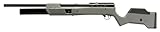
- ARS Mark9.3
ARS Mark is a ranking system developed by bestairriflescopes.com. ARS Mark has no relationship or impact from any manufacturers or sales agent websites. Learn more
- BrandUmarex

- ARS Mark8.8
ARS Mark is a ranking system developed by bestairriflescopes.com. ARS Mark has no relationship or impact from any manufacturers or sales agent websites. Learn more
- BrandUmarex

- ARS Mark9.1
ARS Mark is a ranking system developed by bestairriflescopes.com. ARS Mark has no relationship or impact from any manufacturers or sales agent websites. Learn more
- BrandUmarex

- ARS Mark7.6
ARS Mark is a ranking system developed by bestairriflescopes.com. ARS Mark has no relationship or impact from any manufacturers or sales agent websites. Learn more
- BrandUmarex
Last update on 2026-08-14 / Affiliate links / Images, Product Titles, and Product Highlights from Amazon Product Advertising API
Umarex Notos .22 PCP Carbine Review
Compact PCP rifles can look wonderfully simple until the filling gear, magazines, optics, and storage routine start piling up around them. The Umarex Notos .22 PCP Carbine attacks that problem mostly through size and straightforward mechanics rather than adding another layer of technology. Although the phrase umarex komplete ncr 22 pcp air rifle may put both rifles into the same shopping conversation, the Notos is a conventional refillable PCP with a fixed high-pressure reservoir rather than the NitroAir cartridge arrangement used by the Komplete NCR. That distinction matters because the Notos trades cartridge replacement for the familiar PCP requirement of having a suitable high-pressure filling source available.
Umarex Notos .22 PCP Carbine
The numbers explain why the Notos feels different from many full-length PCP rifles. Its 11.75-inch barrel is specified to launch a 12-grain .22-caliber pellet at 700 fps, giving the little carbine meaningful output without stretching the rifle into a long, front-heavy package. Umarex lists a 66cc fixed air tank with a 3,625 psi maximum fill pressure, while an internal regulator operates at 1,900 psi to control the air delivered behind each pellet. Those specifications line up with the product details supplied for the Notos and Umarex's current specifications. :contentReference[oaicite:0]{index=0}
That regulator is arguably more important than chasing a bigger velocity figure. A regulated air supply is intended to reduce pressure variation from one shot to the next while reservoir pressure remains within the regulator's usable range, which supports a more predictable shooting rhythm. There isn't a need to pretend that regulation magically makes every pellet land in the same hole, because pellet fit, optics, technique, wind, and the individual barrel still matter. What it does offer is a more orderly foundation, and that's especially useful in a compact platform where consistent shot behavior matters more than bragging rights.
Size also works in the Notos' favor during ordinary handling. Umarex specifies roughly 31.5 to 34 inches overall depending on stock position and about 4.15 pounds without an optic in rifle configuration, so the carbine doesn't demand much space in a case or feel like a telephone pole off the bench. The adjustable stock gives some room to alter the fit instead of locking the shooter into one length. Light rifles can reveal small aiming errors more readily than heavier rifles, though, so the low weight is a convenience with a tradeoff rather than a free accuracy upgrade. :contentReference[oaicite:1]{index=1}
Side Lever And Seven-Shot Magazine
A compact PCP becomes tedious fast if every shot turns into a loading ritual. The Notos avoids that irritation with a 7-shot auto-indexing rotary magazine and a side-lever action, allowing the next pellet to be indexed as the action is cycled. The supplied description emphasizes the smooth transition between shots, and Umarex lists the removable seven-round magazine as a standard feature. That combination won't turn the rifle into a semi-automatic, of course, but it does keep a target session moving without requiring a pellet to be manually placed into the breech after every shot. :contentReference[oaicite:2]{index=2}
The side lever also suits the carbine's layout better than a large bolt handle would. Cocking movement happens beside the receiver, so the barrel and air reservoir stay undisturbed while the action is cycled. That's a practical difference from a break-barrel rifle, where the entire barrel becomes part of the cocking process, and it helps preserve the compact Notos' easy handling character. Still, smooth operation shouldn't encourage hurried shooting; deliberate muzzle control and a secure backstop remain essential every time the rifle is loaded.
Magazine capacity lands in a sensible middle ground. Seven pellets aren't enough to forget about reloading, yet the rotary magazine removes much of the stop-start feeling that single-shot PCPs can create. Spare magazines are available under Umarex part number 2254848, according to the manufacturer's listing, which can make organized range sessions less fiddly without changing how the rifle itself works. A related look at different filling approaches appears in best pump air rifles, a useful reference point because the Notos' refillable reservoir makes the air-supply side of PCP ownership part of the overall experience. :contentReference[oaicite:3]{index=3}
Compact Power Without A Full-Length Rifle
The short barrel naturally raises the question of whether too much performance has been sacrificed for portability. On paper, the answer is more nuanced than a simple yes or no: the provided specification is 700 fps with a 12-grain .22 pellet, and Umarex currently publishes the same figure in its feature list. That makes the Notos a very different proposition from an air rifle built primarily around headline velocity. Its appeal sits in getting useful .22-caliber PCP output from an 11.75-inch barrel while keeping the whole package compact enough to maneuver without wrestling with excess length. :contentReference[oaicite:4]{index=4}
Umarex also equips the muzzle with its three-baffle SilencAir device, a factory feature intended to reduce the report compared with an otherwise bare muzzle. Calling the Notos silent would oversell what any mechanical pellet rifle can realistically provide, and perceived noise changes with surroundings, pellet choice, and the shooter's position. The more useful takeaway is that sound management was designed into the carbine rather than left entirely to aftermarket accessories. That fits the general character of the Notos: compact, fairly self-contained, and not begging for a pile of parts before it feels complete. :contentReference[oaicite:5]{index=5}
The fixed reservoir deserves equal attention because it's both a strength and a limitation. A 66cc tank keeps the front end tidy and contributes to the rifle's modest dimensions, but smaller reservoir volume means air capacity isn't endless. Umarex gives the maximum fill pressure as 3,625 psi, so the filling equipment used with the rifle has to be appropriate for that pressure rather than treated like an ordinary low-pressure shop-air task. Anyone attracted by the Komplete NCR idea specifically because it avoids conventional PCP filling equipment should notice this difference before treating the Notos as an interchangeable alternative. :contentReference[oaicite:6]{index=6}
Handling, Optics, And Practical Tradeoffs
The receiver includes an integrated top Picatinny rail, leaving optic choice open instead of tying the rifle to one bundled scope. That makes sense on a small carbine because a compact optic can preserve the balance, while oversized glass can make a 4.15-pound rifle feel unnecessarily top-heavy. The absence of a permanently chosen optic is therefore less of a drawback than it first appears. It does mean the final setup cost can extend beyond the bare rifle if suitable sights aren't already on hand, and that deserves a spot in the budget alongside PCP filling equipment.
Adjustability adds another practical wrinkle. The collapsible stock changes the overall length from approximately 31.5 to 34 inches, allowing the carbine to remain short for storage while still providing some control over shooting position. Umarex also lists optional fiber-optic sights and a configuration that can convert to a pistol with the appropriate manufacturer components, although those aren't part of the basic specifications supplied here. The important point is simpler: the Notos isn't a giant rifle awkwardly chopped down at the muzzle; its compact architecture runs through the stock, reservoir, barrel, and receiver. :contentReference[oaicite:7]{index=7}
There are limits worth keeping in plain sight. The seven-round capacity is modest, a proper high-pressure filling method is still required, and the lightweight chassis won't provide the planted feel of a heavier bench-oriented PCP. The 700 fps specification is tied to a 12-grain pellet, so different ammunition can produce different velocity and handling characteristics rather than mirroring that number automatically. Those aren't fatal flaws, just the costs attached to making a .22 PCP this short and light.
The supplied product description positions the Notos for small-game use, plinking, and target shooting, and its design choices make those roles easy to understand without inventing claims about groups or field results. A regulated reservoir supports repeatable air delivery, the rotary magazine reduces interruptions, and the side lever keeps follow-up loading straightforward. At the same time, its compactness shouldn't blur the seriousness of a .22-caliber pellet rifle capable of the published performance, so safe handling, secure storage, legal use, and a dependable backstop remain part of the ownership equation. That balance between portable dimensions and genuine PCP capability is where the Notos makes its strongest case. :contentReference[oaicite:8]{index=8}
Umarex Zelos .22 PCP Air Rifle
Long shooting sessions get old fast when every few shots bring another interruption. The Umarex Zelos .22 PCP Air Rifle takes a different approach, pairing a large magazine with adjustable air delivery and controls that let the rifle feel less restrictive from shot to shot. Although the umarex komplete ncr 22 pcp air rifle sits in the same PCP conversation, the Zelos leans harder into capacity, tuning, and a traditional refillable high-pressure system. That means more flexibility once everything is set up, but also more equipment and a little more homework than a simpler airgun asks for.
Umarex Zelos .22 PCP Air Rifle
The standout specification is the 20-round rotary magazine, and it changes the pace of the rifle more than a flashy cosmetic feature ever could. Twenty .22-caliber pellets between reloads means less stopping to refill a small magazine during plinking or repeated target strings. Paired with the side-lever cocking mechanism, the arrangement keeps the firing sequence moving without forcing the barrel to become part of the cocking process. It's a practical combination built around continuity rather than spectacle.
The listed velocity reaches up to 1,000 FPS with .22-caliber airgun pellets. That figure gives the Zelos a broad performance ceiling, although "up to" matters because pellet weight and setup can influence actual velocity. The useful part isn't simply chasing the largest number on the box; it's having enough performance headroom to make the rifle more than a low-powered plinker. In day-to-day terms, power and repeat-shot capacity are working together rather than existing as isolated specifications.
The air system adds considerably more control. A 3,625 PSI tank feeds the rifle, while the regulator can be adjusted from 1,000 to 2,000 PSI. That adjustable range gives the owner room to balance power and air use instead of being locked into one fixed regulator setting. Of course, that freedom has a flip side: extra adjustment means another variable to understand before twisting settings simply because the option exists.
The Zelos also includes a two-stage adjustable trigger, which fits nicely with the rest of its tunable character. A two-stage setup separates the initial take-up from the final release, giving more feedback before the shot breaks. Adjustment can make the control feel better suited to personal preference, but sensible settings matter more than chasing the lightest possible pull. Combined with the side lever, the trigger helps the rifle feel deliberate without making operation cumbersome.
High-Capacity Magazine And Side Lever
Seven or ten shots can disappear surprisingly quickly during a relaxed afternoon of paper targets. The Zelos' 20-shot magazine stretches the interval between reloads enough to noticeably change the rhythm. That's handy when the goal is keeping attention on sight picture and trigger control rather than constantly reaching for pellets. The compatible spare magazine is identified as part number 2251542, which removes guesswork from identifying the matching replacement.
The side-lever cocking system complements that magazine capacity well. Instead of stopping to manually place a pellet into the breech after each shot, cycling the lever advances the repeating system and prepares the rifle for the next shot. The motion is mechanically straightforward, and it avoids the repeated barrel movement associated with break-barrel designs. In practical use, that makes the Zelos feel like a purpose-built repeater rather than a single-shot platform with a magazine added as an afterthought.
There is still a realistic limitation attached to any rotary magazine. More capacity means another component that has to be loaded correctly, stored carefully, and kept from disappearing at the bottom of a gear bag. A 20-round magazine reduces interruptions, but it doesn't eliminate the need for basic organization and maintenance. Keeping the magazine clean and treating it as an important part of the feeding system is simply part of owning a repeating PCP.
The higher capacity also encourages longer strings, which makes safe habits even more important. A loaded magazine can hold many shots, so treating the rifle as unloaded simply because one pellet was fired would be a poor assumption. The repeating action should always be handled with the same muzzle discipline and backstop awareness from the first shot to the twentieth. Convenience is worthwhile, but it shouldn't make the mechanical state of the rifle easier to forget.
Adjustable Regulator And Air Supply
The 1,000 to 2,000 PSI regulator range is one of the Zelos' most meaningful strengths. Instead of supplying the firing system at one unchangeable pressure, the rifle provides room to alter how much regulated pressure is available behind each shot. That can help balance performance and air consumption around different shooting priorities. The trick is resisting the temptation to treat a higher regulator setting as automatically better.
More pressure can support stronger output, but it can also use the stored air more aggressively. Lower settings may stretch the useful air supply while giving up some velocity, so there's a genuine power-versus-efficiency tradeoff rather than a single correct number. That flexibility is valuable for someone who likes tuning mechanical systems. For a person who wants zero adjustment and zero decision-making, though, the regulator may feel like another knob that didn't need to be there.
The 3,625 PSI tank brings its own practical requirement. Ordinary household air equipment isn't intended for PCP reservoir pressures, so the rifle depends on an appropriate high-pressure filling method. That means the Zelos isn't a self-contained purchase in the way a spring-powered rifle can be. A neutral reference related to air-powered troubleshooting appears in airsoft pistol shooting problems, although that subject covers a different platform and doesn't change the Zelos' high-pressure filling needs.
This refillable arrangement also separates the Zelos from cartridge-based PCP concepts. The umarex komplete ncr 22 pcp air rifle is built around a different approach to supplying pressure, while the Zelos stays with a fixed tank that needs to be refilled. The Zelos therefore asks for more supporting equipment but doesn't depend on replacing a power cartridge after its usable pressure is gone. Neither arrangement removes every inconvenience; they simply place that inconvenience in different parts of the ownership routine.
Trigger, Rails, And Setup Flexibility
The two-stage adjustable trigger gives the Zelos another layer of personalization. The first stage provides initial movement before reaching the second stage, where the final shot release occurs. That separation can make trigger behavior easier to anticipate than a vague, single-stage pull. Still, adjustment should serve control and safety rather than become a contest to create the lightest possible trigger.
Integrated Picatinny rails handle optics and compatible accessories without forcing a less common mounting system into the setup. That matters because the rifle can be configured around the shooting role rather than around whatever sighting system happens to fit. A suitable optic can keep the setup straightforward, while additional accessories can be added where they genuinely serve a purpose. The rail space is useful, but filling every available slot usually adds weight and clutter faster than it adds value.
The overall control layout points toward a rifle that encourages adjustment rather than one-size-fits-all operation. Regulator pressure, trigger feel, optics, and accessory placement each offer room for preference. That's a strength for a mechanically curious owner because the rifle isn't locked into one narrow setup. It's also a weakness for pure simplicity, since every adjustable feature is another decision that can be overthought.
The best part of this flexibility is that none of the supplied features depend on exaggerated promises. A 20-round magazine reduces reload frequency, the side lever cycles the action, the adjustable regulator changes regulated pressure, and the Picatinny rails provide standardized mounting space. Those are concrete functional benefits rather than vague claims about being faster, better, or more advanced than everything else. The Zelos makes its case through mechanical options, not marketing adjectives.
Pros Of The Umarex Zelos
Magazine capacity is the obvious advantage. Twenty rounds is generous for a repeating .22 PCP and can keep a target session flowing for noticeably longer stretches. Combined with side-lever cocking, it reduces the repetitive stop-load-shoot cycle associated with lower-capacity or single-shot rifles. That's the kind of improvement that's easy to appreciate because it changes what happens between shots.
Regulator adjustability adds genuine flexibility. The 1,000 to 2,000 PSI range gives more control over how the air system is configured instead of forcing one factory-selected pressure into every situation. That can be useful where efficiency and output need to be balanced differently. The value isn't that everyone needs constant tuning; it's that the rifle doesn't prevent it when the need arises.
Up to 1,000 FPS gives the .22-caliber Zelos a substantial published velocity ceiling. That performance specification, alongside the high-pressure reservoir, places the rifle well beyond the feel of a mild backyard plinker on paper. Pellet selection and regulator setup can affect actual results, so treating that maximum as a guaranteed velocity with every pellet would be unrealistic. Even so, the stated output gives the Zelos enough headroom to suit more demanding shooting roles where lawful and appropriate.
The adjustable trigger and Picatinny rails round out the package without forcing proprietary accessories into every part of the setup. Trigger adjustment changes how the firing control feels, while the rails make optics and compatible accessories easier to mount. These aren't flashy features, yet they make the rifle easier to configure around actual preferences. That's a quieter kind of versatility, and frankly, it's more useful than decorative extras.
Cons And Tradeoffs To Consider
High-pressure filling is the biggest practical hurdle. A 3,625 PSI tank requires PCP-capable filling equipment, so the cost and storage footprint extend beyond the rifle itself. That can make the Zelos less appealing where simplicity matters more than tuning flexibility. A cartridge-powered or spring-driven platform requires a different routine, and the Zelos doesn't pretend to remove the traditional PCP filling step.
The regulator adds complexity along with flexibility. Having a 1,000 to 2,000 PSI adjustment range is useful only if there's a reason behind the chosen setting. Random adjustments can create more questions about air consumption and velocity rather than making the rifle easier to live with. Anyone who prefers appliances that simply run at one fixed setting may regard this feature as work rather than freedom.
The 20-round magazine isn't maintenance-free, either. Rotary magazines need proper loading and careful handling, and losing one can stop a repeating session until another compatible magazine is available. The specified 2251542 spare magazine number helps with replacement identification, but a spare is still an additional component to keep track of. Capacity reduces reload frequency, not responsibility for the feeding system.
Maximum velocity can be misunderstood if the 1,000 FPS figure is treated as a constant. The supplied description says "up to," and actual pellet behavior shouldn't be assumed without specific ammunition and setup data. Different pellet weights can produce different velocity characteristics, while regulator adjustment introduces another variable into the equation. The Zelos offers substantial tuning room, but realistic expectations make that flexibility far more useful than chasing one headline number.
Where The Zelos Makes The Most Sense
Repeated target strings play directly to the Zelos' 20-round capacity and side-lever action. Less frequent magazine loading keeps attention on the shooting sequence rather than the pellet tin, while the two-stage trigger gives another point of control during deliberate shots. That combination feels especially sensible where volume and consistency matter more than keeping the rifle mechanically minimal. The rifle's design doesn't hide what it wants to be: a repeating PCP with room for adjustment.
Plinking also benefits from the same features for a simpler reason. Stopping after every handful of pellets gets tedious, and a high-capacity rotary magazine cuts down those interruptions. Integrated rails leave room for an optic suited to the shooting distance and setup without locking the rifle to one sighting arrangement. The only catch is that every long session eventually circles back to air supply, so the filling routine remains part of the experience.
The Zelos is less convincing where absolute simplicity is the main priority. Adjustable regulation, a high-pressure reservoir, removable magazines, and accessory rails provide options, but options also create additional setup decisions. Someone attracted to the Komplete NCR specifically because the power source reduces dependence on conventional PCP filling equipment will notice that difference immediately. The Zelos favors capacity and tunability, even if achieving them means accepting a more involved support setup.
Its strongest fit appears wherever the 20-shot magazine, side lever, adjustable regulator, and two-stage trigger can actually be put to use rather than merely admired on a specification sheet. Those features address real interruptions and setup limitations found in simpler repeating air rifles, while the 3,625 PSI tank supplies the pressure system that makes the arrangement possible. The price for that flexibility is straightforward: proper filling equipment, magazine management, and a willingness to understand the regulator instead of treating it like a decorative dial. That's a fair trade for some shooting routines and unnecessary complication for others.
Umarex Origin .22 PCP Air Rifle
Filling a PCP by hand can turn a relaxing shooting session into an arm workout before the first pellet ever leaves the barrel. The Umarex Origin .22 PCP Air Rifle approaches that frustration with its Ever-Pressure EPT Tank System, a patented air-tube design intended to reduce the effort needed to fill the reservoir. That puts it in a very different lane from the umarex komplete ncr 22 pcp air rifle, which centers its convenience around a cartridge-based power source. The Origin keeps the conventional refillable PCP setup, but it tries to make that routine less of a chore by including the necessary hand pump right in the package.
Umarex Origin .22 PCP Air Rifle
The biggest story here isn't the 1,000 FPS figure printed in the specifications. It's the Ever-Pressure EPT Tank System, because filling effort is often what makes or breaks the ownership experience with a hand-pumped PCP. The patented air-tube arrangement is designed so the full tank takes less effort to pressurize than many traditional PCP reservoirs. That doesn't mean pumping suddenly becomes effortless, but it addresses a very real annoyance without forcing another powered appliance onto the gear list.
The Origin also promises more consistent shot velocity from one shot to the next. Consistency matters because irregular air delivery can make a rifle feel unpredictable even when everything else about the shot looks right. A steadier velocity pattern gives the pellet a more repeatable launch condition, which is useful during paper-target sessions where small changes become easier to notice. It doesn't eliminate the effects of pellet choice, shooting technique, or environmental conditions, but it provides a better mechanical starting point.
A 10-shot magazine keeps the loading process from interrupting the rhythm every time the trigger is pulled. Ten rounds isn't enormous capacity, yet it's enough to make a target string feel continuous rather than chopped into single-shot loading cycles. The magazine pairs with an easy-cocking side handle, which keeps the action close to the shooting position and avoids the repeated barrel movement of a break-barrel design. Simple, practical, and easy to understand, that combination suits a rifle that seems more interested in usability than gadget count.
The supplied optics-ready accessory rail leaves sight selection open instead of locking the rifle to a bundled scope. That can save frustration for someone who already owns suitable glass or prefers a certain magnification range. It also means the rifle itself isn't carrying the cost of an optic that might be replaced immediately. The downside is straightforward: anyone starting from scratch still needs to budget for an optic before getting the complete setup they may have pictured.
EPT Tank System And Hand Pump
The EPT system is the Origin's clearest strength because it targets the part of PCP ownership that often feels least enjoyable. A standard high-pressure reservoir can take considerable effort to fill manually, especially from a low starting pressure. Umarex's patented air-tube design is meant to make filling the entire tank easier, reducing some of that physical barrier. For a rifle packaged with a hand pump, that's not a side benefit; it's central to the entire ownership idea.
Including the Umarex HPA hand pump also keeps the initial setup more self-contained. A separate compressor or external high-pressure tank isn't necessary just to begin filling the rifle, which can reduce both equipment cost and storage clutter. The pump still requires manual effort, naturally, and repeated full fills won't appeal to everyone. Still, having the filling tool supplied with the rifle removes one of those annoying "oh, I need another thing" moments that can follow a bare PCP purchase.
Hand pumping also has a quieter logistical footprint than running an electric compressor. There's no extra powered machine taking up bench space, and the filling setup remains portable enough to move with the rifle. A relevant reference for the broader air-storage side of PCP ownership is air tanks for PCP guns, which sits alongside the Origin's pump-based approach as another way air supply can shape the overall shooting routine. The Origin's included pump keeps things simple, while external tanks represent a different balance between convenience, portability, and equipment cost.
Manual filling remains the obvious weakness, even with a system designed to reduce effort. Pump strokes still take time, and filling a high-pressure air rifle isn't the same as topping off a bicycle tire. Anyone expecting zero-effort refills may eventually prefer a powered filling solution instead. The Origin makes hand pumping more approachable, not invisible.
Side Handle And Ten-Shot Magazine
The side handle gives the Origin a smooth operating sequence between shots. Cocking happens near the receiver, so the rifle can stay planted while the next pellet is indexed from the magazine. That matters more after several magazines than it does during the first few shots, because repeated movement adds up over a long session. The mechanism is simple enough to learn quickly without turning the action into a distracting ritual.
Capacity lands at 10 shots per magazine, which strikes a sensible balance. Larger magazines can be convenient, but they also become bulkier and sometimes more awkward to load or carry. Ten pellets keep the magazine compact while still giving enough shots for a meaningful target string. That capacity also matches the rifle's straightforward character rather than trying to win a specification contest with an oversized rotary system.
Repeated-shot convenience is one of the Origin's practical advantages over single-shot PCP layouts. The shooter can stay focused on sight picture, breathing, and trigger movement instead of manually placing a pellet into the breech every time. That doesn't make the rifle semi-automatic, since the side handle still has to be operated between shots. It simply removes unnecessary fiddling and makes the firing sequence feel more natural.
The magazine system does introduce a minor ownership tradeoff. Removable magazines require care, and losing or damaging one can bring the repeating function to an abrupt halt until a replacement is available. They also need to be loaded correctly and kept reasonably clean. None of that is unusual for a repeating PCP, but it's worth remembering because convenience always brings another small piece of gear to manage.
Velocity And Shot Consistency
The Origin is specified to send .22-caliber pellets at up to 1,000 FPS. That gives the rifle a substantial published velocity ceiling without pretending every pellet will leave the muzzle at exactly that speed. Pellet weight matters, and "up to" is the phrase that should stay front and center. The better takeaway is that the rifle has meaningful performance headroom while retaining a refillable PCP power system.
Consistent shot velocity may matter more in day-to-day use than the headline maximum. A rifle that behaves predictably from one shot to the next is easier to understand, whether the session involves paper targets or ordinary plinking. Stable behavior helps separate rifle-related variation from shooter-related mistakes. That's especially useful during sight-in work, where random velocity swings can make adjustment feel like chasing your tail.
Power also changes the way the rifle needs to be handled. Up to 1,000 FPS is not a specification to treat casually, especially with .22-caliber pellets. A suitable backstop, secure storage, and deliberate muzzle control belong in the same conversation as the rifle's performance. The Origin's approachable filling system doesn't make the projectile energy itself casual or consequence-free.
The stated velocity also brings a realistic limitation. Maximum FPS isn't guaranteed with every pellet, and heavier ammunition will behave differently from lighter projectiles. The supplied specifications don't provide pellet-weight-specific velocity figures, so attaching precise numbers to other pellet weights would be guesswork. The Origin is better judged by the combination of useful power and consistent operation than by assuming one maximum figure applies universally.
Pros Of The Umarex Origin
The included HPA hand pump is a major practical advantage. Many PCP rifles create an extra purchasing decision immediately because the rifle itself arrives without a filling method. The Origin removes that first hurdle by packaging the pump with the rifle. That makes the initial equipment list shorter and puts less pressure on the budget before the first range session.
The EPT Tank System addresses pumping effort directly. Rather than merely adding a pump and calling the problem solved, the patented air-tube design is intended to make the reservoir easier to fill. That's a smarter pairing because the rifle and filling method were considered together. It won't turn pumping into a push-button process, but it makes the included manual filling approach more sensible.
The 10-shot magazine and side handle work well together. One feature reduces loading frequency while the other keeps cycling movement short and convenient. Neither sounds dramatic on its own, yet the pair improves the little moments between shots. Those small moments often determine whether a rifle feels pleasant after an hour or merely impressive for five minutes.
Optics-ready mounting adds flexibility without dictating how the rifle must be sighted. Existing compatible optics can be used instead of paying for a bundled scope that may not fit personal preferences. The rail also leaves room for a setup appropriate to the intended shooting distance. That flexibility makes sense on a PCP platform where accuracy-oriented use is often part of the appeal.
Cons And Ownership Tradeoffs
Hand pumping still takes physical effort, even with the EPT system working to make the job easier. Someone shooting large quantities of pellets may eventually get tired of pausing to refill manually. A compressor or external tank can reduce that labor, but either option adds equipment, cost, and storage needs. The included pump solves the access problem better than it solves the effort problem.
The 10-round magazine is practical rather than huge. For measured target work, ten rounds can feel perfectly adequate, but long plinking sessions will bring regular reloads. Rifles with larger magazines can stretch the interval substantially further. The Origin trades that extra capacity for a more conventional repeating setup that doesn't make the magazine itself a major part of the rifle's size.
The traditional refillable PCP system is another difference worth weighing against the umarex komplete ncr 22 pcp air rifle. The Komplete NCR concept revolves around simplifying air supply through replaceable power cartridges, while the Origin stays committed to a reservoir that gets refilled again and again. The Origin avoids reliance on disposable cartridges but brings pumping back into the routine. That contrast matters more than cosmetic differences because it changes what ownership feels like between shooting sessions.
The up-to-1,000-FPS specification shouldn't overshadow setup reality. Velocity can vary with ammunition and operating conditions, and the supplied information doesn't support claiming one exact speed for every pellet. Consistency, magazine convenience, and the easier-fill EPT design tell a more useful story than chasing a maximum number. The Origin's strongest appeal lies in making a conventional PCP setup more approachable without pretending all the usual PCP tradeoffs have disappeared.
Where The Origin Fits Best
Regular target sessions suit the consistent shot behavior and repeating magazine especially well. Ten rounds provide enough capacity to shoot a structured string before stopping, while the side handle keeps the sequence tidy. The included pump also means the rifle can remain relatively self-contained without a dedicated compressor sitting nearby. That setup feels practical for a routine built around deliberate shooting rather than extremely high pellet volume.
Plinking benefits from the easy-cocking side handle for much the same reason. Repeated operation doesn't require opening the barrel or manually feeding every pellet into the breech. Ten-shot capacity cuts down interruptions without turning the rifle into a complicated mechanical puzzle. Still, frequent shooting will eventually expose the physical side of hand pumping, and that's the point where the owner's tolerance for manual filling really matters.
The Origin also makes sense where equipment simplicity matters but a refillable PCP is still preferred. The supplied hand pump removes the immediate need for a compressor, and the EPT system is specifically designed around making that manual fill more manageable. Someone with very high shot-volume needs may see the pump as temporary rather than permanent. Someone shooting at a more relaxed pace may never feel much pressure to replace it.
The rifle's practical personality comes from the way its EPT filling system, 10-shot magazine, side handle, and optics-ready rail solve several ordinary inconveniences without turning the platform into a maze of adjustments. Its weakness remains equally plain: air still has to be put back into the reservoir by hand unless another filling method is added later. That balance is refreshingly easy to understand. The Origin gives up cartridge-style convenience in exchange for a refillable system that arrives ready to be pumped rather than waiting for another major piece of equipment.
Umarex Zelos .25 PCP Air Rifle
A long shooting string loses its rhythm pretty quickly when the magazine runs dry every few minutes or the rifle feels awkward around a bench. The Umarex Zelos .25 PCP Air Rifle tackles those annoyances with an 18-round rotary magazine, bullpup layout, and side-lever action while taking a noticeably different path from the umarex komplete ncr 22 pcp air rifle. Its design puts more emphasis on shot capacity, adjustable air delivery, and 36 ft-lbs of energy than on simplifying the power source itself. That gives the Zelos plenty of mechanical flexibility, although the 3,625 PSI filling requirement means convenience comes with some extra equipment and planning.
Umarex Zelos .25 PCP Air Rifle
The bullpup design shapes nearly everything about how this rifle is packaged. Moving the action farther back allows the Zelos to carry a substantial 26-inch barrel without stretching the whole rifle into the proportions of a conventional long gun. That can make a real difference around shooting rests, cases, and confined positions where excess length becomes a nuisance. The tradeoff is that bullpup ergonomics feel different, especially around cheek placement and control location, so traditional rifle habits may need a little adjustment.
Power is another major part of the Zelos .25 personality. The supplied specifications list 36 ft-lbs of energy, giving the rifle a much more serious performance profile than a lightly powered backyard plinker. That figure also raises the importance of proper backstops, safe handling, and suitable shooting space because a .25-caliber pellet carrying that level of energy deserves respect. The strength here is clear, but higher energy also brings greater responsibility rather than simply making the rifle more desirable in every situation.
The rifle runs from a reservoir with a 3,625 PSI maximum fill pressure. That pressure supports the PCP system, but it also means ordinary household air equipment isn't suitable for filling the tank. Proper high-pressure PCP gear becomes part of the ownership routine, and that can add cost, storage needs, and another step before shooting. This is one of the biggest practical differences from the umarex komplete ncr 22 pcp air rifle, which approaches air supply from a different direction.
The Zelos also carries an adjustable regulator, giving the air system more flexibility than a fixed-pressure setup. Instead of being locked into one regulator behavior, the rifle offers room to balance air use and output around the intended setup. That sort of adjustability is useful for someone who likes understanding how a PCP behaves rather than simply filling it and forgetting about the internals. Still, changing settings without a clear reason can create more headaches than benefits, so the feature rewards patience more than constant tinkering.
18-Round Magazine And Side-Lever Action
The 18-round rotary magazine is one of the most practical advantages in the entire package. Eighteen pellets between reloads means fewer interruptions during target strings or extended plinking sessions, which helps preserve concentration rather than constantly shifting attention back to the pellet tin. High capacity matters even more on a repeating PCP because the rest of the firing sequence is already designed to move smoothly from one shot to the next. In plain terms, less reloading means more time actually shooting.
The side-lever action suits that high-capacity magazine nicely. Cycling the lever prepares the next shot without requiring the barrel to move or forcing a long reach around the receiver. The motion stays close to the shooting position, which is especially useful on a bullpup where the action sits farther rearward than on a standard rifle. It isn't semi-automatic operation, but the short cycling routine makes repeated shots feel far less clumsy than manually loading individual pellets.
There is a catch to bigger magazines, naturally. An 18-shot rotary system takes longer to load than a seven-shot unit, and the magazine becomes another component that needs careful handling and storage. Dirt, damaged pellet skirts, or careless loading can turn an otherwise convenient feeding system into an unnecessary source of frustration. The magazine is still a strong feature, but its real benefit is reduced interruption rather than zero maintenance.
Long strings also make safe handling especially important because plenty of pellets remain available after the first shot. A rifle with an 18-round capacity shouldn't be casually treated as empty just because one firing sequence has ended. Deliberate muzzle control and awareness of the magazine state matter from the first pellet through the last. Convenience works best when it supports good habits rather than making the rifle's loaded condition easier to overlook.
Adjustable Regulator And Air Management
The adjustable regulator gives the Zelos .25 one of its more interesting technical strengths. Regulation controls the pressure delivered from the reservoir into the firing cycle instead of simply letting the rifle operate directly from whatever tank pressure happens to remain. Adjustability adds another layer, allowing the system to be tuned rather than permanently fixed at one setting. That creates room for balancing energy, air consumption, and pellet behavior instead of chasing one operating point.
More regulator pressure isn't automatically the better setup. Increasing air delivery can support stronger performance, but it may also drain the reservoir faster, while a more moderate setting can favor efficiency over maximum output. That's the classic power-versus-shot-count tradeoff found in tunable PCP systems. The Zelos makes that tradeoff adjustable, which is useful, but it also asks the owner to understand why a setting is being changed before turning knobs at random.
The 3,625 PSI fill pressure makes air supply part of the long-term ownership equation. A hand pump capable of reaching PCP pressures, a suitable compressor, or another compatible high-pressure source may be needed depending on the filling routine. From a practical angle, a related reference is CO2 cartridges for air rifles, although CO2 power systems operate differently from the Zelos and don't replace its PCP filling requirement. That distinction matters because the Zelos depends on a refillable high-pressure reservoir, not disposable CO2 cartridges.
The upside of the refillable arrangement is that the reservoir can be pressurized repeatedly rather than requiring a new power cartridge every time stored gas is exhausted. The downside is the infrastructure needed to make those fills happen safely. That makes the Zelos more appealing where a proper PCP filling setup is already part of the routine and less convenient where every extra piece of equipment feels like clutter. Refillability is a strength, but only if the supporting gear doesn't become the bigger annoyance.
Trigger Feel And Accessory Setup
The two-stage adjustable trigger adds useful control to a rifle already built around tuning. A two-stage design separates the initial take-up from the final release, giving a clearer sense of where the shot is going to break. That can help with deliberate trigger control on paper targets and other precision-oriented shooting tasks. Adjustment adds flexibility, though the goal should be a predictable and safe pull rather than simply chasing the lightest possible setting.
The Zelos also includes an integrated Picatinny scope and accessory rail. Standardized rail space makes optic selection easier because the rifle isn't tied to a proprietary mounting format. A compact optic can preserve the handling advantage of the bullpup layout, while a larger scope may make sense for more deliberate shooting at longer practical distances. The rail gives options, but extra accessories can add weight and clutter quickly if every available slot gets filled.
The long 26-inch barrel deserves another look here because the bullpup arrangement lets it coexist with a relatively compact platform. A conventional rifle carrying the same barrel length would generally extend more hardware in front of the shooter because the action isn't tucked behind the trigger area. By moving the working parts rearward, the Zelos uses its overall space more efficiently. The benefit is packaging rather than magic; barrel length stays substantial while the rifle avoids feeling unnecessarily stretched out.
That rear-heavy architecture won't suit every shooting posture equally. Bullpup balance can feel unusual at first, especially for anyone accustomed to a longer conventional stock with more action weight forward of the trigger. The compact layout can be comfortable around benches and tighter spaces, yet cheek position and control access deserve some adjustment time. That's a genuine tradeoff rather than a flaw that can be judged purely from dimensions on a specification sheet.
Pros Of The Zelos .25
The 18-round magazine is a major strength because it solves a very ordinary annoyance: stopping constantly to reload. High capacity complements the side lever instead of fighting against it, creating a shooting sequence that stays smooth for longer stretches. During paper shooting or plinking, that means fewer breaks in concentration and less time handling loose pellets. The benefit is easy to understand and doesn't rely on exaggerated performance claims.
The bullpup design and 26-inch barrel are another strong pairing. The long barrel remains part of the package without forcing the rifle into an excessively elongated conventional layout. That can make storage, bench positioning, and general handling less awkward while still preserving the supplied barrel length. The design looks unconventional, sure, but there's a practical reason behind the unusual proportions.
Thirty-six foot-pounds of energy gives the Zelos .25 a clear performance identity. It isn't trying to be a mild, low-powered plinker, and the supplied energy figure reflects that. Combined with the adjustable regulator, the rifle offers room to think about power delivery instead of treating output as completely fixed. That flexibility is valuable for someone comfortable with PCP tuning and realistic about the safety requirements that come with higher energy.
The adjustable trigger and integrated Picatinny rail round out the strengths without adding unnecessary proprietary restrictions. Trigger adjustment changes the firing feel, while the rail makes compatible optics and accessories straightforward to mount. Neither feature demands constant attention once the setup feels right. They simply give the rifle enough flexibility to avoid forcing every owner into exactly the same configuration.
Cons And Practical Weaknesses
The 3,625 PSI fill requirement is the clearest weakness for anyone starting without PCP equipment. High-pressure filling demands the right pump, compressor, or compatible tank arrangement, adding both cost and another routine to manage. That makes the Zelos less self-contained than air rifles that use simpler power systems. Plenty of PCP owners accept that tradeoff, but it shouldn't be treated like a trivial detail.
The adjustable regulator can become needless complexity if tuning isn't actually wanted. More control sounds appealing on paper, yet every adjustment creates another variable that can affect how the rifle behaves. Someone who prefers a fixed setup may never use that flexibility enough to justify the added thought. The feature is best seen as optional control rather than something that must constantly be changed.
Bullpup ergonomics are another potential sticking point. The compact architecture is clever, but the rearward action changes balance, cheek placement, and the relationship between the trigger and working mechanism. Some shooters adapt quickly; others simply prefer the familiar feel of a traditional rifle layout. The Zelos doesn't eliminate that preference gap, no matter how efficiently the bullpup design packages its 26-inch barrel.
The large rotary magazine adds another piece to manage. Eighteen-round capacity saves time once the magazine is loaded, yet cleaning, storing, and correctly loading that magazine becomes part of the routine. Losing or damaging it can also stop the repeating function until a compatible replacement is available. High capacity remains worthwhile, but the benefit comes with a little extra mechanical housekeeping.
Where The Zelos .25 Makes Sense
Longer target sessions suit the 18-round capacity and side-lever action especially well. The rifle can move through repeated shots without a reload after every short string, while the adjustable trigger gives more control over the break. That setup favors a shooting routine where concentration and continuity matter. It feels less compelling for someone who only fires a handful of pellets at a time and values simplicity above everything else.
The 36 ft-lbs energy rating also gives the Zelos .25 room for more demanding lawful uses where a .25-caliber PCP is appropriate. That energy level makes secure backstops and a suitable shooting environment non-negotiable. It also means the rifle may be excessive for very short-range casual use in confined spaces. More power isn't automatically more useful if the shooting environment can't safely accommodate it.
Mechanical flexibility is another reason the Zelos stands apart from the umarex komplete ncr 22 pcp air rifle. The adjustable regulator, two-stage trigger, high-pressure reservoir, and Picatinny rail all invite a more hands-on approach to setup. That suits a shooter who enjoys tailoring a PCP around a preferred configuration instead of accepting a completely fixed system. For someone who values a simpler power routine above tunability, those same features can feel like extra work.
The Zelos .25 ultimately revolves around a very specific set of strengths and compromises: 18-shot capacity, 36 ft-lbs of energy, a 26-inch barrel, and adjustable controls on one side, with high-pressure filling and more involved setup on the other. Its bullpup architecture keeps the long barrel from turning into unnecessary overall length, while the side lever keeps repeated operation manageable. The rifle doesn't hide its complexity, and that's part of its appeal for the right shooting routine. Anyone expecting a completely hands-off PCP experience, though, may see those same adjustable features and filling requirements as baggage rather than benefits.
Umarex Gauntlet SL30 PCP Air Rifle
Heavy-hitting PCP rifles can become a chore if every shot requires awkward cycling or constant attention to air consistency. The Umarex Gauntlet SL30 PCP Air Rifle approaches that problem with a side-lever action, regulated air system, and a seven-round magazine while pushing into a much larger .30-caliber format than the umarex komplete ncr 22 pcp air rifle. Its appeal isn't just raw output; the more interesting story is how easier cycling, consistent shot strength, and practical stock adjustments make a big-bore-style air rifle less cumbersome to operate. There are tradeoffs, naturally, because larger pellets, substantial air consumption, and specialized filling gear make this a more involved setup than a casual backyard plinker.
Umarex Gauntlet SL30 PCP Air Rifle
The side-lever cocking mechanism is probably the first feature worth paying attention to because it changes what happens between shots. Rather than wrestling with an awkward action after every pellet, the lever gives the firing cycle a smoother, more ergonomic motion. That matters on a rifle built around .30-caliber performance because operating effort can become annoying quickly during a longer shooting session. The benefit is straightforward: less fuss between shots leaves more attention for sight picture, trigger control, and keeping the rifle settled.
Power is a major part of the Gauntlet SL30's identity. The supplied specifications state that it can send .30-caliber airgun pellets at up to 1,000 FPS, giving the platform a serious performance ceiling on paper. That "up to" wording deserves respect because pellet weight and setup can affect actual velocity, so the maximum shouldn't be treated as a guaranteed number for every pellet. The meaningful takeaway is that the SL30 is built around high-energy .30-caliber performance, not around low-powered casual shooting.
The rifle also uses a state-of-the-art pressure regulator intended to keep shot strength consistent. Regulation matters because the pressure stored in a PCP reservoir naturally changes as air is used, and uncontrolled changes can affect the firing cycle. A regulated system helps manage that pressure before each shot, creating a more stable foundation for repeated shooting. It won't erase variables such as pellet selection or technique, but consistent air delivery is far more useful than simply chasing the highest possible tank pressure.
Umarex also emphasizes more air, more shots, higher velocity, and more impact energy in this version of the Gauntlet platform. Those improvements point toward a rifle designed for longer, harder-hitting sessions rather than a stripped-down entry-level PCP. More stored air can reduce how often filling interrupts the day, but there's no free lunch because the rifle still depends on a proper high-pressure air source. The extra capacity and stronger output make sense only if the filling routine fits comfortably into the rest of the setup.
Side Lever And Seven-Round Magazine
The seven-round auto-indexing rotary magazine gives the SL30 repeated-shot convenience without making the feeding system excessively bulky. Seven pellets may sound modest next to some smaller-caliber PCP magazines, yet .30-caliber ammunition takes more physical space and the rifle isn't really aimed at burning through pellets like a low-powered plinker. Cycling the side lever advances the system for the next shot, keeping the process reasonably fluid. That pairing makes the magazine capacity feel practical rather than stingy.
An auto-indexing magazine also removes the repetitive task of manually seating a pellet into the breech after every shot. The shooter still operates the lever, so this isn't a semi-automatic system, but the sequence becomes more natural and predictable. That distinction matters during deliberate target strings or field shooting where breaking position to fiddle with a pellet can become annoying. Small mechanical conveniences add up, and here the side lever and rotary magazine work toward the same goal.
The package also includes a single-shot tray, which is a nice counterpoint to the magazine system. A single-shot setup can be useful where a particular pellet needs careful handling or where slower, deliberate loading fits the shooting routine better. Including both systems gives the rifle two different loading personalities without forcing one method all the time. That's practical flexibility rather than decorative complexity.
The supplied description identifies spare magazine part number 2252502 for compatible replacement magazines. Keeping that number tied to the rifle can save confusion later, especially because magazines often look similar across different PCP models while having small dimensional differences. The weakness is equally obvious: removable magazines are another component that can be lost, damaged, or contaminated with dirt. Magazine convenience comes with basic housekeeping, especially around a rifle intended for outdoor use.
Regulated Air And Consistent Shot Strength
The pressure regulator sits at the heart of the Gauntlet SL30's practical performance. A PCP reservoir may hold a large amount of compressed air, but the useful question is how consistently that air reaches the firing valve from shot to shot. Regulation helps control that delivery so reservoir pressure changes don't translate as directly into wildly changing shot behavior. For target work, that means the rifle starts with a more repeatable mechanical foundation.
Consistency doesn't mean every pellet will behave identically. Pellet weight, pellet fit, shooting technique, and environmental conditions still matter, and none of the supplied information supports inventing group sizes or exact velocity spreads. The regulator simply addresses one major mechanical variable by controlling pressure delivery. That's a strength because it solves a real PCP problem without promising impossible uniformity.
More air also supports the SL30's broader performance goals. The description specifically highlights more shots and more energy on impact, suggesting that air capacity wasn't treated as an afterthought while increasing caliber and output. More stored air can make a long session less dependent on frequent refills, although the exact shot count isn't provided and shouldn't be guessed. The honest benefit is simply greater air availability paired with regulation, not an invented number of usable shots per fill.
Air supply remains one of the platform's bigger ownership considerations. A large PCP requires suitable filling equipment, and higher output generally means compressed air isn't something to treat casually. From a practical angle, a related reference is .22 air rifles for raccoons, although that topic deals with a smaller caliber and a different performance balance than the .30-caliber Gauntlet SL30. The SL30 belongs firmly in the larger-caliber PCP category, with the air-management needs that come along for the ride.
Stock Adjustments And Accessory Mounting
The adjustable cheek piece gives the rifle a useful ergonomic advantage once an optic is installed. Scope height can change where the shooter's head naturally rests, and a fixed cheek position may leave the eye too low or too high behind the glass. Adjustment lets the stock fit work around the optic rather than forcing the neck into an awkward angle. On a rifle likely to wear a scope, that's a practical feature that can matter far more than cosmetic styling.
The Gauntlet SL30 also includes M-LOK accessory slots, leaving room for compatible equipment without covering the fore-end with unnecessary fixed rails. M-LOK makes it possible to add accessories only where they make sense, helping keep unused mounting hardware out of the way. That doesn't mean every available slot deserves an attachment, though. A heavy PCP can become even more cumbersome once accessory enthusiasm gets out of hand, so selective setup is the smarter approach.
A quick-disconnect sling mount addresses another mundane but useful problem. Bigger PCP rifles can be tiring to carry for extended periods, and a compatible sling can make transport between shooting positions less awkward. The quick-disconnect format also keeps sling removal straightforward when the rifle returns to a bench or rest. It's a small feature, sure, but one that makes more sense on a substantial .30-caliber rifle than on a featherweight plinker.
The description also notes an easy-to-grip, large knurled bolt handle among the controls. Textured surfaces make handling easier when fingers are cold, sweaty, or simply trying to operate a control without looking away from the shooting setup. Combined with the side-lever system, that focus on grip and mechanical interaction suggests usability was considered alongside output. Ergonomic controls don't create more muzzle energy, but they can make the rifle considerably less irritating over time.
Power And Realistic Use
A stated maximum of 1,000 FPS with .30-caliber pellets puts the SL30 in a different class from mild recreational air rifles. Large-caliber pellets paired with high velocity create substantial energy, even though the supplied description doesn't provide an exact foot-pound figure for this model. That means safe backstops, local regulations, and a suitable shooting area become especially important. The rifle's performance should be treated as useful capability, not as an excuse to squeeze it into spaces better suited to lower-powered equipment.
The larger caliber also changes ammunition economics and shooting rhythm. .30-caliber pellets are physically larger than .22-caliber ammunition, which helps explain the seven-round magazine capacity compared with higher-capacity magazines seen on smaller-caliber PCPs. That isn't automatically a disadvantage because the rifle's design priorities are different. The SL30 favors substantial pellet performance over sheer magazine volume.
The contrast with the umarex komplete ncr 22 pcp air rifle becomes particularly clear here. The Komplete NCR .22 is centered on making PCP power delivery more approachable through a different air-supply concept, while the Gauntlet SL30 emphasizes a larger caliber, more air, and stronger downrange output. One design prioritizes convenience around the power source; the other prioritizes capacity and impact performance. Those differences matter more than either rifle simply carrying the Umarex name.
The SL30 can therefore feel excessive where short-range casual plinking is the only job on the calendar. A smaller PCP may use less air, carry lighter ammunition, and demand less backstop capacity while still handling basic target duty. The Gauntlet's strengths become more relevant once .30-caliber energy, regulated consistency, and extended air capacity actually solve a problem. Buying the bigger number just for bragging rights misses what this rifle is designed to do.
Strengths That Stand Out
The side-lever system is a clear strength because it improves the mechanical interaction between shots. Big PCP rifles can feel clunky if their actions require awkward force or excessive movement, and the lever aims to keep that process manageable. Paired with an auto-indexing magazine, it creates a more fluid repeat-shot routine. That's a benefit that can be felt every time the rifle is cycled rather than only noticed on a specification sheet.
The regulator is equally important because consistent shot strength matters more than a single impressive velocity claim. Stored pressure naturally falls as a PCP is fired, and a regulator helps manage how that changing reservoir pressure reaches the firing system. That makes the airgun easier to understand during longer strings. The feature doesn't guarantee identical results, but it supports more predictable mechanical behavior.
Accessory and fit adjustments add practical flexibility. M-LOK slots, the adjustable cheek piece, quick-disconnect sling mounting, and textured controls let the rifle adapt to different setups without turning the stock into a fixed one-size arrangement. These features aren't especially glamorous, and that's exactly why they're useful. They address ordinary frustrations around carrying, optic alignment, grip, and accessory placement.
The included magazine, single-shot tray, and degassing tool also make the package more complete from an operational standpoint. The magazine handles routine repeating use, while the single-shot tray provides an alternative feeding method. A degassing tool adds a way to manage stored air as part of maintenance or service procedures according to the rifle's intended design. Those included pieces reduce the number of small proprietary components that have to be identified separately before the rifle can be used as intended.
Weaknesses And Ownership Tradeoffs
Large-caliber PCP operation requires more support gear than a simple spring-powered air rifle. Compressed-air filling equipment becomes part of the routine, and a rifle designed around more air and more energy won't magically remove that requirement. This can add cost and storage demands before ammunition and optics even enter the picture. Anyone who dislikes managing pumps, compressors, or external air sources may regard that as the biggest downside.
The seven-round capacity may feel modest beside PCPs using ten, eighteen, or twenty-round magazines. Seven shots can disappear quickly during relaxed target shooting, especially once the side lever makes cycling easy. The larger .30-caliber pellet helps explain the lower capacity, but that doesn't remove the need for more frequent magazine loading. Shooters who value long uninterrupted strings above larger caliber may see that as a meaningful weakness.
Size and accessory weight can also creep upward. M-LOK slots and sling hardware provide useful flexibility, yet scopes and other accessories inevitably add mass to an already substantial PCP platform. A setup that starts manageable can become cumbersome if every mounting point gets occupied. The sensible approach is to treat accessory space as optional capacity, not a checklist that needs to be filled.
Maximum velocity should stay in perspective. The supplied figure is "up to 1,000 FPS," which isn't a promise that every .30-caliber pellet will achieve that speed. Ammunition characteristics and rifle setup affect actual behavior, and there isn't enough provided data to attach precise velocities to specific pellet weights. The Gauntlet SL30 makes a stronger case through its regulated air system, side-lever operation, and large-caliber capability than through one headline number alone.
How The Gauntlet SL30 Fits Into A Shooting Routine
Deliberate target sessions benefit from the regulator and adjustable cheek piece because both features support repeatability in different ways. The regulator works on air delivery, while the cheek adjustment helps establish a more natural relationship between the eye and optic. Add the side lever, and the rifle can move through a seven-shot string without demanding a major reset between pellets. That makes the SL30 feel purpose-built for measured shooting rather than hurried volume.
Field-oriented use also makes sense of the quick-disconnect sling mount and M-LOK slots. Carrying a larger PCP without a sling can get tiresome, while selective accessory mounting lets the rifle remain functional without unnecessary clutter. The .30-caliber format and stated performance give the platform substantial capability, but lawful use and suitable conditions remain essential. The rifle's size and energy make more sense where those strengths can actually be used responsibly.
The SL30 is less convincing for someone whose priority is minimal maintenance and simple air supply. Its larger caliber, high output, air capacity, and regulated PCP system all serve performance, but those features bring filling and equipment considerations along with them. That's where its personality diverges sharply from simpler air rifles or cartridge-oriented PCP concepts. The Gauntlet SL30 asks for more preparation in exchange for more substantial shooting capability.
Its strongest identity comes from the combination of .30-caliber output, side-lever ergonomics, regulated shot strength, and useful stock features. The seven-round magazine won't satisfy anyone obsessed with maximum capacity, and supporting a large PCP requires more gear than a basic recreational rifle. Still, the supplied features address real frustrations instead of padding the specification list with decorative extras. The SL30 is built around making a powerful PCP easier to cycle, configure, and manage during serious shooting sessions.


12 Best 22 Pcp Air Rifle For Hunting of 2026 With Quiet Power

7 Best 22 Pcp Air Rifle Under 300 of 2026 For Backyard Pest Control

10 Best 22 Break Barrel Air Rifles of 2026 For Backyard Pest Control

10 Best 30 Caliber Pcp Air Rifle of 2026 For Medium Game

Top Best 177 Air Rifle Under 100: Budget-Friendly Picks for 2026

How to Safely Reload Shotgun Shells at Home

11 Best Co2 Air Rifle For Pest Control of 2026 To Ensure Humane Dispatch

12 Best Inexpensive Air Rifles of 2026 For Dependable Backyard Accuracy





