
Best umarex notos 22 pcp carbine air rifle 2026

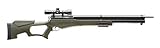
The umarex notos 22 pcp carbine air rifle lands in that sweet little pocket where compact size, quiet shooting, and practical backyard accuracy all meet without making the whole setup feel fussy. A short carbine can feel like a toy in the wrong hands, but this one has enough weight, rail space, and side-lever smoothness to feel purposeful. Still, it’s not a magic wand. The small air tank keeps things light, yet it also means fill discipline matters.
The .22 caliber PCP platform suits calm, careful shooting more than loud, fast blasting. That 7-shot rotary magazine keeps the rhythm easy, especially during plinking sessions where stopping after every pellet gets old fast. But, yeah, seven shots can feel short once the tin comes out and the targets start ringing. A spare magazine is one of those little add-ons that quickly stops feeling optional.
The regulated air system is the part that makes the Notos feel more grown-up than its size suggests. Consistency matters with a PCP, because nobody wants a tight group to fall apart just because the pressure curve got messy. The 3,625 PSI max fill brings solid performance, but it also asks for the right pump or compressor setup. Hand pumping can work, though after a few refills, convenience starts whispering pretty loudly.
The SilencAir muzzle device helps keep the report restrained, which is a big deal for small yards, close neighbors, and practice sessions that don’t need to announce themselves. Quiet doesn’t mean silent, of course, and backstops still matter more than any feature on the spec sheet. The short barrel and adjustable stock make it easy to handle around benches, garden edges, and tight shooting lanes. That compact feel is the whole charm.
Scope mounting deserves a little patience. The long Picatinny rail gives room to work, but magazine access and side-lever clearance can get cramped with chunky optics or awkward rings. A compact scope, red dot, or carefully placed optic keeps the carbine from becoming nose-heavy. Get that balance right, and the Notos feels quick, tidy, and surprisingly settled.
The Umarex Notos makes the most sense for steady plinking, close-range target work, and small-game duty where local rules allow it. It rewards clean pellets, smart fills, and realistic expectations. It won’t replace a full-size PCP with a larger bottle and longer shot count, but that’s not really the point. This carbine wins by staying light, quiet, and easy to carry without turning every shooting session into a gear-hauling chore.
- ARS Mark9.0
ARS Mark is a ranking system developed by bestairriflescopes.com. ARS Mark has no relationship or impact from any manufacturers or sales agent websites. Learn more
- BrandUmarex

- ARS Mark9.0
ARS Mark is a ranking system developed by bestairriflescopes.com. ARS Mark has no relationship or impact from any manufacturers or sales agent websites. Learn more
- BrandUmarex

- ARS Mark8.0
ARS Mark is a ranking system developed by bestairriflescopes.com. ARS Mark has no relationship or impact from any manufacturers or sales agent websites. Learn more
- BrandUmarex

- ARS Mark7.0
ARS Mark is a ranking system developed by bestairriflescopes.com. ARS Mark has no relationship or impact from any manufacturers or sales agent websites. Learn more
- BrandUmarex

- ARS Mark8.8
ARS Mark is a ranking system developed by bestairriflescopes.com. ARS Mark has no relationship or impact from any manufacturers or sales agent websites. Learn more
- BrandUmarex

- ARS Mark8.0
ARS Mark is a ranking system developed by bestairriflescopes.com. ARS Mark has no relationship or impact from any manufacturers or sales agent websites. Learn more
- BrandUmarex
Last update on 2026-05-29 / Affiliate links / Images, Product Titles, and Product Highlights from Amazon Product Advertising API
Umarex Notos 22 PCP Carbine Air Rifle Guide
Backyard shooting gets frustrating fast once a rifle becomes too loud, too heavy, or too annoying to refill every few minutes. Plenty of compact PCP rifles promise convenience, then end up feeling twitchy or awkward once a scope and pellets enter the mix. The umarex notos 22 pcp carbine air rifle sits in a more practical lane, though, and that’s why it keeps showing up in conversations around lightweight airgun setups. Small-frame PCP carbines aren’t supposed to feel this composed, yet the regulated action and short profile make the whole thing feel calm instead of gimmicky.
AirSaber Combo Kit
The Elite Force Umarex AirSaber PCP Powered Arrow Gun Air Rifle Combo Kit takes a very different route compared to the compact Notos platform. Arrow rifles aren’t trying to mimic pellet rifles perfectly. They occupy that weird middle ground where archery and PCP shooting overlap, and honestly, that overlap creates a pretty interesting experience. The bolt-action system gives it a familiar rhythm, while the carbon fiber arrows push the setup into hunting-focused territory instead of casual backyard plinking.
Size matters with gear like this. The 41-inch overall length keeps the AirSaber from feeling cramped, and the 6.85-pound weight lands in a reasonable range once optics are mounted. Some arrow rifles feel nose-heavy after adding accessories, but the included Axeon 4x32 scope keeps the balance manageable. Long shooting sessions still require steady handling, though, especially from unsupported positions.
The included pressure gauge deserves attention because PCP systems become irritating without clear pressure tracking. Guessing fill levels ruins consistency and wastes air fast. The integrated gauge keeps that guesswork under control, especially during repeated shots where pressure stability matters more than people expect. Air management becomes part of the routine with PCP arrow guns, and this setup handles it better than many entry-level platforms.
Velocity numbers always attract attention first, but raw speed isn’t the entire story. The AirSaber pushes arrows up to 450 fps with up to 169 foot-pounds of kinetic energy, which puts it in serious territory for intended use. Still, heavy kinetic output changes shooting habits. Backstops need real consideration, and tight backyard setups suddenly stop feeling appropriate.
Comfort ends up becoming one of the overlooked strengths here. The all-weather stock handles temperature swings and rough outdoor conditions without demanding much maintenance. Rubber recoil padding also helps steady the shoulder feel, even though recoil behaves differently than a traditional firearm. It’s more about stability and shot follow-through than harsh kick.
Compact PCP Handling
The Umarex Notos 22 PCP Carbine thrives because it doesn’t overcomplicate simple shooting sessions. Short carbines usually trade stability for portability, but the Notos balances both surprisingly well. Walking through wooded property or maneuvering around sheds and fences feels easier with a compact frame that doesn’t snag every branch in sight. That shorter overall footprint changes the experience more than spec sheets suggest.
Noise control matters more than many shooters admit. Loud rifles limit practice opportunities, especially in suburban spaces where neighbors already notice every strange sound. The integrated moderation on the Notos helps keep things restrained without making the rifle feel weak or underpowered. Quiet shooting encourages more trigger time, and more trigger time usually means tighter groups.
The side-lever action adds a smoother rhythm compared to clunky bolt systems found on cheaper PCP rifles. Fast cycling becomes second nature after a few magazines, and the compact receiver keeps everything within easy reach. Tiny details like that shape long-term enjoyment. A rifle can shoot well on paper and still annoy people through awkward handling.
Shot count creates one of the few realistic tradeoffs. Small air cylinders reduce weight, but they also shorten shooting sessions between fills. Casual plinking sessions stay manageable, though longer range days may require a portable compressor or hand pump nearby. PCP ownership always carries that balancing act between portability and air capacity.
Optic setup flexibility also deserves credit. Picatinny rail space gives enough room for compact scopes, red dots, or lightweight prism optics without forcing weird mounting positions. Some shooters prefer stripped-down simplicity, while others lean heavily into accessories. The Notos leaves room for either approach.
Arrow Rifle Performance
The AirSaber behaves differently from pellet rifles in ways that catch new owners off guard. Arrow flight creates a slower visual rhythm, so shots feel deliberate instead of rapid-fire. Watching carbon fiber arrows drive toward targets carries a completely different satisfaction compared to pellets punching paper. That slower pacing changes the mood of the session.
The included Straight Flight Technology arrows help simplify compatibility concerns. Matching arrows incorrectly becomes a headache fast with air archery setups, so including three ready-to-use arrows removes some trial-and-error frustration early on. The 100-grain field tips also keep practice straightforward without demanding immediate aftermarket upgrades.
Consistency across multiple shots stays respectable thanks to the larger air tank. Around 25 effective shots per fill creates a workable rhythm before pressure begins tapering off noticeably. That matters because inconsistent arrow speeds throw confidence out the window quickly. Predictable velocity builds trust in the setup.
Hunting-style shooting positions feel natural with the AirSaber. Bipod mounts, accessory rails, and quiver compatibility create flexibility without forcing a single shooting style. Some setups feel painfully rigid once accessories enter the equation. This platform stays adaptable enough for field use, bench shooting, or controlled range sessions.
Weather resistance also plays a practical role. Moisture, temperature swings, and rough outdoor conditions can wear down cheap synthetic stocks surprisingly fast. The all-weather construction here feels more reassuring for people who actually leave the house with their equipment instead of storing it permanently in climate-controlled corners.
Daily Use Tradeoffs
The biggest difference between the AirSaber and the Umarex Notos PCP comes down to purpose. The Notos leans toward convenience, repetition, and relaxed shooting flow. The AirSaber slows everything down into a more intentional process centered around power and arrow placement. Neither approach is automatically better.
Storage and transport tell another story. Compact pellet carbines slide easily into tighter cases, closets, and vehicle spaces without much planning. Arrow rifles require more room, more awareness, and more careful handling around broadheads or field tips. That added bulk changes how often people casually bring the setup out.
Maintenance stays relatively manageable for both systems, although arrow care introduces extra routine checks. Bent shafts, damaged vanes, or worn tips affect accuracy quickly. Pellet shooters often carry tins without much concern, while arrow setups demand more careful inspection after repeated impacts.
A separate setup occasionally enters discussions around PCP rifles, especially among shooters comparing compact field guns. Some related notes appear naturally beside Snowpeak AP900 PCP Air Rifle conversations because both platforms emphasize lightweight handling over oversized tactical styling.
Trigger feel also shapes confidence more than many spec sheets admit. The Notos offers a cleaner, lighter shooting rhythm suited for repeated target work. The AirSaber carries a more deliberate cadence where every shot feels heavier and more committed. Different moods. Different habits. Both approaches make sense depending on the day.
Real Shooting Impressions
The Notos keeps earning attention because it strips away unnecessary bulk without making the rifle feel stripped down. Carry fatigue stays low during longer walks, and quick offhand shots feel easier thanks to the compact center balance. Tiny carbines sometimes feel toy-like. This one doesn’t.
The AirSaber, meanwhile, delivers a more serious atmosphere once arrows start loading into the chamber. Shot preparation slows down naturally, which some shooters genuinely enjoy. Fast magazine dumps disappear from the equation. Patience becomes part of the entertainment.
Backyard suitability separates these rifles sharply. The Notos adapts better to modest spaces where noise and over-penetration remain concerns. The AirSaber demands much more controlled environments because arrows carry substantial energy. Safe target setup matters enormously here.
Scope usability also shifts between platforms. Compact PCP carbines tolerate lightweight optics beautifully, while the AirSaber benefits from its purpose-built ballistic reticle system. Arrow drop behaves differently than pellet trajectories, so dedicated reticle support becomes more than a marketing detail.
Both rifles reveal something interesting about modern air-powered systems. Compact PCP carbines focus on convenience and repeatability, while PCP arrow rifles lean toward deliberate force and controlled power delivery. Different tools create different routines, and honestly, that’s what keeps airgun shooting from becoming stale.
Umarex Notos 22 PCP Carbine Air Rifle Setup
Small PCP rifles tend to reveal their flaws pretty quickly once the novelty wears off. Some feel awkward with optics mounted, others burn through air too fast, and a few simply become annoying after a couple of magazines. The umarex notos 22 pcp carbine air rifle stays popular because it avoids a lot of those everyday frustrations without turning into a bulky bench rifle. Compact handling, manageable weight, and quiet shooting all land in a sweet spot that makes regular use feel easy instead of chore-like.
Umarex Zelos
The Umarex Zelos .22 Caliber PCP Pellet Gun Air Rifle pushes harder toward high-volume shooting than many compact PCP rifles in its class. That massive 20-round rotary magazine changes the entire pace of a shooting session. Reload interruptions become less frequent, which matters more than people expect once targets start piling up across the yard. Long strings of shots feel smoother and more relaxed instead of stop-and-go.
Side-lever systems can make or break a PCP rifle’s personality. Clunky cocking turns even accurate rifles into a nuisance after extended sessions. The Zelos handles this nicely with a smooth side-lever mechanism that keeps cycling quick without requiring awkward hand positioning. Fast follow-up shots feel natural rather than mechanical.
Velocity numbers always grab attention first, sure, but balance matters just as much. The Zelos pushes .22 pellets up to 1000 FPS, which gives it enough authority for target work, pest control where legal, and longer backyard lanes. Still, lightweight pellets at extreme speeds can become twitchy in windy conditions. Pellet selection matters more here than many first-time PCP owners realize.
The adjustable regulator is one of the stronger details hidden beneath the headline specs. A tuning range between 1000 and 2000 PSI gives shooters room to shape the rifle around efficiency or power priorities. Lower settings can stretch shot count and calm the firing cycle slightly, while higher pressure settings lean into stronger pellet energy. That flexibility gives the rifle a more adaptable feel instead of locking it into one personality.
The 3625 PSI air tank keeps the rifle competitive for extended sessions, though refill planning still matters. PCP ownership always carries that tiny logistical dance between portability and air supply. Hand pumps can handle the job, but repeated fills eventually convince most people to look toward compressors or carbon fiber tanks. The Zelos performs best once air management stops feeling like homework.
Magazine Capacity And Shooting Rhythm
Large-capacity magazines change the mood of shooting more than spec charts suggest. A 20-round setup means less fumbling with pellets and fewer pauses that break concentration. That smoother rhythm becomes especially noticeable during reactive target shooting where quick transitions keep the session fun. Tiny magazines can make a rifle feel slower than it actually is.
The Zelos handles pellet feeding surprisingly well considering the magazine size. Oversized rotary systems sometimes become unreliable once dust, damaged skirts, or inconsistent pellets enter the equation. Here, the mechanism stays fairly composed as long as pellets are loaded carefully. Bent skirts still create problems, though that’s true with nearly every magazine-fed PCP rifle.
Bench shooters may appreciate the magazine design more than field shooters. Extended target sessions become easier without constant reload interruptions, especially when working through multiple paper groups or steel spinners. Shorter magazines often interrupt flow just as concentration sharpens. The Zelos avoids that annoyance pretty effectively.
Weight distribution also benefits from the larger setup. Some PCP rifles feel awkwardly front-heavy once air cylinders and accessories stack together. The Zelos maintains a steadier center balance that feels comfortable from standing positions or supported rests. Shoulder fatigue stays manageable during longer sessions.
Noise output lands somewhere in the middle ground. It’s not whisper-quiet, but it also avoids the harsh crack associated with louder high-velocity PCP rifles. Backyard suitability still depends heavily on local surroundings and safe shooting setups. Tight suburban spaces may still require extra caution despite moderated sound levels.
Trigger Feel And Handling
The two-stage adjustable trigger helps the Zelos feel more refined than basic entry-level PCP rifles. Heavy triggers ruin accuracy faster than many shooters admit. Here, the break feels cleaner and more predictable once adjusted properly, especially during slow precision shooting. Tiny improvements in trigger consistency often tighten groups more effectively than raw power increases.
Grip and handling stay comfortable during longer sessions because the rifle avoids excessive bulk. Compact PCP rifles sometimes sacrifice ergonomics for portability, leading to cramped hand positions or awkward cheek welds. The Zelos keeps enough structure around the action to maintain a natural feel without becoming oversized. That middle-ground approach suits repeated shooting surprisingly well.
Integrated Picatinny rails add practical flexibility without making the rifle look overloaded. Scope mounting stays straightforward, and accessory placement doesn’t require aftermarket adapters or strange workarounds. Bipods, lights, and compact optics fit easily into the setup depending on shooting style. Rail space sounds boring until a rifle doesn’t have enough of it.
The rifle also benefits from decent interaction speed between shots. Side-lever cycling, magazine indexing, and trigger reset all flow together without much interruption. Fast-paced shooting sessions feel smooth instead of clumsy. That kind of mechanical rhythm tends to separate rifles people keep from rifles they eventually sell.
Cold-weather handling deserves a quick mention too. Some synthetic PCP stocks become slick or awkward once temperatures drop. The Zelos avoids feeling overly hollow or flimsy during cooler outdoor sessions, which helps maintain confidence during offhand shooting.
Pros And Everyday Advantages
Magazine capacity easily ranks among the Zelos’ biggest advantages. Twenty rounds before reloading creates a noticeably different shooting experience compared to smaller PCP platforms. Target transitions feel fluid, and repetitive reload pauses fade into the background. Long plinking sessions become far more relaxed.
The adjustable regulator also gives experienced shooters room to experiment without forcing complicated modifications. PCP enthusiasts often enjoy tuning rifles around pellet weight, range distance, or shot efficiency goals. Built-in flexibility saves time and reduces the temptation for immediate aftermarket tinkering.
Handling comfort stands out as another practical win. Compact enough for mobility, stable enough for supported shooting, and balanced enough to avoid arm fatigue, the rifle lands in a versatile middle ground. Some PCP rifles feel specialized to the point of awkwardness. The Zelos avoids that trap.
Accessory compatibility feels refreshingly straightforward. Integrated rails eliminate the headache of hunting for adapters or custom mounts. From a practical angle, related discussions around modern PCP platforms sometimes overlap with best air rifle brands because mounting flexibility and reliability often shape long-term ownership more than flashy velocity claims.
Maintenance remains fairly manageable as long as air system care becomes routine. Clean pellets, proper storage, and regular seal checks keep the rifle behaving consistently. PCP ownership rewards attention to detail more than brute force or aggressive handling.
Cons And Real Tradeoffs
The Zelos isn’t perfect, and pretending otherwise would ignore the realities of PCP ownership. High-capacity magazines add convenience, but they also encourage faster shooting habits that burn through air quicker than expected. Extended range days still require refill planning. Air supply always becomes part of the equation with rifles like this.
Velocity near 1000 FPS sounds exciting, though lightweight pellets can become less predictable at extreme speeds. Accuracy often improves with careful pellet matching rather than maximum velocity chasing. Some shooters end up dialing things back slightly for tighter consistency. Raw speed rarely tells the whole story.
The rifle’s larger magazine system also adds a bit of bulk around the receiver area. Smaller-handed shooters may notice slightly tighter clearance depending on optic size and mounting height. Compact scopes usually solve the issue, but oversized optics can crowd the setup fast.
Noise control remains reasonable, not silent. Backyard shooters dealing with close neighbors or noise-sensitive environments may still prefer moderated shooting schedules or additional suppression solutions where legal. PCP rifles can sound tame compared to firearms while still drawing attention in quiet neighborhoods.
Air management becomes the final learning curve. Compressors, hand pumps, and fill tanks all add long-term cost considerations beyond the rifle itself. The Zelos rewards shooters who enjoy the PCP process, but casual owners expecting maintenance-free simplicity may need time to adjust.
Umarex Notos 22 PCP Carbine Air Rifle Alternatives
Tiny PCP carbines feel handy right up until somebody wants more power, heavier impact, or longer-range authority. Lightweight rifles handle backyard sessions beautifully, but bigger game applications push compact airguns past their comfort zone fast. The umarex notos 22 pcp carbine air rifle thrives as a nimble, practical setup, though the conversation changes completely once the massive .50 caliber Umarex Hammer enters the picture. This thing doesn’t flirt with subtlety. It stomps into the room wearing work boots.
Umarex Hammer
The Umarex Hammer .50 Caliber PCP Pellet Gun Air Rifle takes the normal expectations surrounding air rifles and flips them upside down. Most pellet rifles focus on backyard target work or moderate pest control duties. The Hammer moves straight into heavy-hitting territory with enough energy to make smaller PCP rifles feel almost delicate by comparison. Massive caliber, huge projectile weight, and serious air pressure completely change the shooting experience.
Power headlines usually sound exaggerated in airgun marketing, but this rifle genuinely sits in a different category. Shooting .50 caliber pellets at up to 1130 FPS creates substantial impact energy without relying on firearm cartridges. The rifle’s design focuses on transferring force into the target rather than over-penetrating and wasting energy downrange. That detail matters because uncontrolled pass-through becomes a serious safety concern with ultra-powerful setups.
The air system itself feels purpose-built for serious output. A 4500 PSI carbon fiber air tank keeps weight more manageable than steel while still feeding enough pressure for full-power shots. Carbon fiber tanks usually improve portability in larger PCP systems, and that matters here because this isn’t a featherweight plinker. Lugging oversized rifles gets old quickly once optics and accessories pile on.
Shot count becomes one of the first realities owners notice. The Hammer delivers four regulated full-power shots plus one finishing shot per fill. Some shooters will immediately see that as a limitation. Others understand the tradeoff instantly because rifles producing this kind of energy consume air aggressively by nature.
Noise control surprises many first-time users. Big-bore PCP rifles often sound violent enough to rattle nearby windows, yet the Hammer stays relatively restrained for its category. “Quiet” remains a relative term, obviously, but it avoids the sharp, concussive crack many people expect from something launching .50 caliber pellets at serious velocity.
Handling And Physical Feel
Compact rifles disappear into the shoulder naturally. Big-bore airguns demand commitment. The Hammer carries that larger-frame personality from the first moment it’s picked up, though the stock design helps distribute weight more intelligently than older bulky PCP systems. Shoulder balance feels steadier than expected once the rifle settles into position.
The straight-pull bolt deserves more attention than it usually gets. Traditional bolt systems on large PCP rifles can feel stiff or clumsy because of heavier internal pressure requirements. Here, the two-pound pull weight keeps cycling relatively smooth without requiring excessive force. Fast reloads still aren’t the point, but the interaction feels cleaner than many big-bore competitors.
Safety systems matter more once projectile size and energy jump into this territory. The Hammer includes both a mag lock-out safety and a trigger block safety, which adds reassurance during handling and transport. Big-bore air rifles demand disciplined handling habits. Small mistakes stop feeling small very quickly.
M-LOK slots and the integrated Picatinny rail give the rifle practical mounting flexibility without turning it into a tactical mess. Heavy optics, bipods, and slings all make sense here because this rifle leans toward deliberate supported shooting rather than casual offhand plinking. Accessories become part of the workflow instead of cosmetic extras.
Field carry tells another story entirely. Long walks with oversized air rifles expose weak stock design and poor balance fast. The Hammer remains manageable, though nobody would confuse it with a lightweight woods carbine. This is the kind of rifle that encourages thoughtful movement instead of quick reactive shooting.
Pros That Actually Matter
Energy transfer stands out as the Hammer’s defining advantage. Plenty of air rifles advertise speed while failing to deliver meaningful downrange authority. This platform focuses on controlled force delivery with heavy pellets that hit hard and dump energy efficiently. That approach creates more predictable terminal behavior than lightweight ultra-fast projectiles.
The carbon fiber air tank also improves usability more than people expect. Heavy air reservoirs quickly become tiring during setup, transport, or long shooting days. Cutting unnecessary weight from the pressure system helps offset the rifle’s naturally large frame. Small reductions matter once gear starts adding up.
The included two-shot linear magazines keep loading relatively simple. Tiny magazines would feel frustrating here because every shot carries deliberate setup and preparation. A clean magazine system helps maintain shooting rhythm without turning reloads into awkward fumbling sessions.
Quiet operation for a big-bore PCP rifle deserves real credit. Loud reports scare away practice opportunities, especially on private property where sound travels farther than expected. The Hammer still commands respect acoustically, but it avoids the brutal bark associated with many large-caliber airguns.
From a practical angle, broader discussions around modern high-powered airguns occasionally overlap with best new air rifles because recent PCP designs have shifted heavily toward modular stocks, regulated systems, and improved handling ergonomics instead of pure raw velocity chasing.
Cons And Realistic Tradeoffs
The biggest downside shows up almost immediately after a few magazines. Four regulated shots per fill disappears faster than most people expect. High-energy rifles consume massive amounts of air, and the Hammer doesn’t pretend otherwise. Portable compressors or larger refill systems quickly become part of ownership.
Cost stretches beyond the rifle itself. Pellets, optics, tanks, compressors, and safe backstop setups all demand consideration with a platform this powerful. Cheap accessories suddenly stop making sense once energy levels climb into serious territory. Supporting equipment matters just as much as the rifle.
Weight and size also narrow the rifle’s flexibility. Compact carbines adapt easily to benches, woods walks, or casual backyard sessions. The Hammer leans heavily toward planned shooting rather than spontaneous quick sessions behind the shed. Space requirements grow fast once cases and accessories enter the picture.
Pellet availability can occasionally become frustrating depending on local supply. Common .22 pellets appear almost everywhere. Specialized .50 caliber projectiles naturally require more intentional sourcing and storage planning. Running out during peak shooting season becomes more annoying with less common calibers.
Trigger discipline becomes critical because of the rifle’s raw output. Small lapses in handling that feel harmless on low-powered air rifles carry far greater consequences here. Responsible storage, safe targets, and controlled shooting environments stop being optional details.
Where The Hammer Fits Best
The Hammer feels most comfortable in deliberate outdoor setups where space, backstop quality, and shot planning already exist. Tight suburban environments rarely suit rifles carrying this level of energy, even with moderated sound output. Wide-open land changes the experience completely because distance and target setup become easier to manage responsibly.
Bench shooting pairs naturally with this rifle because the heavier frame rewards supported stability. Standing offhand shots remain possible, though fatigue appears quicker than with compact PCP carbines. Long-range sessions become far more enjoyable once bipods or shooting bags enter the equation.
The rifle also creates a different emotional rhythm compared to lightweight airguns. Compact PCP carbines encourage casual repetition and rapid plinking. The Hammer slows everything down into careful loading, measured breathing, and deliberate shot placement. Every shot feels expensive in air consumption and purposeful in execution.
Cold weather handling remains decent thanks to the modern stock design and manageable bolt operation. Some large PCP systems stiffen noticeably in rough outdoor conditions. The Hammer stays reasonably cooperative as long as seals and air systems receive proper care.
People expecting casual backyard entertainment may feel overwhelmed by the platform’s scale and responsibilities. Shooters wanting serious big-bore air rifle capability, though, will probably appreciate how unapologetically focused the Hammer feels. It knows exactly what kind of rifle it wants to be, and honestly, that clarity works in its favor.
Umarex Notos 22 PCP Carbine Air Rifle Backyard Setup
Noise ruins plenty of good shooting sessions before they even begin. One loud crack drifting across the fence line can turn a relaxing afternoon into an awkward neighborhood stare-down pretty quickly. The umarex notos 22 pcp carbine air rifle gets attention partly because it stays compact and reasonably quiet, but the conversation changes a bit once the Umarex Fusion 2 enters the mix. This rifle leans hard into low-noise backyard shooting without dragging air tanks, compressors, and fill stations into the equation.
Umarex Fusion 2
The Umarex Fusion 2 Quiet .177 Caliber Pellet Gun Air Rifle feels built for relaxed shooting sessions where simplicity matters more than raw brute force. CO2 rifles usually attract shooters who want less maintenance hassle and fewer accessories cluttering the garage floor. That personality shows up immediately here. Load the magazine, twist in the CO2 source, settle behind the optic, and things just flow naturally.
Silence becomes the rifle’s defining trait almost immediately. The redesigned SilencAir muzzle device keeps the report surprisingly restrained, especially for repeated backyard plinking. Pellet impact often becomes louder than the rifle itself once targets sit at moderate distance. Quiet shooting changes behavior too because people stay relaxed instead of bracing for every shot.
Accuracy also deserves more respect than many casual CO2 rifles usually receive. Lightweight plinkers sometimes sacrifice consistency for convenience, yet the Fusion 2 manages to stay fairly composed across extended sessions. Center-punching small reactive targets at backyard distances feels genuinely satisfying. The rifle encourages volume shooting without turning sloppy or erratic.
The dual CO2 setup creates flexibility that many shooters appreciate over time. Running two 12-gram cartridges keeps the rifle compact for quick sessions, while the larger 88-gram CO2 cylinder stretches runtime dramatically for longer days outdoors. Fewer interruptions mean more time shooting and less time fumbling through gear bags searching for spare cartridges.
Weight balance stays pleasantly manageable too. Some budget CO2 rifles feel toy-like or hollow once mounted with optics. The Fusion 2 lands in a middle ground where it still feels light without becoming flimsy. Long plinking sessions remain comfortable, especially from standing positions.
Quiet Shooting Experience
Backyard airgun setups live or die by sound control. Loud rifles limit practice opportunities because neighbors notice them fast, even if the shooting itself stays perfectly safe. The Fusion 2’s quiet report gives it a completely different vibe compared to spring-piston rifles that slap and crack with every shot. Calm shooting becomes part of the experience.
CO2 systems naturally produce smoother firing behavior than many spring-powered alternatives. Less vibration means the sight picture stays steadier through the shot cycle, especially for newer shooters still building consistency. The rifle doesn’t jerk or snap aggressively during firing. That softer behavior improves confidence surprisingly quickly.
The Fusion 2 also avoids the constant pumping or refill management attached to PCP ownership. Hand pumps lose their charm after extended sessions, especially during hot weather. Swapping CO2 cartridges feels easier and less disruptive for casual use. Convenience matters more than spec sheets sometimes admit.
Magazine handling deserves a little praise because the 9-shot rotary magazines load without becoming frustrating. Tiny magazines can turn target practice into repetitive busywork if pellet seating feels awkward. Here, the process stays simple enough to maintain shooting rhythm. Faster reloads keep the fun moving.
Cold weather remains one of the realistic tradeoffs. CO2 pressure naturally dips in lower temperatures, which can affect consistency and velocity. Warm afternoon sessions usually feel smooth and reliable, though chilly mornings may produce softer performance than expected. CO2 rifles always carry that seasonal personality shift.
Shot Count And Convenience
High shot count changes the mood of a rifle dramatically. Constant refills break concentration and turn long shooting sessions into maintenance routines. The Fusion 2 stretches usability nicely with over 70 shots from dual 12-gram cartridges and upwards of 250 shots from an 88-gram cylinder. That kind of endurance suits laid-back plinking extremely well.
Long-range power isn’t really the point here. The rifle focuses more on consistency, quiet operation, and easy handling rather than brute energy. Lightweight .177 pellets perform best within practical backyard ranges where accuracy and repeatability matter more than heavy impact. Realistic expectations keep the experience enjoyable.
CO2 ownership also removes some entry barriers tied to PCP systems. Compressors, fill tanks, and high-pressure gauges can intimidate casual shooters or newcomers. The Fusion 2 strips away most of that complexity. Simple cartridge replacement keeps the setup approachable without making it feel disposable.
Storage convenience deserves attention too. Compact CO2 rifles fit neatly into smaller closets, vehicles, or range bags without demanding oversized cases or bulky air support equipment. Space limitations become less annoying. That portability encourages spontaneous shooting sessions instead of highly planned outings.
From a practical angle, broader conversations about lightweight backyard airguns occasionally overlap with best one stroke air rifles because both categories attract shooters who value low-maintenance setups and simple shooting routines over complicated high-pressure systems.
Strengths That Stand Out
The biggest advantage here sits squarely in the rifle’s easygoing personality. Some air rifles constantly demand tuning, refilling, or mechanical patience. The Fusion 2 stays refreshingly uncomplicated. Quiet operation, straightforward loading, and manageable recoil behavior all combine into a setup that encourages regular use instead of occasional experimentation.
CO2 flexibility also helps the rifle adapt to different shooting habits. Quick afternoon sessions work fine with smaller cartridges, while extended weekends become easier with the larger 88-gram option. That flexibility saves time and reduces constant cartridge swapping during longer target sessions.
The rifle’s lightweight handling improves comfort over time too. Heavy rifles can feel stable from the bench while becoming exhausting during standing practice. The Fusion 2 balances portability and control in a way that suits relaxed shooting styles nicely. Shoulder fatigue stays minimal even after long sessions.
Noise moderation deserves another mention because it shapes where and how often the rifle gets used. Quiet rifles simply create fewer headaches in suburban environments. Less noise means fewer interruptions, less attention, and more opportunities to practice consistently.
Magazine design also supports the rifle’s casual shooting nature. Smooth loading and quick cycling help maintain momentum between shots. Tiny annoyances matter during extended plinking sessions, and awkward magazine systems can sour otherwise decent rifles surprisingly fast.
Limitations And Tradeoffs
The Fusion 2 isn’t trying to compete directly with high-powered PCP rifles, and that becomes obvious once longer distances enter the conversation. Wind drift affects lightweight .177 pellets noticeably outdoors, especially during breezy afternoons. Precision remains solid within practical ranges, though extended-distance expectations should stay realistic.
CO2 dependency creates another limitation tied directly to temperature. Warm weather keeps performance lively and consistent. Cold air causes pressure drops that soften velocity and slightly alter shot consistency. Winter shooters may notice the difference fairly quickly.
The rifle’s lightweight frame, while comfortable, can feel less planted compared to heavier PCP platforms. Some shooters prefer that featherweight handling. Others may want additional stability during bench shooting or scoped precision work. Personal preference shapes that experience heavily.
Power output stays moderate because this rifle prioritizes backyard-friendly behavior over aggressive energy delivery. Small pests, reactive targets, and paper punching all fit naturally within its comfort zone. Larger pest control duties or extended-range shooting push beyond the rifle’s intended strengths.
Accessory expectations should remain practical too. The Fusion 2 supports optics nicely, but turning it into a heavily loaded tactical setup defeats part of the rifle’s charm. Compact scopes and lightweight accessories suit the platform better than oversized attachments that disrupt balance and handling.
Umarex Notos 22 PCP Carbine Air Rifle Review
Heavy rifles can wear out the fun long before the pellet tin runs empty. Lugging oversized airguns around the yard or through wooded property gets old in a hurry, especially once optics and accessories start stacking weight onto the setup. The umarex notos 22 pcp carbine air rifle heads in the opposite direction with a compact frame, regulated PCP action, and a short barrel that keeps the entire rifle lively in the hands. It feels built for shooters who want practical performance without dragging around something that belongs on a benchrest table.
Umarex Notos Carbine
The Umarex Notos Carbine .22 Caliber PCP Pellet Gun Air Rifle makes a strong first impression because it doesn’t try too hard. Plenty of modern air rifles chase tactical styling so aggressively that they forget basic comfort and handling. The Notos stays compact, simple, and surprisingly balanced. That stripped-down personality ends up working in its favor during actual use.
The short 11.75-inch barrel immediately changes how the rifle moves through tight spaces. Walking around sheds, fences, or wooded paths feels easier because the front end doesn’t constantly snag or dip awkwardly. Compact PCP rifles sometimes sacrifice accuracy for portability, though the Notos avoids feeling sloppy or unstable. It stays composed at the kind of ranges most people realistically shoot.
Velocity lands at around 700 FPS with a 12-grain .22 pellet, which puts the rifle comfortably into practical small-game and target territory without pushing into excessive noise or harsh firing behavior. That balance matters because chasing maximum speed often creates unnecessary drawbacks. Loud reports, wasted air, and twitchy lightweight pellets can make some PCP rifles feel less enjoyable than expected. The Notos keeps things calmer.
The regulated fixed high-pressure tank also deserves real credit. Regulated PCP systems help maintain more consistent shot behavior across the usable pressure range, and consistency matters far more than flashy velocity numbers once accuracy becomes the priority. Shots feel predictable instead of drifting wildly as pressure drops. That stable rhythm gives the rifle a polished feel.
Side-lever operation rounds out the package nicely. Clunky cocking systems ruin the flow of repeated shooting sessions fast. The Notos cycles smoothly enough that follow-up shots feel natural instead of mechanical. Small interaction details like that quietly shape long-term enjoyment.
Compact Handling In Real Use
The first thing many shooters notice after mounting an optic is how light and manageable the rifle still feels. Some compact PCP rifles become nose-heavy once scopes enter the picture. The Notos Carbine keeps its balance fairly centered, which helps during standing shots and quick target transitions. Long sessions stay comfortable without shoulder fatigue creeping in too early.
Noise output stays pleasantly restrained too. Backyard shooting environments demand a different kind of discipline because neighbors usually hear more than expected. The Notos keeps its report moderate enough to avoid sounding harsh or aggressive. Pellet impact against steel or wood often becomes louder than the rifle itself at moderate distances.
The side lever contributes heavily to the rifle’s smooth personality. Fast cycling helps maintain concentration during plinking sessions where repeated reload interruptions can become irritating. The motion feels short, clean, and easy to manage without requiring exaggerated effort. That smoothness matters more over time than people initially expect.
Compact rifles also tend to encourage more spontaneous use. Huge airguns often stay locked away because dragging them outside feels like a project. The Notos invites quick sessions almost casually. Ten minutes behind the shed suddenly turns into an hour of target shooting without much planning involved.
Storage becomes easier as well. Small safes, closets, and vehicle cases accommodate compact carbines far more comfortably than oversized precision rifles. Practical ownership sometimes boils down to details that never appear on spec sheets. The Notos quietly handles those details better than many bulkier PCP competitors.
Magazine And Shooting Flow
The 7-shot auto-indexing rotary magazine suits the rifle’s laid-back shooting style nicely. Tiny single-shot trays slow down casual plinking too much for some people, while oversized magazines can add unnecessary bulk. Seven rounds feel like a reasonable middle ground for a compact PCP carbine.
Magazine loading stays straightforward without becoming fussy or awkward. Poorly designed rotary systems can turn pellet loading into a frustrating little puzzle, especially once fingers get cold outdoors. The Notos avoids that irritation. Pellets seat reasonably cleanly, and indexing remains consistent as long as damaged skirts stay out of the rotation.
Fast follow-up shots become part of the rifle’s charm. Side-lever cycling combined with the rotary magazine creates a fluid shooting rhythm that works beautifully for reactive targets and casual range sessions. Some rifles technically shoot well while still feeling clumsy in motion. The Notos stays lively and cooperative.
Shot count naturally depends on fill pressure and shooting pace, though the regulated system helps maximize useful consistency before refill time arrives. Compact air cylinders always involve tradeoffs between portability and endurance. The Notos leans toward convenience instead of marathon shooting sessions, and honestly, that choice fits the rifle well.
From a practical angle, broader conversations around compact PCP platforms occasionally overlap with best 22 hunting air rifles because lightweight handling and quiet operation often matter just as much as raw power during real field use.
Accuracy And Everyday Performance
Accuracy feels steady and predictable within sensible distances. Tiny carbines sometimes struggle with consistency once ranges stretch out, but the regulated PCP action helps the Notos stay composed. Pellet choice still matters, naturally. Certain rifles simply favor specific weights and skirt designs more than others.
The trigger behavior supports precision better than many entry-level PCP rifles. Heavy, gritty triggers can sabotage otherwise capable platforms quickly. The Notos keeps things manageable enough for controlled shots without demanding immediate aftermarket upgrades. Smooth trigger control becomes easier to develop on rifles that don’t fight the shooter constantly.
Small-game capability fits naturally into the rifle’s comfort zone where local laws allow it. The .22 caliber setup balances manageable recoil behavior with enough pellet mass for practical field use. Compact dimensions also help while maneuvering through brush or tight terrain. Long rifles can feel awkward in those situations surprisingly fast.
Wind drift remains something to respect because lighter PCP carbines still rely heavily on pellet stability and proper shot placement. Calm mornings produce cleaner consistency than gusty afternoons. The rifle rewards patience and smart range expectations more than reckless velocity chasing.
Optic compatibility also works in the rifle’s favor. Compact scopes, lightweight red dots, and small prism optics all pair naturally with the carbine layout. Oversized glass can overwhelm the rifle visually and physically, though moderate setups keep the handling balanced and responsive.
Strengths And Tradeoffs
The strongest quality here is balance. Power, size, noise, and handling all land in a practical middle ground that encourages regular use instead of occasional novelty sessions. Some PCP rifles excel in one category while becoming annoying everywhere else. The Notos stays versatile enough to avoid that trap.
Quiet shooting behavior deserves another mention because it shapes where and how often the rifle gets used. Loud rifles limit opportunities. Calm, moderated PCP carbines naturally encourage more frequent practice sessions in controlled backyard spaces.
The compact design also creates a huge advantage for shooters tired of oversized tactical frames. Lightweight movement, easier transport, and manageable storage all improve day-to-day ownership. Tiny conveniences add up surprisingly fast over months of use.
Tradeoffs still exist, naturally. The smaller air reservoir limits extended shot strings compared to large bottle-fed PCP rifles. High-volume shooters may end up refilling more frequently than expected during long target days. PCP ownership always involves balancing portability against air capacity.
The 7-shot magazine, while smooth and reliable, may feel slightly limited for people accustomed to higher-capacity systems. Fast plinking sessions burn through magazines quickly. Still, the compact receiver and lightweight handling would probably suffer if the rifle chased oversized magazine designs instead.


12 Best 22 Pcp Air Rifle For Hunting of 2026 With Quiet Power

7 Best 22 Pcp Air Rifle Under 300 of 2026 For Backyard Pest Control

10 Best 22 Break Barrel Air Rifles of 2026 For Backyard Pest Control
10 Best 30 Caliber Pcp Air Rifle of 2026 For Medium Game

Top Best 177 Air Rifle Under 100: Budget-Friendly Picks for 2026

How to Safely Reload Shotgun Shells at Home

11 Best Co2 Air Rifle For Pest Control of 2026 To Ensure Humane Dispatch

12 Best Inexpensive Air Rifles of 2026 For Dependable Backyard Accuracy






