
Umarex NXG APX Air Rifle 2026 Best Backyard Value

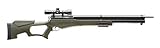
Umarex NXG APX air rifle fits the kind of backyard shooting that needs to stay simple, safe-minded, and low-drama. A multi-pump pneumatic setup means there’s no CO2 cartridge to forget, no springer slap to wrestle, and no big setup ritual before a few cans get lined up. The 3 to 10 pump range also lets each session feel more controlled, which matters when casual plinking turns into careful practice. Still, it’s not a powerhouse, and that’s part of the point.
.177 pellets and steel BBs give it more flexibility than a plain single-ammo plinker. Pellets make more sense for slower, more deliberate shots, while BBs keep things moving when the mood is light and the tin cans are already losing the argument. The 75-shot BB reservoir cuts down on constant reloading, though pellet use stays more hands-on. That tradeoff keeps the rifle honest instead of pretending to be something bigger than it is.
The synthetic thumbhole stock feels practical rather than fancy. It’s light enough to handle without turning a short practice session into arm day, and the raised cheek area helps with a steadier sight picture. The included 4x15 scope is useful for learning the basics, though the open sights may feel less fussy at closer ranges. So, yes, expectations matter here.
Safe-T-Matic automatic safety adds a helpful layer for anyone who wants cleaner habits built into each shot cycle. The pump handle takes some effort near the upper end, so smaller hands may prefer fewer pumps during longer sessions. Accuracy tends to reward patience, decent pellets, and a calm trigger pull more than brute speed. That’s where this rifle earns its keep, one measured shot at a time.
The biggest appeal is its no-nonsense nature. Backyard plinking, paper targets, and basic marksmanship practice suit it better than pest control or long-range work. It won’t flatter sloppy technique, but it won’t punish curiosity either. For a budget-friendly air rifle, that balance feels refreshingly grounded.

- ARS Mark9.2
ARS Mark is a ranking system developed by bestairriflescopes.com. ARS Mark has no relationship or impact from any manufacturers or sales agent websites. Learn more
- BrandUmarex
- ARS Mark9.0
ARS Mark is a ranking system developed by bestairriflescopes.com. ARS Mark has no relationship or impact from any manufacturers or sales agent websites. Learn more
- BrandUmarex

- ARS Mark8.8
ARS Mark is a ranking system developed by bestairriflescopes.com. ARS Mark has no relationship or impact from any manufacturers or sales agent websites. Learn more
- BrandUmarex

- ARS Mark8.8
ARS Mark is a ranking system developed by bestairriflescopes.com. ARS Mark has no relationship or impact from any manufacturers or sales agent websites. Learn more
- BrandUmarex

- ARS Mark8.4
ARS Mark is a ranking system developed by bestairriflescopes.com. ARS Mark has no relationship or impact from any manufacturers or sales agent websites. Learn more
- BrandUmarex

- ARS Mark8.4
ARS Mark is a ranking system developed by bestairriflescopes.com. ARS Mark has no relationship or impact from any manufacturers or sales agent websites. Learn more
- BrandUmarex

- ARS Mark8.2
ARS Mark is a ranking system developed by bestairriflescopes.com. ARS Mark has no relationship or impact from any manufacturers or sales agent websites. Learn more
- BrandUmarex

- ARS Mark7.4
ARS Mark is a ranking system developed by bestairriflescopes.com. ARS Mark has no relationship or impact from any manufacturers or sales agent websites. Learn more
- BrandUmarex

- ARS Mark7.0
ARS Mark is a ranking system developed by bestairriflescopes.com. ARS Mark has no relationship or impact from any manufacturers or sales agent websites. Learn more
- BrandUmarex
Last update on 2026-05-29 / Affiliate links / Images, Product Titles, and Product Highlights from Amazon Product Advertising API
Umarex NXG APX Air Rifle Backyard Shooting Review
Cheap-feeling stocks, awkward pumping systems, and flimsy sights can ruin a backyard shooting session faster than most people expect. Plenty of entry-level air rifles look decent in photos, then start rattling apart after a few weekends of target practice. The Umarex NXG APX air rifle avoids some of those headaches by sticking to a lightweight multi-pump setup that feels simple instead of overly stripped down. Small details, from the thumbhole stock to the built-in BB reservoir, make it feel more practical during casual use than many bargain-bin plinkers floating around online.
AirJavelin Arrow Gun
Umarex AirJavelin Arrow Gun Air Rifle heads in a completely different direction from a standard pellet plinker. This setup launches arrows instead of pellets, powered by one 88-gram CO2 cartridge that delivers roughly 27 effective shots before performance noticeably drops off. The experience feels closer to compact air archery than traditional backyard target shooting, especially with the included Straight Flight Technology arrows. Noise stays fairly manageable too, which helps during longer practice sessions where constant cracking sounds would get old in a hurry.
The stock design deserves some credit because cheap synthetic furniture often feels hollow and slippery. This one has a more grounded feel, helped by the rubber recoil pad and all-weather finish that handles sweaty hands and dusty outdoor conditions without turning slick. A humid afternoon or damp morning doesn’t make the rifle feel awkward to hold. That matters more than fancy styling once real shooting starts.
CO2-powered systems always come with tradeoffs, and this rifle isn’t pretending otherwise. Velocity consistency tends to dip during rapid shooting, especially if temperatures swing lower outdoors. Still, the advertised speed of up to 300 fps with around 35 foot-pounds of energy gives arrows enough authority for target practice and controlled recreational shooting. The overall feel lands somewhere between approachable and surprisingly punchy.
Arrow loading feels straightforward after a few repetitions, though beginners may need a handful of attempts before muscle memory kicks in. The front fiber optic sight helps with fast alignment, especially under uneven outdoor lighting where black iron sights usually disappear against darker targets. Some shooters will still prefer mounting optics immediately. Picatinny rails make that process refreshingly painless.
Handling And Everyday Shooting Feel
Weight distribution changes the entire personality of a rifle, and the AirJavelin stays reasonably balanced for something launching arrows instead of pellets. Front-heavy setups can become annoying halfway through a practice session, especially during standing shots. This rifle keeps enough stability up front without turning your shoulders into jelly after twenty minutes. That balance becomes noticeable during repeated target transitions.
The pumping process from a traditional pneumatic rifle obviously isn’t here since the system relies on CO2 cartridges. That removes repetitive arm fatigue but introduces another routine: monitoring cartridge usage carefully. Running out of gas midway through a session gets irritating fast if spare 88-gram cartridges aren’t nearby. A little planning solves that issue, though it’s worth mentioning because convenience cuts both ways.
Trigger feel leans more functional than refined. There’s a bit of take-up before the break, and seasoned shooters will notice it immediately. Casual target sessions won’t suffer much from that characteristic, but tiny groups at longer distances demand patience and smoother follow-through. The rifle rewards calm shooting habits rather than rushed firing.
Outdoor conditions affect this platform more than many newcomers expect. Wind drift matters with arrows, even during moderate backyard shooting distances. Lightweight practice targets can wobble or tip more easily as well. So while the rifle remains fun and surprisingly capable, realistic expectations make the experience far more enjoyable.
Accessory Mounting And Custom Setup Potential
Picatinny accessory mounts open up a lot of flexibility without forcing shooters into expensive proprietary parts. Scopes, bipods, lights, and aftermarket quivers fit more naturally into the platform than on stripped-down beginner rifles with awkward mounting options. That modular feel gives the setup a little breathing room as shooting preferences evolve. One week might revolve around short-range backyard targets, while another turns into longer-range arrow practice with optics attached.
The included three carbon fiber arrows feel reasonably durable during repeated use on soft targets. Hard surfaces or poor backstop choices will shorten arrow lifespan quickly, though that’s true for nearly any air archery setup. Arrow retrieval also takes more effort compared to picking pellets off paper targets. Dense foam blocks help reduce frustration and preserve arrow condition over time.
Some shooters eventually start comparing air archery setups with larger caliber pneumatic pistols and compact hunting platforms. A separate discussion around power-focused airgun setups occasionally overlaps with most powerful 50 cal air pistol, especially among enthusiasts interested in heavier-impact shooting systems. The AirJavelin still occupies a more approachable middle ground focused on recreational arrow launching rather than brute-force airgun power.
Aftermarket quiver compatibility turns out to be more useful than it first sounds. Loose arrows rolling around a bench or truck bed get damaged surprisingly easily. Keeping arrows secured and accessible speeds up sessions while reducing accidental nicks or bent components. Little quality-of-life improvements like that often matter more during regular use than flashy specs.
Where The Rifle Shines Most
Backyard target practice feels like the natural home for this rifle. The shooting rhythm encourages slower pacing compared to rapid-fire BB rifles or semi-auto pellet systems. That slower cadence becomes oddly relaxing after a while. Instead of burning through ammunition in minutes, each shot carries a bit more attention and setup.
Space matters too. Compact outdoor areas benefit from platforms that don’t produce overwhelming recoil or excessive report noise. The AirJavelin manages that balancing act fairly well while still delivering enough force to feel satisfying on impact. Foam targets react noticeably, and arrow penetration creates a more physical shooting experience than tiny paper pellet holes.
Maintenance demands stay fairly reasonable overall. Wiping down the exterior, monitoring seals, and storing CO2 cartridges properly cover most routine care. There’s less tinkering involved compared to some spring-powered rifles that loosen screws or vibrate optics after repeated use. Simplicity becomes part of the appeal here.
The rifle does have limitations worth respecting. Long-range precision isn’t its strongest area, especially under windy conditions. CO2 dependency also means recurring operating costs that don’t exist with multi-pump pneumatics. Still, the mix of approachable handling, arrow-based shooting, and customizable rails creates a setup that feels different enough to stay interesting well beyond the first afternoon.
Umarex NXG APX Air Rifle Air Archery Review
Backyard shooting gets stale pretty fast once every rifle starts feeling the same. Tiny pellets punching paper can still be fun, sure, but eventually people want something with a little more physical feedback and a slower, more deliberate rhythm. That’s where the Umarex NXG APX air rifle conversation suddenly shifts toward air archery platforms like the Elite Force Umarex AirSaber. Instead of chasing rapid-fire plinking, this setup leans into power, arrow flight, and a much more focused shooting experience.
Umarex AirSaber Combo Kit
Elite Force Umarex AirSaber PCP Powered Arrow Gun feels substantial the moment it comes out of the box. The 41-inch overall length gives it a full-sized rifle presence without becoming awkward or cumbersome. Weight distribution stays surprisingly manageable too, especially considering the onboard air tank and included optics. That balance matters once shooting sessions stretch beyond a handful of arrows.
The rifle operates through a bolt-action PCP system, and honestly, that setup changes the personality of the platform completely compared to CO2-powered alternatives. Air delivery feels more stable shot-to-shot, especially during longer sessions where consistency starts separating enjoyable gear from frustrating gear. The integrated pressure gauge also removes some guesswork. Nobody enjoys wondering whether the next arrow will suddenly dip in velocity halfway through practice.
Velocity figures up to 450 fps paired with roughly 169 foot-pounds of kinetic energy put this rifle into serious territory for an air archery platform. Foam targets react dramatically, and arrow impact feels noticeably more authoritative than lighter recreational arrow launchers. Still, realistic setup expectations matter because this isn’t a casual toy for cramped spaces or tiny backyards. Open shooting areas make the experience far more comfortable.
The included 100-grain field tips and Straight Flight Technology arrows help stabilize arrow flight in a way that feels reassuring for newer air archery shooters. Arrows track cleanly once the scope is dialed in properly. That said, crosswinds still influence arrow behavior, particularly at longer distances. Patience pays off here more than speed.
Scope Setup And Target Alignment
Axeon 4x32 scope inclusion actually makes sense instead of feeling like a throwaway bundle accessory. Plenty of combo kits toss in optics that struggle with clarity or hold poor alignment after repeated use. This one stays more practical, especially with the custom Air Archery Ballistic Reticle designed specifically around arrow trajectory. Arrow drop becomes easier to predict without endless trial-and-error adjustments.
Longer target sessions reveal another strength: reduced eye strain. Clearer reticles and predictable holdover points remove a surprising amount of mental fatigue during repeated shooting. Tiny frustrations build quickly with unclear optics, particularly outdoors where changing sunlight can wash out weak crosshairs. This setup avoids most of that nonsense.
The picatinny mounting system leaves room for adjustments too. Some shooters eventually swap optics depending on range preference or shooting style, while others keep the included scope because it already fits the rifle’s intended use pretty well. Conversations around optic setups sometimes overlap with best red dot sight for 308 bolt action, especially among shooters experimenting with different aiming systems across multiple rifle platforms. The AirSaber still feels more comfortable with magnified optics than compact red dots in most situations.
Fiber alignment and proper cheek weld become more important than many first-time users expect. Air archery punishes sloppy form faster than lightweight BB rifles. Slight inconsistencies in posture or trigger pull show up immediately downrange. Oddly enough, that challenge becomes part of the appeal after a few sessions.
Field Handling And Real Shooting Feel
Rubber recoil pad might sound unnecessary on an air-powered platform, but shoulder comfort still matters during extended shooting. Stable mounting against the shoulder improves consistency, especially with heavier arrow systems generating noticeable forward momentum. Small ergonomic touches tend to separate thoughtfully designed rifles from rushed product concepts. This one lands closer to the thoughtful side.
The all-weather stock handles outdoor use well without feeling slippery under humid conditions. Warm afternoons, dusty truck beds, and slightly damp mornings don’t turn the surface into a mess. Synthetic materials sometimes feel cheap or hollow, though this stock avoids most of that toy-like sensation. Grip texture stays useful without shredding hands during transport.
Air tank capacity delivering roughly 25 effective shots per fill creates a decent balance between power and convenience. Heavy PCP systems often become tedious if constant refilling interrupts every short session. Here, shooting rhythm stays relatively uninterrupted for practical target work. That smoother pace helps the rifle feel more usable in the real world instead of only looking impressive on paper.
Arrow retrieval takes longer than pellet shooting, plain and simple. Dense targets grip arrows firmly, especially at higher energy levels, so cheap target blocks won’t last long. A sturdy foam target setup makes a huge difference. Otherwise, frustration creeps in quickly after repeated pulling and damaged arrow shafts.
Tradeoffs Worth Knowing Before Buying
Noise level stays lower than powder-burning firearms, but this isn’t whisper-quiet backyard plinking either. Arrow impact alone creates a satisfying thump that carries farther than many people expect. Space matters. So does backstop quality.
PCP ownership also introduces additional equipment needs. Air compressors, hand pumps, or fill tanks become part of the equation eventually. Some shooters enjoy that side of the hobby, while others prefer simpler grab-and-shoot platforms. The AirSaber clearly leans toward enthusiasts willing to spend a little more time setting things up properly.
The rifle’s length can feel awkward in tighter shooting lanes or heavily wooded areas. Carrying it over long distances isn’t miserable at under seven pounds without optics, though it’s definitely more noticeable than compact pellet rifles. Stability improves because of that added size, but maneuverability takes a slight hit in return. Tradeoffs never fully disappear in air archery setups.
Arrow cost deserves mention too because damaged shafts aren’t cheap replacements. Poor target selection, accidental hard-surface impacts, or rushed loading habits can shorten arrow lifespan quickly. Careful handling helps preserve consistency and saves money over time. That practical side of ownership matters just as much as raw shooting performance.
Umarex NXG APX Air Rifle Ruger Blackhawk Review
Target shooting in small spaces often feels unsatisfying when rifles deliver inconsistent power or hard-to-manage recoil. The Umarex NXG APX air rifle shifts the focus toward a precise, high-velocity experience that brings a little adrenaline to backyard sessions. Ruger Blackhawk steps in with a .177 caliber setup capable of reaching up to 1000 ft/sec, giving every shot an unmistakable zip without overwhelming the shooter. The included 4x32mm scope further emphasizes accuracy for both casual plinking and more deliberate target work.
Ruger Blackhawk .177 Pellet Gun
Velocity consistency defines the Blackhawk's appeal. Shots feel predictable from the first to the last, which reduces the usual frustration of guessing holdover distances. The one-year limited warranty adds peace of mind, allowing experimentation without fearing minor misadventures. Handling stays comfortable, as the stock and overall weight are balanced enough to accommodate longer sessions without fatigue.
The 4x32 scope is functional rather than fancy, yet it does its job exceptionally well. Clear reticles and proper alignment help new shooters calibrate their aim quickly. Even under indirect sunlight, target visibility remains solid, preventing those annoying blurry moments common in cheaper optics. That practical clarity transforms simple plinking into more disciplined marksmanship practice.
Caliber and ammunition choice matter here. Using .177 pellets delivers a satisfying balance of speed and manageable impact. The rifle rewards steady trigger control, and each shot's energy transfer feels tangible yet safe. Recoil is minimal, but enough to convey a sense of power that keeps the experience engaging without scaring off casual users.
Ergonomics also stand out. The grip shape, trigger placement, and forearm design collectively support proper shooting posture. Maintaining consistent alignment is easier compared to lighter, toy-like air rifles. Even novices can quickly internalize proper hand positioning and shoulder placement for more consistent results downrange.
Pros Of Ruger Blackhawk Air Rifle
High velocity up to 1000 ft/sec gives a thrilling yet controlled shooting experience. Predictable pellet behavior allows for better accuracy and less wasted ammunition. Lightweight design paired with a well-balanced stock supports extended practice without excessive fatigue. The included 4x32mm scope offers reliable optical clarity for improved target acquisition. Minimal recoil enhances comfort and makes the rifle accessible to a wider range of users.
Durable construction ensures consistent performance over repeated sessions. Smooth bolt action helps maintain rhythm while reducing strain during multiple shots. Warranty coverage encourages experimentation and reinforces confidence in ownership. Versatile shooting performance allows both casual plinking and more focused accuracy exercises. Scope compatibility means users can adapt aiming solutions without complex modifications.
Accessible ergonomics provide natural alignment for better control. Trigger sensitivity supports incremental adjustments, enhancing both short and long-range accuracy. Balanced weight distribution prevents uneven handling that could disrupt follow-through. User-friendly setup reduces time spent fussing with adjustments, allowing more focus on shooting technique. Practical materials handle outdoor conditions without compromising feel or consistency.
Cons Of Ruger Blackhawk Air Rifle
Powerful velocity requires careful handling; mishandling can affect accuracy and safety. Scope magnification is fixed at 4x32, limiting adaptability for distant targets. No multiple caliber options restrict versatility for those interested in experimenting with different pellet types. Pellet chamber requires attention to avoid misfeeds or jams during extended use. Storage and transport demand a moderately sized case due to rifle length, which might be inconvenient for some users.
The fixed scope can be limiting for tactical adjustments. While construction is solid, extremely rough treatment could impact long-term precision. Trigger pull, though manageable, might feel stiff to some first-time shooters, necessitating practice to achieve optimal consistency. Shooting at full velocity outdoors can produce noticeable noise, which could be a concern in shared spaces. Minimal recoil is still present, requiring some attention for precise follow-through.
Maintenance requires periodic checks to preserve optimum performance. Dust and debris can accumulate in the pellet chamber, necessitating careful cleaning. The rifle’s aluminum and polymer combination is durable but not impervious to scratches or minor dents during transport. Barrel cleaning is recommended to sustain accuracy after heavy shooting sessions. Overall, these factors are manageable but deserve consideration before regular use.
Usage Experience And Handling Notes
Long-range accuracy rewards patience and careful trigger control. Practice sessions are most productive on stable surfaces or with support, minimizing inconsistencies from hand fatigue. Shooting cadence is naturally slower due to the precision-oriented design, which encourages deliberate aim rather than rapid firing. Environmental factors, like wind, influence pellet flight, making adjustments a part of real-world learning. Comfortable stock design aids in maintaining correct posture across multiple targets.
Regular handling shows the advantage of ergonomic balance. Shoulder positioning and grip feel comfortable even after dozens of shots. Quick target transitions are possible without excessive strain, enhancing training efficiency. Lightweight feel does not compromise stability, allowing more precise alignment for each shot. The combination of velocity, pellet performance, and ergonomic handling makes extended practice sessions engaging without overwhelming the shooter.
One noticeable difference compared to beginner-level rifles is immediate feedback on aim and follow-through. Minor deviations are visible in pellet impact, providing practical insight into shooting habits. Adjustments become intuitive as users internalize trigger timing and breathing control. The rifle reinforces consistent technique over casual guesswork, making each session more rewarding. That sense of progression distinguishes it from less disciplined air rifles.
From a durability standpoint, routine care maintains performance. Cleaning, scope alignment checks, and periodic lubrication ensure longevity. Even after repeated sessions, velocity consistency and accuracy remain stable when maintenance is observed. Handling scratches or minor scuffs do not impact functionality, allowing the rifle to endure normal outdoor use. These features contribute to both reliability and user satisfaction over extended ownership.
Environmental adaptability also enhances experience. Synthetic stock materials handle humidity and temperature variations better than standard wood stocks. Grip remains firm under sweat or light moisture. Shooting in diverse conditions demonstrates the platform's robustness and readiness for variable outdoor scenarios. Consistency across different settings improves confidence and enjoyment during practice or casual target exercises.
Umarex NXG APX Air Rifle Youth Shooting Review
Heavy air rifles can ruin confidence fast, especially during those first few practice sessions where balance and comfort matter more than raw speed. A bulky stock, stiff cocking action, or awkward grip usually turns target shooting into a chore instead of a relaxing afternoon hobby. The Umarex NXG APX air rifle category often attracts attention because people want something approachable, lightweight, and easier to manage in smaller outdoor spaces. Ruger Explorer leans directly into that idea with a compact frame, moderate velocity, and handling that feels far less intimidating than full-sized break barrels.
Ruger Explorer Youth Air Rifle
Ruger Explorer Youth Break Barrel keeps things refreshingly simple. The rifle uses a spring-powered break barrel system, so there’s no dependency on CO2 cartridges or external air tanks cluttering the experience. That old-school setup adds consistency while also cutting long-term operating costs. Grab pellets, open the barrel, and shooting sessions start without much fuss.
The lighter 4.45-pound frame changes the entire feel of the rifle. Smaller shooters won’t feel dragged down after twenty minutes of target practice, and standing shots stay more manageable because the weight distribution doesn’t constantly fight against the shoulders. Longer rifles often feel awkward in tighter backyard spaces, but this shorter 37.125-inch layout stays easier to maneuver around benches, fences, and compact shooting lanes.
Velocity up to 495 fps won’t satisfy someone chasing high-powered hunting performance, though that’s honestly not the role this rifle tries to fill. Instead, the moderate speed keeps recoil softer and shooting behavior more predictable at backyard distances. Paper targets, cans, and lightweight reactive targets suit it far better than heavy-duty pest control expectations. Realistic expectations make a huge difference here.
The automatic safety system deserves attention too. New shooters sometimes forget manual safety habits during the excitement of loading and aiming, so automatic engagement creates a little breathing room. That extra layer won’t replace proper supervision or careful handling, obviously, but it does encourage cleaner routines from the start.
Comfort And Everyday Handling
Ambidextrous synthetic stock design helps the rifle feel more versatile without overcomplicating things. Left-handed shooters aren’t stuck wrestling against awkward cheek rests or uneven grip angles. The textured surface also stays usable during humid weather, sweaty hands, or dusty outdoor sessions where slick plastic stocks become annoying fast.
Fiber optic sights work surprisingly well in uneven lighting. Bright front sight visibility speeds up alignment during cloudy afternoons or shaded backyard ranges where traditional iron sights tend to disappear visually. Some shooters may eventually want optics, but the included sight setup already feels practical enough for shorter-range practice. Simplicity wins sometimes.
Rubber recoil pad softens the shooting experience more than expected on a youth-focused spring rifle. Spring-powered airguns still generate movement and vibration, even at lower velocities, so that little bit of cushioning helps stabilize shoulder positioning over repeated shots. Less shoulder shifting means steadier aim and cleaner follow-through.
Cocking effort remains manageable for most users, though repeated shooting sessions can still become tiring after dozens of pellets. Spring rifles naturally demand physical effort with every shot cycle. That tradeoff removes cartridge dependency but replaces it with manual repetition. Some shooters enjoy that mechanical rhythm, while others may eventually prefer pneumatic systems.
Pros Of The Ruger Explorer
Compact dimensions make this rifle easier to carry, shoulder, and control in smaller outdoor areas. Lightweight handling encourages longer practice sessions without excessive arm fatigue. Automatic safety adds reassurance during loading and firing routines. Fiber optic sights improve visibility in mixed outdoor lighting conditions.
Spring-powered reliability eliminates dependence on disposable gas cartridges or refill systems. Owners can focus on pellets and basic maintenance instead of managing extra accessories. Synthetic stock construction also handles rough outdoor conditions better than many entry-level wood stocks that scratch or swell easily with moisture exposure.
The shorter frame works well for beginners building confidence with stance, trigger control, and sight alignment. A lot of oversized break barrels punish sloppy form through awkward balance or stiff handling. Ruger Explorer feels more forgiving. That softer learning curve keeps frustration from creeping in too quickly.
Moderate velocity creates a safer-feeling backyard shooting experience while still providing satisfying target impact. Noise stays relatively controlled compared to more aggressive magnum spring rifles. That quieter behavior matters in suburban spaces where excessive cracking sounds would attract unwanted attention.
Cons And Tradeoffs
The lower 495 fps velocity limits long-range effectiveness and reduces overall impact energy compared to stronger break barrels. Shooters expecting serious hunting performance may walk away disappointed. Wind drift also becomes more noticeable at longer distances because lighter .177 pellets lose momentum faster.
Spring-powered recoil introduces vibration that can affect precision until proper shooting technique develops. Cheap pellets or inconsistent grip pressure tend to magnify accuracy issues quickly. Beginners sometimes blame the rifle when the real culprit is rushed trigger control or poor follow-through habits.
No included scope means shooters relying on magnified optics will need additional purchases later. The fiber optic sights work fine for close-range practice, though aging eyes or smaller targets may eventually demand better sighting systems. From a practical angle, discussions around power-focused airgun setups occasionally overlap with best caliber air rifles for hunting, especially once shooters start looking beyond lightweight backyard rifles.
Cocking resistance may feel manageable at first but can become repetitive during longer sessions. Smaller shooters sometimes lose consistency once arm fatigue sets in after repeated loading cycles. That’s a normal compromise with spring-piston rifles, not a defect, but it’s still worth acknowledging before expectations get too ambitious.
Real Shooting Impressions
Backyard plinking feels like the natural habitat for this rifle. Distances around 10 to 25 yards suit its balance of velocity, handling, and sight design nicely. Lightweight cans, paper targets, and spinner setups react well without requiring oversized backstops or huge shooting areas.
The rifle encourages slower, more thoughtful shooting habits instead of rapid-fire chaos. Every shot requires a fresh cocking cycle, so pacing naturally settles down. Oddly enough, that slower rhythm often improves accuracy because shooters spend more time focusing on breathing, stance, and sight picture between shots.
Noise control remains reasonable for suburban environments, though spring vibration still produces that familiar mechanical twang common to break barrel platforms. It’s noticeable without becoming obnoxious. Neighbors probably won’t mistake it for a firearm, which makes casual target practice a little less stressful.
Regular maintenance stays straightforward. Barrel cleaning, occasional screw tightening, and proper pellet storage cover most ownership responsibilities. Simplicity becomes one of the strongest selling points here. The rifle doesn’t demand endless tinkering or expensive accessories just to remain enjoyable.
Umarex NXG APX Air Rifle Multi Pump Review
Cheap youth air rifles usually give themselves away within the first ten shots. Loose sights wobble around, stocks creak under pressure, and loading pellets feels like trying to thread a needle while wearing winter gloves. The Umarex NXG APX air rifle takes a different route by focusing on comfort, control, and a more modern design that doesn’t scream “starter gun” the second it comes out of the box. That balance between approachable handling and practical shooting features gives it a surprisingly polished feel for a lightweight multi-pump platform.
NXG APX Multi Pump Air Rifle
Umarex NXG APX Multi-Pump Pneumatic keeps things flexible right away with its dual-ammo setup. Shooting both .177 pellets and steel BBs adds variety without forcing shooters into a single type of practice routine. Pellets work better for cleaner target precision, while BBs make casual plinking feel faster and less fussy. That simple flexibility keeps the rifle from becoming repetitive after a few weekends.
The multi-pump action creates a more hands-on shooting rhythm than spring-powered break barrels. Some people love that because it slows things down and builds better trigger discipline naturally. Others may see the repeated pumping motion as extra work, especially during long sessions. Either way, the ability to adjust power through pumping gives shooters more control over velocity and noise levels.
Progressive stock design deserves more credit than it usually gets. Many youth-oriented rifles lean too heavily into toy-like styling, but this stock feels modern without becoming awkward or gimmicky. The impact-resistant synthetic material also handles rough treatment fairly well. Scratches and bumps from outdoor use won’t immediately make it look worn out.
The narrow curved grip helps smaller hands maintain better trigger reach and steadier control. That detail sounds minor on paper, though it changes the shooting experience quite a bit once fatigue starts creeping in. A rifle that feels too wide or bulky often causes sloppy grip positioning after repeated shots. This one stays manageable instead of fighting against the shooter.
Handling And Real Backyard Use
Fiber optic sights improve visibility immediately during outdoor practice. Bright front sight contrast makes quick alignment easier under mixed lighting conditions where darker iron sights tend to disappear. The adjustable rear sight also helps fine-tune accuracy without turning setup into an engineering project. Simple adjustments go a long way for beginner-friendly rifles.
The included 4x15mm scope works best as a learning tool rather than a premium optic solution. Short-range target shooting feels noticeably easier once the scope is dialed in, though experienced shooters may eventually want better glass clarity. Still, the integrated tactical-style mounting system holds zero surprisingly well for a lightweight pneumatic rifle. That consistency matters more than flashy magnification numbers.
Multi-pump systems naturally keep recoil minimal, and the APX follows that pattern nicely. Less recoil means fewer bad shooting habits forming early on. Follow-through becomes easier, shoulder fatigue stays lower, and repeated practice feels less intimidating overall. Backyard sessions remain fun instead of physically draining.
Noise levels also stay fairly manageable compared to stronger spring-piston rifles. Lower pump counts create quieter shots for close-range plinking, while additional pumps add more velocity and sharper report noise. That adjustable personality helps the rifle adapt better to suburban environments or smaller outdoor spaces.
Strengths That Stand Out
Dual ammunition compatibility gives the rifle more versatility than many entry-level airguns. Casual BB shooting and slower pellet accuracy practice can happen on the same platform without extra conversions. That flexibility stretches the rifle’s usefulness across different shooting moods and skill levels.
The lightweight frame stays comfortable during extended target sessions. Long rifles with heavy front ends often punish smaller shooters through shoulder strain and awkward aiming posture. NXG APX avoids most of that frustration by keeping the balance centered and easy to maneuver. Carrying it around the yard or range never feels like hauling dead weight.
Automatic safety adds another layer of reassurance, particularly during loading and handling routines. New shooters sometimes rush through safety habits while focusing on targets, so automatic engagement helps reinforce cleaner handling behavior naturally. Combined with the ambidextrous loading system, the rifle feels welcoming instead of overly complicated.
One practical detail worth mentioning is the easy-load pellet ramp. Tiny pellet loading ports can become irritating fast, especially during colder weather or with less nimble fingers. The APX setup keeps loading straightforward enough to maintain a smoother shooting rhythm. Less fumbling means more actual practice.
Tradeoffs And Limitations
Repeated pumping effort eventually becomes tiring during long shooting sessions. Ten pumps per shot may not sound like much at first, though arms definitely notice it after several magazines worth of practice. Shooters wanting rapid-fire convenience will probably lean toward CO2 or PCP systems instead.
The included scope performs adequately but won’t impress anyone expecting sharp long-range optics. Slight clarity limitations become more noticeable under low light or at extended backyard distances. A more experienced shooter may quickly outgrow the factory scope setup and start looking for upgrades.
BB accuracy generally falls behind pellet performance, which is pretty typical for dual-ammo rifles. Steel BBs work well for casual cans and reactive targets, though tighter groupings usually come from quality pellets. Precision-minded shooters will likely spend most of their time using pellet ammunition instead.
Multi-pump pneumatics also demand a little more patience than break barrels or semi-auto systems. Every shot involves loading, pumping, aiming, and resetting the cycle manually. Some shooters genuinely enjoy that slower process because it encourages discipline. Others may simply want faster follow-up shots.
Where The APX Fits Best
Backyard target shooting feels like the natural environment for this rifle. Paper targets, cans, and spinner setups suit its moderate power and manageable handling style nicely. Tight suburban spaces benefit from the adjustable pump system since lower power settings help control both noise and penetration.
The rifle also works well for skill-building practice because it rewards steady breathing and proper trigger control. Sloppy handling shows up quickly on paper targets, especially once distances stretch farther across the yard. That feedback loop quietly helps improve consistency without making practice feel overly technical.
Some shooters eventually transition from lightweight multi-pumps into stronger spring-powered rifles after gaining confidence and better shooting habits. In real-world conversations about affordable entry-level platforms, a related reference is best affordable break barrel air rifle, particularly for those considering the next step beyond pneumatic systems.
Maintenance demands remain refreshingly simple overall. Basic cleaning, proper pellet storage, and occasional seal checks cover most long-term care needs. No cartridges, compressors, or external tanks clutter the ownership experience. That simplicity becomes part of the rifle’s charm after a while.


12 Best 22 Pcp Air Rifle For Hunting of 2026 With Quiet Power

7 Best 22 Pcp Air Rifle Under 300 of 2026 For Backyard Pest Control

10 Best 22 Break Barrel Air Rifles of 2026 For Backyard Pest Control

10 Best 30 Caliber Pcp Air Rifle of 2026 For Medium Game

Top Best 177 Air Rifle Under 100: Budget-Friendly Picks for 2026

How to Safely Reload Shotgun Shells at Home

11 Best Co2 Air Rifle For Pest Control of 2026 To Ensure Humane Dispatch
12 Best Inexpensive Air Rifles of 2026 For Dependable Backyard Accuracy





