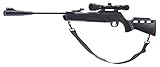
Umarex Octane Elite 22 2026 Best Backyard Pick

Umarex octane elite 22 sits in that practical middle ground where power matters, but noise, control, and setup still matter just as much. A .22 caliber break-barrel rifle isn’t something people buy for casual soda-can tinkering alone, and this one feels built for slower, more deliberate shooting. The gas-piston action helps avoid some of the spring buzz that can make cheaper rifles feel rough after the first few sessions. Still, it’s not a featherweight plinker, so anyone expecting a tiny backyard toy may need to recalibrate fast.
Shooting comfort is a big part of the appeal here, especially for someone tired of rifles that jump, twang, or punish sloppy hold technique. The heavier build can feel like a drawback at first, but it also helps settle the rifle once the shot routine gets steady. The included scope-ready setup adds convenience, though patience still matters because break-barrel rifles often need careful mounting and rechecking. Tiny shifts in screws, pellet choice, or grip pressure can make groups open up, and yep, that can drive a person nuts.
.22 caliber performance gives the rifle a more useful feel for pest-control style scenarios where legal and safe, though realistic expectations keep disappointment away. It won’t behave like a powder firearm, and it shouldn’t be treated casually just because it runs on air. The extra pellet weight usually favors impact over raw speed, which makes sense for close-range yard work and controlled target practice. But long-distance precision still depends on steady form, the right pellets, and a safe backstop every single time.
Noise reduction is another reason this model keeps getting attention, especially in tighter spaces where sharp report and echo can make practice awkward. The shrouded barrel design helps soften the sound profile, though the pellet impact can still be louder than expected on hard targets. That means trap choice matters almost as much as the rifle itself. A quiet rifle hitting a loud steel plate still announces itself.
Maintenance expectations stay fairly reasonable, but this isn’t a set-it-and-forget-it tool. Break-barrel rifles reward clean habits, consistent cocking technique, and occasional checks on optics and stock screws. The trigger may take some getting used to, especially if lighter, match-style triggers are the benchmark. For steady backyard practice, small pest-control chores, and a rifle that feels more serious than a basic starter gun, the Umarex setup has a clear place.
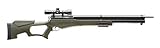
Umarex Octane Elite 22 AirSaber Review
Expectation and reality don't always shake hands, especially with air-powered hunting tools. Plenty of shooters assume an arrow gun is little more than a novelty until they spend time behind the trigger and realize how much thought goes into consistency, handling, and shot preparation. The Elite Force Umarex AirSaber PCP Powered Arrow Gun shifts that perception by blending familiar rifle ergonomics with air archery capability. Marketed under the broader interest surrounding umarex octane elite 22 searches, this platform offers an experience that feels different from both conventional bows and traditional air rifles.
AirSaber At First Glance
Air archery occupies a niche that isn't trying to replace everything else. Instead, it provides another path for shooters who appreciate mechanical precision and straightforward operation. The AirSaber's bolt-action layout feels intuitive, particularly for those accustomed to rifles rather than compound bows.
The package includes an Axeon 4x32 scope featuring a dedicated Air Archery Ballistic Reticle. That addition removes much of the guesswork associated with aftermarket optic selection. Straight out of the box, the setup appears purpose-built rather than pieced together.
Three Straight Flight Technology arrows with 100-grain field tips accompany the rifle. Having multiple arrows included allows immediate familiarization without scrambling to source compatible projectiles. That's a practical touch many buyers appreciate.
Design That Prioritizes Familiarity
The AirSaber measures approximately 41 inches overall and weighs about 6.85 pounds without the scope. Those dimensions strike a balance between stability and maneuverability. It doesn't feel excessively front-heavy during extended handling sessions.
An all-weather stock helps maintain confidence regardless of changing conditions. Synthetic furniture often lacks romance compared to wood, yet durability matters more when humidity, mud, or temperature swings enter the picture.
The inclusion of a rubber recoil pad may seem unnecessary since recoil isn't pronounced. Even so, it contributes to a secure shoulder mount and improves comfort during repetitive practice. Small details tend to shape overall impressions.
Picatinny accessory rails expand the rifle's adaptability. Bipods, quivers, and supplementary accessories can be mounted without improvised solutions. Flexibility counts when refining a personalized setup.
Power Delivery And Shot Efficiency
The heart of this system revolves around its bolt-action PCP design. Pre-charged pneumatic platforms are valued for predictable power delivery, and the AirSaber leans into that reputation. Cycling the bolt feels direct without unnecessary complication.
According to the provided specifications, the rifle delivers up to 25 effective shots per fill. That figure won't satisfy someone expecting endless shooting sessions, but it reflects realistic PCP operation. Knowing when to refill becomes part of the routine.
Velocity reaches approximately 450 feet per second, paired with up to 169 foot-pounds of kinetic energy. Those numbers illustrate meaningful capability without exaggeration. They also highlight why responsible handling remains essential.
The integrated pressure gauge simplifies air management. Rather than guessing tank status, users can monitor remaining pressure at a glance. Convenience often lives in these understated features.
Field Performance And Practical Experience
Launching arrows from an air-powered platform introduces a distinct rhythm. The absence of traditional bow draw cycles changes the shooting process considerably. Some shooters adapt immediately, while others require dedicated practice to establish muscle memory.
Straight Flight Technology arrows contribute to repeatability by maintaining compatibility with the platform's intended design. Consistency becomes easier when components are engineered to function together rather than assembled through experimentation.
The included reticle provides useful aiming references. Instead of forcing users to develop holdovers through trial and error, the optic acknowledges the trajectory characteristics of air archery. That's thoughtful rather than flashy engineering.
Noise characteristics differ from powder-burning alternatives. While quieter than many firearm experiences, the AirSaber isn't silent. Expectations grounded in reality prevent disappointment.
Tradeoffs Worth Considering
PCP ownership introduces additional equipment considerations. Filling the reservoir requires access to appropriate charging solutions, whether through pumps or tanks. That commitment shouldn't come as a surprise.
Arrow costs and retrieval routines deserve attention as well. Missing shots can transform practice into scavenger hunts, especially in dense vegetation. Bright fletching and disciplined target placement help minimize frustration.
The AirSaber also occupies an unusual middle ground. Traditional archers may miss aspects of bow mechanics, while air rifle enthusiasts may need time adjusting to arrow trajectories. Neither reaction signals a flaw. It simply reflects the product's hybrid identity.
Interestingly, broader conversations around powerful Umarex platforms often include related references, and discussions involving big-bore capabilities occasionally mention Umarex Hammer Air Gun as another example of how the company approaches specialized performance categories.
Who Benefits Most From The Experience
Routine target practice often grows stale when equipment no longer sparks curiosity. The AirSaber introduces a fresh process that rewards patience and careful shot execution. Tiny adjustments in form become surprisingly noticeable.
Hunters and enthusiasts who enjoy mastering specialized tools may appreciate the learning curve. The rifle doesn't hand out effortless proficiency. Competence develops through repetition and observation.
Practical ergonomics, respectable shot count, and included essentials combine to reduce early setup headaches. Few things dampen enthusiasm faster than discovering a shopping list of mandatory add-ons after unboxing.
Perhaps the strongest quality here is clarity of purpose. The AirSaber doesn't pretend to be every tool for every situation. It embraces its unique role with enough refinement to make the experience memorable long after the novelty wears off.
Umarex Notos Carbine .22 PCP Air Rifle
Space has a funny way of exposing flaws in oversized gear. A rifle that feels impressive at the counter can suddenly seem clumsy around a backyard range or awkward during a walk through thick brush. That tension is exactly why the Umarex Notos Carbine .22 Caliber PCP Pellet Gun Air Rifle has attracted attention among people browsing topics tied to umarex octane elite 22. Compact dimensions, practical power, and a surprisingly refined shooting cycle give this little PCP a personality that punches above its footprint.
Notos Carbine First Impressions
The shortened product name, Notos Carbine, suits the rifle perfectly because everything about it revolves around efficiency. It doesn't waste barrel length for the sake of appearances, nor does it burden the shooter with unnecessary bulk. Pick it up, shoulder it, and the first thought isn't about compromise. It's about balance.
Compact PCP rifles often force buyers into choosing between maneuverability and meaningful performance. The Notos sidesteps that dilemma better than expected. Its proportions encourage quick handling while preserving enough stability to settle comfortably on target.
The visual design avoids flashy distractions. Instead, practical controls and straightforward ergonomics dominate the experience. That restraint gives the rifle a working-tool character that's refreshing in a market crowded with gimmicks.
Short Barrel With Surprising Authority
An 11.75-inch barrel doesn't sound intimidating on paper. Plenty of shooters associate shorter barrels with reduced capability and compromised efficiency. Then the Notos launches a 12-grain .22 caliber pellet at approximately 700 feet per second, and assumptions begin to shift.
That level of performance provides enough authority for a variety of realistic uses, from informal target sessions to pest-control duties where legal and appropriate. It won't mimic a centerfire rifle, nor should it. Expectations grounded in common sense reveal its strengths more clearly.
Energy management appears to be the rifle's strong suit. The shorter barrel contributes to maneuverability without reducing the platform to novelty status. It's a reminder that thoughtful engineering often matters more than chasing oversized specifications.
Pellet selection still influences outcomes. Lighter projectiles may behave differently than heavier options, and experimenting with quality ammunition remains part of responsible PCP ownership. Tiny adjustments sometimes tighten groups dramatically.
Regulated Consistency Changes Everything
The presence of a regulated fixed high-pressure air tank transforms the overall experience. Inconsistent shot strings can drain enthusiasm quickly, especially during accuracy work. Regulation helps smooth those fluctuations.
Shot-to-shot consistency isn't glamorous enough for flashy advertisements, yet it's one of the qualities experienced shooters value most. Predictability builds confidence. Confidence improves execution.
Rather than obsessing over chasing the absolute highest velocity number, the Notos focuses on maintaining usable performance throughout its effective fill range. That philosophy benefits practical shooting more than occasional chronograph bragging rights ever could.
Anyone transitioning from spring-piston rifles may immediately appreciate the difference. Eliminating hold sensitivity changes the rhythm of practice sessions in subtle but meaningful ways.
Quiet Operation And Side Lever Practicality
Noise has a habit of ending backyard fun faster than expected. A rifle that's mechanically harsh or startlingly loud often limits where and when it can be enjoyed. The quiet shooting behavior of the Notos helps preserve flexibility.
The side lever cocking system deserves equal praise. Smooth cycling encourages follow-up shots without breaking concentration. There's no dramatic wrestling match between shooter and mechanism.
Fast operation doesn't automatically guarantee accuracy, but it certainly supports momentum during extended sessions. The side lever transitions naturally from one shot to the next. Muscle memory develops quickly.
Subdued report levels also enhance comfort. Conversations nearby don't feel abruptly interrupted, and target practice takes on a calmer pace. That subtle refinement becomes more noticeable over time.
Magazine Capacity And Real Use
The 7-shot auto-indexing rotary magazine hits a sweet spot between convenience and simplicity. Reloading after every pellet has its charm for disciplined practice, yet repeating that process constantly can become tedious.
Auto-indexing operation keeps attention directed toward the target rather than fumbling with manual rotation. The sequence feels intuitive. Load, cycle, settle, repeat.
Magazine-fed systems inevitably require occasional maintenance and awareness. Keeping pellets seated correctly and components clean contributes to reliability. Small habits preserve smooth function.
Interestingly, discussions around compact hunting PCP platforms sometimes branch into broader recommendations, and practical perspectives surrounding predator-capable setups occasionally reference best air rifle for hunting raccoons as part of the conversation about appropriate field applications.
Tradeoffs Worth Acknowledging
PCP ownership introduces responsibilities beyond simply opening a box and heading outdoors. Air sources, refill routines, and periodic checks become part of the equation. Convenience arrives with a learning curve.
The compact dimensions that make the Notos enjoyable in confined environments may leave some shooters wanting additional forward support. Preference plays a role here. Larger rifles naturally distribute weight differently.
Trigger expectations also deserve perspective. Personal preferences vary widely, and a trigger that feels acceptable to one person may inspire adjustments from another. Fortunately, adaptation usually comes with familiarity.
Those tradeoffs never overshadow the rifle's core strengths. They simply frame the ownership experience honestly rather than pretending every feature fits every style equally well.
Everyday Enjoyment Beyond Specifications
Specs tell only part of the story. The real appeal of the Notos Carbine emerges through repetition, familiarity, and those moments when equipment quietly does its job without demanding attention.
Compact handling reduces fatigue during longer outings. Regulated performance minimizes second-guessing. Smooth cocking encourages another magazine instead of calling it a day early.
Versatility remains one of the rifle's most appealing characteristics. It transitions between plinking, target practice, and field duties without feeling completely out of place in any of them.
Practical tools tend to earn appreciation gradually rather than instantly. The Notos follows that path, revealing its strengths through use instead of relying on exaggerated promises or oversized claims.
Umarex Zelos .25 Caliber PCP Pellet Gun Air Rifle
Long barrels and oversized rifles often steal the spotlight, yet they're not always the easiest companions once a shooting session stretches into hours. Balance matters. Comfort matters. A rifle can post impressive specifications and still leave someone wishing it handled with a little more grace. The Umarex Zelos .25 Caliber PCP Pellet Gun Air Rifle, frequently appearing alongside searches for umarex octane elite 22, takes a different route by packaging substantial power and adjustability into a compact bullpup layout that feels refreshingly purposeful.
Zelos At A Glance
Zelos is a fitting name for a rifle that wastes very little space. Its bullpup configuration shifts the action rearward, shortening the overall footprint while preserving the benefits of a lengthy barrel. The result is a rifle that feels nimble in tight quarters without surrendering its ambitions.
Visual impressions lean toward practicality rather than flash. Integrated rails, straightforward controls, and a clean profile create the sense that every component earned its place. Nothing appears decorative simply for the sake of marketing photos.
The rifle also carries a certain confidence. It doesn't try to masquerade as an entry-level plinker. Instead, it embraces the expectations that come with stepping into the higher-performance PCP category.
Bullpup Design With Real Advantages
Bullpup rifles inspire strong opinions. Some shooters adore the compact dimensions, while others need time to adapt to the shifted balance point. The Zelos manages to soften that learning curve by maintaining natural handling characteristics.
A traditional rifle equipped with a 26-inch barrel can become cumbersome in dense terrain or confined shooting spaces. By contrast, the Zelos preserves barrel length while trimming unnecessary reach. It feels agile without appearing undersized.
Quick transitions between targets benefit from that shorter profile. Carrying the rifle through a long afternoon becomes less fatiguing, and maneuvering around obstacles requires fewer awkward adjustments. Convenience isn't glamorous, but it's memorable.
Some may still prefer conventional layouts. That's a tradeoff inherent to any bullpup. Familiarity influences perception as much as engineering does.
Magazine Capacity That Encourages Momentum
The inclusion of an 18-round rotary magazine immediately changes the rhythm of a shooting session. Frequent reloading interruptions can break concentration, especially during target drills or extended pest-control scenarios.
Having more pellets ready to go allows attention to remain fixed on breathing, trigger control, and follow-through. Those fundamentals tend to suffer once repetitive administrative tasks dominate the experience.
High-capacity systems aren't automatically superior for every shooter. Some enthusiasts genuinely enjoy loading single rounds and slowing the pace. Others appreciate the uninterrupted flow the Zelos provides.
Magazine-fed operation also means paying attention to pellet fit and cleanliness. A few moments of care help preserve reliability and smooth indexing.
Power Delivery And Adjustable Control
The Zelos produces approximately 36 foot-pounds of energy, placing it firmly within serious PCP territory. That output broadens its usefulness beyond casual backyard plinking while maintaining realistic expectations.
A standout feature is the adjustable regulator. This level of control allows experienced shooters to tailor performance according to their priorities. Some prefer maximizing consistency. Others lean toward different power characteristics.
The ability to tune a rifle fosters a stronger sense of ownership. Rather than accepting a fixed factory personality, the Zelos invites experimentation and refinement. Enthusiasts often enjoy that process as much as shooting itself.
Its 3,625 PSI maximum fill pressure reflects the demands associated with capable PCP platforms. That requirement won't appeal to everyone, but it aligns with the rifle's performance ambitions.
Trigger Feel And Side-Lever Refinement
A mediocre trigger can undermine otherwise impressive engineering. Fortunately, the Zelos arrives with a two-stage adjustable trigger that allows a degree of personalization. Fine-tuning trigger characteristics contributes to confidence and repeatability.
Predictable break points simplify precision work. Instead of wondering when the shot will release, the shooter develops trust in the mechanism. That trust often translates into smaller groups downrange.
The side-lever action deserves recognition as well. Cycling feels fluid and deliberate without unnecessary resistance. Follow-up shots become less disruptive to concentration.
Comfort isn't always measured in stock dimensions or recoil pads. Sometimes it emerges from controls that simply behave the way they should.
Rails, Accessories, And Adaptability
The integrated Picatinny scope and accessory rail expands the Zelos beyond a fixed identity. Optics, bipods, and supplemental equipment can be mounted without improvisation or aftermarket workarounds.
Adaptability allows the rifle to evolve alongside changing interests. A setup optimized for benchrest sessions today may support field applications tomorrow. That flexibility extends ownership value in practical ways.
Some accessories inevitably add weight and alter balance. The compact bullpup layout helps offset those additions better than many full-length rifles might manage.
Conversations about practical shooting setups often branch into noise considerations as well, and perspectives surrounding moderated performance occasionally reference best quiet air rifles when discussing approaches to more discreet shooting environments.
Realistic Tradeoffs And Ownership Experience
PCP ownership involves commitments beyond purchasing the rifle itself. Air sources, maintenance habits, and periodic inspections become routine responsibilities. The Zelos doesn't escape that reality.
Its adjustability can be viewed through two lenses. Enthusiasts may relish the opportunity to fine-tune settings. Others might prefer a simpler platform requiring fewer decisions.
The bullpup format also changes ergonomics enough that brief adjustment periods shouldn't be surprising. Muscle memory developed on traditional rifles doesn't disappear overnight. Patience pays dividends.
Even with those caveats, the Zelos presents a thoughtful blend of power, efficiency, and compact practicality. It feels engineered for shooters who appreciate refinement hidden beneath an unassuming exterior rather than exaggerated claims splashed across a specification sheet.
Umarex Trevox Break Barrel .177 Air Pistol
Big expectations can lead to disappointment when a compact air pistol turns out to be all bark and no bite. Plenty of models promise backyard fun, only to deliver stiff cocking, inconsistent shots, or enough noise to attract unwanted attention. The Umarex Trevox Break Barrel .177 Caliber Pellet Gun Air Pistol enters the conversation surrounding umarex octane elite 22 with a different personality. It focuses on simplicity, stealth, and repeatable performance instead of flashy gimmicks or oversized claims.
Trevox At A Glance
Trevox feels like a practical tool rather than a novelty tucked away in a display case. The compact profile immediately suggests convenience, making it easier to transport, store, and deploy during informal shooting sessions. Nothing about its appearance screams extravagance. Instead, it quietly hints at utility.
The air pistol uses the company's TNT power system, short for Turbo Nitrogen Technology. Gas piston systems have developed a reputation for smoother operation compared to traditional spring designs. Less vibration often translates into a more pleasant experience over extended practice sessions.
Its durable all-weather frame contributes to a sense of reliability. Moisture, temperature shifts, and routine handling aren't likely to inspire panic. A working air pistol should encourage use, not demand constant worry.
Smooth Shooting Through TNT Technology
The heart of the Trevox lies within its Turbo Nitrogen Technology powerplant. Instead of relying on conventional coiled springs, the nitrogen piston aims to provide a more controlled firing cycle. That smoother impulse can reduce distractions during the moment of release.
Consistency often becomes the hidden hero of enjoyable shooting. A pistol that behaves predictably encourages confidence. Confidence, in turn, tends to sharpen focus and improve technique.
Gas piston systems also avoid certain quirks associated with spring fatigue. While no mechanism lasts forever without maintenance, nitrogen systems have earned appreciation for their dependable nature. The result is a shooting experience that feels refined rather than abrupt.
Cocking effort still exists. This isn't a feather-touch mechanism designed for effortless operation. Realistic expectations help frame the Trevox as a capable break-barrel pistol rather than an effortless toy.
Stealth Matters More Than People Think
Noise can quickly become the deciding factor in whether a shooting session continues or ends early. Backyard practice tends to attract attention when reports become sharp and intrusive. The Trevox addresses that concern through its permanently attached 5-chamber SilencAir sound dampener.
Downrange noise reduction doesn't create absolute silence, and expecting movie-style hush would be unfair. Pellet impact and environmental conditions still influence perceived sound levels. Even so, the moderated signature helps maintain a lower profile.
That quieter behavior contributes to comfort as much as discretion. Less noise often means less fatigue, particularly during lengthy sessions. Ears appreciate moderation even when hearing protection isn't mandatory.
Discussions around quieter shooting setups frequently overlap with broader airgun preferences, and readers interested in compact performance occasionally encounter references such as best bullpup air rifles while exploring how different platforms balance power and discretion.
Performance Within Its Intended Role
The Trevox launches .177 caliber pellets at up to 600 feet per second according to the provided specifications. That performance level aligns with its intended purpose rather than chasing exaggerated speed figures. Numbers only matter when matched with practical application.
Close-range pest control, where lawful and appropriate, falls within its comfort zone. Informal plinking sessions also benefit from the pistol's manageable characteristics. It rewards patience rather than reckless haste.
Accuracy depends on more than velocity alone. Pellet selection, trigger discipline, and familiarity with sight alignment all contribute to tighter groups. Tiny refinements often produce surprisingly noticeable improvements.
This isn't a substitute for full-sized hunting rifles. Pretending otherwise would only distort expectations. Understanding its lane allows the Trevox to shine within realistic boundaries.
Sights Built For Practical Use
The inclusion of adjustable fiber optic sights reflects an appreciation for usability. Bright sight elements simplify target acquisition under varied lighting conditions. Fast visual reference points become increasingly valuable during spontaneous shooting opportunities.
Adjustability allows users to tailor point of impact without immediately investing in optics. There's something satisfying about mastering factory sights before layering on accessories. Fundamentals still matter.
Fiber optics aren't universally adored. Some shooters prefer traditional black sights for precision work. Others embrace the enhanced visibility they provide. Personal preference often determines the winner in that debate.
The Trevox at least grants the opportunity to decide through firsthand experience rather than forcing a single approach.
Handling Characteristics And Daily Use
Compact dimensions encourage spontaneous practice. Retrieving a large rifle from storage sometimes feels like preparing for a project. Reaching for the Trevox air pistol tends to involve less ceremony.
The pistol settles naturally into the hands, although mastering a break-barrel handgun still requires repetition. Grip consistency and follow-through remain essential. Good habits rarely form overnight.
Weight distribution contributes to control without making the pistol feel cumbersome. Sessions stretch a little longer when fatigue isn't constantly demanding attention. That's a practical benefit that specification sheets rarely capture.
Its straightforward design also means fewer distractions. Instead of navigating complicated controls, attention stays fixed on the fundamentals of shooting.
Tradeoffs Worth Recognizing
No air pistol escapes compromise, and the Trevox isn't exempt. The break-barrel design limits rapid follow-up shots compared to magazine-fed alternatives. Each shot requires deliberate preparation.
Cocking effort may challenge individuals expecting ultra-light operation. Gas pistons offer advantages, but they still require physical input. Convenience and power often pull against one another.
Optic enthusiasts may eventually crave expanded mounting options. The factory sight arrangement handles its responsibilities well, though preferences evolve with experience. Adaptation becomes part of ownership.
The Trevox succeeds because it understands its purpose. Smooth operation, moderated sound, and practical handling combine into a package that prioritizes everyday usability over hollow promises and inflated expectations.
Umarex Ruger Targis Hunter Max .22 Pellet Rifle
Disappointment tends to creep in after the honeymoon phase wears off. A rifle that looked impressive on paper can quickly reveal an awkward trigger, excessive noise, or enough recoil to turn accuracy practice into an exercise in frustration. The Umarex Ruger Targis Hunter Max .22 Pellet Rifle steps into the spotlight often occupied by conversations around umarex octane elite 22, but it carves out its own identity. Rather than chasing flashy innovations, it leans into familiar strengths, practical handling, and features designed to smooth out common pain points.
Ruger Targis Hunter Max
Ruger Targis Hunter Max isn't trying to reinvent the break-barrel formula. Instead, it refines it with thoughtful touches that make day-to-day use more enjoyable. The rifle arrives with a sense of readiness that appeals to anyone who appreciates simplicity without sacrificing capability.
The included 3-9x32 scope with mounts gives the package a complete feel. There's comfort in knowing the essentials are already part of the equation. Less time shopping for accessories means more time settling into a shooting routine.
Its black synthetic appearance may not tug at traditionalists searching for walnut stocks and vintage charm. Yet practicality often wins the argument. Scratches, moisture, and rough handling become less stressful concerns.
Gas Piston Performance With Practical Benefits
The Targis Hunter Max uses a gas piston break-barrel system, and that choice shapes the shooting experience from the very first shot. Gas pistons typically offer smoother firing characteristics compared to traditional spring systems. The sensation feels more controlled than abrupt.
Consistency matters far more than exaggerated speed claims. A rifle that behaves predictably builds trust over time. Familiarity encourages better habits, and those habits usually translate into improved accuracy.
Gas piston designs also avoid some concerns associated with long-term spring fatigue. That doesn't eliminate maintenance altogether, but it contributes to a reassuring sense of durability. Reliability often hides in details that don't generate headlines.
The system still demands a degree of physical effort. This isn't a casual backyard toy meant to be operated without commitment. Realistic expectations create a more satisfying ownership experience.
Trigger Characteristics And Control
The inclusion of an adjustable trigger allows a level of customization that shooters frequently appreciate. Trigger feel influences confidence more than many newcomers initially realize. A predictable break supports cleaner execution.
Factory specifications indicate approximately 6.75 pounds of trigger weight. Some individuals may perceive that pull as substantial, particularly if they're accustomed to lighter match triggers. Others may appreciate the deliberate resistance.
Adjustment capability becomes valuable precisely because preferences differ. What feels ideal to one shooter may seem excessive to another. The ability to tailor the experience adds flexibility without unnecessary complication.
Good trigger discipline remains essential regardless of specifications. Even refined mechanisms reward patience and steady fundamentals.
SilencAir And Noise Management
Noise can shape how often a rifle actually leaves the gun cabinet. Excessive report limits opportunities for informal practice and can become tiresome during longer sessions. The Targis Hunter Max addresses this concern with SilencAir technology.
Sound moderation shouldn't be mistaken for silence. Pellet impact, surroundings, and shooting conditions continue to influence what reaches the ear. Expectations grounded in reality prevent unnecessary disappointment.
The benefit lies in reducing the sharpness often associated with break-barrel rifles. That softer shooting signature contributes to comfort and discretion. Little refinements sometimes determine whether practice feels relaxing or exhausting.
Conversations about field performance frequently extend into broader hunting discussions, and those exploring practical setups occasionally reference best air rifle for varmint hunting when evaluating suitable equipment categories.
Scope Package And Field Readiness
A bundled optic can either enhance the experience or become an afterthought. Fortunately, the included 3-9x32 scope provides useful versatility for common shooting distances. Variable magnification offers flexibility without overwhelming complexity.
Mounts included from the outset reduce setup headaches. Tracking down compatible components after purchase can drain enthusiasm quickly. Convenience matters, especially for those eager to start shooting.
Optics still require patience during zeroing. Scope adjustment is rarely glamorous work, yet investing time upfront pays dividends later. Confidence often begins with trusting where the crosshairs settle.
Seasoned shooters may eventually choose alternative optics tailored to personal preferences. The factory package nonetheless provides a practical starting point.
Cocking Effort And Daily Handling
The specified 34-pound cocking effort deserves honest discussion. Repeated shooting sessions naturally involve repetition, and that level of effort may influence how long practice continues comfortably.
Some shooters embrace the ritual. Breaking the barrel, loading a pellet, and settling into position creates a measured pace that encourages focus. Others might view it as a limitation compared to magazine-fed PCP platforms.
Deliberate operation often slows impulsive shooting tendencies. Each shot receives attention rather than being rushed. That rhythm can quietly improve marksmanship.
The rifle's approximate 6.75-pound weight balances portability with stability. It remains substantial enough to steady aim without becoming an unwieldy burden.
.22 Caliber Purpose And Realistic Expectations
The Targis Hunter Max chambers .22 caliber pellets, a choice many enthusiasts appreciate for the additional impact compared to lighter calibers. That characteristic broadens its usefulness across various practical applications where legal and appropriate.
Close-range pest management and target practice both align with the rifle's strengths. Pretending it replaces every specialized tool would only distort expectations. Understanding intended roles allows equipment to excel within its boundaries.
Pellet selection influences results more than specifications alone might suggest. Different weights and designs can affect trajectory and grouping. Experimentation becomes part of the ownership journey.
What ultimately separates the Targis Hunter Max from forgettable alternatives is its emphasis on balance. Practical features, moderated noise, adjustable control, and familiar operation combine into a package that feels grounded in real-world use rather than inflated promises.