
Best Umarex Origin 22 Cal Pcp Air Rifle 2026

Umarex origin 22 cal pcp air rifle sits in that sweet spot where PCP power doesn't feel like a second job. The big draw is its Ever-Pressure Tank System, which helps cut down the hand-pump grind that scares plenty of folks away from pre-charged pneumatics. Instead of wrestling with endless pump strokes before every session, it's built to get air into the rifle with less drama. That matters when the fun is supposed to happen on the bench, not over the pump handle.
The .22 caliber pellet setup gives it a practical edge for backyard target work, pest control where legal, and small-game practice in suitable areas. It won't feel like a featherweight plinker, but the weight helps the rifle settle better once a scope is mounted. The side-lever action feels more natural than a stiff bolt after a few magazines, especially during steady shooting. Still, no sugarcoating it, a scope is basically part of the plan because it doesn't come dressed with open sights.
The 10-shot rotary magazine keeps the pace comfortable without turning the rifle into a pellet-spraying toy. That little detail matters when cold fingers, tiny tins, and a wobbly shooting rest all show up at once. Two magazines make things smoother, and the repeater layout keeps attention on hold, breathing, and follow-through. Nice touch, really, because single-loading pellets can get old fast during longer sessions.
Power is part of the appeal, but realistic expectations keep disappointment off the porch. Lightweight alloy pellets may hit higher speed numbers, while common lead pellets usually give the steadier feel most people actually want. The rifle can be loud enough to notice, even with its shrouded barrel, so quiet suburban shooting still calls for care and common sense. Also, the trigger is usable out of the box, not fancy, and some patience with adjustment may pay off.
The strongest case for this rifle is simple: PCP convenience with fewer barriers. It still needs pellets, air discipline, safe backstops, and cleaning habits, so it isn't a magic shortcut. But for someone tired of springer recoil, tired of CO2 temperature swings, or tired of staring at expensive fill gear, the Origin feels refreshingly down-to-earth. It gives enough power to feel serious without making the whole setup feel fussy.

- ARS Mark8.0
ARS Mark is a ranking system developed by bestairriflescopes.com. ARS Mark has no relationship or impact from any manufacturers or sales agent websites. Learn more
- BrandUmarex
- ARS Mark8.2
ARS Mark is a ranking system developed by bestairriflescopes.com. ARS Mark has no relationship or impact from any manufacturers or sales agent websites. Learn more
- BrandUmarex

- ARS Mark7.0
ARS Mark is a ranking system developed by bestairriflescopes.com. ARS Mark has no relationship or impact from any manufacturers or sales agent websites. Learn more
- BrandUmarex

- ARS Mark8.0
ARS Mark is a ranking system developed by bestairriflescopes.com. ARS Mark has no relationship or impact from any manufacturers or sales agent websites. Learn more
- BrandUmarex

- ARS Mark8.0
ARS Mark is a ranking system developed by bestairriflescopes.com. ARS Mark has no relationship or impact from any manufacturers or sales agent websites. Learn more
- BrandUmarex

- ARS Mark6.8
ARS Mark is a ranking system developed by bestairriflescopes.com. ARS Mark has no relationship or impact from any manufacturers or sales agent websites. Learn more
- BrandUmarex
- ARS Mark9.0
ARS Mark is a ranking system developed by bestairriflescopes.com. ARS Mark has no relationship or impact from any manufacturers or sales agent websites. Learn more
- BrandUmarex

- ARS Mark8.2
ARS Mark is a ranking system developed by bestairriflescopes.com. ARS Mark has no relationship or impact from any manufacturers or sales agent websites. Learn more
- BrandUmarex
Last update on 2026-05-29 / Affiliate links / Images, Product Titles, and Product Highlights from Amazon Product Advertising API
Umarex Origin 22 Cal PCP Air Rifle
Backyard shooting starts feeling different once spring recoil stops rattling scopes loose and loud crack-heavy shots stop annoying the neighbors three houses over. Plenty of shooters hit that point where they want smoother follow-up shots, steadier accuracy, and fewer mechanical tantrums during longer sessions. The umarex origin 22 cal pcp air rifle usually enters the conversation right there, especially for people trying to step into PCP air rifle shooting without draining a wallet on compressors and support gear. That balance between power, convenience, and realistic usability gives this rifle a surprisingly grounded personality.
Origin 22 Cal
Umarex Origin avoids the oversized tactical look that some PCP rifles lean on too hard. The stock keeps things practical, and the side-lever action feels quick without feeling flimsy. Pumping the rifle also feels less punishing because of the built-in Ever Pressure Tank System, which is honestly one of the biggest reasons this rifle stands out. Traditional PCP filling can feel like a stair workout nobody asked for, while this setup trims down the struggle enough to keep shooting sessions enjoyable.
The .22 caliber platform lands in a useful middle ground. Pellets still carry enough weight for solid impact on pests and small game where legal, but they don't become ridiculously expensive or overly sensitive to tuning. Lighter alloy pellets can push higher speeds, though heavier lead pellets tend to tighten groups better in real-world shooting. That's usually where this rifle shines most: calm consistency instead of flashy velocity bragging.
Noise levels stay manageable for a PCP with this much punch. It isn't whisper quiet, and nobody should pretend otherwise, but the shrouded barrel helps smooth out the sharp crack enough to avoid drawing every curious face in the neighborhood. Indoor ranges and smaller backyard setups benefit from that softer report. Also, the reduced recoil compared to springers makes longer practice sessions feel less fatiguing on both shoulders and optics.
The included hand pump matters more than many people realize. A lot of PCP rifles quietly become expensive after adding fill gear, hoses, tanks, and compressors. Here, the setup feels more approachable straight out of the box. Sure, dedicated shooters may eventually upgrade to compressor systems, but starting with usable equipment lowers the barrier dramatically.
Power Delivery And Shot Consistency
Shot consistency often separates enjoyable PCP rifles from frustrating ones. The Origin keeps velocity swings relatively controlled during normal fill ranges, which helps pellets land predictably at medium distances. Tiny changes still happen as pressure drops, naturally, but the rifle avoids the dramatic falloff that cheaper PCP setups sometimes suffer from. That steadiness builds confidence quickly.
The rifle's side-lever cycling feels smoother after a short break-in period. Fresh out of the box, the action can feel a little stiff, though nothing alarming. After a few tins of pellets, the movement loosens up nicely and becomes easier to operate quickly between shots. That matters during pest control situations where hesitation can cost an opportunity.
Accuracy potential depends heavily on pellet selection, and the Origin definitely has preferences. Some shooters get excellent groups with JSB pellets, while cheaper bulk pellets may scatter more noticeably. PCP rifles tend to reward experimentation, and this one follows that same pattern. Once the right pellet match appears, groups tighten considerably.
The trigger deserves mixed praise rather than blind applause. It feels usable and predictable, but not particularly refined compared to premium PCP rifles. Long-range precision shooters may eventually want something cleaner and lighter. For general shooting, though, it remains completely workable and rarely becomes a deal-breaker.
Where The Hammer Changes The Mood
Umarex Hammer .50 Caliber PCP Pellet Gun Air Rifle enters an entirely different category of airgun thinking. This isn't backyard plinking territory anymore. The Hammer pushes huge .50 caliber projectiles with serious authority, and the energy transfer feels dramatically different from traditional pellet rifles. Pellets hit with heavy momentum instead of simply poking through targets.
The rifle's 4500 PSI carbon fiber tank supports four regulated full-power shots before performance drops off. That shot count sounds low compared to smaller PCP rifles, but massive bore airguns play by different rules. Each shot consumes substantial air volume, so efficiency becomes secondary to raw impact. Anyone expecting endless magazine dumps will probably need to reset expectations quickly.
Handling the Hammer feels surprisingly modern despite its massive caliber. The stock design includes practical M-LOK slots and a Picatinny rail for optics mounting, so accessories fit naturally without awkward adapters. Weight distribution stays manageable considering the power involved. Still, carrying this rifle through long outdoor sessions can wear on arms faster than smaller PCP setups.
The straight-pull bolt design deserves credit because it simplifies operation under pressure. A two-pound pull weight keeps cycling fairly smooth, and the short travel helps speed up reloads between shots. Two included magazines also reduce fumbling during active shooting situations. Small details like that become surprisingly important once adrenaline kicks in.
Pros And Cons That Actually Matter
Pros for the Origin start with accessibility. Lower pumping effort changes the ownership experience in a very real way. People who previously avoided PCP rifles because of fill fatigue suddenly find themselves shooting longer and practicing more often. Reduced recoil also protects scopes better than hard-kicking spring guns.
The rifle's repeating magazine system improves pacing nicely during target sessions. Single-shot loading can become tedious after an hour outdoors, especially with cold fingers or poor lighting. Side-lever cycling speeds things up while keeping movement fairly smooth. Accuracy also stays respectable once the right pellet pairing gets dialed in.
Cons still exist, naturally. The synthetic stock feels practical rather than luxurious, and some shooters may want a more premium finish. Trigger quality also falls into the "good enough" category rather than feeling truly crisp. Noise levels, while moderated, still require awareness in tighter suburban environments.
The Hammer carries a completely different tradeoff list. Massive energy delivery creates thrilling impact, but air consumption becomes substantial. Four regulated shots disappear fast during extended sessions. Ammunition also costs more, and the rifle's size limits casual portability.
Weight and recoil impulse separate the Hammer from lighter PCP rifles immediately. Even though recoil remains softer than firearm recoil, the rifle still pushes back enough to remind shooters they're handling serious power. Optics selection also becomes more important because cheap scopes may not tolerate repeated use well. That added equipment cost sneaks up on people sometimes.
Practical Shooting Experience
Morning shooting sessions usually reveal a rifle's personality pretty quickly. Cold weather, damp grass, stiff fingers, and inconsistent lighting expose weak ergonomics fast. The Origin handles those everyday conditions fairly well because controls stay simple and manageable without overcomplication. Nothing feels excessively delicate or fussy.
Scope pairing changes the experience dramatically. Budget optics technically work, but clearer glass helps unlock the rifle's accuracy potential at medium distances. Pellet impacts become easier to track, especially during low-light shooting near dusk. A relevant reference is SIG Sauer MCX Virtus PCP Air Rifle, which leans harder into tactical styling while targeting a different shooting feel.
Maintenance stays relatively straightforward for both rifles. Keeping moisture out of the fill system matters, and occasional barrel cleaning helps preserve consistency. PCP rifles generally avoid the harsh internal wear that spring-piston systems create, so long-term shooting often feels smoother mechanically. Still, seals and air systems eventually require attention like any pressurized setup.
The biggest surprise with the Origin often comes down to comfort. Shooters expecting a harsh learning curve usually settle into it quickly after the first few magazines. Side-lever operation becomes second nature, recoil stays minimal, and pumping no longer feels like punishment. That combination quietly builds confidence without making exaggerated promises.
Umarex Origin 22 Cal PCP Air Rifle
Noise changes everything during backyard shooting sessions. One sharp crack can turn a relaxing afternoon into a curtain-twitching neighborhood event, and honestly, that's where quieter airguns start making a lot more sense. The umarex origin 22 cal pcp air rifle often grabs attention from shooters wanting smoother recoil and more stable accuracy, but compact pneumatic options still deserve a serious look. Smaller multi-pump designs bring their own advantages, especially for tighter spaces and lower-maintenance routines.
Strikepoint .177
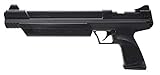
Umarex Strikepoint .177 Caliber Pellet Airgun leans into simplicity without feeling cheap or stripped down. The multi-pump pneumatic system allows power adjustment through the number of pumps, which changes the entire shooting rhythm compared to fixed-power airguns. Three pumps keep things light for indoor targets or casual plinking, while ten pumps squeeze out the higher velocity range closer to the advertised 650 FPS. That flexibility makes the pistol feel surprisingly adaptable during day-to-day use.
The bolt-action setup keeps operation straightforward. Single-shot loading slows the pace a little, though that actually helps improve shot discipline over time. Instead of rushing through pellets, shooters tend to settle into a more deliberate rhythm with breathing, trigger control, and sight alignment. Funny enough, slower shooting sometimes tightens groups better than rapid-fire habits ever could.
SilencAir sound dampening becomes one of the more noticeable features immediately. The permanently attached five-chamber suppressor system softens the report enough to make backyard shooting far less disruptive. It doesn't erase sound completely, obviously, but the downrange crack stays noticeably tamer than many budget pellet pistols. Early morning practice sessions feel a little less awkward because of that reduced noise signature.
The all-weather frame also deserves some credit. Humid afternoons, dusty garage shelves, and occasional bumps during transport don't seem to bother the pistol much. Fiber optic sights help maintain visibility in lower light conditions too, especially during evening target sessions. Tiny details like that quietly improve the overall ownership experience.
Power Control Feels More Practical
Variable pumping changes how this pistol behaves across different situations. Lower pump counts make cocking easier and speed up casual sessions, especially during short-range paper target shooting. Full ten-pump setups deliver more punch, though repeated maximum pumping can wear down arms during longer afternoons. That's the tradeoff with multi-pump pneumatic airguns: flexibility costs physical effort.
The power adjustment system helps conserve pellets and reduce unnecessary noise indoors. Lightweight paper targets don't need maximum force every single time. Short-range basement shooting or garage plinking feels more controlled with lower power settings, and ricochet concerns stay easier to manage too. That practical versatility gives the Strikepoint a broader comfort zone than fixed-power pistols.
Accuracy depends heavily on consistency during pumping. Uneven pump counts between shots create noticeable velocity differences, especially at longer distances. Shooters who stay disciplined with identical pump numbers usually get more predictable groups. Tiny habits matter more with pneumatic systems than some people expect.
Grip ergonomics stay fairly comfortable for extended use. The pistol avoids bulky tactical styling and instead focuses on manageable handling. Hands don't fatigue quickly, and the balance feels centered enough for steady offhand shooting. Smaller-framed shooters will probably appreciate that lighter feel even more.
Backyard Shooting Without The Fuss
Compressed air tanks sound exciting until maintenance, refill stations, and expensive compressors enter the picture. Multi-pump systems skip most of that hassle entirely. The Strikepoint doesn't rely on CO2 cartridges or external tanks, so casual shooters avoid recurring fill costs and pressure anxiety. Grab pellets, pump, shoot, repeat. Simple as that.
Single-shot operation also creates a different pace mentally. Some shooters find repeating magazines more exciting, while others prefer the slower focus of one pellet at a time. Missed shots stand out more clearly because every trigger pull feels intentional. Oddly enough, that slower tempo can sharpen accuracy habits faster than expected.
Noise-sensitive areas benefit from this platform more than flashy high-velocity rifles usually do. The quieter report reduces attention from nearby neighbors, especially in suburban environments where sound echoes off fences and garages. Morning shooting sessions feel less intrusive. Late afternoon practice becomes easier to manage too.
A related optics discussion sometimes appears alongside compact airgun setups, and in some cases, a neutral reference can be found in best red dot sight under 1000. Smaller air pistols and lightweight optics often overlap naturally during customization conversations.
Strengths And Limitations
Strengths start with affordability over time. Multi-pump pneumatic systems remove dependency on CO2 capsules and expensive PCP support equipment. Long-term operating costs stay relatively modest, especially for casual target shooters. That practical ownership experience matters more than flashy specifications after a few months.
The quiet shooting profile helps the pistol stand apart from louder spring-powered options. Reduced recoil also protects sights better and minimizes shooter fatigue during repeated sessions. Fiber optic sights remain easy to pick up quickly, particularly during mixed lighting conditions. Those little quality-of-life details add up fast.
Weaknesses still deserve honest attention. Repeated pumping eventually becomes tiring during extended use, especially at maximum power levels. Shooters wanting rapid follow-up shots may also find the single-shot loading process a little slow after a while. Patience helps quite a bit here.
Velocity limitations appear once longer distances enter the picture. The Strikepoint handles short and moderate ranges comfortably, though wind drift becomes more noticeable farther out. Lightweight .177 pellets naturally react more to outdoor conditions. Calm weather rewards this pistol much more than gusty afternoons do.
Trigger feel lands somewhere in the middle. It's usable and predictable, though not exceptionally crisp. Precision-focused shooters might eventually want something cleaner for tighter groups. Casual plinkers, meanwhile, probably won't spend much time worrying about it.
Daily Use Feels Surprisingly Relaxed
Some airguns constantly demand tuning, maintenance tweaks, or accessory upgrades before they feel enjoyable. The Strikepoint mostly avoids that trap. Straightforward operation keeps shooting sessions relaxed instead of turning them into troubleshooting projects. That simplicity becomes more valuable over time.
Storage also stays easier than bulkier PCP rifles. Compact dimensions fit comfortably into smaller cases or closet shelves without monopolizing space. Apartment dwellers and garage-range shooters often appreciate that compact footprint quickly. Lugging oversized rifle bags around gets old fast, honestly.
Cold weather performance holds steadier than CO2-powered pistols because the system relies on manual compression rather than gas expansion. Winter shooting sessions remain more predictable as temperatures drop. Pellet velocity still changes slightly with environmental conditions, naturally, but not nearly as dramatically as CO2 setups sometimes do.
The overall personality feels practical rather than flashy. Nothing screams for attention. Instead, the pistol quietly delivers repeatable backyard shooting without dragging along complicated support gear, loud muzzle reports, or unnecessary maintenance headaches. For relaxed target shooting and skill-building sessions, that kind of simplicity still carries real value.
Umarex Origin 22 Cal PCP Air Rifle
Long backyard shooting sessions can go sideways fast once refill routines start eating more time than actual trigger pulls. Heavy pumping, loud reports, and constant magazine interruptions tend to wear people down after a while. That's partly why the umarex origin 22 cal pcp air rifle continues pulling attention from shooters who want smoother PCP handling, but quieter CO2 rifles still carve out their own lane. Some setups simply fit casual afternoons better than raw power ever will.
Fusion 2 Quiet
Umarex Fusion 2 Quiet .177 Caliber Pellet Gun Air Rifle feels built around convenience first, and honestly, that's not a bad thing. The rifle combines a lightweight shooting experience with a notably soft report thanks to the redesigned SilencAir muzzle device. Backyard plinking feels more relaxed because the sound signature stays controlled instead of echoing across every nearby fence. Quiet rifles don't magically become silent, sure, but this one avoids the sharp crack that usually grabs unwanted attention.
The dual CO2 setup changes the pace of ownership dramatically. Shooters can run either two 12-gram cartridges or switch to an 88-gram tank for extended sessions. That flexibility becomes handy during longer weekends where constantly swapping cartridges gets old fast. The larger tank option especially helps reduce interruptions once targets start stacking up downrange.
Magazine loading deserves praise too. Plenty of rotary magazines feel fiddly or awkward under pressure, but the Fusion 2's nine-shot magazines stay refreshingly easy to load. Pellets slide into place without requiring tiny tools or excessive patience. Small frustrations disappear quickly once reloading stops feeling like a puzzle.
The overall rifle profile leans lightweight and approachable rather than bulky or overly tactical. Carrying it around the yard, moving between targets, or resting it on improvised shooting supports feels comfortable for extended stretches. Hands don't fatigue quickly, and shoulder strain stays minimal during long plinking afternoons.
Quiet Shooting Changes Everything
Noise management matters more than many shooters admit at first. Loud air rifles can instantly limit where and when practice happens, especially in tighter suburban neighborhoods. The Fusion 2 softens that issue enough to make spontaneous shooting sessions feel realistic instead of stressful. Early mornings and calm evenings suddenly become usable range time again.
The quieter report also changes concentration during target practice. Instead of flinching against a harsh crack every shot, shooters tend to settle into a smoother rhythm. Trigger control improves naturally once tension drops. Funny thing, quieter shooting often leads to tighter groups simply because the experience feels calmer overall.
CO2 operation creates a smoother recoil impulse compared to many spring-powered rifles too. Scopes stay happier over time, and follow-up shots feel steadier through the optic. That reduced movement becomes noticeable during rapid magazine cycling. Lightweight rifles can sometimes feel twitchy, but the Fusion 2 balances reasonably well.
Temperature sensitivity still exists because CO2 systems react to colder weather. Velocity can dip noticeably once temperatures fall, especially during winter mornings or extended rapid-fire sessions. That's one of the tradeoffs attached to CO2 shooting. Warm weather, meanwhile, suits this rifle extremely well.
Accuracy Feels Better Than Expected
.177 caliber accuracy remains one of the rifle's strongest practical advantages. Lightweight pellets fly flat enough for casual target shooting without requiring constant holdover adjustments at moderate distances. The Fusion 2 doesn't try to behave like a precision benchrest rifle, though its consistency stays respectable for everyday use. Paper targets and spinning backyard plinkers fit this platform naturally.
The barrel and muzzle setup seem tuned toward stability rather than flashy velocity chasing. Shots land with a predictable feel once the rifle settles into a preferred pellet type. Cheap pellets may still open groups slightly, naturally, but better ammunition helps tighten things considerably. Pellet experimentation pays off here.
Rapid follow-up shots feel smooth because the action doesn't fight back mechanically. Magazine rotation stays fairly reliable, and the bolt operation avoids unnecessary stiffness. Faster shooting sessions become more enjoyable once reloading stops interrupting the flow every few seconds. Nine-shot magazines sound simple on paper, but they make a real difference during casual shooting.
A related optics conversation sometimes appears around lightweight target rifles, and in some cases, a neutral reference can be found in best laser pointer for led tv. Smaller aiming accessories and visibility discussions occasionally overlap with casual backyard shooting setups.
Long Shooting Sessions Stay Comfortable
Shot count becomes one of the Fusion 2's biggest practical strengths. The rifle reportedly delivers over 70 shots from paired 12-gram cartridges and can stretch beyond 250 shots using an 88-gram cylinder. That extended runtime changes the overall ownership experience. More shooting, less fiddling.
CO2 efficiency matters because constant cartridge swapping quickly kills momentum during practice sessions. The larger 88-gram option especially suits longer weekends or informal target competitions among friends. Less downtime keeps shooting sessions feeling relaxed instead of interrupted every half hour. That convenience adds up surprisingly fast.
Weight distribution also helps during unsupported standing shots. Heavier PCP rifles sometimes become tiring after extended offhand practice, while the Fusion 2 stays manageable without feeling toy-like. The rifle balances naturally enough for quick target transitions. Smaller-framed shooters will probably appreciate that immediately.
The stock design doesn't chase flashy styling trends either. Controls remain easy to reach, and nothing feels unnecessarily complicated. Simplicity works in this rifle's favor because casual shooters rarely want maintenance-heavy systems or overly aggressive ergonomics. Smooth handling often matters more than cosmetic extras.
Tradeoffs Still Deserve Attention
CO2 dependency creates ongoing operating costs that PCP owners eventually avoid with compressors or hand pumps. Frequent shooters may burn through cartridges faster than expected during high-volume weekends. Keeping spare cylinders nearby becomes part of the routine sooner or later. That's simply the nature of CO2-powered shooting.
Power levels also stay moderate compared to larger PCP rifles. The Fusion 2 works best for plinking, paper targets, and light pest control within sensible distances where legal. Shooters expecting heavy-impact hunting performance will probably need a different platform entirely. Realistic expectations matter here.
The lightweight build helps portability but reduces that planted, rock-solid feel heavier rifles sometimes provide from a bench. Wind movement and small shooter mistakes show up more clearly at longer distances. Calm shooting conditions reward this rifle noticeably more than gusty afternoons. Tiny pellets naturally drift once wind starts pushing around.
Trigger feel lands somewhere between acceptable and pleasantly predictable. It isn't match-grade crispness, though it avoids feeling rough or distracting during normal use. Most casual shooters will adapt quickly after a few magazines. Consistent practice tends to matter more than microscopic trigger refinement anyway.
Umarex Origin 22 Cal PCP Air Rifle
Heavy pellet rifles tend to split people pretty quickly. Some shooters love the extra authority and stable feel, while others tap out once the rifle starts feeling like gym equipment halfway through a long afternoon. The umarex origin 22 cal pcp air rifle usually appeals to folks wanting manageable PCP shooting with lighter recoil and easier handling, but larger caliber platforms still have undeniable appeal once harder-hitting impact becomes the goal. That's exactly where the .30 caliber PCP category starts flexing its muscles.
Gauntlet SL30
Umarex Gauntlet SL30 PCP Pellet Gun Air Rifle wastes very little time pretending to be a casual plinker. This rifle leans toward serious energy delivery, heavier pellets, and extended shooting sessions backed by a larger air supply. The updated side-lever cocking system changes the entire feel compared to older bolt-action setups because cycling the rifle becomes smoother and less awkward between shots. Long sessions feel noticeably easier on the hands once repetitive cocking motions stop fighting back.
The side lever also improves shooting rhythm in a practical way. Follow-up shots feel quicker, and maintaining sight picture becomes easier once the action operates with shorter, smoother movement. That's especially noticeable during bench shooting where small disruptions can throw off concentration. Tiny ergonomic improvements tend to matter more after the first hundred shots.
State-of-the-art pressure regulation sits at the center of this rifle's personality. Consistent air delivery helps maintain stable shot strength across the usable fill range, which directly affects accuracy and confidence at distance. PCP rifles live or die by consistency, honestly, and this setup focuses heavily on keeping velocity behavior predictable. That steadiness becomes noticeable once targets move farther out.
The larger air reservoir supports more shooting before refills become necessary. Compared to smaller PCP rifles that start gasping for pressure after limited strings, the SL30 stretches sessions longer without constant interruptions. That extra air capacity makes range days feel more relaxed. Nobody enjoys packing up early because the rifle ran out of breath too quickly.
Heavy Pellets Bring Different Energy
.30 caliber pellets change the shooting experience dramatically compared to lighter .177 or .22 options. Impact feels deeper and more authoritative, especially against reactive targets. Steel spinners swing harder, thicker targets react more aggressively, and long-range shooting carries a heavier sense of momentum. Small-caliber rifles can feel snappy and quick, while this setup feels deliberate and muscular.
The rifle reportedly reaches up to 1000 FPS, though real-world performance naturally depends on pellet selection and conditions. Heavier pellets often trade a little speed for improved energy retention and stability. Wind drift usually affects them less than lightweight projectiles too. That characteristic becomes valuable during outdoor shooting where breezes constantly interfere with lighter calibers.
Sound levels deserve realistic expectations. Larger caliber PCP rifles naturally produce more noticeable reports, even with moderated setups. Quiet backyard plinking isn't really the SL30's primary personality trait. Open property, outdoor ranges, and longer shooting lanes suit this platform far more comfortably.
Pellet cost also changes once stepping into .30 caliber shooting. Larger projectiles cost more than standard .177 tins, and serious range sessions can chew through ammunition faster than expected. Shooters moving up from smaller calibers sometimes underestimate that difference at first. Bigger power almost always brings bigger operating costs.
Practical Features Feel Well Thought Out
M-LOK accessory slots add genuine flexibility without cluttering the rifle unnecessarily. Bipods, slings, and additional support accessories mount cleanly without awkward aftermarket adapters. The quick disconnect sling mount also makes transport easier during longer outdoor walks. Carrying heavy rifles becomes less annoying once sling options stay secure.
The adjustable cheek piece deserves attention because optics height varies heavily between setups. Poor cheek weld ruins consistency fast, especially during precision shooting. Being able to adjust head position properly helps maintain stable eye alignment behind scopes. Small ergonomic tweaks like that quietly improve practical accuracy more than many flashy accessories do.
The included seven-round rotary magazine keeps shooting sessions moving smoothly. Auto-indexing operation works faster than single-loading pellets manually, especially during repetitive target practice. The included single-shot tray also gives shooters flexibility for more deliberate precision work. Nice touch, honestly, because some shooters still prefer loading pellets individually during careful bench sessions.
Maintenance considerations feel fairly reasonable for a rifle this large. The included degassing tool simplifies pressure management and helps avoid awkward troubleshooting later. PCP rifles demand a little responsibility from owners, naturally, but the SL30 doesn't feel excessively delicate or overcomplicated mechanically.
Handling And Shooting Experience
Weight distribution immediately reminds shooters this isn't a featherweight rifle. The larger air system and heavier caliber naturally create a more substantial platform. Offhand shooting stays manageable for shorter periods, though longer unsupported sessions can tire shoulders fairly quickly. Bench rests and bipods feel right at home here.
The large knurled bolt handle helps maintain grip even during colder weather or damp conditions. Gloves don't interfere much with operation either, which becomes useful during winter shooting sessions. Little usability details separate frustrating rifles from enjoyable ones over time. This rifle seems designed by people who actually spend long days behind optics.
Accuracy potential appears strongest once pellet preferences get dialed in carefully. Larger caliber PCP rifles can become surprisingly picky about ammunition. Some pellet types tighten groups beautifully while others spread shots wider than expected. Patient testing usually rewards shooters with noticeably improved consistency.
A broader discussion around advanced PCP platforms occasionally overlaps with this category, and in some cases, a related reference can be found in best pcp fully automatic pcp air rifles. Higher-capacity PCP systems often attract attention from shooters interested in more specialized airgun setups.
Tradeoffs Worth Knowing Early
Power and size create unavoidable compromises. The SL30 delivers stronger impact and longer shot strings, but portability suffers compared to lighter rifles. Carrying it across large outdoor areas feels noticeably different than walking around with compact PCP carbines. Bigger rifles ask more from the shooter physically.
Air consumption also increases once stepping into .30 caliber territory. Even with larger reservoirs and regulated systems, high-energy shots naturally use more compressed air. Shooters relying on hand pumps may eventually feel tempted toward compressors or larger external tanks. That's part of the long-term ownership reality with more powerful PCP rifles.
The rifle's larger frame benefits stability from a bench but reduces agility in tighter shooting spaces. Narrow indoor ranges or cramped shooting lanes can feel awkward with longer barrel setups. Open spaces suit this rifle best. Give it room, and the platform starts making much more sense.
Trigger feel remains practical rather than ultra-light competition grade. It behaves predictably enough for hunting-style use and precision shooting, though ultra-fine benchrest shooters may still crave additional refinement. Most shooters will adapt comfortably after some trigger time. Familiarity usually smooths out those small complaints pretty quickly.
Umarex Origin 22 Cal PCP Air Rifle
Big-bore air rifles usually look impressive right up until someone actually carries one across rough ground for half a day. Weight sneaks up on shoulders, long barrels catch on gear, and suddenly the excitement fades into pure annoyance. The umarex origin 22 cal pcp air rifle tends to attract shooters who appreciate lighter PCP handling and easier backyard use, but compact heavy-hitting rifles live in a completely different lane. That's exactly where the Umarex Hammer Carbine .50 Caliber Pellet Gun PCP Air Rifle starts making sense.
Hammer Carbine .50
Umarex Hammer Carbine trims down the original Hammer platform without stripping away its brute-force personality. The rifle comes in roughly 6.75 inches shorter and about 0.8 pounds lighter than the full-size version, which sounds modest on paper but feels noticeable once carried around outdoors. Tight spaces, vehicle transport, and shorter shooting blinds become easier to manage with this more compact footprint. Heavy rifles don't magically become featherweights, though, and this one still carries serious presence.
The larger 35 cubic inch air tank changes expectations a little too. Despite the shorter overall package, the rifle actually carries more onboard air capacity than the original Hammer's 24 cubic inch setup. That larger reservoir helps support regulated power delivery while maintaining the four full-power shots the platform is known for. Big-bore PCP rifles burn through air aggressively, so extra capacity matters more than many first-time buyers realize.
Handling feels more balanced than expected for a .50 caliber platform. The shorter length reduces that front-heavy sensation some oversized PCP rifles struggle with during standing shots. Swinging onto targets feels quicker and less awkward in tighter shooting positions. That shorter configuration also makes storage a little less annoying around the house or inside vehicle cases.
Regulated shot consistency remains one of the rifle's strongest technical advantages. Each shot receives controlled air delivery instead of wildly fluctuating pressure dumps. That steadier behavior helps maintain predictable impact and accuracy across the limited shot count. Consistency matters a whole lot more once pellets start carrying this kind of energy.
Power Feels Serious Fast
The Hammer Carbine doesn't tiptoe around energy output. With a 255 grain pellet, the rifle reportedly pushes around 960 FPS and 522 foot-pounds of energy. Heavier 350 grain pellets slow down slightly to around 785 FPS, though they still carry a massive 489 foot-pounds of energy. That's enough force to completely shift expectations for anyone stepping up from smaller calibers.
Reactive targets make the difference obvious immediately. Steel plates swing violently, thicker materials absorb impacts differently, and downrange authority feels dramatically more substantial than standard .22 or .177 setups. Small-caliber air rifles often feel quick and playful, while the Hammer Carbine behaves more like a specialized tool built for heavy-duty impact. The personality shift becomes obvious after the very first shot.
Pellet weight selection changes the rifle's behavior noticeably. Lighter projectiles maintain higher speed and flatter trajectories, while heavier pellets lean harder into momentum and energy retention. Wind resistance improves with those heavier projectiles too, especially during outdoor shooting in uneven conditions. Calm weather still helps, naturally, but this rifle handles environmental variables better than lighter calibers often do.
The sound signature deserves realistic expectations. Quiet backyard plinking isn't really the mission here. Large air volume, massive pellets, and heavy impact energy naturally create more report than smaller PCP rifles. Open outdoor spaces suit this rifle much more comfortably than tight suburban setups.
Pros That Actually Matter
Compact dimensions stand out immediately compared to many oversized big-bore PCP rifles. Shorter length improves maneuverability in vehicles, blinds, and tighter shooting lanes. Carry fatigue drops slightly too, which matters during longer outdoor sessions where every extra pound slowly starts wearing on shoulders. A lighter rifle doesn't sound exciting until the fourth hour outdoors.
The larger air tank also helps maximize the rifle's usable shooting window. Constant refilling kills momentum during range sessions, especially with high-pressure PCP systems. Four regulated full-power shots may sound limited beside smaller calibers, but that's completely normal in the big-bore category. Heavy air consumption comes with the territory.
Regulated consistency improves confidence considerably. Big-bore rifles without regulation can produce noticeable power swings between shots, especially as tank pressure drops. The Hammer Carbine avoids much of that inconsistency by keeping pressure delivery controlled. Predictable performance builds trust quickly once distances start stretching out.
The rifle's compactness also improves transport practicality. Longer PCP rifles can become awkward around truck seats, ATV storage, and narrow cases. Shorter overall dimensions simplify those little ownership frustrations that people rarely think about before buying. Day-to-day handling matters more than flashy specifications after a while.
Tradeoffs You Feel Quickly
Shot count limitations arrive fast despite the larger air reservoir. Four regulated shots disappear quickly during active sessions, especially if reactive targets make it tempting to keep shooting. Big-bore PCP rifles simply consume enormous amounts of compressed air. Hand-pump users will probably reconsider their life choices pretty fast with this platform.
Pellet costs climb sharply too. Large .50 caliber projectiles naturally cost more than common .177 or .22 ammunition, and longer range days can get expensive surprisingly fast. Budget-minded shooters may feel the difference sooner than expected. Big power rarely comes cheap in the long run.
The rifle still carries considerable weight despite the shortened design. Standing unsupported for extended periods eventually becomes tiring, particularly once optics and accessories enter the setup. Bench shooting, shooting sticks, or supported positions feel more natural here. Long hikes with this rifle won't exactly feel carefree.
Noise and recoil impulse also separate this platform from casual plinking rifles. Recoil remains softer than firearms, obviously, but the rifle still pushes back enough to remind shooters they're handling serious airgun power. Cheap optics may not hold up particularly well over time either. Better glass starts making more sense once recoil and energy levels climb this high.
Real-World Shooting Impressions
Cold mornings tend to expose weaknesses in poorly balanced rifles pretty quickly. Awkward cocking systems, slippery controls, and front-heavy designs become frustrating once gloves and layered clothing enter the picture. The Hammer Carbine handles those situations reasonably well because the shorter profile stays easier to maneuver. Compactness becomes a genuine comfort advantage in rough conditions.
The rifle includes compatibility with spare magazine part number 2252637, which helps simplify extended shooting sessions. Having additional loaded magazines nearby keeps the pace smoother once targets are set up. Big-bore loading tends to feel slower than smaller calibers anyway, so minimizing interruptions helps maintain flow. Tiny conveniences matter more than expected during long outings.
Accuracy potential depends heavily on pellet selection and optic quality. Heavy projectiles react differently than lightweight .177 pellets, and dialing in trajectory takes patience. Once matched with the right ammunition, though, the rifle settles into a surprisingly stable rhythm. Big-bore PCP rifles reward careful setup rather than rushed shooting habits.
In some cases, broader air rifle discussions overlap naturally with rifles like this, and a related reference can be found in best co2 air rifle for squirrels. Different power systems often attract attention from shooters weighing portability, noise levels, and maintenance tradeoffs.


12 Best 22 Pcp Air Rifle For Hunting of 2026 With Quiet Power

7 Best 22 Pcp Air Rifle Under 300 of 2026 For Backyard Pest Control

10 Best 22 Break Barrel Air Rifles of 2026 For Backyard Pest Control
10 Best 30 Caliber Pcp Air Rifle of 2026 For Medium Game

Top Best 177 Air Rifle Under 100: Budget-Friendly Picks for 2026

How to Safely Reload Shotgun Shells at Home

11 Best Co2 Air Rifle For Pest Control of 2026 To Ensure Humane Dispatch

12 Best Inexpensive Air Rifles of 2026 For Dependable Backyard Accuracy






