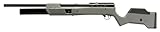
Best Umarex Primal 20 PCP Shotgun Guide 2026

Serious big-bore airguns can look straightforward on a specification sheet, yet ownership gets complicated once filling pressure, projectile availability, weight, and local hunting rules enter the picture. The umarex primal 20 pcp shotgun sits in that demanding category, pairing a 20-gauge bore with a precharged pneumatic power system and a two-shot sliding magazine. It isn't built for casual backyard plinking, and treating it like an oversized pellet rifle misses the point. Its appeal rests on delivering substantial airgun energy without powder-burning ammunition, while still requiring disciplined handling and a realistic support setup.
The onboard reservoir accepts fills up to 4,000 PSI, so an ordinary shop compressor won't solve the air-supply problem. A properly rated high-pressure compressor, carbon-fiber tank, or dependable filling source becomes part of the ownership cost, and that's where many promising setups hit a snag. Hand pumps may sound cheaper, but filling a large reservoir to this pressure can be exhausting and painfully slow. Frankly, the air source deserves nearly as much thought as the airgun itself because a powerful PCP that can't be filled conveniently spends most of its life in storage. :contentReference[oaicite:0]{index=0}
Umarex designed the platform around proprietary 395-grain slugs, with published figures reaching about 700 FPS and 430 foot-pounds of energy under suitable conditions. Those numbers explain why this isn't a high-volume range toy, but real velocity can shift with fill pressure, projectile consistency, temperature, and the condition of the air system. The two-shot magazine allows a quick follow-up compared with a single-load action, though it still rewards careful shot placement rather than hurried firing. Ammunition availability is another tradeoff since specialized slugs won't be sitting beside common pellets at every sporting-goods counter. :contentReference[oaicite:1]{index=1}
Handling feels closer to a full-size field arm than a compact PCP. The all-weather synthetic stock helps with damp grass, muddy ground, and sudden temperature changes, while the reversible bolt and ambidextrous layout reduce the usual left-handed frustration. An integrated Picatinny rail provides a familiar mounting surface for suitable optics, but the combined weight of the airgun, scope, sling, and filled reservoir can become noticeable during a long walk. A supported shooting position makes far more sense than pretending the package will balance like a light rimfire.
Safety design receives more attention than bare performance figures might suggest. The action includes a manual safety, a drop-safety system, a cocked-bolt indicator, and a method for controlled decocking. Those features help manage risk, but they don't replace secure storage, muzzle discipline, verified backstops, or careful inspection before handling. The Umarex Primal 20 produces energy that demands a serious containment plan, and many ordinary backyard backstops won't be suitable.
Maintenance isn't unusually mysterious, though high-pressure PCP systems dislike careless shortcuts. Seals, fill fittings, magazine movement, and choke installation need periodic attention, while petroleum-based products must be kept away from high-pressure air paths unless the manufacturer specifically approves them. Moisture from poorly maintained compressors can also shorten reservoir and valve life, so dry, filtered air matters. That extra routine can feel fussy at first, but neglect gets expensive fast.
Legal and ethical limits may be the biggest reality check. Airgun hunting regulations vary by state, country, species, projectile type, caliber, and minimum-energy requirement, so the word “airgun” doesn't automatically mean unrestricted use. Noise is another concern because a large-bore PCP can be much louder than expected, even without conventional firearm ammunition. The sensible path includes checking current regulations, confirming access to an appropriate range or hunting property, and wearing hearing and eye protection every time.
The final judgment depends less on headline power and more on logistics. The umarex primal 20 pcp shotgun makes sense where a specialized big-bore PCP, a robust air supply, suitable slugs, secure storage, and lawful field use already fit the plan. It makes far less sense where quiet practice, inexpensive ammunition, light carry weight, or easy neighborhood shooting matters most. That's the honest split: impressive capability on one side, substantial preparation on the other.
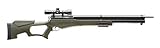
Elite Force Umarex AirSaber PCP Arrow Rifle Combo
Big-bore air-powered gear can look simple until the filling setup, ammunition choice, carry weight, and real shooting routine all collide. The umarex primal 20 pcp shotgun may lead shoppers into this corner of the market, but the Elite Force Umarex AirSaber takes a very different route by launching purpose-built arrows rather than slugs or shot. That difference changes nearly everything, from the sighting process to the type of practice space required. The package reviewed here combines a bolt-action PCP arrow rifle, an Axeon 4x32 scope, and three carbon-fiber arrows in one ready-to-configure kit.
Umarex AirSaber Combo Kit
The AirSaber’s core appeal is easy to grasp: it places the familiar layout of a rifle around an air-powered arrow system. A 41-inch overall length gives it the proportions of a full-size field arm, while the listed 6.85-pound weight without the scope keeps it from feeling like a lightweight youth model. Add the optic, arrows, and any rail-mounted accessories, and the finished setup gains noticeable heft. Still, that weight can steady the platform from a supported position instead of letting every small movement wobble the reticle.
The bolt-action layout keeps the firing sequence deliberate. Each arrow must be handled with care, seated correctly, and treated as specialized ammunition rather than an ordinary archery shaft. That slower rhythm isn’t a flaw; it encourages attention to the pressure gauge, the condition of the arrow, and the target environment. Controlled shot preparation matters more here than rapid follow-up shooting.
The included kit trims away one common ownership headache by pairing the rifle with an optic designed around air archery. The Axeon 4x32mm scope uses a custom Air Archery Ballistic Reticle, so the aiming system is more relevant than a generic scope pulled from another rifle. Three Umarex Straight Flight Technology arrows with 100-grain field tips are also included, giving the package the correct starting ammunition. Three arrows won’t support a long practice session by themselves, though, so additional compatible shafts will likely become an early expense.
Power Delivery And Air Management
The high-capacity air tank is rated for up to 25 effective shots per fill, which is a practical advantage for field use and measured practice. That number suggests fewer interruptions than smaller-reservoir PCP platforms, but it shouldn’t be read as 25 perfectly identical shots under every condition. Pressure changes through the shot string, and consistency can depend on fill level, temperature, arrow condition, and maintenance. Watching the integrated gauge helps keep expectations grounded.
Published performance reaches up to 450 feet per second and as much as 169 foot-pounds of kinetic energy with the specified setup. Those figures place the AirSaber well outside casual backyard archery territory. A proper target, a secure backstop, and generous clearance behind the target aren’t optional details. Ordinary foam blocks or improvised materials may not be suitable for repeated impacts from a system carrying this level of energy.
Air supply deserves a line in the budget before the rifle arrives. A PCP platform needs properly rated filling equipment, whether that comes from a high-pressure compressor, a compatible carbon-fiber tank, or another approved source. The built-in pressure gauge makes reservoir checks straightforward, yet the gauge doesn’t solve the filling challenge by itself. Reliable high-pressure air access often determines whether a PCP gets used regularly or ends up sitting untouched between occasional trips.
Stock, Scope, And Field Handling
The all-weather stock suits a tool that may encounter damp grass, dust, cold mornings, or muddy ground. Synthetic construction won’t eliminate the need for cleaning, but it removes some of the worry associated with swelling, scratches, and finish damage on traditional wood. A rubber recoil pad adds grip against the shoulder, even though the shooting sensation differs from a powder-burning rifle. The pad also helps keep the stock planted while settling into the scope.
Picatinny accessory mounts open the door for practical additions such as a bipod, quiver, or alternate optic. That flexibility sounds appealing, but bolting on every available accessory can turn a manageable rifle into a front-heavy bundle. A simple setup usually carries better and catches less brush. The accessory rail system is most useful when each addition solves a real handling problem rather than decorating the platform.
The fixed 4x magnification keeps the optic uncomplicated. Four-power glass offers enough enlargement for careful aiming without adding zoom rings, extra bulk, or another adjustment to think about. The custom reticle is the more meaningful feature because arrow trajectory requires different hold considerations than a conventional pellet rifle. Even so, the marks only become useful after confirming impact points with the exact arrows and field tips being used.
A related ammunition reference appears in pellets for Umarex Komplete, although those pellets are intended for a separate .22-caliber platform and are not compatible with the AirSaber’s arrow system. That distinction sounds obvious, yet similarly branded PCP products can create confusion during accessory shopping. Model-specific ammunition matters here because the AirSaber depends on properly matched arrows rather than standard pellets. Keeping parts and ammunition organized by platform prevents costly ordering mistakes.
Arrow Setup And Shooting Experience
The supplied Straight Flight Technology arrows are a defining part of the system, not a throwaway bundle item. AirSaber arrows are engineered to work with the rifle’s method of propulsion, so ordinary carbon arrows shouldn’t be treated as automatic substitutes. Shaft dimensions, construction, and compatibility directly affect safety and performance. Correct arrow selection is one area where guessing simply isn’t worth it.
The included 100-grain field tips make sense for initial setup and target work. They provide a known starting point for checking the scope, learning the trajectory, and spotting any unusual arrow behavior. Broadheads or other points may shift impact and handling, so changing tip style calls for another careful zero check. The rifle, optic, arrow, and point function as one system rather than four unrelated components.
Shooting an arrow rifle feels different from both a bow and a pellet gun. There’s no string draw cycle, but there’s still a pronounced arc, specialized loading procedure, and greater concern about arrow recovery. The bolt action keeps each shot intentional, while the scope provides a familiar cheek weld and sight picture. That blend can shorten the adjustment period for someone comfortable with rifle-style controls, though it won’t replace the need to learn air archery trajectory.
Noise also deserves realistic expectations. A high-energy PCP arrow launcher won’t behave like a quiet indoor target bow, and the impact at the target can be substantial. Hearing protection is a sensible habit, especially around hard surfaces or covered shooting lines. Neighbors, livestock, and range rules may also affect where the AirSaber can be used without creating problems.
Ownership Tradeoffs And Practical Limits
The combo format offers convenience, but it doesn’t cover every supporting item. Filling equipment, additional compatible arrows, a suitable target, eye protection, hearing protection, storage, and maintenance supplies all sit outside the listed package. Those extras can raise the real entry cost well beyond the rifle kit itself. Total ownership cost matters more than the attractive simplicity of receiving a scope and three arrows in the box.
Portability is another mixed bag. The 6.85-pound bare weight is manageable, yet the full package becomes heavier after adding the scope, sling, quiver, and field accessories. A long walk through uneven ground will expose that difference quickly. The all-weather stock helps with rough conditions, but it can’t make a full-size PCP arrow rifle disappear on the shoulder.
Maintenance remains fairly straightforward as long as the high-pressure system receives proper care. Fill fittings should stay clean, seals should be inspected, and only manufacturer-approved lubricants should be used around PCP components. Arrows need their own inspection routine for cracks, damage, loose tips, or other problems before loading. Preventive checks take little time compared with the trouble caused by firing damaged equipment.
Local regulations may treat air-powered arrow rifles differently from bows, crossbows, firearms, or conventional air rifles. Hunting seasons, permitted species, minimum energy rules, approved projectile types, and land-use restrictions can vary sharply by location. The AirSaber’s capability doesn’t automatically grant legal or ethical permission for every field situation. Its strongest fit appears where specialized arrows, high-pressure air, secure shooting space, and current local rules have already been accounted for.
Strengths That Matter In Daily Use
The strongest feature is the way the package removes several early compatibility questions. The rifle, ballistic-reticle scope, and three matching arrows arrive as parts of the same shooting system. That doesn’t eliminate setup work, but it reduces the chance of starting with an unsuitable optic or random shafts. Matched components make the first zeroing session more focused.
The 25-shot air capacity also improves the practical rhythm compared with systems that demand constant refilling. A shooter can spend more time checking groups, adjusting holds, and inspecting arrows instead of breaking down the setup after only a handful of attempts. Still, the useful portion of the pressure curve matters more than the headline number alone. The integrated gauge provides a direct reminder to watch reservoir status rather than assuming another shot will behave exactly like the last.
Accessory flexibility gives the AirSaber room to adapt without forcing a complicated configuration. A bipod may help from a bench, while a quiver can keep compatible arrows organized in the field. The Picatinny mounts support those additions using common attachment standards. Practical modularity is the real benefit, provided the rifle isn’t overloaded with gear that adds weight without improving the shot.
Weaknesses Worth Accepting Or Avoiding
Specialized ammunition creates the clearest limitation. The AirSaber cannot be fed with ordinary pellets, and standard archery arrows shouldn’t be assumed safe or compatible. Replacement shafts may cost more and require more planning than common airgun ammunition. Losing or damaging one of the three included arrows will be felt much sooner than losing a handful of inexpensive pellets.
The filling requirement is the second major hurdle. High-pressure equipment adds cost, storage needs, maintenance, and another mechanical system to understand. Relying on a distant shop or range for every refill can become tedious, while buying a compressor changes the economics of the package. Air independence is valuable, but achieving it isn’t cheap or effortless.
The fixed 4x scope may also feel restrictive in certain settings. Its simplicity benefits quick setup and consistent eye relief, yet it offers no magnification adjustment for widely changing distances. Some shooters may eventually prefer different glass, though replacing the included optic means giving up the convenience of its dedicated ballistic reticle. The sensible choice depends on whether a consistent, moderate-distance setup matters more than optical flexibility.
The Elite Force Umarex AirSaber PCP Arrow Rifle Combo is a specialized package with a clear purpose rather than a casual all-around airgun. Its 169-foot-pound potential, purpose-built arrows, useful reservoir capacity, and rifle-style handling create a capable platform for carefully planned shooting. The compromises are just as clear: specialized ammunition, demanding backstop needs, filling equipment, added carry weight, and regulations that require attention. Those realities don’t diminish the design, but they do separate thoughtful ownership from an impulse purchase.
Ruger Explorer Youth .177 Pellet Air Rifle
A full-size air rifle can turn a simple practice session into a wrestling match when the stock feels too long, the barrel feels nose-heavy, and basic controls sit just out of comfortable reach. The umarex primal 20 pcp shotgun represents the heavy, specialized end of air-powered shooting, while the Ruger Explorer takes the opposite approach with a compact frame and restrained velocity. Its 37.125-inch overall length and 4.45-pound weight make the rifle easier to shoulder, steady, and carry than many adult-sized spring-powered models. That smaller footprint isn’t merely cosmetic; it addresses the awkward handling that often causes poor form, rushed shots, and early frustration.
Ruger Explorer Youth Air Rifle
The Ruger Explorer uses a spring-powered break-barrel action, so each shot begins by pivoting the barrel downward to cock the internal spring. No CO2 cartridges, external air tanks, or charging pumps are needed, which keeps the routine pleasantly straightforward. Cock it, load one .177-caliber pellet, return the barrel to its firing position, and prepare the shot. That simplicity makes the rifle easier to store between sessions because there’s no separate power supply to monitor or replace.
Compact dimensions give the rifle its clearest practical advantage. A stock designed around shorter reach can help keep the trigger hand from stretching and the supporting arm from carrying too much forward weight. The listed 4.45-pound frame is light enough to reduce fatigue during supervised practice, yet it still has enough substance to encourage a stable hold. Put plainly, less wrestling with the rifle leaves more attention for breathing, sight alignment, and safe muzzle control.
The smaller build does have a shelf life for some households. As body size, reach, and shooting experience increase, the short stock may begin to feel cramped compared with an adult-length air rifle. That doesn’t make the design flawed; it means the rifle serves a specific stage of skill development rather than pretending to fit every situation forever. The youth-sized geometry earns its keep early, but growth and changing preferences should remain part of the buying decision.
Break-Barrel Handling And Shot Routine
Break-barrel rifles reward consistency, and the Explorer is no exception. The barrel must be cocked fully, the pellet seated correctly, and the action closed with controlled pressure before every shot. That deliberate process slows the pace in a useful way, especially while basic safety habits are still being reinforced. A rushed loading motion can damage pellets, disturb concentration, or encourage careless handling, so the single-shot layout naturally favors patience.
The spring mechanism also creates a distinct firing sensation. Recoil is modest compared with powder-burning firearms, but the internal spring and piston still move during the shot cycle. A death grip often makes spring-piston rifles less predictable, while a relaxed and repeatable hold generally supports better consistency. The rubber recoil pad adds shoulder comfort and helps the stock stay planted without requiring excessive pressure.
Cocking effort isn’t listed in the supplied details, so it would be careless to promise that every smaller shooter can operate the barrel independently. Arm strength, leverage, technique, and supervision all matter. An adult may need to handle the cocking and loading portion at first, leaving the shooter to concentrate on stance, sight picture, and trigger control. That shared routine isn’t a drawback; done properly, it builds safe shooting habits before speed or independence enters the picture.
The Explorer’s spring power also means the rifle is ready after long storage without worrying about depleted gas cartridges. Still, springs, seals, pivot points, and the barrel lockup benefit from sensible care. Excess oil can create problems, and random household lubricants don’t belong inside an airgun powerplant. The practical approach is simple: keep the bore and exterior clean, inspect moving areas, and follow the manufacturer’s maintenance guidance rather than improvising.
Velocity, Pellets, And Practical Range Use
The rifle is rated to shoot .177-caliber pellets at up to 495 feet per second. That figure positions it below many high-velocity adult air rifles, which suits controlled paper-target practice and basic marksmanship better than chasing raw speed. Actual velocity can vary with pellet weight, shape, fit, temperature, and the condition of the spring system. The phrase “up to” matters because it describes a maximum claim, not a promise that every pellet will leave the barrel at the same speed.
.177-caliber pellets are widely associated with target shooting because their small diameter produces clean holes in paper and keeps ammunition compact. Pellet selection still deserves some thought, since extremely light, loose, or poorly formed pellets can behave differently from heavier, well-fitting designs. Consistent ammunition helps reveal whether an aiming error came from technique or from irregular pellet performance. The single-shot loading system also makes it easy to inspect each pellet before placing it into the breech.
The modest power level doesn’t excuse a casual backstop. Pellets can penetrate thin materials, ricochet from hard surfaces, and travel beyond a poorly planned target area. A purpose-built pellet trap with an appropriate backing surface makes far more sense than cans balanced against a fence. Eye protection, direct supervision, and a clear firing line remain essential because 495 FPS still carries real injury risk.
Hunting expectations need extra restraint. The Explorer’s compact dimensions and listed velocity point more naturally toward training and recreational target use than demanding pest-control work. Pellet choice, distance, local law, shot placement, and retained energy all affect humane outcomes, and the supplied specifications don’t establish suitability for a particular animal. Broader discussion of power and field requirements appears naturally in air rifles for varmint hunting, though the Ruger Explorer should be judged on its own limited-energy design rather than grouped with stronger hunting platforms.
Sights, Stock, And Everyday Comfort
Fiber-optic sights give the rifle an uncomplicated aiming system without requiring a separate optic purchase. Bright sight elements can be easier to distinguish against darker targets or shaded backgrounds, especially during casual outdoor practice. They don’t magnify the target, but that’s often useful during early training because the shooter learns to align the front and rear sights rather than relying immediately on a scope. The open-sight setup also keeps weight and bulk from creeping upward.
Lighting conditions can change how clearly fiber-optic inserts appear. Bright daylight may make the dots stand out sharply, while dim indoor spaces can reduce their visual advantage. A busy target face can also make colored sight elements harder to center precisely. Simple paper targets with bold aiming points usually provide a cleaner learning environment than cluttered graphics or improvised objects.
The all-weather synthetic stock handles routine bumps, damp grass, and changing temperatures with less fuss than a delicate wood finish. Its ambidextrous shape also avoids forcing a strongly right-handed cheekpiece on someone who shoots from the left shoulder. That flexibility is especially useful before eye dominance and preferred shooting side have been firmly established. A synthetic stock may not have the warmth or traditional appearance of wood, but it’s easier to live with during regular outdoor practice.
Comfort comes from more than a padded butt. Trigger reach, balance, grip shape, and sight height all influence whether the rifle settles naturally. The Explorer’s shorter frame addresses several of those issues, though fit still varies from one person to another. A shooting bench or lightweight rest can reduce wobble during the first few sessions, letting proper technique develop without turning every shot into a strength contest.
Automatic Safety And Responsible Supervision
The automatic safety adds a useful layer of protection by engaging as part of the cocking sequence. That design can reduce the chance of the rifle being immediately ready to fire after loading. Still, an automatic mechanism should never become a substitute for keeping the muzzle in a safe direction and the finger outside the trigger guard. Mechanical parts can be misunderstood, bypassed, or mishandled, while disciplined behavior follows the rifle everywhere.
Clear supervision matters because the break-barrel action places hands close to the breech during loading. The barrel should remain controlled throughout the process rather than being allowed to snap closed. Fingers must stay away from pinch points, and the rifle should never be cocked until the shooting area is ready. These steps may sound slow at first, but repeatable safety routines become second nature through repetition.
Storage deserves the same seriousness as range handling. Pellets should be kept separately, and the uncocked rifle should be secured where unauthorized access isn’t possible. A compact air rifle can look less intimidating than a firearm, which sometimes leads to careless assumptions about risk. The Explorer remains capable of causing severe injury, so secure storage and adult control aren’t negotiable details.
Strengths And Limitations In Real Use
The biggest strength is the way the Ruger Explorer removes unnecessary complexity from basic air-rifle practice. It needs no disposable gas, no compressor, and no external reservoir, while the included fiber-optic sights prevent an optic from becoming an immediate expense. Its shorter stock and lighter frame directly address fit problems that can sour a first experience. The design stays focused instead of piling on features that would add weight or distract from fundamentals.
Affordability can’t be judged from the supplied information because no current price was provided, yet operating costs remain relatively simple. Pellets, targets, eye protection, cleaning supplies, and a safe trap make up most of the ongoing needs. There’s no recurring CO2 purchase, although spring and seal wear will eventually matter after extended use. The self-contained power system keeps preparation predictable, which is handy for short practice sessions.
Limitations come from the same choices that make the rifle approachable. The 495 FPS rating offers less power than many adult break-barrel rifles, the short stock may eventually feel undersized, and the single-shot action keeps the pace slow. Fiber-optic sights are practical but won’t provide magnification for tiny aiming points at longer distances. None of those compromises is hidden; they define a rifle built around controlled learning rather than maximum reach or energy.
The Ruger Explorer makes the most sense where compact fit, straightforward operation, and supervised marksmanship matter more than power. Its automatic safety, ambidextrous synthetic stock, rubber recoil pad, and manageable listed weight support calm practice without turning the setup into a complicated equipment project. It won’t replace a stronger adult rifle for advanced field tasks, and it shouldn’t be pushed into roles beyond its specifications. Used within those boundaries, the design offers a sensible bridge between basic instruction and more demanding airgun platforms.
P2P HDX .68 Caliber Less Lethal Defense Shotgun
A defensive tool loses much of its value if preparation feels clumsy during a stressful moment. The umarex primal 20 pcp shotgun belongs to the high-powered sporting side of airgun ownership, while the P2P HDX takes a sharply different path as a CO2-powered platform built around .68-caliber pepper rounds, rubber balls, and powder balls. Its pump-action layout, 16-round capacity, and quick-piercing hardware address a practical concern: keeping the launcher stored without leaving a CO2 cartridge permanently punctured. That distinction gives the HDX a clear purpose, though it also brings legal, maintenance, and training responsibilities that shouldn’t be brushed aside.
P2P HDX Less Lethal Shotgun
The HDX uses a familiar long-gun shape that makes its controls easier to identify than those on a compact handheld launcher. A smooth pump action cycles rounds from the integrated magazine, while the shoulder-fired format provides several contact points for steadier handling. That doesn’t make the platform effortless under pressure, of course. Regular practice with unloaded equipment is still needed so the safety, pump, sights, and CO2 activation system don’t feel foreign at the worst possible time.
The integrated magazine holds 16 rounds, offering more onboard capacity than many compact defensive air pistols. Loading takes place through a ramp housed in the grip, which keeps the exterior cleaner than a protruding detachable magazine. The setup reduces the number of loose parts to manage, but filling an internal tube still requires patience and attention to projectile orientation. A rushed loading job can lead to uncertainty about the remaining count or whether the rounds are seated correctly.
The kit includes 20 pepper rounds and 20 rubber balls, giving the owner two different projectile types from the start. Pepper rounds are intended to create an irritant cloud after impact, while rubber balls rely more heavily on direct kinetic contact. These options shouldn’t be treated as interchangeable because projectile behavior, legal classification, contamination risk, and practical purpose can differ. Clear labeling and separate storage help prevent the wrong ammunition from being loaded during training or preparation.
Descriptions such as “less lethal” can create false comfort if they’re read as “harmless.” A .68-caliber projectile traveling at up to 300 FPS can cause serious injury, particularly at close range or around vulnerable areas of the body. Pepper-filled ammunition may also affect bystanders, pets, and the person operating the launcher, especially indoors or in shifting wind. Safe handling should therefore resemble firearm discipline, with secure storage, controlled muzzle direction, and careful attention to what lies beyond the intended point of impact.
CO2 Piercing And Readiness
CO2 systems bring convenience, but they also create a readiness puzzle. Leaving a cartridge pierced for long periods may place continued pressure on seals, while storing the launcher without an active cartridge means it won’t fire until the gas is released. The HDX addresses that problem with a CO2 piercing button, allowing the cartridge to remain installed but unpunctured until activation is needed. That arrangement can preserve the seal while keeping the launcher closer to an operational state.
The included Quick Piercing Adapter adds another method for activating the CO2 supply. Its value lies in reducing the number of complicated movements required before use, not in eliminating the need for training. A quick system still depends on correct cartridge installation, intact seals, and familiarity with the activation process. Dry practice should focus on identifying each control without placing fingers near the trigger or pointing the launcher toward an unsafe area.
CO2 isn’t included, so the kit won’t be operational straight out of the package. The provided description recommends Umarex-brand CO2 for proper sealing and consistent performance, which narrows the shopping list but also creates an additional recurring expense. Keeping spare cartridges on hand makes sense, yet they should be stored according to the manufacturer’s guidance and away from excessive heat. A launcher that depends on missing, damaged, or improperly fitted cartridges is little more than a bulky prop.
Temperature affects CO2 behavior, and cold conditions commonly reduce gas pressure. That means a launcher stored in a cold vehicle, garage, or outdoor structure may not behave the same way it would at room temperature. The supplied information doesn’t provide a temperature-performance chart, so exact output shouldn’t be assumed across changing seasons. Environmental sensitivity is one of the main tradeoffs of choosing CO2 instead of a spring-powered or precharged pneumatic system.
Projectile Choices And Practical Tradeoffs
Pepper rounds add distance between the operator and a threat, but they introduce their own complications. A round may break against a target or nearby surface and release powder into the surrounding air. Indoors, that cloud can linger and spread through ventilation, affecting everyone in the room. The irritant payload may support defensive use in some situations, yet it can also make post-incident movement and communication harder.
Rubber balls avoid airborne pepper contamination, though they depend more on accurate direct impact. Their solid construction can also create ricochet concerns around concrete, tile, metal, and other hard surfaces. No projectile should be fired casually to “see what happens,” especially in a home or yard without an appropriate containment system. Purpose-built training ammunition and a safe range setup are better suited to practicing pump operation and sight alignment.
Powder balls provide another compatible ammunition category according to the supplied description. Compatibility alone doesn’t establish identical performance, so owners shouldn’t assume every .68-caliber round will cycle, seal, and strike the same way. Weight, shell construction, and manufacturing tolerances can influence function. Ammunition consistency matters because a defensive launcher has little room for uncertain feeding or unexpected point-of-impact changes.
The listed maximum velocity of 300 FPS gives a useful ceiling, but it doesn’t guarantee that every projectile reaches that speed. Projectile weight, cartridge pressure, ambient temperature, and the number of shots already fired can all influence output. CO2 systems commonly change character as pressure falls through use. That makes periodic function checks important, provided they’re done legally and in a location designed to contain .68-caliber rounds safely.
Sights, Rails, And Handling
The removable front sight and flip-up adjustable rear sight create a straightforward sighting arrangement without forcing an optic purchase. Adjustment at the rear helps correct alignment, while the folding design leaves room for alternate sighting equipment. Basic sights may be enough for short-range familiarization, especially since defensive scenarios rarely resemble careful bench shooting. Still, sight confirmation matters because different projectile types may not share the same impact point.
M-LOK slots and Picatinny rails provide mounting space for lights, optics, and other compatible accessories. A light can help identify surroundings, while an optic may simplify aiming for someone who struggles with traditional sights. Accessory weight adds up quickly, though, and overloading the front end can make the launcher slower to shoulder or hold steady. The sensible setup solves specific handling problems rather than turning every rail slot into an obligation.
Optics designed for conventional rifles often emphasize longer-range precision, a role that doesn’t line up neatly with the HDX. A neutral discussion of magnification and rifle-mounted glass appears in mid-range rifle scopes, although those products address a different platform and shouldn’t be treated as automatic matches for this launcher. The HDX benefits more from compact, durable sighting equipment suited to short distances and its available rail space. Mount compatibility, eye relief, and added weight deserve more attention than magnification alone.
The pump action offers a tactile method of chambering each round. That movement may feel intuitive, but incomplete cycling can disrupt feeding and leave the operator unsure about the launcher’s status. Practicing a full, controlled stroke helps establish a repeatable rhythm. Positive pump operation matters more than raw speed because short-stroking the action under stress defeats the benefit of carrying 16 rounds.
Storage, Safety, And Legal Limits
Secure storage deserves the same priority given to readiness. The HDX resembles a serious defensive arm and can launch projectiles capable of causing major injury, so casual placement beside a bed or behind a door creates obvious risks. Children, visitors, and anyone unfamiliar with the controls shouldn’t have access. A locked storage solution that still fits the owner’s emergency plan requires more thought than simply hiding the launcher out of sight.
The piercing system adds another decision to the storage routine. A cartridge may be installed without being punctured, but the exact status should remain unmistakable. Confusion over whether the system is charged can lead to careless handling or a failed response. A consistent procedure for cartridge installation, projectile loading, safety position, and periodic inspection keeps readiness status from becoming guesswork.
Local laws can treat pepper launchers, kinetic projectile devices, and air-powered defensive tools differently. Restrictions may cover possession, transportation, age, public carry, projectile composition, and lawful use. The words “air rifle” or “less lethal” don’t create a universal exemption from weapons regulations. Current rules should be confirmed through reliable local authorities or qualified legal guidance rather than assumptions borrowed from another state or country.
Use-of-force standards also matter because possession and lawful deployment are separate questions. Displaying or firing a defensive launcher may carry serious legal consequences even if no permanent injury occurs. The HDX should never be used for intimidation, property disputes, pranks, or testing on people or animals. Proportional defensive use remains a legal and ethical issue that product features cannot settle.
Strengths That Stand Out
The quick-piercing concept is the HDX’s most distinctive strength. It addresses the awkward compromise between preserving CO2 seals and keeping a launcher prepared for urgent use. The separate activation step still demands practice, but it’s more deliberate than storing the system continuously pressurized. For households already committed to a structured safety plan, on-demand CO2 activation can make storage easier to manage.
Capacity is another practical advantage. Sixteen rounds reduce the need to reload immediately, while the internal magazine keeps the launcher’s outline free from a large detachable box. The grip-based loading ramp simplifies access once the process becomes familiar. On the flip side, internal capacity can encourage poor round-count awareness, so the magazine should be checked rather than trusted from memory.
The kit’s mixed ammunition provides a useful look at the platform’s flexibility. Pepper rounds and rubber balls support different purposes, and the included quantities allow the owner to inspect the construction and loading process before purchasing more. That flexibility shouldn’t become an excuse to mix ammunition randomly. Clearly separated projectile types make storage, training, and post-use accountability much easier.
Modular mounting surfaces help adapt the launcher without altering its core design. A carefully chosen light or compact optic may improve identification and aiming, while the removable factory sights leave room for personal preference. The rails are functional rather than decorative, but restraint pays off. A balanced HDX will generally be easier to manage than one burdened with oversized accessories.
Weaknesses That Need Honest Planning
The biggest drawback is dependence on consumable CO2. Cartridges cost money, lose effectiveness in cold conditions, and require correct installation before the launcher can function. The quick-piercing system reduces one readiness problem but doesn’t erase the underlying reliance on gas pressure. CO2 availability therefore belongs in the long-term ownership plan, not as an afterthought.
Cross-contamination from pepper rounds is another serious concern. An indoor discharge could affect family members, neighbors in shared housing, pets, or emergency responders entering the space. Cleanup may also be unpleasant and time-consuming. That doesn’t make pepper ammunition useless, but it narrows the situations where its benefits clearly outweigh the complications.
The full-size shotgun-style body requires more storage room and maneuvering space than a compact launcher. Tight hallways, door frames, furniture, and close quarters can make a long platform awkward. Its shoulder-fired layout may improve control, yet it can also be harder to secure discreetly or retrieve from a small lockbox. The size-versus-control tradeoff should be considered in the actual environment where it will be stored.
The P2P HDX isn’t a replacement for sound locks, exterior lighting, communication plans, alarms, or safe retreat routes. It’s a specialized CO2 launcher with a large magazine, multiple ammunition choices, useful accessory mounts, and a thoughtful quick-piercing arrangement. Those features can support a layered defensive plan, but they also demand training, inspection, secure storage, legal awareness, and realistic expectations. Its value depends less on the intimidating appearance and more on whether the owner can manage every step before, during, and after a possible defensive incident.
Stoeger XM1 .22 PCP Air Rifle And Scope Combo
Small setup headaches can drain the fun from an afternoon at the range before the first pellet ever reaches paper. A stock that doesn’t fit, a slippery bolt, or a vague pressure reading turns steady practice into fiddling and second-guessing. The umarex primal 20 pcp shotgun sits at the heavy-hitting end of the airgun spectrum, while the Stoeger XM1 takes a more measured route with a regulated PCP action, adaptable furniture, and two loading formats. This Realtree Edge combo adds fiber-optic sights and a 4x32 scope, giving the rifle a practical starting setup without pretending every accessory decision has already been made.
Stoeger XM1 .22 PCP Combo
The XM1 is driven by a precharged pneumatic system rated for fills up to 2,900 PSI. An integrated regulator helps manage the air released for each shot, which can support a more predictable firing cycle than an unregulated reservoir as pressure gradually drops. That doesn’t mean every pellet will land in the same hole, since ammunition fit, wind, hold, and shooter input still matter. It does mean the rifle is designed around controlled air delivery rather than simply dumping reservoir pressure behind each pellet.
The supplied details identify this model as the .22-caliber Realtree Edge version, although the XM1 platform is also offered in .177 caliber. Published alloy-pellet velocity claims for the line reach up to 1,200 FPS, but that figure shouldn’t be applied blindly to every caliber and pellet combination. Heavier .22 pellets generally behave differently from very light alloy projectiles, and practical accuracy often matters more than chasing the highest number on the box. The .22-caliber format favors a wider, heavier pellet while accepting a more curved trajectory than many fast .177 setups.
A hand pump isn’t included, and that omission deserves attention before purchase. The rifle needs a compatible high-pressure filling source, so the real setup may involve a pump, compressor, or properly rated air tank. None of those choices is free, and each comes with its own storage, moisture-control, and maintenance considerations. The XM1’s PCP convenience only becomes convenient once filling the reservoir fits naturally into the shooting routine.
The five-year limited warranty covers qualifying defects in materials or workmanship in the product’s metal parts from the purchase date. That’s a meaningful detail for a rifle built around valves, fittings, a regulator, and a bolt system, though warranty terms still need to be followed carefully. Normal wear, misuse, unauthorized modifications, and neglected maintenance may fall outside coverage. Keeping purchase records and following the manufacturer’s care instructions can save a fair bit of grief if a mechanical issue appears later.
Regulated Power And Pressure Management
A regulator sits between the main air reservoir and the firing valve, metering pressure before each shot. In plain English, it attempts to feed the action a steadier amount of air while reservoir pressure remains within its operating range. That can reduce the dramatic velocity swings sometimes seen in simpler PCP designs. The integrated regulator is therefore less about flashy specifications and more about making sight adjustments and pellet evaluation easier to interpret.
The 2,900 PSI fill rating is demanding but not unusual for modern PCP equipment. A basic bicycle pump or hardware-store compressor won’t safely handle that job, and improvised adapters are a bad idea. High-pressure air requires fittings, hoses, gauges, and tanks rated for the task. A clean, dry fill source protects the internal air system from moisture and debris that can shorten seal or valve life.
Shot count isn’t included in the supplied information, so any specific estimate would be guesswork. Reservoir volume, regulator setting, caliber, pellet weight, and fill pressure all influence how many useful shots are available. The practical habit is to watch the gauge and note where point of impact or consistency begins to change. That simple log reveals more about usable shot capacity than an unsupported number borrowed from another configuration.
PCP rifles also change the pace of a range session. There’s little spring movement during firing, so the sight picture can feel calmer than it does with a traditional break barrel. Still, the rifle must be filled beforehand, and running low on air can end a session abruptly. The XM1 trades the self-contained simplicity of a spring piston for lighter firing behavior and a multi-shot action.
Bolt, Trigger, And Loading Options
The bolt lever uses Stoeger’s THRIDION texturing to create a more secure contact surface. That sounds like a minor touch until cold fingers, light gloves, or damp weather make a smooth bolt knob annoying to operate. Better grip can help the shooter cycle the action without grabbing or twisting awkwardly. The ergonomic bolt lever supports a clean rhythm between shots, provided it’s worked fully rather than hurried.
A seven-shot rotary magazine turns the XM1 into a compact repeater. Seven pellets are enough to reduce interruptions without making it easy to lose track of what remains in the action. The magazine still needs careful loading, and pellets should sit correctly rather than protruding or becoming damaged. A properly seated magazine matters because bent skirts and partial indexing can spoil both accuracy and feeding.
The included single-pellet loader gives the rifle a second personality. Single loading slows the process, but it can be useful while evaluating pellet types, shooting carefully from a bench, or avoiding magazine-related variables. It also lets the owner handle one pellet at a time without filling an entire rotary magazine. That dual-loading arrangement is genuinely practical rather than a feature added merely to lengthen the specification list.
The two-stage adjustable trigger provides room to tailor the break to personal preference within the manufacturer’s approved adjustment range. A clear first stage can help the shooter settle the sights before reaching the final release point. Adjustments should be conservative, tested with the rifle unloaded, and made according to the manual. An excessively light or poorly understood trigger setup can undermine the automatic ambidextrous safety rather than improve shooting comfort.
Stock Fit And Shooting Comfort
Fit often matters more than people admit. A rifle can be mechanically accurate and still feel awkward if the cheek rests too low, the grip angle strains the wrist, or the length of pull pushes the shoulder out of position. Stoeger includes two recoil-pad spacers, two cheekpieces, and two pistol grips to address those problems. The modular stock system gives the XM1 room to fit different builds and shooting positions without immediately replacing the entire stock.
The recoil-pad spacers alter how far the trigger and grip sit from the shoulder. A longer setup may suit broader frames or supported bench shooting, while a shorter arrangement can reduce stretching and improve control from standing or kneeling positions. The right choice is the one that allows a relaxed trigger finger and repeatable head position. Straining forward or crowding the scope usually signals that length of pull needs another look.
Interchangeable cheekpieces help line the eye up with either the open sights or the mounted scope. That’s useful because sight height changes once glass is installed above the receiver. A poor cheek weld forces the head to float, and floating head position tends to produce inconsistent sight pictures. The XM1’s adjustable cheek support tackles that issue with physical fit rather than asking the shooter to compensate on every shot.
The pistol-grip choices influence wrist angle and trigger reach. A grip that feels natural from a bench may not feel quite as comfortable during an offhand session, so experimenting within the supplied options makes sense. Realtree Edge camouflage gives the stock a field-oriented appearance, though finish alone doesn’t determine durability or accuracy. The real benefit is the ability to shape the rifle around repeatable body position instead of accepting a one-size layout.
Fiber Optics And The 4x32 Scope
The fiber-optic front sight includes interchangeable red and orange inserts. Different colors can stand out better against changing backgrounds, which helps in shaded woods, bright grass, or on dark paper targets. The rear fiber-optic sight is fully adjustable, allowing windage and elevation corrections without mounting the scope. This open-sight system gives the rifle a useful backup and a simpler option for closer practice.
The included 4x32 scope provides fixed four-power magnification through a 32 mm objective lens. Fixed power removes zoom adjustments from the shooting process and keeps the optic straightforward. Four-power magnification can help define small aiming points without turning moderate-distance shooting into a hunt for the target through excessive magnification. The scope combo saves an immediate accessory purchase, though mounting and zeroing still require care.
Scope height should match the selected cheekpiece so the eye centers naturally behind the optic. Rings that sit too high can make the stock feel low, while rings that sit too close to the receiver may create clearance problems. Eye relief also needs to be set before tightening everything down. A stable mount and comfortable head position do more for practical precision than adding decorative rail accessories.
The fiber-optic sights and scope support different shooting styles rather than canceling each other out. Open sights keep the rifle light and encourage basic alignment skills, while the scope helps with smaller targets and more exact hold references. Switching between them may require removing or repositioning components depending on the mounting arrangement. That flexibility is useful, but repeated changes mean the zero should be confirmed before serious use.
Pellet Choice And Realistic Accuracy
Pellet rifles tend to have preferences, and the XM1 is unlikely to treat every .22 pellet exactly the same. Head diameter, skirt shape, weight, and manufacturing consistency can affect how a pellet loads and travels through the barrel. Testing several sensible pellet types on paper is more useful than assuming the fastest alloy option will also group the tightest. The best-performing pellet is the one that produces reliable groups and clean magazine feeding in this particular rifle.
The rotary magazine adds a second compatibility question because unusually long pellets may not fit or rotate as smoothly as standard shapes. The single-shot loader becomes valuable here, allowing a pellet to be evaluated without magazine length constraints. That difference can reveal whether an issue comes from the ammunition itself or from how it interacts with the magazine. A little methodical testing beats burning through a tin while blaming the scope.
Budget planning around rifles with similar price-sensitive priorities is discussed in budget air rifles, while the XM1’s filling equipment, pellets, and optic setup should still be assessed as separate ownership costs. The rifle includes useful hardware, but the hand pump omission changes the amount needed to begin shooting. Targets, a rated backstop, eye protection, cleaning supplies, and spare magazines may add more expense. Total setup cost matters because a PCP without a dependable fill source isn’t ready for regular use.
Accuracy claims should remain tied to actual conditions. Wind can move a .22 pellet, inconsistent shoulder pressure can shift impact, and loose scope mounts can mimic a barrel problem. A solid rest, measured distances, and five-shot groups provide a more honest picture than one lucky hit. The regulated action gives the XM1 a useful foundation, but repeatable shooting technique still carries much of the load.
Strengths That Earn Their Place
Adaptability is the XM1’s strongest card. Recoil-pad spacers, interchangeable cheekpieces, and swappable grips let the rifle change with the shooter rather than forcing awkward posture. That matters during longer sessions, where a poor stock fit slowly turns into shoulder tension and inconsistent trigger control. The personalized stock setup addresses a real performance issue without requiring custom gunsmithing.
The regulator and two loading systems add useful flexibility to the mechanical side. A seven-shot magazine supports an easy field rhythm, while the single-pellet loader suits deliberate testing and bench work. Neither system has to carry every job. The ability to move between repeater and single-shot use makes the XM1 easier to adapt to different kinds of practice.
Included sights and a 4x32 scope create two workable aiming options. That’s especially helpful during the early ownership period, since the rifle can be used with its fiber optics while the scope is mounted, adjusted, or reconsidered. The interchangeable front-sight inserts are a small but thoughtful detail. They allow the sight picture to change with the background instead of forcing one color to handle every condition.
The five-year limited warranty adds reassurance around manufacturing defects in covered metal parts. Warranty length doesn’t replace routine maintenance, but it shows that the product isn’t treated as a disposable air rifle. Owners still need to protect seals, use clean air, avoid unapproved modifications, and document the purchase. Those habits support both long-term reliability and any future warranty request.
Limitations That Deserve A Clear Look
The missing hand pump is the most immediate drawback. Someone new to PCP rifles may open the package with pellets and targets ready, only to realize there’s no way to charge the reservoir. A capable pump is the least complicated entry point, but manual filling can take effort. Compressors and tanks reduce that labor while increasing cost and equipment complexity.
The 4x32 scope is practical rather than elaborate. Fixed magnification keeps operation simple, yet it can feel limiting for tiny targets at longer distances or very close shots where the sight picture becomes cramped. Optical clarity, reticle design, and adjustment quality aren’t described in enough detail to promise more. The included optic should be viewed as a functional starting point, not automatically the final scope every owner will keep.
Maximum velocity language can also pull attention away from the rifle’s more useful traits. Alloy pellets may produce higher numbers, but the loudest, fastest combination isn’t necessarily the most accurate or efficient. Heavier lead pellets may offer a different balance of energy, trajectory, and consistency. The XM1’s regulated PCP action deserves evaluation through grouping and dependable function, not a race toward the highest advertised speed.
The Stoeger XM1 rewards owners willing to handle PCP logistics in exchange for adjustable fit, a regulated firing cycle, and flexible loading. Its modular furniture solves many comfort problems that fixed stocks leave untouched, while the seven-shot magazine keeps practice moving at a relaxed pace. The tradeoffs remain plain: filling equipment costs extra, the bundled optic may eventually feel basic, and pellet testing takes time. Within those limits, the XM1 .22 combo offers a thoughtful balance of customization, repeatable operation, and field-ready controls without leaning on inflated promises.
Benjamin Bulldog .457 PCP Hunting Air Rifle
Three useful shots can sound restrictive until each one carries the responsibility of a large-bore hunting setup. The umarex primal 20 pcp shotgun may draw attention from shooters researching powerful air-driven platforms, but the Benjamin Bulldog takes a different route with a compact bullpup frame, a .457-caliber rifled barrel, and a five-shot magazine. Its design favors careful field preparation rather than casual, high-volume plinking. That’s the heart of this rifle: substantial big-bore capability packed into a 36-inch platform, balanced by demanding air requirements and a very short effective shot string.
Benjamin Bulldog .457 PCP
The Bulldog’s bullpup layout shifts the action rearward, allowing the rifle to maintain a useful barrel arrangement while keeping overall length to 36 inches. That compact profile can make a noticeable difference inside a blind, around thick brush, or while moving through narrow shooting lanes. A conventional long rifle often catches branches and feels cumbersome during quick position changes. The Bulldog trims that excess length without turning the platform into a lightweight toy.
The synthetic exterior is built for practical field handling rather than display-case treatment. Damp grass, light rain, dusty cases, and routine bumps are less stressful with a durable synthetic design than with a carefully finished wood stock. Synthetic material still needs cleaning, of course, especially around seams, controls, and metal contact points. Still, it lets the rifle feel like working equipment instead of something that must be babied after every trip.
Bullpup balance won’t feel natural to everyone on the first shoulder mount. Much of the rifle’s weight sits closer to the body, which can reduce front-end fatigue but may also make the rear feel dense. Some shooters enjoy that tucked-in balance immediately, while others need time to adjust their stance and cheek position. The rear-mounted action is a genuine difference, not merely a styling decision.
Reservoir Pressure And Effective Shot Count
The Bulldog uses a 3,000 PSI reservoir with an integrated pressure gauge, giving the shooter a direct view of remaining air pressure. That gauge matters because the supplied specifications list up to three effective shots per fill. A large-bore platform consumes far more air per shot than a small-caliber target rifle, so the short working window isn’t surprising. Even so, it changes the entire pace of sighting, practice, and field use.
Three effective shots reward preparation and punish sloppy setup. A rushed first shot can waste a large portion of the useful fill, while a poorly planned scope adjustment may require another complete charging cycle. Paper targets should be large enough to catch initial impacts, and adjustments should be made slowly. The Bulldog’s limited shot window encourages a measured approach rather than endless trigger time.
An air compressor isn’t included, so ownership begins with another important decision. The rifle needs properly rated high-pressure filling equipment, whether that means a suitable compressor, carbon-fiber tank, or compatible hand pump. A basic shop compressor can’t safely provide 3,000 PSI, and improvised adapters have no place around high-pressure air. The filling system becomes part of the rifle’s real purchase cost.
Field refilling also deserves thought before a hunting trip begins. A portable tank can reduce downtime, but it adds weight and another item to carry. Returning to a stationary compressor after every few shots may work during range testing yet feel inconvenient outside the home. The Bulldog fits best where air management is treated as routine rather than an annoying surprise.
Velocity And Big Bore Expectations
Published velocity reaches up to 760 FPS, although projectile weight, reservoir pressure, temperature, and mechanical condition can change actual performance. Big-bore air rifles shouldn’t be judged by speed alone because a heavy .457-caliber projectile behaves very differently from a light .177 pellet. Energy, retained momentum, trajectory, and impact consistency all matter. Chasing the highest possible velocity can distract from the more useful goal of repeatable accuracy.
The rifled steel barrel provides the foundation for stabilizing compatible ammunition. Rifling can support a predictable flight path, but it can’t correct a poorly matched projectile or damaged ammunition. Diameter consistency, weight, and fit remain important. The .457-caliber barrel should be paired only with ammunition approved for the rifle rather than whatever happens to appear close in size.
Trajectory deserves special attention because large, heavy projectiles may drop more noticeably as distance increases. A zero that looks fine at one range may require meaningful hold adjustment farther out. The answer isn’t guesswork; it’s careful confirmation on paper at measured distances. The Bulldog’s power deserves known impact points, not assumptions borrowed from another rifle or pellet weight.
Legal and ethical decisions also sit ahead of field use. Regulations may define approved calibers, minimum energy, legal seasons, permitted species, and acceptable shooting methods. A related look at field-oriented airgun considerations appears naturally in air rifles for raccoon hunting, though the Bulldog’s suitability still depends on current local rules and responsible shot placement. The rifle’s specifications don’t override hunting law or humane-use standards.
Magazine And Bolt Operation
The included five-shot magazine gives the Bulldog more ammunition capacity than its stated three effective shots per fill. That may seem mismatched at first, but the magazine still reduces handling between shots and keeps ammunition organized. A refill can occur before the magazine is empty. The key is tracking both remaining air and remaining rounds instead of assuming one number tells the whole story.
Bolt operation should be deliberate. A full, controlled stroke helps index the magazine and seat the next projectile correctly. Short-stroking the action can create uncertainty about whether the rifle is ready or whether the magazine advanced. The single-shot bolt cycle suits a platform where every discharge consumes meaningful air and ammunition.
Magazine loading provides a useful chance to inspect each projectile. Visible damage, poor fit, or debris can lead to feeding trouble or inconsistent accuracy. Large-bore ammunition isn’t something most owners will want to waste casually. A quick inspection supports reliable chambering and reduces the odds of spending one of the limited effective shots on a questionable round.
The magazine also helps in cold or damp weather, when handling loose ammunition can become awkward. Loading five rounds before settling into position reduces unnecessary movement. That can matter inside a blind or during a quiet field setup. Still, convenience shouldn’t turn into careless round-counting, especially after topping off the reservoir.
SoundTrap Shroud And Muzzle Design
The baffle-less SoundTrap shroud is intended to reduce the report produced by the large-bore action. That feature is welcome because a .457 PCP can be far louder than someone familiar only with small pellet rifles might expect. Hard walls, covered ranges, and enclosed blinds can reflect sound back toward the shooter. The SoundTrap shroud may soften the report, but hearing protection remains a sensible habit.
A baffle-less system also avoids the familiar stack of loose internal baffles found in some shrouded designs. Fewer removable parts may simplify routine inspection, though the shroud still needs to remain secure and unobstructed. Any sudden change in sound or impact should be investigated before more shots are fired. Noise reduction is useful, but it isn’t permission to ignore safe range practices or local discharge rules.
The rifle includes a muzzle adapter with M18 threads, adding another layer of front-end flexibility. Thread size alone doesn’t guarantee that every accessory will align safely or comply with local law. Fit, concentricity, pressure tolerance, and intended use all need verification. An improperly matched muzzle device can create accuracy problems or worse.
The shroud and threaded muzzle make the Bulldog feel purpose-built rather than unfinished. Still, those components don’t replace a proper backstop or responsible location selection. Big-bore projectiles can carry substantial force beyond the target. The quietest possible report means little if the impact area isn’t secure.
Rail Space And Optic Setup
A 26-inch Picatinny rail offers generous room for positioning optics and compatible accessories. That extra length is especially helpful on a bullpup, where eye relief and cheek placement can differ from a traditional rifle. Rings can be spaced widely, and the optic can be moved until the sight picture settles naturally. The rail’s real value is adjustment freedom, not an invitation to cover every inch with hardware.
Scope height matters more than many buyers expect. An optic mounted too low may force the head into an awkward angle, while a very tall mount can leave the cheek floating above the stock. Either problem makes consistency harder. A comfortable cheek weld helps the eye return to the same position for every shot.
Large-bore trajectory also favors a reticle and zeroing process that remain easy to understand. Excessive magnification can exaggerate movement and shrink the field of view, especially in close cover. A practical optic should match the expected distance rather than chasing impressive numbers. The Bulldog benefits from clear aiming references and durable mounts more than oversized glass.
Rail-mounted accessories can improve function, but weight builds quickly. A bipod may help from a bench or blind, while a sling can make the rifle easier to carry. Add a heavy optic, light, and multiple mounts, though, and the compact bullpup starts feeling cluttered. The smartest setup keeps balance and handling ahead of appearance.
Field Handling And Practical Comfort
The 36-inch body earns its keep in confined spaces. Turning inside a blind, moving around a tree, or entering a vehicle is easier with less barrel extending forward. The rifle still requires strict muzzle awareness, of course. Compact dimensions reduce awkwardness, but they don’t reduce the consequences of careless handling.
Rearward balance may feel steady from a rest because the rifle’s mass stays close to the shoulder. Offhand shooting can be a different story, especially until the shooter learns how firmly to support the front without over-controlling the stock. A relaxed, repeatable hold generally beats forcing the rifle into position. The Bulldog’s bullpup balance rewards adaptation rather than muscle.
Weather can influence more than comfort. Cold conditions may affect pressure behavior, while dust or moisture around the bolt, magazine, gauge, and fill area can interfere with smooth operation. Protective caps and routine wipe-downs aren’t glamorous, but they’re cheap insurance. A little maintenance keeps high-pressure components from becoming an expensive problem.
Transport also requires planning because the rifle combines a compact shape with serious capability. A padded, locking case protects the scope, rail, and muzzle components while restricting unauthorized access. Ammunition should be stored according to applicable laws and safe practices. The Bulldog’s shorter length makes case selection easier, but secure storage remains non-negotiable.
Strengths That Matter Most
The Bulldog’s clearest strength is its compact large-bore design. A .457-caliber PCP measuring 36 inches can move through tight terrain more easily than a long conventional rifle. The bullpup layout preserves a substantial barrel system without stretching the overall package. That short field profile is more than a cosmetic advantage.
The five-shot magazine brings practical convenience to a rifle that might otherwise require manual loading after every discharge. It reduces movement, organizes ammunition, and supports a cleaner bolt-action rhythm. The magazine also gives the shooter the option to refill the reservoir without immediately reloading. That separation of air and ammunition management is useful once the routine becomes familiar.
The pressure gauge provides a direct reminder that usable air is limited. With up to three effective shots, pressure awareness matters before every trigger press. Guessing can lead to a weak or inconsistent follow-up shot. The visible reservoir status helps keep the shooter inside the rifle’s useful operating range.
The SoundTrap shroud, steel barrel, M18 muzzle adapter, and long Picatinny rail round out a focused design. Each feature serves a recognizable purpose rather than adding decoration. Noise management, projectile stabilization, front-end compatibility, and optic placement all receive attention. The result feels tailored for deliberate big-bore work.
Weaknesses That Require Planning
The short shot count is the Bulldog’s most obvious limitation. Three effective shots may suit a carefully planned hunting situation, but range practice becomes fill-heavy. Scope zeroing and ammunition testing can consume air faster than expected. The three-shot working window demands patience and a reliable filling system nearby.
High-pressure support equipment also raises the real entry cost. A compatible compressor or tank, proper fittings, dry-air management, and storage all sit outside the rifle package. Manual pumping may reduce equipment cost, though it can be tiring with a large reservoir. The Bulldog isn’t a simple grab-and-shoot platform unless the air supply has already been solved.
The bullpup shape may not suit every body type. Cheek placement, bolt access, and rearward weight can feel cramped or unfamiliar compared with a traditional rifle. Scope selection and ring height become especially important. A poor setup can turn the compact design into an ergonomic headache.
Specialized .457-caliber ammunition adds another layer of cost and availability concerns. Local stores may not carry the exact projectiles the rifle prefers, and substitutes shouldn’t be chosen casually. Testing several approved options can take time and multiple fills. The Benjamin Bulldog rewards careful owners with compact handling and serious big-bore performance, but it won’t hide the work required to manage ammunition, pressure, fit, safety, and legal use.