
Umarex Self Defense Shotgun 2026: Best Practical Guide

A dependable home safety plan starts long before anyone reaches for a defensive device. The umarex self defense shotgun attracts attention because its familiar shotgun-style shape, CO2-powered operation, and large-caliber projectile format can feel more approachable than a conventional firearm. Still, appearance alone shouldn't drive the decision. Safe handling, lawful ownership, secure storage, and realistic expectations matter far more than an intimidating profile.
Umarex offers several shotgun-shaped markers within its defensive and training-oriented lines, so model names can cause confusion. Some versions use a compact double-barrel layout, while others have a longer pump-action form or a heavier tactical build. That difference isn't merely cosmetic, either. Capacity, propulsion system, dimensions, weight, compatible ammunition, and local availability can change considerably from one model to another.
CO2 power brings a few practical benefits, but it also creates maintenance chores that are easy to overlook. A cartridge may provide convenient operation without batteries, yet seals, temperature, storage time, and gas readiness can affect consistency. Cold conditions may reduce pressure, while leaving a cartridge installed for extended periods may not suit every model or storage routine. In other words, readiness requires regular inspection, not blind faith that equipment left untouched will behave exactly as expected months later.
Projectile selection deserves equal caution. Paint, chalk, rubber, powder, or irritant-filled rounds can behave differently, and compatibility isn't permission to use every available type. Local laws may regulate the launcher, the ammunition, transportation, discharge, or defensive use. Also, so-called less-lethal equipment can still cause severe injury or death, especially at close range or when sensitive areas are struck, which makes responsible judgment and professional instruction essential.
Storage presents another real-world headache. A defensive marker must remain inaccessible to children, visitors, and unauthorized hands, yet a security setup that takes too long to open may undermine its intended role. A proper locking container, separate handling of ammunition when appropriate, and a clear household safety agreement can reduce careless access. Bright identification, documentation, and avoiding casual display may also help prevent someone from mistaking the marker for a conventional firearm.
Training shouldn't revolve around dramatic scenarios or backyard experiments. Safe practice focuses on learning the controls, confirming the marker's condition, maintaining muzzle discipline, using appropriate eye protection, and following a qualified range or training provider's rules. It should also include verbal boundaries, safe withdrawal, emergency communication, and knowing when not to introduce a weapon-shaped object. Those habits support safer decision-making under stress, which matters more than chasing maximum velocity or the hardest projectile available.
Limitations deserve a straight answer. A CO2 marker may malfunction, lose pressure, experience a projectile break, or be unavailable at the exact moment it is needed. Its realistic shape may also cause responding officers or bystanders to perceive it as a firearm, creating serious risks during a tense encounter. So, the umarex self defense shotgun shouldn't replace reinforced doors, exterior lighting, alarms, cameras, communication plans, or sensible escape routes.
A careful purchase decision compares the exact model rather than treating every Umarex shotgun-style marker as interchangeable. Check the manufacturer's manual, authorized ammunition guidance, warranty terms, storage requirements, and current local regulations before buying. Consider the ongoing cost of cartridges, practice rounds, protective equipment, replacement seals, and secure storage, too. Frankly, a layered safety plan offers more dependable value than relying on one device to solve every possible threat.

- ARS Mark10.0
ARS Mark is a ranking system developed by bestairriflescopes.com. ARS Mark has no relationship or impact from any manufacturers or sales agent websites. Learn more
- BrandUmarex
- ARS Mark9.2
ARS Mark is a ranking system developed by bestairriflescopes.com. ARS Mark has no relationship or impact from any manufacturers or sales agent websites. Learn more
- BrandUmarex
- ARS Mark9.2
ARS Mark is a ranking system developed by bestairriflescopes.com. ARS Mark has no relationship or impact from any manufacturers or sales agent websites. Learn more
- BrandT4E

- ARS Mark9.0
ARS Mark is a ranking system developed by bestairriflescopes.com. ARS Mark has no relationship or impact from any manufacturers or sales agent websites. Learn more
- BrandUmarex

- ARS Mark8.8
ARS Mark is a ranking system developed by bestairriflescopes.com. ARS Mark has no relationship or impact from any manufacturers or sales agent websites. Learn more
- BrandUmarex

- ARS Mark8.8
ARS Mark is a ranking system developed by bestairriflescopes.com. ARS Mark has no relationship or impact from any manufacturers or sales agent websites. Learn more
- BrandUmarex

- ARS Mark8.8
ARS Mark is a ranking system developed by bestairriflescopes.com. ARS Mark has no relationship or impact from any manufacturers or sales agent websites. Learn more
- BrandUmarex

- ARS Mark8.4
ARS Mark is a ranking system developed by bestairriflescopes.com. ARS Mark has no relationship or impact from any manufacturers or sales agent websites. Learn more
- BrandUmarex
Last update on 2026-07-27 / Affiliate links / Images, Product Titles, and Product Highlights from Amazon Product Advertising API
Umarex T4E TS 68 GEN 2 Paintball Marker
A defensive marker can look reassuring on a shelf, yet daily practicality depends on far more than its size or intimidating profile. The umarex self defense shotgun concept behind the Umarex T4E TS 68 GEN 2 centers on a familiar long-gun layout, a .68 caliber platform, and a CO2 system designed around commonly available 12-gram cartridges. That combination keeps the setup relatively straightforward without pretending that ownership is effortless. Safe storage, legal awareness, maintenance, and realistic expectations still carry most of the responsibility.
Umarex T4E TS 68 GEN 2
The most noticeable strength is the 12-gram CO2 loading system, which avoids larger tanks and the extra equipment they often require. Smaller cartridges are easier to store, transport, and replace, especially in a compact home setup where bulky accessories become a nuisance. There’s less clutter, fewer fittings, and no separate refill station to think about. Still, cartridge convenience doesn’t remove the need to inspect seals and follow the manufacturer’s loading instructions carefully.
The shotgun-style body also gives the TS 68 GEN 2 a familiar handling shape without claiming to behave exactly like a conventional firearm. That distinction matters because the .68 caliber marker format has its own recoil feel, operating sequence, projectile compatibility, and maintenance needs. The larger frame may feel steadier in the hands, but it also takes up more room than a compact launcher. Storage planning, frankly, should happen before purchase rather than after the box arrives.
Appearance creates another practical issue that deserves a plainspoken warning. The marker’s realistic profile may be misunderstood by neighbors, visitors, or responding authorities, even though its operating system differs from a firearm. Secure storage and careful handling aren’t optional details here. A locked container, controlled access, and clear household rules reduce the chance of a dangerous misunderstanding.
CO2 Convenience And Everyday Readiness
Quick cartridge installation is the feature most likely to shape the ownership experience. The product description highlights effortless CO2 loading with 12-gram cartridges, which can simplify routine preparation compared with systems that rely on threaded tanks or external air sources. That simplicity helps reduce setup friction, especially during regular inspections or supervised practice. Even so, a cartridge-based system can lose pressure over time, so readiness checks need to become part of the routine.
Temperature can also affect CO2 performance, and that’s a tradeoff many buyers overlook. Cold storage areas may reduce pressure, while repeated rapid firing can cool the cartridge and change consistency. The TS 68 GEN 2 may be easy to load, but CO2 behavior still has limits rooted in basic physics. Keeping the marker within the storage and operating conditions stated in the manual is the sensible move.
Long-term storage requires a bit of restraint. Leaving a cartridge installed indefinitely may place unnecessary stress on seals, depending on the manufacturer’s guidance and the marker’s design. A better ownership habit includes periodic inspection, seal care, and confirmation that the loading mechanism moves smoothly. Reliable operation comes from maintenance, not from assuming a device will remain ready after months of neglect.
A related caliber format appears in other Umarex-style defensive markers, and the broader design differences are outlined in Umarex 50 cal marker discussions without implying that the two platforms are interchangeable. Caliber, cartridge design, projectile fit, and internal pressure requirements can differ sharply. Mixing ammunition or accessories based on appearance alone can damage equipment or create unsafe conditions. The correct manual and manufacturer-approved components should always settle compatibility questions.
Handling, Storage, And Practical Tradeoffs
The longer body can provide a more stable two-handed hold, which may help with controlled handling during supervised training. That extra length, though, makes the marker less convenient in small cabinets or crowded storage areas. Size becomes both a strength and a weakness, depending on the available space and the security setup. A properly fitted locked case matters more than squeezing it behind furniture where access and safety become unpredictable.
Weight distribution can influence comfort as well. A front-heavy marker may feel steady for brief use but tiring during longer training sessions, while a lighter build may move more easily yet feel less planted. The supplied description doesn’t provide a verified weight, so sweeping claims about balance would be guesswork. What can be said safely is that shotgun-style dimensions demand deliberate handling and enough room to maneuver without bumping walls, furniture, or nearby people.
Projectile choice carries serious consequences. A .68 caliber marker may support different ammunition types depending on the exact model and regional product configuration, but compatibility should never be assumed. Less-lethal does not mean harmless, and close-range impacts can cause severe injury. Eye protection, a safe backstop, controlled training conditions, and strict adherence to the manual remain basic requirements.
Legal treatment can vary by location, too. Some jurisdictions regulate marker possession, public carry, transportation, projectile types, or defensive use more strictly than buyers expect. The TS 68 GEN 2 shouldn’t be treated like ordinary sporting gear simply because it uses CO2. Local law and responsible storage need to shape the decision before any purchase is made.
Where The TS 68 GEN 2 Makes Sense
The TS 68 GEN 2 fits best into a layered safety plan rather than acting as the entire plan by itself. Reinforced doors, good lighting, alarms, cameras, clear emergency contacts, and safe retreat options address problems before a confrontation develops. The marker may add another layer, but prevention remains more dependable than relying on any handheld device. That’s not glamorous advice, but it’s the practical truth.
Its main appeal lies in the combination of a shotgun-style platform, .68 caliber format, and compact 12-gram CO2 supply. That setup may suit someone who values familiar ergonomics and simpler cartridge storage over larger air systems. On the flip side, the realistic appearance, storage footprint, and CO2 sensitivity create responsibilities that shouldn’t be brushed aside. Convenience exists, but it arrives with conditions.
The strongest ownership experience will come from routine inspection and qualified instruction rather than casual experimentation. Practice should focus on safe loading, unloading, muzzle discipline, storage, and knowing when introducing a weapon-shaped object could make a situation worse. Judgment matters more than raw power, especially in tense moments where misidentification can have serious consequences. The TS 68 GEN 2 rewards a careful owner, not a careless one.
Buyers expecting a maintenance-free answer may be frustrated. CO2 systems need attention, seals can wear, cartridges must be stored properly, and legal rules may change across city or state lines. The Umarex T4E TS 68 GEN 2 offers a straightforward cartridge concept, but it can’t remove those broader obligations. Realistic preparation and disciplined handling determine whether the product remains useful, safe, and manageable over time.
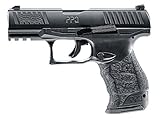
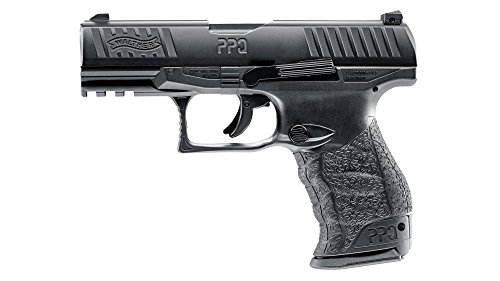
Umarex T4E Walther PPQ .43 Training Pistol
Practice gets expensive fast once ammunition costs, range time, and repeated drills begin piling up. The Walther PPQ marker takes a different route, offering realistic dimensions and familiar controls while keeping the stated cost below nine cents per round. Although it isn’t an umarex self defense shotgun, it serves a related training purpose for handling, reload practice, sight alignment, and controlled marker use. Its strongest appeal comes from realistic operation rather than raw size or an exaggerated power claim.
Umarex T4E Walther PPQ .43
The PPQ’s shape, weight, and control placement are built to resemble the firearm platform it represents. That matters during repetition because awkward toy-like controls can teach movements that don’t transfer cleanly to more serious practice. The realistic magazine release and drop-free magazine support reload drills without turning every repetition into a slow, artificial routine. Little details count here, and the PPQ gets several of those details right.
An eight-round magazine keeps each practice string fairly short, which can be useful or mildly annoying depending on the session. Short strings encourage frequent reloads and make every shot feel deliberate, but they also interrupt longer drills more often than a higher-capacity marker would. The magazine holds both ammunition and the CO2 system, so spare magazines can simplify transitions once they’re properly prepared. Compatible replacements are listed under part numbers 2292103 and 2292106, removing some guesswork around accessory matching.
The pistol also fits duty holsters, a practical advantage that changes the way it can be used in structured training. Drawing from a familiar holster provides more value than starting every drill from a tabletop or low-ready position. Still, holster compatibility doesn’t mean every holster will fit equally well once lights or lasers are attached. Retention, clearance, and trigger coverage should be checked carefully before any draw practice begins.
Realistic Controls Without Live-Ammunition Costs
The metal slide and metal barrel give the PPQ more convincing weight and movement than a lightweight plastic marker. Its slide catch locks the slide back after the magazine empties, creating a clear cue that the firing sequence has ended. That feature supports reload recognition without requiring the shooter to count every round mentally. It’s a small mechanical touch, but it makes practice feel less like plinking and more like a structured repetition.
Umarex states that training can cost less than nine cents per round, which is a meaningful figure for high-repetition sessions. That claim applies to the marker’s intended training economy and shouldn’t be confused with the total cost of ownership. CO2 cartridges, spare magazines, protective equipment, replacement seals, targets, and suitable projectiles all add to the bill. Even so, lower per-shot expense can make regular practice easier to sustain than drills built entirely around conventional ammunition.
The realistic control layout also exposes sloppy habits. A rushed magazine insertion, weak grip, or missed slide control becomes obvious after several repetitions. That feedback is useful because it encourages cleaner mechanics without pretending the marker duplicates every aspect of recoil or firearm behavior. Training value comes from repetition and correction, not from assuming a CO2 pistol can reproduce every sensation of a live platform.
CO2 Operation And Shooting Performance
A standard CO2 system keeps operation familiar and relatively accessible. The manufacturer recommends Umarex-brand CO2 to support a proper seal and consistent function, though cartridges aren’t included with the marker. Installation still requires attention because a poorly seated cartridge can waste gas or create inconsistent performance. Seal condition and correct loading matter more than forcing the cartridge into place and hoping for the best.
The PPQ can fire .43 caliber paintballs, powder balls, or rubber balls at speeds listed up to 355 FPS. That flexibility supports different controlled training setups, but each projectile type brings its own cleanup, impact, and safety considerations. Paint can break inside poorly maintained equipment, powder rounds can leave residue, and rubber projectiles can cause serious injury. Protective equipment and a safe backstop remain essential regardless of the ammunition selected.
CO2 has a few quirks that deserve a straight answer. Rapid firing can cool the cartridge and affect shot consistency, while low temperatures may reduce pressure. Leaving a cartridge installed for long periods may also place unnecessary stress on seals, depending on storage conditions and manufacturer guidance. The system is economical, but CO2 convenience carries maintenance tradeoffs that shouldn’t be ignored.
Sights, Accessory Rail, And Practical Setup
The fixed front sight and adjustable rear sight use visible yellow dots, helping the sight picture stand out against darker targets. Rear adjustment gives the shooter some control over point of impact rather than forcing acceptance of a fixed factory alignment. The dots aren’t a substitute for disciplined sight use, though, especially during faster drills. Clear alignment and repeatable presentation still determine whether shots land where intended.
A Picatinny accessory rail sits beneath the barrel for mounting compatible lights, lasers, or other training accessories. That rail makes the PPQ easier to configure around equipment already used in a duty-style setup. Added hardware changes weight, holster fit, and balance, so more accessories don’t automatically create better practice. A separate discussion of optic selection appears in red dot sight considerations, though that firearm-specific topic isn’t a direct compatibility guide for this marker.
The rail’s real benefit is repeatability. A properly fitted light can support low-light handling drills, while a laser may reveal movement during trigger operation. Neither accessory fixes weak fundamentals, and both can become distractions if mounted without a clear training purpose. Simple setups often expose mistakes more clearly than a frame loaded with unnecessary hardware.
Strengths That Matter During Repeated Drills
The PPQ’s most convincing strength is the way its features work together. Realistic dimensions, a metal slide, familiar controls, a drop-free magazine, and slide lock behavior create a coherent training platform rather than a loose collection of cosmetic details. That cohesion helps maintain consistent hand placement and reload mechanics. Control familiarity is the reason this marker stands out, not merely its recognizable branding.
Projectile flexibility also gives each session a different practical focus. Paintballs can mark hits, powder balls can provide visible impact feedback, and compatible rubber balls may suit reusable target exercises where local rules permit them. The marker shouldn’t be loaded casually with whatever happens to fit the caliber. Manufacturer-approved ammunition protects both safety and mechanical reliability.
Cost-conscious practice is another clear advantage, especially where repetition matters more than noise or recoil. A shooter can work through presentation, sight alignment, magazine handling, and controlled trigger presses without relying on live ammunition for every movement. Still, the PPQ belongs in a broader training routine rather than replacing professional instruction or live-fire verification. Affordable repetition builds habits, but only thoughtful repetition builds good ones.
Weaknesses And Realistic Expectations
The eight-round capacity may feel restrictive during drills designed around longer strings. Frequent reloads help build magazine-handling skill, yet they can break the rhythm of movement exercises or multi-target sequences. Spare magazines reduce that interruption but increase setup cost and CO2 management. Limited capacity is both a training benefit and a practical drawback, depending on the drill.
Recoil realism has limits as well. The metal slide and CO2 operation provide movement and feedback, but they don’t reproduce the full recoil impulse, sound, muzzle behavior, or stress of live fire. Treating the marker as an exact substitute can create misplaced confidence. Its better role is supplemental training for mechanics that benefit from safe, affordable repetition.
The realistic appearance creates a final concern that carries real weight. Bystanders or responding authorities may mistake the marker for a firearm, especially outside a controlled training area. Transport, storage, and use should follow local law and common-sense security practices, with access restricted from children and unauthorized hands. The T4E Walther PPQ offers credible handling practice, but responsible ownership remains the feature that matters most.
T4E Walther PPQ M2 GEN2 .43 Cal Marker
Realistic practice falls apart quickly when the controls feel toy-like, the balance feels wrong, or every reload behaves nothing like the platform being studied. The T4E Walther PPQ M2 GEN2 takes a more convincing route with a .43 caliber CO2 system, an eight-shot magazine, and a metal slide and barrel. It isn’t an umarex self defense shotgun, but it addresses the same need for controlled training with familiar handling and repeatable operation. The real value sits in its mechanical details, not in dramatic claims.
T4E Walther PPQ M2 GEN2
The metal slide and barrel give this marker a substantial feel that lightweight plastic trainers often lack. That extra mass makes presentation, grip pressure, and magazine changes feel more deliberate instead of flimsy. It also supports the product’s realistic character without pretending to duplicate every trait of a firearm. Weight and material choice are among its clearest strengths.
The PPQ-style frame keeps the controls familiar and easy to recognize during repeated drills. A realistic layout helps reduce awkward hand repositioning, especially while practicing magazine release, sight alignment, and trigger discipline. Still, grip comfort depends on hand size, and no frame shape suits every person equally well. Familiar ergonomics help most when they match the equipment already used in regular training.
The included package keeps the starting setup straightforward. It contains the marker, one magazine, and a hard case, while CO2 and projectiles need to be supplied separately. That means the product arrives with the core hardware but isn’t ready for immediate use straight from the case. The hard case adds practical storage value, though a separate locking solution may still be needed.
Blowback Action And Semi-Auto Rhythm
The CO2 hard-kick blowback system gives the slide visible movement with each shot. That motion creates more mechanical feedback than a fixed-slide marker and makes each firing cycle feel less flat. It won’t reproduce full firearm recoil, sound, or muzzle behavior, and that limitation should stay clear. Blowback realism improves repetition without turning the marker into an exact substitute.
Semi-automatic operation keeps the shooting sequence simple and predictable. One trigger press produces one shot as long as the marker is loaded, charged, and functioning correctly. That rhythm supports controlled follow-up shots without manual cycling between rounds. Consistent operation makes it easier to focus on grip, sight picture, and trigger control.
The moving slide also consumes part of the available CO2. Rapid firing may cool the cartridge and reduce consistency, while colder conditions can lower pressure before the session even begins. That’s a normal tradeoff with CO2-powered blowback systems rather than a defect unique to this model. Temperature and firing pace can noticeably shape the experience.
The safe and semi-auto control arrangement gives the marker a clear operating structure. A mechanical safety helps during handling, but it never replaces keeping the finger away from the trigger until the marker is pointed safely. Well, that rule may sound basic, yet careless habits usually begin with small shortcuts. Disciplined handling matters more than any labeled control.
Eight-Shot Magazine And CO2 Setup
The eight-shot magazine creates short firing strings that naturally bring reload practice into the session. Frequent reloads can strengthen magazine handling and help expose clumsy movements that might stay hidden with a larger capacity. On the flip side, the short capacity can interrupt longer target drills. Eight rounds can feel purposeful or limiting, depending on the exercise.
One included magazine is enough for basic use, but it requires regular reloading during extended practice. Extra magazines may reduce downtime, although compatibility should be confirmed for the exact GEN2 configuration before buying. Similar product names don’t always guarantee identical parts. Correct magazine fit matters for both reliability and safe operation.
CO2 installation demands more care than simply tightening a cartridge and hoping for the best. A poorly seated cartridge may leak, waste gas, or produce inconsistent shots. Seal condition and proper lubrication also affect long-term operation. Routine inspection can prevent many of the frustrations commonly blamed on the marker itself.
Long storage periods deserve attention as well. Leaving a cartridge installed indefinitely may place unnecessary pressure on seals, depending on the manufacturer’s instructions. A marker stored for months shouldn’t be assumed ready without a full check. CO2 convenience comes with maintenance, and there’s no getting around that.
.43 Caliber Projectile Flexibility
The marker is designed for .43 caliber paintballs or rubber balls, giving it more than one role in controlled practice. Paintballs provide visible impact marks, while compatible rubber balls may suit reusable target setups where local rules allow them. Each option has different cleanup, backstop, and safety needs. Projectile flexibility is useful only when compatibility is verified.
Paintballs can break and leave residue inside the barrel or magazine if storage or handling is careless. Rubber balls avoid paint cleanup, but they can still cause serious injury at close range. Neither type should be treated like a harmless toy simply because the platform uses CO2. Eye protection and a safe backstop remain non-negotiable.
The listed caliber is 11.1 mm, matching the .43 caliber format provided in the product details. That size keeps the overall platform compact compared with larger marker systems. It also affects ammunition availability, magazine capacity, and impact behavior. Caliber choice shapes the entire setup, not just the projectile diameter.
Mixing projectiles based solely on appearance can cause feeding problems or mechanical damage. Manufacturer guidance should settle questions about shape, weight, and material. A loose fit, oversized round, or poorly made projectile can turn a simple practice session into a jammed marker. Approved ammunition protects reliability and reduces needless wear.
Handling Balance And Realistic Feel
The metal slide shifts noticeable weight toward the upper portion of the pistol. Some hands will appreciate the planted feel, while others may notice fatigue during longer sessions. That weight can reveal weak wrist support because the muzzle begins to wander as the grip loosens. Balance provides honest feedback, even if it isn’t comfortable for everyone.
Realistic dimensions help with holster-style handling and repeated presentation drills, provided the holster actually fits this marker. Accessories, rail-mounted devices, and different retention systems can change clearance. A setup that works without an attachment may bind once extra hardware is installed. Fit should be checked carefully before any draw practice.
Accessory discussions sometimes overlap with unrelated handgun platforms, and a neutral reference appears in laser sight setup considerations without implying direct compatibility with the PPQ marker. Rail dimensions, switch placement, holster clearance, and mounting stability vary from one platform to another. Visual similarity isn’t enough to confirm fit. Exact specifications should guide accessory choices.
The realistic black finish brings another responsibility that can’t be brushed aside. Bystanders or responding officers may mistake the marker for a firearm at a glance. Open handling in public or careless transport can create a dangerous misunderstanding. Discreet transport and secure storage are essential parts of ownership.
Strengths During Structured Training
The marker’s strongest feature is the way its parts work together. Metal construction, blowback movement, semi-auto operation, and an eight-shot magazine create a coherent training platform rather than a collection of decorative details. Each part supports repeated handling in a recognizable sequence. Mechanical consistency is the main reason the PPQ GEN2 feels purposeful.
Short firing strings keep attention on control instead of encouraging endless rapid fire. A magazine empties quickly, which naturally brings reloads, pauses, and reassessment into the routine. That structure can help practice stay deliberate rather than sloppy. Controlled pacing is a quiet advantage of the limited capacity.
The hard case also makes storage and transport more organized. The marker, magazine, and related components can remain together instead of being scattered across drawers or bags. Still, a basic case doesn’t automatically prevent unauthorized access. Organization and security are different needs, and both deserve attention.
CO2 operation keeps the platform independent of external air tanks. That simplifies the equipment list and makes storage less bulky, though cartridges become an ongoing consumable. Gas pressure can also vary with temperature and firing pace. Compact operation trades simplicity for consistency concerns.
Weaknesses And Practical Limits
The eight-shot magazine may frustrate anyone focused on long, uninterrupted target sessions. Frequent reloading slows the pace and increases handling time between strings. Spare magazines can reduce that interruption, but they add cost and more components to maintain. Limited capacity is the clearest day-to-day compromise.
Blowback action improves realism but reduces gas efficiency compared with simpler fixed-slide systems. More moving parts also mean more surfaces to inspect and keep clean. Dirt, worn seals, or poor lubrication can affect cycling over time. Realistic movement brings extra upkeep, plain and simple.
The phrase “most realistic” should be treated as product positioning rather than a promise of identical firearm behavior. The marker can imitate controls, dimensions, slide motion, and general handling, but it doesn’t duplicate live recoil or every mechanical response. It works best as one part of a broader practice routine. Training value has clear boundaries.
Legal treatment varies by location, particularly for realistic markers, rubber projectiles, transportation, and defensive use. A CO2-powered pistol may be regulated differently from ordinary sporting equipment. Storage rules and public carry restrictions can also differ from one area to another. Local law, responsible handling, and realistic expectations determine whether this marker remains useful rather than troublesome.
Umarex T4E M&P M2.0 .43 Cal Training Pistol
Training gear becomes frustrating fast when the controls feel vague, the balance feels toy-like, or every reload requires a different motion from the platform being practiced. The Umarex T4E Smith & Wesson M&P M2.0 LE Blue takes a more serious route with realistic size, weight, and controls, supported by a metal slide and barrel. It isn’t an umarex self defense shotgun, but it addresses the same practical interest in repeatable handling, controlled projectile training, and lower per-round expense. Its value comes from how the features work together, not from one flashy specification.
Umarex T4E M&P M2.0 LE Blue
The LE blue finish gives the marker an immediate visual identity during structured training. That distinction can reduce equipment mix-ups around other duty-style gear, though the realistic shape still demands careful transport and storage. A passerby may notice the silhouette before noticing the color, so casual public handling remains a bad idea. Visual separation and responsible handling have to work side by side.
The package includes the marker, one magazine, a cleaning squeegee, and a hard case. That’s enough core equipment to organize the setup, but CO2 and projectiles aren’t included. The case helps protect the marker from scratches and keeps loose components together between sessions. Organization is a clear strength, although a lockable storage solution may still be necessary.
Realistic proportions make hand placement and control access feel more consistent than they would on a small recreational marker. The familiar frame shape supports repeated presentation, magazine-release, and sight-alignment drills without forcing odd grip adjustments. Comfort will still vary with hand size, naturally. Realistic ergonomics help most when the frame closely matches the equipment used elsewhere.
Metal Construction And Blowback Response
The metal slide and metal barrel give the marker a more planted feel than an all-plastic design. Extra mass can reveal weak wrist support and uneven grip pressure because the sights wander as fatigue sets in. That feedback is useful during deliberate practice, even though it may make long sessions less comfortable. Substantial construction and honest handling feedback are central parts of the experience.
Blowback movement adds a mechanical response after each shot. The slide cycles, the pistol feels active in the hands, and the firing sequence becomes less sterile than it would with a fixed-slide marker. It doesn’t reproduce live-fire recoil, sound, or muzzle behavior, so expectations need to stay grounded. Blowback improves realism without making the marker an exact firearm substitute.
The moving slide also uses part of the available CO2. That tradeoff may reduce gas efficiency compared with a simpler non-blowback platform, particularly during fast strings. More moving surfaces also mean more areas where dirt, residue, or poor lubrication can interfere with operation. Mechanical realism brings added maintenance, plain and simple.
The slide catch holds the slide back after the magazine empties. That feature gives a clear indication that the eight-round supply is gone and allows the reload sequence to include a realistic slide-release step. Small mechanical details like this keep practice from feeling improvised. Last-round lockback is one of the marker’s most useful training features.
Eight-Round Magazine And Reload Flow
The drop-free magazine uses a realistic release and holds eight rounds. Short firing strings naturally create frequent reload opportunities, which can expose clumsy hand movements and inconsistent magazine insertion. That’s useful during structured repetition, though it can feel tiresome during relaxed target shooting. Eight-shot capacity is both a training advantage and an everyday limitation.
One included magazine keeps the package simple but slows longer sessions. Reloading the same magazine after every short string interrupts the pace and adds more handling between drills. Spare magazines can reduce that downtime, provided the correct parts are selected. Compatible magazine numbers 2292132 and 2292126 remove some uncertainty around replacements.
Magazine compatibility deserves careful attention because similar T4E products can use parts that look nearly identical. A magazine that appears close enough may still differ internally or fail to seat correctly. Buying by appearance alone can lead to feeding problems, leaking CO2, or wasted money. Exact part matching protects reliability and prevents needless frustration.
The realistic magazine release also makes poor technique obvious. Weak pressure, rushed insertion, or failure to seat the magazine fully can interrupt the firing sequence. That immediate feedback helps turn mistakes into something visible rather than mysterious. Repeatable controls give the marker more instructional value than a simple plinking pistol.
CO2 Economy And Operating Tradeoffs
Umarex states that T4E training can cost less than nine cents per round. That figure speaks to projectile expense rather than the full cost of ownership. CO2 cartridges, protective gear, spare magazines, targets, and cleaning supplies still add to the budget. Even so, lower per-round cost can make frequent practice easier to maintain.
The marker runs on CO2, and cartridges aren’t included in the package. Umarex-brand CO2 is recommended to support a proper seal and consistent performance. A poorly seated cartridge may leak, waste gas, or produce irregular shots. Correct installation and healthy seals matter more than rushing through setup.
CO2 pressure changes with temperature and firing pace. Cold conditions can reduce output, while rapid shooting may cool the cartridge and affect consistency during the string. Those characteristics belong to the propulsion system rather than this marker alone. Temperature sensitivity is a realistic limitation that owners need to plan around.
Long-term storage also requires a little common sense. Leaving a cartridge installed indefinitely may place unnecessary pressure on seals, depending on the manufacturer’s instructions. A marker stored for weeks or months shouldn’t be assumed ready without inspection. Routine checks and proper storage support dependable operation far better than neglect.
Sights, Rail, And Holster Compatibility
The adjustable rear sight and fixed front sight use visible yellow dots. Those dots can make alignment easier against dark targets, while the adjustable rear provides some control over point of impact. Sight changes should be confirmed with the exact projectile type being used because paintballs, powder balls, and rubber balls may behave differently. Visible dots and rear adjustment give the setup practical flexibility.
A Picatinny rail under the barrel accepts compatible lights, lasers, and related accessories. The rail can support low-light practice or provide visual feedback during trigger-control drills. Added hardware changes the balance and may affect holster clearance, however. A purposeful accessory setup usually makes more sense than filling every available space.
Long-gun optics and compact pistol accessories solve different handling problems, and that distinction appears in big woods rifle setups without suggesting direct compatibility with this marker. Mounting height, rail length, sight distance, and intended use differ sharply between the platforms. A component suited to a hunting rifle may be awkward or useless on a compact training pistol. Platform-specific fit matters more than a familiar accessory label.
Duty-holster compatibility gives the marker another practical advantage. Presentation drills can begin from a secured holster rather than a table, provided the holster covers the trigger and retains the marker correctly. A mounted light or laser may change the fit enough to cause binding. Retention and clearance should be checked before repeated draw practice.
Projectile Options And Cleaning Needs
The marker shoots .43 caliber paintballs, powder balls, or rubber balls at up to 355 FPS. That range of compatible projectile types supports different controlled exercises and target systems. Paint can show impact location, powder can provide visible feedback, and rubber rounds may suit reusable target setups where permitted. Projectile flexibility adds value, but every option brings different handling requirements.
Paintballs can break inside the barrel or magazine if they’re damaged, poorly stored, or loaded carelessly. The included cleaning squeegee helps clear paint and residue from the barrel after a break. Powder rounds may also leave debris that needs attention before the next session. Regular cleaning protects feeding consistency and prevents residue from building up.
Rubber balls avoid paint cleanup, but they aren’t harmless. A .43 caliber projectile traveling at the listed velocity can cause serious injury, especially at close range or around sensitive areas. Eye protection, controlled distances, and a secure backstop belong in every session. Less-lethal does not mean risk-free.
Ammunition should match the manufacturer’s specifications rather than merely fitting the caliber label. Differences in diameter, shape, material, or condition can affect feeding and barrel performance. Dirty or damaged rounds may jam the magazine or scratch internal surfaces. Approved, clean projectiles help the marker operate as intended.
Practical Strengths During Regular Training
The strongest feature is the coherent control layout. The drop-free magazine, realistic release, metal slide, slide catch, sights, and holster compatibility all support the same training rhythm. None of those details feels isolated from the rest of the design. Functional realism matters more here than surface appearance alone.
The LE blue finish adds a useful visual cue in a controlled environment. It separates the marker from standard black duty equipment while preserving the familiar frame shape and control placement. That can simplify equipment organization during group instruction or repeated home drills. Distinct coloring helps identification without changing the basic handling experience.
The stated training cost under nine cents per round supports frequent repetition. Magazine changes, sight alignment, controlled trigger presses, and presentation can be practiced without tying every movement to conventional ammunition. That doesn’t replace professional instruction or live-fire confirmation. Affordable repetition is valuable only when the repeated technique is sound.
The hard case and cleaning squeegee make ownership a little less messy. Components stay together, the barrel can be cleared after a paint break, and transport remains more organized. Still, the case shouldn’t be mistaken for a secure safe. Protection and access control solve different problems.
Weaknesses And Realistic Expectations
The eight-round magazine will feel restrictive during long target sessions. Frequent loading slows the rhythm, and one included magazine increases that interruption. Spare magazines help, but they raise the total setup cost and require additional maintenance. Limited capacity is the clearest practical drawback.
Blowback movement adds realism at the expense of gas efficiency. The slide uses CO2, rapid firing can cool the system, and more moving parts need attention over time. Anyone expecting a maintenance-free marker may be disappointed. Realistic cycling carries a price in both gas use and upkeep.
The realistic weight may also become tiring. Smaller hands or weaker wrists may struggle during extended practice, especially once an accessory is mounted under the barrel. A duty-style shape can be useful without being comfortable for every grip. Ergonomic realism has limits.
The marker’s appearance, listed velocity, and rubber-ball compatibility demand serious judgment. Local rules may regulate possession, transportation, discharge, projectile type, or defensive use differently from ordinary sporting equipment. Secure storage and discreet transport reduce the chance of dangerous misunderstandings. Legal awareness, disciplined handling, and realistic expectations ultimately determine whether the Umarex T4E M&P M2.0 remains a useful training platform.
T4E TB 68 Gen 2 Shotgun Marker
A long marker can feel reassuring in the hands, yet size alone doesn't make training more useful or ownership more practical. The T4E TB 68 Gen 2 combines a .68 caliber platform, a shotgun-style layout, and a stated velocity of up to 220 FPS for controlled paintball and training scenarios. That places it directly within the umarex self defense shotgun category, though its realistic appearance and projectile energy demand careful handling rather than casual confidence. The appeal is clear, but so are the responsibilities.
T4E TB 68 Gen 2
The shotgun configuration gives both hands a defined place to work, which can make aiming and movement feel steadier than they do with a compact pistol marker. A longer frame also creates a more familiar shoulder-fired posture during structured drills. That extra size becomes awkward in tight storage areas or cramped practice spaces, though. Stable handling and a larger footprint are inseparable parts of the design.
The second-generation label points to claimed improvements in reliability, durability, and performance over the earlier version. The provided details don't identify every revised internal component, so specific mechanical changes shouldn't be invented. Still, the Gen 2 positioning suggests refinement rather than a simple color or styling update. Improved dependability is one of the model's central selling points.
A maximum listed speed of 220 FPS gives the marker a clear operating reference without promising identical results with every projectile. Temperature, gas condition, ammunition weight, and barrel cleanliness can all influence actual output. Paintballs, rubber balls, and powder rounds may also behave differently at the same nominal velocity. The 220 FPS rating is useful as a benchmark, not a guarantee for every shot.
Shotgun-Style Handling In Real Practice
The tactical layout encourages a two-handed grip and a more deliberate stance. That can help keep the marker stable during target transitions or repeated aiming drills, especially when rushed handling would otherwise pull shots off line. The design also makes sloppy shoulder placement or weak support-hand pressure easier to notice. Authentic long-gun ergonomics provide useful feedback during practice.
Realistic dimensions come with a practical cost. The marker needs more room in a cabinet, case, or vehicle than a compact training pistol, and moving through narrow spaces can feel clumsy. Bumping the barrel into furniture or doorframes becomes a real possibility if practice space is poorly planned. Storage and maneuverability deserve attention before purchase.
The familiar shape may make the experience feel more serious, but it can also create dangerous misunderstandings. A neighbor, visitor, or responding officer may identify the marker as a conventional shotgun from a distance. Bright markings may help, yet they won't remove that risk entirely. Discreet transport and locked storage are essential ownership habits.
The design is described for law-enforcement training, self-defense practice, and recreational paintball. Those activities don't share identical rules, equipment needs, or legal boundaries. A setup suited to controlled paintball play may not be appropriate for a defensive drill, and the reverse is also true. The intended use should shape every setup decision.
.68 Caliber Ammunition Options
The TB 68 Gen 2 accepts .68 caliber paintballs, rubber balls, and powder or dust balls according to the supplied description. Multiple projectile types allow the same marker to support visible impact marking, reusable target practice, or specialized controlled exercises. That flexibility reduces the need to maintain several separate platforms. Broad ammunition compatibility is one of the marker's most practical strengths.
Paintballs provide clear feedback on target placement, but they also introduce cleanup. A cracked or poorly stored ball may break during loading or firing, leaving paint inside the barrel and feed path. Residue that isn't removed can affect later shots and create feeding problems. Paintball condition and regular cleaning matter more than many casual owners expect.
Rubber projectiles avoid paint mess, yet they carry a much harder impact. They can cause serious injury, particularly at close distance or around the eyes, face, throat, and other vulnerable areas. Powder rounds also need controlled handling because their shells and contents may behave differently from standard paintballs. Compatible doesn't mean harmless, no matter which ammunition is loaded.
Caliber markings alone don't settle every compatibility question. Projectile firmness, diameter tolerance, shape, weight, and surface condition may affect feeding and accuracy. Dirty reusable rounds can also carry debris into the barrel or chamber. Manufacturer-approved, clean ammunition offers the safest route to consistent operation.
Velocity, Accuracy, And Shot Consistency
The listed 220 FPS velocity provides enough speed for controlled paintball and training applications without turning the marker into a conventional firearm. Accuracy still depends on more than power, of course. A stable hold, clean barrel, consistent ammunition, and sensible target distance all influence where each shot lands. Technique and projectile quality matter as much as the velocity figure.
Switching projectile types may shift the point of impact. A rubber ball won't necessarily follow the same path as a paintball or powder round, even if all three share the .68 caliber label. Sight alignment that works for one ammunition type may need adjustment for another. Projectile changes can alter accuracy, so mixed-ammunition assumptions are risky.
Gas-powered performance can also change as firing pace and temperature fluctuate. Fast strings may cool the system, while colder weather can reduce pressure before the first shot. The supplied specifications don't state a verified shot count or exact gas configuration, so making firm efficiency claims would be misleading. Environmental conditions should remain part of realistic performance expectations.
The shotgun-style body may improve control by giving the support hand more leverage. That steadier hold can reduce movement during slower target work, but it won't correct a rushed trigger press or poor stance. The marker can support good technique without creating it automatically. Hardware assists control, while practice still does the heavy lifting.
Gen 2 Improvements And Reliability
The second-generation description emphasizes better reliability, durability, and overall performance. Those claims are encouraging because training equipment loses value quickly when jams, leaks, or inconsistent cycling interrupt every session. Still, no product becomes maintenance-free simply because it carries a newer generation label. Gen 2 refinement should be paired with regular inspection.
Durability matters most around areas that experience repeated loading, movement, and impact. Ammunition residue, dirt, worn seals, or careless storage can undermine even an improved platform over time. A quick inspection before and after use can catch developing problems early. Routine care protects the upgraded design better than neglect followed by emergency cleaning.
Reliability also depends on using the right projectiles. Oversized, damaged, or poorly made rounds can create feeding trouble that has little to do with the marker itself. Mixing incompatible ammunition and then blaming the mechanism misses the real problem. Correct ammunition selection is part of dependable operation.
Storage conditions play a role as well. Heat, moisture, dust, and long periods without inspection can affect ammunition and internal components. A secure case or cabinet helps protect the marker, but the equipment should still be checked periodically. Protected storage and active maintenance work better together than either one alone.
Training Value And Realistic Limits
The marker's greatest training benefit comes from its familiar shape and repeatable handling. Shoulder placement, support-hand position, sight alignment, and movement can all be practiced with a platform that feels more substantial than a lightweight recreational marker. That makes each repetition less artificial. Realistic handling characteristics support useful mechanical practice.
The TB 68 Gen 2 doesn't reproduce firearm recoil, noise, muzzle pressure, or every control found on a conventional shotgun. Treating it as an exact substitute would create false expectations. Its better role is controlled repetition within the limits of a CO2 or gas-powered projectile marker. Training realism has boundaries, and recognizing them improves the value of the practice.
Visible paint or powder impacts can help show where shots land. That immediate feedback can expose poor alignment or inconsistent handling without relying on guesswork. Rubber balls may support reusable target setups, although they require a suitable backstop and strict safety controls. Different projectile types support different drills.
Long-gun equipment intended for hunting follows a separate set of performance and legal considerations, and that distinction appears naturally in air rifle field use without implying that this marker serves the same role. Projectile construction, operating power, intended targets, and lawful use differ substantially between the platforms. A similar shoulder-fired shape doesn't make the equipment interchangeable. Each platform should remain within its intended purpose.
Maintenance And Storage Demands
Paint and powder residue should be cleared before it dries or spreads into moving components. Rubber rounds may seem cleaner, but reused projectiles can carry dust and grit into the barrel. A simple post-session inspection can prevent buildup from becoming a larger reliability problem. Regular barrel and chamber care supports consistent feeding.
Gas seals and loading components also need attention. A marker stored for months shouldn't be assumed ready simply because it worked during the previous session. Seals may dry, ammunition can deform, and debris can settle in places that aren't visible from the outside. Readiness comes from inspection, not from leaving the marker untouched.
The long shotgun body requires a case or cabinet sized for the complete marker. Forcing it into cramped storage can damage controls, sights, or external surfaces. Loose storage also raises the risk of unauthorized handling. A properly sized locking solution is a sensible part of the ownership cost.
Local regulations may affect transportation, discharge, projectile possession, and defensive use. A paintball marker can still face restrictions because of its realistic appearance or the type of ammunition loaded. Rules may vary sharply between cities, states, or countries. Legal awareness belongs in the maintenance and storage plan, not as an afterthought.
Strengths That Stand Out
The TB 68 Gen 2's clearest strength is its combination of shotgun ergonomics and flexible .68 caliber ammunition. The frame supports a stable two-handed hold, while multiple projectile choices allow different controlled scenarios. Those features complement one another instead of feeling tacked on. Stable handling and ammunition flexibility define the product's practical appeal.
The stated 220 FPS output provides a concrete reference for planning target distance and protective measures. It avoids vague claims about unspecified power while still giving a clear sense of the marker's operating range. Actual results may vary, but the specification remains useful. A defined velocity ceiling helps set realistic expectations.
The Gen 2 improvements add another reason to consider this version over the earlier model. Better reliability and durability are meaningful goals for equipment expected to handle repeated drills and different projectile types. The lack of detailed internal change notes limits deeper technical judgment, though. Refinement is a strength, even if every upgrade isn't documented in the supplied information.
The realistic shape also gives the platform a more deliberate training feel. It encourages supported handling and makes movement errors easier to notice. That quality won't matter much during casual plinking, but it carries more weight during structured practice. The design rewards purposeful use rather than careless firing.
Weaknesses And Ownership Tradeoffs
The full-size configuration is less convenient than a compact marker. It takes more space, moves less easily through narrow areas, and may feel tiring during extended sessions. Anyone working with limited storage may consider the length a genuine burden. Size and maneuverability form the most obvious tradeoff.
Ammunition versatility adds maintenance complexity. Paint, powder, and rubber projectiles don't share identical cleaning, storage, or impact characteristics. Switching between them may also require fresh accuracy checks. Flexibility creates extra setup work, so convenience shouldn't be overstated.
The realistic appearance can create serious consequences outside a controlled environment. Even responsible ownership can't guarantee that a bystander will recognize it as a marker. Open display, careless transportation, or unsecured storage can lead to dangerous confusion. Visual realism is both a benefit and a liability.
The TB 68 Gen 2 makes the most sense as a maintained training and recreational platform rather than a single answer to every safety concern. Projectile risk, legal restrictions, gas condition, storage, and cleaning all remain part of the ownership burden. Anyone expecting effortless readiness may be disappointed. Disciplined handling, realistic expectations, and layered safety planning determine whether this shotgun-style marker remains useful over time.


12 Best 22 Pcp Air Rifle For Hunting of 2026 With Quiet Power

7 Best 22 Pcp Air Rifle Under 300 of 2026 For Backyard Pest Control

10 Best 22 Break Barrel Air Rifles of 2026 For Backyard Pest Control

10 Best 30 Caliber Pcp Air Rifle of 2026 For Medium Game

Top Best 177 Air Rifle Under 100: Budget-Friendly Picks for 2026

How to Safely Reload Shotgun Shells at Home

11 Best Co2 Air Rifle For Pest Control of 2026 To Ensure Humane Dispatch

12 Best Inexpensive Air Rifles of 2026 For Dependable Backyard Accuracy






