
Umarex Strike Force 177 Best Range-Day Reality Check

The umarex strike force 177 is built around fast, informal target shooting rather than slow, precision-focused pellet work. Its 30-round drop-free magazine holds the steel BBs and two 12-gram CO2 cartridges, keeping the power source and ammunition together in one removable unit. That setup makes reloads feel tidy, though a spare loaded magazine adds noticeable weight and expense. The rifle fires in semi-automatic or fully automatic mode, so paper targets, cans, and reactive targets can turn into a busy afternoon in a hurry.
Speed is the main attraction, but it comes with a catch. Full-auto fire empties a 30-round magazine quickly, and CO2 consumption climbs when the trigger stays pressed. Short controlled bursts make more sense than spraying BBs without pause, especially if consistent velocity matters. Cold weather can also reduce CO2 pressure, so performance may feel less lively during chilly outdoor sessions than it does on a warm day.
The adjustable buttstock helps the rifle fit different arm lengths and shooting positions without demanding tools or permanent changes. Three interchangeable grip backstraps offer another useful adjustment, letting the grip feel less awkward in smaller or larger hands. Flip-up fiber-optic sights provide a clear starting point, while the full-length Picatinny rail leaves room for a compact optic. M-LOK slots along the handguard can accept compatible accessories, but piling on extra hardware can make a light, lively carbine feel nose-heavy.
Accuracy should be viewed through the right lens. Steel BBs and a smoothbore-style recreational platform aren’t meant to produce tiny pellet-rifle groups at long distances. The 450 to 460 FPS velocity range is better suited to close backyard-style target distances where a dependable backstop is available and local rules permit use. At those ranges, the quick sights and familiar controls matter more than chasing match-grade precision.
Handling feels more substantial than a basic plastic plinker, partly because the magazine and CO2 cartridges sit inside the rifle during use. The controls encourage deliberate handling, with a three-position selector covering safe, semi-auto, and full-auto settings. Still, the realistic appearance demands careful storage and transport because it can easily be mistaken for a firearm from a distance. Eye protection, a secure BB trap, and strict muzzle discipline aren’t optional details here.
Maintenance remains fairly simple, although CO2 seals shouldn’t be ignored. A small amount of approved airgun oil on the tip of a fresh cartridge can help keep the sealing surfaces conditioned. Leaving pressurized cartridges installed for long periods may shorten seal life, so removing them after a session is the sensible habit. Steel BBs can also ricochet from hard surfaces, which means improvised metal targets and bare concrete walls are poor companions for this rifle.
The biggest tradeoff is running cost. Thirty shots disappear fast in full-auto mode, and the rifle requires two CO2 cartridges at a time. That’s manageable during occasional range sessions, but frequent rapid firing can burn through BBs and gas faster than expected. The umarex strike force 177 makes the most sense when realistic handling and rapid-fire fun matter more than quiet operation, low ammunition use, or precision at extended distance.
- ARS Mark-
ARS Mark is a ranking system developed by bestairriflescopes.com. ARS Mark has no relationship or impact from any manufacturers or sales agent websites. Learn more
- BrandUmarex
- ARS Mark-
ARS Mark is a ranking system developed by bestairriflescopes.com. ARS Mark has no relationship or impact from any manufacturers or sales agent websites. Learn more
- BrandUmarex
- ARS Mark-
ARS Mark is a ranking system developed by bestairriflescopes.com. ARS Mark has no relationship or impact from any manufacturers or sales agent websites. Learn more
- BrandUmarex
- ARS Mark-
ARS Mark is a ranking system developed by bestairriflescopes.com. ARS Mark has no relationship or impact from any manufacturers or sales agent websites. Learn more
- BrandUmarex

- ARS Mark-
ARS Mark is a ranking system developed by bestairriflescopes.com. ARS Mark has no relationship or impact from any manufacturers or sales agent websites. Learn more
- BrandUmarex
- ARS Mark-
ARS Mark is a ranking system developed by bestairriflescopes.com. ARS Mark has no relationship or impact from any manufacturers or sales agent websites. Learn more
- BrandUmarex
- ARS Mark-
ARS Mark is a ranking system developed by bestairriflescopes.com. ARS Mark has no relationship or impact from any manufacturers or sales agent websites. Learn more
- BrandUmarex

- ARS Mark-
ARS Mark is a ranking system developed by bestairriflescopes.com. ARS Mark has no relationship or impact from any manufacturers or sales agent websites. Learn more
- BrandUmarex
Last update on 2026-07-24 / Affiliate links / Images, Product Titles, and Product Highlights from Amazon Product Advertising API
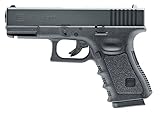
Glock 19 Gen3 .177 BB Air Pistol Review
A realistic-looking air pistol can lose its appeal fast if loading feels clumsy or the controls get in the way of a relaxed target session. The Glock 19 Gen3 .177 Caliber BB Gun Air Pistol keeps the setup fairly direct with a 15-shot capacity, one 12-gram CO2 cartridge, and fixed Glock-style sights. Although the main keyword is umarex strike force 177, this compact pistol offers a very different shooting experience built around measured single shots rather than rapid carbine-style firing. Its strongest draw is the familiar Glock profile paired with straightforward recreational BB operation.
Glock 19 Gen3 BB Pistol
The basic layout doesn’t bury the shooting experience beneath unnecessary controls. A 12-gram CO2 cartridge supplies the power, while the magazine holds 15 .177 caliber steel BBs for repeat shots without manual pumping between pulls of the trigger. CO2 isn’t included, so cartridges need to be on hand before the first session can begin. That small detail is easy to miss, particularly when the pistol itself appears ready to use straight from the package.
Officially licensed Glock markings give the pistol a more recognizable exterior than a loosely inspired replica. The Glock-style shape supports a familiar sight picture and grip position, which can make casual handling practice feel more consistent. Still, this remains a CO2-powered BB gun rather than a centerfire training duplicate. Trigger feel, recoil behavior, internal operation, and weight balance shouldn’t be expected to match a firearm exactly.
The compact format feels easier to manage than a long air rifle during short indoor or backyard-style target sessions where local rules allow use. Unlike the umarex strike force 177, it doesn’t occupy much storage space or demand the same two-handed carbine stance. That smaller footprint also makes the pistol less tiring to hold during repeated presentations toward a paper target. The tradeoff is a shorter sight radius, which can make small aiming errors show up more clearly on the target.
Realistic styling adds responsibility alongside visual appeal. The pistol can be mistaken for a firearm from a distance, so secure storage and discreet transport matter every bit as much as proper shooting technique. Steel BBs can ricochet from concrete, bare metal, stone, or other hard surfaces. Eye protection, a suitable BB trap, and strict muzzle control should remain part of every session.
CO2 Power And Shooting Pace
The listed velocity reaches up to 410 FPS, giving the pistol enough speed for recreational target shooting at sensible BB-gun distances. That figure represents the stated maximum rather than a promise that every shot will leave the barrel at the same speed. Temperature, cartridge pressure, firing pace, and seal condition can all affect the feel of a shooting string. Cold weather and rapid firing often reduce CO2 pressure, so the last shots may feel softer than the first few.
A 15-shot magazine strikes a useful balance between constant reloading and careless ammunition use. It provides enough shots to settle into a rhythm, yet it won’t disappear as quickly as the magazine of a rapid-firing umarex strike force 177. The pause between magazines creates time to inspect the target, check the backstop, and reset hand placement. That slower cadence may sound ordinary, but it often encourages cleaner trigger control.
CO2 operation removes the need to pump the pistol before each shot, which keeps the handling routine pleasantly simple. The downside is an ongoing supply cost because every session depends on disposable 12-gram cartridges. Leaving a pierced cartridge installed for extended storage may also place unnecessary pressure on the internal seals. Removing the cartridge after use and following the manufacturer’s care guidance can help avoid preventable leaks.
Fast strings can chill the CO2 cartridge and cause performance to taper sooner. A short pause now and then gives the system time to recover, helping the pistol maintain a steadier shooting feel. This behavior isn’t unusual or mysterious; it’s a normal part of CO2-powered airguns. Anyone expecting identical power from the first BB to the last without considering temperature may come away frustrated.
Sights, Rail, And Practical Accuracy
Fixed Glock-style sights keep the upper profile clean and familiar. They’re well suited to uncomplicated center-mass aiming, especially on larger paper targets at close range. Since the sights aren’t adjustable, a consistent difference between the aiming point and impact point must be managed by changing the hold. The fixed sight system favors simplicity over fine mechanical correction.
An integrated Weaver rail beneath the front of the frame provides space for a compatible accessory. A compact light or similarly sized attachment may fit, though adding weight can change the pistol’s natural balance. Oversized hardware can make the front end feel clumsy and undermine the tidy handling that gives this model much of its appeal. Rail compatibility should be checked carefully because accessory dimensions aren’t always identical across Weaver-style and Picatinny-style mounts.
Steel BBs are convenient and widely used for informal target shooting, but they aren’t designed to deliver the same precision associated with fitted pellets and specialized target barrels. Grip pressure, trigger movement, BB consistency, and distance can all widen a group. The Glock 19 Gen3 makes more sense as a close-range recreational pistol than as a tool for chasing tiny benchrest groups. Keeping that distinction clear prevents realistic limitations from feeling like unexpected flaws.
Different licensed air pistols can share the same caliber while offering noticeably different grip shapes, controls, and sight arrangements. A related look at how another platform approaches those details appears in this practical Umarex Beretta air pistol guide. The reference fits naturally because the Glock’s compact profile won’t suit every preference, just as a Beretta-style layout brings its own handling character. Neither design automatically replaces the other, and the better fit depends on which control layout feels less distracting during practice.
Handling Strengths And Everyday Limits
Straightforward operation is one of the pistol’s clearest strengths. Once the magazine and CO2 cartridge are installed correctly, the shooter can concentrate on sight alignment and a controlled trigger press. The compact Glock profile keeps the pistol from feeling bulky during short practice routines. It also stores more easily than the longer umarex strike force 177, particularly where cabinet space is limited.
The licensed markings and recognizable outline create a convincing visual impression, but appearance doesn’t replace practical feedback. A replica-style BB pistol won’t recreate firearm recoil, slide behavior, or every control function. That means it can support familiar presentation and sight-picture practice without serving as an exact stand-in for live-fire training. Realistic expectations make the pistol more satisfying because its actual strengths remain front and center.
Fixed sights reduce complexity, yet they also remove a useful adjustment point. A shooter who enjoys tuning windage and elevation for a specific distance may feel boxed in by the factory setup. Others may appreciate the fact that there are no sight screws to loosen or accidentally alter. The simplicity-versus-adjustability tradeoff is one of the most important factors to weigh before settling on this model.
Noise is moderate rather than silent. The CO2 report, BB impact, and target trap can all be heard through thin walls or across a quiet yard. A padded trap may reduce impact noise while helping contain steel BBs, though it won’t make the entire setup whisper-quiet. Space, neighbors, and local rules may impose greater limits than the pistol’s mechanical design.
Maintenance And Responsible Storage
Routine care should stay light and product-appropriate. Wiping exterior surfaces, keeping debris away from the magazine area, and using only airgun-safe maintenance products will cover much of the basic upkeep. Harsh firearm solvents may harm seals or materials that weren’t designed for them. Gentle maintenance is usually more sensible than aggressive cleaning after every short session.
CO2 removal deserves patience because a partly pressurized cartridge may release cold gas as it is loosened. Hands and eyes should remain clear of the venting path, and eye protection is wise during cartridge handling as well as shooting. Long-term storage without a pierced cartridge can reduce unnecessary pressure on the seals. These CO2 storage habits are simple, but ignoring them may shorten the dependable life of the system.
Ammunition condition affects feeding more than many casual shooters expect. Rusty, dirty, flattened, or reused BBs can move poorly through the magazine and may behave unpredictably after leaving the barrel. The pistol is specified for .177 caliber steel BBs, so improvised projectiles have no place in the loading routine. Fresh, clean ammunition keeps the process smoother without adding complicated preparation.
The Glock 19 Gen3 .177 BB Air Pistol offers a recognizable shape, a practical 15-shot magazine, and simple single-cartridge CO2 operation. Its weaknesses are just as clear: fixed sights, recurring cartridge costs, temperature-sensitive power, and accuracy intended for close recreational targets. It won’t replace the fast-paced experience of the umarex strike force 177, nor is it trying to. The pistol earns its place through compact handling, licensed details, and a shooting rhythm that rewards restraint rather than sheer volume.
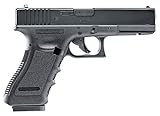
Umarex Glock 17 Gen3 Blowback BB Pistol
Static replicas can look convincing on a shelf yet feel flat once the trigger starts moving. This model takes a livelier route, using realistic blowback action and a full metal slide to create visible cycling with every shot. The Umarex Glock 17 Gen3 .177 BB pistol also brings an 18-shot metal magazine, familiar controls, and officially licensed markings into a design that feels more mechanically involved than the umarex strike force 177. That extra movement costs some velocity and CO2 efficiency, but it gives each trigger press more character than a non-blowback setup.
Glock 17 Gen3 Blowback Pistol
The 18-shot capacity strikes a useful balance between shooting rhythm and ammunition control. It allows a complete string on a paper target without stopping every few rounds, while the drop-out metal magazine makes loading and handling feel more substantial than a simple stick magazine. Both the steel BBs and CO2 system are tied to the pistol’s operating routine, so preparation remains fairly direct. CO2 isn’t included, though, which means a 12-gram cartridge and suitable .177 steel BBs are required before the first session.
The full metal slide is more than a cosmetic detail because it cycles during firing. That blowback movement adds mechanical feedback and briefly shifts the pistol’s balance with every shot, making casual target work feel less sterile. It won’t reproduce firearm recoil, and pretending otherwise would oversell what a CO2 air pistol can do. Still, the moving slide gives the trigger cycle a sense of pace that fixed-slide BB pistols simply don’t provide.
Officially licensed Glock markings sharpen the replica’s visual identity without resorting to vague imitation. Fixed Glock-style sights, realistic controls, and the familiar Gen3 profile create a consistent handling layout from draw to sight picture. The pistol reportedly fits most aftermarket duty holsters, adding holster compatibility to its practical appeal. Fit can still vary by holster construction, retention system, and accessory setup, so “most” shouldn’t be read as a promise of universal compatibility.
Realism also brings a serious storage concern. The pistol can be mistaken for a firearm from a few feet away, especially when carried in a duty-style holster or viewed without close inspection. Secure storage and discreet transport aren’t side notes here; they’re part of responsible ownership. A proper BB trap, eye protection, and firm muzzle discipline matter just as much because steel BBs can rebound sharply from concrete, stone, and exposed metal.
Blowback Feel And CO2 Tradeoffs
A single 12-gram CO2 cartridge powers both the projectile and the moving slide. That shared workload helps explain the listed velocity of up to 365 FPS, which is lower than some fixed-slide pistols that devote more gas directly to launching the BB. The trade makes sense if tactile feedback matters more than chasing the highest possible speed. Each shot feels busier, but the added motion consumes energy that would otherwise remain available for velocity or additional shots.
Temperature can change the character of a CO2 session more than expected. Cool air reduces cartridge pressure, and fast strings can chill the system further as gas expands. A pistol that feels crisp at the beginning may cycle with less authority after hurried shooting, especially in colder conditions. Short pauses help preserve steadier blowback operation and reduce the abrupt performance drop that can follow rapid magazine dumps.
Exact cartridge endurance isn’t stated in the provided specifications, and guessing would muddy the review. Shot count naturally depends on temperature, firing cadence, seal condition, and how much gas the blowback mechanism uses during each cycle. The practical point is simple: realistic slide movement usually asks more from the cartridge than a stationary-slide design. Keeping spare CO2 nearby avoids ending a session just as the shooting rhythm starts to settle.
The 18-round magazine can disappear quickly because the moving slide makes follow-up shots tempting. A measured pace works better than racing the trigger, not only for gas consistency but also for keeping the sight picture from falling apart. The pistol rewards controlled strings more than careless speed, even though its realistic operation encourages a brisk tempo. That balance between restraint and mechanical fun is where the design feels most convincing.
Controls, Sights, And Handling Character
The controls are designed to echo the familiar Glock layout rather than introduce a separate airgun-specific personality. That continuity reduces fumbling during basic handling and helps the pistol feel coherent in the hand. The Gen3 grip profile won’t suit every palm equally, yet it offers the recognizable shape many people expect from this style of replica. Grip texture and frame geometry matter because the moving metal slide can reveal inconsistent hand pressure more readily than a motionless upper assembly.
Fixed sights keep the sighting system simple and durable. There are no adjustment screws to loosen, but there’s also no easy way to mechanically correct a consistent point-of-impact shift. A slightly altered hold may be needed if a chosen BB and shooting distance don’t line up neatly with the factory sight picture. The non-adjustable sight setup favors uncomplicated recreational use over careful windage and elevation tuning.
Practical accuracy should be judged through the limits of a steel-BB blowback pistol. Smooth steel BBs, a short sight radius, slide movement, and trigger control all influence group size. This isn’t a pellet target pistol built for tiny benchrest clusters, nor does the specification suggest that role. Its strength lies in close-range target engagement, familiar presentation, and a shooting cycle that feels active without requiring manual cocking between shots.
Optical equipment belongs to a different side of recreational shooting, yet sight-selection language can still clarify how magnification and aiming priorities change across platforms; a neutral reference appears in mid range rifle scopes. That topic doesn’t turn this fixed-sight pistol into an optics platform, and forcing the connection would be misleading. The Glock’s supplied sights remain central to its operation, while the linked material concerns the separate demands of scoped rifles. Keeping those roles distinct prevents accessory expectations from drifting beyond the actual specification.
Metal Magazine And Reloading Routine
The drop-out metal magazine gives reloads more weight and mechanical presence than lightweight plastic alternatives. Its 18-shot capacity supports a useful practice rhythm without turning ammunition management into a constant interruption. The metal construction also contributes to the pistol’s overall handling feel, particularly as the magazine enters or leaves the grip. Dropping it onto concrete would still be careless, since added mass can make impact damage more likely rather than less.
Loading steel BBs requires patience rather than force. Dirty, rusty, flattened, or previously fired ammunition can interfere with feeding and may damage internal surfaces. Fresh .177 caliber steel BBs support cleaner magazine function and remove one avoidable variable from the shooting session. Random projectiles that merely seem close in size don’t belong in the magazine.
The magazine format creates a more realistic handling sequence, but realism shouldn’t encourage rushed reloads. A hurried insertion can damage feed components or leave the magazine improperly seated. Deliberate movement protects the equipment and keeps attention on safe muzzle direction while hands are occupied with ammunition and gas. That calm routine also makes it easier to notice a weak seal, damaged BB, or improperly loaded channel before firing resumes.
Spare magazines may reduce downtime, though the provided details don’t confirm what accessories are included beyond the pistol’s stated configuration. Any replacement should match the exact Gen3 blowback model because visual similarity doesn’t guarantee compatible valves, dimensions, or feed systems. Model-specific compatibility matters more with CO2 magazines than it does with simple storage accessories. A mismatched magazine can turn an otherwise straightforward session into a frustrating exercise in leaks and feeding problems.
Strengths, Weaknesses, And Realistic Expectations
The clearest strength is the blend of mechanical feedback and familiar styling. A full metal cycling slide, realistic controls, licensed Glock markings, and an 18-shot metal magazine create a more involved experience than a plain fixed-slide plinker. The blowback action gives each shot a visible and tactile event rather than a quiet internal release. For repeated close-range practice, that extra feedback can make the session feel less repetitive.
The same feature creates the main weakness. Gas used to cycle the slide can’t also be used to maximize velocity, which helps frame the stated speed of up to 365 FPS. CO2 costs also become part of the ownership routine, and cold conditions may reduce both cycling energy and shot consistency. The realism-versus-efficiency tradeoff is unavoidable, so this pistol won’t satisfy someone who values maximum cartridge economy above all else.
Fixed sights present another split decision. Their uncomplicated Glock-style profile keeps handling familiar, but the lack of adjustment limits fine correction for a particular shooting distance or BB. Holster compatibility adds flexibility, yet an aftermarket fit may change once retention features, frame tolerances, or mounted accessories enter the picture. These practical limitations don’t erase the pistol’s appeal, though they do narrow the situations where it feels most at home.
The contrast with the umarex strike force 177 is sharp rather than subtle. The Strike Force concept centers on carbine handling and higher-volume shooting, while this Glock 17 Gen3 emphasizes a compact pistol format, slide movement, and recognizable duty-style controls. Neither format replaces the other because their handling priorities pull in different directions. The Glock is better understood as a realistic blowback BB pistol with sensible recreational limits, not as a compact substitute for a rapid-fire BB carbine.
Maintenance And Responsible Use
Blowback operation adds moving surfaces that deserve basic attention. Exterior dust, loose debris, and residue around the magazine channel can interfere with smooth cycling if ignored. A light maintenance routine using products approved for CO2 airguns is wiser than flooding the pistol with general firearm solvents. Product-appropriate care protects seals and finishes without creating a sticky layer that attracts more dirt.
The CO2 cartridge shouldn’t remain pierced in the pistol during extended storage. Constant pressure may place needless strain on seals, while careless removal can release cold gas against exposed skin. Hands and eyes should stay away from the venting path as the cartridge is loosened. Safe cartridge handling takes only a moment and can prevent both equipment damage and an unpleasant freeze-like injury.
Steel BBs demand a backstop designed to contain them without hard ricochet surfaces. Bare sheet metal, masonry, rocks, and unprotected concrete can send projectiles back toward the firing line. A purpose-built trap with appropriate internal material supports safer shot containment and can soften impact noise at the same time. Local rules and available space may still make a particular location unsuitable, no matter how carefully the target is arranged.
Realistic controls and licensed markings increase the need for thoughtful transport. The pistol should remain secured and out of casual view rather than carried openly or handled where bystanders could misread the situation. Its duty-holster compatibility doesn’t change the fact that this is a recreational airgun requiring adult supervision, eye protection, and disciplined handling. Treated with that level of care, the Umarex Glock 17 Gen3 delivers an active blowback experience without pretending to be something its stated specifications don’t support.
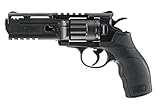
Umarex Brodax .177 BB Revolver Review
Reloading every few shots can drain the fun from a relaxed target session, while an oversized replica may feel awkward before the first BB even leaves the barrel. The Umarex Brodax takes a middle path with a 10-shot rotary system, a lightweight polymer frame, and metal internal parts that add working substance where it counts. It doesn’t mimic the carbine-style pace of the umarex strike force 177; instead, it offers a revolver-shaped platform built for deliberate close-range plinking. The result is an air pistol that looks bold, handles without excessive weight, and leaves room for accessories without pretending to be a precision target gun.
Umarex Brodax BB Revolver
The Brodax uses a 10-shot rotary clip to feed .177 caliber steel BBs, giving each loading cycle enough capacity for a useful string on paper or reactive targets. Ten shots won’t satisfy anyone hoping to fire continuously without interruption, but the capacity encourages a steadier pace and keeps ammunition use from running away. The rotary loading format also suits the revolver theme without requiring loose BBs to sit inside a traditional cylinder. CO2 and steel BBs aren’t included, so both supplies need to be ready before the pistol can be used.
A single 12-gram CO2 cartridge powers the revolver and supports a stated velocity of up to 375 FPS. That speed fits informal short-range shooting, though it shouldn’t be treated as a guaranteed figure for every BB in every condition. Temperature, cartridge pressure, shooting speed, and seal condition can all affect performance during a session. Cold air and rapid trigger work may reduce pressure sooner, so a measured rhythm generally keeps the pistol feeling more consistent.
The polymer frame helps control weight, which matters during longer periods of one-handed or two-handed aiming. Metal internal parts provide working reinforcement without making the entire revolver feel like a brick. This blend creates a practical weight-versus-durability balance, although the exterior won’t deliver the cold, heavy feel of an all-metal replica. That’s the bargain: easier handling and lower bulk in exchange for less metallic realism.
The revolver’s aggressive styling makes it visually distinct from conventional service-pistol replicas. Large contours, an enclosed-looking barrel profile, and accessory rails give it a modern appearance rather than a traditional wheel-gun silhouette. That shape won’t appeal to someone who wants classic revolver lines, but it does support a purpose-built recreational feel. More importantly, the unusual exterior doesn’t change the need for secure storage because the pistol can still be mistaken for a firearm at a glance.
CO2 Performance And Shooting Rhythm
CO2 power removes the pumping and manual cocking routine that can interrupt casual practice. Once a cartridge is installed and the rotary clip is loaded, the Brodax can move through its 10 shots with little fuss. The repeat-shot convenience makes target transitions smoother and keeps attention on grip, sight alignment, and trigger control. Still, every session carries a recurring cartridge cost, so frequent plinking will require a steady supply of 12-gram CO2.
The stated speed of up to 375 FPS sounds lively enough for steel-BB target work, yet velocity alone doesn’t define the experience. A smooth trigger pull, stable grip, and predictable sight picture have more influence on practical grouping than chasing the highest number printed in the specifications. The Brodax is better framed as a close-range recreational revolver than a tool for tiny precision groups. Steel BBs and a compact sighting system naturally place limits on what the pistol can deliver at longer distances.
Rapid shooting can cool the cartridge as gas expands, reducing pressure and changing the feel of later shots. A short pause between rotary clips gives the CO2 system a chance to recover and helps avoid a sudden drop in consistency. No exact cartridge shot count is provided, so attaching a made-up number would be misleading. Temperature and firing cadence remain the honest variables to watch rather than relying on a fixed expectation.
The 10-shot clip creates a natural reset point. That brief stop gives time to inspect the target, confirm that the backstop remains secure, and reload without rushing. Compared with the higher-volume character associated with the umarex strike force 177, the Brodax feels more measured and less ammunition-hungry. Some will appreciate that pace; others may consider repeated clip changes the main interruption in an otherwise straightforward design.
Accessory Rails And Practical Setup
Integrated Picatinny accessory mounts give the Brodax more setup flexibility than many basic BB revolvers. Compatible optics, lasers, or lights can be mounted without relying on improvised clamps or model-specific adapters. The built-in rail system makes customization easier, but extra hardware should serve a real purpose rather than merely filling empty rail space. A heavy accessory can shift the balance forward and make an otherwise manageable pistol feel clumsy.
A compact optic may help create a clearer aiming reference, though mounting height and eye alignment still matter. A laser can offer quick visual feedback during short-range practice, while a small light may suit controlled environments where illumination is genuinely needed. None of these additions will turn steel BBs into precision pellets or erase basic trigger errors. Accessories refine the setup; they don’t replace sound shooting habits.
Rail dimensions deserve attention before any accessory is selected. Picatinny mounting is widely used, but oversized hardware may interfere with handling, storage, or access to nearby controls. The pistol’s bold frame already occupies more visual and physical space than a slim compact air pistol. Keeping attachments small preserves the balanced revolver handling that makes the polymer construction worthwhile.
Optics on rifles operate under a separate set of distance, mounting, and magnification demands, and that distinction becomes clearer through this neutral reference to gas piston air rifles. The linked subject doesn’t change what the Brodax is designed to do, nor does it suggest that a rifle optic belongs on this pistol. The Brodax remains a short-range BB revolver with compact accessory needs. Treating rifle and pistol setups as separate tools prevents mismatched expectations and unnecessarily bulky configurations.
Handling Strengths And Everyday Limits
The Brodax benefits from a frame that doesn’t demand constant effort to hold on target. Its polymer exterior reduces overall heaviness, while the revolver format provides a broad, stable shape in the hand. That can make short practice sessions feel less tiring, especially once accessories are kept to a sensible minimum. The manageable frame weight is a genuine strength, though anyone seeking an all-metal replica may consider the same feature a drawback.
Metal internal components add confidence to the working mechanism without changing the exterior character. The product details don’t specify every internal part or material, so broader durability claims would be speculation. What can be said is that the design combines a polymer shell with metal internals rather than relying on one material throughout. That hybrid approach is practical, but it shouldn’t be confused with full-metal construction.
The revolver shape and modern styling give the Brodax plenty of personality. Fixed expectations matter, though, because this isn’t a firearm trainer that reproduces every control, loading motion, or recoil impulse. It’s a CO2 BB pistol intended for recreational target shooting with a 10-shot rotary system. The distinctive design adds enjoyment for those who like unconventional replicas, while traditionalists may prefer a cleaner and more familiar profile.
Trigger feel can influence group size, especially during deliberate single-action-style aiming or faster double-action-style shooting, but the provided details don’t specify pull weight or action measurements. A firm, repeatable grip helps keep the sights from wandering as the trigger moves. The Brodax rewards patience more than hurried firing, even though its repeating system makes quick shots tempting. Controlled trigger movement will usually matter more than adding another rail-mounted gadget.
Safety, Ammunition, And Maintenance
Steel BBs need a backstop designed to catch them without sending them back toward the firing line. Concrete, exposed metal, stone, and other hard surfaces can create dangerous ricochets even at modest airgun velocities. A suitable trap and proper eye protection belong in every setup, not just crowded or improvised spaces. Local rules also determine whether backyard or indoor shooting is permitted, regardless of how compact the pistol may be.
Fresh .177 caliber steel BBs are the correct ammunition for the Brodax. Rusty, flattened, dirty, or previously fired BBs can feed poorly and may behave unpredictably inside the rotary clip or barrel. Improvised projectiles should stay far away from the loading process. Clean ammunition and careful loading reduce avoidable jams without adding much time to the routine.
CO2 cartridge handling calls for patience because residual gas can escape cold and fast during removal. Hands and eyes should remain clear of the venting path, and a pierced cartridge shouldn’t be left installed for extended storage. Airgun-safe lubricant may support seal care when used according to manufacturer guidance. Seal-friendly maintenance is better than applying general firearm solvents that may not suit the pistol’s materials.
The Brodax should be stored securely and transported out of public view. Its black finish and handgun shape can create alarm because bystanders may not identify it as an air pistol. Adult supervision, muzzle discipline, and separation from ammunition remain sensible habits even during storage. Responsible handling matters more than the product’s recreational purpose or its lower projectile energy.
Where The Brodax Fits Best
The Brodax makes the most sense where compact handling, modern revolver styling, and repeat-shot convenience matter more than long-range accuracy. Its 10-shot clip reduces constant single loading, while the CO2 system removes manual pumping between shots. The 375 FPS maximum rating supports close recreational target work without suggesting a role beyond the stated design. Paper targets and properly contained reactive targets fit its character better than ambitious distance shooting.
Accessory flexibility gives the pistol room to evolve, but restraint keeps it pleasant to handle. A small light, laser, or compact sight can suit a specific practice need, while several attachments may turn the setup into an awkward, front-heavy bundle. The Picatinny mounting space is useful because it offers options, not because every slot needs to be occupied. Practical setups usually feel better than crowded ones.
The main limitations are easy to identify: recurring CO2 expense, only 10 shots before reloading, temperature-sensitive performance, and a polymer exterior that won’t satisfy a preference for heavy metal replicas. None of those points make the design poor; they simply define its lane. The lightweight frame and rotary capacity solve one set of frustrations while creating tradeoffs elsewhere. Honest expectations turn those compromises into informed decisions rather than unpleasant surprises.
Against the umarex strike force 177, the Brodax feels slower, more compact, and more deliberate. The Strike Force idea revolves around carbine handling and higher-volume shooting, while this revolver emphasizes portability, accessory flexibility, and a distinct grip-and-trigger experience. The difference isn’t a simple matter of one being better. Each format answers a different mood at the target line, and the Brodax earns its place through straightforward CO2 operation, a usable 10-shot clip, and styling that doesn’t blend into the crowd.
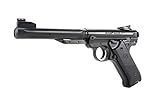
Ruger Mark IV Break Barrel .177 Pellet Pistol
CO2 cartridges, magazines, and rapid-fire habits can turn a simple target session into a pile of extra gear and constant restocking. The Ruger Mark IV takes a slower, self-contained route, while the umarex strike force 177 represents the opposite end of the recreational airgun spectrum with faster follow-up shooting. This pistol uses a single-shot break-barrel design, so every pull of the trigger begins with one deliberate cocking and loading cycle. That pace won’t suit someone chasing volume, but it can make each pellet feel more purposeful.
Ruger Mark IV Pellet Pistol
The one-stroke cocking mechanism keeps the operating sequence easy to grasp. Break the barrel downward, load one .177 caliber pellet, close the action, settle the sights, and fire. The self-contained power system removes the need for CO2 cartridges, pumps, charging tanks, or batteries. That simplicity cuts down on forgotten supplies and makes an occasional afternoon of plinking less of a production.
Single-shot operation changes the mood of a session. There’s no magazine to empty in a few seconds, so rushing doesn’t offer much reward. The brief pause between shots gives the hands time to reset and the eyes time to confirm the sight picture. For careful paper-target work, that slower shooting rhythm can be more useful than raw firing speed.
The supplied specifications list a maximum velocity of up to 360 FPS with .177 caliber pellets. Actual speed can vary with pellet weight, fit, temperature, and the condition of the powerplant, so the maximum shouldn’t be treated as a promise for every shot. Lighter pellets may move faster, while heavier pellets generally trade some speed for additional mass. No group sizes or energy figures were provided, so claims beyond those details would be guesswork.
Lightweight construction helps keep the pistol manageable during repeated aiming and cocking. That’s especially helpful because every shot requires the barrel to be moved through a full loading cycle. The tradeoff is less mass to steady small hand movements, which can make wobble more visible on the target. A repeatable grip matters more than squeezing harder and hoping the muzzle settles down.
Break-Barrel Power Without Extra Supplies
The absence of CO2 is one of the clearest practical benefits. A shooting session won’t end because the last cartridge was accidentally left at home, and cold weather won’t reduce gas pressure because there’s no gas system involved. The spring-powered break barrel supplies its own energy with each cocking stroke. That independence suits a pistol intended for straightforward target shooting rather than rapid recreational blasting.
Mechanical cocking does require effort, and that effort repeats after every pellet. A short session may feel relaxed, but a long afternoon can make the loading routine seem less charming. The pistol asks for patience, plain and simple. Compared with the faster pace of the umarex strike force 177, the Mark IV feels more like a measured practice tool than an ammunition-hungry plinker.
The barrel must remain under control throughout the cocking and closing motion. Letting it swing freely or snap shut can place unnecessary stress on the mechanism and create a pinch hazard. A pellet should sit correctly in the breech before the action closes. The manual loading process is uncomplicated, but careless handling can turn an easy routine into a frustrating one.
Break-barrel operation also creates a natural moment to inspect each pellet. Bent skirts, dirt, or obvious damage can be caught before the ammunition enters the breech. That small pause helps prevent avoidable feeding and consistency problems. It’s not glamorous, but careful pellet handling often matters more than buying accessories the pistol doesn’t need.
Adjustable Sights And Practical Accuracy
The fully adjustable rear sight gives the Mark IV more flexibility than pistols locked into a fixed point of aim. Windage and elevation adjustments allow the sight picture to be tuned for a chosen pellet and distance. That matters because pellet weight and shape can shift the point of impact. The adjustable rear sight offers a practical way to correct a consistent grouping pattern instead of forcing a permanent hold-off.
A fixed front fiber-optic sight provides a bright aiming reference. The colored insert can stand out against dark paper targets or shaded backgrounds where a plain black post might disappear. Brightness alone won’t tighten a group, though, because the front sight still needs to sit evenly within the rear notch. The fiber-optic front sight helps visibility, while trigger control and grip consistency still do the real work.
Sight adjustments should be made in small steps. Changing windage and elevation at the same time can make it difficult to tell which movement affected the group. A few careful shots from the same position give a better baseline than scattered shots fired with a changing hold. The pistol’s single-shot format encourages that deliberate approach instead of pushing the shooter through a magazine before checking results.
Longer hunting rifles solve different distance and power problems, and that distinction is reflected in this neutral reference to 25 caliber hunting air rifles. Those platforms involve heavier projectiles, longer barrels, and a separate set of handling priorities. The Ruger Mark IV remains a compact open-sight pistol intended for short-range pellet practice. Treating the two categories as separate tools keeps expectations realistic.
Grip Texture, Trigger Feel, And Control
The grip panels combine smooth and checkered surfaces rather than covering the frame with one aggressive texture. Smooth sections allow the hand to settle naturally, while the checkered areas provide extra traction where slipping is more likely. This mixed grip pattern can feel less abrasive during a long session than deep checkering across the entire grip. Hand size still matters, and no grip shape feels equally comfortable to everyone.
A smooth single-stage trigger keeps the firing sequence direct. Pressure builds through one continuous pull rather than moving through a separate first stage and second-stage wall. Some people appreciate that simplicity, while others prefer a more defined staging point before the shot breaks. The single-stage trigger is easy to understand, but the provided details don’t include pull weight or adjustment information.
Lightweight handling supports one-handed practice, though a two-handed hold can reduce visible movement. The support hand should add stability without twisting the frame or disturbing the trigger finger. Because the grip must be reestablished after every cocking cycle, each shot becomes a small test of consistency. That repetition can sharpen hand-placement discipline, provided the loading routine isn’t rushed.
The compact frame takes up less storage room than a rifle, yet the pistol still needs open space for the barrel to swing downward. A crowded bench, narrow lane, or cluttered indoor area may interfere with cocking. The small storage footprint doesn’t mean the pistol can be operated comfortably in a cramped corner. A clear working area makes loading safer and less awkward.
Safety Features And Responsible Operation
The supplied description lists manual and automatic thumb-safety functions. An automatic safety can add protection during the cocking cycle, while the manual control allows readiness to be managed deliberately. Neither system replaces careful muzzle direction or proper trigger-finger placement. The thumb-safety setup supports responsible handling, but it can’t correct careless habits.
The barrel changes position during loading, so attention must stay on the muzzle throughout the entire sequence. Fingers should remain outside the trigger guard until the pistol is closed, aimed, and ready to fire. The action should never be treated casually simply because it isn’t loaded at the start of the cocking stroke. Safe handling discipline begins before the pellet enters the breech.
Pellets can rebound or fragment against hard surfaces, even though they generally behave differently from round steel BBs. Bare metal, stone, glass, and exposed concrete make poor backstops. A purpose-built pellet trap provides a more controlled stopping area and can reduce impact noise. Eye protection and secure shot containment belong in every session.
The handgun-shaped profile can also be misunderstood by anyone who sees it without context. Secure storage, discreet transport, and separation from pellets reduce accidental access and unnecessary alarm. Local rules may limit where an air pistol can be used, regardless of its modest velocity. The realistic pistol format carries responsibilities that don’t disappear just because the power source is mechanical.
Strengths, Weaknesses, And Daily Use
The strongest feature is freedom from disposable power sources. One cocking stroke prepares the pistol for the next shot, so there’s no cartridge pressure to monitor and no gas supply to replenish. The adjustable rear sight and fiber-optic front sight also support deliberate target work. This self-sufficient design fits sessions where reliability and simplicity matter more than speed.
The largest weakness is the repeated workload. Every shot requires cocking, loading, closing, aiming, and firing, which can feel slow beside a magazine-fed air pistol. The routine may also become tiring if the cocking effort feels heavy after many shots. The single-shot limitation improves discipline for some people and tests patience for others.
Velocity up to 360 FPS places the pistol in a modest short-range role. It’s suited to paper targets and controlled plinking rather than long-distance use or higher-energy hunting tasks. Adjustable sights can help align the point of impact, but they can’t remove the natural limits of a compact spring-powered pistol. The performance ceiling is part of the design, not a hidden defect.
The contrast with the umarex strike force 177 is straightforward. The Strike Force favors repeating fire and a carbine-style shooting rhythm, while the Ruger Mark IV uses one pellet at a time and demands a full mechanical reset after every shot. One format rewards speed and volume; the other rewards patience and careful aim. The Mark IV’s value lies in that slower lane, where ammunition lasts longer and each miss provides a clearer lesson.
Maintenance And Pellet Choice
Break-barrel maintenance should stay light and specific to airgun materials. Exterior surfaces can be wiped clean, the breech area can be kept free of debris, and approved airgun products can be used where the manufacturer recommends them. General firearm solvents and random household oils may damage seals or create unwanted residue. Restrained maintenance is safer than overcleaning a simple mechanism.
The barrel pivot and lockup deserve occasional attention because they influence alignment and consistency. Dirt around the breech, rough closing, or damage to the seal can affect the way the action locks into place. The barrel should be closed firmly but under control rather than slammed. A sound break-barrel lockup supports repeatable sight alignment from shot to shot.
Pellet selection can alter speed, grouping, and point of impact. The pistol is specified for .177 caliber pellets, but no preferred weight or head shape is listed in the provided information. Clean, undamaged pellets that seat properly in the breech offer a sensible starting point. The correct pellet fit is more useful than chasing inflated claims printed on an ammunition tin.
The Ruger Mark IV combines one-stroke cocking, adjustable sights, a visible fiber-optic front post, and lightweight handling in a deliberately simple package. Its main strengths are independence from CO2 and a shooting rhythm that encourages careful aim. Its weaknesses include repeated cocking effort, one-shot capacity, modest velocity, and a trigger format that won’t suit every preference. Those tradeoffs give it a clear identity as a methodical pellet pistol rather than a slower imitation of the umarex strike force 177.
Umarex DSX-45 .177 BB Air Pistol
A plinking session loses its charm fast when spare cartridges, tiny magazines, and repeated setup steps start running the show. The Umarex DSX-45 takes a simpler path with a spring-piston action, a 13-shot working capacity, and space for 200 additional BBs inside the reservoir. That layout gives it a very different personality from the umarex strike force 177, which leans toward a faster, higher-volume style of shooting. The DSX-45 is slower and less theatrical, but it also asks for fewer supplies and creates less fuss between sessions.
Umarex DSX-45 BB Pistol
The single-action mechanism makes the operating sequence easy to follow. Each shot begins with manually cocking the spring-piston system, followed by aiming and a deliberate trigger press. There’s no CO2 cartridge to install, no battery to charge, and no pressure tank to carry. That self-contained power source keeps the pistol ready as long as clean .177 caliber steel BBs are available.
The 13-shot capacity gives the pistol enough ammunition for a useful target string without turning the session into a blur. A larger onboard reservoir stores up to 200 additional BBs, reducing the need to keep opening a bottle or fumbling with loose ammunition. The reservoir doesn’t feed every stored BB directly into the barrel without interaction, so the pistol still requires its normal loading routine. Even so, keeping that reserve inside the frame makes casual shooting much less cluttered.
Loose BBs have a talent for rolling into grass, slipping under benches, or hiding in pockets with bits of dust. The DSX-45’s storage system cuts down on that nuisance by keeping a substantial supply inside the pistol. That’s a practical benefit rather than a flashy one, yet it can change the entire rhythm of an afternoon. The large internal reservoir lets attention stay on the target instead of the ammunition container.
The pistol isn’t trying to imitate a duty handgun or deliver a realistic blowback cycle. Its appeal comes from mechanical simplicity, easy ammunition storage, and repeatable short-range plinking. Compared with the umarex strike force 177, the DSX-45 feels more like a relaxed backyard-style target tool than a tactical replica. That difference won’t please everyone, but it gives the pistol a clear purpose instead of a muddled one.
Spring-Piston Power And Shooting Rhythm
Spring-piston operation removes the recurring expense and storage concerns associated with CO2 cartridges. A cold afternoon won’t lower gas pressure because the pistol doesn’t rely on compressed carbon dioxide. The shooter supplies the energy by cocking the action before every shot. This mechanical independence makes the DSX-45 easier to keep ready for occasional use.
The tradeoff is repetition, plain and simple. Every trigger pull requires another cocking cycle, so the pistol can’t deliver the rapid follow-up pace of a repeating CO2 model. That slower process may feel tedious during a long session, especially if the goal is to send BBs downrange as quickly as possible. Still, the measured shooting pace encourages steadier aiming and reduces careless ammunition use.
Spring movement can also affect how the pistol feels as it fires. The internal piston moves during the shot cycle, which means inconsistent grip pressure may shift the sights at the worst possible moment. Holding the pistol the same way from shot to shot matters more than squeezing it with maximum force. A repeatable grip and smooth trigger press will usually produce more useful results than hurried shooting.
No velocity figure appears in the supplied specifications, so assigning a speed would be guesswork. The honest way to judge this model is by its stated role as an accurate and enjoyable plinking pistol. Fixed sights, steel BBs, and a simple spring action point toward short-range recreational use rather than precision shooting at extended distance. The DSX-45 makes sense when easy operation and low supply demands matter more than headline numbers.
Reservoir Capacity And BB Management
The combination of a 13-shot capacity and a 200-BB reservoir gives the DSX-45 its most distinctive practical advantage. Thirteen ready shots provide enough time to settle into a rhythm, while the stored reserve keeps reloading supplies close at hand. That arrangement won’t eliminate every interruption, but it cuts down the constant handling of separate BB containers. The 13-plus-200 system is built around convenience rather than realism.
A large reservoir also makes ammunition quality more important. Rusty, dented, dirty, or previously fired BBs can move poorly through the feeding path and may create avoidable jams. Fresh .177 caliber steel BBs are the correct choice, and random projectiles that merely look close in size should stay out of the pistol. The feeding system depends on clean ammunition more than it depends on filling the reservoir to its limit.
Carrying many loose BBs inside a lightweight pistol may create some internal rattling during movement. That sound is a natural consequence of onboard storage rather than a sign that the pistol is trying to mimic a detachable magazine. Some shooters won’t care, while others may prefer the quieter feel of a smaller fixed load. The reservoir convenience comes with a little less refinement in how the pistol sounds while being handled.
Rushing the loading process can create more trouble than it saves. The muzzle should remain pointed safely while the mechanism is operated, and the pistol should be handled according to the manufacturer’s loading instructions. Shaking or forcing ammunition through the system may not improve feeding. A calm routine protects the internal BB path and keeps the session moving without unnecessary frustration.
Fixed Sights And Short-Range Accuracy
The DSX-45 uses fixed blade-and-ramp open sights. Their simple shape keeps the top of the pistol uncluttered and removes adjustment screws that could loosen or shift. The downside is a lack of windage and elevation correction if the point of impact doesn’t match the preferred aiming point. This fixed sight setup favors casual plinking over carefully tuned target work.
Blade-and-ramp sights still demand proper alignment. The front sight needs to remain centered and level within the rear sight picture, while the trigger finger moves without pulling the muzzle sideways. Small errors become easier to notice on a lightweight spring-powered pistol. The basic open sights are simple to understand, but they don’t forgive inconsistent technique.
Steel BBs aren’t built for the same type of precision associated with carefully fitted pellets. Their round shape, surface variation, and fit inside the bore place natural limits on grouping. Larger paper targets and safely contained plinking targets suit the pistol better than tiny bullseyes at ambitious distances. The phrase “accurate and fun” makes the most sense within realistic short-range expectations.
Pest-control rifles operate under a separate set of power, distance, and projectile demands, and that difference is reflected in this neutral reference to backyard pest control air rifles. The linked subject doesn’t expand the DSX-45’s role or make a spring BB pistol suitable for hunting tasks. This model remains a recreational air pistol intended for plinking. Keeping those categories separate avoids expectations the provided specifications can’t support.
Grip Texture And Everyday Handling
The molded checkered grip gives the hand a textured surface without removable panels or adjustable inserts. That texture can help reduce slipping as the palm warms during a longer session. Since the pattern is molded directly into the grip, it should remain consistent without requiring extra parts. The checkered grip surface focuses on basic traction rather than custom fit.
Hand size will still shape the experience because a fixed grip can’t adapt to every palm. A shape that feels natural to one person may seem narrow, thick, or awkward to another. The supplied details don’t provide grip dimensions, so claims about universal comfort would be empty. The non-adjustable grip geometry is practical, but it remains one of the pistol’s unavoidable compromises.
Single-action operation creates a distinct handling rhythm. Cock the mechanism, settle the grip again, align the sights, and press the trigger without disturbing the frame. That repeated reset can expose sloppy hand placement that rapid firing tends to hide. The DSX-45’s deliberate sequence rewards consistency even though it isn’t designed as a formal target pistol.
A simple spring-piston pistol is generally easier to carry around a shooting area than a rifle-length platform. Still, the cocking movement requires clear space and careful control of the mechanism. A crowded bench or narrow shooting position may make the routine feel more awkward than expected. The compact format helps with storage, but it doesn’t eliminate the need for safe operating room.
Strengths And Practical Tradeoffs
The strongest feature is the pistol’s low-demand operating system. No CO2 means no disposable cartridges, no gas leaks during storage, and no temperature-related pressure drop. The 200-BB reservoir also reduces interruptions caused by handling separate ammunition containers. Together, those features create a simple and economical plinking routine.
The main weakness is the required cocking step before every shot. A shooter who wants fast follow-ups may lose patience with the repeated mechanical cycle. Fixed sights add another limitation because they can’t be adjusted for a preferred point of impact. These speed and sighting compromises define the pistol just as clearly as its strengths.
The reservoir solves one annoyance while creating another. Carrying 200 spare BBs inside the pistol is convenient, but loose ammunition may rattle and poor-quality BBs can complicate feeding. The feature works best with clean ammunition and a careful loading routine. The large BB reserve is useful, though it isn’t the same as a smooth detachable-magazine system.
The DSX-45 and the umarex strike force 177 appeal to different shooting habits. One favors a slower spring-powered process with a large internal reserve, while the other suggests a faster tactical-style experience. The DSX-45 won’t recreate the pace or handling of a carbine, and that’s not a failure. Its value lies in offering plenty of informal target shooting without tying every session to a supply of gas cartridges.
Safety, Storage, And Basic Maintenance
Steel BBs can rebound sharply from hard surfaces. Concrete, stone, glass, and exposed metal make poor backstops because they can send a BB back toward the firing line. A purpose-built trap with suitable internal material provides safer containment. Eye protection and controlled shot placement should remain part of every session.
The spring mechanism should be cocked only as part of an intentional firing sequence. Leaving the pistol cocked for long periods may place unnecessary strain on internal components. Muzzle direction must remain controlled throughout loading, cocking, and firing. The single-action design still demands disciplined handling at every step.
Maintenance should stay light and appropriate for airgun materials. Exterior surfaces can be wiped clean, the loading area can be kept free of dirt, and only approved products should be used where lubrication is recommended. Aggressive firearm solvents or random household oils may harm seals, finishes, or polymer parts. Simple preventive care makes more sense than unnecessary disassembly.
The pistol-shaped profile can be misunderstood by anyone who sees it without context. Secure storage, separation from ammunition, and discreet transport reduce accidental access and public alarm. The absence of a CO2 cartridge doesn’t provide an obvious visual sign that the pistol is unloaded. The safest habit is to treat the Umarex DSX-45 as ready until its condition has been personally checked.


12 Best 22 Pcp Air Rifle For Hunting of 2026 With Quiet Power

7 Best 22 Pcp Air Rifle Under 300 of 2026 For Backyard Pest Control

10 Best 22 Break Barrel Air Rifles of 2026 For Backyard Pest Control

10 Best 30 Caliber Pcp Air Rifle of 2026 For Medium Game

Top Best 177 Air Rifle Under 100: Budget-Friendly Picks for 2026

How to Safely Reload Shotgun Shells at Home

11 Best Co2 Air Rifle For Pest Control of 2026 To Ensure Humane Dispatch

12 Best Inexpensive Air Rifles of 2026 For Dependable Backyard Accuracy






