
Best umarex strike point 177 Guide for 2026

A noisy backyard session can sour the fun before the first target is properly set. The umarex strike point 177 takes a calmer route with a multi-pump pneumatic system, single-pellet loading, and an integrated SilencAir moderator. It doesn’t need CO2 cartridges, batteries, or a separate charging setup, so there’s less gear to buy and fewer half-empty power sources rolling around in a drawer. That self-contained design makes spontaneous paper-target practice much easier to manage, provided local rules permit airgun use and a secure backstop is in place.
Power control is the feature that gives this pistol its real personality. The pneumatic system accepts roughly three to ten pumps, allowing the effort and output to be adjusted for the distance and shooting environment. Fewer pumps suit short sessions where maximum speed isn’t necessary, while additional pumps can produce a flatter pellet path at longer practice distances. Still, there’s no free lunch, since ten pumps require more work between shots and can feel repetitive during a long afternoon.
The .177 model can reach a manufacturer-rated velocity of up to 650 feet per second with lightweight pellets, though real speed will vary with pellet weight, temperature, pumping technique, and the condition of the pistol. That figure shouldn’t be treated as a promise for every pellet in the tin. Heavier lead pellets usually travel more slowly, but they may group more consistently than very light alloy ammunition. A little pellet testing often matters more than chasing the fastest number printed on a package.
A single-shot bolt action slows the pace in a useful way. Each pellet must be loaded individually, encouraging attention to grip, sight alignment, breathing, and trigger control instead of hurried follow-up shots. The rifled barrel supports practical target accuracy, while the fiber-optic front sight and adjustable rear sight create a clear aiming picture in ordinary daylight. Dim indoor lighting can make the fiber optics less lively, though, so good range illumination still helps.
The pistol measures about 14 inches long and weighs roughly 2.6 pounds, giving it more front-end presence than a compact CO2 handgun. That extra length can steady the sight picture, yet smaller hands may find the body bulky and the pumping motion awkward at first. Its ambidextrous synthetic grip is useful from either side, but the overall feel leans closer to a compact target platform than a lightweight plinker. Frankly, anyone expecting a tiny sidearm may be surprised by how substantial it feels.
Noise reduction deserves realistic expectations. The SilencAir system helps soften the report, but it doesn’t make the pistol silent, and pellet impact against a hard trap may create more disturbance than the muzzle blast. A trap lined with suitable sound-dampening material can make indoor practice less jarring, while steel targets will ring loudly no matter how restrained the pistol sounds. Nearby walls, fences, and enclosed rooms also reflect noise, so the same shot may sound mild outdoors and much sharper inside.
Maintenance is fairly straightforward because there are no disposable gas capsules or complicated electronic parts. The pump mechanism still needs sensible handling, approved lubrication, and protection from dirt or moisture. Pellets should be seated carefully to avoid skirt damage, and dry-firing should be avoided unless the manufacturer specifically permits it. A few basic habits can prevent the sluggish seals, inconsistent velocity, and rough operation that often come from neglect.
The main compromises are easy to spot. Pumping interrupts the rhythm, the single-shot action limits speed, and the pistol isn’t scope-ready in the usual sense. Those points may frustrate anyone seeking rapid plinking or effortless high-volume shooting, but they’re less troublesome during deliberate practice. The adjustable power, self-contained operation, and measured shooting pace make more sense for careful paper punching than for spraying pellets as quickly as possible.
- ARS Mark8.8
ARS Mark is a ranking system developed by bestairriflescopes.com. ARS Mark has no relationship or impact from any manufacturers or sales agent websites. Learn more
- BrandUmarex

- ARS Mark8.8
ARS Mark is a ranking system developed by bestairriflescopes.com. ARS Mark has no relationship or impact from any manufacturers or sales agent websites. Learn more
- BrandUmarex
- ARS Mark8.8
ARS Mark is a ranking system developed by bestairriflescopes.com. ARS Mark has no relationship or impact from any manufacturers or sales agent websites. Learn more
- BrandUmarex
- ARS Mark8.6
ARS Mark is a ranking system developed by bestairriflescopes.com. ARS Mark has no relationship or impact from any manufacturers or sales agent websites. Learn more
- BrandUmarex
- ARS Mark8.6
ARS Mark is a ranking system developed by bestairriflescopes.com. ARS Mark has no relationship or impact from any manufacturers or sales agent websites. Learn more
- BrandUmarex
- ARS Mark8.4
ARS Mark is a ranking system developed by bestairriflescopes.com. ARS Mark has no relationship or impact from any manufacturers or sales agent websites. Learn more
- BrandUmarex
- ARS Mark8.4
ARS Mark is a ranking system developed by bestairriflescopes.com. ARS Mark has no relationship or impact from any manufacturers or sales agent websites. Learn more
- BrandUmarex

- ARS Mark8.4
ARS Mark is a ranking system developed by bestairriflescopes.com. ARS Mark has no relationship or impact from any manufacturers or sales agent websites. Learn more
- BrandUmarex
- ARS Mark7.8
ARS Mark is a ranking system developed by bestairriflescopes.com. ARS Mark has no relationship or impact from any manufacturers or sales agent websites. Learn more
- BrandUmarex

- ARS Mark7.6
ARS Mark is a ranking system developed by bestairriflescopes.com. ARS Mark has no relationship or impact from any manufacturers or sales agent websites. Learn more
- BrandUmarex
Last update on 2026-07-26 / Affiliate links / Images, Product Titles, and Product Highlights from Amazon Product Advertising API
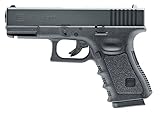
Glock 19 Gen3 .177 BB Air Pistol Review
Fast practice loses its appeal once the equipment starts demanding too much setup, too many loose parts, or a complicated loading routine. The umarex strike point 177 keyword often points toward deliberate pellet shooting, but the Glock 19 Gen3 .177 BB Air Pistol takes a very different route with CO2 power, a 15-shot magazine, and familiar handgun-style handling. Its purpose is straightforward: provide repeatable recreational shooting with steel BBs while keeping the controls and exterior close to a recognizable Glock format. That simplicity is the strongest reason to consider it, though the CO2 dependency and fixed sights create tradeoffs that shouldn’t be brushed aside.
Glock 19 Gen3 BB Air Pistol
The first impression comes from the licensed exterior rather than a long list of adjustment features. Official Glock markings give the pistol a more authentic appearance than generic BB handguns that merely borrow a similar shape. The fixed Glock-style sights also keep the sight picture familiar and uncluttered, which helps the pistol feel approachable from the first magazine. Still, authenticity in appearance doesn’t mean every control or internal behavior matches a firearm, so expectations need to stay grounded.
A 15-shot capacity gives the pistol enough ammunition for short target strings without turning every session into a constant reload exercise. The .177 caliber steel BB format is widely used for casual plinking, paper targets, and basic sight practice, and loading several rounds at once keeps the pace lively. That said, steel BBs can ricochet from hard surfaces, so a properly designed trap and a safe backstop aren’t optional details. Cardboard alone won’t reliably manage repeated impacts, especially at close range.
The compact Glock 19 profile also matters during handling. It doesn’t carry the long front end or extended pumping mechanism found on some pneumatic pistols, so moving from a case to the firing line feels quick and uncomplicated. The grip shape may feel natural to anyone already comfortable with Glock-style frames, although smaller hands could still notice the blocky geometry. Familiar ergonomics help reduce the learning curve, but comfort remains personal rather than universal.
CO2 Power And Shot Pace
A single 12-gram CO2 cartridge powers the pistol, removing the need to pump between shots. That makes the shooting rhythm noticeably faster than a multi-pump design and keeps attention on sight alignment, trigger control, and target transitions. The cartridge isn’t included, so the first session requires an extra purchase before the pistol can operate. CO2 convenience feels effortless once installed, but ongoing cartridge cost belongs in the ownership calculation.
The listed velocity reaches up to 410 FPS with .177 caliber steel BBs. That number represents a maximum claim rather than a guarantee for every shot, since temperature, cartridge condition, firing pace, and BB fit can affect output. Rapid strings can cool the CO2 cartridge, which may cause velocity to dip until the system warms again. A slower cadence usually provides more stable behavior and wastes less gas, even if the pistol invites quicker shooting.
CO2 performance also changes with the weather. Cold conditions reduce pressure, so the pistol may feel less energetic during winter garage sessions or outdoor practice on chilly mornings. Warm temperatures generally support stronger output, though cartridges should never be stored or exposed to excessive heat. Temperature sensitivity isn’t a flaw unique to this model, but it’s a practical limitation of the power system.
Cartridge management can become the difference between a satisfying session and needless seal wear. Leaving a pierced CO2 cartridge installed for long periods may place continued pressure on internal components, so following the manufacturer’s storage guidance is the sensible route. A small amount of approved airgun lubricant on the cartridge tip may also support seal care if the manual permits it. Guesswork with household oils is a bad bargain because incompatible products can damage seals.
Sights, Rail, And Practical Accuracy
The pistol uses fixed Glock-style sights, which favor simplicity over fine adjustment. A consistent hold can still produce useful groups on paper, but there’s no rear-sight correction for a point of impact that sits left, right, high, or low. Shooters may need to experiment with distance, BB brand, and sight picture to understand where the pistol naturally prints. That process isn’t difficult, though it requires patience rather than a screwdriver adjustment.
The sight layout suits quick visual pickup more than slow-match precision. At common backyard or indoor airgun distances, the simple front-and-rear arrangement keeps the aiming process familiar and direct. Small bullseyes expose the limitations of fixed sights and smoothbore BB ammunition, so realistic targets make the experience more rewarding. Practical accuracy here means repeatable recreational groups, not tiny pellet-rifle clusters.
An integrated Weaver rail sits beneath the front of the frame for accessory mounting. That gives room for compatible lights or lasers, provided the accessory fits the available rail space and doesn’t interfere with handling. The rail adds useful flexibility without changing the basic shape of the pistol. Accessory compatibility is a genuine benefit, but extra weight near the muzzle can alter balance and make the compact frame feel front-heavy.
The related Umarex lineup includes other licensed designs with different controls, capacities, and handling styles, and a neutral point of reference appears in umarex beretta 92a1 for readers weighing a more full-sized platform. The Glock 19 Gen3 model remains the simpler proposition, with a compact profile and fewer adjustable elements. That stripped-down approach can feel refreshingly direct, yet it also leaves less room for tuning. Simple operation is the benefit, while limited customization is the price.
Handling And Everyday Use
The pistol’s main appeal lies in how quickly it fits into a casual practice routine. Load the magazine, install the CO2 cartridge correctly, confirm the backstop, and the session can begin without pumping or charging equipment. The 15-shot magazine supports short drills without encouraging an endless spray of ammunition. Reloading arrives often enough to slow things down and reset concentration.
Trigger feel should be judged as part of a recreational BB pistol rather than against a tuned target handgun. A steady press matters because jerking the trigger can pull the sights off line before the BB exits. Dry-fire habits should follow the manual, since not every airgun is designed for unlimited trigger practice without ammunition or gas. Consistent trigger control will improve groups more than cosmetic accessories ever will.
The fixed sights and compact frame make the pistol useful for basic presentation and alignment practice, but it shouldn’t be treated as a substitute for professional firearm instruction. Recoil, slide behavior, trigger characteristics, and operating procedures differ from a live firearm. The licensed shape can support familiarity with general grip placement and sight tracking, yet those similarities have limits. Training realism is partial, not complete.
Noise is generally manageable compared with many outdoor power tools or louder pneumatic platforms, but the pistol isn’t silent. The target trap often creates more noticeable sound than the muzzle, particularly when steel BBs strike a metal plate. Rubberized or purpose-built traps can reduce the sharp impact noise while also helping contain rebounds. Backstop quality influences both safety and comfort more than many first-time buyers expect.
Strengths That Matter In Practice
The clearest strength is the combination of recognizable styling and uncomplicated operation. There’s no manual pumping cycle between shots, no battery charging, and no separate air tank. A fresh CO2 cartridge supports an easy shooting rhythm, while the magazine keeps ammunition handling simple. Low setup friction makes the pistol appealing for short sessions where time is limited.
The officially licensed markings also give the product a sense of identity that generic replicas often lack. That detail won’t improve velocity or accuracy, but it does affect enjoyment for someone who values faithful branding and exterior cues. The proportions and sight style create a familiar visual package without unnecessary decoration. Licensed Glock styling is more than a label here because it shapes the overall handling experience.
The Weaver rail adds another practical advantage without forcing accessory use. Keeping the pistol bare preserves its compact balance, while adding a compatible light or laser can support specific practice setups. That choice belongs to the owner rather than the factory. Flexible accessory mounting broadens the pistol’s role without complicating its basic controls.
The 410 FPS maximum claim places the pistol in a sensible recreational range for steel BB shooting. It offers enough speed for paper targets and suitable reactive targets while remaining easier to manage than more powerful hunting-oriented airguns. Safe range design still matters because steel BBs retain enough energy to cause injury and ricochet. Moderate output supports casual use, but it doesn’t remove the need for disciplined handling.
Weaknesses And Realistic Tradeoffs
CO2 dependence is the most obvious drawback. Cartridges add recurring cost, can run empty at inconvenient times, and react to temperature changes. A self-contained pneumatic pistol avoids those concerns, though it requires physical pumping between shots. Convenience versus operating cost is the central tradeoff behind this design.
Fixed sights may frustrate anyone who expects precise point-of-impact correction. The pistol can still shoot consistent groups, but mechanical adjustment isn’t available to bring those groups neatly onto the bullseye. Changing BB brands or altering the sight picture may help, though neither method offers the control of an adjustable rear sight. Limited sight tuning keeps operation simple while reducing fine control.
Steel BB ammunition brings its own limitations. BBs are convenient and economical, yet they typically don’t match the accuracy potential of quality pellets fired through a rifled barrel. Hard surfaces can send them back toward the firing line, making trap design especially important. Ricochet risk deserves more attention than casual plinking culture sometimes gives it.
The pistol also won’t satisfy every expectation created by its Glock appearance. It provides licensed markings, familiar sights, and a compact frame, but the shooting behavior remains that of a CO2 BB gun. Anyone expecting firearm-level recoil, identical controls, or full mechanical realism may come away disappointed. Visual authenticity is the focus, while exact operational duplication isn’t.
Best Use Cases And Ownership Fit
Short paper-target sessions suit this pistol better than slow precision work at extended distances. The magazine capacity and CO2 system favor repeated shots, while the fixed sights encourage a simple, repeatable hold. A garage range, basement setup, or protected backyard can work if local rules allow it and the backstop is properly designed. Compact-range practice is where the pistol’s strengths line up most naturally.
The model also makes sense for casual plinking where the targets are safe for steel BBs. Paper, approved resetting targets, and soft-catching traps reduce frustration and minimize rebounds. Glass, brittle plastic, rocks, and exposed metal surfaces create unnecessary hazards and messy cleanup. Responsible target selection turns an ordinary session into a smoother one.
Collectors of licensed airgun replicas may appreciate the Glock markings and recognizable outline even if pure accuracy isn’t the only priority. The pistol carries enough functional practicality to avoid feeling like a display-only piece. At the same time, its value depends on caring about the licensed design, since plain BB pistols may offer similar basic shooting functions. Brand authenticity adds emotional appeal rather than measurable ballistic advantage.
The Glock 19 Gen3 .177 BB Air Pistol works best for someone who values quick setup, familiar styling, and brisk recreational shooting. It’s less suitable for shooters focused on adjustable sights, pellet-level precision, or cartridge-free operation. Those limits are easy to accept once the pistol is judged for what it actually offers rather than what its appearance suggests. Honest expectations make this compact CO2 platform far easier to appreciate.
Glock 19X Gen5 .177 BB Air Pistol Review
Recreational shooting loses its charm when the setup feels clumsy, the loading cycle drags, or the pistol feels more like a hollow prop than a usable practice tool. The umarex strike point 177 search often begins with a desire for manageable backyard or indoor-range shooting, yet the Glock 19X Gen5 .177 BB Air Pistol approaches that goal with a livelier personality. Its blowback action, full metal slide, semi-auto operation, and 18-round drop-free magazine create a rhythm that feels closer to handling a full-size replica than operating a basic plinker. That extra realism brings clear benefits, though it also introduces more weight, stronger CO2 demands, and a few practical compromises.
Glock 19X Gen5 BB Air Pistol
The pistol’s most noticeable trait is the full metal slide. That added mass gives the upper half a substantial feel and prevents the gun from seeming overly light or flimsy in the hand. Each shot cycles the slide through the blowback system, adding movement that makes paper-target practice more engaging. The recoil remains far below live-fire levels, of course, but the motion still forces the shooter to reacquire the sights rather than mindlessly press the trigger.
The 19X-style layout pairs a shorter slide profile with a fuller grip. That combination gives the firing hand more room to settle, which can improve grip consistency during repeated shots. Smaller hands may find the grip broad, while larger hands are less likely to feel cramped near the base. The design favors control and familiarity over compactness, so it feels more at home on a practice bench than tucked into a small storage pouch.
The black finish keeps the appearance restrained and practical. It also suits the licensed shape without relying on flashy accents or decorative details that add nothing to the shooting experience. Handling marks may become visible around the slide, controls, and magazine well after regular use. Realistic exterior styling adds character, but sensible storage and routine wiping still matter if the finish is expected to stay tidy.
The licensed design gives the pistol a clearer identity than generic BB handguns built around vaguely familiar outlines. Familiar sight placement and frame geometry can reduce the awkward adjustment period that comes with unusually shaped air pistols. Still, external similarity shouldn’t be confused with identical operation. Replica-style handling helps with basic familiarity, while recoil, trigger behavior, maintenance, and internal mechanics remain distinctly airgun-based.
Blowback Action And Shot Feel
Blowback changes the entire mood of the pistol. The slide moves with every shot, creating a quick mechanical pulse that turns a simple BB launch into a more involved sequence. That feedback encourages better sight recovery because the front sight visibly shifts and returns. Mechanical movement adds interest to each shot without requiring complicated controls.
The moving metal slide also consumes part of the available CO2 energy. A fixed-slide pistol can devote more gas to launching the BB, while this model must power both the projectile and the blowback cycle. That means realism and gas efficiency pull in opposite directions. Blowback realism is the benefit, while shorter practical cartridge life is the tradeoff.
Rapid fire can make that compromise more obvious. CO2 cools during repeated discharge, and a cold cartridge may produce softer slide movement or less consistent shot behavior. Pausing between strings lets the system recover and usually keeps the cycle feeling more uniform. Controlled firing pace suits this pistol better than dumping all 18 rounds without a break.
The semi-auto action keeps the shooting sequence smooth once the pistol is loaded. There’s no manual bolt operation between shots, no pumping cycle, and no interruption to the grip. That makes it easier to focus on trigger timing and sight alignment across a full magazine. Continuous shot rhythm is one of the clearest advantages over slower pneumatic designs associated with the broader umarex strike point 177 category.
Magazine Capacity And Reloading
The 18-round drop-free magazine gives the pistol enough capacity for structured practice without making reloads rare. A single magazine can support several short strings, target transitions, or controlled pairs before the shooting rhythm stops. That balance feels practical rather than excessive. Reloading still arrives often enough to create a natural pause for checking the target and allowing the CO2 system to settle.
The drop-free design makes magazine changes feel more deliberate than removing a narrow stick magazine from the grip. Its shape offers a firmer surface to grasp, which helps during loading and removal. The same realism creates a risk, though, because dropping a weighted magazine onto concrete can damage the body, feed area, or sealing components. Magazine handling should be quick but never careless.
Steel BBs are easy to manage, yet they have a habit of rolling away at the worst possible moment. A shallow tray, clean bench, or dedicated loading mat keeps ammunition from collecting dirt before it enters the magazine. Grit and debris can interfere with smooth feeding over time. Clean loading habits cost almost nothing and prevent avoidable trouble.
The 18-round capacity also supports a useful training rhythm. Six controlled three-shot strings, for example, create more structure than firing randomly at a large target. The pistol’s design encourages brisk shooting, but discipline still produces tighter groups and fewer wasted cartridges. Intentional magazine use makes the capacity more valuable than raw speed alone.
Weight, Grip, And Balance
The metal slide gives the pistol a noticeably more substantial balance than a lightweight polymer BB gun. That extra weight can steady the muzzle before the shot, particularly during slow fire. Once the slide cycles, however, the same mass creates stronger movement through the hand. Stable pre-shot balance and active post-shot feedback arrive together.
The fuller grip helps distribute that upper weight. A secure support-hand position can make the pistol feel planted rather than top-heavy, especially during short practice sessions. Fatigue may creep in during long unsupported shooting, and tired wrists often lead to poor trigger control. Shorter focused sessions make more sense than forcing a long afternoon without breaks.
Grip pressure deserves attention because blowback action exposes inconsistencies. Holding too loosely can make the pistol feel unsettled, while squeezing too hard may pull the sights off line before the shot. A firm, repeatable hold usually gives the slide room to cycle while keeping the muzzle under control. Balanced hand pressure matters more than brute strength.
The Glock-style frame may feel natural to hands already comfortable with that general shape. Others may notice the straighter grip angle or broad backstrap and need time to settle into it. Comfort is personal, so the design won’t suit every hand equally. Familiar geometry is a strength for some and a limitation for others.
Sights And Practical Accuracy
The pistol uses a straightforward sighting setup intended for fast visual alignment rather than fine target adjustment. Fixed sights keep the profile clean and reduce the temptation to chase every stray shot with mechanical changes. The downside is equally clear because a consistent point-of-impact offset can’t be corrected through rear-sight adjustment. Simple sight operation comes at the cost of precision tuning.
Steel BB ammunition also sets realistic limits. Smoothbore BB pistols are designed for casual target work and plinking, not tiny groups at long distances. Consistent grip, trigger control, and distance matter more than expecting match-style accuracy. Practical grouping is the sensible benchmark here.
Blowback makes sight tracking more useful than on a motionless pistol. The slide cycles, the sight picture shifts, and the eye has to confirm alignment again before the next shot. That sequence can reveal poor recovery habits quickly. Sight reacquisition becomes part of every trigger press instead of an optional exercise.
Optic discussions often come up around replica pistols, though this model’s stated features focus on the factory setup rather than a dedicated red-dot mounting system. A related sighting reference appears naturally in red dot sight guidance, where mounting fit, durability, and viewing preferences carry more weight. The Glock 19X Gen5 remains better understood as a fixed-sight BB pistol. Factory sight familiarity is the core experience.
CO2 Use And Maintenance
CO2 power keeps the pistol easy to fire repeatedly, but it adds an ongoing supply requirement. Cartridges need to be available before a session begins, and a nearly empty cartridge can interrupt practice without warning. The blowback system also uses more gas than a simpler fixed-slide mechanism. Convenient semi-auto shooting depends on keeping spare CO2 nearby.
Temperature affects performance in ways that new owners sometimes overlook. Cold weather reduces CO2 pressure, while rapid shooting cools the cartridge further. Slide movement may become weaker, and shot consistency can fade as the system chills. Temperature sensitivity is a normal characteristic of CO2 rather than a defect unique to this pistol.
Storage habits can influence seal life. Leaving a pierced cartridge installed for an extended period may keep pressure on internal components, depending on the manufacturer’s guidance. Removing the cartridge after use and applying only approved airgun lubricant where instructed is the safer routine. Seal care matters more than spraying random oil into the mechanism.
The slide, magazine channel, and feed area should remain free from dust and grit. A soft cloth and light inspection are usually enough after routine use. Excessive disassembly can create more problems than it solves, especially without proper instructions. Basic preventive maintenance keeps the pistol usable without turning ownership into a repair project.
Strong Points In Everyday Use
The pistol’s greatest strength is how its main features work together. The full metal slide, blowback action, semi-auto firing, and drop-free magazine create a coherent shooting experience rather than a random collection of specifications. Each component supports a more active handling rhythm. Integrated realism gives the model its strongest identity.
The 18-round capacity is another practical advantage. It allows repeated practice without constant loading while still creating regular pauses between magazines. That pause helps preserve attention and gives the gas system a moment to recover. Useful capacity supports both casual plinking and simple drills.
The grip and slide proportions also make the pistol feel planted. The fuller frame gives the hand enough room, while the compact-length upper keeps the front from becoming awkwardly long. That balance works well at common indoor or backyard distances. Manageable proportions help the pistol feel substantial without becoming unwieldy.
Licensed styling adds enjoyment without pretending to improve ballistics. The familiar shape and markings make the pistol more appealing to anyone who values recognizable replica details. Those visual cues don’t increase accuracy or cartridge efficiency, but they do make the experience feel less generic. Authentic appearance adds emotional value rather than measurable performance.
Weaknesses And Practical Limits
Gas use is the most obvious weakness. The metal slide must cycle during every shot, and that movement consumes CO2 that a fixed-slide pistol could save. The result is a livelier experience with lower efficiency. Realistic blowback costs energy, plain and simple.
The pistol’s weight may also become tiring. A metal slide feels satisfying at first, yet long unsupported sessions can wear on the wrist and support hand. Fatigue often causes grip inconsistency and rough trigger presses. Substantial construction is a strength until endurance becomes the limiting factor.
Fixed sights restrict adjustment. A shooter may learn to hold slightly high, low, left, or right, but that workaround isn’t the same as moving an adjustable rear sight. The pistol suits practical target shooting better than precision experimentation. Limited sight correction narrows its role.
Steel BBs require careful target selection because they can rebound from hard surfaces. Rocks, exposed metal, glass, and brittle plastic create unnecessary risk. A purpose-built trap and proper eye protection belong in every session. Ricochet control is not optional, even at modest distances.
Where This Pistol Fits Best
Short-range paper practice is a natural fit. The blowback action keeps the shooting experience engaging, and the 18-round magazine supports several controlled strings before reloading. Bright, even lighting helps the fixed sights remain easy to track. Close-range repetition lines up well with the pistol’s design.
Handling drills also make sense within realistic limits. Magazine changes, grip rebuilding, sight alignment, and trigger pacing can all be practiced with lower noise and reduced setup compared with live-fire shooting. The experience isn’t identical, so its value comes from repetition rather than perfect simulation. Partial handling realism can still be useful.
Casual plinking suits the semi-auto system as long as the targets are safe for steel BBs. Paper faces, soft-catching traps, and approved reactive targets reduce rebound risk and simplify cleanup. Random household objects usually create more mess and danger than entertainment. Responsible target choice protects both the shooter and the equipment.
The Glock 19X Gen5 .177 BB Air Pistol makes the most sense for someone drawn to mechanical movement, recognizable styling, and a more active shooting rhythm than a basic fixed-slide plinker provides. It won’t replace a precision pellet pistol, and it won’t appeal to anyone focused mainly on CO2 economy. Its full metal slide, blowback action, and drop-free magazine deliver a specific kind of experience that feels purposeful rather than ornamental. Honest expectations turn those strengths and limits into a much clearer buying decision.
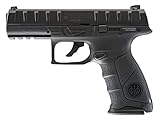
Umarex Beretta APX .177 BB Air Pistol Review
A rushed plinking session can feel flat if the pistol lacks weight, feedback, or a sensible loading rhythm. The umarex strike point 177 search often reflects a need for manageable practice, yet the Umarex Beretta APX .177 BB Air Pistol takes a quicker, more tactile route with blowback action, a 20-shot magazine, and CO2 power. Its metal slide and polymer frame create a practical balance between realistic movement and manageable handling. That mix has real appeal, though the fixed sights, steel BB ammunition, and gas consumption set clear limits.
Umarex Beretta APX BB Air Pistol
The Beretta APX design feels substantial without becoming awkwardly heavy. A metal slide adds weight above the hand, while the polymer frame keeps the whole pistol from feeling overly dense during longer practice strings. That balance helps the muzzle settle naturally before each trigger press. It also gives the blowback cycle enough presence to feel noticeable without pretending to duplicate live-fire recoil.
The exterior follows a modern duty-pistol shape rather than a slim target-gun profile. Deep slide contours and a broad frame give the APX a purposeful look, while the grip provides enough surface for a steady two-handed hold. Smaller hands may need time to adjust to the overall width, but the shape supports consistent placement once the grip is established. Stable ergonomics matter more here than compact dimensions.
The black finish keeps the pistol visually restrained and suits the practical character of the platform. Regular handling can still leave marks around the slide, magazine area, and controls, so careful storage has value. A soft cloth after use removes fingerprints and moisture without turning maintenance into a drawn-out chore. Simple exterior care helps preserve both the finish and the smooth feel of the moving parts.
Blowback Action And Shooting Feel
Blowback gives the pistol much of its personality. Each shot moves the slide rearward, adding a brief mechanical pulse that makes target practice feel more involved than shooting a fixed-slide BB pistol. The motion also forces the eyes to pick up the sights again before the next shot. Sight recovery becomes part of the rhythm rather than an afterthought.
The metal slide makes that movement more noticeable, but it also asks more from the CO2 cartridge. Gas must launch the BB and cycle the slide, so the pistol generally sacrifices some efficiency for realism. Rapid firing cools the cartridge faster and may soften the blowback response as the string continues. Mechanical feedback is the reward, while reduced gas economy is the tradeoff.
A steady pace brings out the best behavior. Short pauses between groups allow the cartridge to recover, help the slide cycle more consistently, and keep the shooter from rushing the trigger. Emptying all 20 rounds in a blur may sound entertaining, but it usually produces wider groups and quicker pressure loss. Controlled cadence turns the APX into a more useful practice tool.
Twenty-Shot Capacity And Loading
The 20-shot capacity gives the APX a generous shooting window before reloading. That amount works well for divided drills, such as four groups of five shots or several short target transitions. Reloads happen often enough to create a natural pause without constantly breaking concentration. The capacity feels practical rather than excessive.
Steel BBs are convenient, but they can become a nuisance on a cluttered bench. They roll easily, collect dirt, and disappear into floor cracks faster than anyone expects. A shallow tray or clean loading surface keeps the ammunition under control and reduces the chance of grit entering the magazine. Clean loading habits help prevent feeding problems later.
The magazine deserves careful handling because a drop onto concrete can damage more than the finish. Feed lips, seals, or the outer body may take the impact, and those parts matter to smooth operation. A controlled removal and insertion routine is faster in the long run than replacing damaged hardware. Magazine care protects both reliability and the pace of each session.
CO2 Power And Temperature Effects
A single 12-gram CO2 cartridge powers the pistol, though the cartridge isn’t included. That setup keeps the shooting sequence simple because there’s no pumping between shots and no external charging equipment to manage. The pistol is ready for repeated fire once the cartridge and magazine are installed correctly. CO2 convenience makes short practice sessions easier to start.
The listed velocity reaches up to 395 FPS with .177 caliber steel BBs. Actual performance can vary with temperature, cartridge pressure, firing speed, and ammunition fit, so the maximum figure shouldn’t be treated as a constant. Cold conditions usually reduce pressure, while fast strings chill the cartridge even further. That behavior is normal for CO2 systems rather than a unique flaw in the APX.
Long-term storage deserves a sensible routine. Leaving a pierced cartridge under pressure may strain seals or allow a slow leak, depending on the manufacturer’s guidance. Removing the cartridge after use and applying only approved airgun lubricant where directed is the safer approach. Seal protection matters more than experimenting with household oils.
Sights And Practical Accuracy
The low-profile 3-dot sights give the pistol a familiar aiming picture without adding bulky adjustment hardware. The dots are quick to align at common plinking distances, especially under even lighting. Fixed sights keep the setup clean, but they don’t offer mechanical correction if the pistol consistently prints away from the aiming point. That limitation favors practical grouping over precision tuning.
Steel BB ammunition also shapes expectations. A smoothbore BB pistol is built for recreational accuracy, not tiny pellet groups at extended ranges. Consistent grip, trigger control, and distance have a much larger effect than chasing minute changes in aim. Repeatable center-area hits are a fair benchmark for this platform.
The moving slide adds another variable during follow-up shots. A loose grip may let the pistol shift too much, while excessive tension can pull the muzzle off line before the shot breaks. Firm, repeatable pressure usually produces the cleanest recovery. Balanced grip control helps the sights return without fighting the blowback cycle.
Picatinny Rail And Accessory Use
An integrated Picatinny rail sits beneath the front of the frame. It gives the pistol room for compatible lights or lasers without requiring permanent modifications. That flexibility can support different practice setups, though any accessory should fit the available rail space and remain secure during slide movement. Added hardware can also change the balance noticeably.
A compact light may add useful weight near the muzzle, while a larger accessory can make the pistol feel front-heavy. That shift isn’t automatically bad, but it changes how quickly the sights settle and how the support hand manages the frame. Keeping the pistol bare preserves its original handling. Accessory flexibility is helpful precisely because it remains optional.
Optics and mounting discussions sometimes branch into unrelated firearm platforms, and a neutral example appears in cva wolf scope mounts, where receiver fit and mounting stability involve a very different setup. The APX rail is intended for compact under-barrel accessories rather than rifle scopes. Correct accessory matching prevents frustration and protects the rail from poor-fitting hardware.
Strengths In Everyday Practice
The APX succeeds by combining several features that support the same kind of experience. Blowback movement, a metal slide, semi-auto operation, and a 20-shot capacity all encourage active short-range practice. None of those features feels tacked on. Coherent design gives the pistol more character than a basic fixed-slide plinker.
The polymer frame also makes sense beside the metal upper. It keeps the overall weight manageable while still allowing the slide to provide realistic movement. That balance reduces wrist fatigue compared with an all-metal replica of similar size. Mixed-material construction supports both durability and comfort.
The 3-dot sights and Picatinny rail add practical value without complicating the controls. Factory sights keep the pistol ready for immediate use, while the rail leaves room for later experimentation. The owner can keep the setup simple or tailor it slightly to a specific range environment. Useful flexibility comes without forcing extra equipment.
Weaknesses And Realistic Limits
CO2 consumption is the most obvious compromise. Cycling a metal slide uses gas that a fixed-slide pistol could devote entirely to propulsion. That means the engaging action may produce fewer consistent shots per cartridge than a simpler design. Blowback realism carries an ongoing operating cost.
Fixed sights limit fine adjustment. A consistent offset may require a modified hold rather than a mechanical correction, which can frustrate anyone expecting target-pistol tuning. The sight system is better suited to quick alignment than detailed zeroing. Limited sight adjustment keeps the pistol simple but narrows its precision role.
Steel BBs require careful target selection because hard surfaces can send them back toward the firing line. Rocks, bare metal, glass, and brittle objects create unnecessary risk. A purpose-built trap, suitable backstop, and eye protection belong in every session. Ricochet control matters as much as trigger discipline.
Where The Beretta APX Fits Best
Short-range paper practice suits the APX naturally. The 20-shot capacity supports repeated strings, while the blowback action keeps each trigger press from feeling flat. Even lighting helps the 3-dot sights remain easy to track. Close-distance repetition lines up well with the pistol’s strengths.
Casual plinking also makes sense if the targets are designed for steel BBs. Paper faces, soft-catching traps, and approved reactive targets reduce rebounds and simplify cleanup. Random household objects usually create more mess than enjoyment. Responsible target choice keeps the session relaxed and predictable.
The Beretta APX .177 BB Air Pistol makes the most sense where realistic slide movement, generous capacity, and straightforward semi-auto shooting matter more than maximum gas efficiency or adjustable precision. Its metal slide gives the action useful weight, while the polymer frame keeps handling manageable. The fixed sights and CO2 dependence set boundaries, but those limits are easy to understand. Honest expectations make the pistol’s strengths much easier to appreciate.
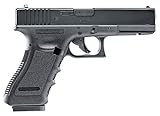
Umarex GLOCK 17 Gen3 Blowback Air Pistol
A replica can look convincing and still feel dull once the trigger starts moving. That’s where the umarex strike point 177 search branches into a very different shooting experience, because this GLOCK 17 Gen3 model uses realistic blowback action, a full metal slide, and an 18-shot magazine to keep each string lively. The pistol is built around short-range steel BB practice rather than slow single-shot precision. Its strongest appeal is the combination of recognizable controls, substantial handling, and quick semi-auto follow-up shots.
GLOCK 17 Gen3 BB Pistol
The full metal slide gives this pistol a more convincing balance than a lightweight fixed-slide design. Each shot cycles the slide, adding movement that forces the sights to leave and return to the target. That pulse doesn’t imitate live-fire recoil exactly, but it makes practice feel less flat. More importantly, it exposes a loose grip or rushed trigger press almost immediately.
Officially licensed Glock markings add recognizable detail without changing the underlying performance. The frame shape, fixed Glock-style sights, and realistic controls create a familiar duty-pistol layout that feels purposeful rather than decorative. Still, the air pistol should be judged on its own mechanics instead of treated as a one-for-one firearm substitute. Replica realism is useful for handling familiarity, not for duplicating recoil or live-fire behavior.
The full-size grip gives both hands plenty of surface area during repeated shooting. Larger hands may appreciate the room, while smaller hands could find the frame broad after several magazines. That’s the rub: stable ergonomics and compact handling rarely arrive together. This model favors a planted two-handed hold over a small, lightweight feel.
Blowback Action And Shooting Pace
Blowback is the feature that gives the pistol its character. The moving slide turns every trigger press into a short mechanical cycle, and that makes sight recovery part of the experience. A shooter who squeezes the frame too hard may pull the muzzle off line, while a weak grip can make the movement feel sloppy. Consistent grip pressure keeps the action lively without letting the pistol wander.
The same moving slide also consumes CO2. Gas has to propel the BB and drive the metal upper rearward, so this setup won’t stretch a cartridge as far as a simpler fixed-slide pistol. That tradeoff is unavoidable. Realistic movement costs energy, and anyone focused purely on efficiency may prefer a less animated design.
Rapid firing cools a CO2 cartridge quickly. As the cartridge chills, slide movement can soften and shot consistency may decline until the system warms again. Short pauses between strings help, especially during cooler weather. A steady rhythm usually produces better groups and a more predictable blowback cycle than racing through all 18 rounds.
Magazine Capacity And Reloading
The 18-shot drop-out metal magazine gives the pistol enough capacity for several focused strings before reloading. Three groups of six shots create a simple practice structure, while shorter pairs or triples work well for sight recovery drills. The capacity keeps the session moving without making reloads rare. Those natural pauses also give the CO2 system a chance to recover.
A metal magazine feels more substantial than a narrow plastic BB stick. It’s easier to grasp during insertion and removal, and its weight adds to the realistic handling. Careless drops are another story, because concrete can damage the body, feed area, or sealing components. Magazine durability doesn’t mean the part should be treated roughly.
Steel BBs are convenient, but they roll everywhere and pick up grit faster than expected. A shallow loading tray keeps them contained and reduces the chance of dirt entering the magazine. Clean ammunition supports smoother feeding and fewer interruptions. That small habit makes a noticeable difference during repeated 18-shot strings.
Velocity And Practical Accuracy
The pistol shoots .177 caliber steel BBs at up to 365 FPS. That figure is a stated maximum, not a promise that every shot will match it, because temperature, cartridge condition, firing speed, and BB fit can affect output. The number places the pistol squarely in the recreational practice category. It has enough speed for paper targets and suitable BB traps without pretending to be a long-range hunting platform.
Fixed Glock-style sights keep the aiming picture simple. There’s no rear adjustment to correct a consistent offset, so learning the pistol’s natural point of impact may take a little patience. A repeatable hold matters more than chasing every stray shot. Practical accuracy here means dependable short-range groups, not tiny pellet-pistol clusters.
Steel BBs also impose clear safety limits. Hard surfaces such as rocks, glass, exposed metal, and brittle plastic can send a BB back toward the firing line. A purpose-built trap, secure backstop, and eye protection belong in every setup. Ricochet control matters more than squeezing a little extra distance from the pistol.
Controls, Sights, And Holster Fit
The realistic controls help the pistol feel coherent in the hand. Familiar placement supports basic manipulation without adding unnecessary switches or unusual levers. Even so, airgun controls and firearm controls shouldn’t be treated as identical in purpose or behavior. Handling familiarity is useful, but it needs to stay grounded in the pistol’s actual design.
The fixed sights are low maintenance and quick to read at common practice distances. They won’t loosen through repeated adjustment because there’s nothing to tune. On the flip side, a persistent left, right, high, or low group has to be managed through hold or technique rather than mechanical correction. Simple sights reduce fuss while limiting customization.
The pistol is stated to fit most aftermarket duty holsters, which broadens storage and handling options. “Most” still leaves room for variation because retention systems, molding, attached accessories, and generation-specific dimensions can affect compatibility. A rigid duty holster may fit differently from a soft universal model. Holster fit is a useful benefit, but it shouldn’t be assumed without checking the individual design.
CO2 Use And Routine Care
A 12-gram CO2 cartridge powers the pistol, and the cartridge isn’t included. Once installed correctly, the system supports repeated semi-auto fire without pumping or external charging gear. That simplicity makes short practice sessions easy to start. The catch is obvious: CO2 cartridges become an ongoing supply cost.
Temperature has a real effect on performance. Cold air reduces pressure, and rapid shooting cools the cartridge even further. A pistol that feels crisp at the beginning of a session may cycle more softly after a fast magazine. Temperature sensitivity is normal for CO2-powered airguns, not evidence of a defect by itself.
Storage habits can influence seal life. Leaving a pierced cartridge installed for extended periods may keep pressure on internal components, depending on the manufacturer’s instructions. Removing it after use and applying only approved airgun lubricant where directed is the safer routine. Seal care is simple, while random household oils can create expensive problems.
Strengths That Matter
The strongest part of this model is how well the major features work together. The full metal slide gives the blowback action useful weight, the 18-shot magazine supports a steady pace, and the licensed controls make the handling feel connected rather than pieced together. Nothing seems added merely to pad a specification list. Unified replica design gives the pistol a clear identity.
The full-size frame also supports repeatable two-handed shooting. More grip surface helps the support hand settle into the same position across several magazines. That can reduce unnecessary movement and make sight recovery easier. Stable handling matters more during blowback shooting than it does with a motionless lightweight slide.
Official markings and familiar styling add enjoyment without needing exaggerated claims. They don’t increase velocity, reduce gas use, or guarantee tighter groups. They simply make the pistol feel less generic and more recognizable. Licensed Glock details add ownership appeal rather than ballistic advantage.
Weaknesses And Tradeoffs
CO2 consumption is the most obvious drawback. Cycling a metal slide uses gas that a fixed-slide pistol could save for additional shots. The more active experience therefore comes with lower efficiency. Blowback realism and maximum cartridge life don’t go hand in hand.
The fixed sights create another limit. A consistent offset can be managed through a modified hold, but that solution isn’t as satisfying as adjusting a rear sight. The pistol suits practical target work better than fine precision tuning. Limited sight adjustment keeps operation simple while narrowing its role.
Weight can become tiring during long unsupported sessions. The metal slide feels substantial at first, yet wrist fatigue may gradually loosen the grip and spread groups. Shorter drills usually produce better results than pushing through poor form. Substantial construction is a benefit until endurance becomes the weak link.
Where This Pistol Fits
Short-range paper practice suits the GLOCK 17 Gen3 naturally. The blowback action keeps each shot engaging, while the magazine capacity supports several controlled strings before a reload. Bright, even lighting helps the fixed sights remain easy to track. Close-range repetition plays directly to the pistol’s strengths.
Controlled handling drills also make sense within the limits of an air pistol. Grip rebuilding, sight alignment, magazine changes, and trigger pacing can be repeated without pretending the experience duplicates live fire. The value comes from repetition and familiarity rather than exact simulation. Partial training realism is useful as long as expectations remain honest.
Hunting-oriented air rifles serve a very different role, and that distinction is reflected in air rifles for city hunting, where power, accuracy, local rules, and appropriate quarry become central considerations. This GLOCK 17 Gen3 belongs with controlled recreational BB practice instead. Its 18-shot capacity, metal magazine, and blowback action favor an active range rhythm rather than field use.
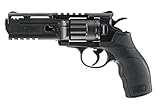
Umarex Brodax .177 BB Revolver
Long loading rituals can drain the fun from a short plinking session before the first target even has a hole in it. The umarex strike point 177 search may begin with a single-shot pneumatic pistol in mind, but the Umarex Brodax takes a quicker revolver-style path with a 10-shot capacity, CO2 power, and steel BB ammunition. Its bold frame, integrated accessory mounts, and straightforward operation favor casual target shooting without pretending to be a precision competition pistol. The result is a distinctive airgun with fast follow-up shots, practical customization, and a few compromises that become obvious once the novelty settles down.
Umarex Brodax BB Revolver
The Brodax doesn’t look shy, and that’s part of its appeal. Its oversized revolver-inspired profile gives the pistol a strong visual presence, while the polymer frame prevents all that bulk from becoming unnecessarily heavy. Metal internal parts add substance where the operating mechanism needs it. The combination creates durable everyday handling without the wrist fatigue that a similarly sized all-metal frame might cause.
A 10-shot rotary system keeps the shooting pace brisk enough for plinking while still requiring deliberate reloads. Ten rounds work neatly for basic target scoring because each loaded cycle can represent a complete group. That structure is useful for spotting changes in grip or trigger control without counting loose shots halfway through a string. Ten-shot consistency makes practice easier to organize than a random spray of BBs.
The broad body may feel comfortable in larger hands, though the size can surprise anyone expecting a compact revolver. Reaching the trigger and maintaining an even grip may require adjustment for shorter fingers. That doesn’t make the design poor, but it does mean the Brodax won’t fit every hand equally well. Bold ergonomics bring visual character at the cost of universal comfort.
CO2 Power And Shooting Rhythm
A single 12-gram CO2 cartridge powers the pistol, and the cartridge isn’t included. Once installed properly, the gas system allows repeated shots without pumping, cocking a pneumatic arm, or connecting an external air source. That makes the Brodax easy to use during quick backyard or indoor-range sessions. Simple CO2 operation removes physical effort between shots but creates a recurring cartridge expense.
The revolver shoots .177 caliber steel BBs at up to 375 FPS. That stated maximum can vary with cartridge pressure, ambient temperature, firing speed, and ammunition fit. A fresh cartridge in mild conditions may feel sharper than one used rapidly on a cold day. The pistol’s power belongs in short-range recreational shooting rather than long-distance precision work.
Rapid strings can chill the CO2 cartridge and lower internal pressure. The pistol may begin a session with a crisp response, then soften after several hurried shots as the cartridge cools. A brief pause between groups helps the system recover and often produces more predictable behavior. Measured shot pacing makes better use of the gas than racing through every loaded BB.
Storage habits also affect the ownership experience. Leaving a pierced cartridge installed for long periods may keep pressure on the seals, depending on the guidance in the manual. Removing it after the session and using only approved airgun lubricant where instructed is the cautious route. Basic seal care can prevent a small convenience from becoming an annoying leak.
Ten-Shot Loading And Practical Use
The 10-shot design sits in a useful middle ground. It carries enough ammunition for a satisfying target string without turning reloading into a rare event. Those reload breaks encourage a quick target check, a grip reset, and a moment for the CO2 cartridge to warm. Natural practice intervals help keep the session controlled instead of rushed.
Steel BBs are convenient, inexpensive to manage, and frustratingly good at rolling off tables. A shallow tray or loading cloth keeps them from disappearing across the floor and prevents dirt from entering the pistol. Dirty ammunition can bring grit into the rotating mechanism, where smooth operation matters. Clean BB handling is an easy habit with a practical payoff.
The rotary loading routine also slows the shooter just enough to encourage attention. Rather than firing endlessly from a large magazine, each group begins with a clear set of ten shots. That makes it easier to evaluate whether a different hold or trigger technique actually improved the group. Structured reloads add more value than raw capacity alone.
Frame Construction And Balance
The durable polymer frame keeps the Brodax manageable despite its large outline. Polymer won’t provide the cold, dense feel of an all-metal revolver body, but it reduces weight and makes extended unsupported shooting less tiring. The metal internal components support the working parts without burdening the entire frame. Mixed-material construction creates a practical balance between substance and comfort.
The pistol’s size can steady the sight picture because there’s enough frame to support a firm two-handed hold. Its visual bulk doesn’t automatically translate into awkward balance, particularly once the support hand settles around the front of the grip. Still, smaller hands may feel stretched during longer strings. Stable two-handed control depends on hand fit more than appearance suggests.
Polymer surfaces also tolerate routine handling without demanding constant polishing. Dust, fingerprints, and residue can usually be removed with a soft cloth after shooting. The metal internals still need protection from moisture, so dry storage remains important. Low-fuss maintenance suits an air pistol intended for regular recreational use.
Accessory Rails And Setup Options
Integrated Picatinny accessory mounts give the Brodax more flexibility than its basic fixed-sight arrangement might suggest. Compatible optics, lasers, or lights can be mounted without modifying the frame. That opens the door to different target setups, particularly where lighting or sight visibility creates frustration. Built-in mounting space lets the pistol adapt without forcing an accessory purchase.
Added equipment changes the balance, though, and not always for the better. A compact laser may keep the pistol manageable, while a bulky optic or light can make the front feel awkward and cluttered. Weight distribution matters on a large-frame air pistol because extra hardware can magnify wrist fatigue. Accessory restraint often produces a cleaner setup than filling every rail simply because it’s available.
Mount compatibility deserves a careful look before installation. Picatinny-style mounting provides a common interface, yet accessory length, screw position, and available clearance still vary. A poorly fitted part may shift under use or interfere with a comfortable support-hand position. Secure accessory fit matters more than adding equipment for appearance.
Optics discussions can drift toward equipment intended for far more powerful hunting platforms, and that distinction appears in air rifles for whitetail deer, where energy, accuracy, legal requirements, and ethical range carry much greater weight. The Brodax rail serves short-range recreational customization instead. Keeping those roles separate prevents the accessory system from creating unrealistic expectations. Purpose-matched equipment keeps the pistol useful rather than overbuilt.
Accuracy And Realistic Expectations
The Brodax is better viewed as a plinking revolver than a precision target pistol. Steel BBs, CO2 power, and a 10-shot action favor casual grouping at sensible distances. A clean trigger press and consistent grip can improve results, but the platform isn’t designed to produce tiny pellet-gun clusters. Practical short-range accuracy is the fair standard.
The large frame may help steady the muzzle, yet trigger technique still decides where the shot lands. Pulling sideways or tightening the whole hand during the press can drag a BB away from the center. Slow practice exposes those errors more clearly than rapid firing. Trigger discipline matters even on a pistol built primarily for fun.
Target material deserves equal attention because steel BBs can ricochet from hard surfaces. Rocks, exposed metal, glass, and brittle plastic have no place in a responsible setup. A purpose-built BB trap, dependable backstop, and eye protection should be present before the cartridge is pierced. Ricochet prevention is a core part of practical accuracy because safe containment defines where shooting can happen.
Strengths That Give It Character
The Brodax stands out through its unusual combination of revolver styling and modern accessory rails. Plenty of BB pistols choose either a traditional look or a tactical layout, while this model blends both. That visual identity won’t tighten groups, but it does make the pistol feel less generic. Distinctive revolver styling adds enjoyment without relying on false performance claims.
The 10-shot action also suits casual practice nicely. It offers more continuity than a single-shot pistol while avoiding the temptation to burn through a large magazine without thinking. Each reload creates a sensible pause in the routine. Balanced shot capacity supports enjoyment and basic skill work at the same time.
Accessory mounts add useful flexibility for changing light conditions or personal sight preferences. A laser can provide a visible aiming reference, while a compact optic may help where the standard sight picture feels difficult to read. None of those additions fixes poor trigger control, of course. Flexible setup choices help solve visibility problems rather than replace technique.
The polymer construction keeps the oversized design from becoming a burden. That matters during sessions where the pistol remains at arm’s length for repeated groups. Less weight can reduce fatigue and preserve steadier form near the end of practice. Manageable frame weight turns the bold shape into something more usable than it first appears.
Weaknesses And Practical Tradeoffs
CO2 dependence is the first limitation. Cartridges cost money, react to temperature, and can interrupt a session once pressure falls. A multi-pump pistol avoids that supply issue but requires physical effort before each shot. Convenience versus operating cost is the basic tradeoff behind the Brodax.
The large frame won’t suit every hand or storage case. Its aggressive profile looks striking, yet the same bulk can feel clumsy to anyone who prefers compact pistols. A broad grip may also make trigger reach less natural for shorter fingers. Oversized ergonomics provide presence while limiting universal fit.
Steel BB ammunition sets another boundary. BBs load easily and suit casual plinking, but they generally can’t match the accuracy potential of quality pellets fired through a purpose-built rifled barrel. Their tendency to rebound from hard targets also narrows safe target choices. Ammunition limitations keep the Brodax centered on controlled recreational use.
Where The Brodax Makes Sense
Paper targets at modest distances bring out the pistol’s strengths without asking it to perform outside its design. The 10-shot system supports complete groups, and CO2 power keeps the firing sequence smooth. Even lighting and a secure trap make the session easier to manage. Short-range paper practice is the Brodax at its most sensible.
Casual plinking also fits, provided the targets are approved for steel BBs. Soft-catching traps and paper faces reduce noise, simplify cleanup, and limit rebound risk. Hard cans, rocks, and random household objects create more trouble than they’re worth. Responsible target selection keeps a laid-back afternoon from turning into a safety problem.
The Umarex Brodax .177 BB Revolver fits situations where a bold design, 10-shot capacity, and easy accessory mounting matter more than compact dimensions or pellet-level precision. Its polymer frame keeps the large body manageable, while the metal internals provide structure where the mechanism needs it. CO2 cost, temperature sensitivity, and BB accuracy remain genuine limitations. The pistol’s value rests in accessible plinking, distinctive handling, and customization that stays grounded in its short-range role.


12 Best 22 Pcp Air Rifle For Hunting of 2026 With Quiet Power

7 Best 22 Pcp Air Rifle Under 300 of 2026 For Backyard Pest Control

10 Best 22 Break Barrel Air Rifles of 2026 For Backyard Pest Control

10 Best 30 Caliber Pcp Air Rifle of 2026 For Medium Game

Top Best 177 Air Rifle Under 100: Budget-Friendly Picks for 2026

How to Safely Reload Shotgun Shells at Home

11 Best Co2 Air Rifle For Pest Control of 2026 To Ensure Humane Dispatch

12 Best Inexpensive Air Rifles of 2026 For Dependable Backyard Accuracy






