
Best Umarex Strike Point Pellet Pistol Guide 2026

The umarex strike point pellet pistol takes a refreshingly simple approach to casual target shooting. Its multi-pump pneumatic system doesn't require CO2 cartridges, batteries, or a separate charging tank, so there’s less gear to buy and fewer supplies to remember. Pumping the forearm between shots creates a slower pace, but that rhythm can make practice feel more deliberate instead of turning every session into a race through ammunition. That tradeoff matters because convenience here comes from independence, not rapid firing.
Variable pumping gives the pistol a useful degree of control. Umarex specifies a working range of three to ten pumps, allowing the shooter to adjust power for different distances, pellet choices, and safe target setups. Lower pump counts reduce effort and may suit short paper-target sessions, while additional pumps increase velocity for longer shots within the pistol’s practical limits. Still, ten pumps before every shot can become tiring, especially during an extended afternoon at the bench.
The single-shot bolt action keeps the loading process straightforward. Pull the bolt back, place one pellet into the breech, close the bolt, operate the safety correctly, and the pistol is ready after pumping. This sequence encourages careful handling and makes each shot feel intentional, though anyone expecting magazine-fed speed will find the process rather slow. Honestly, that slower cycle is either part of the charm or the biggest annoyance, depending on what kind of shooting session sounds enjoyable.
Two caliber versions have been offered, with the .177 model rated up to 650 feet per second and the .22 model rated up to 520 feet per second using lightweight pellets. The slimmer .177 pellet generally suits paper targets and economical plinking, while the wider .22 pellet produces a larger hole and carries more pellet mass. Actual velocity changes with pellet weight, pump count, temperature, seal condition, and shooting technique, so the advertised maximum shouldn't be treated as the speed of every shot. Pellet selection and consistent pumping often matter more than chasing the largest number on the box.
A rifled barrel, fiber-optic front sight, and adjustable rear sight support basic accuracy work. The long pistol body creates a generous sight radius, which can help reveal small aiming errors more clearly than a compact air pistol. At roughly 14 inches long and around 2.6 pounds, however, the Strike Point feels closer to a compact carbine without a shoulder stock than a light handgun. Holding that weight at arm’s length can expose shaky technique pretty quickly, so a rested stance may be more comfortable during longer sessions.
Umarex also builds a three-chamber noise-dampening system into the barrel assembly. It helps soften the report, but the pistol shouldn't be described as silent, and the pump mechanism still creates noticeable mechanical noise. Safe indoor or backyard use depends on local rules, adequate space, eye protection, and a pellet-rated backstop that can contain misses as well as direct hits. A cardboard box alone won't cut it because pellets can pass through thin material and ricochet from hard surfaces.
The polymer-heavy construction helps keep the price and maintenance demands approachable, though it won't satisfy someone craving the dense feel of metal-framed equipment. The grip is ambidextrous, the manual safety is easy to identify, and the absence of disposable gas capsules reduces ongoing supply costs. On the flip side, the pistol isn't built around optics mounting, rapid follow-up shots, or effortless cocking. Simple ownership is its strongest argument, while speed and compactness sit firmly on the compromise list.

- ARS Mark8.6
ARS Mark is a ranking system developed by bestairriflescopes.com. ARS Mark has no relationship or impact from any manufacturers or sales agent websites. Learn more
- BrandUmarex
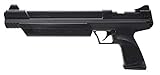
- ARS Mark8.4
ARS Mark is a ranking system developed by bestairriflescopes.com. ARS Mark has no relationship or impact from any manufacturers or sales agent websites. Learn more
- BrandUmarex

- ARS Mark8.4
ARS Mark is a ranking system developed by bestairriflescopes.com. ARS Mark has no relationship or impact from any manufacturers or sales agent websites. Learn more
- BrandUmarex
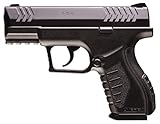
- ARS Mark8.4
ARS Mark is a ranking system developed by bestairriflescopes.com. ARS Mark has no relationship or impact from any manufacturers or sales agent websites. Learn more
- BrandUmarex

- ARS Mark8.4
ARS Mark is a ranking system developed by bestairriflescopes.com. ARS Mark has no relationship or impact from any manufacturers or sales agent websites. Learn more
- BrandUmarex
- ARS Mark8.2
ARS Mark is a ranking system developed by bestairriflescopes.com. ARS Mark has no relationship or impact from any manufacturers or sales agent websites. Learn more
- BrandUmarex

- ARS Mark8.2
ARS Mark is a ranking system developed by bestairriflescopes.com. ARS Mark has no relationship or impact from any manufacturers or sales agent websites. Learn more
- BrandUmarex
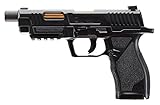
- ARS Mark7.8
ARS Mark is a ranking system developed by bestairriflescopes.com. ARS Mark has no relationship or impact from any manufacturers or sales agent websites. Learn more
- BrandUmarex
Last update on 2026-07-26 / Affiliate links / Images, Product Titles, and Product Highlights from Amazon Product Advertising API
Umarex Strike Point Pellet Pistol Alternative
A slow load-pump-fire routine can sharpen concentration, but it also breaks the flow when the goal is repeated trigger practice. The umarex strike point pellet pistol keeps operation self-contained, while this Beretta takes the opposite approach with CO2 power, an 18-shot magazine, and a cycling slide. That difference changes the pace, feel, maintenance, and ongoing cost of every session. Fast follow-up shots and realistic handling are the main reasons to consider the Beretta M92 A1, not raw power or long-range precision.
Beretta M92 A1 Blowback BB Pistol
The Beretta M92 A1 Blowback BB Pistol is a .177-caliber air pistol designed around movement, weight, and familiar handgun-style controls. Its all-metal construction gives it a substantial feel that lightweight polymer plinkers rarely match. That extra heft can make sight alignment feel steadier during deliberate fire, though the wrist may notice it during longer one-handed strings. Realistic construction is a strength here, but it comes with a genuine comfort tradeoff.
An 18-shot magazine keeps interruptions relatively brief once it has been loaded with steel BBs. There’s no need to place a pellet into the breech and pump the forearm before each shot, so practice can stay focused on grip, sight picture, and trigger rhythm. Reloading still takes patience, especially when small BBs roll across a bench or disappear onto the floor. Magazine-fed operation improves shooting flow without turning the pistol into a maintenance-free tool.
The pistol runs on a single 12-gram CO2 cartridge, and the cartridge isn’t included with the listed package. Installing one creates a ready source of pressure for semi-auto and full-auto shooting, but each cartridge is a consumable that must eventually be replaced. Rapid strings can cool the CO2 system, which may change shot consistency as the session progresses. CO2 convenience removes manual pumping while adding supply costs and temperature sensitivity.
Blowback Action Adds Mechanical Feedback
Blowback action gives the Beretta much of its character. The slide moves with each shot, adding visible and physical feedback that a fixed-slide air pistol can’t reproduce. It won’t duplicate the recoil of a firearm, and it shouldn’t be presented as though it does, but the movement makes the shooting cycle feel more involved. Slide movement rewards a secure grip and makes sloppy handling easier to notice.
The moving slide also uses part of the available CO2. That means realism isn’t free, since gas that cycles the action can’t all be devoted to driving the BB forward. The provided specification lists velocity at up to 310 feet per second, which suits close-range recreational target work rather than ambitious distance shooting. Moderate velocity is a reasonable compromise for a pistol built around blowback operation.
A fixed-slide model may stretch a cartridge further, but it won’t offer the same tactile response. The Beretta’s appeal rests on the mechanical sequence: trigger press, BB discharge, slide movement, and reset. That rhythm can make ordinary paper-target sessions feel less repetitive without relying on inflated performance claims. Mechanical realism is the experience being purchased, not maximum efficiency.
Semi-Auto And Full-Auto Shooting Modes
Semi-auto mode supports controlled strings because one BB fires with each trigger press. The shooter can pause between shots, correct the sight picture, and work on consistent hand placement without manually cocking the action. This mode also makes the 18-shot magazine last longer than a quick burst. Deliberate semi-auto fire is likely the more practical setting for routine practice.
Full-auto mode changes the mood in a hurry. A short burst can empty a noticeable portion of the magazine, and longer bursts consume both BBs and CO2 faster than many first-time owners expect. That speed can be entertaining, no doubt, but it also means more frequent loading and cartridge replacement. Full-auto capability adds variety while magnifying the pistol’s running costs.
Trigger discipline matters in either mode, and the selector deserves careful attention before loading. Full-auto fire shouldn’t become an excuse for careless muzzle control or a weak backstop. Steel BBs can ricochet from hard surfaces, so a pellet-rated or BB-rated trap and eye protection remain basic requirements. Safe handling matters far more than squeezing every bit of excitement from the firing selector.
Metal Build, Fixed Sights, And Rail
The all-metal build gives the pistol a dense, convincing presence. It feels closer to a full-size handgun-shaped training replica than a light backyard plinker, which may help with presentation drills that don’t involve live ammunition. Still, heavier doesn’t automatically mean easier. Substantial weight can steady slow fire yet fatigue smaller hands or unsupported arms.
Fixed front and rear tactical sights keep the aiming system simple. There are no adjustment screws to tune, so the shooter must learn where the pistol naturally prints with the selected BBs and sight picture. That approach is fine for cans, paper circles, and informal grouping at reasonable distances. Fixed sights reduce setup fuss but limit correction when impact and aim don’t line up neatly.
An integrated Weaver rail allows a compatible accessory to be mounted beneath the barrel. A compact light or aiming device can add practical value, though extra weight at the muzzle may disturb the balance that made the pistol comfortable in the first place. Accessories also need secure mounting because blowback movement can expose loose hardware. Rail compatibility expands the setup without guaranteeing that every attachment improves it.
Accuracy And Realistic Expectations
Steel BBs and a blowback action favor practical close-range shooting over tiny pellet groups. A BB pistol can still reward good technique, but its smoothbore-style recreational format shouldn’t be judged by the same standard as a rifled, single-shot pellet pistol. Grip pressure, sight alignment, and trigger control remain important because mechanical realism doesn’t erase basic shooting errors. Close-range accuracy is the sensible expectation.
The listed maximum of 310 feet per second provides context, not a promise that every shot will leave the muzzle at that speed. CO2 temperature, shooting pace, cartridge condition, and remaining pressure can all affect performance. Fast bursts may cool the cartridge more quickly than spaced semi-auto shots. Velocity variation is part of CO2 operation and shouldn’t be mistaken for a mystery defect.
A proper backstop deserves extra thought because round steel BBs can rebound from exposed metal, stone, concrete, and other hard surfaces. Thin cardboard may catch debris, but it isn’t a dependable stopping system on its own. A purpose-built trap with suitable internal material helps control both penetration and bounce-back. Ricochet prevention should shape the shooting area before the first magazine is loaded.
How It Compares With The Strike Point
The Strike Point and Beretta solve opposite problems. A Strike Point avoids disposable gas cartridges and lets the shooter vary power through manual pumping, while the Beretta removes the pumping delay and feeds multiple BBs from one magazine. One slows the process down on purpose; the other keeps the hands on the controls between shots. Operating rhythm is the clearest difference between them.
The Strike Point’s single-shot format can support patient accuracy practice with pellets, especially where ammunition efficiency matters. The Beretta favors quicker strings, realistic slide movement, and handgun-style manipulation. Neither approach is automatically better because each creates a different kind of session. Pellet precision leans toward the slower pneumatic design, while shooting speed leans toward the CO2 Beretta.
Umarex makes several airgun formats, and the distinctions become clearer through this neutral reference to Umarex BB rifle options. A shoulder-fired rifle changes stability, sight radius, weight distribution, and practical distance compared with this blowback pistol. Brand similarity doesn’t erase those platform differences. Airgun format should be matched to the intended shooting routine rather than chosen by name alone.
Ownership Costs And Maintenance
CO2 cartridges create an ongoing expense that manual pneumatic pistols avoid. Semi-auto shooting can keep consumption reasonable, while frequent full-auto bursts shorten the time between cartridge changes. Steel BBs are often simple to handle in bulk, but the 18-shot magazine encourages rapid use. Consumable costs rise with shooting speed, not merely with the number of sessions.
Leaving a pierced CO2 cartridge installed during long storage may place unnecessary pressure on the seals. Removing the cartridge after the session and following the manufacturer’s lubrication guidance can help preserve reliable operation. Household oils shouldn’t be substituted casually because some products can damage airgun seals. Seal care is simple, but neglect tends to appear later as leaks or inconsistent cycling.
The moving slide introduces more contact between parts than a fixed-action pistol. Normal finish wear may appear around rails, controls, or other moving surfaces, especially after repeated use. Careful cleaning and padded storage can reduce avoidable scratches without pretending the pistol will remain cosmetically untouched forever. Finish wear is a realistic consequence of metal construction and blowback movement.
Strengths And Limitations In Daily Use
The strongest combination is easy to identify: 18-shot capacity, all-metal construction, blowback action, and selectable semi-auto or full-auto fire. Those features create a lively target session with fewer pauses than a single-shot pump pistol. The fixed sights require little setup, and the rail leaves room for a compatible accessory. This design feels most convincing during short, structured practice rather than slow bench-rest shooting.
The limitations are equally clear. CO2 isn’t included, rapid fire uses gas quickly, fixed sights can’t be tuned, and steel BBs require a carefully chosen backstop. The pistol’s weight may also become tiring during extended unsupported shooting. Running cost, limited sight adjustment, and ricochet risk deserve as much attention as the firing modes.
The Beretta makes sense when repeated trigger presses, realistic slide movement, and magazine-fed convenience matter more than self-contained power. The Strike Point remains better aligned with slower pellet shooting and freedom from CO2 cartridges. A buyer expecting match-style precision or low-cost endless full-auto sessions may come away disappointed. Realistic expectations reveal the Beretta’s value more clearly than exaggerated promises ever could.
Umarex Strikepoint .22 Air Pistol
Dragging cartridges, tanks, or charging gear into a casual shooting session can turn a simple plan into a small equipment checklist. The umarex strike point pellet pistol avoids that clutter with a self-contained multi-pump pneumatic system that works with three to ten pumps. Power comes from physical effort rather than a disposable gas source, so every shot requires a little patience. That slower routine won’t suit rapid plinking, but variable power gives the pistol a practical identity that goes beyond firing pellets at one fixed output.
Strikepoint .22 Multi-Pump Pistol
The shortened name gets straight to the point: this is a single-shot .22-caliber pellet pistol with a bolt action and manually controlled pressure. The loading cycle is deliberate, since each shot requires opening the bolt, inserting a pellet, closing the action, and pumping the forearm. That sequence leaves little room for mindless ammunition dumping, which can help keep attention on stance and sight alignment. Single-shot operation is either a welcome reset between shots or a noticeable slowdown, depending on the pace expected at the target line.
Three pumps provide the lower end of the usable range, while ten pumps produce the highest stated output. That spread lets the shooter tailor effort and energy to the distance, target material, and shooting environment instead of running at maximum power every time. Short paper-target sessions may not need ten full strokes, and stopping earlier saves time as well as arm fatigue. Pump-count control is the central benefit, though consistency depends on repeating the same number and quality of strokes.
The .22-caliber format gives this version a different character from a smaller .177 pellet pistol. Wider pellets make larger, easier-to-see holes in paper and carry more mass, but they may cost more per tin and follow a more curved path as distance increases. The supplied specification lists speeds of up to 520 feet per second, not a guaranteed velocity for every pellet or pump count. Caliber choice favors visible target impact and measured shooting rather than flat-shooting speed alone.
Variable Power Without CO2
A multi-pump system puts the energy decision directly into the loading routine. Fewer pumps reduce preparation time and physical effort, while additional pumps increase the stored air used to launch the pellet. That sounds straightforward, yet the real benefit appears during mixed-distance practice where one fixed power level can feel wasteful or excessive. Adjustable energy output lets the pistol adapt without valves, cartridges, or electronic controls.
CO2-free operation also removes one recurring supply from the range bag. There’s no cartridge to pierce, no half-used cylinder to manage after shooting, and no pressure loss caused by rapid CO2 cooling. The tradeoff lands squarely on the shooter’s arms because every bit of operating pressure must be created manually. Self-contained power saves consumables, but it doesn’t save effort.
Pumping ten times for every shot can become tiring during a long session, particularly while standing or trying to maintain a steady rhythm. Bench shooting makes the process easier because the pistol can be controlled against a stable surface while the forearm is worked. A shorter session with carefully placed shots often fits this platform better than hundreds of hurried rounds. Physical workload should be treated as part of the design, not an unexpected flaw after purchase.
SilencAir Dampening And Backyard Manners
The permanently attached five-chamber SilencAir dampener is designed to reduce downrange noise. It gives the muzzle assembly a long, distinctive profile while softening the report compared with an undampened barrel of similar output. Quiet doesn’t mean silent, though, because pumping, bolt movement, pellet impact, and mechanical handling still create audible sound. Sound reduction can make practice less disruptive without making the pistol invisible to nearby ears.
A built-in dampener is convenient because there’s nothing separate to install, align, or misplace. Its permanent attachment also means the pistol’s overall length and front-heavy appearance can’t be reduced for storage or handling. Some hands may appreciate the added forward mass because it settles movement, while others may notice fatigue during unsupported aiming. Permanent sound moderation brings both convenience and a fixed handling compromise.
Target noise can easily exceed the muzzle report if pellets strike thin metal, loose boards, or hard surfaces. A properly designed pellet trap with suitable internal material helps contain shots and avoids the sharp ringing that ruins an otherwise calm backyard session. Local rules, safe distances, eye protection, and a reliable backstop still apply even when the airgun sounds restrained. Responsible noise control starts with the whole shooting setup, not just the dampener.
Fiber Optic Sights And Practical Accuracy
Fiber optic sights help the aiming points stand out against many common target backgrounds. Bright reference dots can be quicker to acquire than plain black sights, especially under uneven outdoor light where a dark front post tends to disappear. They don’t correct poor trigger control or an unstable grip, but they reduce the time spent hunting for the sight picture. Fast sight visibility makes the pistol easier to settle on larger paper targets and simple reactive marks.
The bolt-action, single-shot layout supports a calm accuracy routine. Each loading and pumping cycle naturally separates one shot from the next, giving the shooter time to review grip pressure and alignment before firing again. Pellet choice can still influence grouping because different weights and skirt designs may interact differently with the barrel. Repeatable technique and a consistent pump count matter more than chasing the highest velocity printed in the specifications.
The long pistol profile may feel steadier from a rest than at full arm extension. At closer distances, the .22 pellet’s larger hole makes group movement easy to read without pretending the platform is built for match competition. Longer shots demand more attention to pellet drop, wind, and the limits of a pistol-length system. Realistic accuracy expectations keep the Strikepoint enjoyable rather than turning every loose group into a mystery.
All-Weather Frame And Field Handling
The durable all-weather frame is built for practical handling rather than polished display-case appeal. Polymer construction helps resist the worry associated with small scratches, damp benches, and routine outdoor use, though metal components still deserve cleaning and dry storage. The frame also keeps the pistol from carrying the dense weight of an all-metal replica. Weather-resistant construction reduces fuss, but it doesn’t eliminate ordinary maintenance.
Grip comfort matters because the pistol must be controlled through repeated pumping as well as firing. A grip that feels fine for one shot can become less agreeable after dozens of pump cycles, particularly if the hand shifts while operating the forearm. Gloves may improve traction in cold weather, though bulky material can interfere with trigger feel and safety manipulation. Handling comfort depends on the entire loading cycle, not only the moment the trigger breaks.
The extended dampener and pumping mechanism make this a sizable air pistol rather than a compact sidearm-shaped plinker. Storage should account for that length, and a fitted or adequately sized case prevents pressure on the sights and muzzle assembly. The long profile is useful for sight radius and noise moderation, yet it won’t slip neatly into every small range pouch. Storage space is a minor but real detail that product photos can make easy to overlook.
Strengths And Everyday Tradeoffs
The strongest feature is the combination of variable pump power and freedom from CO2 cartridges. Three to ten pumps allow deliberate control over effort and output, while the single-shot action keeps ammunition use measured. The SilencAir system adds another practical layer by reducing the sharpness of the report. Those features work together for unhurried target sessions where control matters more than fast follow-up shots.
The weaknesses are just as plain. Every pellet demands a complete loading and pumping cycle, maximum power requires ten strokes, and the long dampener increases the pistol’s overall size. The .22-caliber pellet also won’t offer the same flat trajectory associated with lighter, faster .177 ammunition. Slow operation and repeated pumping effort are the price paid for adjustable, cartridge-free shooting.
The Strikepoint’s measured pace fits paper targets, pellet-rated traps, and short practice sessions better than rapid-fire drills. Situations involving greater distance, steadier shoulder support, or more demanding pest-control considerations call for a different airgun format, and that broader distinction is discussed through air rifles for varmint hunting. A rifle’s stock, barrel length, stability, and energy potential change the task considerably, so the linked topic should be viewed as a separate reference rather than a promise about this pistol. Platform limits matter, especially where humane shot placement and local regulations carry more weight than convenience.
Maintenance And Long-Term Practicality
The absence of CO2 hardware simplifies part of the ownership routine. There’s no puncture seal to manage after every cartridge, yet the pneumatic seals and pump linkage still require appropriate care. Dirt around the moving forearm or careless use of unsuitable lubricants can shorten reliable service. Simple maintenance means following the manufacturer’s directions, not ignoring the mechanism altogether.
Consistent performance begins with consistent pumping. Full, even strokes help reduce shot-to-shot variation, while rushed partial strokes make the selected pump count less meaningful. Stopping at the recommended maximum is equally important because extra pumping doesn’t create a sensible shortcut to more power and may stress the mechanism. Disciplined operation protects both accuracy and the airgun’s working parts.
The Umarex Strikepoint .22 makes a clear bargain: effort replaces disposable gas, and patience replaces magazine capacity. It won’t satisfy someone who wants quick strings of shots or compact handling, but its adjustable output and built-in sound dampening solve different frustrations. The durable frame and visible sights keep the package practical without burying the experience under complicated controls. Cartridge-free independence remains its defining strength, balanced by a shooting rhythm that refuses to be rushed.
Umarex Trevox .177 Air Pistol
Repeated pumping can wear thin when a short target session turns into an arm workout, yet disposable CO2 cartridges bring their own cost and storage hassle. The umarex strike point pellet pistol tackles that tension with variable multi-pump power, while the Trevox takes a different path through its break-barrel action and TNT gas-piston system. One deliberate cocking stroke prepares each shot, removing the need to count pumps or carry gas cartridges. Simpler shot preparation is the Trevox’s clearest advantage, though the single-shot format still rewards patience rather than speed.
Trevox Break Barrel Pellet Pistol
The Trevox Break Barrel Pellet Pistol is a .177-caliber single-shot airgun built around Umarex’s TNT, or Turbo Nitrogen Technology, power system. Breaking the barrel cocks the mechanism and opens the breech for one pellet, after which the barrel returns to its firing position. The process is straightforward, but it isn’t effortless because the shooter must repeat the full cocking motion before every shot. Gas-piston power removes pump counting without turning the pistol into a rapid-fire platform.
The listed velocity reaches up to 600 feet per second with .177-caliber pellets. That figure describes the stated upper limit rather than the speed of every pellet, since projectile weight and design can influence actual performance. Lighter pellets may approach the advertised maximum more closely, while heavier lead pellets generally trade some speed for additional mass. Practical velocity matters most when it supports predictable short-range grouping rather than chasing a number printed on the package.
The break-barrel layout also keeps the pistol independent of external power supplies. There’s no CO2 cartridge to pierce, no battery to charge, and no compressed-air tank to refill. That independence makes spontaneous plinking less complicated, provided the physical cocking effort feels manageable. Self-contained operation reduces supply planning, but every shot still asks for hands-on work.
TNT Power Changes The Shooting Rhythm
The TNT power system uses a nitrogen-filled gas piston instead of a conventional coiled spring. Umarex describes this setup as smooth and consistent, which fits the practical goal of reducing the rough mechanical feel sometimes associated with basic spring-powered pistols. The shot cycle can still produce movement, though, so a relaxed and repeatable hold remains important. Smoother power delivery helps, but it won’t cover up a clenched grip or rushed trigger press.
A gas piston stays ready without requiring a fresh cartridge before the session begins. Cock, load, close, aim, and fire. That sequence has fewer repeated steps than a three-to-ten-pump pneumatic pistol, although breaking the barrel may demand more force in one motion. One-stroke cocking saves time compared with multiple pumps, while the concentrated effort may be uncomfortable for limited hand or arm strength.
Consistency depends on using the same loading and shooting habits each time. The barrel should return firmly to its locked position, the pellet should sit correctly in the breech, and the grip should remain steady without being rigid. Small differences in hold can shift impact because break-barrel airguns tend to react during the firing cycle. Repeatable technique matters just as much as the nitrogen piston behind the pellet.
SilencAir Dampening Without False Promises
The permanently attached five-chamber SilencAir dampener is designed to reduce downrange noise. Its chambers help soften the muzzle report, making the pistol less sharp-sounding than a similar undampened design might be. Silent it isn’t, and that distinction deserves plain language. Reduced report can make backyard practice less disruptive, but cocking noise and pellet impact remain easy to hear.
The fixed dampener adds noticeable length ahead of the barrel. That extended profile can improve sight radius and settle some muzzle movement, yet it also makes the Trevox feel larger than a compact air pistol. Storage cases, shooting bags, and bench space need to accommodate the permanent assembly. Sound moderation therefore comes with a handling and storage tradeoff that can’t be removed later.
Backstop design often influences perceived noise more than expected. Pellets hitting thin steel, loose wood, or a hard wall can produce a louder crack or ring than the air pistol itself. A purpose-built pellet trap with suitable internal material keeps impact noise under better control and reduces the chance of rebound. Quiet shooting habits depend on the full setup, not merely the device attached to the muzzle.
Adjustable Fiber Optic Sights
Adjustable fiber optic sights are a useful step up from plain fixed sights. Bright sight points stand out against many paper targets and outdoor backgrounds, while rear adjustment allows the point of impact to be corrected within the sight’s available range. That flexibility helps when a preferred pellet groups consistently but lands slightly away from the aiming point. Sight adjustment won’t tighten a poor group, but it can center a sound one.
The longer barrel assembly gives the pistol a generous distance between the front and rear sights. A longer sight radius can make small alignment errors more visible, which is helpful during careful target work. On the flip side, the long frame can magnify hand movement when held at full extension. Visible alignment errors encourage cleaner technique, though a supported stance may feel steadier during extended sessions.
Fiber optic elements work best when enough ambient light reaches them. In dim garages or poorly lit indoor spaces, the dots may appear less vivid than they do outdoors. Strong target lighting and a clear aiming area still matter, especially because the sights don’t create illumination by themselves. Bright sight references improve acquisition under suitable light rather than replacing sensible range lighting.
All-Weather Frame And Everyday Handling
The durable all-weather frame favors practical use over decorative polish. Polymer exterior components are less stressful to handle around damp benches, dusty shooting areas, or changing outdoor conditions, although the metal mechanism still needs responsible cleaning and storage. Weather resistance isn’t permission to leave the pistol wet in a garage. Low-fuss construction reduces cosmetic worry without eliminating maintenance.
Grip and balance deserve attention because this isn’t a small, featherweight plinker. The SilencAir assembly extends forward, and the break-barrel mechanism gives the pistol a substantial working profile. That forward length may help settle the sight picture from a rest, but unsupported aiming can tire the wrist over time. Front-heavy balance can feel stable for one shooter and cumbersome for another.
Cocking technique affects comfort as much as raw strength. Keeping the muzzle controlled, using a stable stance, and moving the barrel through its intended arc can make the motion feel less awkward. Rushing the process invites pinched fingers, poor pellet seating, or careless muzzle direction. Controlled loading is part of safe operation, not dead time between shots.
Close-Range Plinking And Pest-Control Limits
The product description positions the Trevox for close-range plinking and varmint control. Its .177-caliber pellet format and stated velocity provide more purpose than a low-powered BB replica, but responsible pest control requires far more than a velocity claim. Local law, species rules, distance, pellet selection, backstop safety, and humane shot placement all matter. Close-range capability shouldn’t be stretched into a blanket promise for every animal or situation.
Paper targets and pellet-rated reactive targets are easier places to appreciate the pistol’s strengths. The single-shot routine slows ammunition use, adjustable sights support correction, and the break-barrel action keeps the session free from cartridges. Shooters can watch groups develop instead of racing through a magazine. Methodical plinking fits the Trevox better than fast tactical-style drills.
Longer-range pest work often benefits from shoulder support, a steadier sighting system, and the energy reserve of a rifle platform. That broader distinction appears naturally in laser sight setup considerations, though handgun accessory alignment is a separate topic from the Trevox’s fiber optic sight system. The reference is relevant to aiming-device placement and visibility, not evidence that this air pistol accepts or needs the same equipment. Realistic platform limits prevent an interesting specification from becoming an irresponsible expectation.
Trevox Versus The Strike Point
The Trevox and Strike Point approach manual power from opposite directions. The Strike Point uses three to ten pumps to vary output, while the Trevox stores power through one break-barrel cocking stroke. Variable pumping gives the Strike Point more direct control over effort and energy from shot to shot. Simplified cocking favors the Trevox, whereas adjustable pump power remains the Strike Point’s defining advantage.
Caliber separates them as well. This Trevox fires .177 pellets at a stated maximum of 600 feet per second, while the referenced Strike Point model uses .22-caliber pellets and reaches a stated maximum of 520 feet per second. Velocity alone doesn’t settle the issue because pellet diameter, weight, trajectory, and target purpose all shape the result. .177 speed favors a flatter short-range path, while a .22 pellet offers greater diameter and mass.
Both models use a permanently attached five-chamber SilencAir system and durable all-weather construction. The shared features reduce the decision to loading style, caliber preference, sight adjustment, and acceptable physical effort. The Trevox avoids repetitive pumping, but its barrel must be cocked fully for each pellet. The key difference lies in how the shooter wants to work between shots.
Strengths, Weaknesses, And Practical Fit
The Trevox’s strongest combination includes TNT gas-piston power, an adjustable fiber optic sight system, and cartridge-free operation. The single cocking motion creates a cleaner routine than counting several pumps, and the .177 caliber supports economical paper-target practice. Its SilencAir dampener addresses muzzle report without adding a removable accessory to manage. These features suit measured sessions where accuracy habits matter more than magazine capacity.
The weaknesses are easy to spot once the novelty wears off. Every shot requires breaking and closing the barrel, the permanent dampener increases overall length, and the gas-piston cycle may demand a specific hold for consistent groups. Unsupported shooting can also become tiring because of the pistol’s extended front end. Cocking effort, single-shot speed, and balance should carry real weight in the buying decision.
The Trevox won’t satisfy someone expecting rapid follow-up shots, compact storage, or effortless one-handed use. It makes more sense for a deliberate shooting routine where pellets are loaded individually and each result gets a moment of attention. Folks who dislike buying CO2 may appreciate the independence, while anyone sensitive to cocking effort should take the break-barrel mechanism seriously. Practical ownership depends on accepting the work between shots rather than pretending it isn’t there.
Maintenance And Long-Term Use
A gas-piston air pistol still needs care even though it doesn’t use CO2. The breech area should stay clean, pivot points should be maintained according to manufacturer guidance, and only suitable airgun lubricants should be used. Random household oil can harm seals or create performance problems. Correct maintenance is simple enough, but shortcuts can become expensive.
Pellet choice may require some trial within safe, manufacturer-compatible options. Different pellet weights and shapes can group differently, and the fastest pellet isn’t automatically the most accurate one. A stable rest and consistent sight picture make those differences easier to judge without inventing performance claims. Pellet compatibility is best evaluated through careful grouping rather than packaging hype.
The Trevox makes a straightforward bargain. It trades magazine-fed speed and variable pumping for a single-stroke break-barrel routine powered by TNT technology. Adjustable sights, an all-weather frame, and the SilencAir dampener support practical outdoor target use, while the long profile and repeated cocking motion keep expectations grounded. Independent power and measured shooting remain its strongest qualities, provided a slower pace feels like a benefit rather than a burden.
Umarex XBG .177 BB Air Pistol
Long loading pauses can drain the fun from a quick backyard session, especially when every shot demands several pumps and a fresh pellet. The umarex strike point pellet pistol takes that slower, self-powered route, while the XBG relies on CO2 and a 19-shot magazine to keep the pace moving. Its compact polymer frame, drop-free metal magazine, and semi-automatic operation create a noticeably different experience from a single-shot pneumatic pistol. Fast follow-up shots are the XBG’s main advantage, though that convenience depends on cartridges, steel BBs, and realistic expectations about accuracy.
Umarex XBG Compact BB Pistol
The Umarex XBG Compact BB Pistol is built around straightforward recreational shooting rather than replica-level weight or elaborate controls. Its lightweight polymer frame keeps the pistol easy to carry between the bench and target line, while the black finish gives it a clean, practical appearance. A compact design also takes up less room in a range bag than long-barreled pneumatic pistols with permanent sound dampeners. Low carrying weight helps during longer sessions, although some shooters may miss the steadier feel of a heavier metal frame.
A 19-shot capacity allows a useful string of fire before the magazine needs attention. That extra round over many common 18-shot designs won’t change the world, but the broader point is simple: far less time is spent loading between individual shots. The metal magazine drops free from the grip, which gives reloading a familiar and tidy rhythm. Magazine-fed convenience solves the stop-start frustration that often comes with single-shot pellet pistols.
The pistol fires .177-caliber steel BBs rather than lead pellets. BBs are easy to handle and support quick loading, but their round shape and smoothbore-oriented use generally favor short-range plinking over tight pellet-style grouping. Hard surfaces can also send them bouncing back, so a suitable BB trap and eye protection aren’t optional details. Steel BB ammunition keeps operation simple while demanding careful backstop planning.
CO2 Power And Shooting Pace
A single 12-gram CO2 capsule powers the XBG, though the cartridge isn’t included. Once installed and pierced correctly, the capsule supplies pressure for repeated semi-automatic shots without manual pumping or cocking between trigger presses. That’s the big appeal, plain and simple. CO2 operation keeps the pistol ready for a faster rhythm, but every cartridge eventually becomes another consumable to replace.
The provided specification lists muzzle velocity at up to 410 feet per second. Actual speed can shift with cartridge temperature, remaining gas pressure, firing pace, and BB characteristics, so the maximum figure shouldn’t be treated as a fixed result. Rapid shooting may cool the CO2 system and affect consistency before the capsule is empty. Moderate shooting intervals can help the pistol behave more predictably than emptying the magazine as quickly as possible.
Cold weather is another practical consideration because CO2 pressure responds to temperature. A pistol that feels lively on a warm afternoon may act less energetic in chilly conditions, even with a fresh capsule. Storage temperature, outdoor climate, and the speed of the shot string all enter the equation. Temperature sensitivity is a normal CO2 tradeoff rather than evidence that the design has suddenly failed.
Compact Handling Without Extra Bulk
The lightweight frame makes the XBG comfortable to hold at arm’s length. Wrist fatigue builds more slowly than it might with a heavy all-metal replica, which can help during casual paper-target practice. The downside is less natural resistance to small hand movements, so the sights may appear busier if the grip becomes tense. Compact balance favors portability and comfort over the planted feel of a weightier pistol.
Fixed front and rear sights keep the aiming system uncomplicated. There are no adjustment screws to chase, and the sight picture is ready as soon as the pistol is loaded and safely pointed toward the target. Fixed sights also mean the shooter may need to adjust the hold if a particular BB load lands consistently away from the aiming point. Simple sighting reduces setup time but limits fine correction.
The short, uncluttered profile suits storage in a modest case or range pouch. There’s no long pump arm, extended moderator, or break-barrel assembly competing for space. That compactness can be handy where bench area is limited or gear needs to stay organized. Space-saving design is easy to appreciate after wrestling with oversized air pistols that barely fit standard cases.
Picatinny Rail And Accessory Choices
Integrated Picatinny accessory mounts give the XBG room for compatible lights, lasers, or other compact equipment. The rail is molded into the pistol’s lower frame, so there’s no separate adapter to track down before mounting an accessory. Added equipment can improve visibility or aiming reference in an appropriate setup, but it also changes balance. Accessory flexibility is useful only when the attachment serves a clear purpose.
A large light or bulky laser can make a compact pistol feel awkward at the muzzle. Extra weight may slow transitions, interfere with some cases, and defeat part of the reason for choosing a lightweight frame. Small accessories generally preserve the XBG’s handling character better than oversized units. Balanced mounting matters more than filling the rail simply because it’s there.
Accessory compatibility also shouldn’t be assumed from appearance alone. Mount dimensions, control placement, and clearance around the trigger guard all deserve attention before installation. A securely fitted unit should remain stable without obstructing safe operation. Proper fit protects the pistol’s usability and keeps an optional add-on from becoming an annoyance.
Accuracy And Short-Range Expectations
The XBG’s practical lane is close-range recreational shooting. Steel BBs, fixed sights, a lightweight frame, and semi-automatic operation support cans, paper circles, and pellet-rated reactive targets more naturally than tiny precision groups. Good technique still matters because a rushed trigger press can spread shots quickly. Practical accuracy improves once speed stops being the only measure of fun.
The 410-fps specification gives the pistol enough stated speed for ordinary plinking while keeping expectations grounded. Velocity alone doesn’t guarantee tighter groups, greater safety, or better handling. A stable stance and clean sight alignment often matter more on the target than chasing the fastest possible string. Controlled shooting gets more value from the magazine than rapid, careless fire.
BB selection may influence feeding and grouping, even though the ammunition appears simple. Clean, undamaged steel BBs reduce the chance of introducing obvious inconsistencies into the magazine. Reusing BBs collected from a trap can bring dents, dirt, or deformation back into the pistol. Fresh ammunition is a modest expense compared with the trouble caused by feeding questionable BBs.
XBG Versus The Strike Point
The XBG and Strike Point sit at opposite ends of the air-pistol rhythm. The Strike Point uses manual pumping and single pellets, while the XBG uses CO2 and a 19-shot BB magazine. One encourages deliberate pacing and variable output; the other favors repeated semi-automatic fire. The main difference lies in how much interruption feels acceptable between shots.
The Strike Point avoids disposable cartridges and gives direct control over power through pump count. That independence appeals to anyone tired of discovering an empty CO2 box just before practice. The XBG answers a different frustration by removing repeated pumping and individual pellet loading from the routine. Self-contained power favors the Strike Point, while shooting speed clearly favors the XBG.
Accuracy expectations separate them as well. A rifled pellet pistol can support more deliberate grouping, while a compact steel-BB repeater is better judged by practical close-range consistency. The XBG’s 19-shot magazine encourages longer strings, though speed can make technique sloppy in a hurry. Pellet precision and BB convenience shouldn’t be treated as interchangeable benefits.
Magazine Loading And Everyday Use
The drop-free metal magazine adds a welcome bit of substance to the otherwise lightweight pistol. Metal construction gives the loading component a more durable feel while keeping it easy to remove from the grip. Small BBs still require steady fingers and a clean workspace, or they’ll roll under the nearest table before anyone can blink. Removable magazine handling makes reloading neater than feeding rounds directly into the pistol.
Nineteen shots provide enough capacity for a meaningful practice string without turning reloads into a rare event. A shooter can work on grip, cadence, and sight recovery, then pause naturally when the magazine empties. That break is useful because it creates time to inspect the target and let the CO2 system recover from rapid firing. Structured shot strings make better use of the capacity than simply racing to empty.
Loading speed shouldn’t override basic muzzle discipline. The pistol should remain pointed safely, the finger should stay away from the trigger, and the magazine should be handled only within a controlled setup. Compact air pistols can look less imposing than full-size designs, but the projectile doesn’t care about appearances. Safe handling habits belong in every part of the routine, including reloads.
Strengths And Honest Limitations
The XBG’s strongest package combines 19-shot capacity, a compact polymer frame, a metal magazine, and semi-automatic CO2 operation. Those features keep the pistol light in the hand and quick between shots. The integrated Picatinny rail adds practical flexibility without requiring an adapter. For casual plinking, the design removes a lot of mechanical fuss from the shooting cycle.
Its weaknesses are just as straightforward. CO2 capsules add recurring cost, cold conditions can reduce pressure, and fixed sights offer no adjustment. Steel BBs also carry a greater ricochet concern than soft lead pellets, particularly around exposed hard surfaces. Operating expense, limited sight control, and backstop requirements deserve real attention.
The lightweight frame won’t satisfy anyone expecting the dense feel of a full-metal replica. It can also magnify small aiming movements because there’s less mass settling the pistol during slow fire. Still, that same low weight makes the XBG easier to hold and carry through an ordinary afternoon. Lightweight construction is neither purely a strength nor purely a weakness; its value depends on the kind of session being planned.
Different Airgun Roles And Practical Boundaries
A compact BB pistol and a shoulder-fired air rifle solve very different problems. Greater distance, steadier support, and more serious pest-control demands usually call for a platform with a stock, longer barrel, and task-appropriate energy. That distinction is addressed in the neutral reference to air rifles for varmint hunting, where rifle stability and humane-use considerations carry more weight than compact convenience. Platform selection should follow the job rather than the shared airgun label.
The XBG is better suited to short-range plinking and informal target practice than varmint work. Its fixed sights, steel BB ammunition, and 410-fps stated maximum support recreational use without creating a responsible basis for broad pest-control claims. Local laws, species rules, backstop safety, and humane standards matter far more than casual assumptions. Realistic use limits keep the pistol in the role its features actually support.
Indoor shooting also requires a proper BB-rated trap and enough room to control misses. Concrete walls, exposed metal, tile, and other hard materials can send round BBs back toward the firing line. Cardboard may hold a paper target, but it isn’t a dependable stopping system by itself. Ricochet management is part of the equipment list, not a minor afterthought.
Maintenance And Long-Term Practicality
CO2 systems benefit from simple, disciplined care. A pierced capsule shouldn’t be left installed for extended storage, and lubrication should follow the manufacturer’s guidance rather than whatever oil happens to be nearby. Proper products help protect seals without creating unnecessary residue inside the action. Seal maintenance can prevent small habits from turning into leaks later.
The polymer frame needs little cosmetic fuss, though dirt and loose debris should still be kept away from the magazine well and moving controls. The metal magazine should be stored clean and dry, especially after outdoor use in damp weather. Scratches may appear over time, but function matters more than keeping every surface untouched. Routine cleaning is modest and shouldn’t become an elaborate workshop project.
The Umarex XBG makes its priorities easy to read. It trades the adjustable, cartridge-free routine of the Strike Point for faster semi-automatic fire, a 19-shot magazine, and a much more compact body. Fixed sights and steel BBs keep it grounded in short-range recreational use, while the accessory rail leaves room for a carefully chosen add-on. Quick handling and uncomplicated plinking define the experience, balanced by CO2 costs and accuracy limits that shouldn’t be swept under the rug.
Umarex TAC .177 BB Air Rifle Review
A short plinking session can become tedious once every shot requires loading, pumping, and resetting the entire routine. The umarex strike point pellet pistol embraces that measured pace, while the Umarex TAC takes a quicker route with CO2 power and a 19-shot magazine. Its rifle-style form, polymer frame, and accessory mounts shift the experience toward steadier handling and repeated shots rather than compact single-shot use. Magazine-fed speed is the main attraction, although CO2 costs and steel BB limitations still come along for the ride.
Umarex TAC .177 BB Air Rifle
The Umarex TAC .177 BB Air Rifle uses a 19-shot system designed for recreational target shooting with steel BBs. Its repeating action removes the need to load one projectile directly into the breech after every trigger pull. That difference matters during paper-target drills because the shooter can stay focused on sight alignment and follow-through for a longer string. Fewer loading interruptions create a smoother practice rhythm than a traditional single-shot pneumatic pistol.
A durable polymer frame keeps the platform from becoming excessively heavy or cumbersome. Polymer also handles ordinary bumps and surface marks with less drama than a polished display-oriented finish, which suits gear that may spend time on outdoor benches or in a busy range bag. The material won’t deliver the dense feel of an all-metal replica, and that may disappoint anyone expecting substantial heft. Practical durability wins here, while realistic metal weight takes a back seat.
The listed specifications describe a .177-caliber BB platform with a maximum stated velocity of 410 feet per second. That output places it firmly in the recreational plinking category rather than suggesting long-range precision or unusually high energy. Steel BBs are inexpensive to load and easy to handle, but their round shape favors short-range consistency over tiny pellet groups. Realistic expectations keep the TAC enjoyable for what it is instead of judging it against a rifled pellet rifle.
CO2 Power Keeps The Pace Moving
A single 12-gram CO2 cartridge powers the action, though the cartridge isn’t included. Once the capsule is installed and pierced, the rifle can fire repeated shots without manual pumping between trigger presses. That saves time and physical effort, especially during sessions built around several magazines. CO2 convenience solves the stop-and-start frustration of multi-pump systems, but it introduces a recurring supply expense.
Temperature plays a bigger role than many first-time CO2 owners expect. Cold weather can reduce pressure, while rapid strings may cool the cartridge and temporarily affect shot consistency. Spacing shots out a bit can help the system recover instead of turning the final rounds into an unpredictable tail end. Pressure consistency depends partly on shooting rhythm, not merely on how fresh the capsule seemed at the start.
Leaving a pierced cartridge installed for long storage can place unnecessary strain on internal seals. Removing it after the session and following the manufacturer’s lubrication guidance supports more reliable use over time. Random household oil isn’t a harmless substitute because unsuitable products may damage seals or leave residue where it doesn’t belong. Basic CO2 maintenance is simple, yet skipping it can turn convenience into leaks and wasted cartridges.
Magazine Capacity And Practical Reloading
Nineteen shots provide enough capacity for a meaningful practice string without making reloads feel constant. A shooter can work through sight recovery, trigger rhythm, and position changes before pausing to refill. That break also creates a natural moment to inspect the target and let the CO2 system warm back toward ambient temperature. Useful shot capacity supports structured practice better than hurried ammunition dumping.
Steel BBs are small, round, and remarkably good at escaping across a tabletop. A shallow tray or clean loading mat can keep the process organized and prevent ammunition from collecting dust or grit before entering the magazine. Reusing BBs gathered from a trap may introduce dents or contamination that can interfere with feeding. Clean ammunition costs little compared with the annoyance of avoidable magazine trouble.
The repeating system makes fast shooting possible, but speed can hide sloppy habits. A rushed trigger press, loose shoulder position, or wandering sight picture will spread a group long before the magazine runs dry. Slowing the pace by a second or two often reveals more about the platform than emptying nineteen rounds as quickly as possible. Controlled cadence turns capacity into a training benefit rather than a simple ammunition count.
Picatinny Mounts And Setup Flexibility
Integrated Picatinny mounts allow compatible optics, lights, or lasers to be attached without a separate adapter. That flexibility helps tailor the TAC to different target setups, especially where the standard sighting arrangement doesn’t suit the available light or distance. Accessories should remain proportional to the lightweight polymer platform, though. Mounting flexibility adds value only when the chosen equipment improves handling instead of burying the rifle under unnecessary bulk.
A compact optic can simplify aiming from a supported position, while a light may help illuminate an appropriate indoor target lane. Lasers can offer a visible reference, but they still require proper alignment and don’t replace safe muzzle control. Every attachment changes weight distribution, even if the added device looks small in a product photo. Balanced accessory choices preserve the TAC’s easy handling and keep controls accessible.
Mount fit deserves attention because Picatinny-compatible accessories vary in length, clamp design, and control placement. A unit that blocks another control or shifts under use creates more frustration than benefit. Tightening hardware correctly and checking alignment before loading keeps the setup predictable. Secure mounting matters more than filling every available rail section.
Handling Compared With A Strike Point
The TAC and Strike Point encourage very different shooting habits. The Strike Point asks for individual pellet loading and several pump strokes before every shot, while the TAC uses CO2 pressure and a repeating 19-shot arrangement. One rewards a slow, almost ritualized routine; the other keeps attention on repeated firing and sight recovery. The key difference is pace, not simply whether one platform is shaped like a pistol and the other like a rifle.
Shoulder support gives the TAC a steadier foundation than an unsupported air pistol. That extra contact point can reduce visible wobble and make longer practice strings less tiring on the wrist. The tradeoff is reduced compactness, since a rifle-style platform takes more storage room and isn’t as quick to handle in tight spaces. Improved stability comes at the cost of portability.
The Strike Point’s variable pumping lets the shooter choose between lower and higher effort for each shot. The TAC offers no comparable pump-count adjustment because its operating pressure comes from the CO2 capsule. That makes the TAC easier to run at a consistent pace, but less flexible for someone who values direct control over shot energy. Operational simplicity favors the TAC, while manual power control remains a Strike Point advantage.
Accuracy, Backstops, And Safe Use
Fixed expectations matter with a steel BB repeater. The TAC is better matched to close-range paper targets, cans placed in a safe trap, and BB-rated reactive targets than demanding precision work. A stable shooting position can improve consistency, but the ammunition format still places natural limits on grouping. Close-range plinking is its comfortable lane.
Steel BBs can rebound from concrete, exposed metal, stone, and other hard surfaces. A cardboard box may hold a target face, but it isn’t a dependable stopping system by itself. A purpose-built BB trap with suitable internal material should contain direct hits and reduce bounce-back risk. Ricochet management belongs at the center of the setup, not at the bottom of the equipment list.
Eye protection, a controlled firing direction, and enough space behind the target remain necessary even with a moderate 410-fps specification. Compact backyard areas can hide hazards such as fence hardware, patio stone, or neighboring property beyond thin cover. Local rules also vary, so legal use can’t be assumed from the airgun label alone. Safe range planning matters more than squeezing the maximum number of shots from a cartridge.
Strengths And Limitations In Daily Use
The strongest mix includes 19-shot capacity, CO2-powered repetition, a lightweight polymer frame, and integrated Picatinny mounts. Together, those features make the TAC easy to handle during casual target sessions and flexible enough for a carefully chosen accessory. The rifle-style format also provides better support than a compact pistol during longer strings. Its design solves fatigue and interruption problems rather than chasing raw power.
The limitations are equally plain. CO2 cartridges add ongoing cost, cooler temperatures can reduce performance, and steel BBs demand extra caution around hard surfaces. The polymer construction may also feel too light for anyone who prefers a planted, metal-bodied platform. Consumable expense, temperature sensitivity, and modest precision are part of the package.
Higher-energy hunting work requires a different discussion because stability, projectile choice, humane shot placement, and legal limits become much more demanding. That broader distinction appears in the neutral reference to PCP air rifles for rabbits, where compressed-air rifle performance serves a separate purpose from the TAC’s recreational BB setup. The TAC shouldn’t be stretched into that role merely because it has a rifle-style frame. Purpose boundaries protect both realistic expectations and responsible airgun use.
Storage And Long-Term Practicality
The polymer frame keeps routine storage fairly uncomplicated. A padded case protects the sights, controls, and mounted accessories from impact, while a dry location helps preserve metal internals and the magazine. Leaving loose BBs in the same compartment can scratch surfaces or work into places where they don’t belong. Organized storage prevents small annoyances from becoming feeding or handling problems later.
Magazine care deserves the same attention as the rifle itself. Dirt, damaged BBs, and rough handling can undermine the convenience that makes a repeating platform appealing in the first place. Keeping the magazine clean and loading it without forcing ammunition supports smoother operation. Reliable feeding begins at the loading bench, not after the trigger is pulled.
The Umarex TAC makes a straightforward trade. It gives up the Strike Point’s cartridge-free independence and variable pump output in exchange for quicker shots, shoulder-supported handling, and a larger ammunition reserve. Its lightweight frame and mounting rails keep the setup adaptable, while CO2 costs and BB accuracy limits keep the experience grounded. Fast recreational shooting remains the TAC’s strongest role, provided the pace never outruns safe technique.


12 Best 22 Pcp Air Rifle For Hunting of 2026 With Quiet Power

7 Best 22 Pcp Air Rifle Under 300 of 2026 For Backyard Pest Control

10 Best 22 Break Barrel Air Rifles of 2026 For Backyard Pest Control

10 Best 30 Caliber Pcp Air Rifle of 2026 For Medium Game

Top Best 177 Air Rifle Under 100: Budget-Friendly Picks for 2026

How to Safely Reload Shotgun Shells at Home

11 Best Co2 Air Rifle For Pest Control of 2026 To Ensure Humane Dispatch

12 Best Inexpensive Air Rifles of 2026 For Dependable Backyard Accuracy






