
Best umarex tdp 45 tac 2026: Practical Plinking Pick

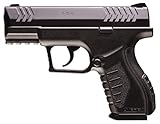
A low purchase price doesn't mean a recreational air pistol should feel disposable after a few afternoons. The umarex tdp 45 tac takes a straightforward approach: a lightweight CO2-powered pistol, a removable 19-round magazine, and enough bundled equipment to start informal target practice without building a separate shopping list. Its claimed velocity reaches about 410 feet per second, giving steel BBs enough speed for paper targets, cans, and reactive targets used with a suitable backstop. The design isn't fancy, but that's part of the appeal.
A single 12-gram CO2 cartridge powers the action, while the non-blowback mechanism avoids spending gas on moving the slide. That generally means more shooting between cartridge changes and fewer internal movements to complicate routine use. The double-action trigger fires as quickly as it can be pulled, though the longer, heavier stroke may tug shots away from the center if the trigger is slapped. Slow pressure and a steady grip matter more here than rapid-fire enthusiasm.
The 19-round drop-free magazine keeps reloading simple and gives each shooting string a satisfying length. Spare magazines can make a session flow better, since loading tiny steel BBs repeatedly gets old in a hurry. Still, the slim stick magazine isn't as visually convincing as a full-size replica magazine. Anyone expecting realistic weight, slide movement, and firearm-style controls may find the molded exterior a little plain.
The TAC package adds personality through a red laser, an accessory rail, a top Picatinny-style rail, and a decorative mock suppressor. These parts create a busier tactical look, but they also introduce extra screws, alignment checks, and adjustment time. The laser can help with close-range aiming once it is properly zeroed, although it shouldn't replace basic sight discipline. Well, accessories are fun, but loose mounts can turn a neat setup into a rattling distraction.
Fixed sights keep operation simple, yet they remove the ability to correct a consistent point-of-impact difference through normal sight adjustment. The practical fix is learning the pistol's preferred hold at a measured distance. Short indoor ranges or sheltered backyard lanes suit it better than windy outdoor spaces, where lightweight BBs can drift and ricochet risk becomes harder to control. A solid trap, eye protection, and careful target placement aren't optional details.
The polymer-heavy body keeps the pistol near one pound and prevents long sessions from becoming tiring. On the flip side, that lightness can feel toy-like beside heavier metal replicas. The mock suppressor changes the appearance rather than making the report silent, so expectations need to stay grounded. CO2 pistols still produce a noticeable pop, especially in garages, basements, or enclosed sheds.
Temperature also affects the experience because CO2 pressure drops in colder conditions. Fast strings can cool the cartridge and cause velocity to fade, so brief pauses help maintain steadier shots. A tiny amount of approved airgun lubricant on the cartridge tip can protect the seal, while ordinary petroleum oil should stay out of the valve system. Simple care goes a long way, and this mechanism doesn't ask for much.
Overall, the CO2 efficiency, generous magazine capacity, and bundled tactical pieces make this pistol more interesting than a bare entry-level plinker. It won't satisfy someone chasing blowback realism, adjustable sights, or a metal-heavy build. But for casual target sessions where uncomplicated operation matters more than replica authenticity, it offers a sensible balance. Keep the distance modest, treat every BB as a ricochet risk, and the pistol becomes far easier to enjoy.
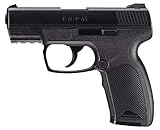
- ARS Mark8.6
ARS Mark is a ranking system developed by bestairriflescopes.com. ARS Mark has no relationship or impact from any manufacturers or sales agent websites. Learn more
- BrandUmarex
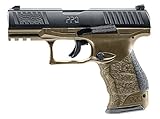
- ARS Mark9.2
ARS Mark is a ranking system developed by bestairriflescopes.com. ARS Mark has no relationship or impact from any manufacturers or sales agent websites. Learn more
- BrandUmarex
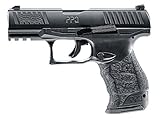
- ARS Mark9.2
ARS Mark is a ranking system developed by bestairriflescopes.com. ARS Mark has no relationship or impact from any manufacturers or sales agent websites. Learn more
- BrandUmarex
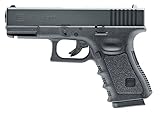
- ARS Mark8.8
ARS Mark is a ranking system developed by bestairriflescopes.com. ARS Mark has no relationship or impact from any manufacturers or sales agent websites. Learn more
- BrandUmarex

- ARS Mark8.8
ARS Mark is a ranking system developed by bestairriflescopes.com. ARS Mark has no relationship or impact from any manufacturers or sales agent websites. Learn more
- BrandUmarex
- ARS Mark8.4
ARS Mark is a ranking system developed by bestairriflescopes.com. ARS Mark has no relationship or impact from any manufacturers or sales agent websites. Learn more
- BrandUmarex
Last update on 2026-07-27 / Affiliate links / Images, Product Titles, and Product Highlights from Amazon Product Advertising API
Umarex TDP 45 TAC Steel BB Pistol Review
A simple practice session can fall apart fast when the equipment feels fussy, slow to load, or packed with controls that distract from basic shooting habits. The umarex tdp 45 tac keeps the routine fairly direct with a semi-automatic firing cycle, double-action trigger, fixed sights, and power from one 12-gram CO2 cartridge. Its lightweight format and straightforward controls suit informal paper-target sessions where convenience matters more than replica-level realism. Still, the modest build and non-adjustable sights bring tradeoffs that deserve a closer look before expectations run ahead of the product.
Umarex TDP 45 CO2 BB Pistol
The core appeal sits in the pistol's uncomplicated operating system. Load .177-caliber steel BBs, install a fresh CO2 cartridge, release the manual safety, and each trigger pull cycles the next shot without manual cocking between rounds. That rhythm helps keep attention on grip, sight alignment, and trigger pressure rather than repeated mechanical steps. For casual practice, fewer interruptions can make a short session feel far more productive.
The listed velocity reaches up to 410 feet per second, which places this model firmly in recreational steel-BB territory. That speed is useful for punching paper and ringing suitable reactive targets at modest distances, but it shouldn't be mistaken for match-grade precision or hunting capability. Steel BBs also have a greater tendency to ricochet than soft lead pellets, so a secure trap and impact-rated eye protection matter every single time. Backyard convenience doesn't erase the need for disciplined target placement.
A 12-gram CO2 cartridge supplies the power, and the cartridge isn't included with the pistol. CO2 keeps operation clean and familiar, though performance can shift with temperature, firing pace, and cartridge condition. Cold weather often reduces pressure, while rapid strings can chill the cartridge and make later shots feel less consistent. Brief pauses between groups help the CO2 system recover and encourage more deliberate shooting.
The double-action trigger deserves realistic expectations because it handles both cocking and releasing the internal mechanism during each pull. That design supports quick follow-up shots, yet the longer trigger travel can disturb sight alignment if the finger yanks straight through it. Smooth pressure works better than speed for its own sake. The old range reminder, "Press, don't slap," fits this pistol rather well.
Controls That Keep Practice Straightforward
Fixed front and rear sights remove adjustment menus, tiny screws, and setup guesswork. Line them up, establish a repeatable hold, and note where the BBs land at the chosen distance. The downside is equally plain: a consistent point-of-impact difference can't be corrected by dialing the sights. Learning the pistol's preferred sight picture becomes part of the experience, which can be useful practice but may frustrate anyone expecting easy mechanical correction.
The integrated accessory rail gives the otherwise basic frame room for a compatible light or aiming accessory. That flexibility can help in dim indoor spaces, although adding hardware also changes balance and may make the light pistol feel nose-heavy. A poorly fitted accessory can loosen under repeated handling, so mounting hardware should be checked rather than forgotten. More equipment isn't always more useful, especially on a compact recreational setup.
The manual safety adds a clear layer of control during loading, target changes, and pauses between strings. It doesn't replace muzzle discipline or careful handling, but it provides a practical way to reduce accidental trigger movement while the pistol isn't actively being fired. The safety control should become part of a consistent routine instead of something used only when remembered. Repetition builds safer habits far better than relying on last-second caution.
The pistol's layout favors function over decorative complexity. There aren't adjustable target sights, a sophisticated trigger system, or a collection of external controls competing for attention. That restraint can feel refreshing during basic drills, particularly after dealing with equipment that requires constant tweaking. On the other hand, shooters drawn to realistic weight, moving-slide feedback, or detailed replica markings may find the experience a bit plain.
Practical Accuracy And Handling Tradeoffs
Accuracy with a smoothbore steel-BB pistol depends heavily on distance, ammunition consistency, trigger control, and how steadily the frame is held. Close paper targets provide a fairer picture of its capabilities than tiny bullseyes placed far downrange. The fixed-sight arrangement encourages repeatable technique, but it won't hide rough trigger work. A loose grip or hurried pull can open groups quickly, even when the pistol itself is functioning normally.
The lighter frame makes extended handling less tiring and keeps the pistol easy to manage during short practice breaks. That same low weight, though, provides less inertia against hand movement, so small tremors and trigger pressure become more visible on the target. A firm but not crushing grip usually gives the best balance. Squeezing too hard can introduce tension, while holding too softly lets the muzzle wander.
Semi-automatic operation can tempt rapid fire, yet speed often makes the weaknesses of a CO2 platform more obvious. Fast shooting cools the cartridge, drains pressure more quickly, and tends to magnify inconsistent trigger control. Slower groups preserve gas and produce more useful feedback about technique. The 410-fps maximum describes an upper performance figure, not a promise that every shot will leave the muzzle at exactly the same speed.
Steel BB selection also matters, even though the ammunition looks simple at first glance. Damaged, rusty, or misshapen BBs can feed poorly and may scratch internal surfaces. Clean, properly sized .177-caliber steel BBs are the sensible match for the design, while lead pellets shouldn't be substituted unless the manufacturer specifically allows them. Using the correct ammunition protects both feeding reliability and the internal mechanism.
Maintenance Without Turning It Into A Project
Routine care is refreshingly light, but it shouldn't be ignored. A small amount of manufacturer-approved airgun lubricant on the tip of a CO2 cartridge can help condition the seal as the cartridge is installed. Ordinary household oil isn't a safe substitute because incompatible lubricants may damage seals or behave unpredictably under pressure. The CO2 seal is a small component, yet it controls whether the pistol holds gas properly.
Leaving a partially used cartridge installed for long storage can keep the seal compressed and may eventually contribute to leakage. Removing the cartridge after the session, once pressure has been safely released according to the instructions, is the more cautious habit. Wiping the exterior also keeps dirt from collecting around controls and openings. None of this takes long, which is exactly why it shouldn't be skipped.
The barrel and feed path should remain free of oil buildup, debris, and loose foreign material. Steel BB pistols don't need aggressive cleaning after every short outing, but they do benefit from clean ammunition and dry storage. Moisture can encourage rust on BBs and metal components, so a damp garage shelf isn't a wise resting place. A basic case or dry cabinet protects the air pistol without creating a complicated maintenance ritual.
Accessory compatibility deserves the same practical mindset. The integrated rail accepts suitable equipment, but dimensions and mounting systems should be checked before anything is attached. A separate airgun accessory topic appears in umarex airjavelin arrows, although those arrows serve a different platform and are not ammunition for this BB pistol. Keeping platform-specific accessories separate prevents expensive confusion and unsafe experimentation.
Where The TDP 45 Fits And Where It Doesn't
The strongest case for this pistol centers on simple recreational practice. Its semi-automatic action reduces downtime between shots, the double-action trigger keeps operation direct, and the accessory rail leaves room for modest customization. Paper targets at short distances let those features work together without demanding specialized equipment. The package makes the most sense as a casual plinker rather than a precision instrument.
Several limitations keep the review grounded. Fixed sights restrict correction, CO2 performance changes with environmental conditions, and the lightweight build may feel less substantial than metal-bodied alternatives. The trigger also requires steady pressure, which can make early groups look rough until the shooter settles into its rhythm. These aren't hidden defects, but they shape the experience and should influence expectations.
The pistol isn't intended for pest control, hunting, defensive use, or unsupervised handling. Steel BBs can bounce from hard surfaces with surprising energy, and the compact frame can be mistaken for a firearm from a distance. A controlled range, reliable backstop, and locked storage are essential parts of ownership. The manual safety supports responsible handling, but it can't compensate for careless surroundings.
Value here comes from knowing what the product is trying to do. The Umarex TDP 45 offers quick follow-up shots, approachable controls, modest CO2 power, and a rail for a compatible accessory without pretending to be a competition pistol. It rewards measured trigger work and sensible distances more than frantic shooting. For straightforward steel-BB practice with realistic limits, that honest simplicity is the feature that carries the most weight.
T4E Walther PPQ .43 Training Pistol
Realistic practice gets expensive in a hurry once ammunition, range fees, travel, and limited session time all pile onto the same routine. The umarex tdp 45 tac keyword often appears around recreational CO2 pistols, yet this particular T4E Walther PPQ .43 is built for a different purpose: repeated handling drills with controls, weight, and proportions that feel closer to duty equipment. It uses .43-caliber projectiles, an 8-round drop-free magazine, and a metal slide that locks back after the magazine is emptied. Those details give the marker a practical identity, although the added realism also brings stricter safety demands and more cleanup than a basic steel-BB pistol.
Walther PPQ .43 Training Marker
The strongest feature is the realistic size and weight, because a lightweight practice tool can make grip pressure, presentation, and holster work feel disconnected from familiar equipment. This model uses a metal barrel and metal slide, giving the frame a more substantial feel during repeated draws and target transitions. The controls are positioned to support realistic manipulation rather than casual plinking alone. That extra heft helps the marker settle in the hand, but it can also make long one-handed sessions tiring.
An 8-round drop-free magazine keeps each string short and deliberate. The realistic magazine release allows the magazine to fall free, which supports reload practice without awkwardly pulling it from the grip. Eight shots may feel restrictive during relaxed target shooting, yet that capacity makes sense during drills where slide lock and magazine changes are part of the routine. Spare magazines would reduce downtime, though they would also increase the overall setup cost.
The slide catch holds the metal slide back after the final round. That visible and physical signal is useful because it creates a clear transition from firing to reloading. A marker that simply stops cycling can leave the shooter wondering whether the problem is an empty magazine, low CO2 pressure, or a feeding issue. Here, the slide-lock response makes the sequence easier to read.
CO2 power keeps the operating process familiar without requiring pumps, batteries, or external air tanks. The cartridge isn't included, so the pistol can't be used immediately unless 12-gram CO2 cartridges are already on hand. Temperature, firing speed, and seal condition can affect performance, which means fast strings may feel less consistent as the cartridge cools. A measured pace gives the CO2 system time to recover and makes each magazine more useful for technique.
Controls Built Around Repetition
The fixed front sight and adjustable rear sight provide a more useful aiming setup than completely fixed sights. Yellow dots make the sight picture easier to pick up against dark targets, indoor walls, and visually cluttered backgrounds. Rear adjustment also helps correct a consistent point-of-impact difference at the chosen practice distance. Still, projectile type and CO2 pressure can change grouping, so adjustment won't erase every variable.
The Picatinny accessory rail supports compatible lights, lasers, and similar equipment. A mounted light can reproduce the balance of a duty-style setup, while a laser can reveal movement during trigger pressure. Added hardware isn't free of drawbacks, though, since it shifts the center of gravity and may interfere with some holsters. The accessory rail is most useful when the mounted item serves a specific drill rather than decoration.
Duty-holster compatibility adds another layer of practical value. Drawing from a familiar retention system helps preserve grip angle, hand placement, and presentation mechanics that can be lost with a generic pouch. Fit should still be checked carefully because holster tolerances differ, especially once a light or laser is attached. A tight or poorly matched holster can turn a smooth drill into a wrestling match.
The control layout feels more purposeful than the layout of a simple backyard plinker. Magazine release, slide catch, sights, and accessory placement all contribute to a repeatable sequence. That doesn't mean every movement perfectly duplicates a firearm, and the recoil impulse remains very different. The realistic control arrangement supports mechanical practice, but it shouldn't be mistaken for complete live-fire simulation.
Three Projectile Types, Three Different Jobs
The pistol fires .43-caliber paintballs, powder balls, and rubber balls at up to 355 FPS. Paintballs make impact points easy to see, which can simplify scoring and correction during target drills. Powder rounds provide visible marking without liquid paint, although they still leave residue. Rubber balls can support repeated use in a suitable setup, but they introduce a greater rebound concern.
Paintball cleanup can interrupt an otherwise smooth practice session. A broken round may leave paint in the barrel or magazine, affecting later shots until the residue is removed. Powder ammunition creates a different mess, while rubber rounds demand careful inspection for dirt and damage before reuse. The ammunition flexibility is valuable, but each projectile type asks for its own maintenance routine.
Rubber projectiles deserve special caution around hard surfaces. Concrete, metal, tile, and dense wood can send them back toward the firing line with surprising speed. A proper backstop needs to absorb energy instead of merely stopping forward travel. Face protection, eye protection, and controlled distance are basic parts of using the .43-caliber marker, not optional extras.
Accuracy should be judged at realistic practice distances. The adjustable rear sight supports correction, but paint, powder, and rubber projectiles won't necessarily group in the same way. Barrel cleanliness, projectile consistency, and CO2 pressure all influence point of impact. Tiny long-range groups aren't the design goal, and chasing them would miss the point of this platform.
Gas Use And Shooting Rhythm
The metal slide moves during firing, creating more physical feedback than a non-blowback CO2 pistol. That movement interrupts the sight picture and requires the shooter to settle the sights again before the next shot. It doesn't reproduce firearm recoil, but it creates a more active shooting cycle than a fixed-slide design. The tradeoff is greater CO2 consumption because gas is used to cycle the slide.
Rapid firing can cool the cartridge quickly. As pressure drops, later shots may feel weaker or behave less consistently than the first few rounds. Pausing between magazines reduces that effect and gives time to inspect the target area. The pistol can fire quickly, but a slower rhythm usually produces more useful practice.
The listed velocity reaches up to 355 FPS, which is a maximum figure rather than a guarantee for every shot. Projectile weight, ambient temperature, cartridge condition, and firing pace all affect actual performance. Paintballs and rubber balls also carry energy differently, even when launched from the same platform. Consistency improves when ammunition type and shooting conditions remain stable.
Seal care matters because a small leak can waste an entire cartridge between sessions. Manufacturer-approved airgun lubricant can help maintain the piercing seal, while random household oils may damage internal materials. Leaving a pressurized cartridge installed for extended storage can also keep seals compressed. The CO2 maintenance routine is simple, but skipping it can turn a minor issue into recurring gas loss.
Practical Strengths During Training
The marker's most useful strength is the way its features work together. Realistic weight, a metal slide, slide lock, an adjustable rear sight, and a drop-free magazine create a coherent practice platform. None of those parts alone would define the experience. Together, they support drawing, aiming, firing, reloading, and resetting with fewer artificial steps.
The manufacturer states that training can cost less than nine cents per round. Actual cost will vary with projectile selection, CO2 use, local pricing, and how many rounds are damaged or lost. Even so, lower-cost repetition is the central appeal compared with relying entirely on live ammunition. More frequent practice can help reinforce handling routines, provided those routines are correct to begin with.
The yellow-dot sights solve a small but common frustration. Plain black sights can disappear against dark paper, shaded walls, or uneven indoor lighting. Bright reference dots shorten the time needed to pick up the front and rear alignment. They don't replace sight discipline, yet the visible sight picture makes repeated presentation drills less irritating.
Holster fit also broadens the marker's practical range. A compatible duty holster allows repetitions from the same carry position used with related equipment. That matters because tabletop starts don't teach garment clearing, retention release, or consistent grip acquisition. The pistol's dimensions support those movements more naturally than a compact recreational air pistol would.
Limitations That Deserve Attention
The 8-round magazine creates frequent reloads, which can either support training or break the flow of casual shooting. Anyone hoping to fire long strings without interruption may find the capacity restrictive. Additional magazines can help, but they bring more seals, feed channels, and parts to inspect. The limited magazine capacity is purposeful rather than convenient.
Blowback operation adds realism while reducing gas efficiency. A non-blowback marker would usually devote more CO2 to projectile velocity and total shot count. This pistol spends part of each cartridge cycling the metal slide, and that choice shapes the entire experience. The result feels more active in the hand, but operating cost per session may rise.
Cleanup is another real tradeoff. Paint can burst, powder can spread, and reusable rubber ammunition can collect grit. Magazine channels and the barrel need attention whenever residue begins affecting feeding or accuracy. The maintenance burden isn't severe, though it is noticeably greater than loading clean steel BBs and wiping down a simple plinker.
The realistic appearance requires careful transport and storage. From a distance, the marker may be mistaken for a firearm, regardless of its actual power source or projectile type. Public display, unsecured storage, and casual handling can create dangerous misunderstandings. A locked case and controlled training area are sensible parts of owning equipment this realistic.
How It Differs From A Basic BB Pistol
The T4E Walther PPQ .43 isn't simply a larger version of the umarex tdp 45 tac. A typical steel-BB pistol emphasizes inexpensive target shooting, higher magazine capacity, and minimal cleanup. This marker places more weight on handling realism, slide movement, reload practice, and multiple projectile types. The difference shows up in cost, maintenance, safety requirements, and the feel of each shooting session.
Steel BBs are small, hard, and prone to ricochet, while .43-caliber projectiles provide larger visible impacts and different training possibilities. Paint and powder make shot placement easier to identify. Rubber ammunition may support repeated drills, but it brings a different rebound profile. The projectile system changes the purpose of the pistol rather than merely changing ammunition size.
Precision also has a different meaning here. A recreational BB pistol may be judged by how tightly it groups on paper at a fixed distance. This marker makes more sense when judged by sight acquisition, control manipulation, reload flow, and repeatable presentation. Its adjustable rear sight helps, but practical handling remains the stronger measure.
Long-distance optics belong to a separate shooting problem, and that distinction is reflected in discussions of rifle scopes for 300 yards rather than this close-range training marker. The PPQ's Picatinny rail is designed for compact accessories that support short-range drills. A pistol light or laser can fit the platform's role, while magnified rifle optics would not. Keeping those uses separate prevents a forced connection between unrelated equipment.
Realistic Expectations Before Buying
This marker makes the most sense where repeated handling practice matters more than long shooting strings. Drawing, presenting, acquiring the sights, firing a controlled pair, and responding to slide lock all suit its design. The realistic controls give those drills a clear rhythm. Casual target shooting is possible, but it doesn't take full advantage of the platform.
The pistol isn't a replacement for professional instruction, supervised live-fire practice, or formal qualification. Trigger feel, recoil, sound, projectile behavior, and malfunction response differ from a firearm. It can reinforce movements, but it can also reinforce mistakes if drills are rushed or poorly structured. Realistic equipment doesn't automatically create useful practice.
Protective equipment and a suitable backstop determine whether a session is responsible. Full eye protection is essential, and face protection is especially sensible during close-range work. Every projectile type should be matched with a containment method that reduces bounce-back and stray shots. The safety setup matters more than the marker's accessory list.
The T4E Walther PPQ .43 offers a focused mix of realistic dimensions, metal components, slide-lock feedback, adjustable sights, and flexible ammunition. Its weaknesses are equally clear: short capacity, CO2 sensitivity, cleanup, heavier handling, and stricter storage concerns. Those tradeoffs don't make the design confused; they reveal what it was built to do. Used for structured short-range repetition, the marker has a defined role without pretending to replace live-fire training.
Umarex T4E Walther PPQ .43 Black Review
Practice can feel hollow when a lightweight marker bears little resemblance to the equipment it is meant to imitate. The umarex tdp 45 tac may attract attention during searches for CO2-powered pistols, but the Umarex T4E Walther PPQ .43 Black serves a more specialized role built around realistic manipulation, short-range drills, and visible projectile feedback. Its metal slide, metal barrel, drop-free magazine, and familiar control arrangement create a more substantial experience than an ordinary recreational BB pistol. That extra realism also brings more cleanup, lower gas efficiency, and stricter safety requirements, so the benefits make sense only when those tradeoffs fit the planned routine.
T4E Walther PPQ .43 Black
The realistic size and weight provide the foundation for this marker's training value. A metal barrel and metal slide give the pistol enough substance to make grip pressure, presentation, and holster movement feel more deliberate. The added weight helps prevent the hollow, toy-like sensation common with very light CO2 pistols. Still, repeated one-handed drills can become tiring once the wrist begins to lose its steady position.
An 8-round drop-free magazine gives every shooting string a defined beginning and ending. The realistic magazine release allows the magazine to fall away cleanly rather than requiring it to be pulled from the grip. Eight rounds may feel restrictive during relaxed target shooting, but the short capacity creates regular opportunities to rehearse reloads. Compatible spare magazines use part numbers 2292103 and 2292106, which removes some guesswork when expanding the setup.
The slide catch holds the metal slide open after the magazine is emptied. That clear slide-lock signal provides immediate feedback and prevents uncertain trigger pulls after the final projectile has been fired. It also supports a smoother transition into a magazine change because the marker clearly communicates its condition. The action won't reproduce every detail of a firearm cycle, though it offers more useful feedback than a fixed-slide recreational pistol.
CO2 power keeps the operating routine familiar and relatively tidy. Cartridges aren't included, and the supplied product details recommend Umarex-brand CO2 for proper sealing and dependable performance. Rapid strings can chill the cartridge, reducing pressure and making later shots feel less consistent. A measured pace gives the CO2 system time to recover and produces a more controlled session.
Controls Built For Repetition
The fixed front sight and adjustable rear sight use visible yellow dots that stand out against dark targets and shaded backgrounds. That brighter sight picture helps during repeated presentations because the front reference is easier to locate without a long pause. Rear adjustment also allows a consistent point-of-impact difference to be corrected at a chosen practice distance. Projectile changes may shift the group, so one sight setting won't necessarily suit paintballs, powder balls, and rubber balls equally.
A Picatinny accessory rail accepts compatible lights, lasers, and other compact equipment. A mounted light can reproduce the balance of a duty-style configuration, while a laser can reveal movement during trigger pressure. Accessories also add weight near the muzzle and may interfere with some holsters. The integrated rail is useful when the attachment supports a specific drill rather than merely changing the marker's appearance.
Duty-holster compatibility gives the pistol a practical advantage over markers that require generic pouches. Drawing from a familiar retention system helps preserve grip angle, hand placement, and presentation mechanics. Holster fit still deserves careful attention because mounted accessories and retention tolerances can change compatibility. A binding draw can reinforce awkward movement, which defeats the purpose of realistic practice.
The controls create a repeatable sequence that feels intentional: draw, align, fire, recognize slide lock, release the magazine, and reset. That structured operating rhythm is where the marker separates itself from casual plinking tools. Speed isn't the first priority here, even though the pistol can cycle quickly. Smooth repetitions usually reveal more about technique than rushing through the magazine and calling it practice.
Projectile Options And Practical Differences
The marker fires .43-caliber paintballs, powder balls, or rubber balls at up to 355 FPS. Paintballs provide an obvious visual mark, making shot placement easier to identify during paper or silhouette drills. Powder balls create a different visible impact without liquid paint, although residue still requires attention. Rubber balls may be reusable in a suitable environment, but their tendency to rebound makes backstop design especially important.
Paint ammunition can interrupt a session if a round ruptures inside the barrel or magazine. Residue may affect feeding and accuracy until the affected parts are cleaned. Powder rounds bring a drier mess, while reusable rubber balls can collect dust or grit between shots. The ammunition flexibility broadens the marker's role, yet none of those choices is completely free of maintenance.
Hard surfaces and rubber projectiles are a poor combination. Concrete, tile, steel, and dense wood may send a round back toward the firing line instead of absorbing its energy. A proper backstop should trap or cushion the projectile rather than simply block forward travel. Eye and face protection remain essential because a close-range rebound can cause serious injury.
The listed 355 FPS maximum should be viewed as an upper figure, not a guaranteed speed for every shot. Projectile weight, cartridge temperature, seal condition, and firing cadence all influence actual output. Paint, powder, and rubber rounds can also follow different trajectories even when launched from the same barrel. Keeping ammunition and distance consistent makes the marker's behavior easier to evaluate.
Blowback Feel And Gas Consumption
The moving metal slide creates more physical feedback than a non-blowback CO2 pistol. Each shot disturbs the sight picture and asks the shooter to settle the muzzle before pressing the trigger again. That movement doesn't duplicate firearm recoil, but it makes follow-up control more active and noticeable. The blowback action adds realism while using gas that could otherwise power more shots.
Rapid firing can cool a CO2 cartridge surprisingly fast. As pressure drops, later projectiles may leave the barrel with less consistency than those fired at the beginning of the string. Pausing between magazines helps the gas recover and creates time to inspect targets or reset the training area. A slower pace may feel less dramatic, but it usually produces more useful feedback.
Seal care matters because even a small leak can drain a cartridge before the next session begins. The supplied information recommends Umarex-brand CO2 to support proper sealing and performance. Random household oils shouldn't replace lubricants intended for CO2 airgun seals, since incompatible products may damage internal materials. The cartridge seal is a small part with a major effect on reliability.
Leaving a pressurized cartridge installed for extended storage can keep internal seals compressed. That habit may contribute to slow leaks or inconsistent operation later. Safely releasing remaining gas and following the manufacturer's storage directions helps protect the system. The maintenance routine isn't complicated, but neglect tends to show up at the worst possible time.
Strengths That Matter In Real Practice
The provided description states that the marker can support training for less than nine cents per round. Actual cost will depend on projectile choice, local prices, CO2 consumption, and how many rounds are damaged or lost. Even with those variables, lower-cost repetition remains one of the strongest reasons to consider this platform. More frequent practice becomes easier to sustain when every trigger press doesn't consume live ammunition.
The main strength comes from several realistic details working together rather than from one flashy specification. The metal slide, slide catch, adjustable rear sight, drop-free magazine, and duty-holster fit support a coherent series of movements. Drawing, aiming, firing, reloading, and resetting all happen through controls designed to feel familiar. That integrated training layout gives the marker a clearer purpose than a basic can-plinking pistol.
Yellow sight dots solve a modest frustration that becomes noticeable during repeated drills. Plain black sights can disappear against dark target faces or dim indoor backgrounds. Bright reference points make alignment easier to acquire while still requiring proper sight discipline. The visible sight picture is particularly helpful during repeated presentations rather than slow bench shooting.
Long-range optics address a completely different kind of shooting, and that distinction is reflected in information about rifle scopes under 1500 rather than this short-range .43-caliber marker. The PPQ rail is better suited to compact lights or lasers that support presentation, target identification, or movement analysis. Magnified rifle glass wouldn't match the pistol's intended distance or handling. Keeping those equipment roles separate prevents an unrelated accessory from being forced into the wrong setup.
Weaknesses And Realistic Limits
The 8-round magazine creates frequent pauses. That design supports reload practice, but it can become tedious during casual sessions where uninterrupted shooting is the goal. Spare magazines reduce downtime while adding cost and more parts to clean. The limited capacity is useful in structured drills and less convenient during relaxed plinking.
Blowback movement trades efficiency for realism. A fixed-slide CO2 pistol generally uses less gas because it doesn't spend energy cycling a metal slide. This marker accepts lower shot economy in exchange for more physical feedback and a visible slide-lock cycle. The gas-use tradeoff makes sense for its intended role, though it affects the cost and length of every session.
Cleanup varies with ammunition and can become annoying after a ruptured paintball. Powder residue may settle into working areas, while dirty rubber rounds can carry grit into the magazine or barrel. A quick inspection after each session helps prevent residue from turning into repeated feeding problems. The maintenance burden is noticeably higher than that of a simple steel-BB pistol.
The realistic black appearance also creates serious transport and storage responsibilities. From a distance, the marker may be mistaken for a firearm regardless of its CO2 power source. Public handling, unsecured storage, or casual display can lead to dangerous misunderstandings. A locked case and controlled shooting area belong in the ownership routine.
How It Differs From The TDP 45 TAC
The T4E Walther PPQ .43 and the umarex tdp 45 tac share CO2 power, but their purposes are noticeably different. The TDP 45 TAC is associated with recreational steel-BB shooting and simpler target practice. This PPQ marker emphasizes realistic manipulation, visible slide lock, magazine changes, and multiple .43-caliber projectiles. Treating the two pistols as interchangeable would ignore the features that shape their handling.
Steel BBs are small, hard projectiles intended for suitable traps, while paint and powder rounds leave larger visible marks. Rubber balls add a potentially reusable option but demand greater attention to rebound. The projectile difference changes target choice, cleanup, protective equipment, and useful shooting distance. Caliber alone doesn't explain the gap between the two platforms.
The PPQ's metal components and realistic weight make holster work feel more substantial. That same weight increases fatigue and contributes to higher gas use through blowback operation. A lighter BB pistol may feel more comfortable during long recreational sessions, yet it won't reproduce the same reload and slide-lock behavior. The handling difference can be a strength or a drawback depending on the purpose of the session.
Accuracy also needs to be judged differently. A recreational BB pistol is often evaluated by paper groups, while this marker makes more sense during sight acquisition, transitions, reloads, and controlled short-range strings. The adjustable rear sight helps establish a practical point of aim, but precision target work isn't the central task. Its training value comes from repeatable control manipulation rather than tiny groups.
Safety And Use Expectations
This marker fits structured short-range sessions where handling mechanics matter more than long magazines. Drawing from a compatible holster, acquiring the yellow-dot sights, firing a controlled sequence, and reacting to slide lock all suit its design. The realistic controls give each drill a clear rhythm. Casual target use remains possible, though it uses only part of what the platform offers.
The pistol isn't a replacement for professional instruction, formal qualification, or supervised live-fire practice. Trigger feel, recoil, sound, projectile flight, and malfunction response remain different from a firearm. It can reinforce movements, but it can also reinforce poor habits when drills are rushed. The practice benefit depends on deliberate repetition rather than realistic hardware alone.
A proper backstop and suitable protective equipment determine whether the marker can be used responsibly. Paint, powder, and rubber projectiles each require containment matched to their behavior after impact. Full eye protection is essential, while face protection makes sense during close-range drills or any setup with possible rebound. The safety arrangement matters more than any mounted accessory.
The Umarex T4E Walther PPQ .43 Black combines realistic dimensions, metal components, adjustable sights, slide-lock feedback, and flexible ammunition in a focused training marker. Its weaknesses remain clear: short capacity, CO2 sensitivity, gas consumption, cleanup, and stricter storage demands. Those compromises reveal equipment designed around structured repetition rather than carefree backyard shooting. Within that role, the realistic operating system provides its strongest advantage.
Glock 19 Gen3 .177 Caliber BB Gun Air Pistol
Small CO2 pistols often promise familiar handling, then spoil the experience with awkward proportions, fussy controls, or a grip that feels nothing like the design printed on the box. The umarex tdp 45 tac sits in the same broad recreational category, but the licensed Glock 19 Gen3 follows a cleaner path with recognizable styling, a compact frame, and straightforward steel-BB operation. Its 15-shot capacity and listed velocity of up to 410 FPS suit controlled paper practice without turning setup into a weekend project. The tradeoff is equally plain: fixed sights and CO2 power put sensible limits on precision, consistency, and cold-weather use.
Glock 19 Gen3 BB Pistol
The official Glock markings give this pistol a more convincing identity than a generic shell with vaguely familiar lines. Its compact proportions echo the Glock 19 shape, which can make grip placement and sight alignment feel less foreign during routine handling. That licensed exterior adds visual realism, although it doesn't mean the weight, recoil, or trigger behavior will duplicate a firearm. Seen from across a room, the resemblance also demands secure storage and discreet transport.
A 15-shot magazine provides enough capacity for a focused string on paper without forcing a reload after every few trigger pulls. Fifteen rounds work nicely for five-shot groups, controlled pairs, or simple target transitions where a steady rhythm matters more than raw volume. Well, loading steel BBs is still part of the routine, and frequent sessions can make spare magazines appealing. The supplied details don't identify a compatible spare, so assuming that a similar-looking magazine fits would be a bad bet.
The pistol runs on one 12-gram CO2 cartridge, which isn't included in the package. This CO2 power system avoids pumping and external tanks, keeping preparation simple enough for short practice breaks. Temperature and firing speed still matter because rapid strings cool the cartridge and can reduce pressure. A calm pace usually produces a steadier experience than emptying all 15 shots in one hurried burst.
Fixed Sights And Practical Accuracy
Fixed Glock-style sights keep the aiming system uncluttered. There are no adjustment screws to loosen, no rear blade to drift accidentally, and no setup menu standing between loading and shooting. The downside is a clear one: a consistent point-of-impact offset must be managed through the sight picture rather than mechanical correction. That fixed-sight limitation matters more to careful paper shooting than it does to casual can plinking.
The compact frame creates a relatively short sight radius, so small aiming mistakes show up quickly on the target. A slight front-sight shift can open a group, especially when the trigger is pressed too quickly. Smooth pressure and a repeatable grip help the practical accuracy far more than trying to force the muzzle still with a clenched hand. As the old range saying goes, "Slow is smooth, smooth is fast."
The listed velocity reaches up to 410 FPS with .177-caliber steel BBs. That speed fits short-range paper targets and reactive targets designed specifically for steel BB use, but it doesn't turn the pistol into a long-distance platform. Wind, BB consistency, cartridge temperature, and shooting cadence all influence the result. Modest distances give the sights and smoothbore barrel a fairer chance to produce useful groups.
Accessory Rail And Handling Balance
An integrated Weaver rail sits beneath the barrel and accepts compatible compact accessories. A small laser can make trigger-induced movement easier to notice, while a light may help illuminate a controlled indoor target area. The Weaver rail adds flexibility without changing the pistol's basic operation. Oversized hardware, though, can make the compact frame feel front-heavy and awkward.
A laser may reveal more than the shooter expects. The dot often drifts as finger pressure builds, exposing grip tension and uneven trigger movement that iron sights can hide. That feedback can support better habits, but it shouldn't replace the Glock-style sights or basic alignment practice. Depending entirely on a projected dot can leave the underlying aiming problem untouched.
Rail-mounted equipment also affects storage and handling. A light or laser may prevent the pistol from fitting a case insert or holster-shaped compartment that was designed around the bare frame. Mounting screws should be checked periodically because loose hardware can shift alignment even without firearm-level recoil. The compact balance feels best when accessories remain small, secure, and tied to a clear purpose.
Steel BBs And CO2 Session Behavior
Clean .177-caliber steel BBs are the correct ammunition for the supplied specification. Rusty, flattened, or dirty BBs can feed poorly and may carry debris into the magazine or barrel area. The steel-BB format keeps ammunition simple, but it brings a greater ricochet concern than softer projectiles that deform on impact. A purpose-built BB trap is far more sensible than improvised metal, tile, or bare wood targets.
CO2 behaves differently as a session progresses. A fresh cartridge may feel lively, while later strings can soften as pressure falls or the cartridge cools. The stated 410 FPS maximum is an upper figure rather than a guarantee for every shot in every condition. Pausing between magazines helps stabilize performance and gives the shooter time to inspect the target and backstop.
Cold weather can take some of the fun out of a CO2 pistol. Lower temperatures reduce gas pressure, which may affect velocity, cycling feel, and consistency. Storing the pistol responsibly in a dry location protects the exterior, but it won't make CO2 ignore winter conditions. The temperature sensitivity is a normal platform tradeoff, not a defect unique to this model.
Strengths That Keep The Design Appealing
The biggest strength is how little ceremony the pistol requires. Install the CO2 cartridge, load the magazine, confirm the shooting lane, and the basic routine is ready. That straightforward operation suits short paper sessions where complicated controls would only get in the way. The familiar exterior adds interest without demanding a more involved power system.
The 15-shot capacity strikes a useful middle ground. It offers more shooting between reloads than very small stick magazines, yet it doesn't encourage endless rapid fire quite as strongly as oversized capacities can. The compact magazine setup supports deliberate groups and short drills without making the grip bulky. Reloading remains frequent enough to slow down anyone who prefers long recreational strings.
Official markings and Glock-inspired proportions give the pistol a specific visual character. Generic air pistols often look close to several models without really resembling any of them. This one has a clearer identity, which may matter as much as velocity to someone tired of anonymous designs. The licensed Glock appearance is a genuine strength, provided realistic looks aren't mistaken for identical firearm function.
Weaknesses That Shape The Experience
The fixed sights are the most obvious restriction. A shooter can learn a repeatable hold if the pistol prints consistently away from the aiming point, but that workaround isn't as satisfying as adjusting the rear sight. The lack of sight adjustment becomes noticeable during careful group shooting. Casual plinking hides the issue better, especially on larger reactive targets.
The pistol's familiar appearance may create expectations its operating system can't meet. There is no reason to expect firearm recoil, matching trigger characteristics, or complete control duplication from a recreational CO2 BB pistol. The realism tradeoff sits between appearance and function. It looks recognizable, but its purpose remains low-cost target shooting rather than full simulation.
Steel BBs narrow the safe target options. They can rebound from hard surfaces, and their small size makes a stray shot difficult to track once it leaves the intended lane. Impact-rated eye protection and a reliable backstop belong in every session. The ricochet risk is more important than squeezing a few extra feet from the shooting distance.
Glock 19 Gen3 Versus Umarex TDP 45 TAC
The Glock 19 Gen3 and umarex tdp 45 tac share several practical traits, including CO2 power, .177-caliber steel BB ammunition, and a listed maximum velocity around 410 FPS. Their broad purpose is similar: accessible recreational target shooting at modest distances. The Glock leans on licensed styling and compact proportions, while the TDP 45 TAC carries a more tactical presentation. The better fit depends less on raw speed and more on preferred handling and appearance.
Both designs rely on fixed sights, so neither offers the correction flexibility of an adjustable target pistol. The Glock's familiar sight pattern may feel more intuitive to some hands, yet the short sight radius still magnifies small errors. The shared sight limitation keeps expectations grounded. Neither pistol should be treated as a precision instrument simply because the exterior looks serious.
Accessory use creates another small distinction. The Glock includes a Weaver rail for compatible compact hardware, while the TAC identity naturally suggests a more accessory-centered setup. The Glock 19 Gen3 feels cleaner in its bare configuration, which may appeal to anyone who'd rather shoot than keep tweaking attachments. Plenty of equipment can fit a rail, but not all of it improves the session.
Purpose, Safety, And Realistic Expectations
This pistol belongs in controlled recreational target practice, not pest control or hunting. A separate airgun role is discussed in material about the best air rifle for crows, while this compact CO2 pistol remains better suited to paper and suitable reactive targets. Its fixed sights, steel BB ammunition, and short-range format all point in that direction. Keeping those purposes separate avoids both poor results and unsafe expectations.
A secure backstop should absorb or trap BBs without presenting hard surfaces that send them back toward the firing line. Everyone nearby needs impact-rated eye protection, even when standing behind the shooter. The safe shooting setup matters more than the pistol's listed velocity or licensed markings. One careless target can undo every benefit of an otherwise controlled session.
The realistic outline also changes how the pistol should be stored and transported. A closed case prevents unnecessary exposure, while locked storage keeps it away from unauthorized hands. The Glock 19 Gen3 BB pistol offers simple CO2 operation, recognizable styling, a useful 15-shot capacity, and an accessory rail without pretending to be a precision target tool. Fixed sights, temperature-sensitive gas, and ricochet-prone ammunition remain the main compromises that shape regular use.
Glock 19X Gen5 .177 Caliber BB Pistol
Flat-shooting practice gets dull fast when the pistol feels hollow, the magazine interrupts every few shots, or the action gives no feedback at all. The umarex tdp 45 tac sits in the same broad CO2 plinking category, but the Glock 19X Gen5 .177 BB pistol takes a livelier route with a full metal slide, blowback operation, and an 18-round drop-free magazine. Those features make the shooting cycle feel more involved without turning setup into a complicated project. Still, the moving slide uses extra gas, and that tradeoff matters during longer sessions.
Glock 19X Gen5 BB Pistol
The full metal slide is the feature that changes the personality of this pistol most clearly. Added weight across the top keeps it from feeling like an empty plastic shell, especially during two-handed aiming and magazine changes. The balance feels more substantial, which can make handling more satisfying during short practice sessions. On the other hand, that extra weight may tire the wrist during extended one-handed shooting.
Blowback gives every shot a visible mechanical response. The slide moves, the sight picture shifts, and the muzzle needs a moment to settle before the next carefully aimed round. That moving-slide feedback won't duplicate firearm recoil, but it does make the pistol feel less static than a fixed-slide CO2 model. It also encourages better follow-up control because rushed shots become easier to spot on the target.
The semi-automatic action keeps the pace smooth because another BB is ready with each trigger press. No manual cocking is required between shots, so controlled pairs and short target transitions flow naturally. The semi-auto operation is convenient, though fast firing can cool the CO2 cartridge and reduce consistency. A steady cadence usually gives cleaner results than racing through the magazine.
Magazine Capacity And Reloading
An 18-round drop-free magazine gives the pistol enough capacity for several small groups before reloading. That count feels generous compared with many compact BB pistols that stop the session after only a handful of shots. The drop-free design also makes reloads cleaner because the magazine can be released rather than pulled awkwardly from the grip. It adds rhythm without making the pistol feel bulky.
Eighteen rounds work well for practical paper drills. Three six-shot groups, nine controlled pairs, or several short transitions can fit into one magazine without losing the flow. The useful capacity reduces interruptions, yet it still encourages periodic pauses to inspect targets and let the CO2 system recover. That balance suits recreational shooting better than either tiny or oversized capacities.
The magazine also carries more responsibility than a simple BB reservoir. Dirt, damaged BBs, and careless loading can interfere with feeding, so clean .177-caliber steel BBs make the most sense. A spare magazine may help during longer sessions, but compatibility should be verified instead of assumed. The drop-free system feels convenient only when the magazine remains clean and properly handled.
Blowback Feel And CO2 Use
Blowback is fun, plain and simple, but it isn't free. Gas must move the metal slide as well as launch the BB, so the pistol generally uses CO2 faster than a non-blowback design. The CO2 efficiency tradeoff is easy to understand once the action starts cycling. More movement means more feedback, while fewer shots may remain consistent on each cartridge.
Rapid firing makes that limitation more obvious. CO2 cools as it expands, and a chilled cartridge can produce softer or less uniform shots near the end of a fast string. Brief pauses between groups help stabilize pressure and give the shooter time to reset. The shooting rhythm matters almost as much as the fresh cartridge itself.
CO2 cartridges aren't included, so the pistol requires an additional purchase before the first session. Proper seal care also deserves attention because a slow leak can waste gas before any BBs are fired. Airgun-safe lubricant may support seal life when used according to manufacturer guidance, while random household oils should stay out of the system. The gas seal is small, but it can make or break the experience.
Handling And Practical Accuracy
The heavier slide gives the pistol a planted feel, but accuracy still depends on basic technique. A firm grip, straight trigger press, and stable sight picture matter more than squeezing the frame with maximum force. The compact handling responds poorly to jerky trigger movement because small errors can shift the muzzle before the BB exits. Smooth pressure wins more often than brute strength.
Steel BBs are best suited to modest shooting distances. Wind, BB consistency, CO2 temperature, and slide movement all influence where rounds land, so this isn't a precision target pistol in disguise. The practical accuracy is better judged by repeatable groups on paper than by tiny clusters at long range. Keeping the target reasonably close allows the pistol's strengths to show without stretching its limits.
The blowback cycle adds a little movement between shots, which can either help or hurt the session. It gives useful feedback during controlled pairs, but it also demands patience before the next carefully aimed trigger press. The old advice, "Let the sights settle," fits well here. The follow-up control becomes more important than simply firing fast.
Strong Points That Improve The Experience
The biggest strength is the combination of metal-slide weight and blowback movement. A full metal slide provides substance, while the cycling action makes each shot feel distinct. Either feature alone would add interest, but together they create a more engaging recreational pistol. That pairing separates this model from simpler fixed-slide BB guns.
The 18-round magazine supports the same goal. More capacity means fewer stops, and the drop-free design keeps reloads from feeling clumsy. The magazine advantage becomes especially noticeable during short drills where breaking concentration every few rounds would be annoying. It doesn't eliminate reloading, but it keeps the session moving.
The black finish and Glock 19X-inspired profile give the pistol a restrained, recognizable look. It isn't cluttered with oversized tactical pieces, so the design feels cleaner than the accessory-heavy umarex tdp 45 tac approach. That difference is mostly about handling character and visual preference rather than raw shooting power. The Glock leans into slide movement and familiar proportions, while the TDP style emphasizes straightforward tactical plinking.
Weaknesses And Real Tradeoffs
Gas consumption is the most obvious weakness. A non-blowback pistol can usually stretch a cartridge farther because it doesn't spend gas cycling a metal slide. The lower CO2 economy becomes noticeable during long sessions or rapid strings. Anyone focused mainly on shot count may find the moving action less appealing over time.
The metal slide also adds fatigue. Two-handed shooting keeps the pistol manageable, but repeated one-handed drills may cause the wrist to sag as the session continues. The heavier upper assembly improves realism while making effortless plinking less likely. Shorter strings with small breaks help preserve better technique.
Steel BBs introduce a separate limitation through ricochet risk. Hard surfaces such as concrete, steel, tile, and dense wood can send a BB back toward the firing line. A purpose-built trap and impact-rated eye protection belong in every session. The ammunition risk matters more than squeezing extra distance from the pistol.
How It Fits Against The TDP 45 TAC
The Glock 19X Gen5 and umarex tdp 45 tac belong to the same general recreational CO2 category, yet they create different shooting experiences. The Glock places more emphasis on a full metal slide, blowback movement, and an 18-round drop-free magazine. The TDP 45 TAC follows a simpler tactical-style path with less mechanical drama. One feels busier in the hand, while the other favors straightforward operation.
Blowback is the defining difference. The Glock spends gas to create slide movement and physical feedback, while a simpler fixed-slide design can devote more energy to efficient shooting. The operating difference changes session length, maintenance, and handling feel. It isn't a matter of one approach being universally better.
Magazine behavior also shapes the choice. An 18-round drop-free magazine supports smoother reloads and longer strings than many basic BB pistols. The Glock 19X Gen5 feels more suited to shooters who enjoy mechanical interaction as much as target impact. Simpler models make more sense where low gas use and minimal upkeep matter most.
Safe Use And Realistic Purpose
This pistol belongs in controlled recreational target shooting. Its .177-caliber steel BB ammunition, semi-automatic cycle, and compact layout are better matched to paper targets and suitable reactive traps than hunting. Larger-airgun field use belongs to a separate discussion, and that distinction appears in material about the best air rifle for pig hunting. Keeping those roles separate prevents unsafe expectations.
The realistic appearance deserves careful storage and transport. A closed case reduces unnecessary exposure, while locked storage keeps the pistol away from unauthorized hands. The black Glock-style profile may be mistaken for a firearm from a distance, regardless of its actual power source. Casual public handling would be reckless.
The Glock 19X Gen5 .177 BB pistol makes the strongest case through its full metal slide, blowback action, and 18-round magazine. It offers a livelier and more substantial shooting cycle than a basic fixed-slide plinker. Higher gas use, extra weight, steel-BB ricochet concerns, and modest practical range remain clear limitations. Those compromises fit best where mechanical feedback and familiar handling matter more than maximum CO2 efficiency.


12 Best 22 Pcp Air Rifle For Hunting of 2026 With Quiet Power

7 Best 22 Pcp Air Rifle Under 300 of 2026 For Backyard Pest Control

10 Best 22 Break Barrel Air Rifles of 2026 For Backyard Pest Control

10 Best 30 Caliber Pcp Air Rifle of 2026 For Medium Game

Top Best 177 Air Rifle Under 100: Budget-Friendly Picks for 2026

How to Safely Reload Shotgun Shells at Home

11 Best Co2 Air Rifle For Pest Control of 2026 To Ensure Humane Dispatch

12 Best Inexpensive Air Rifles of 2026 For Dependable Backyard Accuracy






