Best Umarex UMP Competition Guide 2026
A compact replica can look convincing on a product page yet feel awkward once a long afternoon begins. The umarex ump competition stands out because its folding-stock layout keeps the platform manageable in tight indoor lanes, crowded staging areas, and storage spaces where a full-length rifle becomes a nuisance. Its chunky body also gives it a recognizable profile without demanding the same reach or arm extension as longer airsoft platforms. Still, that compact shape shouldn't be mistaken for featherweight handling, since the broad receiver can feel substantial in smaller hands.
The Competition version generally appeals through straightforward electric operation rather than flashy mechanical complexity. A rechargeable battery powers repeated shots, so there’s no need to keep buying gas cartridges or manually cocking the replica between each trigger pull. That makes the AEG system easier to live with during longer sessions, especially when consistent operation matters more than simulated recoil. Battery space can be snug, though, and rushing the wiring into place may pinch a connector or make the stock harder to close.
Handling is where this design earns much of its attention. The folding stock shortens the overall footprint for transport and close movement, while the extended position provides a steadier shoulder contact for aimed shots. Controls follow a familiar submachine-gun-style arrangement, so changing fire settings doesn't require a puzzle-solving session. On the flip side, the selector and magazine release may feel less refined than those on costlier replicas, and heavy gloves can make small control movements a bit clumsy.
The included high-capacity magazine reduces frequent reloads, which is handy during casual skirmishes or backyard target sessions where constant magazine swapping gets old fast. Winding the magazine feeds BBs into the system, but it also introduces the familiar rattle and occasional need for another turn of the wheel. Anyone expecting silent movement or flawless feeding from the first shot to the last may prefer mid-capacity magazines instead. That tradeoff is simple: more ammunition on board means less realism and a little more noise.
Accuracy depends heavily on BB weight, hop-up adjustment, battery condition, and basic maintenance. The adjustable hop-up helps place backspin on the BB, giving the replica a flatter path once it’s tuned properly. Cheap, inconsistent ammunition can still cause scattered groups or feeding trouble, so polished BBs from a reliable brand are worth the small extra cost. A clean barrel and sensible hop setting often matter more than chasing dramatic velocity numbers printed on a box.
Exterior rails provide room for practical accessories such as a compact optic, low-profile light, or simple foregrip. Restraint pays off here because loading every rail with gear quickly cancels the benefit of the compact frame. A small red-dot sight can speed up target alignment, while an oversized scope usually adds bulk without offering much value at normal airsoft distances. The rail system works best as a way to solve one specific handling problem, not as an invitation to bolt on everything in the gear bag.
Maintenance stays fairly approachable. Keep the barrel clean, store the battery safely, avoid leaving the magazine fully wound, and check screws after repeated use. Plastic exterior construction can tolerate ordinary field bumps, but careless drops onto concrete may crack a stock hinge, rail section, or body panel. The replica rewards reasonable treatment rather than abuse, which is fair for a budget-minded platform.
The biggest draw is balance rather than one headline feature. The umarex ump competition offers a distinctive shape, compact movement, electric convenience, and enough accessory flexibility for a personalized setup. It won't deliver the crisp trigger response, reinforced internals, or dense material feel associated with more expensive builds. But for relaxed games, short-range drills, and a first step into electric airsoft, its compromises are easy to understand and manage.
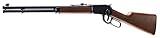
Umarex Marlin Lever Action BB Rifle
A backyard plinking session gets old fast when loading feels fussy, the rifle feels clumsy, or every few shots bring another interruption. The officially licensed Marlin design takes a simpler route, pairing a familiar Western-style profile with a straightforward lever mechanism and a large BB reservoir. Although the search phrase umarex ump competition points toward a very different Umarex platform, this model is a classic-style .177 caliber BB rifle built around casual target shooting rather than tactical handling. Its biggest appeal lies in easy operation, generous ammunition capacity, and an approachable shooting pace.
Umarex Marlin Lever Action Rifle
The rifle’s personality comes from the lever action, and that’s more than a cosmetic detail. Cycling the lever between shots creates a deliberate rhythm that slows things down just enough to make plinking feel engaging instead of mechanical. The action also gives the rifle a bit of old-school charm without demanding complicated loading steps or unfamiliar controls. For someone tired of plain single-shot designs, the time-tested lever mechanism adds a hands-on element that keeps repetitive target practice from feeling stale.
That lever still requires a full, consistent stroke to prepare each shot, so hurried movement may lead to an awkward cycle. This isn’t a rapid-fire platform, and it shouldn’t be judged like one. The real benefit is control, since the shooter naturally pauses, resets, and returns to the sights after every shot. That measured process can reinforce steady shooting habits while making each BB feel a little more intentional.
The mechanism also suits relaxed tin-can sessions, paper targets, and simple accuracy games with friends or family. There’s no need to manage detachable magazines after every short string, and the operation remains easy to understand after a brief safety explanation. Still, the lever must be treated with reasonable care rather than slapped around for dramatic effect. The fun factor comes from smooth cycling, not rough handling or exaggerated speed.
Large Capacity Keeps Plinking Moving
Frequent reloading can drain the energy from a casual shooting session, especially when tiny BBs are involved. The built-in fill port holds up to 650 steel BBs, which greatly reduces how often the rifle needs attention between targets. That capacity makes sense for long afternoons where the goal is simple repetition, not magazine-change drills. Load it carefully, close the port securely, and the session can keep rolling without a pocket full of separate magazines.
A large reservoir does introduce a familiar tradeoff: loose BBs may create some internal rattle as the rifle moves. That sound won’t bother everyone, but anyone expecting the feel of a tightly loaded traditional firearm replica should keep expectations realistic. The system values convenience over silence, and that’s a fair bargain for most backyard use. Its easy-loading design solves the practical headache of constantly handling individual rounds.
The fill port also demands a bit of patience during setup. Pouring too quickly can send BBs bouncing across a table or disappearing into the grass, so a small speedloader or narrow-spout container can save frustration. Keeping the loading area clear helps prevent dirt and debris from entering with the ammunition. A few calm seconds at the start protect the feeding system and reduce needless cleanup later.
Power Suits Short-Range Target Fun
The rifle launches .177 caliber steel BBs at speeds of up to 300 FPS, which places it firmly in the casual plinking category. That output is enough for paper targets, reactive cans, and basic shooting games at sensible distances. It isn’t built for hunting, pest control, or long-range precision, and treating it as though it were would create the wrong expectations. The modest velocity keeps the focus on repeatable fun rather than raw power.
Steel BBs behave differently from pellets, particularly as distance increases. They can ricochet from hard surfaces, and their round shape generally limits precision compared with quality pellets fired from a rifled barrel. A proper backstop is essential, along with eye protection and a shooting area free from exposed metal, stone, or glass. Those basic precautions matter more than squeezing out a few extra feet of range from the .177 caliber platform.
Accuracy will depend on distance, sight adjustment, shooting posture, and the consistency of the BBs being used. The adjustable rear sight helps shift the point of impact, though fine-tuning may take several careful groups rather than one quick guess. Short-range paper targets provide the clearest way to learn where the rifle prints and how steadily the lever can be cycled. The adjustable sight is useful, but it can’t replace a stable hold and a clean sight picture.
Lightweight Build With Classic Styling
The faux wood finish gives the rifle a traditional Marlin-inspired appearance without the weight or upkeep of a genuine wood stock. Its lightweight polymer construction is easier to carry between shooting positions and less tiring during extended sessions. Textured grip areas help maintain control, particularly when hands are warm or slightly damp. The overall package favors manageable handling over dense realism.
Polymer construction brings practical advantages, but it also creates one of the rifle’s clearest compromises. The stock won’t deliver the same warmth, heft, or grain variation as real wood, and close inspection will reveal its synthetic nature. That doesn’t make the design ineffective; it simply places durability, cost control, and low weight ahead of collector-grade authenticity. Buyers focused on display value may want more material realism, while active plinkers may appreciate the low-maintenance stock.
The manual safety provides a direct control for preventing an unintended shot while the rifle is being handled properly. It should never replace safe muzzle direction, trigger discipline, or a reliable backstop, but it adds another useful layer to the operating routine. Controls remain simple enough that there’s little clutter around the shooting process. A related Umarex handgun topic appears in umarex 22 pistol, though that platform follows a different handling style and shouldn’t be treated as a direct substitute for this lever-action rifle.
Daily Use, Maintenance, And Tradeoffs
Routine care is refreshingly uncomplicated. Keep the exterior dry, wipe away dust, inspect the loading port, and store the rifle where the lever won’t be pressed against other gear. Steel BBs should remain clean and free from corrosion before entering the reservoir. These small habits support reliable feeding without turning ownership into a technical maintenance project.
The rifle makes the most sense in spaces where controlled short-range shooting is legal and safe. Its 300 FPS ceiling, large BB capacity, and lightweight frame favor repeated recreational shots rather than demanding accuracy work. Shooters who want scope-ready rails, pellet-level precision, or a heavy wood stock may feel restricted by the simple design. Those limits are real, yet they also keep the Marlin BB rifle focused on easygoing use.
Value here comes from the full combination rather than one flashy specification. The licensed styling gives it recognizable character, the lever keeps each shot interactive, and the 650-round reservoir removes the constant stop-and-load cycle found on smaller-capacity designs. The manual safety and adjustable rear sight add practical control without complicating the layout. For casual target sessions built around classic handling and plenty of trigger time, the rifle offers a clear, sensible experience with tradeoffs that are easy to understand.
Umarex Notos .22 PCP Carbine
Compact air rifles often force a compromise between portability, useful power, and smooth follow-up shots. The Umarex Notos takes a more balanced approach, packing a regulated PCP system, side-lever operation, and a seven-shot rotary magazine into a carbine built around an 11.75-inch barrel. Although umarex ump competition describes a different Umarex platform, this .22 caliber model is aimed at quiet target sessions, pest-control tasks where legally permitted, and small-game use within responsible limits. Its strongest qualities are compact handling, repeatable shot behavior, and a layout that doesn’t feel like a chore after the first magazine.
Umarex Notos PCP Carbine
The short barrel is the first thing that shapes the Notos experience. At 11.75 inches, it keeps the rifle from feeling nose-heavy in cramped shooting positions, around brush, or near a bench crowded with bags and rests. That shorter profile also makes storage less awkward than a traditional full-length air rifle. The useful part is that the compact build still launches a 12-grain .22 caliber pellet at up to 700 FPS, giving it more practical reach and impact than many low-powered backyard plinkers.
Velocity figures never tell the whole story, and this carbine is no exception. Pellet weight, shape, air pressure, and environmental conditions can all influence actual speed and point of impact. Still, the stated performance provides a sensible reference for evaluating the rifle’s intended role. The .22 caliber power level fits target work and small-game applications better than casual soda-can shooting at extremely short distances.
Compact dimensions also change how the rifle settles against the shoulder. It moves quickly between targets and feels less cumbersome from supported or semi-supported positions, yet shooters accustomed to longer stocks may need time to settle into the shorter geometry. That’s not necessarily a flaw, but it is a fit issue worth acknowledging. The Notos favors mobility and control over the long, planted feel of a full-size rifle.
Side-Lever Cycling And Seven-Shot Feeding
The side lever gives the rifle a smooth, straightforward rhythm between shots. Instead of breaking the barrel or reaching for a bolt that interrupts the firing position, the shooter can cycle the action with relatively little movement. That helps maintain cheek placement and visual focus, especially during target strings. The quiet side-lever system also fits the restrained character expected from a compact PCP carbine.
A seven-shot auto-indexing rotary magazine keeps follow-up shots orderly without turning the rifle into a spray-and-pray platform. Seven rounds are enough for a useful string while still encouraging deliberate shooting and regular awareness of remaining ammunition. The auto-indexing design removes the need to rotate the magazine by hand between shots. In practical terms, faster shot transitions come without sacrificing the measured pace that makes air-rifle shooting enjoyable.
Magazine systems always bring small tradeoffs. Rotary magazines need correct pellet seating, clean chambers, and reasonable handling to avoid jams or damaged skirts. Long or unusually shaped pellets may not fit as comfortably as conventional domed designs, so ammunition selection matters. The seven-shot magazine is convenient, but it rewards careful loading rather than rushed fingers and loose pellets rolling around on a bench.
Side-lever operation also reduces the physical effort associated with break-barrel cocking. That matters during longer sessions, where repeated heavy cocking can wear out the shoulder and disturb shooting consistency. The Notos lets the shooter stay focused on breathing, sight picture, and trigger control instead of wrestling with the action. Its easy cycling behavior is one of the clearest improvements over simpler single-shot spring-powered rifles.
Regulated Air Delivery And Shot Consistency
The fixed high-pressure air tank is regulated, which is a major part of the rifle’s appeal. Regulation helps manage air delivery so consecutive shots behave more consistently across the usable pressure range. A steadier air pulse usually means less vertical wandering caused by changing velocity. That gives the Notos a practical shot-to-shot consistency advantage for grouping work and predictable holdover.
A regulator doesn’t erase every variable, of course. Pellet uniformity, barrel condition, fill pressure, temperature, and shooter technique still influence the result. But it reduces one of the larger mechanical variables by controlling how much air reaches each shot. That makes the rifle less temperamental and easier to understand over time, especially for someone moving into PCP equipment from a springer.
The fixed tank design keeps the system tidy, though it also means air management becomes part of ownership. A proper PCP fill source is required, and the shooter needs to monitor pressure rather than assuming the rifle will run indefinitely. Hand pumps can work, but topping off a PCP manually takes effort, while tanks and compressors add expense and storage needs. The PCP power system delivers smooth shooting, but it’s not as self-contained as a break-barrel rifle.
Consistency pays off most clearly during zeroing and repeated target drills. A rifle that behaves predictably allows sight adjustments to mean something instead of chasing random shifts from one shot to the next. That confidence also matters in field use, where ethical shot placement depends on knowing the equipment’s limits. The regulated action supports that repeatability without adding complicated controls to the shooting process.
Noise, Optics, And Practical Field Use
Quiet operation is a central part of the Notos design, and the combination of PCP power and side-lever cycling helps keep mechanical disturbance low. Reduced report can make target practice less disruptive, though “quiet” should never be confused with silent. Background conditions, pellet speed, nearby structures, and the shooting environment all affect perceived sound. The low-noise character is useful, but hearing protection and local rules still deserve attention where applicable.
Optic choice matters because a compact rifle can feel clumsy if paired with oversized glass. A moderate optic with sensible eye relief generally suits the Notos better than a large hunting scope that overwhelms the carbine’s proportions. Broader optic considerations are discussed in mid range rifle scopes, although air-rifle trajectory and mounting needs still require their own judgment. The key is preserving balanced handling rather than turning a lightweight carbine into a front-heavy rig.
Small-game hunting demands more than the rifle’s advertised velocity. Pellet selection, impact energy, distance, shot placement, and local law all matter, and the rifle should only be used within a range where accuracy has been verified. Paper targets are the right place to establish that limit before any field application. The Notos offers practical hunting capability, but responsible use depends on restraint rather than headline numbers.
Plinking and target shooting reveal the friendlier side of the design. The carbine’s compact frame, rotary magazine, and low-effort lever make repeated strings feel smooth without becoming monotonous. It’s easier to settle into a rhythm, pause, evaluate the group, then continue without breaking concentration. That combination gives the Umarex Notos a clear identity as a portable PCP that values usable performance over unnecessary bulk.
Strengths, Weaknesses, And Ownership Fit
The strongest feature set is easy to summarize without overselling it. A short barrel keeps the rifle manageable, the regulator supports repeatable output, and the seven-shot magazine reduces interruptions. The side lever adds a clean follow-up cycle that feels more refined than basic manual actions. Together, those elements create a compact shooting system that’s practical for both bench use and controlled field carry.
The weaknesses mostly come from the PCP format rather than poor design. Filling equipment costs extra, air pressure needs attention, and the magazine may be sensitive to careless loading or unsuitable pellet shapes. A short carbine can also feel cramped to someone who prefers a long stock and broad stance. These are meaningful ownership tradeoffs, not tiny footnotes, and they should be weighed before choosing a pre-charged pneumatic rifle.
The Notos won’t suit someone who wants a rifle that can be grabbed from a closet and fired without checking air pressure or maintaining support gear. It also isn’t designed around maximum long-range energy or a heavy traditional stock. Its sweet spot is controlled shooting where compact size, quiet cycling, and repeatability matter more than raw mass or oversized power claims. That makes the regulated PCP platform appealing, but only when the owner is comfortable with the extra air-management routine.
Realistic expectations make this carbine easier to appreciate. It offers up to 700 FPS with a 12-grain .22 pellet, seven-shot feeding, a regulated fixed tank, and an action built for smooth transitions between shots. It still requires good pellets, careful zeroing, safe backstops, and disciplined maintenance. The payoff is a well-focused air rifle that stays compact without stripping away the features that make PCP shooting feel controlled and rewarding.
Umarex Komplete NCR .22 Air Rifle
Compressed-air shooting can become a nuisance before the first pellet ever leaves the barrel. Pumps take effort, compressors cost real money, and bulky fill tanks aren’t exactly fun to drag around. The Umarex Komplete NCR sidesteps that routine with a disposable nitrogen cartridge system, while the unrelated phrase umarex ump competition belongs to a different corner of the Umarex catalog. Its real draw is PCP-style consistency without conventional filling gear, wrapped in a package that includes magazines, optics, and accessory mounting space.
Umarex Komplete Nitrogen Cartridge Rifle
The headline feature is the NitroAir cartridge system, and it changes the ownership routine in a meaningful way. Each single-use nitrogen cartridge is filled to 3,600 psi, then works with the rifle’s patent-pending piercing mechanism and internal regulator. The regulator releases nitrogen at a controlled 1,800 psi, supporting a claimed 45 shots or more per cartridge. One catch deserves immediate attention: the nitrogen cartridge isn’t included, so the rifle can’t be treated as ready to fire straight from the box.
That omission may frustrate anyone expecting an all-in-one package, especially since the rest of the setup looks unusually complete. Two magazines, a scope, and mounting rings are included, yet the essential pressure source must be purchased separately under part number 2211382. It’s a practical detail rather than a tiny footnote. The required NitroAir cartridge should be factored into both the first purchase and the ongoing cost of ownership.
The benefit becomes clear once the cartridge is installed. There’s no strenuous hand pumping, no compressor noise, and no need to transport a large refill tank. That keeps preparation short and predictable, which is valuable when a shooting session needs to fit around limited time. The disposable N2 system trades refill equipment for cartridge dependence, so convenience improves while recurring supply costs take its place.
Regulated Nitrogen Keeps Shots Predictable
Pressure consistency matters because changing air delivery can shift velocity and vertical point of impact. The internal regulator meters a predetermined amount of nitrogen at 1,800 psi rather than dumping pressure unevenly from shot to shot. That setup is designed to provide a stable shooting string until the cartridge approaches the end of its usable charge. The practical strength is repeatable air delivery, not simply a large pressure number printed on the specification sheet.
Nitrogen also behaves cleanly inside the power system. The provided details state that it leaves no residue and operates in both hot and cold conditions, reducing one source of maintenance concern. That doesn’t mean the entire rifle becomes maintenance-free, since the barrel, magazines, seals, fasteners, and scope mounts still deserve routine attention. Even so, clean nitrogen operation can reduce the mess associated with moisture or contaminated fill sources.
Weather tolerance gives the cartridge idea another practical angle. Temperature swings can make some power systems feel less predictable, particularly during long outdoor sessions. Nitrogen’s stated hot-and-cold operating capability helps the Komplete remain less fussy as conditions change. That steadiness supports field-ready consistency, although actual point of impact should still be verified whenever distance, pellet choice, or weather changes.
Power And Pellet Performance
The Komplete sends an 11.9-grain .22 caliber pellet at up to 975 FPS, generating a stated 25 foot-pounds of energy. Those figures place it well beyond low-powered backyard plinkers and into a class suited to serious target work and small-game use where legal. Power at this level also makes backstop quality non-negotiable. The 25-foot-pound output demands a safe shooting area, careful range judgment, and disciplined pellet selection.
Velocity alone won’t guarantee tight groups. Pellet diameter, skirt condition, head shape, weight consistency, scope setup, and shooter technique all influence the final result. The included 11.9-grain reference load establishes the performance claim, but heavier or differently shaped pellets may produce another balance of speed, energy, and accuracy. The sensible approach is to treat 975 FPS as a specification tied to a particular pellet weight rather than a universal result.
Small-game capability carries an ethical responsibility that numbers can’t settle by themselves. The rifle’s energy may be suitable, yet clean placement depends on verified accuracy at the actual distance being used. Paper targets should establish the effective limit before any field application is considered. The Komplete supplies usable hunting energy, but restraint and local regulations determine whether that capability is applied responsibly.
Two Magazines Reduce Interruptions
Two removable 10-round magazines arrive with the rifle, giving the package a practical advantage from the start. A spare loaded magazine keeps a target session moving without constant pellet handling between short strings. Twenty available shots across both magazines also fit comfortably within the claimed cartridge capacity. The included pair provides better shooting continuity than a package limited to one magazine.
Rotary magazines still reward careful loading. Pellets should sit correctly without crushed skirts, protruding heads, or debris around the chambers. Rushing can lead to rough cycling or inconsistent feeding, and unusually long pellets may not suit the magazine geometry. The 10-round removable design is convenient, but ammunition compatibility remains worth checking before buying pellets in bulk.
A spare magazine can be sourced under part number 2251559, according to the supplied specifications. That makes it possible to expand the rotation for longer sessions, though extra magazines add cost and should be stored carefully to protect their chambers. Keeping loaded magazines organized also prevents dirt from reaching the pellet skirts. The replaceable magazine system gives the rifle room to grow without making additional magazines mandatory on day one.
Included Scope And Accessory Mounting
The supplied 4x32 scope and rings remove another early setup hurdle. Four-power magnification is straightforward for moderate air-rifle distances, and the 32 mm objective keeps the optic from becoming excessively bulky. The rings are ready to mount on the Picatinny rail, so a separate optics purchase isn’t required before basic zeroing begins. That makes the included scope package useful, even if experienced shooters eventually prefer different glass.
Factory-bundled scopes usually emphasize practicality rather than elaborate adjustments or premium optical refinement. The 4x32 setup should be judged as a starting point that gets the rifle operational, not as the final word in airgun optics. Mounting screws need to be tightened evenly, eye relief must suit the shooter, and the zero should be rechecked after the first few sessions. The Picatinny mounting rail leaves room for changing the optic later without redesigning the rifle.
The front end includes M-LOK slots along the bottom, opening the door to an accessory rail, bipod, or other compatible additions. A bipod can help stabilize bench shooting, but too much hardware may make the rifle heavier and less pleasant to carry. That’s the rub: accessory freedom is useful only when it solves a real handling problem. The M-LOK interface supports customization without forcing unnecessary equipment onto the basic setup.
Optic type should match the rifle’s intended range and shooting posture rather than whatever happens to look dramatic. Red dots suit quick, close target work, while magnified scopes make more sense for precise pellet placement at longer distances. A neutral reference to compact reflex optics appears in red dot sight options, although handgun-oriented mounting needs differ from this rifle’s Picatinny setup. The Komplete’s rail flexibility allows either direction, provided the optic holds zero and fits the shooter comfortably.
SilencAir Technology And Field Manners
Integrated SilencAir Technology reduces the rifle’s report, supporting quieter shooting and less disturbance in suitable environments. Lower sound can be helpful during field use, target sessions near property boundaries, or situations where repeated sharp reports would become tiring. Still, reduced noise isn’t silence, and nearby structures can reflect sound more than expected. The integral sound reduction is a meaningful feature, but it doesn’t remove the need for judgment or local compliance.
The quieter report pairs naturally with the nitrogen system because there’s no separate compressor running at the shooting location. Preparation stays tidy, cycling remains straightforward, and the rifle avoids the clatter of external fill equipment once the cartridge is installed. That makes the overall process feel less industrial than some PCP routines. The low-noise operating style is one of the rifle’s strongest lifestyle benefits.
Stealth in the field also depends on movement, clothing, backstop conditions, and how the rifle is handled between shots. A quiet muzzle report won’t compensate for noisy gear or careless positioning. The Komplete helps reduce one obvious source of sound, but it doesn’t turn fieldcraft into an automatic feature. Its SilencAir system supports discretion rather than replacing it.
Convenience Has A Recurring Cost
The NCR concept solves a genuine problem: traditional PCP filling equipment can be expensive, bulky, or physically demanding. A disposable cartridge avoids those barriers and lets the rifle operate without a compressor, scuba tank, or hand pump. That’s a clean answer for occasional shooting or limited storage space. The tradeoff is ongoing cartridge dependency, since every depleted cylinder must be replaced rather than refilled at home.
Availability matters just as much as price. A rifle built around a proprietary consumable becomes less useful if cartridges are difficult to source locally or temporarily out of stock. Keeping a reasonable supply on hand may prevent canceled sessions, but storage guidance should be followed carefully because each cartridge contains high-pressure nitrogen. The single-use pressure source simplifies operation while creating a new planning requirement.
Shot count also deserves a realistic reading. The specification promises 45 shots or more per cartridge, which is enough for four full 10-round magazines with some pressure remaining. That’s convenient for a focused outing, though high-volume plinking can consume cartridges quickly. The Komplete fits best where predictable shot blocks matter more than firing hundreds of pellets in one afternoon.
Strengths And Limitations In Daily Use
The rifle’s strongest advantage is how many barriers it removes at once. It provides regulated PCP performance without conventional filling equipment, includes two magazines, arrives with a 4x32 scope, and offers both Picatinny and M-LOK mounting options. SilencAir Technology adds a quieter character, while the .22 caliber output supports more than casual paper punching. The result is a well-equipped nitrogen-powered platform with a clearly defined purpose.
The biggest weakness is equally clear. NitroAir cartridges are essential, sold separately, and disposable, so the rifle depends on a continuing supply of a specific consumable. That recurring expense may outweigh the convenience for someone who shoots often enough to justify a compressor or refill tank. The cartridge-based power system makes setup easier, but it won’t be the cheapest long-term path for every shooting routine.
The included scope, magazines, and mounting interfaces make the initial hardware package feel thoughtful rather than bare-bones. Even so, buyers should plan for pellets, cartridges, eye protection, a proper backstop, and any preferred support gear. None of those needs are unusual, but the missing N2 cartridge can catch an unprepared owner off guard. The Komplete rewards those who value simple PCP access and accept the supply planning that comes with it.
Expectations should stay tied to the supplied specifications. The rifle offers up to 975 FPS with an 11.9-grain pellet, 25 foot-pounds of energy, at least 45 regulated shots per cartridge, two 10-round magazines, and integrated sound reduction. It doesn’t eliminate ammunition testing, zeroing, safe storage, or basic maintenance. What it does provide is a distinct alternative to pump-and-tank PCP ownership, built around convenience, controlled pressure, and practical field capability.
Umarex TAC .177 CO2 BB Air Pistol
Compact shooting gear can become frustrating when capacity is too low, controls feel awkward, or every accessory requires a workaround. The Umarex TAC takes a simpler route with a 19-shot BB system, CO2 power, and integrated accessory mounts built into a lightweight polymer frame. Although umarex ump competition refers to a different Umarex platform, this model is a .177 caliber air pistol designed around quick handling and repeatable recreational shooting. Its appeal rests on fast follow-up shots, straightforward operation, and a tactical-style layout that doesn’t demand a complicated setup.
Umarex TAC .177 BB Air Pistol
The 19-shot capacity gives the TAC a more energetic pace than single-shot air pistols. A longer string means less stopping, less fumbling with loose ammunition, and more time concentrating on sight alignment. That’s handy during paper-target drills where consistency matters more than constantly reloading. The 19-shot system keeps a session moving without turning the pistol into an oversized piece of gear.
Capacity is only useful if loading stays orderly, so BB handling still deserves care. Steel BBs are small, easy to spill, and prone to collecting dirt when dropped outdoors. A clean loading surface and a little patience can prevent debris from entering the pistol. The .177 caliber feed system favors neat preparation rather than rushed loading beside a gravel path.
The pistol format also changes the shooting experience compared with a shoulder-fired airgun. A two-handed grip, stable stance, and deliberate trigger press matter because there’s no stock to steady the frame. Short barrels and light bodies can magnify small movements, especially as distance increases. The TAC rewards controlled pistol technique more than casual one-handed shooting from across the yard.
CO2 Power Keeps Operation Straightforward
A single 12-gram CO2 cartridge powers the pistol, creating a familiar routine for recreational airgun use. The cartridge installs inside the gun and provides the gas pressure needed for repeated shots. There’s no hand pumping between rounds and no external air tank to carry. That CO2-powered simplicity makes the TAC easier to prepare than many PCP systems.
The cartridge isn’t included, which needs to be understood before the first session. Pellets or BBs alone won’t make the pistol ready to fire, so a compatible 12-gram CO2 supply must be purchased separately. That adds an ongoing consumable cost, particularly during high-volume use. The missing CO2 cartridge is a practical limitation rather than a minor packaging detail.
Temperature can also influence CO2 performance. Cold conditions may reduce pressure and cause velocity to drop, while rapid firing can cool the cartridge and make consecutive shots less consistent. Slowing the pace gives the system time to stabilize between strings. The TAC’s gas-powered convenience is real, but it comes with behavior that spring-powered and pre-charged pneumatic designs don’t share.
Unused gas should be managed sensibly rather than forgotten inside the pistol for long storage periods. Extended pressure on seals may shorten their service life, and careless cartridge removal can release remaining gas abruptly. Following the manufacturer’s handling directions protects both the pistol and the person operating it. A little routine care keeps the CO2 seal system from becoming the weak link.
Velocity Fits Recreational Target Shooting
The TAC shoots .177 caliber steel BBs at up to 410 FPS according to the supplied specifications. That gives it enough speed for paper targets, cans, and other approved reactive targets at sensible recreational distances. It isn’t a hunting pistol, and the stated velocity shouldn’t be interpreted as permission to use it on animals. The 410 FPS output belongs in controlled plinking and basic pistol practice.
Steel BBs can ricochet from hard surfaces, so the backstop matters every bit as much as the pistol. Bare metal, concrete, rocks, and glass create unnecessary risk because round BBs may rebound unpredictably. A purpose-built trap or a soft, energy-absorbing backstop is the safer choice. Eye protection and a controlled firing lane remain essential parts of responsible BB shooting.
Accuracy depends on more than the velocity number printed on the box. Grip tension, sight alignment, trigger control, BB uniformity, and shooting distance all shape the group. Lightweight air pistols can move easily during the trigger press, so small technique errors show up quickly. The TAC’s practical accuracy will be strongest at realistic plinking ranges with a steady two-handed hold.
Steel BBs also limit the ammunition options compared with pellet-firing pistols. Their round shape is convenient for repeating systems, yet it generally offers less aerodynamic stability than a well-matched pellet. That tradeoff favors capacity and speed over precision-oriented experimentation. The BB-only format suits casual target sessions better than tight-group competition work.
Accessory Rails Add Useful Flexibility
Integrated Picatinny mounts allow optics, lights, or lasers to be added without improvised brackets. That gives the TAC a modular quality that basic BB pistols often lack. A compact optic can simplify sight pickup, while a light may help identify approved targets in controlled low-light practice areas. The built-in accessory mounts make customization straightforward, provided the added equipment serves a real purpose.
Extra hardware can change the balance faster than expected. A heavy optic or oversized light may make a lightweight pistol feel awkward at the muzzle, especially during extended two-handed use. Compact accessories generally preserve the quick handling that gives the TAC its character. The best setup usually adds functional equipment without burying the frame under unnecessary weight.
Laser sights can help reveal grip movement during dry handling or controlled target drills, but they shouldn’t replace proper sight alignment. A wandering laser dot often shows just how much the muzzle moves before and during the trigger press. That feedback can be useful, although batteries, mounting screws, and zero retention become extra maintenance points. The Picatinny rail system provides options, not automatic improvement.
Optic selection differs sharply between compact pistols and shoulder-fired air rifles. Broader air-rifle considerations appear in Gamo air rifles, though their size, mounting needs, and intended roles aren’t directly interchangeable with this CO2 pistol. The TAC benefits from small, lightweight accessories that match its proportions. Keeping the setup restrained protects natural handling balance and avoids turning a handy pistol into a front-heavy project.
Polymer Construction Keeps Weight Manageable
The durable polymer frame keeps the TAC lighter than an all-metal design. Less weight helps during long target sessions and makes the pistol easier to carry between a shooting bench and a safe storage case. Polymer also resists ordinary moisture concerns better than exposed steel surfaces. The lightweight frame supports mobility without requiring extensive exterior maintenance.
That same material choice creates a clear tradeoff in feel. Polymer won’t provide the cold density, mechanical heft, or display appeal associated with metal-bodied replicas. Some shooters prefer a heavier frame because added mass can steady the muzzle and make the pistol feel more substantial. The TAC prioritizes practical weight savings over collector-style realism.
Light construction can also make recoil-like movement from the gas cycle feel more noticeable, even though the pistol doesn’t behave like a firearm. Small shifts in grip pressure may affect where the sights return after each shot. A consistent hold matters more than squeezing harder with every round. The polymer chassis works best with relaxed, repeatable technique rather than a white-knuckle grip.
Handling Strengths And Everyday Frustrations
The TAC’s strongest quality is how quickly its features make sense. Load the BB system, install a CO2 cartridge, set up the sights or preferred accessory, and the pistol is ready for controlled recreational use. The 19-shot capacity reduces interruptions, while the rail system supports simple personalization. That combination creates a direct shooting routine with little mechanical fuss.
The main frustrations come from consumables and environmental sensitivity. CO2 cartridges add recurring cost, aren’t included, and may deliver less consistent pressure during cold weather or rapid strings. Steel BBs also demand a carefully chosen backstop because ricochet risk is higher than with soft projectiles. These ownership tradeoffs aren’t deal breakers, but they shape where and how the pistol should be used.
The tactical appearance may suggest a more advanced platform than the specifications support. This remains a recreational .177 BB pistol with a polymer frame, not a precision match gun or a field-hunting tool. Its accessory capability adds flexibility, yet accessories can’t change the underlying ammunition or power system. The realistic use case centers on short-range targets, handling drills, and informal plinking.
Storage deserves the same attention as shooting. The pistol should be unloaded, depressurized according to the manufacturer’s guidance, and kept away from unauthorized access. BBs, CO2 cartridges, and accessories are easier to manage when stored separately and labeled clearly. The manual safety routine should always include muzzle control and trigger discipline rather than relying on a mechanical switch alone.
Who May Prefer A Different Airgun
Precision-focused shooting may call for a pellet pistol with adjustable sights and a barrel designed around tighter grouping. The TAC’s steel BB format values repeated shots and uncomplicated feeding over refined ammunition matching. Longer-distance work will also expose the limits of a lightweight pistol more quickly. Its recreational design feels more at home with short-range targets than formal accuracy challenges.
High-volume shooters may grow tired of buying CO2 cartridges. A PCP or spring-powered alternative can reduce dependence on disposable gas, though those systems bring their own costs, effort, or equipment requirements. The TAC makes more sense when quick setup matters and shooting sessions are moderate rather than endless. The 12-gram cartridge system favors convenience over the lowest possible long-term operating expense.
A heavy, realistic replica may also feel more satisfying to collectors or training-focused owners. The polymer frame keeps things easy to carry, but it won’t mimic the balance of a dense metal pistol. That difference is noticeable the moment the gun is picked up. The TAC’s light construction is a strength for casual use and a limitation for anyone chasing realistic heft.
Practical Value Of The TAC Platform
The specification sheet tells a fairly honest story. Nineteen-shot capacity supports longer strings, the 410 FPS rating suits recreational target work, and Picatinny mounts allow compact accessories without custom parts. The polymer frame keeps weight down, while CO2 power makes the operating routine familiar. The overall package offers accessible tactical-style plinking rather than pretending to be something more specialized.
Small details will decide whether it feels enjoyable over time. Consistent grip pressure, clean BBs, moderate firing pace, secure accessory mounts, and safe storage all improve the experience. None of that requires advanced mechanical knowledge, but careless habits will show up as gas waste, loose accessories, or scattered groups. The pistol rewards basic shooting discipline far more than constant tinkering.
The Umarex TAC sits in a useful middle ground between plain entry-level BB pistols and more involved airgun systems. It offers enough capacity and mounting flexibility to stay interesting, yet it avoids pumps, external tanks, and complex magazines. Its limits are easy to spot: recurring CO2 costs, temperature sensitivity, polymer feel, and BB-level precision. For controlled short-range practice, the Umarex TAC delivers a focused, uncomplicated experience without piling on features that don’t earn their keep.
Umarex HK MP5 K-PDW .177 BB Gun
A short shooting session loses its spark when reloading takes longer than aiming, the controls feel toy-like, or the action has no sense of movement. The Umarex HK MP5 K-PDW approaches those frustrations with a 40-shot magazine, semi-automatic operation, and realistic recoil action in a compact airgun format. Although umarex ump competition belongs to another Umarex product category, this officially styled Heckler & Koch model is built around fast recreational shooting and familiar handling. Its strongest appeal comes from high-capacity CO2 operation, recognizable MP5-inspired ergonomics, and a shooting rhythm that stays lively without requiring manual cocking after every BB.
Umarex HK MP5 K-PDW BB Gun
The compact K-PDW profile gives this airgun a personality that feels different from a long sporting rifle. Shorter dimensions make it easier to maneuver around a bench, transport in an appropriate case, and shoulder in a controlled indoor or backyard range where space is limited. The design also creates a recognizable silhouette without depending on oversized accessories to look interesting. That compact handling is a major strength for casual drills where quick sight recovery matters more than long-range stability.
Heckler & Koch styling adds visual familiarity, but the real benefit lies in how naturally the layout supports repeated shots. A shoulder-fired format gives more contact points than a handgun, making it easier to maintain a steady sight picture during longer strings. The controls and magazine arrangement also create a more involved experience than a plain reservoir-fed plinker. Still, the MP5-inspired format should be viewed as recreational airgun equipment rather than a substitute for professional firearm instruction.
The short body can feel cramped to someone with long arms or a preference for full-length stocks. Compactness always asks for something in return, and here that tradeoff is less room to stretch into a broad shooting stance. A little adjustment in shoulder position and grip placement may be needed before the airgun settles comfortably. The K-PDW proportions favor quick movement and storage convenience over the planted feel of a traditional rifle.
Semi-Automatic Action Keeps The Pace Moving
Semi-automatic operation removes the stop-and-cock routine found on many entry-level airguns. Each trigger press fires another BB as long as the system is loaded, charged, and operated correctly. That creates a smooth flow during paper-target strings and basic transition drills. The semi-automatic action makes repeated shooting feel less interrupted, especially after spending time with break-barrel or single-shot designs.
Speed can become a bad habit, though. A fast trigger doesn’t guarantee accurate placement, and rapid strings may cool the CO2 system enough to affect consistency. Slowing down between short groups gives the gas pressure a chance to stabilize and helps preserve the sight picture. The MP5 K-PDW is more satisfying when controlled cadence replaces hurried trigger tapping.
The trigger-driven rhythm also supports simple practice routines. A shooter can fire measured pairs, pause to assess the target, then repeat without changing position to operate a bolt or lever. That keeps attention on stance, trigger control, and sight alignment. The quick follow-up capability is useful, but disciplined repetition gets more value from it than pure speed.
Semi-automatic CO2 airguns require awareness of remaining ammunition and gas pressure because the mechanism doesn’t force a pause between rounds. A weakening cartridge may cause a gradual drop in power, while an empty magazine can arrive sooner than expected during fast shooting. Counting shots and watching target behavior helps prevent confusion. That small habit keeps the shooting cycle predictable instead of turning the last few trigger presses into guesswork.
Forty-Shot Magazine Reduces Reloading Stops
The drop-free magazine holds 40 .177 caliber steel BBs, giving the airgun a substantial amount of onboard ammunition. That capacity is well suited to recreational sessions where constant reloading would break concentration. Four 10-shot strings can be completed before the magazine needs attention, making structured target drills easy to organize. The 40-shot capacity is one of the clearest practical advantages in the package.
A drop-free design also makes removal feel more direct than a fixed internal reservoir. The magazine can be released, handled at a loading area, and returned without pouring BBs into the body of the airgun. That arrangement keeps loose ammunition more organized and reduces awkward loading angles. The removable magazine supports a cleaner routine, provided it isn’t allowed to fall onto concrete or hard flooring.
Large capacity carries a little baggage. Loose steel BBs may rattle during movement, and loading 40 small rounds can still take patience even though it happens less often. Dirt, damaged BBs, or careless filling may create feeding problems that have nothing to do with the basic mechanism. The magazine rewards clean ammunition handling rather than rushed preparation beside dusty ground.
The word “clip” sometimes appears in product descriptions, but this model uses a removable magazine to contain and feed the BBs. That distinction doesn’t change how the airgun is enjoyed, yet clear terminology helps explain the operating system. More importantly, capacity should never encourage careless target selection or uncontrolled shooting. The high-volume feed system is useful only inside a safe lane with a reliable backstop.
CO2 Power Brings Convenience And Compromise
The MP5 K-PDW runs on common 12-gram CO2 cartridges, which are widely used across recreational airguns. Their compact size makes them easier to store than a compressor, large fill tank, or hand-pump setup. Installation is generally straightforward once the manufacturer’s procedure is followed. That easy-to-source power system keeps ownership approachable for someone who doesn’t want to manage PCP equipment.
CO2 cartridges are not included, so the first shooting session requires an additional purchase. This detail is easy to overlook because the airgun and magazine may otherwise appear ready for use. Cartridges also become a recurring expense, particularly when the 40-shot magazine encourages longer sessions. The separate CO2 requirement belongs in the budget from the start.
Temperature sensitivity is another honest limitation. CO2 pressure can fall in colder weather, and rapid firing cools the cartridge as gas expands. That may produce weaker shots or changing points of impact during long, fast strings. The gas-powered action behaves better with short pauses than with nonstop trigger work.
Long-term storage deserves care as well. Leaving a cartridge installed under pressure may place unnecessary strain on seals, while removing a partly filled cartridge can release gas abruptly. Manufacturer guidance should determine the proper procedure after a session. Sensible handling protects the CO2 seals and reduces the chance that a small convenience becomes an avoidable maintenance problem.
Four Hundred FPS Fits Controlled Plinking
The supplied specifications list a maximum velocity of 400 FPS with .177 caliber steel BBs. That speed is suited to paper targets, approved reactive targets, and recreational shooting at reasonable distances. It isn’t a small-game hunting setup, and the compact airgun format shouldn’t be stretched into roles it wasn’t built to fill. The 400 FPS output belongs in a controlled plinking environment with strict attention to what lies behind the target.
Steel BBs can rebound from hard surfaces more readily than soft pellets. Concrete, bare metal, rocks, and glass make poor target areas because round ammunition may return in unpredictable directions. A proper BB trap or energy-absorbing backstop is part of the setup, not an optional extra. The ricochet risk makes protective eyewear and careful target placement essential.
Practical accuracy will depend on grip, shoulder position, sight alignment, BB consistency, and CO2 pressure. A compact airgun can move quickly between targets, but that same light handling may expose small errors in trigger technique. Short, measured groups reveal more than emptying the full magazine in one burst of enthusiasm. The realistic accuracy range is shaped by control, not just the advertised velocity.
Target practice often benefits from a different balance of power, precision, and shooting position than casual rapid-fire plinking. A broader discussion of purpose-built options appears in target practice air rifles, though those rifles may use different ammunition, actions, and sighting systems. The MP5 K-PDW remains focused on compact, energetic recreation. Its BB-based performance favors pace and handling over pellet-rifle precision.
Recoil Action Adds Mechanical Character
Realistic recoil action gives the airgun more movement than a static CO2 plinker. That feedback adds a mechanical pulse to each shot and helps the MP5-inspired design feel less lifeless. The effect isn’t equivalent to firearm recoil, nor should it be presented that way. Its value lies in tactile shooting feedback that makes repeated trigger presses feel more involved.
Recoil simulation also uses energy that might otherwise support additional shots or greater consistency. Gas-powered movement can reduce efficiency compared with an airgun that directs nearly all available pressure toward the BB. That’s the price of adding physical action to the experience. The realistic cycling effect favors engagement over maximum CO2 economy.
The moving action may also nudge the sights during faster strings. A firm but relaxed hold helps the airgun return to the same position without forcing it downward after every shot. Trying to overpower the movement usually creates more tension and worse groups. The recoil response feels best as part of the rhythm, not as something to fight.
Training Value Needs Clear Boundaries
The familiar shape and semi-automatic cycle can support basic handling habits in an appropriate airgun environment. Mounting the airgun consistently, maintaining muzzle awareness, and practicing trigger discipline all have value. The compact stock format can also help expose sloppy stance or uneven grip pressure. The training-tool role makes sense for fundamentals, provided the differences from a firearm remain clear.
Controls, weight, recoil, trigger feel, and ballistic behavior won’t exactly match a firearm. An airgun can reinforce safe routines, but it can also create false confidence if treated as a complete substitute for qualified instruction. Proper training should distinguish recreational repetition from defensive or duty preparation. The MP5 K-PDW offers handling practice, not a one-to-one simulation of live-fire performance.
Visual realism creates another responsibility because bystanders may mistake the airgun for a firearm. It should be transported in a closed case, used only in lawful settings, and never displayed casually in public. Bright lighting and a clearly controlled shooting area reduce misunderstandings. The realistic appearance adds appeal, but it also demands mature storage and transport habits.
A mechanical safety can support the operating routine, yet safe behavior can’t be outsourced to a switch. Muzzle direction, finger placement, secure storage, and a verified backstop remain the foundation. Treating the airgun seriously protects both the equipment and everyone nearby. The safe-handling discipline matters more than how realistic the action feels.
Strengths And Weaknesses In Regular Use
The strongest features work together rather than competing for attention. Forty-shot capacity reduces downtime, semi-automatic operation keeps the pace smooth, and recoil action adds personality to every string. Common 12-gram CO2 cartridges avoid complicated filling equipment. That blend creates a lively recreational airgun that doesn’t require much mechanical knowledge to understand.
The weaknesses are just as straightforward. CO2 costs continue over time, cold weather can affect output, and rapid fire may reduce shot consistency. Steel BBs also limit precision and require a carefully designed backstop because of ricochet concerns. These operating tradeoffs matter more than cosmetic details and should shape the buying decision.
The compact build won’t satisfy someone seeking a long, stable target rifle or a pellet platform for tight groups. Likewise, the realistic cycling action may feel wasteful to a shooter who prioritizes maximum gas efficiency. The MP5 K-PDW leans toward fun, handling, and sustained shooting rather than benchrest-style refinement. Its best-fit role is short-range recreational practice with clear expectations.
Daily ownership remains fairly simple with clean BBs, fresh CO2, secure magazine storage, and occasional inspection of moving parts. Optics or accessories aren’t necessary to appreciate the design, and excessive add-ons can spoil its compact balance. Kept straightforward, the airgun stays quick and easy to manage. The Umarex HK MP5 K-PDW earns its place through capacity, character, and controlled semi-automatic fun rather than exaggerated performance claims.