
11 Vortex Viper Scopes of 2026 For Hunting and Target Shooting

Why do so many shooters end up with the wrong reticle and turret setup after stepping up their glass? The trouble usually starts when distinct Vortex Viper scopes designed for long-range steel get mixed up with dedicated hunting builds. Hauling a heavy optic into thick brush often means watching a fine reticle vanish against dark timber at low magnification. On the flip side, taking capped hunting turrets and a second focal plane reticle to a precision match leaves you calculating awkward holdovers the moment the magnification ring turns. Beyond missed shots, oversized objective bells force tall mounts that compromise a steady cheek weld, while tall, exposed turrets snag on backpack scabbards during long hikes.
Spotting your target clearly and trusting every click of elevation should feel second nature from the bench or the ridge. Getting there means matching the layout to your specific discipline: choose first focal plane models with exposed dials for dialing distant steel, stick with second focal plane for bold crosshairs on game, and verify your ring height before bolting anything down. The breakdown below cuts through the overlapping model names to line up the right magnification, focal plane, and turret system for your rifle.
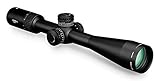
- ARS Mark9.5
ARS Mark is a ranking system developed by bestairriflescopes.com. ARS Mark has no relationship or impact from any manufacturers or sales agent websites. Learn more
- BrandVortex

- ARS Mark9.5
ARS Mark is a ranking system developed by bestairriflescopes.com. ARS Mark has no relationship or impact from any manufacturers or sales agent websites. Learn more
- BrandVortex

- ARS Mark9.3
ARS Mark is a ranking system developed by bestairriflescopes.com. ARS Mark has no relationship or impact from any manufacturers or sales agent websites. Learn more
- BrandVortex

- ARS Mark9.2
ARS Mark is a ranking system developed by bestairriflescopes.com. ARS Mark has no relationship or impact from any manufacturers or sales agent websites. Learn more
- BrandVortex

- ARS Mark8.8
ARS Mark is a ranking system developed by bestairriflescopes.com. ARS Mark has no relationship or impact from any manufacturers or sales agent websites. Learn more
- BrandVortex

- ARS Mark8.6
ARS Mark is a ranking system developed by bestairriflescopes.com. ARS Mark has no relationship or impact from any manufacturers or sales agent websites. Learn more
- BrandVortex
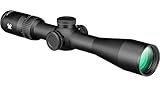
- ARS Mark7.9
ARS Mark is a ranking system developed by bestairriflescopes.com. ARS Mark has no relationship or impact from any manufacturers or sales agent websites. Learn more
- BrandVortex
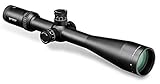
- ARS Mark7.7
ARS Mark is a ranking system developed by bestairriflescopes.com. ARS Mark has no relationship or impact from any manufacturers or sales agent websites. Learn more
- BrandVortex

- ARS Mark7.6
ARS Mark is a ranking system developed by bestairriflescopes.com. ARS Mark has no relationship or impact from any manufacturers or sales agent websites. Learn more
- BrandVortex

- ARS Mark7.6
ARS Mark is a ranking system developed by bestairriflescopes.com. ARS Mark has no relationship or impact from any manufacturers or sales agent websites. Learn more
- BrandVortex
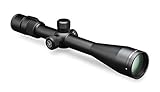
- ARS Mark7.5
ARS Mark is a ranking system developed by bestairriflescopes.com. ARS Mark has no relationship or impact from any manufacturers or sales agent websites. Learn more
- BrandVortex
Last update on 2026-09-24 / Affiliate links / Images, Product Titles, and Product Highlights from Amazon Product Advertising API
Should I choose a Viper PST Gen II or a Viper HD scope?
It depends on whether your rifle is built for dialed target shooting or mobile field hunting.
The Viper PST Gen II series offers first focal plane options like the 3-15x44 and 5-25x50 with EBR-7C MOA reticles, making them well suited for precision turret adjustments and rapid holdoffs at known distances. The Viper HD line provides both first focal plane 5-25x50 configurations with VMR-4 reticles and lighter second focal plane hunting options like the 2-10x42 and 3-15x44 with Dead-Hold BDC or VMR-3 reticles. If you need clean crosshairs that remain visible at lower powers in dense cover, the Viper HD second focal plane models serve hunting rifles best, while PST Gen II optics lean toward tactical range work.
Is a first focal plane or second focal plane reticle better for my rifle?
Choose a first focal plane reticle if you calculate holdovers across changing magnification, and choose a second focal plane reticle if you need a constant, bold crosshair.
In first focal plane scopes like the Viper PST Gen II 5-25x50 EBR-7C and Viper HD 5-25x50 VMR-4, the reticle scales as you adjust magnification, so subtensions remain accurate at any zoom level. Second focal plane scopes, including the Viper HD 2-10x42 Dead-Hold BDC and Viper HS-T 6-24x50 VMR-1, keep the crosshair at the exact same physical thickness throughout the entire power range. That design prevents the crosshair from shrinking into a faint line against dark brush at low power, making second focal plane optics dependable on setups like straight wall deer rifles.
How do I choose between the Dead-Hold BDC, VMR, and EBR-7C reticles?
Base your selection on whether you prefer simple bullet drop references or detailed grid-style elevation and windage holds.
The Dead-Hold BDC reticle, featured on models like the Viper HD 2-10x42, Viper HD 3-15x44, and Viper 6.5-20x50 PA, provides clear holdover hash marks to counter bullet drop without cluttering your sight picture. The VMR-1, VMR-3, and VMR-4 reticles place evenly spaced MOA hash marks on both axes for shooters who prefer uniform measuring lines. For extended target engagements, the EBR-7C MOA reticle on Viper PST Gen II scopes adds a full tree-style lower grid to hold elevation and wind simultaneously without touching your turrets.
Which magnification range works best for hunting versus target shooting?
Moderate magnification ranges suit mobile field hunting, whereas high magnification configurations are built for stationary long-range target shooting.
A 2-10x42 or 3-15x44 Viper HD optic keeps your rifle maneuverable, making it practical when carrying your firearm over rough terrain alongside a spotting scope for backpack hunting. By contrast, the Viper PST Gen II 5-25x50, Viper HS-T 6-24x50, and Viper 6.5-20x50 PA give you the visual reach required to spot impacts and place precise shots on distant targets. High-power 50mm objective models also gather ample light at long range, but they add bulk compared to 42mm or 44mm hunting configurations.
What should I check regarding scope ring height and mounting clearance?
Check your objective lens outer bell diameter against your rifle barrel profile and verify the main tube diameter before purchasing rings.
Scopes with a 50mm objective lens, such as the Viper PST Gen II 5-25x50, Viper HS-T 6-24x50, or Viper 6.5-20x50 PA, generally require medium or high rings to maintain clearance above the barrel. Optic models with a 42mm or 44mm objective, including the Viper HD 2-10x42 and 3-15x44, allow a lower mounting position closer to the bore for a natural cheek weld. Because tube diameters differ across specific Viper models, confirm the exact tube diameter on the product page or manufacturer manual before buying mount hardware.
What are the practical differences between the Viper HS-T, Viper PA, and Viper PST Gen II?
The primary differences center on focal plane design, reticle styling, and turret systems.
The Viper HS-T 6-24x50 is built on a second focal plane system with a VMR-1 MOA reticle and exposed target turrets for shooters who dial elevation and wind. The Viper 6.5-20x50 PA focuses on adjustable parallax with traditional second focal plane choices, including Dead-Hold BDC and Mil-Dot reticles. The Viper PST Gen II models, available in 3-15x44 and 5-25x50, use first focal plane mechanics and tactical EBR-7C MOA reticles engineered for dynamic distance shooting.

10 Top Picks: Best Youth Air Rifles for 13-Year-Olds

12 Best Rifle Scopes For 5.56 Under 150 Dollars - (2026 Top Picks)

Top 10 Rifle Scopes for Coyote Hunting in 2026

12 Best Benchrest Rifle Scopes of 2026 For Tight Groups

Top 5 Airsoft Rifles: Unleash the Action in 2026

Unveil the Best Straight Wall Deer Rifles: Top Picks for 2026

Top Ammo Choices for Air-Powered Rifles: Boost Your Performance in 2026

Best Quick Detach Scope Rings for Accurate and Convenient Shooting







