
Best Walther Air Pistols 2026 That Actually Deliver

Walther air pistols have carved out a serious reputation for people who want realism without draining their wallet on range fees and ammo every weekend. Plenty of air pistols look flashy online, sure, but the moment they hit your hands, the cheap construction and clunky trigger ruin the excitement fast. Walther models usually dodge that trap. Their balance feels surprisingly natural, the controls mimic firearm platforms closely, and the overall shooting experience carries enough kick to keep repetitive practice from turning stale.
Accuracy matters more than flashy marketing, and that’s where many shooters quietly get frustrated. Tiny inconsistencies start piling up after a few magazines, especially with lower-grade replicas that spray pellets everywhere except the target. Walther pellet pistols tend to hold tighter groupings, especially during casual target sessions at medium range. That consistency creates confidence. One clean shot after another changes the whole rhythm of practice, and honestly, it makes spending time outside feel a whole lot more rewarding.
Build quality also separates the forgettable models from the ones that stay in regular rotation for years. Lightweight plastic frames might shave a few dollars off the price, but they often feel toy-like after a week or two. Many Walther CO2 air pistols lean into metal slides, textured grips, and realistic weight distribution. That extra heft gives every shot a more grounded feel. The slide movement, magazine release, and recoil simulation on blowback versions create a satisfying mechanical rhythm that cheap alternatives simply can’t fake.
Noise control has quietly become another huge factor. Backyard shooting sounds fun until neighbors start peeking over the fence every ten minutes. Several Walther BB pistols balance power with manageable sound levels, which helps keep practice sessions relaxed instead of awkward. Some shooters even use them indoors with proper traps because the report stays relatively controlled. That flexibility matters more than people realize, especially during bad weather or packed schedules.
Then there’s the simple truth nobody likes admitting out loud: boredom kills consistency. Dry practice routines get repetitive fast. Realistic controls, crisp triggers, and smooth cycling keep things engaging enough to maintain regular sessions instead of letting gear collect dust in a closet. Walther air pistols deliver that sweet spot between fun and function. One afternoon of smooth target shooting usually explains why these pistols keep showing up in conversations year after year.
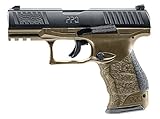
- ARS Mark9.2
ARS Mark is a ranking system developed by bestairriflescopes.com. ARS Mark has no relationship or impact from any manufacturers or sales agent websites. Learn more
- BrandUmarex
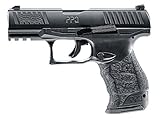
- ARS Mark9.2
ARS Mark is a ranking system developed by bestairriflescopes.com. ARS Mark has no relationship or impact from any manufacturers or sales agent websites. Learn more
- BrandUmarex
- ARS Mark9.2
ARS Mark is a ranking system developed by bestairriflescopes.com. ARS Mark has no relationship or impact from any manufacturers or sales agent websites. Learn more
- BrandT4E

- ARS Mark9.0
ARS Mark is a ranking system developed by bestairriflescopes.com. ARS Mark has no relationship or impact from any manufacturers or sales agent websites. Learn more
- BrandUmarex

- ARS Mark8.8
ARS Mark is a ranking system developed by bestairriflescopes.com. ARS Mark has no relationship or impact from any manufacturers or sales agent websites. Learn more
- BrandUmarex

- ARS Mark8.0
ARS Mark is a ranking system developed by bestairriflescopes.com. ARS Mark has no relationship or impact from any manufacturers or sales agent websites. Learn more
- BrandUmarex

- ARS Mark8.0
ARS Mark is a ranking system developed by bestairriflescopes.com. ARS Mark has no relationship or impact from any manufacturers or sales agent websites. Learn more
- BrandUmarex

- ARS Mark8.0
ARS Mark is a ranking system developed by bestairriflescopes.com. ARS Mark has no relationship or impact from any manufacturers or sales agent websites. Learn more
- BrandUmarex
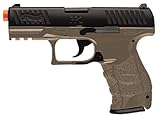
- ARS Mark7.8
ARS Mark is a ranking system developed by bestairriflescopes.com. ARS Mark has no relationship or impact from any manufacturers or sales agent websites. Learn more
- BrandWalther
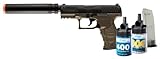
- ARS Mark7.8
ARS Mark is a ranking system developed by bestairriflescopes.com. ARS Mark has no relationship or impact from any manufacturers or sales agent websites. Learn more
- BrandElite Force
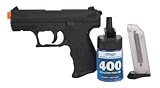
- ARS Mark7.6
ARS Mark is a ranking system developed by bestairriflescopes.com. ARS Mark has no relationship or impact from any manufacturers or sales agent websites. Learn more
- BrandUmarex
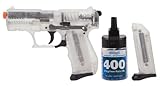
- ARS Mark7.6
ARS Mark is a ranking system developed by bestairriflescopes.com. ARS Mark has no relationship or impact from any manufacturers or sales agent websites. Learn more
- BrandUmarex
Last update on 2026-05-23 / Affiliate links / Images, Product Titles, and Product Highlights from Amazon Product Advertising API
Walther Air Pistols For Realistic Training Sessions
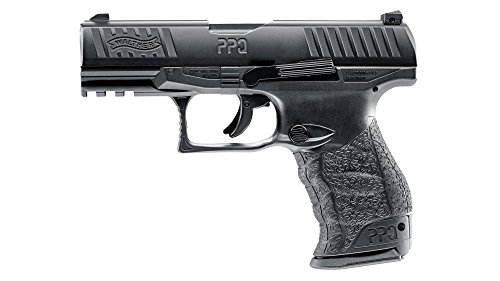
Cheap training tools usually fall apart right when consistency starts to matter. Weak recoil, toy-like controls, and awkward ergonomics can wreck practice rhythm faster than most people expect. The Walther air pistols lineup avoids a lot of that nonsense, and the T4E PPQ .43 pushes even harder into realism. Built with authentic handling and a convincing weight balance, this training pistol feels surprisingly close to the real thing without torching through expensive ammunition every weekend.
T4E Walther PPQ .43
T4E Walther PPQ .43 leans heavily into practical realism instead of flashy gimmicks. The grip texture feels secure even with sweaty hands, while the metal slide gives the pistol a satisfying heft that immediately separates it from bargain-bin alternatives. Every magazine change feels deliberate and natural. That matters more than people think, especially during repetitive drills where muscle memory starts taking over.
CO2-powered systems sometimes feel inconsistent after extended use, yet this model stays relatively dependable through multiple magazines. Velocity reaches up to 355 FPS, which creates enough snap for meaningful feedback without becoming obnoxiously harsh indoors or in confined practice areas. The blowback action adds another layer of realism. Slide movement creates a mechanical rhythm that keeps training from feeling stale or robotic.
The eight-round drop-free magazine deserves some praise too. Plenty of training pistols cheap out on magazine quality, leading to awkward reloads and feeding issues after moderate use. This one seats cleanly and releases smoothly. During reload drills, the realistic mag release placement keeps hand positioning natural rather than forcing weird adjustments that would never happen on an actual carry platform.
Another thing worth mentioning is how adaptable the pistol feels in different environments. Backyard target work, force-on-force drills, and garage setups all feel manageable because the platform balances power with control. Some training pistols become tiring after prolonged sessions due to awkward ergonomics. This one stays comfortable longer than expected, even during rapid-fire practice.
Realism That Actually Helps Training
Realistic handling sounds like marketing fluff until poor ergonomics start sabotaging practice habits. Tiny details make a massive difference over time. Grip angle, trigger reach, slide resistance, and reload positioning all shape muscle memory whether people realize it or not. The T4E PPQ .43 gets surprisingly close to a duty-style handgun experience.
The slide catch holding open after the last round changes the training dynamic dramatically. Cheaper air pistols often skip that feature entirely, which kills immersion and weakens reload practice. Here, the empty-slide lockback reinforces natural repetition. Those little mechanics create smoother transitions during drills and reduce bad habits from creeping into routines.
Fixed front sights paired with adjustable rear sights also deserve attention. Bright yellow dots remain easy to track under mixed lighting conditions, which helps during fast-paced drills or lower-light indoor setups. Some competing models use dim sights that disappear against darker targets. This one stays visible enough to maintain sight alignment quickly.
Weight distribution feels impressively balanced too. Front-heavy pistols can fatigue wrists during extended sessions, while overly light models lose realism entirely. The metal barrel and slide help maintain authentic handling without making the pistol unnecessarily bulky. That balance creates smoother target transitions and steadier follow-up shots.
Performance During Real Use
Accuracy lands comfortably within the expectations of a training-focused marker pistol. Nobody should expect match-grade precision from a .43 caliber training platform shooting paintballs or rubber rounds, but practical grouping remains respectable at common practice distances. Tight indoor drills and medium-range backyard setups both feel consistent enough for meaningful repetition.
Rapid shooting exposes weak designs pretty quickly. Some CO2 pistols lose power dramatically after a few fast magazines, creating inconsistent shot placement and frustrating drops in performance. The PPQ .43 handles sustained sessions better than many lower-cost alternatives. Velocity still fluctuates slightly during heavy use, naturally, but the drop stays manageable for routine training.
Rubber rounds deliver a sharper impact than many first-time users expect. That added intensity creates more realistic force-on-force scenarios without requiring expensive range access. Paint rounds function reliably too, especially for scenario drills where visible shot placement matters. Powder balls produce less mess overall, which some people prefer for indoor setups.
Noise levels sit somewhere in the middle ground. It’s not whisper quiet, obviously, yet it avoids the overly aggressive crack common with more powerful gas-powered training systems. That moderate report makes longer sessions more comfortable indoors or in tighter suburban spaces where excessive noise quickly becomes annoying.
Strong Points That Stand Out Fast
Build quality immediately separates this pistol from cheaper training markers. The metal slide creates a more convincing cycling feel, while the textured frame stays secure during fast movement or sweaty conditions. Nothing rattles excessively during handling either. That solid construction helps the pistol feel dependable instead of disposable.
Holster compatibility quietly becomes one of the best practical advantages. Plenty of oversized training pistols fail to fit standard-duty holsters properly, ruining the realism they claim to offer. The PPQ .43 works with many existing setups, which keeps draw practice feeling natural instead of awkwardly improvised.
The accessory rail also adds flexibility without overcomplicating things. Lights and lasers mount easily through the integrated Picatinny system, allowing low-light practice or customized configurations. Some training pistols skip rail systems entirely to cut costs. That omission becomes frustrating once drills start getting more advanced.
From a practical angle, Crosman F4 Break Barrel highlights a completely different side of air gun shooting with stronger emphasis on precision pellet performance rather than realistic tactical handling.
Drawbacks That Might Matter
CO2 dependency creates recurring operating costs that eventually add up during heavy use. While shots remain relatively inexpensive compared to firearm ammunition, frequent training sessions still burn through cartridges steadily. Cold weather also affects CO2 consistency more than some people expect. Velocity drops can become noticeable during outdoor winter sessions.
The eight-round magazine capacity feels realistic, sure, but it also means reloads happen constantly during extended practice. Some people love that because it reinforces repetition. Others may find it mildly irritating during casual target sessions where stopping every few moments breaks the rhythm.
Paintball residue can also create cleanup headaches depending on ammunition choice. Powder rounds stay cleaner overall, while paint rounds naturally leave more mess behind. Indoor setups especially require a little extra planning unless cleanup becomes part of the routine afterward.
Trigger feel lands somewhere between decent and average. It’s functional enough for training purposes, but serious enthusiasts accustomed to refined competition triggers may notice some roughness during slower precision work. Fast-paced drills hide most of that issue, though deliberate target shooting makes it easier to spot.
Daily Handling And Long Sessions
Extended practice sessions reveal whether a training pistol genuinely holds up or simply looks good online. The PPQ .43 stays surprisingly comfortable over time. Grip contours support natural wrist positioning, and the moderate recoil impulse avoids excessive fatigue after multiple magazines. That balance helps maintain focus during repetitive drills.
Reload drills feel especially satisfying because of the realistic magazine system. Drop-free operation keeps movement smooth, while the mag release positioning mirrors practical handgun layouts closely enough to reinforce real habits. Tiny ergonomic details matter more than flashy specs sheets. This pistol understands that.
Storage and maintenance stay relatively straightforward too. Basic wipe-down routines and occasional lubrication keep the slide cycling smoothly. Some cheaper training markers become finicky after moderate dirt buildup. The PPQ .43 handles normal wear reasonably well without demanding obsessive maintenance schedules.
Training pistols sometimes struggle to stay engaging after the novelty fades. That doesn’t happen here nearly as quickly. The realistic controls, convincing recoil feel, and balanced construction keep sessions enjoyable enough to encourage regular use instead of collecting dust on a shelf.
Walther Air Pistols Built For Serious Practice
Budget training gear usually sounds great until the first few reload drills start feeling clumsy and fake. Cheap slides wobble, magazines jam, and lightweight frames ruin the whole illusion in a heartbeat. The frustration piles up fast, especially during repetitive practice sessions where consistency matters more than flashy specs. That’s exactly where Walther air pistols like the Umarex T4E PPQ .43 step into a different lane with realistic controls, balanced handling, and enough mechanical feedback to keep drills feeling authentic.
Umarex T4E PPQ .43
Umarex T4E PPQ .43 carries a surprisingly convincing weight the second it lands in your hand. The metal slide and barrel immediately separate it from flimsy plastic-heavy alternatives that feel more like toys than training tools. Grip texture stays planted even during rapid-fire strings, and the overall frame design mirrors real-duty ergonomics closely enough to make transitions feel natural. That realism becomes addictive after a few magazines.
CO2-powered systems can sometimes feel temperamental, especially during longer sessions, but this pistol stays fairly stable through repeated use. Velocity pushes up to 355 FPS, which delivers enough punch for practical force-on-force drills without becoming wildly uncontrollable indoors. The blowback action adds a satisfying snap too. Every cycle of the slide reinforces timing and rhythm in a way static air pistols simply can’t replicate.
The eight-round drop-free magazine deserves attention because reload practice often exposes weak engineering fast. This one locks firmly into place and ejects smoothly without awkward sticking or rattling. During repeated reload drills, the realistic mag release placement helps maintain proper hand movement and natural positioning. Tiny mechanical details like that make a bigger difference than most people expect.
Another pleasant surprise comes from the overall balance. Some training pistols feel ridiculously front-heavy or awkwardly light, which throws off target transitions and prolonged use. The PPQ .43 sits comfortably in the hand without becoming tiring after multiple magazines. That balanced weight distribution helps longer practice sessions stay productive instead of irritating.
Realistic Handling Under Pressure
Realistic controls aren’t just cosmetic fluff slapped onto a CO2 marker. Repetition shapes habits, and bad habits creep in quickly when equipment behaves differently from real platforms. The PPQ .43 mirrors common duty-style controls closely enough to keep reloads, grip adjustments, and trigger movement feeling authentic during drills. That consistency matters more over time than raw power alone.
The slide locking back after the final shot changes the experience dramatically. Plenty of cheaper markers skip this entirely, forcing awkward workarounds during practice. Here, the empty-slide lockback reinforces natural reload timing and keeps drills flowing smoothly. The pistol feels mechanically alive rather than artificially simplified.
Yellow-dot sight visibility also deserves some credit. Indoor setups, dim garages, and low-light environments can turn weak sight systems into a headache pretty quickly. The bright dots stay easy to track without overwhelming the sight picture. Adjustable rear sights help tighten accuracy during controlled target work as well.
Holster compatibility quietly becomes another practical advantage. Oversized training pistols often fail miserably once actual draw practice begins because they refuse to fit standard-duty rigs. The PPQ .43 works with many common holsters, allowing smoother transitions from storage to target acquisition. That detail helps practice sessions feel grounded instead of improvised.
Performance During Daily Use
Accuracy remains respectable within normal training distances, especially considering the pistol fires .43 caliber paintballs, powder rounds, and rubber balls instead of precision pellets. Tight indoor drills and backyard target setups both feel manageable without excessive shot spread ruining the experience. Follow-up shots stay reasonably predictable too. That consistency builds confidence quickly.
Rapid-fire sessions reveal weaknesses in many CO2 pistols almost immediately. Velocity drops, feeding problems, and sloppy cycling tend to appear after a few aggressive magazines. The PPQ .43 handles repeated shooting better than many similarly priced options. Minor power fluctuations still happen, naturally, but overall stability remains solid enough for realistic practice routines.
Rubber rounds bring a sharper level of realism during tactical scenarios. Impact feedback feels noticeably more substantial compared to lightweight training alternatives, which helps force-on-force drills carry more intensity. Paint rounds work well for visible shot tracking, though cleanup afterward can get messy depending on the environment. Powder rounds split the difference nicely for indoor setups.
Noise levels stay moderate overall. The pistol produces enough report to feel satisfying without crossing into obnoxious territory for suburban garages or backyard ranges. Some gas-powered markers become exhausting indoors because of their sharp crack. This one lands in a far more manageable middle ground.
Strong Features That Matter
Build quality stands out immediately during handling. The slide movement feels firm without excessive wobble, and the frame construction avoids the hollow toy-like sensation common in cheaper markers. Even after extended use, the pistol maintains a reassuringly tight mechanical feel. That durability helps justify the investment over bargain alternatives that wear down quickly.
Accessory compatibility also adds practical value without overcomplicating the design. The integrated Picatinny rail supports lights and lasers cleanly, making low-light training setups easier to configure. Some competing pistols skip rails entirely to shave manufacturing costs. That omission becomes frustrating once drills start evolving beyond basic target shooting.
Magazine availability matters too, especially for people running repetitive reload practice. Spare magazines compatible with part numbers 2292103 and 2292106 help maintain smooth session flow without constant reloading pauses. Fast magazine swaps keep training intensity higher and reduce interruptions during extended drills.
In some cases, best laser level for groundworks discussions highlight how precision tools across completely different industries still rely on the same principles of balance, reliability, and repeatable performance under pressure.
Weak Spots Worth Knowing
CO2 costs stay lower than firearm ammunition expenses, but cartridges still disappear quickly during heavy use. Frequent practice sessions can burn through supplies faster than expected, especially during rapid-fire drills or force-on-force exercises. Cold weather also affects consistency. Lower temperatures noticeably reduce pressure and shot performance outdoors.
The eight-round capacity feels realistic for training, yet casual target shooters may find constant reloads mildly annoying after a while. Realism sometimes creates trade-offs, and this pistol definitely leans toward authentic repetition over uninterrupted plinking. Some people love that challenge. Others may prefer higher-capacity alternatives for relaxed shooting sessions.
Trigger feel sits somewhere in the middle of the pack. It’s functional and predictable enough for tactical drills, but precision-focused shooters may notice a slightly heavier break during slow-fire target work. Rapid drills hide most of that issue, though controlled accuracy testing makes it easier to spot.
Paint ammunition naturally introduces cleanup hassles. Splatter residue can spread farther than expected indoors or in enclosed garages, particularly during aggressive scenario drills. Powder rounds reduce that mess substantially, but they don’t provide the same visual feedback during impact analysis.
Long Practice Sessions And Comfort
Extended shooting sessions expose ergonomic flaws pretty quickly, especially in poorly balanced training pistols. The PPQ .43 holds up surprisingly well over time. Grip contours support natural wrist alignment, and the moderate recoil impulse avoids excessive hand fatigue after repeated magazines. That comfort helps maintain focus during repetitive drills.
Reload practice feels smooth because the magazine system behaves realistically instead of awkwardly. Drop-free ejection speeds things up, while the slide-lock function reinforces natural timing between reloads. Tiny mechanical details shape muscle memory whether people notice it consciously or not. This pistol handles those details impressively well.
Maintenance stays refreshingly straightforward too. Occasional lubrication and simple wipe-down routines keep the slide cycling properly without demanding obsessive upkeep. Some cheaper CO2 markers become unreliable after moderate dirt buildup or neglected seals. The PPQ .43 handles normal wear with far less drama.
Training routines can become stale fast once novelty fades away. That problem rarely shows up here because the realistic handling, responsive controls, and satisfying blowback system keep sessions engaging longer than expected. Mechanical realism carries a strange kind of satisfaction, and this pistol taps directly into it.
Walther Air Pistols With Hard Kick Blowback Feel
Plastic-heavy training pistols usually lose their charm after the first hour. Weak recoil, hollow slides, and awkward controls tend to break immersion fast, especially during repetitive drills where realism matters more than flashy packaging. The frustration gets even worse once handling starts feeling disconnected from real firearm practice. That’s why Walther air pistols like the T4E PPQ M2 GEN2 stand out almost immediately with realistic balance, aggressive blowback action, and a surprisingly convincing shooting rhythm.
T4E Walther PPQ M2 GEN2
T4E Walther PPQ M2 GEN2 doesn’t waste time pretending to be lightweight or toy-like. The metal slide and barrel create a dense, solid feel that changes the whole experience before the first CO2 cartridge even gets installed. Grip texture feels sharp enough for stable handling without becoming abrasive during longer sessions. Right away, the pistol gives off a more serious vibe compared to entry-level paintball markers.
The hard kick blowback system steals attention fast. Every shot creates a crisp rearward snap that feels far more alive than most standard CO2-powered pistols. That recoil simulation adds tension and timing to drills instead of turning practice into repetitive point-and-shoot boredom. Semi-auto cycling stays responsive too, which helps rapid follow-up shots feel controlled rather than clumsy.
Magazine handling deserves credit as well. The eight-shot capacity may sound modest at first glance, yet it actually reinforces more realistic reload pacing during drills. Reloads feel mechanical and deliberate instead of rushed or sloppy. That subtle realism becomes surprisingly addictive once muscle memory starts syncing with the platform.
The included hard case adds a practical touch many people overlook. Cheap soft packaging usually ends up torn or tossed into storage after a few weeks. This setup feels cleaner and more organized from day one. Storage, transport, and basic protection all become easier without needing additional accessories immediately.
Blowback Action That Feels Alive
Hard kick blowback systems can make or break a training pistol. Weak recoil often feels disconnected and fake, while overly violent cycling becomes uncomfortable after extended use. The PPQ M2 GEN2 lands in a sweet spot between those extremes. Recoil feels sharp enough to stay engaging without becoming tiring during long practice sessions.
Slide movement carries a satisfying mechanical feel too. Some CO2 pistols produce sluggish or uneven cycling that ruins timing during rapid drills. This model cycles with a cleaner, more decisive snap. That consistency helps transitions between shots feel smoother and more natural under pressure.
Safe and semi-auto controls also contribute to the realistic handling. Switching between firing modes feels tactile rather than mushy, which reinforces confidence during repeated manipulation drills. Tiny details like that often separate serious training tools from novelty air pistols. This one clearly leans toward the serious side.
Fast-paced drills expose weak engineering pretty quickly. Loose slides, inconsistent triggers, and sloppy recoil systems tend to appear once shooting speeds increase. The PPQ M2 GEN2 handles rapid shooting surprisingly well for a .43 caliber platform. Mechanical feedback stays consistent enough to maintain rhythm instead of interrupting it.
Handling During Extended Sessions
Weight distribution feels remarkably balanced throughout longer shooting sessions. Front-heavy pistols usually wear down wrists after repeated magazines, especially during target transitions. This model avoids that issue nicely. The frame stays planted without becoming cumbersome or overly bulky.
Grip ergonomics deserve another nod here. Texturing feels aggressive enough for sweaty hands without chewing up skin during prolonged handling. That balance matters more than most people expect. Slippery grips can quietly ruin accuracy and consistency over time.
Trigger response lands somewhere between tactical and recreational. It isn’t a feather-light competition trigger, obviously, but it delivers a predictable break suitable for force-on-force scenarios and target practice alike. Quick follow-up shots stay manageable once the trigger rhythm settles into muscle memory.
Noise levels stay respectable for indoor garage setups or controlled backyard sessions. Some gas-powered training pistols produce sharp reports that become exhausting indoors. The PPQ M2 GEN2 carries enough punch to feel satisfying without crossing into painfully loud territory. That balance makes repeated practice easier to tolerate.
Accuracy And Shot Behavior
.43 caliber performance focuses more on practical realism than pinpoint pellet precision. Tight competition-style groupings aren’t really the goal here. Instead, the pistol delivers respectable consistency at common training distances using paintballs or rubber balls. Controlled drills and target transitions feel natural and predictable.
Rubber rounds create a noticeably sharper impact sensation compared to lightweight alternatives. That added force changes force-on-force drills completely. Shots carry enough presence to reinforce movement and positioning during scenarios. Paint rounds, meanwhile, provide clear visual confirmation for hit tracking during tactical exercises.
CO2 efficiency stays fairly reasonable considering the aggressive blowback system. Heavy recoil mechanisms often burn through cartridges quickly, yet this pistol maintains respectable shot consistency before noticeable power drop-offs appear. Extended rapid-fire strings still affect pressure, naturally, but the decline stays manageable during routine practice.
Sight visibility works surprisingly well under mixed lighting conditions. Bright sight dots remain easy to track indoors and outdoors without overwhelming the sight picture. Fast target acquisition becomes easier during rapid movement drills, especially inside darker practice environments.
Features That Quietly Improve Training
Realistic controls make a larger difference than flashy marketing slogans ever could. Repetitive drills rely heavily on consistency, and awkward controls destroy that rhythm fast. The PPQ M2 GEN2 mirrors real firearm handling closely enough to reinforce smoother reloads, better grip transitions, and cleaner overall manipulation habits.
Metal construction helps maintain durability during repeated use. Plastic-heavy alternatives often develop wobble or looseness after moderate shooting sessions. Here, the slide and barrel retain a tighter mechanical feel that inspires more confidence over time. That sturdiness creates a noticeably more refined shooting experience.
Holster compatibility also deserves mention because oversized markers often become awkward during realistic draw practice. The PPQ M2 GEN2 maintains dimensions close enough to common duty-style platforms that handling feels grounded and practical. Draw drills become smoother and less improvised overall.
In some situations, a related reference appears in best inexpensive air rifles, especially when conversations shift toward affordable shooting platforms with dependable mechanical performance.
Tradeoffs Worth Thinking About
CO2 dependency remains one unavoidable downside. Frequent shooting sessions can drain cartridges faster than expected, especially with the hard kick blowback system constantly cycling the heavy metal slide. Cold temperatures also reduce efficiency noticeably during outdoor sessions. Winter practice requires a bit more patience.
The eight-round capacity creates another tradeoff between realism and convenience. Some people enjoy the constant reload repetition because it sharpens timing and handling under pressure. Others may feel interrupted during relaxed target practice where continuous shooting feels more enjoyable. Preferences really shape this part of the experience.
Paint ammunition naturally creates cleanup hassles indoors. Rubber balls reduce the mess substantially, though they sacrifice visible impact marking during drills. Powder rounds sit somewhere in the middle, offering cleaner shooting without completely losing training feedback. Ammunition choice changes the overall experience more than many first-time users expect.
Trigger refinement could also be sharper for precision-focused shooters. Tactical drills mask most of that limitation because recoil and movement dominate the shooting rhythm anyway. Slow-fire target work exposes the heavier break more clearly. Still, for realistic defensive-style training, the trigger remains perfectly serviceable.
Everyday Use And Practical Feel
Repeated handling reveals whether a training pistol actually stays enjoyable beyond the novelty phase. The PPQ M2 GEN2 holds attention surprisingly well because the recoil impulse, slide cycling, and realistic controls continue feeling engaging session after session. Mechanical realism creates its own kind of satisfaction. This pistol leans heavily into that strength.
Maintenance stays refreshingly simple too. Basic lubrication and occasional wipe-downs keep the slide movement smooth without requiring obsessive upkeep routines. Some CO2 pistols become unreliable after moderate dirt buildup or neglected seals. This one handles regular wear with much less fuss.
Storage also feels more organized thanks to the included hard case. Tossing loose magazines and CO2 accessories into random drawers usually turns into a headache over time. The case keeps everything cleaner and easier to transport between sessions. Small practical details like that quietly improve ownership.
Realistic training tools often struggle to balance fun with functionality. Some become overly serious while others drift into gimmicky territory. The PPQ M2 GEN2 manages to sit right between those extremes with believable handling, satisfying recoil, and a shooting rhythm that keeps practice sessions from turning repetitive.
Walther Air Pistols With Modern Tactical Feel
Clunky training pistols can suck the energy out of practice sessions faster than people expect. Loose controls, sluggish recoil, and outdated ergonomics create a weird disconnect that makes drills feel more like chores than useful repetition. The irritation builds slowly too. That’s exactly why Walther air pistols like the T4E Walther PDP Compact stand out with sharper handling, optics-ready flexibility, and a realistic blowback system that keeps every shot feeling alive.
T4E Walther PDP Compact
T4E Walther PDP Compact carries the same aggressive styling that made the real PDP platform popular among modern handgun enthusiasts. The compact frame feels balanced without becoming cramped, while the textured grip locks naturally into the hand during quick target transitions. Right out of the case, the pistol gives off a more refined and updated vibe than many older .43 caliber markers. That modern layout changes the whole training rhythm.
Blowback action adds another layer of realism immediately. Every shot creates a satisfying rearward snap that keeps drills engaging instead of flat and repetitive. Some CO2-powered pistols feel sluggish once rapid shooting begins, yet this one maintains a cleaner cycling feel through consecutive magazines. The recoil impulse stays firm enough to reinforce timing without becoming obnoxiously harsh.
The included eight-shot magazine keeps handling realistic too. Reloads happen frequently enough to reinforce muscle memory, but not so often that drills become frustrating. Magazine insertion feels smooth and deliberate. That mechanical consistency matters more than flashy marketing claims once repeated practice starts becoming routine.
Another thing that quietly improves the experience is overall balance. Compact pistols sometimes become nose-heavy once accessories or optics get involved, but the PDP Compact maintains stable handling surprisingly well. Even after extended sessions, wrist fatigue stays manageable. That comfort helps longer drills remain productive instead of tiring.
Optics-Ready Design Changes Everything
Optics compatibility immediately separates this pistol from many traditional training markers stuck in older designs. The PDP Compact supports optics plates for Trijicon, Vortex, Leupold, and C-More systems, which creates a much more adaptable setup for modern training styles. Running drills with red dots feels significantly more natural here. That flexibility alone makes the pistol feel more future-ready.
Iron sights still perform well for people sticking with traditional setups. Sight visibility remains clean and easy to track during rapid movement or indoor practice. Some training pistols cram oversized dots into awkward sight channels that feel cluttered under pressure. This setup stays refreshingly simple.
Switching between optics and standard sights feels seamless because the platform was clearly designed around modularity from the beginning. That matters because retrofitted systems often feel awkward or poorly balanced once accessories get mounted. The PDP Compact avoids that trap nicely. Accessories integrate without ruining handling dynamics.
Practical training setups benefit heavily from that flexibility. Fast target acquisition drills, low-light sessions, and transition practice all become more customizable depending on preferred configurations. Tiny ergonomic improvements quietly add up over time. This platform understands that balance extremely well.
Realistic Handling During Drills
Grip ergonomics deserve serious credit because hand positioning feels natural almost immediately. Aggressive texturing helps maintain control during sweaty sessions without feeling abrasive against bare skin. Some compact pistols sacrifice comfort for appearance, but this one stays comfortable even after repeated magazine cycles. That balance makes long sessions easier to tolerate.
Slide movement feels responsive and mechanical instead of loose or hollow. Cheap blowback pistols often develop sloppy cycling after moderate use, especially during rapid-fire drills. The PDP Compact keeps a tighter feel overall. Mechanical feedback remains crisp enough to reinforce realistic timing during transitions and reloads.
Draw practice also feels smoother thanks to the compact dimensions. Oversized markers sometimes become awkward during holster work because they snag or balance poorly. This platform transitions more naturally between ready positions and target engagement. The realistic proportions help maintain a grounded training feel throughout drills.
Safe handling controls stay intuitive too. Switching between firing states feels tactile and predictable without requiring exaggerated hand movement. Tiny mechanical details shape overall confidence more than most people realize. This pistol consistently handles those details with surprising polish.
Shot Performance And Ammo Behavior
.43 caliber performance leans heavily toward practical training realism rather than precision competition shooting. Paint, dust, and rubber ammunition all behave slightly differently, which keeps practice adaptable depending on goals. Rubber rounds create sharper feedback during tactical scenarios, while paint rounds provide immediate visual confirmation during force-on-force drills.
Velocity reaches up to 330 FPS, which lands comfortably within the range expected for realistic training pistols. Shots feel snappy without becoming difficult to manage indoors or in smaller practice environments. Consistency stays respectable through normal firing strings too. Rapid-fire sessions still create some pressure fluctuation, naturally, but nothing unusually disruptive.
Dust rounds help reduce cleanup headaches compared to paint ammunition. Indoor setups especially benefit from cleaner ammo options where constant wiping and residue control become annoying fast. That flexibility gives the pistol broader appeal for different training spaces. Garage ranges and backyard setups both feel manageable.
Noise levels stay moderate overall. Some blowback markers produce a harsh crack that becomes exhausting during longer sessions. The PDP Compact balances sound, recoil, and power much more smoothly. That middle-ground tuning makes repetitive drills easier to sustain.
Features That Quietly Improve Ownership
CO2 operation keeps running costs lower than traditional firearm practice while still maintaining meaningful mechanical feedback. Training sessions remain affordable enough for repeated use without sacrificing realism completely. That balance matters because expensive repetition usually kills consistency over time.
The optional Quick-Piercing magazine system adds another practical advantage. Standard CO2 loading works perfectly fine, but faster piercing systems simplify setup and reduce interruptions between sessions. Small conveniences like that tend to matter more after months of ownership instead of during the first day.
Accessory compatibility broadens the pistol’s usefulness too. Lights, optics, and training setups all integrate more naturally thanks to the platform’s modular design philosophy. Some older training pistols feel trapped in outdated configurations. The PDP Compact feels much more adaptable by comparison.
In real-world usage, a related reference appears in best full auto air rifles, especially during conversations about air-powered platforms built around rapid response and mechanical realism.
Tradeoffs And Minor Weak Spots
Magazine capacity remains one of the few compromises tied directly to realism. Eight rounds force frequent reloads during extended sessions, which some people appreciate for training purposes while others may find mildly disruptive during casual target shooting. Preferences shape this experience heavily.
CO2 sensitivity also appears during colder weather conditions. Lower temperatures naturally reduce gas efficiency and can soften blowback strength after repeated firing strings outdoors. Indoor practice avoids most of those issues, but winter sessions definitely feel different. That limitation affects nearly every CO2 platform to some degree.
Optics-ready systems create extra flexibility, though they can also tempt owners into buying additional accessories quickly. Red dots, mounting plates, and sight upgrades add expense over time. The pistol functions perfectly well with iron sights alone, but customization possibilities expand fast once optics enter the picture.
Trigger feel lands somewhere between tactical realism and recreational practicality. Precision-focused shooters may want a cleaner break during slow-fire accuracy drills. Fast-paced scenarios mask most of that limitation, though controlled target sessions make it easier to notice. Still, for realistic defensive-style repetition, the trigger performs adequately.
Long Sessions And Everyday Feel
Extended use reveals whether a training pistol actually remains enjoyable beyond the honeymoon phase. The PDP Compact holds attention surprisingly well because the recoil impulse, compact balance, and responsive cycling continue feeling satisfying after repeated sessions. Some pistols become repetitive quickly. This one avoids that trap more effectively than expected.
Maintenance stays relatively painless too. Basic lubrication and routine wipe-downs keep the slide cycling smoothly without demanding obsessive upkeep. Cheaper CO2 markers often become unreliable after moderate dirt buildup or neglected seals. The PDP Compact handles regular wear with much less drama overall.
Repeated reload drills feel especially smooth because of the realistic magazine handling. Drop-free operation keeps movement fluid, while the compact frame supports faster transitions between shots. Tiny ergonomic details quietly shape confidence during practice. This pistol gets many of those details right.
Modern training pistols sometimes lean too heavily into gimmicks or oversized tactical styling. The PDP Compact stays grounded with realistic handling, practical modularity, and a shooting experience that feels genuinely useful instead of artificially exaggerated. That restraint gives the platform much stronger long-term appeal.
Walther Air Pistols With Classic Tactical Feel
Modern training pistols often chase flashy gimmicks and oversized styling while forgetting the basics that actually matter during daily shooting. Sloppy triggers, awkward balance, and cheap-feeling controls can drain the fun out of target practice in a hurry. The frustration usually creeps in after a few magazines, right when consistency starts becoming important. That’s why Walther air pistols like the Walther CP99 still hold attention years later with realistic handling, semi-auto operation, and a shooting rhythm that feels grounded instead of overhyped.
Walther CP99 Air Pistol
Walther CP99 Air Pistol carries a realistic weight that immediately changes expectations the moment it leaves the case. Plenty of CO2 pistols feel hollow and toy-like in the hand, but this one maintains a much more convincing balance thanks to its solid construction and thoughtful ergonomics. Grip contours sit naturally against the palm without forcing awkward hand positioning. That comfort becomes surprisingly important during longer sessions.
The pistol uses a 12-gram CO2 cartridge paired with an eight-shot rotary magazine system, which keeps shooting smooth and consistent during repeated drills. Semi-auto cycling feels crisp enough to maintain rhythm without becoming jerky or sluggish. Reloading rotary clips also feels more satisfying than expected. Tiny mechanical details quietly add personality to the overall shooting experience.
Another thing that stands out is the included hard case and extra rotary clips. Cheap storage solutions often end up tossed aside after a few weeks, but the foam-lined case actually feels useful for keeping accessories organized. Extra clips reduce interruptions during practice too. That convenience keeps target sessions flowing much more naturally.
Visual design still looks sharp despite the pistol’s age. Some older CO2 guns carry bulky frames or exaggerated styling that now feels outdated. The CP99 maintains cleaner lines and a more practical tactical appearance. Even sitting on a bench beside newer pistols, it still looks purposeful instead of old-fashioned.
Handling And Shooting Comfort
Ergonomics play a larger role in shooting comfort than many people realize. Poor grip shape can quietly wreck accuracy after only a short session, especially during rapid-fire practice. The CP99 handles this area extremely well. Grip dimensions feel balanced without becoming overly chunky or cramped.
Weight distribution stays centered nicely too. Front-heavy pistols often fatigue wrists quickly during repeated target transitions, while ultra-light frames lose realism completely. The CP99 lands somewhere comfortably in the middle. That balanced feel creates smoother movement during both casual plinking and controlled drills.
Trigger response feels predictable once a shooter settles into the rhythm. It isn’t built like a match-grade competition pistol, obviously, but the pull stays consistent enough for practical target work. Rapid follow-up shots remain manageable because the semi-auto cycling feels stable rather than jumpy. Consistency quietly becomes one of the pistol’s best strengths.
The de-cocking system and manual safety add another layer of realism. Some CO2 pistols oversimplify controls to the point where handling no longer resembles real firearm operation. Here, the controls maintain a more authentic layout. That realism keeps practice sessions feeling purposeful instead of arcade-like.
Performance At Practical Distances
.177 caliber performance leans heavily toward smooth target shooting rather than raw power. Shooting at up to 360 FPS, the CP99 provides enough velocity for indoor ranges, backyard plinking, and casual accuracy practice without becoming overly aggressive. The recoil-free shooting style also helps maintain tighter follow-up shots. That softer behavior suits repetitive practice extremely well.
The rifled barrel noticeably improves pellet stability compared to smoother low-end alternatives. Shots feel cleaner and more predictable at moderate distances, especially during controlled pacing instead of rapid mag dumps. Accuracy naturally depends on pellet choice and shooting habits, but overall consistency stays respectable. Groupings remain satisfying enough for recreational precision work.
Rotary magazines also help maintain smoother feeding during extended sessions. Some pellet pistols develop frustrating jams or awkward loading quirks once wear starts building up. The CP99 avoids most of that annoyance with a surprisingly straightforward clip system. Magazine swaps happen quickly once the routine becomes familiar.
Noise levels stay relatively manageable as well. Certain CO2 pistols produce a sharp mechanical crack that becomes tiring indoors after repeated use. The CP99 sounds much softer and more controlled overall. That calmer report makes garage setups and basement target shooting feel more comfortable.
Features That Quietly Matter
Integrated Weaver rail support gives the pistol more versatility than its compact size initially suggests. Lights and accessories mount cleanly without ruining the overall balance of the platform. Some older air pistols completely ignore customization potential. The CP99 keeps things flexible without becoming cluttered.
The drop-free CO2 magazine system deserves attention too. Reloads feel smoother and more realistic compared to fixed magazine designs that require awkward cartridge loading procedures. Practical handling becomes faster and less irritating during repeated shooting sessions. Little improvements like that shape long-term enjoyment more than flashy marketing buzzwords.
Fixed rear sights maintain a clean sight picture for casual target work. Oversized fiber optics sometimes dominate the sight window unnecessarily, especially on recreational CO2 pistols. The CP99 sticks with a simpler layout that feels more controlled and traditional. Fast sight alignment remains easy without excessive distraction.
In some discussions around classic air-powered shooting platforms, a related reference appears in Gamo Viper Air Rifle, particularly when conversations shift toward realistic handling and dependable recreational performance.
Strengths That Keep It Relevant
Realistic handling remains one of the strongest reasons the CP99 continues attracting attention despite newer tactical-style competitors flooding the market. Grip shape, weight balance, and semi-auto operation combine into a platform that simply feels natural during extended use. That realism creates a smoother learning curve for repetitive drills and casual practice alike.
Reliability also helps the pistol age gracefully. Some CO2-powered guns feel impressive for the first few sessions before feeding issues and inconsistent cycling begin creeping in. The CP99 stays relatively dependable when maintained properly with basic cleaning and lubrication. That stability keeps frustration levels low during routine shooting.
The included accessories add practical value without unnecessary fluff. Extra rotary clips and a foam-lined hard case actually improve ownership instead of sitting unused in storage. Plenty of manufacturers throw random accessories into the box that barely matter. Walther kept things functional here.
Compact dimensions create another advantage during storage and transport. Oversized tactical pistols often become awkward in smaller cases or cramped shooting bags. The CP99 slides into tighter setups more naturally. That convenience quietly makes spontaneous practice sessions easier.
Weak Spots Worth Knowing
CO2 dependency naturally creates ongoing operating costs over time. Shooting sessions stay far cheaper than firearm ammunition, but cartridges still disappear quickly during heavy use. Cold weather also impacts consistency noticeably. Outdoor winter shooting can soften velocity and reduce cycling performance after repeated magazines.
Rotary magazine capacity may feel restrictive during rapid-fire plinking. Eight-shot clips reinforce slower pacing and deliberate shooting, which some people genuinely enjoy. Others may wish for higher-capacity systems that allow longer uninterrupted strings. Preferences heavily shape how noticeable this limitation becomes.
Trigger refinement could also feel sharper for precision-focused shooters. Controlled target work exposes a slightly heavier break compared to dedicated competition-style pellet pistols. Casual shooting masks most of that issue, though slower accuracy testing makes it easier to notice. It stays perfectly functional, just not ultra-refined.
Optics-ready customization options remain more limited compared to newer tactical platforms. Accessory rails help with lights and smaller attachments, but the pistol wasn’t built around modern red-dot integration. Traditional shooters may not care at all. Tactical-focused users, though, might notice the difference quickly.
Long Sessions And Ownership Feel
Extended shooting sessions reveal whether an air pistol remains enjoyable after the novelty fades away. The CP99 handles that challenge surprisingly well because its realistic ergonomics and stable semi-auto cycling continue feeling smooth magazine after magazine. Some pistols become repetitive or uncomfortable quickly. This one stays easy to pick back up.
Maintenance remains refreshingly uncomplicated too. Basic wipe-downs, occasional lubrication, and routine seal care keep the pistol operating consistently without demanding obsessive attention. Some CO2 pistols become fussy after moderate dirt buildup or inconsistent cartridge installation. The CP99 avoids most of that drama.
Reload rhythm feels especially satisfying once muscle memory settles in. Rotary clips spin cleanly into place, and the drop-free magazine design keeps handling practical rather than awkward. Tiny mechanical interactions quietly shape overall enjoyment during repeated practice. This pistol gets many of those details right.
Classic styling mixed with practical functionality gives the CP99 a surprisingly timeless personality. Flashier pistols may grab attention initially, but balanced ergonomics and dependable handling often matter more once the excitement settles down. The CP99 understands that balance extremely well.


12 Best 22 Pcp Air Rifle For Hunting of 2026 With Quiet Power

7 Best 22 Pcp Air Rifle Under 300 of 2026 For Backyard Pest Control

10 Best 22 Break Barrel Air Rifles of 2026 For Backyard Pest Control

10 Best 30 Caliber Pcp Air Rifle of 2026 For Medium Game

Top Best 177 Air Rifle Under 100: Budget-Friendly Picks for 2026

How to Safely Reload Shotgun Shells at Home

11 Best Co2 Air Rifle For Pest Control of 2026 To Ensure Humane Dispatch

12 Best Inexpensive Air Rifles of 2026 For Dependable Backyard Accuracy






