
Walther PPQ M2 CO2 Air Pistol 2026 Best Pick

Walther PPQ M2 CO2 air pistol has that rare middle-ground appeal: serious enough to feel satisfying, yet simple enough that it doesn't turn casual practice into a chore. The grip feels confident in the hand, the controls sit where expected, and the blowback action adds a lively snap that plain BB pistols often miss. Sure, it's still a CO2-powered replica, but it doesn't carry that hollow, flimsy vibe that makes some air pistols feel like shelf filler. That matters when every magazine should feel worth loading.
Realistic handling is the big hook here, and honestly, that's where the pistol earns its keep. The slide movement gives each shot a bit of theater, while the metal BB setup keeps the experience crisp and familiar. Practice gets dull fast when feedback feels flat, so that extra movement helps keep focus locked in. Little things, right, but little things are usually what separate a fun session from one that fizzles out after five minutes.
CO2 performance brings solid convenience, especially for short practice runs, plinking sessions, and skill-building at sensible distances. The pistol isn't trying to be a match-grade target machine, and that's fine. It feels better suited for repeat handling, trigger familiarity, safe backyard plinking, and getting comfortable with a realistic platform without burning through a pile of cash. Also, CO2 cartridges make setup quick, though temperature and cartridge quality can still nudge performance up or down.
Build quality gives the Walther PPQ M2 its everyday charm. The frame has a practical texture, the weight feels balanced, and the profile doesn't feel awkward after a few magazines. Nobody enjoys a pistol that looks good in photos but feels clumsy once it's in hand. This one keeps things familiar, tidy, and easy to settle into, which is exactly why it keeps popping up in conversations about dependable CO2 replicas.
Accuracy and control are respectable for its class, though expectations should stay grounded. Smooth trigger work, steady grip pressure, and fresh CO2 will do more for consistency than wishful thinking ever will. The fixed sights are straightforward, the pointability feels natural, and the overall rhythm encourages better habits without turning practice into homework. Not perfect, no, but plenty enjoyable if the goal is realistic handling with a bit of bite.
- ARS Mark9.2
ARS Mark is a ranking system developed by bestairriflescopes.com. ARS Mark has no relationship or impact from any manufacturers or sales agent websites. Learn more
- BrandT4E
- ARS Mark9.2
ARS Mark is a ranking system developed by bestairriflescopes.com. ARS Mark has no relationship or impact from any manufacturers or sales agent websites. Learn more
- BrandUmarex

- ARS Mark9.2
ARS Mark is a ranking system developed by bestairriflescopes.com. ARS Mark has no relationship or impact from any manufacturers or sales agent websites. Learn more
- BrandT4E
- ARS Mark9.2
ARS Mark is a ranking system developed by bestairriflescopes.com. ARS Mark has no relationship or impact from any manufacturers or sales agent websites. Learn more
- BrandUmarex

- ARS Mark9.0
ARS Mark is a ranking system developed by bestairriflescopes.com. ARS Mark has no relationship or impact from any manufacturers or sales agent websites. Learn more
- BrandUmarex

- ARS Mark8.0
ARS Mark is a ranking system developed by bestairriflescopes.com. ARS Mark has no relationship or impact from any manufacturers or sales agent websites. Learn more
- BrandUmarex

- ARS Mark7.6
ARS Mark is a ranking system developed by bestairriflescopes.com. ARS Mark has no relationship or impact from any manufacturers or sales agent websites. Learn more
- BrandGamo
Last update on 2026-05-20 / Affiliate links / Images, Product Titles, and Product Highlights from Amazon Product Advertising API
Walther PPQ M2 CO2 Air Pistol Realistic Review
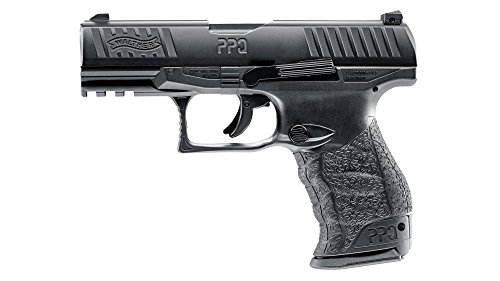
Cheap-feeling replicas usually give themselves away in the first ten seconds. Weak recoil, toy-like controls, awkward grip texture yeah, that sort of thing kills immersion fast. The Walther PPQ M2 CO2 air pistol, especially this T4E GEN2 variant, lands differently right out of the hard case. The weight settles naturally in the hand, the blowback snaps with authority, and the metal slide adds enough heft to make dry handling feel surprisingly authentic.
Small details carry this pistol further than expected. The textured grip doesn't slide around once palms get sweaty, and the trigger response feels sharper than plenty of entry-level CO2 setups floating around online. That matters during repeated drills because sloppy controls can turn simple target sessions into pure frustration. Also, the realistic magazine release and semi-auto cycling help keep the rhythm smooth instead of clunky.
Hard kick blowback changes the overall experience more than people think. Static air pistols often feel dead after a few magazines, but this one keeps the session lively with every trigger press. The recoil isn't firearm-level intense, obviously, though it delivers enough movement to encourage proper grip pressure and follow-up control. Funny enough, that tiny mechanical snap becomes oddly addictive after a while.
PPQ M2 GEN2
T4E New Walther PPQ M2 GEN2 leans heavily into realism, and honestly, that's its strongest selling point. The pistol doesn't just mimic the look of the original PPQ platform; it captures much of the handling character too. The metal slide and barrel give it a balanced profile that avoids the hollow sensation common in lighter polymer-heavy replicas. Right away, it feels built for repeated handling rather than occasional shelf decoration.
Eight-shot capacity sounds modest on paper, yet it works surprisingly well for controlled shooting sessions. Spraying through huge magazines can turn practice sloppy anyway, while smaller capacities naturally encourage pacing and shot discipline. Reloading becomes part of the rhythm instead of an interruption. Strange little psychological trick, but it works.
.43 caliber paintball and rubberball compatibility adds another layer of versatility. Some owners use it strictly for backyard target practice, while others appreciate the added realism of defensive-style drills. The platform adapts nicely because the CO2 system cycles consistently under normal conditions. Cold weather can still mess with pressure stability a bit, though that's pretty much standard territory for CO2-powered pistols.
The included hard case deserves a quick mention too. A lot of products toss in flimsy packaging that barely survives shipping, but this setup feels cleaner and more organized. Magazine storage stays tidy, transport feels easier, and the overall presentation punches above what many expect from this category. Little touches matter.
Realistic Blowback Feel
Blowback performance sits at the heart of this pistol's appeal. Every shot pushes the slide rearward with enough force to create a convincing mechanical rhythm. Some CO2 pistols claim recoil simulation but barely twitch during firing. This one actually gives your wrists something to respond to, which keeps the shooting experience engaging over longer sessions.
Rapid-fire strings feel lively without becoming chaotic. The pistol settles back on target quickly, and the slide movement doesn't feel sluggish or mushy between shots. That smooth cycling helps build confidence because the platform behaves consistently under repeated use. A jerky recoil system can ruin timing fast, and thankfully, this one avoids that trap.
Trigger feedback also contributes to the realism factor. There's a deliberate pull weight followed by a clean enough break that doesn't feel spongey or vague. Some budget CO2 pistols almost feel disconnected from the firing action, like pressing a cheap button on a plastic toy. The PPQ M2 GEN2 carries more mechanical character than that.
From a practical angle, Umarex Glock 45 Gen 5 often enters the same conversation because both platforms chase realistic handling and training-style functionality. The Walther version, though, feels slightly more aggressive in recoil sensation during quick strings. Different flavor, same general lane.
Handling And Grip Comfort
Grip ergonomics deserve serious credit here. The contour sits naturally against the palm, and the texture strikes a smart middle ground between comfort and retention. Some aggressive grip patterns chew through hands during longer sessions, while softer textures can feel slippery once humidity creeps in. This one balances both surprisingly well.
Weight distribution helps the pistol point naturally. Front-heavy replicas can feel awkward during transitions, but the PPQ M2 keeps its balance centered enough to encourage smoother handling. That becomes noticeable during repeated target swaps or fast-paced shooting routines. Nothing dramatic just cleaner, steadier movement overall.
The magazine release and slide controls remain easy to access without requiring weird hand repositioning. That's a bigger deal than many realize because awkward control placement disrupts shooting rhythm quickly. Muscle memory develops faster when controls stay intuitive. No fumbling around, no unnecessary adjustment dance.
Metal slide construction adds confidence during repeated use. Polymer-only replicas sometimes develop a cheap rattling sensation after heavy handling, yet this pistol maintains a tighter, sturdier feel. The extra weight also helps stabilize recoil impulse slightly. Tiny mechanical advantage, sure, but definitely noticeable.
Pros And Cons
Pros start with the realism factor because the PPQ M2 GEN2 nails the visual and handling experience better than many similarly priced options. The blowback recoil feels satisfying, the metal components improve durability perception, and the grip ergonomics make long sessions more comfortable. Add in the hard case and realistic controls, and the package feels complete rather than stripped down.
Consistency remains another strength. CO2 efficiency stays respectable during moderate shooting sessions, and the semi-auto cycling generally feels reliable with quality ammunition. The eight-round magazine encourages more deliberate shooting habits too. Funny enough, smaller capacities often sharpen focus instead of limiting fun.
Cons mostly revolve around CO2 limitations rather than outright flaws. Temperature changes can reduce shot consistency, especially during colder outdoor sessions. Heavy rapid-fire shooting also drains cartridges faster than expected because the hard blowback consumes additional gas pressure. That's the tradeoff for stronger recoil realism.
The magazine capacity may disappoint anyone expecting extended firing without reloads. Eight shots disappear quickly once the adrenaline kicks in. Also, the added weight from the metal slide might feel slightly tiring during extremely long sessions for some hands. Not deal-breakers, though worth mentioning honestly.
Performance During Practice Sessions
Target shooting sessions feel surprisingly immersive with this setup. The recoil impulse forces proper grip correction, while the realistic slide action creates a more engaging practice environment than static BB pistols. Repetitive drills become easier to stick with because the pistol doesn't feel mechanically lifeless. That's half the battle with practice gear.
Accuracy stays respectable at common backyard distances. The pistol isn't trying to compete with precision pellet guns built for tight competition groups, and frankly, that's not the point here. Consistent handling and realistic feedback matter more than benchrest-level accuracy. Within its intended role, it performs confidently.
Noise levels land somewhere in the middle ground. The blowback action creates a sharper mechanical report than non-blowback alternatives, though it still remains manageable for controlled outdoor use. That extra sound actually adds a bit of personality during shooting sessions. Feels more alive, honestly.
CO2 maintenance stays refreshingly simple. Cartridge swaps take only moments, cleaning requirements remain straightforward, and the overall platform doesn't demand constant tinkering. Some replicas become finicky after moderate use, but this Walther setup feels more forgiving as long as basic upkeep stays consistent.
Walther PPQ M2 CO2 Training Pistol Review
Cheap training pistols usually fall apart in two places: realism and consistency. One feels too light, another cycles like a jammed stapler, and suddenly the whole “training” angle loses steam. The Walther PPQ M2 CO2 air pistol avoids most of that nonsense by delivering a surprisingly authentic handling experience without turning every session into an expensive range trip. Weight distribution, recoil feedback, and magazine function all feel deliberate instead of slapped together for marketing buzz.
That realism matters more than people admit. Muscle memory gets weird fast when controls feel off or recoil feels fake, especially during repetitive drills. The Umarex T4E version leans hard into practical handling with its metal slide, drop-free magazine, and functional slide catch. Small touches, honestly, but they add up in a hurry once the CO2 starts cycling.
CO2-powered training pistols often sit in a strange middle ground between recreation and practical skill work. This one embraces both sides pretty comfortably. It shoots .43 caliber paintballs, rubber balls, and powder rounds at up to 355 FPS, giving the platform enough flexibility for controlled backyard sessions or realistic force-on-force style practice. Not every training pistol manages to feel useful outside a novelty phase, yet this one sticks around.
Umarex T4E Walther PPQ
Realistic dimensions and controls shape the entire experience here. The pistol mirrors the handling profile of a duty-style sidearm closely enough that reloads, grip transitions, and sight alignment feel familiar from the first magazine onward. Some replicas exaggerate dimensions or soften controls to appeal to casual users. This one keeps things tighter and more authentic.
The slide action deserves attention because it gives the pistol actual personality. Every trigger press cycles the metal slide with a firm mechanical snap that keeps practice engaging instead of robotic. Recoil obviously stays below live-fire territory, though the feedback still encourages better grip discipline and follow-through. Funny enough, that tiny jolt changes the rhythm more than expected.
Magazine operation feels refreshingly practical. The eight-round drop-free mag ejects cleanly, and the release button sits naturally under the thumb without awkward repositioning. Quick reload drills feel smoother because the platform behaves predictably rather than fighting the shooter every step of the way. Little mechanical frustrations can ruin training momentum, and thankfully this setup avoids most of them.
Holster compatibility also helps separate this pistol from bargain-bin alternatives. Since it fits many duty-style holsters, transitions between dry practice and CO2 sessions feel more seamless. Familiarity matters during repetitive handling routines. Strange thing is, confidence builds faster when gear behaves consistently from one session to the next.
Training Performance And Shot Feel
Blowback response creates the biggest smile factor here. The hard kick system cycles with enough force to make rapid-fire strings feel lively rather than flat and lifeless. Plenty of cheaper CO2 pistols barely twitch during operation, almost like pressing buttons on a gaming controller. This one actually fights back a little.
Target transitions feel surprisingly natural because the recoil impulse settles quickly between shots. The pistol returns on target without excessive muzzle wobble, which helps maintain rhythm during repeated drills. Fast strings become smoother once grip pressure and timing lock in together. Some trial and error happens early on, sure, but the learning curve feels rewarding instead of irritating.
355 FPS performance gives the platform enough authority for realistic training without pushing into uncontrollable territory. Paintballs and rubber rounds leave the barrel with satisfying speed, while the adjustable rear sight helps fine-tune point of impact for different setups. Accuracy won't rival dedicated pellet target pistols, though that's clearly not the mission here.
In some cases, a loosely related reference appears in best air staple gun for upholstery, especially where tool handling and grip control become part of repetitive precision work. Odd comparison, maybe, but hand positioning and consistent mechanics matter across all kinds of equipment.
Grip Comfort And Practical Handling
Grip texture strikes a smart balance between control and comfort. Aggressive enough to prevent slipping, yet not so abrasive that longer sessions become annoying. Sweaty palms, humid weather, quick reloads the pistol handles those small annoyances better than expected. That's usually where cheaper replicas start feeling clumsy.
The frame shape fits naturally into the hand without awkward pressure points. Some oversized training pistols feel like gripping a brick wrapped in polymer, but the PPQ profile remains lean and controlled. Even after multiple magazines, the handling stays comfortable rather than fatiguing. A simple thing, honestly, though it changes the overall experience dramatically.
Accessory rail compatibility adds flexibility for lights and lasers without turning the front end bulky. Mounting options matter during scenario drills because realistic setups improve consistency between practice platforms. The rail placement feels stable, and accessories sit securely once attached. No rattling nonsense, thankfully.
Sight visibility works well under average outdoor lighting too. The yellow-dot front and rear configuration picks up quickly during fast sight acquisition drills, especially at moderate training distances. Dim indoor conditions soften visibility slightly, but the overall setup still feels functional rather than decorative.
Durability And Build Quality
Metal slide and barrel construction immediately improve the pistol's credibility. Lightweight plastic-heavy replicas often feel disposable after a few weeks, while this platform carries enough heft to inspire confidence during repeated use. The slide movement stays crisp, and the frame maintains a tighter feel even after extended handling.
CO2 efficiency depends heavily on shooting pace and weather conditions, though performance remains fairly steady during controlled sessions. Rapid-fire dumping naturally drains cartridges faster because the blowback system consumes extra gas pressure. That's simply the tradeoff for stronger recoil simulation. Most experienced CO2 users already expect that balancing act anyway.
Slide lock functionality deserves praise because it behaves realistically once the magazine empties. Plenty of training pistols fake this feature or skip it entirely, which weakens reload practice considerably. Here, the locked-back slide reinforces natural handling habits during transitions and malfunction-style drills.
The included controls feel durable enough for repetitive use, especially the magazine release and slide stop. Mushy buttons and sloppy tolerances can ruin realism quickly. This setup keeps the tactile feedback cleaner and more deliberate, helping the pistol maintain a more serious feel overall.
Strengths And Tradeoffs
Realism remains the strongest argument for this training pistol. Weight, recoil simulation, functional controls, and compatible holster fitment all combine into a platform that feels closer to a real sidearm than many budget-friendly alternatives. Sessions stay engaging because the pistol behaves consistently under repeated drills.
Versatility also helps its case. The ability to shoot paintballs, powder rounds, and rubber balls gives owners multiple training options without needing separate platforms. Backyard target work, movement drills, and controlled force-on-force routines all become possible with one setup. That's a practical advantage that stretches the value beyond casual plinking.
Magazine capacity lands on the smaller side at eight rounds, which can feel limiting during extended rapid-fire practice. Reload frequency increases noticeably once sessions pick up pace. Still, that limitation can accidentally sharpen reload discipline and shot pacing instead of encouraging sloppy shooting habits.
CO2 dependency remains another tradeoff worth acknowledging. Temperature fluctuations influence gas pressure, and cold weather can soften recoil strength and shot consistency over time. Nothing unusual there, though it still affects performance enough to notice during longer outdoor sessions.
Walther PPQ M2 CO2 Air Pistol FDE Review
Flimsy training pistols usually lose their charm after the first CO2 cartridge. The recoil feels weak, the controls rattle around, and the whole thing starts acting more like a toy than a serious practice platform. The Walther PPQ M2 CO2 air pistol in this FDE GEN2 setup dodges that problem with a heavier, more convincing feel straight out of the box. Metal parts, sharp blowback action, and realistic handling give it a personality that keeps practice sessions from turning stale halfway through.
That “most realistic” label attached to the T4E series sounds bold at first glance, though honestly, the pistol backs up plenty of that confidence. Grip texture stays secure without chewing up the hand, and the slide movement has enough kick to make rapid-fire strings feel lively. Tiny details, sure, but realistic controls and weight distribution build better habits over time. Sloppy replicas tend to hide bad mechanics; this one exposes them pretty quickly.
FDE styling also gives the pistol a slightly different vibe compared to standard black variants. The finish looks more tactical than flashy, and surprisingly, it hides wear marks fairly well after repeated handling. Some people care about aesthetics more than others, though there's no denying this version stands out in a lineup crowded with generic black polymer replicas.
T4E Walther PPQ M2 GEN2 FDE
Realistic blowback performance drives most of the excitement here. Every trigger pull cycles the metal slide with a snappy mechanical punch that feels far more satisfying than non-blowback CO2 pistols. Cheap replicas often feel hollow or delayed during cycling, almost disconnected from the shot itself. This one reacts with enough force to keep follow-up shots engaging and controlled.
The semi-auto action runs smoothly once the CO2 cartridge settles in properly. Fast-paced drills feel natural because the pistol cycles consistently without weird hesitations or sluggish slide movement. That consistency matters during repetitive practice, especially once fatigue creeps in and grip pressure starts slipping. Little mechanical hiccups become distracting fast, and thankfully the PPQ avoids most of them.
Magazine design deserves some praise too. Reloads feel clean and satisfying thanks to the drop-free setup, while the magazine release lands naturally under the thumb without awkward shifting. Muscle memory develops faster when controls stay intuitive. Funny thing is, people usually underestimate how much poor magazine ergonomics can ruin practice flow until they use something better.
From a practical angle, another reference appears in best air gun for deer hunting, particularly where air-powered platforms are evaluated for realism, handling balance, and shot consistency under repeated use. Different category, obviously, though similar mechanical expectations still apply.
Handling And Grip Feel
Grip ergonomics feel remarkably close to a duty-style firearm rather than a recreational air pistol. The contour fills the palm naturally, and the texture provides enough traction without becoming abrasive during longer sessions. Sweaty hands, humid weather, quick reloads none of those situations seem to throw the pistol off balance much. That's usually where cheaper models begin feeling awkward and slippery.
Weight distribution stays nicely centered throughout the frame. Some CO2 pistols lean too heavily toward the muzzle or feel oddly top-heavy once loaded, but the PPQ M2 keeps transitions smooth and predictable. Fast target changes feel controlled rather than clumsy. Small detail, maybe, though smooth handling adds confidence quickly.
FDE frame finish changes the visual personality more than expected. The tan coloration gives the pistol a more field-ready appearance while softening fingerprints and minor wear marks. Black replicas often show every little scuff after repeated handling, whereas this finish keeps things cleaner-looking for longer. Not exactly a performance advantage, though still worth mentioning.
The trigger pull carries a decent balance between firmness and responsiveness. It isn't competition-grade by any stretch, but it avoids the mushy sponge-like feel common in bargain CO2 pistols. The reset feels tactile enough to encourage controlled shooting rhythms rather than frantic trigger slapping.
Training Experience And Practical Use
Training value becomes obvious after a few magazines. Realistic recoil simulation forces better grip management, while the moving slide encourages more disciplined follow-up shots. Static air pistols can feel dead after extended sessions because nothing about the firing cycle challenges the shooter. This platform keeps the hands and eyes more engaged.
Backyard target practice feels genuinely entertaining with the PPQ M2 GEN2. The recoil snap, realistic controls, and visible slide action create a satisfying rhythm during drills. Sessions tend to last longer simply because the pistol doesn't become boring after ten minutes. That's a bigger compliment than it sounds.
CO2 efficiency remains decent under moderate pacing, though rapid-fire strings naturally burn through cartridges faster. Hard blowback systems demand extra gas pressure, so heavy recoil comes with a small efficiency tradeoff. Cold weather can soften performance slightly too. Standard CO2 behavior, honestly, but still something worth remembering before outdoor sessions.
The pistol also handles repeated reload drills smoothly thanks to the realistic slide catch. Once empty, the slide locks back properly and reinforces natural reload habits during practice. Replicas that fake this feature always feel oddly incomplete afterward.
Pros And Cons
Pros begin with the realism factor because the PPQ M2 GEN2 genuinely feels closer to a firearm than a casual plinking toy. The metal slide, realistic blowback, ergonomic grip, and practical controls combine into a convincing training platform. Every shot carries enough feedback to keep practice sessions engaging without becoming exhausting.
The FDE finish adds another layer of appeal. Cosmetic differences won't matter to everyone, though the tactical styling gives this version a cleaner and slightly more premium presence. Also, the finish handles fingerprints and surface wear more gracefully than darker variants. Nice little bonus there.
Cons mostly revolve around CO2 limitations rather than major design flaws. Rapid shooting drains cartridges faster because of the strong blowback system, and colder temperatures can reduce consistency over time. Neither issue feels surprising, but both affect long sessions enough to notice.
The magazine capacity may also feel restrictive for people expecting extended rapid-fire practice without reload interruptions. Eight rounds disappear quickly once adrenaline kicks in. Then again, limited capacity can sharpen reload discipline and shot pacing if viewed from a training perspective rather than pure entertainment.
Build Quality And Durability
Metal slide construction gives the pistol a sturdier, more confident feel than lightweight polymer-heavy alternatives. The slide cycles with authority, and the frame maintains a tight fit even after repeated handling. Cheap air pistols often develop rattles or loose tolerances over time. This one feels more composed overall.
Repeated practice sessions don't seem to stress the controls much either. The slide stop, trigger, and magazine release maintain a consistent mechanical feel without turning mushy or vague after extended use. That's important because unreliable controls destroy confidence quickly during repetitive drills.
Sight setup stays straightforward and easy to track during moderate-speed shooting. Sight acquisition feels natural enough for backyard targets and short-range drills, especially under decent outdoor lighting conditions. Dim environments soften visibility somewhat, though the overall alignment remains predictable.
The included realism factor extends beyond visuals alone. Weight balance, recoil impulse, control placement, and magazine handling all combine into a platform that encourages smoother practice habits instead of sloppy shortcuts. Strange how small details can completely change the tone of a training session.
Walther PPQ M2 CO2 Training Pistol FDE
Practice sessions fall apart fast once a training pistol starts feeling cheap, rattly, or awkward in the hand. Weak recoil, mushy controls, and slippery grips can turn simple drills into pure annoyance before the first CO2 cartridge is even halfway empty. The Walther PPQ M2 CO2 air pistol in Flat Dark Earth manages to avoid most of those headaches by focusing heavily on realism and handling balance. Right from the first magazine, the metal slide and realistic controls make the pistol feel closer to a duty platform than a casual backyard toy.
That realism changes the overall experience more than people expect. Muscle memory builds faster when reloads, slide locks, and grip transitions behave naturally instead of feeling exaggerated or fake. The T4E platform clearly leans into practical training rather than flashy gimmicks. Even the weight distribution carries enough substance to make repetitive drills feel believable.
CO2-powered operation also keeps costs lower compared to constant live-fire range sessions. The pistol shoots .43 caliber paintballs, powder balls, or rubber rounds while maintaining enough recoil feedback to stay entertaining during longer practice runs. Sessions feel active and responsive instead of static and lifeless. Funny thing is, a little mechanical kick goes a long way toward keeping focus sharp.
T4E Walther PPQ FDE
Flat Dark Earth finish gives this version a cleaner tactical appearance without looking overly flashy or gimmicky. The color hides fingerprints and handling marks better than traditional black finishes, which becomes noticeable after repeated use. Some pistols start looking worn after a few sessions, but this one keeps a more composed appearance. Small cosmetic advantage, sure, though it still matters for something handled regularly.
The metal slide and barrel immediately add credibility to the build quality. Lightweight replicas often feel hollow or toy-like once picked up, while the PPQ maintains a denser, sturdier character. The extra weight also helps stabilize recoil movement during rapid shooting. Tiny mechanical benefit perhaps, but noticeable enough once drills speed up.
Slide lock functionality deserves praise too. Once the magazine empties, the slide locks back properly and reinforces realistic reload habits during practice. Plenty of cheaper CO2 pistols skip this detail entirely, and honestly, that omission kills immersion pretty quickly. Here, reload sequences feel smoother and more deliberate.
The eight-round magazine balances realism with manageable handling. Higher-capacity systems can feel bulky or awkward, whereas this setup keeps the grip profile slimmer and more natural. Reload frequency increases a bit, though that can sharpen handling discipline over time rather than encouraging careless shooting habits.
Blowback And Shooting Feel
Hard kick blowback becomes the centerpiece of the entire shooting experience. Every trigger press sends the slide cycling rearward with enough snap to create genuine mechanical feedback. Non-blowback pistols often feel flat and disconnected, almost like firing a stapler loaded with BBs. This one actually reacts with some attitude.
Rapid-fire strings stay surprisingly controllable despite the aggressive slide movement. The pistol settles back on target naturally, and the recoil impulse avoids the sluggish wobble common in weaker systems. Grip pressure and trigger timing matter more once the slide starts moving dynamically. That's where the platform quietly teaches better habits.
355 FPS velocity gives the pistol enough punch for realistic target sessions without becoming difficult to manage. Paintballs and rubber rounds leave the barrel with respectable speed, while the adjustable rear sight helps tighten alignment for different setups. Accuracy won't replace dedicated competition air pistols, though that's clearly not the point here.
In some cases, a related reference appears in best air rifles for self-defense, especially where realistic handling and controlled shot placement become part of broader air-powered training discussions. Different category, naturally, though the focus on practical mechanics overlaps more than expected.
Grip Comfort And Control
Grip texture strikes a smart balance between retention and comfort. Aggressive enough to stay planted during sweaty practice sessions, yet smooth enough to avoid chewing up the hand after multiple magazines. Some training pistols overdo the texturing and end up feeling abrasive after twenty minutes. This one keeps things more controlled.
The frame contour sits naturally against the palm without awkward pressure points. Quick transitions between targets feel fluid because the pistol points instinctively rather than fighting the wrist. A lot of handling confidence comes from subtle ergonomic choices, and the PPQ gets many of those details right. No weird learning curve needed.
Accessory rail support adds another practical advantage. Lights and lasers mount easily without turning the front end bulky or unstable. That flexibility helps during scenario drills where realistic setups matter for consistency. The rail placement also keeps attachments positioned cleanly beneath the barrel.
Sight visibility remains solid under average outdoor conditions thanks to the yellow-dot configuration. Fast sight acquisition feels natural during movement drills or quick follow-up shots. Low-light conditions soften visibility somewhat, though the overall alignment system still stays functional and easy to track.
Training Value And Practical Use
Realistic controls turn repetitive practice into something genuinely useful rather than simple entertainment. Magazine releases, slide manipulation, and reload timing all behave close enough to real-world handling that transitions feel meaningful. Sloppy replicas can accidentally reinforce bad habits. This pistol tends to push users toward cleaner mechanics instead.
Backyard target sessions feel lively because the blowback keeps the pistol active between shots. Static training platforms lose excitement quickly once repetition settles in, while the PPQ maintains enough recoil feedback to hold attention longer. Funny enough, that small mechanical movement changes the rhythm of practice dramatically.
CO2 operation stays fairly straightforward too. Cartridge installation takes only moments, and general maintenance doesn't become a chore after every session. Cold temperatures can reduce pressure consistency somewhat, though that's typical behavior for most CO2-powered systems. Warm-weather sessions usually feel more stable overall.
Holster compatibility also strengthens the training value. Since the pistol fits many duty-style holsters, movement drills and reload routines feel more authentic from start to finish. Consistency between gear platforms matters more than people sometimes realize.
Pros And Cons
Pros begin with realism because the PPQ M2 FDE genuinely captures much of the handling character expected from a serious training pistol. Strong blowback action, realistic controls, metal construction, and practical ergonomics combine into a platform that feels engaging rather than gimmicky. The Flat Dark Earth finish also adds visual character without sacrificing practicality.
The adjustable rear sight and visible front dots improve usability during target practice. Quick alignment feels easier during rapid strings, especially outdoors where visibility matters most. Also, the accessory rail increases versatility for mounted training tools like lights or lasers. Plenty of flexibility packed into one platform.
Cons mostly revolve around typical CO2 limitations instead of major flaws in the pistol itself. Rapid shooting drains cartridges faster due to the aggressive blowback system, and colder temperatures can soften recoil strength over time. Those tradeoffs come with nearly every hard-kick CO2 platform.
The eight-round magazine can feel restrictive during extended rapid-fire sessions too. Reload frequency climbs quickly once drills speed up. Then again, limited capacity sometimes improves discipline by forcing cleaner reload habits and more deliberate pacing between shots.
Walther PPQ M2 CO2 Air Pistol Alternative Review
Range practice gets expensive in a hurry, and dry-fire drills can feel about as exciting as watching paint dry after a while. That’s exactly why realistic training pistols keep gaining traction, especially models built to mimic the weight and handling of full-size sidearms. The Walther PPQ M2 CO2 air pistol often sits near the top of that conversation, yet the Umarex T4E Smith & Wesson M&P M2.0 LE Blue brings a different flavor to the same idea. Heavy slide movement, realistic magazine swaps, and practical controls give it enough character to feel more like a serious training companion than a backyard novelty.
The first thing that stands out is the overall handling balance. Some CO2 pistols feel oddly front-heavy or unnaturally hollow once picked up, though this platform avoids both problems pretty cleanly. The metal slide and barrel add enough heft to create believable recoil movement during rapid strings. Little things matter during repetitive drills, and this pistol gets a surprising number of those details right.
Training-focused realism shapes nearly every part of the design. The controls stay intuitive, the slide locks back after emptying, and the drop-free magazine keeps reload sequences feeling authentic. Nothing about the setup screams “toy,” which honestly makes practice more useful and far less repetitive over time.
Umarex T4E M&P M2.0 LE Blue
LE Blue finish gives the pistol a distinct visual identity without drifting into gimmicky territory. Bright enough to stand apart from standard black training replicas, yet still practical enough to look professional during drills. The finish also hides fingerprints and minor scuffs fairly well after repeated handling. Cosmetic detail maybe, though presentation still influences how gear feels in daily use.
The pistol’s dimensions mirror duty-style handguns closely, and that realistic sizing changes the experience immediately. Grip angle, trigger reach, and overall frame proportions feel natural during transitions between targets. Some cheaper training pistols exaggerate dimensions or soften edges too much, creating awkward handling quirks. This one keeps things tighter and more believable.
Drop-free magazine operation deserves genuine credit too. Reloads feel crisp because the magazine ejects smoothly without sticking or wobbling around inside the grip. Repetitive reload practice becomes cleaner and more satisfying once equipment behaves predictably. Frustrating gear kills momentum fast, and thankfully that doesn’t happen here often.
The included hard case and cleaning squeegee help round out the package nicely. A lot of training pistols arrive with barebones accessories and packaging that barely survives shipping. This setup feels more organized and intentional right out of the gate.
Blowback Action And Recoil Feel
CO2 blowback action keeps the shooting experience lively from the first magazine onward. Every trigger pull cycles the metal slide with enough force to create satisfying recoil feedback without becoming difficult to control. Static air pistols can feel dead after a few sessions because nothing about the firing cycle demands attention. This platform keeps hands and eyes more engaged.
Rapid-fire strings maintain a surprisingly smooth rhythm once grip pressure settles in. The pistol tracks back onto target naturally, avoiding the sluggish slide wobble that cheaper systems sometimes develop. That consistency matters during repetitive drills because timing and recoil management become easier to refine. Funny enough, the little mechanical snap becomes oddly addictive after extended sessions.
355 FPS performance provides enough velocity for realistic target practice without crossing into excessive recoil territory. Paintballs, powder rounds, and rubber balls all cycle reliably under normal conditions. Accuracy stays respectable for practical training distances, though this clearly isn’t trying to compete with precision pellet guns built for benchrest shooting.
In some cases, another air-powered reference appears in best plains rifle all, especially where handling balance and realistic shot behavior become part of broader discussions around training-style equipment. Different platform entirely, though similar expectations around consistency still apply.
Grip Comfort And Handling Dynamics
Grip texture walks a nice line between aggressive and comfortable. Rough enough to maintain control during sweaty sessions, but not so abrasive that longer drills become irritating. Some training pistols practically sandpaper the hand after a few magazines. This one keeps things controlled and practical instead.
The frame contour fits naturally into the palm, helping transitions feel smooth rather than clumsy. Quick target shifts remain predictable because the pistol points instinctively without forcing awkward wrist adjustments. Small ergonomic wins like that make repetitive training feel easier to sustain over time. Bad ergonomics usually reveal themselves quickly once fatigue creeps in.
Picatinny rail support adds extra flexibility for mounted lights and lasers. Accessories attach securely without making the pistol feel front-heavy or unbalanced. That versatility matters during scenario-based drills where realistic setups improve consistency between training tools and duty-style gear.
Sight visibility remains fairly clean under average lighting conditions thanks to the yellow-dot arrangement. The adjustable rear sight also helps tighten alignment depending on ammunition type or preferred setup. Dim environments soften the sight picture a bit, though the overall acquisition speed stays respectable.
Strengths And Tradeoffs
Realistic controls remain one of the pistol’s strongest selling points. The slide catch, magazine release, and trigger placement all encourage more natural handling habits during practice. Sloppy controls can accidentally reinforce bad mechanics over time. This setup avoids that issue better than many budget-focused alternatives.
The platform’s versatility also stands out. Switching between paintballs, powder rounds, and rubber balls creates multiple training options without needing separate systems. Backyard target work, movement drills, and force-on-force scenarios all become possible using the same core pistol. That flexibility stretches the usefulness well beyond casual plinking.
CO2 dependency creates the usual limitations shared by most gas-powered training pistols. Rapid shooting drains cartridges faster because the hard blowback system consumes additional pressure with every shot. Cold weather can soften recoil consistency too. None of those issues feel unusual, though they still influence longer outdoor sessions.
The eight-round magazine capacity may feel restrictive for people expecting extended rapid-fire practice without constant reloads. Then again, realistic capacities naturally encourage more disciplined pacing and cleaner reload technique. Funny how limitations sometimes improve training quality instead of hurting it.
Build Quality And Everyday Use
Metal slide construction gives the pistol a sturdier, more durable feel than lightweight polymer-heavy competitors. The slide cycles cleanly, the controls remain tactile, and the overall frame maintains a tighter fit after repeated use. Cheap replicas often develop rattles or mushy controls surprisingly fast. This one feels more composed and deliberate overall.
Maintenance stays refreshingly straightforward. CO2 installation takes only moments, and basic cleaning requirements remain manageable even after repeated sessions. The included squeegee helps simplify barrel cleaning between uses. Small convenience perhaps, though it reduces the hassle factor enough to keep the pistol ready more consistently.
Holster compatibility adds another practical advantage during training routines. Since the pistol fits duty-style holsters, transitions and reload drills feel more realistic from start to finish. Familiar gear positioning helps reinforce better movement habits over time. Consistency matters more than most people realize.
The overall shooting experience lands somewhere between practical training tool and entertaining backyard companion. Strong recoil simulation, realistic handling, and flexible ammunition options keep sessions engaging without feeling overly complicated. Strange thing is, that balance becomes harder to find once people start trying multiple CO2 platforms side by side.


12 Best 22 Pcp Air Rifle For Hunting of 2026 With Quiet Power

7 Best 22 Pcp Air Rifle Under 300 of 2026 For Backyard Pest Control

10 Best 22 Break Barrel Air Rifles of 2026 For Backyard Pest Control

10 Best 30 Caliber Pcp Air Rifle of 2026 For Medium Game

Top Best 177 Air Rifle Under 100: Budget-Friendly Picks for 2026

How to Safely Reload Shotgun Shells at Home

11 Best Co2 Air Rifle For Pest Control of 2026 To Ensure Humane Dispatch

12 Best Inexpensive Air Rifles of 2026 For Dependable Backyard Accuracy






