
What Are Gun Blanks and Why They Matter

What are gun blanks exactly? Plenty of people hear the loud crack during a movie scene or ceremonial event and assume blanks are harmless. That assumption trips people up fast. Blanks don’t contain a traditional bullet, but they still create pressure, heat, noise, and gas strong enough to cause serious injury at close range. That little detail changes the whole conversation around how they’re used and why safety matters so much.
Film productions, military drills, historical reenactments, and theatrical performances often rely on gun blanks because they create realistic sound and recoil without firing a live projectile. Still, things can get dicey if equipment isn’t checked carefully. Residue, wadding, or debris can exit the barrel with surprising force. That’s why trained armorers and strict handling procedures stay part of nearly every professional setup involving blank ammunition.
People also get curious about the difference between blanks and dummy rounds. They sound similar, yet they serve completely different purposes. Dummy rounds are usually inert training cartridges without powder or primers, while blanks contain gunpowder and ignite normally. The lack of a bullet doesn’t magically erase risk. Honestly, that misunderstanding causes more confusion than almost anything else tied to firearm safety.
Noise plays a massive role too. Blanks can sound nearly identical to live rounds depending on the firearm and environment. Crowded stadium ceremonies, starter pistols at races, and training simulations all use that sharp report to mimic real conditions. The realistic effect helps build timing, stress management, and reaction speed. At the same time, hearing protection becomes critical because repeated exposure can damage hearing quicker than many expect.
Movies and television have shaped public perception in strange ways. Dramatic scenes often show actors placing guns dangerously close to people while firing blanks, making the process look casual. Real productions don’t treat it casually at all. Safety zones, controlled angles, protective barriers, and constant inspections help prevent accidents. Behind every believable action sequence sits a pile of procedures most viewers never notice.
What are gun blanks used for outside entertainment? Hunting dog training, ceremonial salutes, emergency signaling devices, and military exercises all depend on them in different ways. Some setups even use specialized blank-firing adapters to cycle semi-automatic firearms correctly. Those adapters regulate gas pressure so the firearm functions reliably during repeated firing sessions.
Confusion around legal restrictions pops up pretty often as well. Certain areas regulate blank ammunition differently from live rounds, while others apply nearly identical laws. Transportation, storage, and public use can still fall under strict rules. So yeah, even though blanks lack a bullet, treating them carelessly can spiral into real trouble surprisingly fast.
- ARS Mark9.6
ARS Mark is a ranking system developed by bestairriflescopes.com. ARS Mark has no relationship or impact from any manufacturers or sales agent websites. Learn more
- BrandIndependently published

- ARS Mark7.5
ARS Mark is a ranking system developed by bestairriflescopes.com. ARS Mark has no relationship or impact from any manufacturers or sales agent websites. Learn more
- BrandGamo
- ARS Mark9.0
ARS Mark is a ranking system developed by bestairriflescopes.com. ARS Mark has no relationship or impact from any manufacturers or sales agent websites. Learn more
- BrandUmarex

- ARS Mark7.3
ARS Mark is a ranking system developed by bestairriflescopes.com. ARS Mark has no relationship or impact from any manufacturers or sales agent websites. Learn more
- BrandUmarex
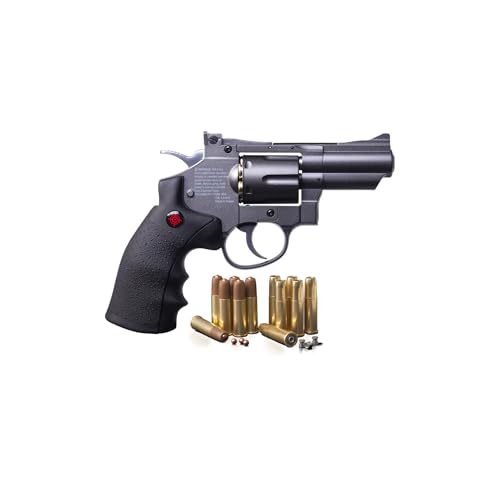
- ARS Mark9.0
ARS Mark is a ranking system developed by bestairriflescopes.com. ARS Mark has no relationship or impact from any manufacturers or sales agent websites. Learn more
- BrandCrosman
- ARS Mark8.3
ARS Mark is a ranking system developed by bestairriflescopes.com. ARS Mark has no relationship or impact from any manufacturers or sales agent websites. Learn more
- BrandDaisy

- ARS Mark8.9
ARS Mark is a ranking system developed by bestairriflescopes.com. ARS Mark has no relationship or impact from any manufacturers or sales agent websites. Learn more
- BrandREEBOW TACTICAL
- ARS Mark8.3
ARS Mark is a ranking system developed by bestairriflescopes.com. ARS Mark has no relationship or impact from any manufacturers or sales agent websites. Learn more
- BrandGamo

- ARS Mark8.5
ARS Mark is a ranking system developed by bestairriflescopes.com. ARS Mark has no relationship or impact from any manufacturers or sales agent websites. Learn more
- BrandDPMS

- ARS Mark7.1
ARS Mark is a ranking system developed by bestairriflescopes.com. ARS Mark has no relationship or impact from any manufacturers or sales agent websites. Learn more
- BrandHoppe's

- ARS Mark9.5
ARS Mark is a ranking system developed by bestairriflescopes.com. ARS Mark has no relationship or impact from any manufacturers or sales agent websites. Learn more
- BrandDaisy

- ARS Mark8.8
ARS Mark is a ranking system developed by bestairriflescopes.com. ARS Mark has no relationship or impact from any manufacturers or sales agent websites. Learn more
- BrandCrosman

- ARS Mark8.1
ARS Mark is a ranking system developed by bestairriflescopes.com. ARS Mark has no relationship or impact from any manufacturers or sales agent websites. Learn more
- BrandGamo

- ARS Mark8.5
ARS Mark is a ranking system developed by bestairriflescopes.com. ARS Mark has no relationship or impact from any manufacturers or sales agent websites. Learn more
- BrandUmarex
Last update on 2026-07-27 / Affiliate links / Images, Product Titles, and Product Highlights from Amazon Product Advertising API
What Are Gun Blanks and Why They Matter
Loud pops at a movie set, smoke drifting across a training field, and startled reactions from nearby crowds usually spark the same question sooner or later. What are gun blanks, and why do people still treat them with serious caution if there’s no bullet involved? That confusion sticks around because blanks look similar to live ammunition and create nearly the same sound. Plenty of accidents happened over the years simply because someone underestimated the force created by expanding gas and debris.
Gun blanks play a major role in military exercises, theatrical productions, ceremonial salutes, and firearm training scenarios. They create realistic recoil and muzzle flash without launching a standard projectile downrange. Still, the pressure coming from the barrel can injure or even kill someone standing too close. That reality explains why experienced armorers, range officers, and film crews follow strict handling procedures every single time blanks enter the picture.
People often assume blanks are “safe enough” for casual use, but that mindset can spiral into trouble fast. Barrel obstructions, loose debris, and improper adapters create risks many beginners never expect. Some firearms also behave differently with blanks than they do with live rounds, especially semi-automatic platforms. Those quirks affect cycling reliability, recoil behavior, and overall firearm function.
Curiosity around blank ammunition keeps growing because movies and television rarely show the behind-the-scenes precautions. Audiences see dramatic action scenes but miss the layers of supervision protecting actors and crew members. That gap between entertainment and reality leaves many people with half-formed assumptions. A closer look at how blanks work clears up plenty of myths before bad habits take root.
How Blank Cartridges Actually Work
A blank cartridge skips one major component found in live ammunition: the bullet itself. The casing still contains powder and a primer, which means the round ignites and produces expanding gas after the trigger is pulled. That gas creates the loud report, recoil, and visible muzzle flash many people associate with standard gunfire. Some blanks use crimped ends while others rely on paper or plastic wads to hold the powder inside.
Pressure buildup remains the biggest reason blanks can still cause serious injuries. Gas exits the barrel at extremely high speed, and any loose material sitting inside the firearm can turn dangerous instantly. Even small fragments become hazardous at close range. That risk explains why professionals inspect barrels constantly during productions and training drills.
Blank rounds also vary quite a bit depending on purpose. Military blanks often produce stronger recoil to help simulate live-fire handling, while theatrical blanks may focus more on flash and sound for visual effect. Starter pistol blanks used at races typically generate noise without needing full firearm cycling. Each design serves a specific role instead of acting like a one-size-fits-all cartridge.
Some firearms require a blank firing adapter to operate correctly with blanks. Semi-automatic rifles especially depend on proper gas pressure to cycle the action. Without the adapter, the firearm may fail to eject spent casings or chamber the next round. That small device changes how gas flows, allowing training drills to feel much closer to live-fire operation.
Why Blanks Still Carry Serious Risk
Hollywood scenes sometimes create the illusion that blanks are harmless toys. Reality says otherwise. Several well-documented accidents involved blank rounds causing fatal injuries at extremely close distances. The danger doesn’t come from a traditional bullet. Instead, hot gas pressure, wadding material, and barrel debris become the problem.
Close-range exposure creates the highest risk. Firing a blank near someone’s face or body can produce devastating damage because the pressure wave exits the barrel violently. Skin burns, hearing loss, eye injuries, and blunt trauma all remain possible outcomes. That’s why trained crews establish minimum safe distances during productions.
Noise alone creates another layer of concern. Blank rounds can produce sound levels exceeding 140 decibels depending on the firearm and cartridge type. Hearing damage can happen quickly without proper protection. Indoor environments amplify that problem even more because sound reflects off walls and enclosed surfaces.
Misfires and barrel obstructions add another headache. A squib load or lodged debris left unnoticed inside the barrel may turn the next fired blank into a catastrophic failure. Experienced firearm handlers constantly inspect equipment because tiny mistakes can escalate quickly. Safety discipline matters far more than flashy effects or realism.
Movie Sets and Blank Ammunition
Action movies lean heavily on blanks because digital effects alone often look fake or disconnected from the scene. Actors react more naturally when they hear real sound and feel recoil in their hands. That authenticity helps fight scenes and dramatic moments feel believable instead of stiff. Even so, professional productions surround blank usage with layers of oversight.
Dedicated armorers usually control firearm storage, loading, inspection, and handoff procedures. Actors generally receive instructions immediately before filming starts. Crew members also maintain strict positioning rules so nobody stands directly in dangerous firing zones. Those routines may seem excessive from the outside, but they exist because real injuries happened before safety standards improved.
Directors sometimes prefer blanks because muzzle flash and smoke react naturally with lighting conditions. Digital effects teams can enhance visuals later, but authentic flashes still help scenes feel grounded. Recoil movement also appears more convincing on camera than simulated acting motions. That combination explains why blanks remain common in many productions despite rising CGI capabilities.
Curious viewers wanting more firearm-related outdoor gear comparisons can also explore best left handed compound bow options for archery setups built around comfort and better handling balance. Different shooting disciplines may use different equipment, yet control and safety awareness always stay at the center of the conversation.
Military Training and Realistic Simulations
Military forces worldwide use blanks to simulate combat conditions without firing live projectiles across training areas. Soldiers practice communication, movement, and stress responses while hearing authentic weapon noise around them. That realism sharpens reaction speed in ways silent drills simply can’t replicate. Training environments feel chaotic enough already, so blanks help bridge the gap between classroom theory and field experience.
Blank-fire exercises often involve special adapters mounted on rifles. Those adapters create enough back pressure for semi-automatic or automatic cycling. Without them, firearms may malfunction repeatedly during drills. The setup looks simple from the outside, but proper installation matters for reliability and safety.
Stress exposure changes how people react physically and mentally during movement drills. Loud noise, smoke, and recoil force trainees to communicate clearly under pressure. Instructors monitor those exercises closely because confusion spreads fast once adrenaline kicks in. Realistic repetition helps build familiarity before live-fire exercises even begin.
Still, blank-fire drills have limits. They don’t replicate projectile impact, long-range ballistics, or penetration behavior. Some trainees also develop sloppy habits if instructors fail to enforce muzzle awareness consistently. That tradeoff means blanks work best as one training tool among several rather than a full replacement for live-fire practice.
Common Myths About Gun Blanks
One stubborn myth claims blanks are completely harmless because there’s “no bullet.” That idea refuses to disappear despite years of public safety warnings. Pressure alone can cause devastating injuries at close range. Wadding and debris exiting the barrel only increase the danger.
Another misconception says any firearm can safely fire blanks without modifications. Certain firearms absolutely require specialized adapters or inspection procedures before blank use begins. Running blanks improperly may damage the firearm or create cycling failures. Mechanical reliability changes depending on the weapon platform and cartridge design.
People also assume blanks sound quieter than live rounds. Truth is, many blanks remain painfully loud, especially indoors or inside vehicles. Hearing damage risks stay very real during repeated exposure. Professional crews and military personnel rely heavily on hearing protection because long-term damage sneaks up gradually.
Movies sometimes show actors placing firearms directly against objects or bodies before firing blanks. Real professionals avoid those setups unless elaborate safety systems are involved. Camera angles, barriers, and editing tricks usually create the illusion safely. Entertainment often hides the amount of planning required behind even a few seconds of believable action.
Differences Between Blanks and Dummy Rounds
Blanks and dummy rounds get mixed up constantly, but they serve completely different purposes. A blank cartridge contains powder and a live primer, meaning it fires normally without launching a bullet. Dummy rounds, on the other hand, contain no powder or active primer at all. Their job centers around handling practice, loading drills, and malfunction training.
Visual differences sometimes help identify them. Dummy rounds often feature drilled casings or brightly colored markings to separate them from live ammunition. Blanks may use crimped ends or sealed tips instead of visible projectiles. Even so, experienced handlers never rely on appearance alone without proper inspection.
Training environments frequently combine both types of cartridges for different exercises. Dummy rounds help students practice reloads and malfunction clearing safely. Blanks then introduce sound and recoil into more advanced drills. That layered approach builds familiarity gradually instead of throwing beginners into chaotic scenarios immediately.
Confusing the two can create dangerous situations fast. Someone assuming a blank behaves like an inert dummy round may ignore crucial safety procedures. That misunderstanding often starts with casual language or sloppy storage habits. Clear labeling and disciplined handling prevent many avoidable mistakes.
How Gun Blanks Are Used Safely In Real Situations
Confusion usually starts after people hear a blank round fired for the first time. The sound feels sharp, aggressive, and honestly pretty intimidating even without a projectile leaving the barrel. That shock alone explains why gun blanks remain useful in military drills, stage productions, and emergency signaling equipment. Realistic sound and recoil create pressure-filled environments without introducing full live-fire risk.
Experienced firearm handlers never treat blanks casually. Every firearm still gets pointed in a safe direction, every chamber still gets inspected, and every person nearby still follows strict safety procedures. Those habits matter because blank cartridges can still launch debris, hot gas, or barrel residue with dangerous force. One careless shortcut can wreck an entire training session or production schedule in seconds.
People stepping into blank-fire training for the first time often expect a relaxed atmosphere. Reality feels very different. Hearing protection, controlled distances, weapon checks, and communication commands stay constant throughout the process. That structure helps reduce panic and confusion once loud noise and recoil enter the equation.
Outdoor shooting hobbies also push many people toward related gear conversations. For archery setups focused on accuracy and smoother target sessions, explore best recurve bow for target shooting options that balance stability and easier shot consistency during repetitive practice sessions.
Why Proper Distance Matters
Distance changes everything during blank-fire use. A blank fired several feet away may create noise and smoke without major danger, while the same round discharged inches from someone’s body can cause catastrophic injuries. That difference catches beginners off guard because they expect safety to depend only on the missing bullet. Gas pressure becomes the real threat at close range.
Film crews carefully map safe firing zones before scenes begin. Actors rarely stand directly in front of firearms loaded with blanks unless specialized protective barriers and controlled angles exist. Camera tricks do a lot of heavy lifting behind the scenes. The audience sees dramatic tension while production teams focus on keeping everyone alive and uninjured.
Military drills follow similar logic. Instructors constantly reinforce muzzle awareness because adrenaline changes behavior quickly once loud firing starts. Trainees moving too close together create unnecessary danger, especially during fast-paced exercises. Spacing discipline helps prevent panic reactions and accidental exposure to muzzle blast.
Even ceremonial salutes require careful positioning. Blank rounds fired upward during public ceremonies still create powerful sound waves and visible muzzle pressure. Crowded environments increase the need for organized firing lines and clear communication. That structure keeps ceremonial events controlled instead of chaotic.
Firearms Commonly Used With Blanks
Not every firearm handles blanks the same way. Revolvers generally operate more simply because they don’t depend heavily on gas pressure cycling systems. Semi-automatic pistols and rifles often require modifications or adapters to function reliably with blank ammunition. Without those adjustments, firearms may jam repeatedly or fail to cycle properly.
Blank firing adapters play a huge role in military training rifles. These devices partially restrict escaping gas, which creates enough pressure to cycle the firearm’s action. The adapter might look tiny, but removing it during blank-only drills usually creates immediate reliability problems. Many new shooters underestimate how much firearm mechanics depend on gas behavior.
Starter pistols represent another category entirely. Some are purpose-built only for blank cartridges and cannot chamber standard live ammunition at all. Sporting events rely heavily on them because the loud report grabs attention instantly. That sharp crack signals the beginning of races without introducing projectile risk across crowded areas.
Collectors and hobby shooters sometimes experiment with older military surplus firearms using blanks during reenactments. Those setups demand extra caution because worn parts, corrosion, or improper maintenance increase malfunction risks. Mechanical inspection matters even more once aging firearms enter the mix.
How Blank Ammunition Differs From Live Rounds
At first glance, blanks and live cartridges can appear nearly identical. Both usually contain a casing, primer, and powder charge. The missing bullet changes everything, though. A live round launches a projectile downrange, while a blank vents expanding gas and pressure outward through the barrel opening.
That missing projectile doesn’t magically eliminate danger. Muzzle blast still exits at extremely high speed, carrying heat and debris along with it. Some blanks also use paper, plastic, or wax seals to hold powder inside the casing. Those materials can become dangerous at close range once fired.
People new to firearms sometimes assume blanks produce lighter recoil than live rounds across the board. Truth is, some blanks generate surprisingly aggressive recoil depending on the powder load and firearm platform. Military-style blanks especially aim to simulate authentic firearm handling during drills. That realism helps training scenarios feel closer to actual field conditions.
Storage procedures remain important too. Blank cartridges should stay clearly separated from live ammunition to avoid dangerous mix-ups. Sloppy storage habits create unnecessary risk during productions and training exercises. Clear labeling and organized handling routines reduce confusion before it starts.
Hearing Damage And Noise Exposure
One thing catches nearly everyone by surprise the first time they hear blanks indoors. The noise hits hard. Sound pressure from blank rounds can reach levels capable of damaging hearing almost instantly without protection. Enclosed spaces make the effect even worse because echoes bounce aggressively off walls and ceilings.
Film productions often issue both in-ear and over-ear protection to nearby crew members during repeated firing scenes. Military drills do the same during extended exercises. Loud noise fatigue builds gradually, which makes it easy to ignore until ringing ears start lingering long after the session ends. Hearing protection stops being optional pretty quickly.
Kids and inexperienced spectators sometimes assume blanks sound softer because there’s no bullet impact involved. The opposite often feels true at close range. Muzzle blast alone creates an explosive crack sharp enough to startle entire crowds. That effect explains why ceremonial salutes and starter pistols remain so effective in large public settings.
Hunters and outdoor shooters already familiar with sound management often apply those same habits to other shooting sports. Anyone comparing quieter air-powered setups for pest control can also explore best air rifle for possums discussions focused on controlled noise levels and more manageable recoil characteristics.
Common Mistakes People Make Around Blanks
The biggest mistake usually starts with overconfidence. Someone hears there’s “no bullet” involved and immediately relaxes basic firearm safety habits. That mindset creates dangerous situations fast because blanks still generate powerful pressure and debris. Treating any firearm casually almost always leads somewhere bad eventually.
Another common issue involves skipping barrel inspections. A lodged obstruction inside the barrel can transform a blank-fired gun into a serious hazard during the next trigger pull. Tiny debris fragments gain dangerous momentum once high-pressure gas pushes them outward. Routine inspection prevents many avoidable accidents.
People also misuse hearing protection more than they realize. Foam earplugs inserted incorrectly offer far less protection than expected. Long training days or repeated theatrical firing scenes slowly chip away at hearing without obvious warning signs at first. Consistent protection matters more than temporary comfort.
Storage mistakes round out the list. Mixing blanks, dummy rounds, and live ammunition together creates confusion during stressful situations. Organized storage systems reduce panic and hesitation while helping crews confirm exactly what type of cartridge enters the firearm. That level of control matters during fast-moving environments.
Why Professionals Respect Blank Ammunition
Experienced armorers, range instructors, and military trainers don’t treat blanks like harmless props. Years around firearms teach people how quickly small mistakes escalate under pressure. Respect for blank ammunition grows from firsthand exposure to noise, recoil, and unpredictable debris risks. That caution isn’t paranoia. It’s practical experience talking.
Professionals also understand how stress changes behavior. Loud noise and adrenaline can make people forget simple instructions during drills or filming sessions. Clear commands, repeated safety checks, and controlled handling routines help offset that chaos. Those procedures may feel repetitive, but repetition builds reliable habits.
Public perception often swings too far in one direction or the other. Some people assume blanks are harmless toys, while others treat them like identical replacements for live ammunition. Reality sits somewhere in the middle. Controlled realism explains why blanks remain useful without pretending they eliminate danger completely.
Respecting blanks ultimately means respecting firearms in general. Loud sound, pressure, and mechanical force don’t stop mattering simply because the projectile disappeared. Serious handlers stay alert, communicate clearly, and never skip safety procedures for convenience or speed. That mindset keeps training realistic while reducing unnecessary risk.


12 Best 22 Pcp Air Rifle For Hunting of 2026 With Quiet Power

7 Best 22 Pcp Air Rifle Under 300 of 2026 For Backyard Pest Control

10 Best 22 Break Barrel Air Rifles of 2026 For Backyard Pest Control

10 Best 30 Caliber Pcp Air Rifle of 2026 For Medium Game

Top Best 177 Air Rifle Under 100: Budget-Friendly Picks for 2026

How to Safely Reload Shotgun Shells at Home
11 Best Co2 Air Rifle For Pest Control of 2026 To Ensure Humane Dispatch

12 Best Inexpensive Air Rifles of 2026 For Dependable Backyard Accuracy






