
What Do Binocular Lens Coatings Mean Explained

Ever wondered why some binoculars cost more even if the specs look the same? The secret often lies in the binocular lens coatings. These coatings aren’t just fancy marketing terms—they directly affect how much light passes through, how crisp the image looks, and how well you can see in tricky lighting conditions. Without the right coating, even the best lenses can feel dull and disappointing. That’s why learning what these coatings mean can save you from wasting money and frustration. There are different types of binocular lens coatings—from simple single-layer to fully multi-coated systems. Each layer has a job: reducing glare, boosting brightness, and giving you truer colors. For bird watchers, hunters, hikers, or stargazers, these details can be the difference between spotting the tiniest feather detail or staring at a blur. Imagine scanning the horizon at dusk—cheap coatings might wash everything out, while quality coatings make the scene pop with life. Here’s the kicker: marketing terms like “coated,” “fully coated,” or “multi-coated” can feel like a confusing jungle. But once you decode them, you’ll quickly spot which binoculars are worth your time. Whether you’re chasing rare birds, tracking wildlife, or simply admiring landscapes, knowing about binocular lens coatings gives you control and confidence in your choice. You won’t just buy blindly—you’ll invest wisely in a tool that elevates every adventure.
Let’s face it—binocular shopping can feel like stepping into a maze of jargon, and one phrase that keeps popping up is binocular lens coatings. At first glance, it might sound like an optional add-on, but in reality, coatings can make or break your viewing experience. They control how much light gets through the lenses, reduce glare, and even sharpen the colors you see. In plain English, coatings determine whether your view is jaw-droppingly clear or frustratingly dull. Think about it: you’re at a sports game, hiking at sunset, or scanning the night sky. Without proper binocular lens coatings, you’re battling dim images, weird reflections, and washed-out colors. With them, you’re soaking in vibrant, sharp details that feel almost lifelike. That’s why seasoned birders, hunters, and outdoor lovers obsess over coatings—they know the difference is night and day. In this guide, we’ll unpack what these coatings really do, why they matter, and how to tell which level suits your needs. No fluff, no gimmicks—just straight talk that helps you see the world more clearly, literally and figuratively. After all, choosing binoculars isn’t about specs on paper, it’s about the moments you don’t want to miss. And binocular lens coatings? They’re the unsung heroes of those moments.
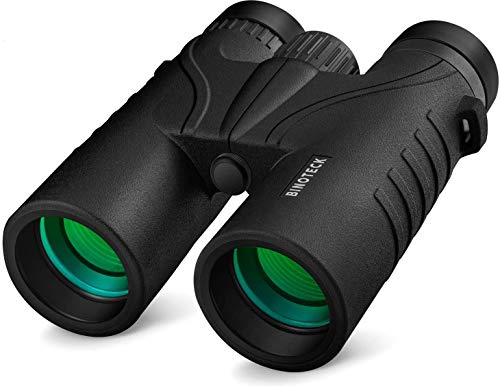
- ARS Mark9.0
ARS Mark is a ranking system developed by bestairriflescopes.com. ARS Mark has no relationship or impact from any manufacturers or sales agent websites. Learn more
- BrandBinoteck

- ARS Mark8.8
ARS Mark is a ranking system developed by bestairriflescopes.com. ARS Mark has no relationship or impact from any manufacturers or sales agent websites. Learn more
- BrandASxmhGo

- ARS Mark8.8
ARS Mark is a ranking system developed by bestairriflescopes.com. ARS Mark has no relationship or impact from any manufacturers or sales agent websites. Learn more
- Brandoccer

- ARS Mark8.8
ARS Mark is a ranking system developed by bestairriflescopes.com. ARS Mark has no relationship or impact from any manufacturers or sales agent websites. Learn more
- BrandFLYANT

- ARS Mark8.0
ARS Mark is a ranking system developed by bestairriflescopes.com. ARS Mark has no relationship or impact from any manufacturers or sales agent websites. Learn more
- BrandLeacco
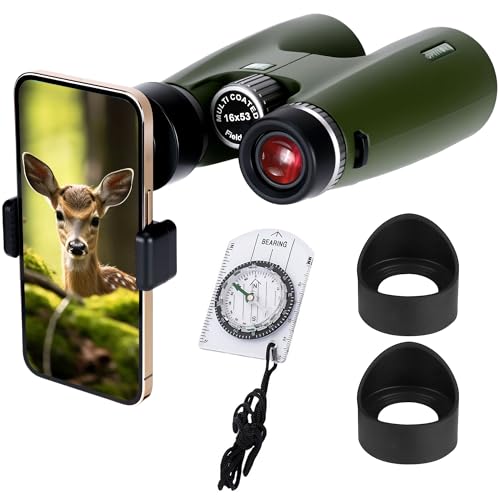
- ARS Mark6.0
ARS Mark is a ranking system developed by bestairriflescopes.com. ARS Mark has no relationship or impact from any manufacturers or sales agent websites. Learn more
- BrandOPTIVORA
Last update on 2025-10-05 / Affiliate links / Images, Product Titles, and Product Highlights from Amazon Product Advertising API
Most people shopping for binoculars focus only on magnification or lens size. Yet, the real magic lies in the binocular lens coatings. These coatings decide how much light actually reaches your eyes. Without them, even the biggest lenses will give you dim, washed-out images. Imagine spending hours birdwatching only to miss subtle feather patterns because the view looks dull. That’s the pain coatings solve—they maximize brightness and clarity when you need it most.
Coatings also control glare. If you’ve ever tried glassing across a lake or at sunset, you know how annoying reflections can be. Anti-reflective coatings tame that problem, letting you see detail without distraction. For hunters, hikers, or sports fans, this is not a luxury; it’s a necessity. Without coatings, you lose details in shadows or highlights, and that can cost you the experience you came for.
Another factor is color. Ever looked through cheap binoculars and noticed the scene looked pale or slightly green? That’s poor coating. Quality multi-coatings bring out natural, vibrant colors that make the world pop. You don’t just see; you connect with the scene. For wildlife lovers, that difference is priceless.
And here’s the kicker: coatings also protect the lenses. Dust, scratches, and moisture damage unprotected glass faster. With durable coatings, your binoculars don’t just perform better—they last longer. For anyone investing in gear, that’s a double win: performance and protection.
The words “coated,” “fully coated,” and “multi-coated” often confuse buyers. Let’s break it down. A coated binocular means at least one lens surface has a simple protective layer. It helps a little, but it’s the bare minimum. Fully coated binoculars, on the other hand, apply coatings to all air-to-glass surfaces. This boosts light transmission noticeably, giving brighter views.
Now step up to multi-coated. Here, several layers are added to at least one lens surface. These layers reduce reflection across different wavelengths of light, improving sharpness and color fidelity. Finally, the gold standard: fully multi-coated binoculars. Every single air-to-glass surface is treated with multiple layers. The result? Maximum brightness, clarity, and color. For serious birders or hunters, this level is worth every penny.
According to optics experts, fully multi-coated binoculars can transmit up to 95% of available light. Compare that to entry-level models that barely scrape past 70%, and the difference is staggering. Imagine trying to track a deer at dusk—those extra percentage points decide if you see it clearly or lose it in the shadows.
But here’s where many get tricked: brands sometimes advertise “multi-coated” as if it means fully multi-coated. It doesn’t. Paying close attention to the wording saves you from buying overpriced gear that underdelivers. That’s why learning this terminology is so powerful. You’ll no longer be at the mercy of marketing gimmicks—you’ll know what’s real and what’s fluff.
Let’s talk about the direct impact on your eyes. Light transmission is the most obvious benefit. Every coating layer reduces the amount of light lost to reflection. Without coatings, binoculars scatter up to 30% of incoming light. That’s why cheap models feel dim, even during daytime. With proper coatings, even low-light conditions—like dawn or dusk—become manageable.
Another overlooked benefit is contrast. Coatings enhance the separation between dark and bright areas in your view. This means you’ll notice subtle movements in a forest or small details on a bird’s plumage. For astronomy lovers, coatings make stars stand out sharper against the black sky. It’s not just about brightness; it’s about definition.
Color accuracy is another big one. Coated binoculars preserve the richness of hues. That’s why photographers, hunters, and outdoor enthusiasts rave about multi-coatings. They don’t just give you “more light”—they give you truer colors that match reality. Without this, everything looks flat and artificial.
Lastly, coatings reduce eye strain. Looking through poorly coated lenses for hours makes your eyes work harder. By cutting glare and keeping images crisp, good coatings help you relax into the view. That means longer sessions without headaches or fatigue.
One major misconception is that coatings are all the same. In reality, the difference between a single coat and fully multi-coated lenses is night and day. Another false belief is that coatings don’t matter if you’re only using binoculars occasionally. Even casual users benefit from brighter, sharper views—and it makes the experience far more enjoyable.
Some buyers assume expensive binoculars automatically have the best coatings. Not always. There are mid-range models with excellent fully multi-coated systems that outperform pricey ones with only partial coatings. Price alone is not the key indicator—checking the technical details is.
Another myth is that coatings are just about brightness. While light transmission is critical, coatings also impact contrast, color fidelity, and durability. Leaving these out of the equation leads to disappointment.
Finally, many assume coatings don’t wear out. While they’re designed to last, rough handling or poor cleaning habits can degrade them. Using the wrong cloth or chemicals can strip coatings, turning high-end lenses into useless glass. Knowing how to care for them is just as important as choosing them.
Through research, one insight stands out: people hate wasting money on gear that doesn’t perform in real life. Outdoor enthusiasts, hunters, bird watchers, and sports fans all share one frustration—binoculars that look good on paper but fail in practice. The culprit is often poor or misleading lens coatings.
For birders, missing feather detail means missed identification. For hunters, losing clarity at dawn or dusk could mean losing a shot. For hikers, glare ruins scenic views. Each group values brightness, clarity, and durability more than fancy buzzwords. That’s why coatings have become a deal-breaker.
Another audience insight: people want to feel confident they’re buying wisely. They don’t want to be tricked by vague terms like “coated optics.” They want transparency. Educating them about what coatings mean gives them control. Instead of being swayed by flashy marketing, they make informed decisions that feel empowering.
And perhaps the strongest insight: coatings make the difference between keeping or returning a pair of binoculars. Once people see the difference firsthand, they realize it’s not optional—it’s essential. This is why serious outdoor users talk passionately about coatings. They’ve lived the disappointment of poor optics and don’t want others to repeat the mistake.
Selecting the right level of binocular lens coatings isn’t about chasing the most expensive option—it’s about matching your usage. For casual backyard spotting, a fully coated pair might be enough. But for hunters or bird watchers who spend hours in shifting light, fully multi-coated binoculars are worth the investment. They deliver higher brightness and color fidelity when it matters most.
If you’re into stargazing, you’ll want maximum light transmission. Astronomers often swear by 95% or higher light transmission rates achieved through premium coatings. Missing faint stars because of poor glass isn’t just frustrating—it kills the magic of the experience. On the flip side, sports fans in broad daylight might not notice small differences, so mid-tier coatings still perform fine.
Budget also plays a role. High-quality coatings don’t always mean sky-high prices. Many brands now offer affordable models with reliable multi-coated optics. The trick is to avoid vague terms. If a description simply says “coated optics,” that’s a red flag—it usually means minimal protection. Instead, look for precise wording like “fully multi-coated.”
And don’t forget durability. Some coatings also have water-repellent or scratch-resistant properties. These keep your lenses clean in wet or dusty environments. For outdoor adventurers, that’s a game-changer. It’s not just about brightness—it’s about keeping your binoculars performing for years to come.
Picture this: a hunter in the early morning mist. With cheap coatings, everything looks hazy, and details fade into the fog. With fully multi-coated lenses, outlines sharpen, and subtle movement in the brush becomes visible. That difference can mean spotting your target—or walking home empty-handed.
Or consider bird watchers. Spotting a tiny warbler at dusk requires superior light transmission. Multi-coated optics let you appreciate not just the silhouette but also the vibrant markings. Without them, it’s just a dark blur. A single missed sighting can ruin the day for enthusiasts who waited hours for that moment.
Sports fans aren’t immune either. Watching a football game through poorly coated lenses can create glare under stadium lights. By contrast, anti-reflective coatings tame that glare, giving you crisp views of fast-moving plays. Suddenly, you’re not squinting—you’re enjoying.
Even casual hikers benefit. Think of that golden-hour landscape view. Proper coatings give you rich, saturated colors instead of flat, lifeless images. It transforms your experience from “nice” to unforgettable.
product_cta:
Even the best coatings won’t last if treated poorly. One common mistake is wiping lenses with a shirt sleeve. This creates micro-scratches that weaken the protective coatings. Always use a microfiber cloth or lens brush designed for optics. Gentle cleaning preserves performance for the long haul.
Moisture is another enemy. While many coatings repel water, leaving droplets on the lens can still damage over time. Use a blower or lens tissue to remove them. Never breathe onto the lens—the acids in your breath degrade coatings.
Storage matters too. Keep your binoculars in a case when not in use. Dust, grit, and accidental knocks can all eat away at coatings. A padded case with silica gel packs is a small step that adds years to their lifespan.
And here’s a pro tip: avoid cheap cleaning kits. Some contain harsh chemicals that strip coatings. Stick to trusted brands made for optics. Protecting your binocular lens coatings means protecting your view—an investment in clarity and durability.
Experts in the optics industry consistently highlight coatings as a top factor in choosing binoculars. As one birding guide put it, “You can have a big lens, but without coatings, it’s like buying a Ferrari with no engine.” That sentiment reflects the reality—coatings bring the optics to life.
Users echo this. Hunters report that fully multi-coated optics helped them spot game at twilight that others missed. Stargazers share stories of finally seeing faint clusters they’d struggled with before. Bird watchers describe how colors “finally looked real” after upgrading their coatings.
Statistics back this up. Studies show that light loss in uncoated glass can reach 30%. With full multi-coating, light loss drops to less than 5%. That’s the difference between guessing at shapes and enjoying detail-rich views.
For many, once they’ve tried quality coatings, there’s no going back. It becomes clear that binocular lens coatings aren’t a luxury—they’re the foundation of any great viewing experience.
Technology in this field keeps advancing. Some manufacturers are experimenting with nano-coatings that repel water, oil, and even fingerprints. Imagine wiping your lenses less often while still enjoying crystal-clear views. That’s not just convenient—it keeps coatings intact for longer.
There’s also research into coatings that boost specific wavelengths of light. For example, enhancing greens and browns for hunters or blues for marine use. These specialized coatings tailor performance to specific environments, making binoculars even more effective.
Durability is improving too. Newer coatings resist scratches and abrasions far better than older versions. That means fewer worries when you’re out in rough terrain. And with environmental concerns rising, some companies are developing eco-friendly coating processes without harmful chemicals.
The future promises even better clarity, brightness, and protection—all driven by smarter, tougher binocular lens coatings. For users, this means you’ll have more options to match your exact needs and enjoy sharper, more vibrant views with less maintenance.


12 Best 22 Pcp Air Rifle For Hunting of 2026 With Quiet Power

7 Best 22 Pcp Air Rifle Under 300 of 2026 For Backyard Pest Control

10 Best 22 Break Barrel Air Rifles of 2026 For Backyard Pest Control

10 Best 30 Caliber Pcp Air Rifle of 2026 For Medium Game

Top Best 177 Air Rifle Under 100: Budget-Friendly Picks for 2026

How to Safely Reload Shotgun Shells at Home

11 Best Co2 Air Rifle For Pest Control of 2026 To Ensure Humane Dispatch

12 Best Inexpensive Air Rifles of 2026 For Dependable Backyard Accuracy






