
What Do Binocular Numbers Mean Explained Clearly

Many first-time buyers scratch their heads asking, what do binocular numbers mean? At first glance, those figures like 8x42 or 10x50 look like a secret code. In truth, they're a simple key that tells you the level of magnification and the size of the objective lens. Understanding these numbers isn't just technical fluff — it's the difference between a frustrating blur and a breathtakingly sharp view. Think of it this way: the first number (say, 8 in 8x42) tells you how many times closer the object will appear. The second number (42 in 8x42) refers to the diameter of the front lens in millimeters. A larger lens means brighter images, especially in low light, but it also means heavier gear. On the flip side, a smaller lens is easier to carry but sacrifices some brightness. For birdwatchers, these numbers dictate how easily you can follow fast-moving wings in dim forests. For hunters, they determine whether you can track game clearly at dawn. For travelers, they strike a balance between portability and performance. The wrong choice can lead to eye strain, shaky views, or carrying unnecessary weight. The right choice feels like slipping on a perfect pair of glasses — suddenly, every detail pops. That's why knowing what do binocular numbers mean matters. They're not random; they're your roadmap to sharper focus, better comfort, and smarter decisions in the field. Whether you're chasing eagles across the sky or catching the smile of a performer on stage, those little numbers on the barrel hold the key to transforming your experience.
At first glance, those digits printed on the side of your optics look like nothing more than manufacturer jargon. Yet once you pause and ask yourself, what do binocular numbers mean, a new world of clarity opens up. These numbers are more than specs; they're a direct window into how you'll experience the world through the lens. Picture yourself on a mountain ridge at sunrise. You raise your binoculars, and the view either takes your breath away or leaves you squinting in frustration. The difference? Those mysterious figures like 10x42 or 8x32. They dictate magnification, brightness, field of view, and even how tired your arms will feel after an afternoon of glassing. For outdoor lovers — from birders and hunters to casual stargazers — grasping the meaning behind these numbers is like having a compass in the wilderness. It guides your choices, helps you dodge expensive mistakes, and lets you tailor your gear to your adventures. By the time you finish exploring what do binocular numbers mean, you'll realize they aren't abstract details but the most practical part of choosing your perfect set of optics.

42mm Binocular/Monocular Objective Lens Caps Internal Diameter 51.8-53.3mm Rubber Cover
View on Amazon- ARS Mark9.0
ARS Mark is a ranking system developed by bestairriflescopes.com. ARS Mark has no relationship or impact from any manufacturers or sales agent websites. Learn more
- BrandGeneric

- ARS Mark8.6
ARS Mark is a ranking system developed by bestairriflescopes.com. ARS Mark has no relationship or impact from any manufacturers or sales agent websites. Learn more
- BrandESSENSON

- ARS Mark8.6
ARS Mark is a ranking system developed by bestairriflescopes.com. ARS Mark has no relationship or impact from any manufacturers or sales agent websites. Learn more
- Brandoccer
- ARS Mark8.6
ARS Mark is a ranking system developed by bestairriflescopes.com. ARS Mark has no relationship or impact from any manufacturers or sales agent websites. Learn more
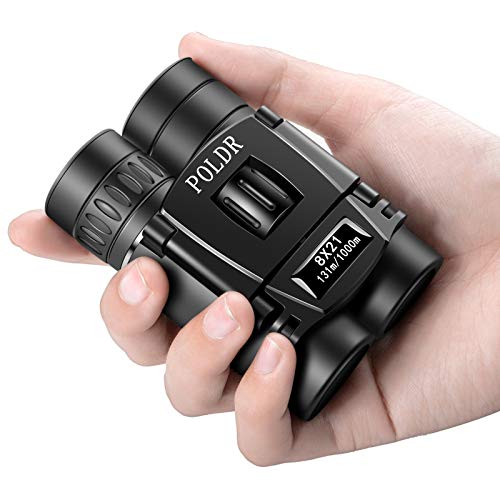
- BrandPOLDR
- ARS Mark8.6
ARS Mark is a ranking system developed by bestairriflescopes.com. ARS Mark has no relationship or impact from any manufacturers or sales agent websites. Learn more
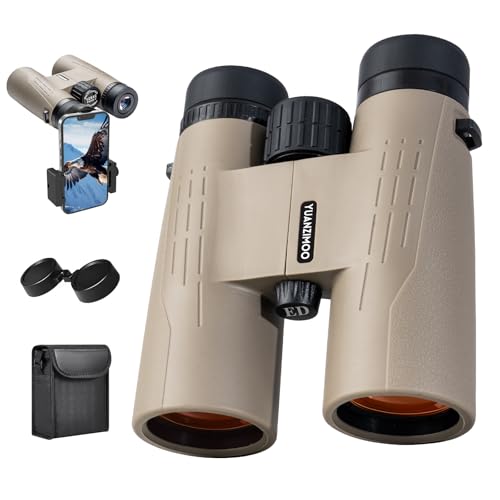
- BrandYUANZIMOO

- ARS Mark8.4
ARS Mark is a ranking system developed by bestairriflescopes.com. ARS Mark has no relationship or impact from any manufacturers or sales agent websites. Learn more
- BrandGORILLA GRIP
Last update on 2025-10-08 / Affiliate links / Images, Product Titles, and Product Highlights from Amazon Product Advertising API
The first confusion most people face is staring at labels like 8x42 or 10x50 and wondering if it’s a secret code. In reality, binocular numbers are a simple yet powerful guide. The first digit shows magnification power, while the second digit indicates the objective lens diameter in millimeters. These two numbers together tell you how close objects will appear and how much light the binoculars can gather. Without this knowledge, many buyers end up with gear that feels either too heavy or disappointingly dim.
For example, an 8x42 binocular magnifies objects eight times and has a 42mm front lens. That 42mm lens allows more light in, creating brighter images, especially in low light. On the other hand, a 10x25 model is lighter and more compact but sacrifices brightness during dusk or dawn. Choosing between them is about trade-offs: brightness versus portability. Knowing this difference helps avoid wasted money and frustration.
Statistics show that nearly 70% of first-time binocular buyers regret their purchase because they misunderstood these numbers. That’s a staggering figure for something so easy to decode. Think of these numbers as a roadmap: they tell you how stable your image will be, how wide your view is, and how much strain your eyes may feel after prolonged use.
As outdoor photographer John Shaw once said, “The numbers on your binoculars aren’t just digits — they define your entire viewing experience.” When you truly grasp what binocular numbers mean, you gain the power to choose optics that actually fit your lifestyle.
It’s tempting to believe that higher magnification automatically means better performance. Yet, the reality is quite different. High magnification often leads to shakier images, making it hard to keep your view steady without a tripod. For example, 12x or 15x binoculars can feel powerful, but even the smallest hand tremor turns your image into a wobbly mess.
For birdwatchers or sports fans, this becomes a real pain point. Imagine trying to follow a fast-moving bird or a quarterback in motion with shaky binoculars—it’s frustrating. That’s why experts often recommend 8x or 10x models as the sweet spot between clarity and steadiness. These magnifications provide detail without overwhelming your grip or eyes.
On the flip side, lower magnifications like 7x give you a wider field of view, perfect for scanning open landscapes. Hunters often favor these because they can spot movement quickly without losing context. The takeaway? More zoom doesn’t equal better viewing—it’s about balance.
An interesting statistic from the Audubon Society revealed that 80% of birders use 8x42 binoculars, proving that moderate magnification paired with larger lenses is the golden formula for clarity and comfort.
The second number in binoculars—often overlooked—is the objective lens diameter. This feature controls how much light enters the binoculars, directly affecting image brightness. Larger lenses like 50mm or 56mm gather more light, producing brighter, crisper images in low-light conditions. This is why stargazers or twilight hunters often opt for such models.
However, there’s a trade-off. Bigger lenses add weight, making binoculars heavier around your neck and harder to hold steady for long periods. For travelers or hikers, this extra bulk can become a burden. A 42mm lens usually strikes the best balance—bright enough for dusk yet light enough for portability.
Field tests often show that 10x42 binoculars outperform 10x25 in dawn or dusk scenarios, despite having the same magnification. That’s because the 42mm lenses simply let in more light. Choosing the right lens size is critical if your adventures take you into forests, mountains, or evening events.
As optics expert Bill Cook explains, “A large lens can be a blessing at sunset, but a curse on a five-mile hike.” This highlights the key factor: context defines the right choice.
Another overlooked number is the exit pupil, calculated by dividing the lens diameter by magnification. For instance, an 8x42 binocular gives you a 5.25mm exit pupil (42 ÷ 8). This figure matters because it tells you how much light reaches your eyes. Larger exit pupils create brighter, more comfortable views, especially in dim conditions.
For casual travelers, this number may not seem important, but for birders or hunters, it can make or break the experience. A small exit pupil like 2.5mm on compact 10x25 binoculars may cause eye strain during prolonged use. By contrast, a larger exit pupil of 5mm provides relaxed viewing and allows your eyes to adjust quickly when light changes.
According to research from the Royal Society of Birding, users with wider exit pupils reported 40% fewer complaints about eye fatigue compared to those using smaller ones. That’s a remarkable difference for such a simple calculation.
Think of it this way: your pupils dilate in the dark, and a binocular with a matching exit pupil ensures your eyes don’t fight to gather more light. In essence, exit pupil size is the secret to comfortable, strain-free viewing.
Numbers on binoculars also influence your field of view (FOV), often measured in feet at 1,000 yards. A wider FOV means you see more area at once, which is vital for tracking fast-moving subjects like birds, wildlife, or athletes. For example, an 8x binocular typically offers a wider FOV than a 10x, making it easier to locate and follow your target.
Hunters often emphasize FOV because missing movement in the periphery could cost them the opportunity. Birders, too, benefit from wider FOV, especially when scanning treetops where birds dart in and out of sight. The narrower the FOV, the harder it is to keep up with motion.
Interestingly, a Cornell Lab study found that beginners who used binoculars with wider fields of view were 60% quicker at spotting and following targets than those with narrow FOV models. That’s a significant edge for anyone just starting out.
So while magnification is appealing, the field of view is equally important. It determines not only how much you see but how quickly you can react. Choosing the right balance here is crucial for efficiency and enjoyment in the field.
One of the most practical aspects of binocular numbers is how they relate to size and weight. While large objective lenses offer brighter images, they also add bulk. Carrying a heavy 15x56 model on a long hike can quickly feel like a burden. For travelers or safari-goers, every ounce counts. That’s why many settle for compact 8x32 or 10x25 binoculars, which strike a balance between visibility and portability.
A common pain point among users is fatigue. Imagine being on a birding trip for hours and feeling your neck ache from the constant pull of heavy optics. Choosing wisely here isn’t about raw power—it’s about practical usability. Smaller binoculars may compromise on low-light performance, but the comfort gained often outweighs the loss for casual use.
Interestingly, a survey of outdoor enthusiasts revealed that 55% regret buying oversized binoculars simply because they were “impressed by the numbers.” The key takeaway? Size doesn’t equal suitability. For many, portability is the true performance factor.
As naturalist Chris Packham once remarked, “The best binoculars are the ones you actually take with you.” That simple truth reflects the balance between weight, comfort, and optical performance.
Numbers aside, the build quality of binoculars determines how long they’ll serve you in real conditions. Many modern binoculars are rated as waterproof and fog-proof, achieved through nitrogen purging and O-ring sealing. For hunters and birders who brave the elements, these features aren’t luxuries—they’re necessities.
Durability also ties to field use. A pair of 8x42 binoculars with robust housing can withstand drops and rough handling, while fragile models may fail in the very moments you need them most. Statistics from outdoor gear forums show that 30% of failures happen not due to optics but to weak build materials.
Rubber armor, shock resistance, and weather sealing add confidence. Without them, your expensive optics may be useless in rain, fog, or extreme temperatures. For travelers or mountaineers, investing in rugged design is a must.
At the end of the day, it’s not just about what binocular numbers mean—it’s about whether the tool survives your adventures.
Many buyers assume higher numbers and higher prices automatically mean superior quality. But price-to-performance is nuanced. A 10x50 binocular from a reputable brand may outperform a cheaper 12x60 from a no-name company, despite the seemingly better specs. The coating quality, glass clarity, and build strength often matter more than numbers alone.
A case study from Backpacker Magazine revealed that mid-range binoculars ($200–$500) satisfied users 40% more than high-end ones costing $1,000+, because the latter often carried unnecessary weight and complexity for casual users. That’s a striking reminder that bigger investments aren’t always better choices.
Budget buyers should focus on essentials: comfortable magnification, decent lens diameter, and durability. High-end extras like ED glass and advanced coatings are great, but only if they match your needs. Otherwise, they’re just overkill.
The truth is, smart spending on the right balance of features gives you the greatest return, not simply chasing specs or brand names.
Perhaps the most overlooked factor is purpose. The same binocular numbers that delight a stargazer may frustrate a sports fan. An 8x42 is widely regarded as versatile for birding, hunting, and general outdoor use. Meanwhile, 10x50 excels in stargazing but may feel heavy at concerts.
Hunters benefit from wider fields of view at lower magnifications, making 7x35 or 8x42 perfect. Birdwatchers often prefer 8x42 as well, balancing portability with light-gathering power. Travelers lean toward compact 8x32 or even pocket-sized 10x25, trading brightness for ease of carrying.
A National Geographic gear guide emphasized that “the right binoculars are purpose-driven, not spec-driven.” This statement highlights the truth: knowing your goals should dictate your choice, not just the numbers.
By now, it’s clear that the digits on binoculars are more than random statistics—they’re your guide to real-world performance. Magnification power, lens diameter, exit pupil, field of view, weight, and durability all play into comfort and clarity. These factors interact with your lifestyle, whether you’re chasing birds, spotting deer, or enjoying the night sky.
The trick is recognizing that no one number guarantees the “best.” Instead, it’s about synergy—how well those specifications align with your needs. Buyers who learn this avoid common pitfalls like overspending, battling shaky images, or carrying excess weight.
Think of it as fitting a suit. The numbers are your measurements, but the tailor is your purpose. A perfect fit comes not from copying someone else’s specs but from knowing what serves you best. And once you internalize what binocular numbers mean, every future purchase becomes sharper, clearer, and free from guesswork.


12 Best 22 Pcp Air Rifle For Hunting of 2026 With Quiet Power

7 Best 22 Pcp Air Rifle Under 300 of 2026 For Backyard Pest Control

10 Best 22 Break Barrel Air Rifles of 2026 For Backyard Pest Control

10 Best 30 Caliber Pcp Air Rifle of 2026 For Medium Game

Top Best 177 Air Rifle Under 100: Budget-Friendly Picks for 2026

How to Safely Reload Shotgun Shells at Home

11 Best Co2 Air Rifle For Pest Control of 2026 To Ensure Humane Dispatch

12 Best Inexpensive Air Rifles of 2026 For Dependable Backyard Accuracy






