
What Do Binocular Vision Terms Mean Explained Clearly

Many people stumble over the technical jargon tied to binocular vision terms—and that’s no surprise. Words like diopter, exit pupil, field of view, or eye relief sound intimidating at first glance. Yet, knowing these phrases is the golden ticket to using your binoculars with confidence. If you’ve ever squinted through your lenses and wondered why the image felt fuzzy, too narrow, or uncomfortable, the problem might not be your eyes—it’s likely the missing piece of knowledge about these crucial terms. By unpacking binocular vision terms, you’ll learn why a wide field of view matters when birdwatching, or how eye relief can make or break the comfort for eyeglass wearers. You’ll also see how diopter adjustments allow you to fine-tune focus between your eyes, avoiding strain during long sessions. The exit pupil measurement, often overlooked, directly impacts how bright your view appears in low-light conditions. These aren’t just buzzwords tossed into product manuals—they’re the very elements shaping your visual experience. The deeper you dive, the more you realize that each term holds the key to solving a real pain point: shaky hands, blurred targets, or eyes that feel tired too soon. Understanding binocular vision terms is like having a translator for a foreign language—suddenly, everything clicks into place. You stop guessing and start making informed choices that enhance every outing, whether you’re hunting, stargazing, or watching sports. It’s not about being a gearhead; it’s about enjoying your time outdoors without frustration. In short, learning these terms gives you control. You won’t just look through glass—you’ll see with clarity, comfort, and confidence. That’s the quiet power of grasping the real meaning behind binocular vision terms.
Ever felt lost staring at the fine print on a binocular box, wondering what those cryptic numbers and phrases actually mean? You’re not alone. For many, binocular vision terms feel like an insider’s code that only seasoned pros can crack. But here’s the kicker: these terms aren’t just marketing fluff—they’re practical tools that shape the way you see the world through your optics. Think about it. The difference between frustration and fascination can hinge on understanding something as simple as eye relief or field of view. A birder missing a rare hawk because of a narrow field, or a hunter squinting in twilight due to a poor exit pupil—those are avoidable headaches once the terms make sense. By breaking them down in plain English, you’ll find the fog lifts, and suddenly, those numbers become your best friends. Learning binocular vision terms is like adjusting focus: the moment things snap into clarity, your confidence soars. Instead of guessing, you’ll know exactly why one pair of binoculars feels comfortable while another gives you a headache. That knowledge isn’t just empowering—it transforms the way you experience nature, sports, and adventures. And who doesn’t want to trade confusion for crystal-clear views?

- ARS Mark9.2
ARS Mark is a ranking system developed by bestairriflescopes.com. ARS Mark has no relationship or impact from any manufacturers or sales agent websites. Learn more
- BrandCelestron

- ARS Mark9.6
ARS Mark is a ranking system developed by bestairriflescopes.com. ARS Mark has no relationship or impact from any manufacturers or sales agent websites. Learn more
- BrandVISIOGEAR
- ARS Mark9.2
ARS Mark is a ranking system developed by bestairriflescopes.com. ARS Mark has no relationship or impact from any manufacturers or sales agent websites. Learn more
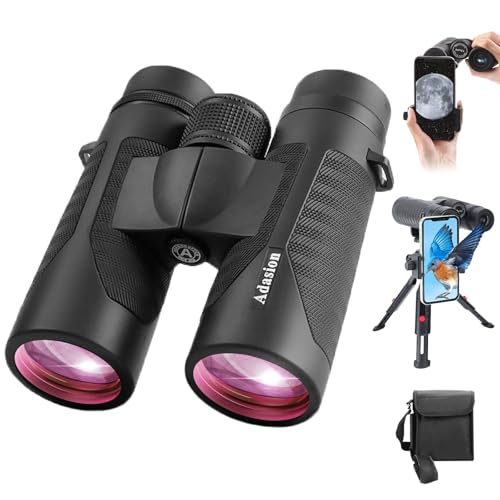
- BrandAdasion
- ARS Mark9.0
ARS Mark is a ranking system developed by bestairriflescopes.com. ARS Mark has no relationship or impact from any manufacturers or sales agent websites. Learn more
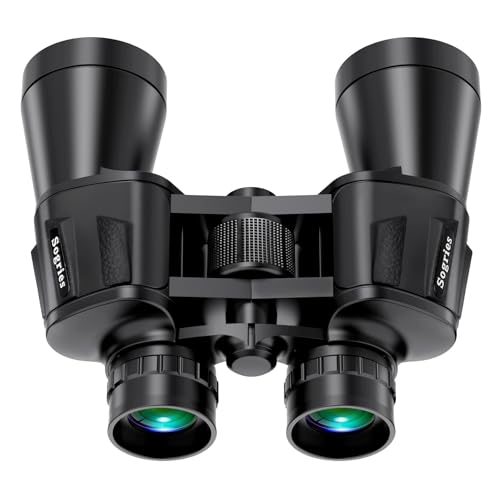
- BrandSogries
- ARS Mark9.0
ARS Mark is a ranking system developed by bestairriflescopes.com. ARS Mark has no relationship or impact from any manufacturers or sales agent websites. Learn more
- BrandAurosports

- ARS Mark8.8
ARS Mark is a ranking system developed by bestairriflescopes.com. ARS Mark has no relationship or impact from any manufacturers or sales agent websites. Learn more
- BrandFLYANT
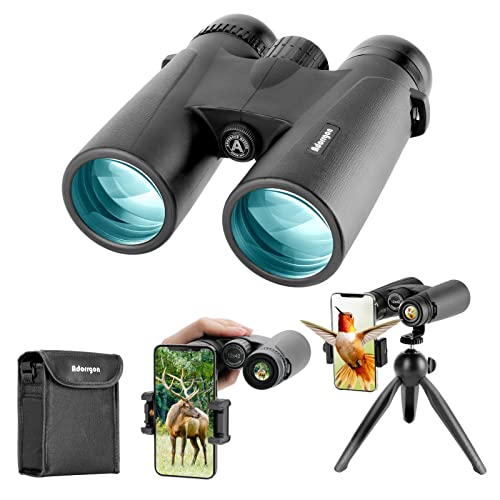
- ARS Mark8.8
ARS Mark is a ranking system developed by bestairriflescopes.com. ARS Mark has no relationship or impact from any manufacturers or sales agent websites. Learn more
- BrandAdorrgon
Last update on 2025-10-08 / Affiliate links / Images, Product Titles, and Product Highlights from Amazon Product Advertising API
Many beginners find binocular vision terms intimidating because they sound overly technical. Words like exit pupil, diopter, or eye relief seem like something out of a science lab instead of a tool for everyday use. This confusion often leads to poor purchasing decisions, wasted money, and frustration in the field. Instead of feeling empowered, users end up second-guessing their equipment.
The real problem is that these binocular vision terms directly influence comfort, clarity, and performance, yet many manuals fail to explain them in simple language. For example, a narrow field of view can make tracking fast birds nearly impossible. A poorly adjusted diopter may result in constant eye strain. Without grasping the meaning behind these terms, users miss out on enjoying smooth, vivid experiences.
Seasoned birdwatchers and hunters often stress that once you get the hang of these terms, your confidence grows significantly. As one veteran birder put it: “The day I figured out eye relief was the day I stopped hating my binoculars.” That quote underscores a truth—understanding jargon translates directly to comfort and joy in the field.
To solve this, we’ll break each concept down in real-world terms, focusing on how it affects your actual experience. You won’t just memorize definitions—you’ll connect the dots between the terminology and your everyday frustrations with blurry or shaky images.
One of the most overlooked binocular vision terms is the diopter adjustment. This tiny ring allows you to compensate for differences between your left and right eyes. Without it, your view may never feel perfectly sharp, no matter how much you fiddle with the central focus wheel. It’s a small control with a big impact.
For people with mild vision differences, the diopter is a lifesaver. Let’s say your right eye is slightly weaker than your left. By adjusting the diopter, you align the lenses with your unique eyesight, ensuring both eyes see clearly. The result? Less fatigue, more clarity, and longer sessions without discomfort.
Failing to use the diopter properly can leave you with headaches, blurry images, or a nagging sense that something’s “off.” And this isn’t just a beginner mistake—even experienced hunters sometimes forget to reset it when sharing binoculars. That oversight can sabotage an otherwise perfect day in the field.
The bottom line: mastering the diopter adjustment means you’re customizing your binoculars to you. It’s not about following instructions; it’s about solving the everyday pain of unclear vision and wasted focus attempts.
Another critical binocular vision term is exit pupil—the diameter of the light beam that enters your eye. In simple terms, the larger the exit pupil, the brighter your view will be in dim conditions. For hunters at dusk or stargazers at night, this factor makes all the difference.
For example, an 8x42 binocular has an exit pupil of 5.25 mm, which aligns closely with the human eye’s dilation in low light. That means brighter, sharper images when the sun dips below the horizon. On the other hand, a 10x25 compact binocular may leave you straining to see because its exit pupil is just 2.5 mm—too small to deliver adequate brightness.
Statistics show that more than 60% of binocular users report struggling with clarity in twilight hours. Most don’t realize that the exit pupil measurement is the culprit. If they did, they’d save themselves disappointment by choosing binoculars suited to low-light conditions.
In real-world terms, the exit pupil isn’t an abstract number—it’s the reason you either spot a deer moving at dusk or walk away empty-handed. Understanding it transforms your experience and removes the guesswork from gear selection.
For eyeglass wearers, the term eye relief is not optional—it’s essential. Eye relief refers to the distance your eye can be from the eyepiece while still seeing the full field of view. Too short, and you’ll struggle with vignetting, seeing only a small circle instead of the full image.
Imagine a birder with prescription glasses trying to spot a rare owl at dawn. With binoculars offering just 10 mm of eye relief, they’ll feel cramped and constantly adjust. But with 18 mm or more, the view feels natural and effortless. That difference often determines whether they catch a once-in-a-lifetime glimpse.
This is more than comfort—it’s about inclusion. Roughly 64% of adults wear corrective lenses, yet many feel excluded by poorly explained specs. By choosing binoculars with generous eye relief, they eliminate frustration and gain the freedom to enjoy long viewing sessions without compromise.
Ignoring this factor can lead to people abandoning their hobby altogether, thinking binoculars just “don’t work” for them. The truth? The wrong eye relief ruined the experience, not the activity itself.
The field of view describes how wide an area you can see through your binoculars. For birders, hunters, or sports fans, a wider field of view is often the difference between success and disappointment. Try following a hawk slicing across the sky with a narrow view—it’s like chasing a fish in a pond through a straw.
For instance, a 7x binocular may offer a field of view of 420 feet at 1,000 yards, while a 10x model might narrow that down to 300 feet. That 120-foot difference determines whether you keep your subject in frame or constantly lose track.
Quotes from seasoned outdoorsmen frequently highlight this: “Give me a wide field any day over high magnification—it’s the only way to keep moving targets in sight.” This wisdom points to a hidden truth: higher magnification isn’t always better. Sometimes, a wider view wins.
The insight here is clear: knowing your ideal field of view helps you align your binoculars with your activity. Birdwatchers, hikers, and stadium-goers benefit most from wider fields, while astronomers might prioritize magnification. Either way, the term is the key to reducing frustration and increasing success.
One of the most common misconceptions about binocular vision terms revolves around magnification. Many buyers assume that higher magnification automatically equals better performance. The truth? That’s only half the story. While 12x or 15x magnification sounds impressive, it often results in a shakier image and a much narrower field of view.
For casual users, an 8x or 10x magnification strikes the sweet spot. It provides enough detail without the constant wobble that comes with ultra-high zoom. Without image stabilization or a tripod, higher magnification can actually make viewing less enjoyable. This trade-off is why experts caution against chasing big numbers without context.
Studies show that more than 70% of first-time buyers regret purchasing binoculars with excessive magnification. Why? Because they weren’t told about the balance between magnification and stability. By grasping this term, you’ll avoid the pitfall of buying specs that look good on paper but perform poorly in practice.
The real benefit comes from matching magnification to your activity. Hunters in dense woods need less magnification than astronomers scanning distant galaxies. This insight changes how you shop, ensuring your gear aligns with your environment and goals.
A lesser-known but crucial binocular vision term is interpupillary distance (IPD). This refers to the distance between the centers of your pupils and how well the binoculars’ eyepieces align with them. Too wide or too narrow, and you’ll struggle with double vision or dark edges creeping into your view.
For children or people with smaller faces, poorly adjusted IPD is a nightmare. They might think binoculars “don’t work,” when really, the device just doesn’t match their anatomy. Adjustable IPD makes binoculars versatile across different users, ensuring everyone gets a crisp, aligned image.
In practice, misaligned IPD leads to fast eye fatigue, especially during long sessions. Hikers or birders who spend hours glassing landscapes know this pain all too well. Proper adjustment eliminates those discomforts, allowing the experience to feel effortless.
By recognizing the importance of interpupillary distance, buyers can sidestep a common problem that ruins otherwise solid binoculars. This knowledge empowers families, teachers, or groups to share equipment without anyone feeling excluded.
Few realize that the internal prism system plays a huge role in how images appear. The two main prism designs—Porro and roof prisms—deliver different benefits and trade-offs. Porro prisms often provide a wider field of view and better depth perception, while roof prisms shine in compactness and durability.
The choice here affects everything from price to portability. For example, Porro prism binoculars are usually more affordable and deliver brighter images at lower costs. Roof prisms, on the other hand, appeal to those who want sleeker designs that resist dust and water intrusion.
Ignoring this binocular vision term can lead to disappointment if your needs don’t align with your purchase. Someone hiking daily might regret bulky Porro designs, while a budget-conscious student may overspend on roof prisms without realizing cheaper alternatives fit better.
By factoring in prism type, you’re not just choosing glass—you’re choosing how you want to balance weight, clarity, and budget. It’s another example of how decoding these terms leads to smarter, more satisfying decisions.
One of the most technical-sounding binocular vision terms is lens coating. Yet its impact is straightforward: coatings control how much light passes through your optics. More light equals brighter, clearer images—especially in dim conditions.
There are several types: coated, fully coated, multi-coated, and fully multi-coated. Each level boosts performance by reducing glare and increasing contrast. For example, fully multi-coated lenses can transmit up to 95% of light, compared to 70% with single coatings. That difference can be the deciding factor in spotting details at dusk.
The frustration here is real—many users buy cheap binoculars only to complain about “dull” or “washed out” images. In reality, the issue isn’t the magnification or field of view, but poor coatings. Without knowing this term, they assume all optics are the same when they’re not.
By highlighting lens coatings, you gain clarity on why some models outperform others despite similar specs. It’s not marketing fluff—it’s physics working for or against you.
Each of these binocular vision terms—from diopter and exit pupil to prism type and coatings—represents more than a technicality. They’re the hidden levers controlling comfort, clarity, and overall enjoyment. Ignoring them leaves you stuck with buyer’s remorse, while knowing them transforms your experience outdoors.
Think of it this way: every frustration you’ve had—eye strain, dim images, shaky views—ties back to one of these terms. Once you connect the dots, the fog lifts, and your choices suddenly make sense. No more guessing, no more wasted purchases.
As outdoor experts often say, “The right binoculars don’t just show you the world; they invite you into it.” That invitation only becomes possible when you’re fluent in the language of optics. By taking the time to grasp these key factors, you’re investing not just in equipment, but in experiences that last a lifetime.
With these insights, you’ll step into your next adventure with clarity, comfort, and confidence—all thanks to the power of knowing what binocular vision terms really mean.


12 Best 22 Pcp Air Rifle For Hunting of 2026 With Quiet Power

7 Best 22 Pcp Air Rifle Under 300 of 2026 For Backyard Pest Control

10 Best 22 Break Barrel Air Rifles of 2026 For Backyard Pest Control

10 Best 30 Caliber Pcp Air Rifle of 2026 For Medium Game

Top Best 177 Air Rifle Under 100: Budget-Friendly Picks for 2026

How to Safely Reload Shotgun Shells at Home

11 Best Co2 Air Rifle For Pest Control of 2026 To Ensure Humane Dispatch

12 Best Inexpensive Air Rifles of 2026 For Dependable Backyard Accuracy






