
What Gun Shoots 762 Ammo and Why It Matters

What Gun Shoots 762 Ammo pops up more often than people think, especially after seeing ammo boxes labeled “7.62” sitting on store shelves or hearing range conversations that sound like a foreign language. That tiny number sparks plenty of confusion because it doesn’t point to just one firearm. Several rifles and battle-style platforms chamber different versions of 7.62 ammunition, and mixing them up can create headaches fast. A lot of folks assume every 7.62 round works in every 7.62 rifle. Nope, not even close.
One major sticking point comes from the difference between 7.62x39, 7.62x51 NATO, and 7.62x54R. Those numbers may look similar at first glance, yet they behave very differently once they hit the range. The compact 7.62x39 round is commonly tied to AK-pattern rifles and tends to produce a punchy feel with moderate recoil. Meanwhile, 7.62x51 NATO rifles lean heavier, louder, and more focused on long-range accuracy. Then there’s 7.62x54R, an older cartridge still hanging around in surplus rifles and designated marksman setups.
Recoil plays a bigger role than many expect. Some shooters enjoy the heavier thump because it feels rugged and mechanical, almost like driving an old pickup truck with a big V8 under the hood. Others quickly realize their shoulder isn’t thrilled after a long afternoon at the range. Rifle weight, barrel length, and stock design all change how the cartridge feels during repeated shots. Small setup differences can turn a smooth shooting session into a sore-arm situation before dinner rolls around.
Ammo availability also pushes people toward specific rifle platforms. Certain calibers remain easier to find locally, while others bounce in and out of stock depending on market demand. Budget-minded buyers often gravitate toward steel-case 7.62x39 because it’s widely available and usually cheaper for casual target shooting. Precision-focused shooters often prefer brass-cased 7.62 NATO loads because consistency matters more than squeezing every penny. That tradeoff between cost and performance shows up constantly in real-world use.
Rifle maintenance matters, too. Some platforms firing 7.62 ammo are famously reliable even when conditions get rough and dirty. Others reward careful cleaning and proper lubrication with tighter groups and smoother cycling. Dust, moisture, carbon buildup, and even cheap magazines can affect reliability more than people realize. A rifle that runs flawlessly on one ammo type may suddenly become picky with another brand.
Then there’s the practical side nobody talks about enough. Heavier rifles chambered in larger 7.62 rounds can become exhausting during extended carrying sessions. Hiking with a long battle rifle feels very different from carrying a lighter sporting setup through wooded trails or uneven terrain. Weight distribution, sling comfort, and optic choices all shape the overall experience. Those details seem minor at first, but they add up surprisingly fast once hours pass outdoors.

- ARS Mark9.4
ARS Mark is a ranking system developed by bestairriflescopes.com. ARS Mark has no relationship or impact from any manufacturers or sales agent websites. Learn more
- BrandWAYNE'S DOG
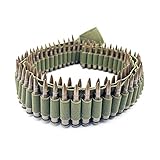
- ARS Mark9.2
ARS Mark is a ranking system developed by bestairriflescopes.com. ARS Mark has no relationship or impact from any manufacturers or sales agent websites. Learn more
- BrandGvita

- ARS Mark9.0
ARS Mark is a ranking system developed by bestairriflescopes.com. ARS Mark has no relationship or impact from any manufacturers or sales agent websites. Learn more
- BrandDUXCIYHTA

- ARS Mark9.0
ARS Mark is a ranking system developed by bestairriflescopes.com. ARS Mark has no relationship or impact from any manufacturers or sales agent websites. Learn more
- BrandS.T. ACTION PRO INC.

- ARS Mark8.8
ARS Mark is a ranking system developed by bestairriflescopes.com. ARS Mark has no relationship or impact from any manufacturers or sales agent websites. Learn more
- BrandS.T. ACTION PRO INC.
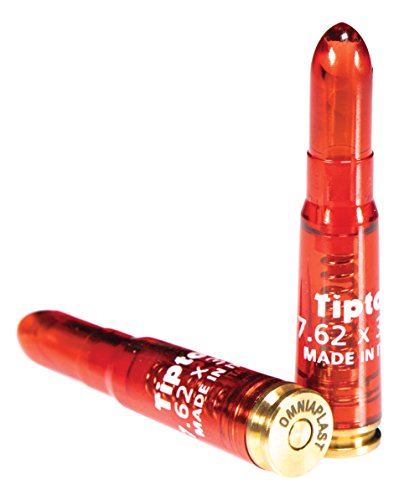
- ARS Mark8.4
ARS Mark is a ranking system developed by bestairriflescopes.com. ARS Mark has no relationship or impact from any manufacturers or sales agent websites. Learn more
- BrandTipton
Last update on 2026-07-17 / Affiliate links / Images, Product Titles, and Product Highlights from Amazon Product Advertising API
What Gun Shoots 762 Ammo and Why It Matters
Standing in front of a wall packed with rifle cartridges can get confusing fast, especially once several boxes start flashing the same “7.62” label. One rifle may handle the round perfectly, while another could become dangerous with the wrong cartridge. That uncertainty pushes many people to search for what gun shoots 762 ammo before spending money on a rifle, ammo case, or range setup. A little clarity saves frustration, wasted cash, and painful mistakes that nobody wants to deal with later.
Different Types Of 7.62 Ammo
7.62 ammo isn’t one single cartridge. That’s the first thing many shooters realize after digging deeper into rifle platforms and ammunition labels. Several popular rounds carry the 7.62 name, but their dimensions, pressure levels, and intended firearms differ in major ways. Mixing them up can cause feeding issues, damaged rifles, or dangerous firing situations.
7.62x39 remains one of the most recognizable versions because of its connection to AK-style rifles. The cartridge uses a shorter case and usually produces moderate recoil with solid close-to-mid-range performance. Steel-case ammo keeps range costs manageable, which explains why many recreational shooters lean toward this platform. Reliability also gives the round a strong reputation in rough outdoor conditions.
7.62x51 NATO moves into heavier territory. Rifles chambered for this round often feel larger, louder, and more powerful compared to 7.62x39 setups. Many shooters pick it for distance shooting, hunting applications, or battle-rifle style platforms that emphasize penetration and stability. The recoil hits harder, though, especially during long shooting sessions without proper stock padding.
Then there’s 7.62x54R, a cartridge with roots stretching back well over a century. Older military surplus rifles still chamber this round, and some long-range enthusiasts appreciate its raw power and historical appeal. Ammunition availability varies depending on local supply, so ownership sometimes requires more planning. A rifle chambered for 7.62x54R also tends to weigh more, which affects portability during field use.
Popular Rifles Chambered In 7.62
The AK-47 platform probably dominates conversations surrounding 7.62 rifles more than anything else. Chambered primarily in 7.62x39, these rifles built their reputation around simplicity and rugged reliability. Dust, mud, cheap ammo, and rough handling usually don’t stop them from cycling properly. Plenty of shooters appreciate that “grab it and go” feeling, especially for outdoor range trips.
The AR-10 sits on the opposite side of the personality spectrum. Chambered in 7.62x51 NATO or .308 Winchester, it leans toward precision, modular upgrades, and longer-distance shooting. The rifle generally weighs more than smaller AR-15 platforms, but the added mass helps absorb recoil. Optics, bipods, and adjustable stocks also turn it into a versatile setup for target work or hunting.
Military surplus rifles still hold a loyal following. The Mosin-Nagant, chambered in 7.62x54R, attracts people who enjoy old-school mechanics and hard-hitting cartridges. The bolt-action design feels slower than semi-auto platforms, yet many shooters love the mechanical feel and historical character. Cheap surplus ammo once made it wildly popular, although prices fluctuate more now.
Some shooters branch into specialized rifles chambered for different 7.62 loads depending on regional availability or hunting regulations. Semi-auto sporting rifles, designated marksman platforms, and compact tactical builds all fit into the broader 7.62 family. To compare equipment setups for younger outdoor sports enthusiasts, explore best recurve archery bow for 13 year olds for another perspective on balancing performance, comfort, and manageable recoil-like control.
Why 7.62x39 Feels Different At The Range
7.62x39 rifles often surprise first-time shooters because the recoil lands somewhere in the middle ground. It’s stronger than a lightweight .223 rifle, yet it usually avoids the heavy punch associated with full-power .308 setups. That balance creates a satisfying shooting experience for many people. The rifle feels lively without becoming exhausting after several magazines.
Barrel length changes the personality of the cartridge more than people expect. Shorter barrels create louder muzzle blast and sharper recoil impulse, especially indoors or at crowded ranges. Longer barrels smooth things out slightly while helping maintain better velocity. Those small differences become obvious after spending a full afternoon shooting side by side.
Cheap steel-case ammo attracts many budget-conscious shooters, but there’s a tradeoff hiding in plain sight. Some rifles cycle steel ammunition flawlessly, while others become picky about extraction and feeding. Carbon buildup also tends to increase during extended sessions with lower-cost ammo. Cleaning routines suddenly matter more after several hundred rounds.
Magazine quality plays a massive role, too. A rifle with poorly built magazines can quickly turn a smooth shooting day into a frustrating mess of jams and feeding failures. Experienced shooters usually test several magazine brands before trusting a setup for serious use. Reliability often depends on the little details nobody notices at first glance.
Long Range Performance With 7.62 NATO
7.62 NATO rifles shine once distances stretch farther downrange. Heavier bullets maintain momentum better than smaller calibers, which helps with wind resistance and target impact at longer distances. Many shooters appreciate the cartridge’s ability to remain stable without relying on ultra-specialized equipment. The round feels deliberate and confident instead of fast and twitchy.
Weight becomes both a benefit and a drawback here. A heavier rifle absorbs recoil more effectively, making follow-up shots smoother and easier to control. Carrying that same rifle through rough terrain for several hours, though, becomes tiring surprisingly fast. Sling setup and overall balance suddenly become major comfort factors.
Optics selection matters a lot with 7.62 NATO platforms. Budget scopes sometimes struggle to handle repeated recoil over time, especially on rifles with aggressive muzzle blast. Shooters who invest in stronger glass usually notice clearer tracking adjustments and fewer zeroing headaches. Spending wisely on optics often improves the overall shooting experience more than adding flashy accessories.
Ammo consistency also affects long-range accuracy. Brass-cased ammunition generally produces tighter shot groupings compared to lower-cost bulk options. Hunters and precision shooters tend to prioritize reliability and consistency over cheap range ammo savings. That shift changes how people budget for practice and rifle ownership.
Recoil And Comfort Matter More Than Expected
Many people focus entirely on ballistic charts and forget how the rifle actually feels after repeated shooting. Recoil fatigue sneaks up quickly, especially with lightweight rifles chambered in larger 7.62 cartridges. A setup that feels manageable for ten rounds may become unpleasant after a hundred. Stock shape, recoil pads, and rifle weight all influence comfort in real-world use.
Muzzle brakes help reduce felt recoil, but they introduce another issue: noise and concussion. Shooters standing nearby often feel the blast immediately, especially at indoor ranges. Ear protection becomes even more important with aggressive muzzle devices attached. Some people prefer suppressors or softer recoil systems instead of loud compensators.
Shooting position changes recoil perception, too. Bench shooting transfers force differently compared to standing or prone positions. Heavier calibers often feel harsher from awkward shooting angles where body alignment absorbs recoil poorly. Small adjustments in posture can completely change comfort levels during extended sessions.
Physical fatigue also affects accuracy over time. A sore shoulder or tense grip often causes shooters to pull shots off target without realizing it. Rifles chambered in 7.62 NATO especially reward slower pacing and controlled shooting habits. Rushing through magazines usually leads to sloppy performance and faster exhaustion.
Ammo Availability And Cost Concerns
Ammo prices influence rifle ownership more than many enthusiasts admit. Buying a rifle chambered in 7.62 ammo sounds exciting until range trips start draining the wallet. Bulk steel-case 7.62x39 generally stays cheaper than premium .308 or match-grade NATO ammunition. That difference shapes how often many people actually practice.
Supply chain swings also hit certain calibers harder than others. Surplus ammunition may flood the market one year and nearly disappear the next. Shooters who rely heavily on niche calibers often buy in larger quantities whenever prices stabilize. Planning ahead reduces frustration during shortages.
Some rifles digest nearly any ammo type without complaint. Others demand cleaner-burning brass ammunition to maintain reliable cycling and extraction. Owners quickly learn which combinations work best after spending enough time at the range. Reliability patterns become obvious after repeated use.
Storage conditions matter, too. Moisture, heat, and poor containers can damage ammunition over time, especially older surplus rounds. Airtight ammo cans with desiccant packs help preserve reliability for long-term storage. A little preparation prevents expensive surprises later.
Practical Uses For Different 7.62 Rifles
7.62x39 rifles often fit casual range shooting, recreational target work, and short-to-mid-range outdoor setups. The cartridge balances manageable recoil with enough punch to feel satisfying during repeated shooting. Compact AK-style rifles also handle movement well in tighter environments. That portability explains their continued popularity.
7.62 NATO rifles lean more toward hunting, precision target shooting, and designated marksman roles. Heavier bullets maintain energy better over longer distances, making them useful for larger game and extended-range shooting. The tradeoff comes through added rifle weight and stronger recoil. Long hikes with a heavy rifle can wear people down fast.
Older surplus rifles chambered in 7.62x54R attract a different crowd entirely. Historical appeal mixes with raw power and mechanical simplicity. Those rifles usually require more patience, especially during cleaning and ammo sourcing. Still, many enthusiasts enjoy the connection to military history and rugged bolt-action design.
Outdoor shooting setups also influence rifle selection. Smaller backyard-style ranges limit how much distance shooters can realistically use. For target placement ideas and safer home setups, compare options through best archery target for backyard to see how spacing, durability, and practice routines shape outdoor shooting environments.
Best Rifles Chambered For 762 Ammo Use
Buying a rifle without fully matching it to your shooting habits usually leads to regret faster than expected. Some rifles feel exciting for the first magazine, then turn heavy, awkward, or painfully loud after an hour outdoors. That’s where conversations about what gun shoots 762 ammo become far more practical than theoretical. The right platform depends on recoil tolerance, ammo budget, intended range distance, and how much maintenance frustration you’re willing to tolerate.
Lightweight Rifles Versus Heavy Battle Rifles
Lightweight rifles chambered in 7.62x39 appeal to shooters who value mobility and faster handling. Compact AK variants, shorter carbines, and folding-stock platforms feel easier to maneuver around vehicles, wooded trails, or tighter shooting lanes. Carrying one across uneven terrain doesn’t feel like dragging a cinder block all afternoon. That reduced fatigue keeps shooting sessions enjoyable instead of physically draining.
Heavier rifles chambered in 7.62 NATO bring a completely different personality. The extra weight helps absorb recoil and stabilize the rifle during longer shots. Precision improves noticeably once distances stretch farther out. Still, lugging a ten-pound rifle with a loaded magazine and optic gets old surprisingly fast during long outdoor trips.
Balance matters more than raw weight numbers. A front-heavy rifle can make arms tire quickly even if the scale doesn’t look extreme on paper. Barrel profile, handguard material, and optic placement all affect how natural the rifle feels during repeated shooting. People often underestimate how much comfort influences accuracy after several hours.
Training style changes rifle preference, too. Shooters focusing on rapid target transitions usually lean toward lighter platforms with moderate recoil. Precision-focused setups reward slower pacing and more deliberate movement. To compare stability-focused equipment in another shooting discipline, explore best 5 pin slider bow sight for insight into controlled aiming adjustments and consistent target tracking.
Cleaning Habits Change Rifle Reliability
Some rifles forgive neglect better than others, plain and simple. AK-style rifles firing 7.62x39 earned a reputation for tolerating dirt, carbon buildup, and rough environmental conditions. That doesn’t mean cleaning becomes optional, though. Even rugged platforms eventually suffer from excessive grime and neglected lubrication.
AR-10 rifles tend to reward shooters who stay consistent with maintenance. Carbon buildup around the bolt carrier group and chamber can affect reliability if ignored too long. Brass residue, powder fouling, and unburned debris accumulate surprisingly fast during high-round-count sessions. A few minutes of cleaning after range trips usually prevents larger problems later.
Cheap surplus ammunition sometimes leaves behind corrosive residue. Shooters using older military surplus rounds need to clean barrels and gas systems carefully afterward. Moisture mixed with corrosive salts can damage metal surfaces quicker than many expect. Proper maintenance protects both accuracy and long-term durability.
Storage conditions also affect reliability over time. Humid garages, damp basements, or poor rifle cases can encourage rust formation around small internal parts. Silicone-treated gun socks, dry storage areas, and occasional inspections help preserve performance. Ignoring those details often leads to sticky controls and rough cycling months later.
Optics And Accessories For 7.62 Platforms
Optics selection becomes more important once recoil increases. Lightweight budget scopes may struggle after repeated use on stronger 7.62 NATO rifles. Reticles can drift, mounting screws loosen, and clarity sometimes degrades faster than expected. Spending carefully on reliable mounting hardware usually saves frustration later.
Red dot sights remain popular on compact 7.62x39 rifles because they allow faster target acquisition at shorter ranges. Simplicity matters during fast-paced shooting where precision magnification isn’t always necessary. A lightweight optic also keeps the rifle balanced instead of turning it nose-heavy. That smoother handling helps during repeated drills.
Sling setup deserves more attention than many people give it. Carrying a heavy rifle without a properly adjusted sling becomes uncomfortable fast. Two-point slings distribute weight better during hikes or long outdoor sessions. Padding also reduces shoulder fatigue once magazines, optics, and accessories add extra pounds.
Magazine pouches, chest rigs, and storage setups influence range comfort too. Cheap pouches sometimes fail under repeated movement, especially outdoors. Secure retention matters once heavier steel magazines enter the picture. Small support gear problems quickly become annoying distractions during active shooting sessions.
Common Mistakes With 7.62 Ammo
The biggest mistake usually starts with assuming every 7.62 cartridge fits every rifle labeled “7.62.” That confusion causes endless headaches for inexperienced buyers. A 7.62x39 round will not safely function in a rifle chambered for 7.62x51 NATO. Dimensions, pressure levels, and chamber design differ far too much.
Ammo storage mistakes also create long-term issues. Loose cartridges tossed into damp bags or humid closets may corrode slowly over time. Even small amounts of corrosion can affect reliability and chamber pressure consistency. Airtight storage containers help prevent those problems before they start.
Ignoring recoil management causes poor shooting habits surprisingly often. Some shooters tense their shoulders excessively before every shot, leading to flinching and inaccurate follow-up shots. Proper stance and gradual practice help reduce recoil anxiety. Confidence grows naturally once shooting rhythm improves.
Cheap magazines create another major reliability problem. Feeding issues often get blamed on the rifle when faulty magazines are actually responsible. Bent feed lips, weak springs, and inconsistent manufacturing can ruin an otherwise dependable setup. Testing magazines carefully before relying on them saves frustration later.
Field Use And Outdoor Shooting Comfort
Outdoor conditions change how rifles perform and feel during extended use. Heat, dust, rain, and uneven terrain expose weaknesses quickly. A rifle that feels balanced indoors may become exhausting during long walks through rough ground. Weight distribution suddenly matters far more outside controlled range environments.
Cold weather affects both shooters and rifles. Thick gloves reduce trigger feel, while freezing temperatures stiffen lubricants and slow moving parts. Metal handguards also become uncomfortable to grip during icy mornings. Simple gear adjustments often improve comfort dramatically in harsh conditions.
Rain introduces another layer of maintenance concerns. Water trapped around optics mounts, screws, or magazines may encourage rust if rifles stay wet too long. Wiping down metal surfaces after outdoor use prevents many long-term issues. Moisture management becomes part of responsible rifle ownership.
Target visibility changes outdoor shooting performance too. Bright sunlight, shadows, and uneven terrain can make accurate aiming more difficult than expected. To improve beginner-style outdoor target practice layouts, compare ideas through best target compound bow for beginners for practical insight into target spacing and shooting comfort.
How Barrel Length Changes Performance
Short-barreled 7.62 rifles feel quick and compact, especially during movement-heavy shooting. They’re easier to transport, easier to maneuver in tighter spaces, and often more comfortable during shorter range trips. The tradeoff usually appears through louder muzzle blast and reduced velocity. Indoor shooting with shorter barrels can feel especially sharp on the ears.
Longer barrels generally smooth out recoil impulse while helping maximize cartridge performance. Velocity increases slightly, and muzzle flash often becomes less aggressive compared to compact setups. Precision shooters usually appreciate the added stability. Carrying a longer rifle all day, though, demands more patience and stamina.
Balance shifts dramatically once suppressors or muzzle devices enter the setup. A suppressor adds forward weight that changes handling characteristics almost immediately. Some shooters love the softer recoil and reduced noise signature. Others dislike the heavier front-end feel during extended carrying sessions.
Transportation also matters more with larger rifles. Fitting long-barreled setups into compact vehicles, storage safes, or crowded range benches becomes awkward quickly. Compact rifles simplify movement and storage but may sacrifice some comfort during high-volume shooting. That tradeoff depends entirely on shooting style and intended use.
Why Experience Matters More Than Hype
Online discussions often push people toward rifles that look exciting rather than rifles that actually fit their needs. A massive long-range setup may sound appealing until somebody realizes they mainly shoot at short local ranges. Heavy recoil, expensive ammo, and bulky equipment quickly lose their novelty after repeated range trips. Practical comfort matters far more than flashy internet opinions.
Hands-on experience changes perspective fast. A rifle that feels perfect in a gun store may become uncomfortable once loaded with optics, magazines, and accessories. Weight distribution, trigger feel, and recoil behavior only reveal themselves during real shooting sessions. Renting different rifles before buying often prevents expensive regret.
Budget planning should include more than the rifle itself. Ammunition costs, cleaning supplies, optics, storage solutions, and spare magazines all add up over time. Many first-time buyers focus entirely on the rifle price and overlook long-term ownership costs. A balanced setup usually provides more satisfaction than overspending on one flashy component.
Comfort, reliability, and realistic expectations shape positive rifle ownership more than trends ever will. Shooters who match their equipment to actual habits tend to enjoy longer range sessions with fewer frustrations. That practical mindset helps narrow down what gun shoots 762 ammo in a way that actually fits daily use instead of chasing internet hype alone.


12 Best 22 Pcp Air Rifle For Hunting of 2026 With Quiet Power

7 Best 22 Pcp Air Rifle Under 300 of 2026 For Backyard Pest Control

10 Best 22 Break Barrel Air Rifles of 2026 For Backyard Pest Control

10 Best 30 Caliber Pcp Air Rifle of 2026 For Medium Game

Top Best 177 Air Rifle Under 100: Budget-Friendly Picks for 2026

How to Safely Reload Shotgun Shells at Home

11 Best Co2 Air Rifle For Pest Control of 2026 To Ensure Humane Dispatch

12 Best Inexpensive Air Rifles of 2026 For Dependable Backyard Accuracy






