
What Is a 22 Caliber Rifle and How Does It Work?

A 22 rifle fires pencil-width projectiles. That number simply marks the barrel width, which measures roughly 0.22 inches across, or about 5.5 millimeters. Both traditional powder firearms and backyard air rifles share this dimension. Because the projectile is so light and compact, these guns produce very little backward kick, making them easy for anyone to shoot comfortably.
What this rifle does for you depends on how it is powered and where you shoot. A standard firearm burns gunpowder, while an air rifle relies on compressed air to push a lead pellet. Your goal also shapes the choice, whether you want quiet target practice, pest control, or informal plinking. Local laws play a big role too, since suburban neighborhoods often restrict firearms but allow air guns. Here is a clear look at how they work and how to choose the right setup.
What 22 Caliber Means in Plain English
The term caliber simply measures the width of a projectile or the opening inside a rifle barrel. When someone mentions a 22 caliber rifle, they are talking about a gun that shoots a piece of lead roughly 0.22 inches across. In the metric system, that comes out to about 5.5 millimeters.
To picture this size at home, look at the pink eraser on the back of an ordinary wooden pencil. A 22 caliber projectile is slightly smaller than that eraser tip. It is also roughly the thickness of three stacked pennies. Because the projectile is compact and narrow, it creates very little air resistance, which helps it fly straight and true over short to moderate distances.
People often feel confused by decimal points in shooting talk. You will see this size written as .22 caliber, .22 inch, 22 cal, or 5.5mm in owner guides and ammunition boxes. Every one of those labels points to the exact same bore thickness. It is one of the oldest, most popular rifle sizes on earth because it balances affordable shooting with dependable control.
Air Rifles versus Powder Firearms: Two Very Different Tools
The biggest mix-up for beginners is assuming every 22 rifle uses gunpowder. In reality, two completely distinct shooting worlds share the 22 caliber name: rimfire firearms and airguns. Understanding which one you are handling makes all the difference for your safety, your budget, and where you can legally pull the trigger.
A 22 powder firearm shoots a rimfire cartridge, which is a small brass case filled with explosive gunpowder, primed at the base rim, and capped with a lead bullet. When the firing pin hits the outer rim of the brass case, the powder ignites, creating an explosion that drives the bullet out of the barrel. These firearms produce significant noise, travel well over a mile if fired into the air, and are strictly regulated by state and federal firearm laws.
A 22 air rifle works on an entirely different principle. Instead of burning chemical powder, an air rifle uses mechanical pressure to push a pellet down the barrel. A pellet is a waisted, hourglass-shaped projectile made from soft lead or alloy. Because there is no explosion, air rifles operate with far less noise, zero gunpowder residue, and lower operating costs.
Air rifles create pressure through several distinct mechanisms:
- Break-barrel rifles: These are cocked by pivoting the barrel down to compress an internal steel spring or gas piston, which releases stored mechanical force when you pull the trigger.
- Multi-pump pneumatics: These are rifles powered by 3 to 10 forearm hand pumps, letting you vary the shot strength depending on your shooting distance.
- PCP (pre-charged pneumatic) rifles: These are rifles filled with high-pressure air from a special hand pump, compressor, or scuba tank, giving you dozens of shots without cocking between rounds.
- CO2 rifles: These are rifles powered by disposable gas cartridges that slide directly into the stock or grip.
Never load round steel BBs into a 22 caliber rifled pellet barrel. Steel BBs will strip and damage the delicate spiral rifling grooves inside the barrel, permanently ruining the rifle's accuracy. Always match lead or alloy pellets strictly to the bore size listed on the gun frame.
What You Can Actually Do with a 22 Caliber Rifle
Because 22 caliber projectiles are small and manageable, they cover a broad spectrum of everyday shooting tasks. Whether you pick an air rifle or a powder gun, this size is the world's favorite training ground for target shooters and hunters alike.
Target shooting, often called plinking, is the most common use. Plinking refers to casual backyard shooting against paper targets, aluminum drink cans, or reactive steel spinning paddles. The low cost of 22 ammunition or pellets lets you practice sight alignment, breath control, and trigger squeeze for hours without straining your wallet. Many beginners start their marksmanship journey by running casual backyard plinking sessions to build safe handling habits before touching heavier hardware.
Pest management and small-game hunting make up the second major role for the 22 caliber. In the air rifle world, 22 caliber pellets offer significantly more knockdown power than smaller .177 caliber pellets. Knockdown power refers to the energy delivered on impact that humanely stops small garden pests like squirrels, rats, and groundhogs. A .177 pellet flies faster, but a 22 pellet carries more weight and punches deeper into the target, preventing wounded animals from escaping.
Finally, 22 rifles serve as premier skill builders for new shooters of all ages. Instructors prefer starting beginners on a 22 because the low sound and gentle feel prevent developing a flinch. A flinch is an involuntary jerk of your muscles caused by anticipating a loud bang and a hard push, which quickly destroys accurate shooting form. If you want to prepare for competitive shooting or realistic training drills, master the basics on a 22 first.
How Much Noise and Kick to Expect
Beginners often hesitate around rifles because they worry about loud concussive noise and painful backward kick against their shoulder. Backward kick, technically called recoil, happens as equal and opposite force pushes the rifle backward when the projectile leaves the muzzle. The good news is that 22 caliber platforms are famous for being gentle, approachable, and easy to shoot.
A 22 powder firearm produces almost no noticeable kick against your shoulder, feeling like a light tap from an open hand. However, it still creates a sharp gunshot crack from burning powder that can damage unprotected hearing. You must wear hearing protection whenever shooting a powder rimfire rifle, and you cannot fire one in typical suburban neighborhoods due to noise complaints and firearm discharge laws.
A 22 air rifle cuts that sound footprint down dramatically. Many modern break-barrel and PCP air rifles include built-in noise baffles or muffled barrels, which act like small mufflers built directly around the barrel tip. These muffled airguns produce a dull mechanical thud or soft pop rather than a sharp bang. You can shoot a quiet 22 air rifle near your home without alarming neighbors or waking household pets.
Recoil in air rifles behaves in a surprising way that every beginner needs to understand. While PCP and CO2 guns barely move at all, break-barrel spring guns produce a snappy two-way recoil. When you fire, the internal spring pushes forward and then slams against the front cylinder wall. This sudden forward-and-backward movement does not hurt your shoulder, but it will shake cheap firearm scopes loose and crack their lenses. Always equip spring-powered airguns with spring-airgun-rated scopes designed to withstand that distinct double jolt.
How to Set Up a Safe Target Area at Home
Shooting an air rifle at home requires a secure shooting lane and a reliable backstop. A backstop is a solid barrier behind the target that catches every stray or passing projectile without letting it bounce off. Follow these sequential checks to ensure every shot stays safely on your property.
- Check your local municipal discharge laws: Call your city clerk or police non-emergency line to verify town ordinances. Some towns ban shooting any projectile gun within city limits, and confirming your local rules keeps you on the right side of the law before you unpack your equipment.
- Select an enclosed outdoor lane away from property lines: Choose a shooting spot with zero foot traffic, keeping away from fence lines, sidewalks, and property borders. This eliminates the chance of pets, delivery workers, or curious neighbors walking unexpectedly into your line of fire.
- Position targets against a solid primary berm: Set your target against an elevated dirt hill, concrete retaining wall, or dense earth bank. A natural barrier ensures that if your projectile passes through the paper target, it buries itself in soft soil instead of skipping away into open space.
- Build or place a heavy-duty pellet trap: Use a rated steel pellet trap or fill a plastic tote box with dense rubber mulch. Rubber mulch absorbs lead pellets silently without letting them ricochet, catching spent lead cleanly so you can dispose of it without contaminating your lawn.
- Verify the space directly behind the backstop: Walk past your target and check what sits 50 yards behind your backstop wall. Never shoot toward windows, parked cars, or neighboring houses, even when using an airgun, because accidental misses can damage property if a backstop fails.
- Put on ballistic eye protection before opening the case: Slip on ANSI-rated safety glasses before loading your first pellet. Eye protection defends you from unexpected bounce-backs or lead fragments that can splinter off hard surfaces near the trap.
- Keep the barrel pointed downward until settled on target: Rest the muzzle pointed at the grass until you are seated, steady, and ready to shoot. Practicing steady muzzle control prevents accidental discharges from hitting fences, pavers, or outdoor furniture.
What to Look for in a 22 Caliber Air Rifle
If you decide that a 22 caliber rifle fits your needs, an airgun is the most practical starting point for home practice and garden pest control. Before picking an air rifle, consider how you intend to power it and how much physical effort you want to exert during each shooting session.
For simple, standalone shooting, a break-barrel air rifle is hard to beat. You do not need air tanks, pumps, or gas capsules to run it. You simply cock the barrel by hand, slip a pellet into the breech, close it, and fire. When evaluating break-barrel models, pay attention to cocking effort, which is the muscle effort in pounds required to bend the barrel open. A heavy cocking stroke can tire out your arms after twenty shots, while a moderate cocking effort lets younger or lighter shooters practice comfortably.
If you prefer shooting without manual cocking strain, look into pre-charged pneumatic (PCP) air rifles. These guns hold compressed air in an onboard tank, offering multiple consistent shots, multi-shot revolving pellet wheels, and practically zero recoil. Just remember that PCP rifles require filling equipment, such as a specialized high-pressure hand pump or portable air compressor. Match your rifle type to your physical strength, your available storage space, and your shooting goals.

- ARS Mark9.7
ARS Mark is a ranking system developed by bestairriflescopes.com. ARS Mark has no relationship or impact from any manufacturers or sales agent websites. Learn more
- BrandGamo

- ARS Mark8.9
ARS Mark is a ranking system developed by bestairriflescopes.com. ARS Mark has no relationship or impact from any manufacturers or sales agent websites. Learn more
- BrandUmarex

- ARS Mark8.5
ARS Mark is a ranking system developed by bestairriflescopes.com. ARS Mark has no relationship or impact from any manufacturers or sales agent websites. Learn more
- BrandDPMS
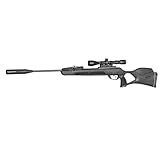
- ARS Mark8.4
ARS Mark is a ranking system developed by bestairriflescopes.com. ARS Mark has no relationship or impact from any manufacturers or sales agent websites. Learn more
- BrandGamo

- ARS Mark7.5
ARS Mark is a ranking system developed by bestairriflescopes.com. ARS Mark has no relationship or impact from any manufacturers or sales agent websites. Learn more
- BrandGamo
Last update on 2026-10-15 / Affiliate links / Images, Product Titles, and Product Highlights from Amazon Product Advertising API
FAQs
Can a 22 caliber rifle be used for personal defense?
A 22 rifle is primarily engineered for target plinking, training, and small garden pest control. While any projectile weapon can cause injury, a 22 lacks the reliable stopping power recommended for defensive situations. Dedicated personal security setups rely on larger calibers designed specifically for home protection.
What is the difference between a .177 and a .22 caliber air rifle?
A .177 pellet is smaller, lighter, and flies faster on a flatter trajectory, making it ideal for formal paper target competitions. A .22 pellet is wider and heavier, retaining more energy on impact to cleanly take down small pests like rats and squirrels. If you want target speed, pick .177, but if you want impact power, choose .22.
Can you shoot a 22 caliber rifle in your backyard?
You can never shoot a 22 powder firearm in a standard neighborhood because of safety risks, noise, and firearm laws. You may shoot a quiet 22 air rifle in some backyards, provided your local city discharge ordinances allow airguns and you have a certified backstop. Always verify local city codes before firing any airgun outside.
How far can a 22 projectile travel?
A standard 22 rimfire firearm bullet can travel over a mile and a half if fired upward at an open angle. A 22 air rifle pellet travels a much shorter distance, typically falling harmlessly after 200 to 400 yards depending on rifle power and wind. Even with an airgun, you must always know your target and what lies beyond it.
Do 22 caliber air rifles need to be cleaned often?
Air rifles require much less cleaning than powder firearms because they burn no chemical powder or primer compound. You rarely need to scrub the bore, and you should never use standard petroleum firearm solvents because they eat through rubber airgun seals. Cleaning your airgun barrel with dry cotton pull-through patches every few hundred shots is plenty to maintain accuracy.


12 Best 22 Pcp Air Rifle For Hunting of 2026 With Quiet Power

7 Best 22 Pcp Air Rifle Under 300 of 2026 For Backyard Pest Control

10 Best 22 Break Barrel Air Rifles of 2026 For Backyard Pest Control

10 Best 30 Caliber Pcp Air Rifle of 2026 For Medium Game

Top Best 177 Air Rifle Under 100: Budget-Friendly Picks for 2026

How to Safely Reload Shotgun Shells at Home

11 Best Co2 Air Rifle For Pest Control of 2026 To Ensure Humane Dispatch

12 Best Inexpensive Air Rifles of 2026 For Dependable Backyard Accuracy






