
What Is a 22 Long Rifle and Is It an Air Rifle?

A 22 Long Rifle is a real firearm. The name refers to a small ammunition cartridge (a brass shell packed with gunpowder and a lead bullet) as well as the rifles built to fire it. Unlike a pellet gun that pushes ammo using compressed air, this platform relies on chemical gunpowder to launch its projectile. It is an authentic powder-burning gun, not an air rifle.
What this means for your shooting plans depends on your space and goals. A gunpowder rifle sends bullets over a mile away, which makes it dangerous and illegal to fire in a standard backyard. Anyone looking for safe, quiet target shooting or basic pest management near home usually wants a 22 caliber pellet airgun instead. Here is a clear breakdown of how both setups work and how to choose the right one for your property.
A 22 Long Rifle Is a Powder-Burning Firearm
A 22 Long Rifle is a traditional firearm cartridge, not an airgun. People often shorten the name to 22 LR. The term refers to both the specific brass ammunition and any rifle built to shoot it. When you pull the trigger on a 22 Long Rifle, a firing pin strikes the metal base of the cartridge. That impact ignites chemical gunpowder sealed inside the brass case, creating an explosion of hot gas that forces a solid lead bullet down the barrel.
The number 22 refers to the caliber, which is the width of the bullet and the inside hole of the barrel. In this case, 22 means twenty-two hundredths of an inch wide, which is slightly less than a quarter of an inch. While the bullet itself is quite small, it is still a true firearm projectile pushed by explosive burning powder. This makes it completely different from pellet guns or BB guns that push ammunition using mechanical springs or stored gas.
The 22 LR belongs to a family called rimfire ammunition. In a rimfire cartridge, the explosive priming compound is squeezed directly inside the hollow outer rim of the brass case. When the firing pin hits that soft rim, it pinches the primer and sparks the gunpowder. Because the entire brass casing expands and seals the gun chamber during the blast, you cannot reload these cases at home like larger centerfire rifle rounds. Once you fire a 22 LR round, you simply discard the empty brass hull.
You can find 22 Long Rifle firearms in several different mechanical styles. Bolt-action models require you to lift and pull a small steel handle by hand to eject the empty casing and slide a fresh round into place. Semi-automatic models use the energy from the fired shot to blow the mechanism back, spitting out the spent brass and loading the next shot automatically with every pull of the trigger. Lever-action styles use a hinged finger loop under the trigger guard to cycle rounds from a tube under the barrel.
People often get confused because both firearms and air rifles share the same 22 caliber measurement. You might see a tin of 22 caliber pellets on a sporting goods shelf right next to a box of 50 brass 22 LR firearm cartridges. Even though their widths match closely, their construction, internal pressure, and operating systems have nothing in common. A 22 LR cartridge is a self-contained explosive charge, while an airgun pellet is just a piece of shaped metal waiting for a burst of air.
A 22 Air Rifle Uses Compressed Air Instead of Gunpowder
A 22 air rifle shoots lead or alloy pellets using stored pressure instead of burning powder. An airgun barrel is rifled with spiraling internal grooves just like a firearm, which spins the pellet for stability. But instead of an explosive blast, the gun relies on mechanical leverage or pressurized gas to send the pellet flying. Because there is no fire, carbon soot, or gunpowder residue, air rifles require far less intense cleaning and produce zero smoke.
Air rifles create their shooting power through four common internal systems. The most common backyard option is the break-barrel system, which is a rifle cocked by pivoting the barrel down on a hinge to compress an internal steel spring or gas piston. You seat one pellet directly into the open breech, swing the barrel back up until it clicks shut, and pull the trigger. The releasing piston rushes forward inside a cylinder, squeezing a cushion of air that blasts the pellet down the barrel.
Another popular format is the PCP, or pre-charged pneumatic design. These are rifles filled with high-pressure air from a special hand pump, compressor, or scuba tank. A built-in metal air reservoir under the barrel holds thousands of pounds of pressure, allowing you to shoot dozens of consistent shots before pumping the tank back up. You can also find multi-pump pneumatic airguns, which are rifles powered by 3 to 10 forearm hand pumps before each individual shot, or lightweight models powered by disposable CO2 gas cartridges.
Ammunition type creates another major difference between these two worlds. Air rifles designed for accuracy fire shaped lead or alloy pellets that feature an aerodynamic waist and a hollow skirt. These pellets expand slightly to grip the barrel grooves, making them ideal for target practice and garden pest control. You should never feed round steel BBs into a rifled pellet-only barrel, because the hard steel will strip and ruin the delicate soft-steel rifling over time.
Noise and energy separate the two tools immediately. A 22 LR firearm produces a sharp, loud report that easily tops 140 decibels, creating a distinct sonic boom as the bullet breaks the speed of sound. You must wear hearing protection every time you shoot one, and the sound carries across entire neighborhoods. A 22 caliber air rifle produces a dull snap or quiet pop. Many modern airguns feature built-in noise baffles or muffled barrels, which trap expanding air inside synthetic chambers and make the gun quiet enough to shoot without disturbing someone sitting on your back patio.
Power levels also differ dramatically. A standard 22 LR firearm pushes a 40-grain lead bullet at roughly 1,080 to 1,250 feet per second, producing around 130 to 140 foot-pounds of energy. That heavy punch makes the firearm lethal to medium pests, farm predators, and dangerous to humans at extreme distances. In contrast, an average 22 caliber air rifle fires a lighter 14-grain pellet at 700 to 950 feet per second, generating about 15 to 30 foot-pounds of energy. That energy level is perfect for humane squirrel or rat control without risking catastrophic damage to distant property.
A 22 Firearm Carries Far More Danger in Backyards
Firing a 22 Long Rifle in a standard residential backyard is extremely dangerous and almost always illegal. Even though a 22 LR looks like a tiny cartridge, that small lead bullet can travel up to a mile and a half if you fire it at an upward angle. A bullet fired from a 22 LR easily punches clean through wooden privacy fences, plastic siding, double-pane glass, and interior drywall. If you miss your target, that bullet keeps traveling with enough force to injure or kill someone blocks away.
Local laws strictly control where you can discharge a firearm. Nearly every city, town, and suburban township in the United States has municipal ordinances that ban shooting firearms within city limits. Violating these laws can lead to immediate criminal charges, heavy fines, and the confiscation of your gear. Even in rural areas, you must verify local county distance laws, which often require you to stand several hundred feet away from occupied buildings, roads, and property lines before firing a powder-burning gun.
Air rifles follow a different set of legal standards, though you must still handle them with strict firearm safety rules. Many suburban towns allow backyard airgun shooting as long as the pellets remain entirely inside your property boundaries. But you should always call your local police department or check city municipal codes online to confirm your neighborhood rules before taking your first shot. Some dense cities group airguns into the same category as firearms, while other towns have no restrictions as long as you act safely.
Safe shooting in any yard requires a certified stopping area that prevents escape. You must build a backstop that completely absorbs pellets without ricochets. A rated steel pellet trap, a wooden box packed tightly with dense rubber mulch, or a thick dirt backstop berm provides the stopping power you need. Never set targets against a bare wooden fence, cinder blocks, or hard stone walls. Pellets hitting hard surfaces can bounce backward toward your face or fragment into dangerous flying debris.
Personal protection matters just as much in your yard as it does at a public firing line. Always wear wrap-around eye protection to guard against unexpected bounces. Keep pets and children inside the house while you shoot. If you are introducing younger family members to marksmanship, maintain hands-on youth supervision at all times and never leave loaded equipment resting on patio tables unattended.
Your Shooting Space Decides Which Rifle You Need
Choosing between a 22 Long Rifle firearm and a 22 caliber airgun comes down to where you live and how you plan to shoot. Matching your property size to the correct tool keeps you safe, keeps your neighbors happy, and keeps you on the right side of local laws. Consider these direct practical situations to find the right path for your needs.
- Choose a 22 Long Rifle firearm if:
- You have regular access to an official outdoor shooting range or a supervised gun club.
- You own or lease large rural acreage with tall natural hillsides that serve as safe earth backstops.
- You want to hunt small game like raccoons, foxes, or rabbits across open fields at distances of 50 to 100 yards.
- You want to learn true powder-burning firearm marksmanship, including cartridge ejection, magazine clearing, and chamber maintenance.
- Choose a 22 caliber air rifle if:
- You want to set up an informal target range in your suburban backyard or garage.
- You need to clear destructive rats, mice, or squirrels out of a home garden, attic, or barn without damaging walls.
- You want to shoot hundreds of practice rounds each weekend without spending high prices on factory ammunition.
- You want to practice trigger control, breathing, and steady sight alignment without loud bangs that upset nearby neighbors.
Shooters who simply want relaxed weekend practice without the expense of a gun club membership usually find that airguns offer a much better experience. Setting up a dedicated steel trap in the yard allows you to shoot whenever you have twenty spare minutes after work. If you just want lighthearted target fun with simple cocking mechanisms, an easy-handling rifle for backyard plinking gives you hours of trigger practice without the noise or legal headaches of gunpowder.
Airguns also serve as an outstanding bridge for shooters who eventually want to handle real firearms. The habits you build with an air rifle carry over directly to full-size rifles. You practice keeping your muzzle pointed in a safe direction, keeping your finger off the trigger until ready to fire, and acquiring a clean sight picture. Many shooters who want to practice firearm mechanics at home choose airguns built for realistic training so they can build proper grip and sight habits without burning expensive ammunition.
Pick an Air Rifle Built for Quiet Backyard Practice
If you realize that a 22 LR firearm is too loud or dangerous for your property, a 22 caliber air rifle provides the exact blend of punch and quiet operation you need. The heavier 22 caliber pellet carries enough mass to resist wind drifts across your yard, giving you reliable accuracy on paper targets and enough force for clean, humane garden pest control. Before you pick an air rifle for your yard, check several key mechanical features to ensure it fits your physical space and physical strength.
Start by looking at the cocking effort, which is the muscle effort measured in pounds needed to break open the barrel or pull the side lever. Break-barrel rifles require you to pull the steel barrel down with steady force to compress the internal piston. Some powerful hunting models require 30 to 45 pounds of force to cock the spring, which can quickly tire your arms during an afternoon of target shooting. If you want an effortless cocking cycle, look for pre-charged pneumatic models that cycle with a light flick of a bolt, or lower-powered break-barrel designs that cock with minimal effort.
Sound reduction should be your next priority for neighborhood shooting. Look for models equipped with built-in noise baffles or muffled barrels. These integrated suppressors wrap around the steel barrel, capturing expanding air and cooling it down before it leaves the muzzle. A muffled 22 caliber airgun sounds like a hand staple gun clicking against wood, meaning you can shoot all afternoon without anyone over the fence noticing.
Pay close attention to how the gun feeds pellets. Single-shot models require you to thumb a small lead pellet directly into the open chamber for every single trigger pull. If you want faster shooting or need quick follow-up shots on garden rodents, look for rifles equipped with multi-shot revolving pellet clips. These rotary magazines automatically advance the next pellet into position every time you swing the barrel down or cycle the bolt, saving you from fumbling with small pellets in cold weather.
Finally, check the sighting system and optics mounts. Many air rifles come equipped with narrow 11-millimeter dovetail grooves, while others use notched tactical rails. If you choose a break-barrel rifle with a high-powered internal spring or gas piston, remember that these guns produce a sharp forward-and-backward recoil that can quickly shatter scopes made for ordinary firearms. Always verify that your optical sight is certified as a spring-airgun-rated scope so the internal glass crosshairs survive thousands of backyard shots without drifting off target.

- ARS Mark9.7
ARS Mark is a ranking system developed by bestairriflescopes.com. ARS Mark has no relationship or impact from any manufacturers or sales agent websites. Learn more
- BrandGamo

- ARS Mark8.9
ARS Mark is a ranking system developed by bestairriflescopes.com. ARS Mark has no relationship or impact from any manufacturers or sales agent websites. Learn more
- BrandUmarex

- ARS Mark8.5
ARS Mark is a ranking system developed by bestairriflescopes.com. ARS Mark has no relationship or impact from any manufacturers or sales agent websites. Learn more
- BrandDPMS
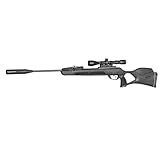
- ARS Mark8.4
ARS Mark is a ranking system developed by bestairriflescopes.com. ARS Mark has no relationship or impact from any manufacturers or sales agent websites. Learn more
- BrandGamo

- ARS Mark7.5
ARS Mark is a ranking system developed by bestairriflescopes.com. ARS Mark has no relationship or impact from any manufacturers or sales agent websites. Learn more
- BrandGamo
Last update on 2026-10-15 / Affiliate links / Images, Product Titles, and Product Highlights from Amazon Product Advertising API


12 Best 22 Pcp Air Rifle For Hunting of 2026 With Quiet Power

7 Best 22 Pcp Air Rifle Under 300 of 2026 For Backyard Pest Control

10 Best 22 Break Barrel Air Rifles of 2026 For Backyard Pest Control

10 Best 30 Caliber Pcp Air Rifle of 2026 For Medium Game

Top Best 177 Air Rifle Under 100: Budget-Friendly Picks for 2026

How to Safely Reload Shotgun Shells at Home

11 Best Co2 Air Rifle For Pest Control of 2026 To Ensure Humane Dispatch

12 Best Inexpensive Air Rifles of 2026 For Dependable Backyard Accuracy






