
What Is a 22LR Gun and Why It Still Matters

What Is a 22LR Gun keeps popping up in conversations for one simple reason: people want a firearm that feels approachable without draining their wallet or rattling their confidence. Plenty of shooters start here because the recoil stays manageable, the ammunition usually costs less, and the learning curve doesn’t feel like climbing a mountain in flip-flops. That softer shooting experience helps people focus on grip, sight alignment, and trigger control instead of bracing for a hard kick every single shot. Honestly, that difference matters more than many expect.
Small mistakes become easier to correct with a .22LR firearm. Jerking the trigger, flinching, or losing sight picture happens less often compared to heavier calibers. A lot of folks realize pretty quickly that consistent practice beats flashy gear, and affordable rimfire ammo allows longer range sessions without second-guessing every pull of the trigger. That’s a huge reason these firearms remain parked in safes year after year instead of collecting dust after one weekend.
Then there’s the versatility factor. A 22LR gun can fit quiet afternoons at the range, backyard pest control in rural areas, or small game hunting trips where precision matters more than raw power. Some models lean lightweight and compact, making them easier to carry through brush or rough terrain. Others mimic larger centerfire rifles and pistols, helping shooters train with familiar controls while spending far less on ammunition. That practical crossover keeps things interesting.
Noise levels also shape the appeal. Louder calibers can wear people down fast, especially during long practice sessions. A rimfire setup feels more relaxed and less intimidating, which often encourages steady improvement instead of rushed shooting. Sure, it’s not the caliber for every situation, but that’s beside the point. The real charm sits in its balance of control, affordability, and everyday usability.
Maintenance tends to stay straightforward too. Many rimfire firearms use simple operating systems, so cleaning and routine upkeep won’t feel like solving a puzzle with missing pieces. Some ammunition can leave extra residue behind, though, so regular cleaning matters if reliability starts acting stubborn. A little care goes a long way, and experienced shooters usually keep that lesson close.
People also appreciate how forgiving these firearms can feel during practice. New shooters often struggle with anticipation and recoil anxiety, but a .22LR platform softens those early frustrations. That smoother learning process builds confidence naturally instead of forcing it. Funny enough, even seasoned gun owners keep a rimfire nearby because cheap practice never goes out of style.

- ARS Mark9.4
ARS Mark is a ranking system developed by bestairriflescopes.com. ARS Mark has no relationship or impact from any manufacturers or sales agent websites. Learn more
- BrandBore Baby

BOOSTEADY Universal Handgun Cleaning kit .22,.357,.38,9mm,.45 Caliber Pistol Cleaning Kit
View on Amazon- ARS Mark9.4
ARS Mark is a ranking system developed by bestairriflescopes.com. ARS Mark has no relationship or impact from any manufacturers or sales agent websites. Learn more
- BrandBOOSTEADY

- ARS Mark9.2
ARS Mark is a ranking system developed by bestairriflescopes.com. ARS Mark has no relationship or impact from any manufacturers or sales agent websites. Learn more
- BrandAPCHYWELL
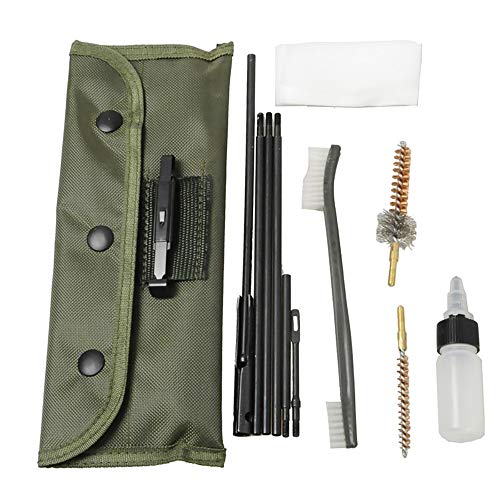
- ARS Mark9.2
ARS Mark is a ranking system developed by bestairriflescopes.com. ARS Mark has no relationship or impact from any manufacturers or sales agent websites. Learn more
- BrandFunpoweroptics

- ARS Mark8.6
ARS Mark is a ranking system developed by bestairriflescopes.com. ARS Mark has no relationship or impact from any manufacturers or sales agent websites. Learn more
- BrandShooter's Choice

- ARS Mark8.6
ARS Mark is a ranking system developed by bestairriflescopes.com. ARS Mark has no relationship or impact from any manufacturers or sales agent websites. Learn more
- BrandTipfun

- ARS Mark8.6
ARS Mark is a ranking system developed by bestairriflescopes.com. ARS Mark has no relationship or impact from any manufacturers or sales agent websites. Learn more
- BrandHoppe's

- ARS Mark8.6
ARS Mark is a ranking system developed by bestairriflescopes.com. ARS Mark has no relationship or impact from any manufacturers or sales agent websites. Learn more
- BrandSSI

- ARS Mark8.4
ARS Mark is a ranking system developed by bestairriflescopes.com. ARS Mark has no relationship or impact from any manufacturers or sales agent websites. Learn more
- BrandBOOLIT EYE
Last update on 2026-06-26 / Affiliate links / Images, Product Titles, and Product Highlights from Amazon Product Advertising API
What Is A 22LR Gun And Why It Still Matters
Sticker shock hits fast once people start pricing centerfire ammunition, range fees, cleaning supplies, and extra magazines. Plenty of new shooters walk into the hobby expecting a simple weekend pastime, then realize a few hours at the range can chew through cash surprisingly fast. That’s where what is a 22lr gun starts becoming more than a casual search term. A solid rimfire setup offers lower recoil, lighter report, and far cheaper practice sessions without stripping away the fun of shooting.
Why The .22LR Cartridge Stays Popular
The .22 Long Rifle cartridge has been around since the late 1800s, yet it still refuses to fade into the background. Shooters keep buying it because the formula remains simple and practical. Low recoil lets people focus on accuracy instead of fighting the firearm after every shot. That smoother experience creates better shooting habits, especially during long practice sessions.
Ammo prices also shape the conversation in a huge way. Centerfire rounds can get expensive fast, particularly during periods of high demand. A box of .22LR usually stretches much further, allowing more trigger time for the same budget. That affordability supports consistent practice, and consistency matters more than flashy gear sitting untouched in a safe.
Noise levels deserve attention too. Loud firearms can overwhelm inexperienced shooters and even wear down seasoned range regulars after a while. A .22LR gun produces a softer shooting experience that feels more approachable without losing the mechanical satisfaction people enjoy. Less intimidation often means more confidence, and confidence keeps people coming back.
Versatility also explains why these firearms stick around generation after generation. Some people use rimfire rifles for small game hunting, while others prefer pistols for inexpensive target shooting. Plenty of firearm instructors still recommend .22LR platforms because they expose mistakes clearly without punishing the shooter. That balance between forgiveness and feedback keeps the caliber relevant.
How A 22LR Gun Actually Works
A .22LR firearm operates differently from many centerfire guns because it uses rimfire ammunition. The primer compound sits inside the rim of the cartridge rather than in a separate center primer cup. Once the firing pin crushes that rim, the powder ignites and launches the bullet forward. It sounds simple, and honestly, it is.
Most .22LR rifles and pistols rely on blowback operation. Gas pressure pushes the bolt backward after firing, ejecting the spent casing and chambering the next round. That lightweight cycling system helps explain why many rimfire firearms feel soft and easy to control. Fewer moving parts can also mean simpler maintenance and lower manufacturing costs.
Rimfire ammunition does carry some tradeoffs, though. Reliability occasionally falls behind centerfire cartridges because the primer compound spreads unevenly around the rim during production. Misfires happen from time to time, especially with cheaper ammunition. Experienced shooters usually expect this and keep practicing immediate-action drills anyway.
Magazine designs vary widely depending on the firearm style. Tube-fed rifles hold rounds in a tube beneath the barrel, while detachable box magazines speed up reloads for modern platforms. Both systems have loyal fans, and neither automatically makes a firearm better. Comfort, intended use, and handling preference matter far more than internet arguments.
What Makes Shooting A 22LR Easier
Heavy recoil creates bad habits faster than many beginners realize. Anticipating a hard kick often causes flinching, shaky sight pictures, and sloppy trigger pulls. A 22LR gun reduces those distractions enough for shooters to focus on fundamentals instead of bracing for impact. That calmer shooting cycle builds confidence naturally.
Range sessions also become less physically draining. Firing larger calibers for hours can wear out wrists, shoulders, and concentration levels, especially with compact pistols. Rimfire firearms feel lighter and more manageable during extended practice. That means shooters can spend more time refining grip pressure, breathing control, and follow-through.
Smaller-framed shooters often appreciate the softer recoil impulse too. Certain centerfire handguns require substantial hand strength to rack the slide or maintain control during rapid fire. Many .22LR pistols feel easier to manipulate and less punishing overall. Accessibility matters, and a comfortable shooting experience encourages steady improvement.
Accuracy practice becomes more enjoyable once recoil anxiety disappears. People tend to shoot tighter groups because they stop rushing shots and overcorrecting after every trigger press. Funny enough, seasoned shooters still spend time with rimfires for the exact same reason. Cheap repetition sharpens skills without hammering the wallet.
Best Situations For A 22LR Rifle
Backyard plinking on private rural land remains one of the classic uses for a .22LR rifle. The lower noise level compared to larger calibers makes casual shooting sessions feel less disruptive and more relaxed. Lightweight rifles also carry easily during long walks through wooded property or open farmland. That portability becomes surprisingly valuable after several hours outdoors.
Small game hunting sits high on the list too. Rabbits, squirrels, and similar animals require precision rather than overwhelming power. A rimfire rifle gives hunters enough accuracy for ethical shots without excessive recoil or noise. Shot placement matters enormously here, and the low-recoil platform helps steady nervous hands.
Training younger shooters often goes smoother with a rimfire rifle as well. Heavier calibers can overwhelm someone still learning firearm safety and proper technique. A .22LR rifle introduces core mechanics without adding unnecessary intimidation. Calm, positive early experiences usually create safer long-term habits.
Some shooters even use rimfire rifles to mirror their larger defensive or sporting rifles. Models designed with AR-style controls let people practice reloads, transitions, and sight alignment using cheaper ammunition. That crossover training can save a significant amount of money over time. Explore practical rifle setups through gamo swarm maxxim air rifle comparisons that focus on backyard shooting and training routines.
Common Mistakes New 22LR Owners Make
Cheap ammunition attracts plenty of buyers, but not all rimfire ammo performs the same. Inconsistent powder charges or poorly distributed primer compound can create frustrating reliability issues. Some shooters immediately blame the firearm instead of testing different ammunition brands first. A little experimentation usually solves a surprising number of problems.
Cleaning habits create another stumbling block. Rimfire ammunition tends to burn dirtier than many centerfire loads, especially after long range sessions. Fouling builds inside the chamber, bolt face, and feed ramp over time. Ignoring maintenance can eventually cause feeding problems, extraction issues, and reduced reliability.
Optics choices sometimes get out of hand too. A lightweight rimfire rifle doesn’t always need oversized scopes designed for long-range precision shooting. Huge optics add unnecessary bulk and can throw off balance. Simpler setups often feel more natural for casual target shooting or small game hunting.
People also underestimate ammunition storage conditions. Rimfire cartridges dislike excessive moisture and rough handling because the primer compound sits inside the rim. Bent rims or damp storage environments increase the chance of misfires. Keeping ammo dry and organized protects both performance and consistency.
How Barrel Length Changes Performance
Barrel length shapes the personality of a 22LR gun more than many people expect. Short barrels feel lighter and quicker to maneuver indoors or around tight trails. Longer barrels usually offer slightly higher velocity and steadier sight alignment for precision shooting. Neither option automatically wins every situation.
Compact pistols chambered in .22LR excel during casual range sessions because they stay easy to carry and comfortable to handle. Certain models even mimic larger defensive pistols for low-cost training. That similarity allows shooters to practice grip, trigger discipline, and reloads without burning through expensive ammunition. The savings add up quickly over time.
Longer rifle barrels tend to smooth out aiming wobble during slower, deliberate shots. Hunters and precision shooters often appreciate the extra stability. Still, dragging a heavy rifle through dense brush gets old in a hurry. Balance matters just as much as raw velocity or sight radius.
Threaded barrels have become increasingly popular too. Some shooters pair rimfire firearms with suppressors where legally permitted because the lower cartridge pressure produces a quieter shooting experience. Reduced noise can make training feel more controlled and less fatiguing. Compare practical draw setups through best draw weight for compound bow discussions that also focus heavily on control and repeatable accuracy.
Choosing Between A 22LR Pistol And Rifle
Rifles usually feel easier for beginners because the extra points of contact improve stability. A shoulder stock, longer sight radius, and added weight reduce wobble naturally. Most people shoot tighter groups with rifles during their first range sessions. That quick success builds confidence and consistency.
Pistols demand more discipline from the shooter. Shorter barrels and lighter frames expose trigger mistakes immediately, especially during rapid fire. Some people enjoy that challenge because it sharpens technique faster. Others prefer the relaxed rhythm of a rimfire rifle for recreational shooting.
Storage and transportation influence the decision too. Compact pistols fit smaller cases and take up less room in safes or backpacks. Rifles require more space but often provide better accuracy at extended distances. Lifestyle, available storage, and intended use all shape the smarter choice.
Training crossover matters as well. Shooters who carry defensive handguns sometimes buy .22LR pistols with similar ergonomics to reduce practice costs. Rifle shooters often choose rimfire trainers that mimic larger sporting rifles. Explore practical equipment discussions through best hoyt bow for women setups that emphasize fit, balance, and manageable handling during extended practice.
How A 22LR Gun Helps Build Real Shooting Skills
Burning through expensive ammunition every weekend gets old fast, especially once range trips become part of a regular routine. Plenty of shooters start cutting practice sessions short just to save money, and that usually slows improvement more than they expect. A 22LR gun changes that equation by making practice feel affordable enough to repeat consistently. More repetitions lead to better trigger control, steadier accuracy, and far less hesitation behind the firearm.
Why Cheap Practice Actually Matters
Skill fades surprisingly fast without repetition. Shooting once every few months rarely builds confidence because the fundamentals never settle into muscle memory. A .22LR firearm gives shooters room to practice more often without stressing over every round fired. That freedom encourages experimentation with stance, breathing, and sight alignment.
People also underestimate how mental fatigue affects performance. Larger calibers create noise, recoil, and physical tension that can wear shooters down after extended sessions. Rimfire firearms reduce that stress enough to keep focus sharp longer. Calm repetition usually produces cleaner mechanics than short, exhausting range visits.
Training drills become easier to repeat too. Reload exercises, target transitions, and rapid follow-up shots cost far less with .22LR ammunition. Shooters can work through mistakes patiently instead of rushing because of rising ammo costs. That slower pace often reveals flaws hidden during faster shooting sessions.
Even experienced firearm owners still keep a rimfire around for low-cost training. Some use it before switching to defensive calibers later in the session. Others simply enjoy the relaxed pace and lighter recoil. Explore low-recoil practice options through 177 caliber air pistol setups that focus heavily on precision and repetitive target drills.
How 22LR Helps Accuracy Improve Faster
Accuracy problems usually start before the bullet ever leaves the barrel. Jerking the trigger, tightening the grip too aggressively, or anticipating recoil can throw shots off target instantly. A 22LR gun exposes those habits without punishing the shooter physically. Smaller recoil impulses make mistakes easier to spot and correct.
Target feedback becomes clearer with rimfire shooting because shooters can stay focused through the shot cycle. Larger calibers often disrupt the sight picture enough to hide subtle errors. A calmer firearm lets shooters watch the sights lift and settle naturally. That visual feedback strengthens shot awareness over time.
Benchrest shooting especially benefits from the cartridge’s softer behavior. Tiny adjustments in breathing and trigger pressure become easier to notice during slow, deliberate groups. Plenty of competitive shooters still use rimfire rifles specifically for precision work at shorter distances. Small improvements feel satisfying because progress becomes measurable.
Distance also teaches realistic expectations. A .22LR round drops significantly at longer ranges compared to centerfire cartridges, so shooters learn to respect trajectory and wind drift early. Those lessons translate well into broader shooting skills later on. Patience and observation become just as important as equipment.
Realistic Limits Of A 22LR Gun
People sometimes expect a .22LR firearm to handle every possible task, and that’s where disappointment creeps in. The cartridge performs well within its intended role, but it has limits. Small game hunting, target shooting, and skill development fit comfortably inside its wheelhouse. Heavy defensive use or large-game hunting usually do not.
Penetration and stopping power fall well below many centerfire calibers. That doesn’t make the round useless, but it does demand realistic expectations. Responsible firearm ownership means matching the cartridge to the actual job rather than internet hype. Honest limitations help shooters make smarter long-term decisions.
Wind drift can also become frustrating at extended distances. Lightweight bullets move noticeably once crosswinds pick up, especially beyond 100 yards. Shooters expecting laser-straight performance may feel surprised during outdoor sessions. Careful shot placement and environmental awareness matter far more with rimfire rounds.
Reliability differences between ammunition brands remain another factor. Rimfire cartridges simply don’t reach the same consistency level as premium centerfire ammunition. Occasional misfires and feeding hiccups happen even in solid firearms. Keeping expectations grounded prevents unnecessary frustration and protects the overall shooting experience.
What To Look For Before Buying One
Weight influences comfort more than many buyers realize. A heavy rifle can feel stable at the range but exhausting during long walks through wooded trails or hunting property. Lightweight pistols carry easily but sometimes feel twitchy during precision shooting. Balance matters just as much as raw specifications.
Sight options deserve careful thought too. Basic iron sights often work perfectly for casual plinking and skill building. Optics help with precision shooting, though oversized scopes can make a lightweight rimfire feel awkward and front-heavy. Matching the sight setup to realistic use usually creates a more comfortable shooting setup.
Magazine availability can quietly shape long-term satisfaction as well. Certain firearms use proprietary magazines that cost more or prove difficult to locate later. Popular models often benefit from better aftermarket support and easier spare-part access. That convenience saves headaches down the road.
Grip fit matters more than flashy cosmetics. A firearm that feels awkward in the hand quickly becomes frustrating during longer sessions. Some shooters naturally prefer slimmer grips, while others want fuller hand support for stability. Compare fit-focused outdoor gear through best compound bow for left handed setups that also prioritize comfort and control during extended use.
Cleaning Habits That Prevent Problems
Dirty rimfire ammunition leaves residue behind faster than many new shooters expect. Carbon buildup inside the chamber and feed ramp gradually causes sluggish cycling and feeding issues. A little routine maintenance prevents most of those headaches before they start. Consistency matters more than obsessive cleaning schedules.
Barrel cleaning should stay gentle and deliberate. Aggressive scrubbing with improper tools can damage rifling over time, especially in lightweight rimfire barrels. Soft brushes and quality solvent usually handle normal fouling without trouble. Careful maintenance protects accuracy and reliability far better than brute force cleaning.
Magazines deserve attention too. Dirt, unburned powder, and debris eventually collect inside magazine bodies and affect feeding consistency. Shooters often blame the firearm first even though the magazine caused the issue all along. Simple cleaning routines keep operation noticeably smoother.
Storage conditions also shape long-term reliability. Humid environments encourage corrosion on metal surfaces and can weaken ammunition over time. Dry storage with basic protective lubrication helps prevent expensive surprises later. Responsible care keeps a .22LR gun ready for years instead of months.
Why Many Experienced Shooters Keep One
Seasoned firearm owners rarely abandon rimfire shooting completely. Plenty of them own larger calibers for hunting, competition, or defensive use, yet they still return to .22LR regularly. Cheap ammunition and lower recoil simply make range days feel more relaxed. That ease keeps practice enjoyable instead of turning it into a chore.
Skill maintenance becomes simpler with a rimfire platform nearby. Dry-fire drills help, but live-fire repetition still teaches timing, recoil management, and sight recovery differently. A 22LR pistol or rifle allows more live practice without draining the budget every month. Those extra repetitions quietly reinforce fundamentals.
Some shooters even use rimfires to introduce hesitant friends or family members to firearm safety. Louder calibers can intimidate people before they ever develop proper technique. Softer recoil creates a calmer environment for learning safe handling habits. Confidence grows naturally once fear drops away.
Mechanical simplicity also appeals to long-time gun owners. Many rimfire firearms remain lightweight, easy to maintain, and straightforward to operate. They don’t demand endless accessories or complicated modifications to stay enjoyable. Sometimes a reliable, affordable firearm with practical utility feels more satisfying than chasing trends.
How Ammunition Choice Changes Performance
Not every .22LR cartridge behaves the same way once it leaves the barrel. Bullet weight, velocity, and manufacturing consistency all shape how the firearm performs at the range or in the field. Cheap bulk ammunition works fine for casual plinking, though accuracy can vary from one batch to another. Premium loads often tighten groups noticeably during precision shooting.
High-velocity rounds produce flatter trajectories and stronger cycling in semi-automatic firearms. Standard-velocity ammunition tends to feel softer and quieter, especially in suppressed setups where legally permitted. Certain rifles strongly prefer one load over another, which surprises many first-time buyers. Testing different ammunition types usually reveals clear favorites.
Lead fouling becomes another consideration with heavy shooting schedules. Some uncoated bullets leave more residue inside the barrel, gradually affecting consistency. Copper-plated rounds reduce fouling somewhat, though they can cost slightly more. Small maintenance details often shape long-term shooting satisfaction more than flashy upgrades.
Temperature and storage conditions also influence rimfire ammunition reliability. Extreme moisture or rough handling may damage cartridge rims and increase the chance of misfires. Organized storage protects both safety and performance over time. Shooters who pay attention to ammunition quality usually spend less time troubleshooting frustrating range issues.


12 Best 22 Pcp Air Rifle For Hunting of 2026 With Quiet Power

7 Best 22 Pcp Air Rifle Under 300 of 2026 For Backyard Pest Control

10 Best 22 Break Barrel Air Rifles of 2026 For Backyard Pest Control

10 Best 30 Caliber Pcp Air Rifle of 2026 For Medium Game

Top Best 177 Air Rifle Under 100: Budget-Friendly Picks for 2026

How to Safely Reload Shotgun Shells at Home

11 Best Co2 Air Rifle For Pest Control of 2026 To Ensure Humane Dispatch

12 Best Inexpensive Air Rifles of 2026 For Dependable Backyard Accuracy






