
What Is a 380 Gun and Why It Still Matters

What Is a 380 Gun often pops up during conversations about compact handguns, concealed carry, and manageable recoil. Plenty of people hear the term “.380” tossed around at gun counters or shooting ranges, yet the details can feel fuzzy at first glance. Some expect massive power from a tiny handgun, while others assume it’s too weak to matter. Reality sits somewhere in the middle, and honestly, that balance explains why the caliber keeps hanging around year after year.
Small-frame pistols chambered in .380 ACP usually appeal to people who want something easier to carry without dragging down a waistband or jacket pocket. Lightweight handguns can feel far less intimidating than larger models, especially during long practice sessions. Recoil tends to stay more controlled compared to bigger calibers, which helps maintain accuracy instead of fighting muzzle snap after every shot. That smoother shooting experience matters more than many realize because confidence disappears quickly once a handgun becomes uncomfortable to use.
Size also changes daily habits in a big way. Bulky firearms often get left behind in glove compartments or safes simply because they feel inconvenient. A compact 380 gun, on the other hand, slips into concealed holsters with less printing and less hassle. Plenty of people appreciate that tradeoff, even if it means accepting reduced magazine capacity or shorter sight radius. Comfort influences consistency, and consistency usually shapes long-term habits.
Ammunition selection plays a major role too. Modern defensive rounds have improved dramatically over the years, giving .380 ACP better performance than many older shooters remember. Still, realistic expectations matter. Shorter barrels can limit velocity, and lighter rounds won’t behave exactly like larger calibers such as 9mm. That doesn’t automatically make the cartridge ineffective, though. Shot placement, control, and regular practice continue to outweigh internet arguments filled with chest-thumping opinions.
Another thing people rarely talk about is hand fatigue. Larger calibers may sound exciting online, yet repeated recoil can become exhausting during extended range sessions. Softer shooting pistols encourage more practice because they simply feel less punishing. That practical comfort helps build muscle memory, smoother trigger control, and quicker follow-up shots. Funny enough, the handgun people actually enjoy shooting often becomes the handgun they handle best.
Price and availability also shape the conversation around what is a 380 gun. Compact pistols exist across nearly every budget range, from affordable entry-level carry guns to refined metal-frame options with upgraded sights and triggers. Some ultra-small models sacrifice comfort for concealability, while slightly larger .380 pistols deliver a better grip and improved control. Those tradeoffs matter because no single handgun fits every situation perfectly.
Then there’s the carry factor nobody likes admitting out loud. Heavy firearms tug at belts, print through clothing, and sometimes turn everyday movement into a constant adjustment session. Compact .380 pistols reduce that annoyance considerably. A lighter setup feels easier to live with during long commutes, warm weather, or quick errands around town. That convenience alone explains why the caliber refuses to fade away.
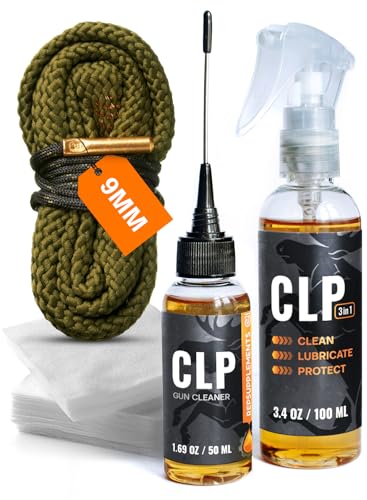
- ARS Mark9.6
ARS Mark is a ranking system developed by bestairriflescopes.com. ARS Mark has no relationship or impact from any manufacturers or sales agent websites. Learn more
- BrandREPSUPPLEMENTS

- ARS Mark9.4
ARS Mark is a ranking system developed by bestairriflescopes.com. ARS Mark has no relationship or impact from any manufacturers or sales agent websites. Learn more
- BrandREPSUPPLEMENTS

- ARS Mark9.4
ARS Mark is a ranking system developed by bestairriflescopes.com. ARS Mark has no relationship or impact from any manufacturers or sales agent websites. Learn more
- BrandHolstex

- ARS Mark9.2
ARS Mark is a ranking system developed by bestairriflescopes.com. ARS Mark has no relationship or impact from any manufacturers or sales agent websites. Learn more
- BrandWARRIORLAND
- ARS Mark9.2
ARS Mark is a ranking system developed by bestairriflescopes.com. ARS Mark has no relationship or impact from any manufacturers or sales agent websites. Learn more
- BrandFast gunman Holster

- ARS Mark9.0
ARS Mark is a ranking system developed by bestairriflescopes.com. ARS Mark has no relationship or impact from any manufacturers or sales agent websites. Learn more
- BrandUmarex

- ARS Mark8.8
ARS Mark is a ranking system developed by bestairriflescopes.com. ARS Mark has no relationship or impact from any manufacturers or sales agent websites. Learn more
- BrandGUN & FLOWER
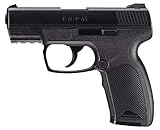
- ARS Mark8.4
ARS Mark is a ranking system developed by bestairriflescopes.com. ARS Mark has no relationship or impact from any manufacturers or sales agent websites. Learn more
- BrandUmarex

- ARS Mark7.8
ARS Mark is a ranking system developed by bestairriflescopes.com. ARS Mark has no relationship or impact from any manufacturers or sales agent websites. Learn more
- BrandWalther
Last update on 2026-06-26 / Affiliate links / Images, Product Titles, and Product Highlights from Amazon Product Advertising API
What Is A 380 Gun
Carrying a bulky handgun every single day can get old fast. Heavy frames dig into your waistband, oversized grips print through shirts, and before long, that “daily carry” pistol ends up forgotten inside a drawer. That frustration explains why what is a 380 gun keeps surfacing in conversations about concealed carry and practical self-defense. Smaller dimensions, lighter recoil, and easier handling give the .380 ACP platform a steady place among people who want comfort without feeling completely underpowered.
Why Compact Pistols Keep Gaining Attention
Smaller handguns solve problems that full-size pistols often create. Long commutes, hot weather, and lightweight clothing make large firearms feel awkward after a few hours. A compact 380 gun usually disappears more naturally under casual clothing, which reduces constant adjustments throughout the day. That convenience matters because a firearm that feels annoying to carry often stays at home instead.
Recoil also shapes how people feel about practicing. Plenty of shooters buy powerful calibers, hit the range twice, then realize the snappy recoil wears them down faster than expected. Softer shooting pistols chambered in .380 ACP generally feel less punishing during extended sessions. Better comfort often means more range time, and more range time builds stronger habits.
Hand size plays a role too. Larger grips can feel clumsy or difficult to control, especially during quick follow-up shots. Compact pistols with slimmer frames allow a more secure grip for many shooters, which improves confidence and stability. A comfortable grip sounds simple, yet it changes the entire shooting experience.
Modern carry culture pushed manufacturers toward thinner, lighter firearms over the last decade. Polymer frames, improved magazine designs, and better defensive ammunition helped .380 pistols stay competitive instead of fading into obscurity. Explore more compact shooting gear options through target archery compound bow equipment built around balance and portability.
How The .380 ACP Cartridge Actually Performs
The .380 ACP cartridge sits in an interesting middle ground. It delivers noticeably less recoil than larger defensive calibers like .40 S&W or .45 ACP, yet still provides practical defensive capability with proper ammunition. Some shooters expect dramatic power from tiny handguns, though physics doesn't always cooperate. Short barrels naturally limit velocity and energy output.
Modern hollow-point ammunition improved the cartridge’s reputation quite a bit. Older defensive loads sometimes struggled with penetration or expansion, especially from ultra-short barrels. Newer loads are engineered specifically for compact carry pistols, which helps maintain more reliable terminal performance. Ammo design matters far more than flashy marketing claims.
Control remains one of the cartridge’s biggest strengths. Faster follow-up shots can outweigh raw power in stressful situations, especially for shooters sensitive to recoil. A manageable firearm encourages steadier shooting and smoother trigger control instead of flinching after every shot. Consistency beats bravado more often than people admit online.
Still, tradeoffs exist. Tiny pocket pistols chambered in .380 ACP may feel surprisingly snappy despite the lighter caliber because of their low weight. Some ultra-compact designs sacrifice grip comfort and sight radius for easier concealment. That balance between concealability and shootability becomes a major factor when comparing carry options.
Everyday Carry Feels Different With Smaller Frames
People rarely talk about carry fatigue honestly enough. Wearing a heavy handgun for twelve hours changes how you sit, move, drive, and even dress. Smaller 380 pistols reduce that strain considerably, especially during warmer months when lightweight clothing leaves fewer hiding spots. Less weight also helps prevent belts from sagging or shifting throughout the day.
Pocket carry attracts many people toward the caliber. Some compact models fit inside dedicated pocket holsters without creating obvious printing. That setup won’t suit every wardrobe or body type, but it offers flexibility that larger handguns simply can't match. Convenience influences carry consistency more than most gun forums care to admit.
Holster comfort matters just as much as firearm size. Thin-frame pistols press less aggressively against the body during long hours of movement. Sitting inside cars, bending over, or climbing stairs becomes easier with a lighter carry setup. Small details like that determine whether someone keeps carrying regularly or quietly gives up.
Concealed carry also involves social comfort. Many people prefer discreet firearms that don’t attract attention or require oversized clothing. Slimmer pistols reduce printing and allow more natural movement without constant awareness of the gun shifting around. That low-profile feel explains part of the .380 ACP market’s staying power.
Range Practice Reveals The Real Strengths
Internet debates about calibers usually ignore what happens during actual range sessions. Recoil fatigue sneaks up quickly, especially during longer practice days. Softer shooting 380 guns encourage shooters to spend more time refining fundamentals like sight alignment and trigger control. Better habits develop faster when the gun doesn’t punish your hands every few magazines.
Accuracy depends heavily on confidence and familiarity. A shooter fighting harsh recoil often anticipates the shot, which creates low-left misses or inconsistent grouping patterns. Reduced recoil helps many people stay calmer behind the trigger and maintain better rhythm between shots. Controlled shooting tends to matter more than raw caliber size.
Ammo cost can influence practice habits too. While .380 ACP ammunition sometimes costs more than 9mm depending on market conditions, the lighter recoil still attracts shooters who value comfort over maximum energy output. Some people willingly pay extra for a caliber they actually enjoy shooting consistently. A handgun nobody practices with loses much of its practical value.
Smaller pistols do require realistic expectations, though. Tiny sights, abbreviated grips, and shorter barrels demand stronger fundamentals during longer-distance shooting. Pocket pistols excel in close defensive ranges but may feel less forgiving during precision shooting drills. Upgrade your outdoor accuracy setup with bear bow for hunting gear designed around control and stability.
Pocket Pistols Versus Slightly Larger Models
Not every 380 handgun feels the same in the hand. Ultra-compact pocket pistols focus heavily on concealment, often sacrificing grip size and shootability to achieve minimal dimensions. Those tiny firearms disappear easily inside pockets or ankle holsters, but they can feel harder to control during rapid firing. Small guns sometimes create bigger shooting challenges than people expect.
Slightly larger compact models usually strike a more balanced compromise. Extra grip space improves control and reduces hand fatigue during practice sessions. Longer sight radius helps accuracy too, especially for newer shooters still building confidence. A fraction of an inch can completely change how stable a pistol feels.
Magazine capacity also varies significantly between designs. Some slim pocket pistols carry six rounds, while slightly larger options may hold eight or more without drastically increasing overall size. Those extra rounds can provide reassurance without making the firearm feel bulky. Capacity conversations always involve tradeoffs between size, comfort, and concealment.
Weight distribution affects recoil more than many buyers realize. Heavier metal-frame pistols absorb recoil better but feel less comfortable during all-day carry. Lightweight polymer models carry easier but sometimes feel sharper during firing. Balancing those priorities often takes hands-on range experience instead of blindly following online opinions.
Common Misconceptions About Stopping Power
Caliber arguments tend to spiral into chest-thumping contests online. Some people dismiss .380 ACP entirely because it lacks the energy figures associated with larger defensive rounds. Others exaggerate its capabilities as if shot placement suddenly stops mattering. Reality usually lands somewhere far less dramatic.
Defensive handgun rounds operate within relatively narrow performance windows compared to rifles or shotguns. No handgun caliber magically guarantees immediate incapacitation. Factors like penetration, expansion, shot placement, and follow-up accuracy all matter tremendously. A controllable firearm often creates more practical effectiveness than an oversized caliber somebody struggles to shoot accurately.
Compact handguns introduce additional variables too. Short barrels reduce velocity, which can affect ammunition performance depending on the load. That’s why reputable defensive ammunition matters more with smaller carry pistols. Cheap practice ammo and premium defensive loads can behave very differently once fired through subcompact barrels.
People also underestimate stress during real defensive encounters. Fine motor skills deteriorate quickly under pressure, making recoil management and rapid sight recovery increasingly important. A softer shooting 380 gun may help maintain better control during chaotic moments. Compare precision-focused outdoor setups through bipod for sniper rifle systems that prioritize stability and shot consistency.
How Clothing And Weather Influence Carry Choices
Cold-weather carry feels entirely different from summer carry. Jackets, hoodies, and layered clothing allow larger firearms to hide more easily during winter months. Summer heat changes the equation fast. Thin shirts and lightweight shorts leave fewer places to conceal bulky pistols comfortably, which pushes many people toward compact .380 carry guns.
Sweat and humidity create problems too. Larger firearms pressed against the body all day can feel uncomfortable, sticky, or irritating during hotter seasons. Slimmer pistols reduce contact area and generally feel easier to manage in warm climates. That practical comfort often outweighs theoretical caliber advantages.
Clothing style matters more than people admit. Athletic wear, fitted shirts, and business casual outfits don’t always pair well with heavy double-stack pistols. Compact single-stack .380 ACP firearms fit more naturally into those daily routines without requiring oversized cover garments. Smaller setups create fewer wardrobe compromises.
Travel routines influence firearm selection as well. Driving for long periods with a heavy handgun pressing against your hip gets irritating surprisingly fast. Lightweight pistols reduce pressure points during sitting and movement, especially for people spending hours commuting or running errands. Carry comfort shapes habits just as much as caliber preference.
Best 380 Gun Features For Everyday Carry
Buying a carry pistol sounds simple until real life steps in. Tiny grips pinch your fingers, heavy slides feel difficult to rack, and rough recoil can leave your hands sore after one afternoon at the range. Those frustrations explain why people keep revisiting the question of what makes a 380 gun genuinely practical for daily use. Comfort, reliability, and manageable recoil usually matter far more than flashy marketing language or internet bravado.
Grip Comfort Changes Everything
Small handguns can become surprisingly uncomfortable after a few magazines. Short grips sometimes leave the pinky finger hanging awkwardly, which affects stability during rapid fire. A slightly extended magazine baseplate often improves control without making the pistol dramatically harder to conceal. That tiny adjustment can make range practice feel far less frustrating.
Texture matters too. Aggressive grip patterns help maintain control during sweaty summer conditions, but overly rough surfaces may irritate skin during all-day carry. Softer texturing feels better against the body while still offering enough traction for confident handling. Balancing comfort and control becomes more important than most first-time buyers expect.
Grip width also affects confidence behind the trigger. Extremely slim pistols disappear nicely inside a waistband, yet some shooters struggle to maintain a stable hold during follow-up shots. Slightly wider compact frames can provide better hand support while still remaining easy to conceal. A pistol that feels natural in the hand often performs better under pressure.
Long practice sessions reveal weak ergonomic designs pretty quickly. Sharp edges, awkward trigger reach, and cramped grip angles wear people down faster than expected. Explore balanced shooting platforms through best recurve bow ever made setups that emphasize handling comfort and repeatable control.
Slide Operation Can Frustrate New Shooters
Racking the slide becomes a major hurdle for many people, especially with compact carry pistols. Smaller handguns frequently use tighter recoil springs, which can make the slide feel stiff or difficult to manipulate. Weak grip strength or hand fatigue turns simple loading procedures into stressful moments. That issue rarely gets enough attention during flashy caliber debates.
Some modern .380 pistols now include easier-racking slide designs specifically aimed at reducing hand strain. Wider serrations, lighter spring systems, and improved slide geometry make loading and malfunction clearing feel more manageable. Those changes improve confidence significantly during training sessions. Smooth operation matters just as much as raw firepower.
Slide size affects reliability too. Ultra-small pistols have less room for mechanical forgiveness, which can increase sensitivity to grip technique or weaker ammunition. Slightly larger compact models generally cycle more consistently across different loads. Practical reliability always beats chasing the smallest possible dimensions.
Practice also reduces slide-related frustration over time. Proper grip positioning and push-pull techniques make operation easier than brute force alone. A little training often solves problems that initially feel intimidating. Small adjustments create surprisingly big improvements in confidence.
Ammo Selection Matters More Than Marketing
Not every .380 ACP load performs the same. Lightweight practice ammunition may feel softer during range sessions, but defensive rounds behave differently once fired through short barrels. Expansion, penetration, and recoil characteristics can vary dramatically between brands. Marketing slogans don’t replace real-world function.
Short-barreled pistols create additional challenges for ammunition performance. Some hollow-point rounds fail to expand consistently when velocity drops below ideal thresholds. That’s why many experienced shooters test defensive ammunition directly through their carry pistols instead of blindly trusting online recommendations. Reliability deserves more attention than hype.
Practice ammo plays a separate role entirely. Affordable full metal jacket rounds help maintain training consistency without burning through expensive defensive loads every weekend. Range sessions build familiarity with recoil impulse, trigger feel, and sight recovery. Consistent practice creates confidence that no accessory can replicate.
Storage conditions matter too. Ammunition exposed to excessive humidity, pocket lint, or repeated chambering can degrade over time. Rotating carry ammunition periodically helps maintain reliability and prevents unnecessary wear. Even quality defensive rounds benefit from occasional inspection.
Trigger Feel Influences Accuracy
Trigger quality shapes shooting confidence almost immediately. Heavy or gritty triggers force shooters to work harder for clean shots, especially during slower precision shooting. Compact 380 carry guns sometimes ship with long trigger pulls designed around safety concerns rather than comfort. That tradeoff can frustrate people expecting crisp break characteristics.
Trigger reset matters during rapid fire drills. A short, tactile reset helps maintain rhythm and speeds up follow-up shots without requiring unnecessary finger movement. Mushy resets often create hesitation or inconsistent pacing between shots. Small mechanical details influence performance more than flashy cosmetic upgrades.
Dry-fire practice helps improve trigger control significantly. Regular repetition builds smoother finger movement and reduces jerking during live fire. Many shooters blame their handgun for accuracy issues that actually stem from rushed trigger manipulation. Better technique usually tightens groups faster than expensive modifications.
Some carry pistols prioritize simplicity over refinement. Compact defensive guns aren't precision competition pistols, so realistic expectations matter. Reliable ignition and predictable break characteristics generally matter more than chasing ultra-light trigger pulls on concealed carry firearms.
Concealment Tradeoffs Become Obvious Fast
Every concealed carry setup involves compromise somewhere. Smaller pistols hide more easily, yet tiny grips and abbreviated sights can reduce shooting comfort. Larger compact models shoot more smoothly but may print through lighter clothing. Those tradeoffs explain why carry preferences vary so dramatically between individuals.
Holster position changes concealment behavior too. Appendix carry offers fast access and excellent concealment for many people, but some pistols feel uncomfortable while sitting for long periods. Strong-side carry distributes weight differently and may reduce pressure points during driving or daily movement. Body type influences comfort more than internet arguments suggest.
Clothing style quietly shapes firearm choices every day. Slim-fit shirts, athletic wear, and lightweight fabrics make bulky pistols harder to conceal naturally. Compact .380 ACP handguns reduce wardrobe limitations while remaining practical for routine carry. That convenience explains their long-standing popularity.
Printing creates anxiety for many concealed carriers. Constantly adjusting clothing or checking reflections becomes mentally exhausting after a while. Slimmer carry pistols reduce that distraction and allow more relaxed movement throughout the day. Comfort isn't just physical. Mental ease matters too.
Maintenance Habits Keep Small Pistols Reliable
Compact handguns accumulate debris surprisingly quickly. Pocket lint, sweat, dust, and body oils gradually build up inside carry guns during daily use. Smaller internal components also leave less room for fouling before reliability starts slipping. Routine maintenance prevents tiny issues from becoming major headaches.
Lubrication matters more than many people realize. Dry slides and neglected recoil springs can increase wear or create cycling problems over time. Compact pistols often operate within tighter tolerances, so consistent cleaning helps maintain smooth performance. A few minutes of maintenance saves plenty of frustration later.
Magazine care deserves attention too. Dirty magazines contribute to feeding issues more often than people expect. Dust, grit, and weakened springs affect reliability long before the firearm itself wears out. Rotating carry magazines and inspecting feed lips periodically helps avoid unnecessary malfunctions.
Storage conditions influence long-term durability. Humid environments accelerate corrosion, especially on firearms carried close to the body every day. Simple protective measures like wiping down exterior surfaces after carry sessions help preserve finish quality and function. Compare spring tension concepts through strongest airsoft spring discussions focused on mechanical consistency and pressure balance.
Confidence Usually Beats Caliber Obsession
People often chase the biggest caliber they can tolerate, then quietly avoid practicing because the recoil feels exhausting. A controllable 380 gun changes that equation. Softer recoil encourages longer practice sessions, steadier follow-up shots, and less flinching behind the trigger. Comfortable shooting builds consistency over time.
Defensive accuracy matters more than internet comment sections admit. Fast, controlled hits generally outweigh exaggerated caliber debates filled with ego-driven opinions. A handgun somebody carries confidently and practices with regularly often becomes more practical than a larger firearm left inside a safe. Habits shape real-world preparedness.
Smaller pistols also reduce intimidation for newer shooters. Less recoil, manageable dimensions, and simpler handling help many people feel more comfortable learning defensive shooting fundamentals. Confidence tends to grow faster once harsh recoil and oversized grips stop dominating the experience. Shooting becomes more approachable instead of overwhelming.
Compact carry pistols aren't magic fixes for every situation. They involve compromises in sight radius, ammunition capacity, and terminal performance compared to larger handguns. Still, the blend of comfort, concealability, and manageable recoil keeps the .380 ACP platform firmly planted in the concealed carry conversation year after year.


12 Best 22 Pcp Air Rifle For Hunting of 2026 With Quiet Power

7 Best 22 Pcp Air Rifle Under 300 of 2026 For Backyard Pest Control

10 Best 22 Break Barrel Air Rifles of 2026 For Backyard Pest Control

10 Best 30 Caliber Pcp Air Rifle of 2026 For Medium Game

Top Best 177 Air Rifle Under 100: Budget-Friendly Picks for 2026

How to Safely Reload Shotgun Shells at Home

11 Best Co2 Air Rifle For Pest Control of 2026 To Ensure Humane Dispatch

12 Best Inexpensive Air Rifles of 2026 For Dependable Backyard Accuracy






