
What Is a 45 Caliber Gun? Power and Purpose

What Is a 45 Caliber Gun often sparks curiosity because the name alone carries a certain weight. People hear “.45 caliber” and instantly picture a firearm with serious stopping power, deep recoil, and a long-standing reputation that refuses to fade away. That reputation didn’t appear out of thin air. Decades of military use, self-defense discussions, competitive shooting, and pop culture references pushed the .45 into conversations far beyond gun ranges and hunting camps.
Most folks are surprised to learn that caliber simply refers to the diameter of the bullet or barrel. In this case, a .45 caliber firearm fires a bullet measuring roughly .45 inches across. Sounds simple enough, right? Still, there’s a lot more going on beneath the surface. Different firearm platforms chamber .45 rounds, from classic handguns to carbines, and each setup changes how the gun feels, handles, and performs under pressure.
Recoil becomes one of the first things people notice. A .45 doesn’t usually snap sharply like smaller, faster rounds. Instead, it delivers more of a heavy push. Some shooters love that smoother impulse because it feels predictable and easier to manage after practice. Others need time to adjust, especially during longer range sessions where hand fatigue can creep in unexpectedly.
Size and weight also shape the experience. Many .45 caliber pistols carry thicker grips and heavier frames to support the larger cartridge. That extra heft can actually help tame recoil, though carrying one all day may feel like hauling a brick around your waistband. Tradeoffs matter here. A lighter pistol may feel easier to carry, yet it often transfers more felt recoil into the shooter’s hands.
Ammunition availability plays a role too. .45 ACP rounds generally cost more than smaller calibers, so regular practice may hit the wallet harder. Then again, plenty of enthusiasts stick with it because they trust the round’s performance and appreciate its slower, heavier bullet profile. Confidence matters at the range and during defensive training. People tend to shoot better with firearms they genuinely enjoy handling.
What Is a 45 Caliber Gun also connects strongly with firearm history. The legendary 1911 pistol helped cement the cartridge’s status more than a century ago, and honestly, its influence still lingers today. Modern striker-fired pistols may dominate store shelves now, but many shooters continue reaching for .45 caliber firearms because they appreciate the round’s balance of authority, control, and proven reliability.

- ARS Mark9.6
ARS Mark is a ranking system developed by bestairriflescopes.com. ARS Mark has no relationship or impact from any manufacturers or sales agent websites. Learn more
- BrandRGNINE

- ARS Mark9.4
ARS Mark is a ranking system developed by bestairriflescopes.com. ARS Mark has no relationship or impact from any manufacturers or sales agent websites. Learn more
- Brandklola

- ARS Mark9.4
ARS Mark is a ranking system developed by bestairriflescopes.com. ARS Mark has no relationship or impact from any manufacturers or sales agent websites. Learn more
- BrandRaiseek

- ARS Mark9.2
ARS Mark is a ranking system developed by bestairriflescopes.com. ARS Mark has no relationship or impact from any manufacturers or sales agent websites. Learn more
- BrandPINGMIC

- ARS Mark9.2
ARS Mark is a ranking system developed by bestairriflescopes.com. ARS Mark has no relationship or impact from any manufacturers or sales agent websites. Learn more
- BrandWild Shot

- ARS Mark9.2
ARS Mark is a ranking system developed by bestairriflescopes.com. ARS Mark has no relationship or impact from any manufacturers or sales agent websites. Learn more
- BrandMNSUDA

- ARS Mark9.0
ARS Mark is a ranking system developed by bestairriflescopes.com. ARS Mark has no relationship or impact from any manufacturers or sales agent websites. Learn more
- BrandS.T. ACTION PRO INC.

- ARS Mark9.0
ARS Mark is a ranking system developed by bestairriflescopes.com. ARS Mark has no relationship or impact from any manufacturers or sales agent websites. Learn more
- BrandSport Ridge
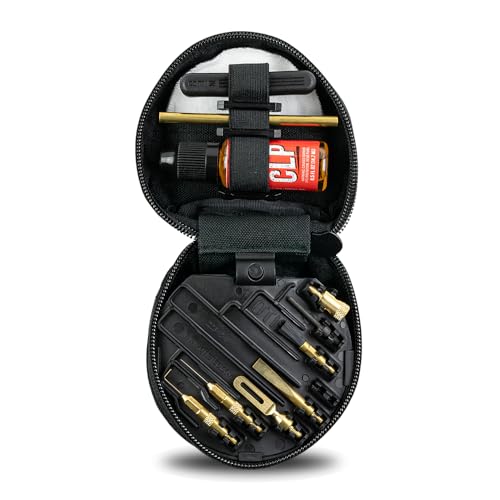
- ARS Mark9.0
ARS Mark is a ranking system developed by bestairriflescopes.com. ARS Mark has no relationship or impact from any manufacturers or sales agent websites. Learn more
- BrandOtis Technology
Last update on 2026-06-26 / Affiliate links / Images, Product Titles, and Product Highlights from Amazon Product Advertising API
What Is a 45 Caliber Gun
Big recoil rumors, oversized handgun jokes, and action movie clichés tend to cloud the conversation pretty fast. Plenty of people expect a .45 caliber firearm to feel uncontrollable or painfully heavy, only to realize the real experience feels far more balanced than internet debates suggest. What is a 45 caliber gun usually becomes easier to explain once the noise gets stripped away and the practical side takes over. Grip comfort, recoil rhythm, ammunition cost, carry weight, and shooting confidence shape the reality far more than dramatic opinions.
The Meaning Behind 45 Caliber
A .45 caliber firearm uses ammunition with a bullet diameter measuring roughly .45 inches. That number sounds straightforward, but the shooting experience changes depending on the platform, barrel length, and ammunition type. Heavier bullets, slower velocities, and a deep recoil pulse helped the .45 carve out its long-standing reputation. Many shooters describe the recoil as a firm shove instead of the sharp snap common with smaller calibers.
Most conversations around the .45 revolve around the well-known .45 ACP cartridge. ACP stands for Automatic Colt Pistol, a round designed back in the early 1900s for military sidearms. That historical connection still matters today because the cartridge became deeply tied to the legendary 1911 pistol platform. Reliability, substantial bullet weight, and predictable recoil kept the round relevant for more than a century.
Confusion often starts because some people assume every .45 caliber firearm behaves the same way. That’s not true at all. A compact polymer carry pistol feels completely different from a heavy steel-frame handgun sitting at a range bench. Weight distribution, barrel length, and grip angle influence recoil management more than many beginners realize.
Ammo selection changes the personality of the firearm too. Hollow points, full metal jacket rounds, and defensive loads all perform differently in terms of recoil and impact feel. Some loads feel surprisingly soft, while hotter defensive rounds carry noticeably more push. That variety gives shooters flexibility, though it also means trial and error becomes part of the process.
Why Shooters Still Respect The 45
Trends shift constantly in the firearm world, yet the .45 keeps hanging around like an old pickup truck that refuses to quit. Newer calibers may offer higher magazine capacity or lower recoil, but many shooters still appreciate the steady feel and larger bullet profile of the .45. Confidence plays a massive role here. People tend to shoot better with firearms they trust emotionally as well as mechanically.
Recoil control surprises many first-time shooters. The heavier bullet typically travels slower than smaller rounds, producing a rolling recoil sensation instead of a violent upward crack. That difference matters during follow-up shots. Some shooters actually find the .45 easier to track despite its stronger overall force.
Range habits also shape opinions quickly. A lighter polymer pistol chambered in .45 can feel tiring after extended sessions because the frame transfers more recoil directly into the hands. Heavier steel pistols absorb some of that energy more effectively. Comfort during practice often determines whether someone sticks with the caliber long-term.
Maintenance tends to stay relatively simple with modern .45 handguns. Basic cleaning routines, quality magazines, and decent ammunition usually keep reliability solid. Problems often appear when shooters neglect lubrication or rely on cheap aftermarket parts that create feeding issues. Consistency matters far more than flashy upgrades.
How Recoil Actually Feels
People expecting wrist-breaking recoil usually walk away shocked after firing a .45 for the first time. Sure, the round carries authority, but the sensation often feels smoother than anticipated. Instead of a fast snap, the recoil pushes rearward in a heavier motion. Control and grip technique influence the experience far more than internet myths suggest.
Hand size becomes a real factor. Many .45 pistols use wider grips because the cartridge itself is physically larger. Smaller hands may struggle reaching controls comfortably, especially on double-stack designs with thicker frames. That awkward reach can affect accuracy and confidence pretty quickly.
Training habits matter more than caliber arguments. Someone practicing regularly with a .45 usually handles recoil better than an inexperienced shooter using a smaller caliber pistol. Muscle memory, stance, and trigger control smooth out the process over time. Proper technique reduces fatigue and keeps follow-up shots more consistent.
Range fatigue can sneak up after longer sessions. Heavier recoil repeated over hundreds of rounds tends to wear down wrists and forearms faster than lighter calibers. Some shooters solve this by alternating calibers during practice. Others simply shorten range sessions while focusing on quality repetitions instead of endless ammo dumps.
Common Uses For A 45 Caliber Gun
Self-defense remains one of the biggest reasons people choose .45 caliber firearms. Many shooters appreciate the heavier bullet and larger diameter because it inspires confidence during defensive training. Still, shot placement matters far more than caliber alone. Accuracy and consistency always outweigh raw bullet size.
Competitive shooting circles still include plenty of .45 enthusiasts too. The 1911 platform continues showing up in matches thanks to its crisp trigger feel and predictable recoil characteristics. Some competitors enjoy the mechanical simplicity and familiar ergonomics despite newer pistol designs dominating shelves.
Range shooting also keeps the caliber alive. Plenty of firearm owners simply enjoy the deep sound and solid recoil impulse that smaller calibers can’t quite replicate. Shooting becomes part mechanical skill, part emotional experience. The .45 scratches that itch for many enthusiasts who enjoy slower, heavier rounds.
Hunting applications exist in limited situations, though most standard .45 ACP pistols aren’t ideal for larger game. Specialized loads and carbines chambered in .45 may work for close-range hunting tasks, but expectations need to stay realistic. Practical limitations matter just as much as capability.
The Cost Of Owning A 45
Ammunition prices catch many new shooters off guard pretty quickly. .45 ACP rounds generally cost more than smaller calibers like 9mm, especially during periods of heavy market demand. Frequent range sessions can become expensive if someone burns through several hundred rounds every weekend. Budget planning becomes part of responsible firearm ownership.
Magazine capacity creates another tradeoff. Most .45 pistols hold fewer rounds because the cartridge itself takes up more space. Some shooters don’t mind sacrificing capacity for a larger bullet diameter. Others prefer carrying more rounds with lighter recoil. Personal preference shapes the decision more than internet arguments.
Holster selection also matters more than beginners expect. Larger handguns often require sturdier belts and better support systems to remain comfortable during extended carry. Cheap holsters usually create printing issues, discomfort, or awkward draw angles. Investing in proper carry equipment changes the experience dramatically.
Maintenance costs stay relatively manageable overall. Cleaning supplies, replacement springs, and spare magazines follow similar pricing patterns compared to many handgun calibers. Ammo remains the biggest long-term expense for most shooters. Consistent practice still matters enough that many owners happily accept the higher operating cost.
Differences Between 45 ACP And Smaller Calibers
Caliber debates tend to spiral into emotional territory fast, especially online. Some shooters argue magazine capacity should always take priority, while others value heavier projectiles and slower recoil patterns. The .45 sits firmly in the second category. Bullet mass remains one of its defining characteristics.
9mm pistols generally allow faster follow-up shots for inexperienced shooters because recoil stays lighter and magazine capacity runs higher. That advantage matters during defensive drills where rapid target transitions come into play. Still, many experienced shooters handle .45 pistols with impressive speed after enough repetition.
Concealed carry comfort changes noticeably between calibers too. Slimmer 9mm pistols often disappear more easily under light clothing, while thicker .45 frames may require wardrobe adjustments or stronger carry belts. Weight becomes especially noticeable during long workdays or summer heat.
Ballistics discussions get messy fast, yet modern defensive ammunition narrowed many performance gaps between calibers. Reliable expansion and penetration now exist across several handgun rounds. Even so, some firearm owners continue trusting the .45 because of its proven track record and familiar shooting feel. Personal confidence continues influencing caliber loyalty in a big way.
The Legacy Of The 1911 Platform
Few handguns carry the cultural weight of the 1911 pistol. Designed over a century ago, this firearm helped cement the .45 ACP cartridge into military history and civilian shooting culture alike. Its slim trigger, all-metal frame, and distinctive appearance still attract devoted fans today. Historical reputation plays a huge role in the caliber’s ongoing popularity.
Modern shooters often compare newer striker-fired pistols against traditional 1911 models. Polymer handguns usually weigh less and hold more ammunition, but many enthusiasts still prefer the crisp single-action trigger of a classic 1911. Trigger feel changes shooting confidence dramatically, especially during precision shooting sessions.
Maintenance on older-style 1911s sometimes requires more attention than modern polymer pistols. Tight tolerances, custom parts, and magazine sensitivity can create reliability issues if neglected. Well-built models tend to run smoothly, though bargain versions occasionally frustrate owners with feeding problems. Build quality matters heavily with this platform.
Collectors also contribute to the platform’s lasting popularity. Military reproductions, competition builds, and custom engraved pistols continue attracting buyers who appreciate mechanical craftsmanship. Some people enjoy shooting them. Others simply admire the history sitting in their safe.
Training Mistakes New Shooters Make
Grip tension mistakes appear constantly among first-time .45 shooters. Some people squeeze the handgun far too tightly because they anticipate violent recoil, which actually increases fatigue and hurts accuracy. A firm but controlled grip works better for recoil management. Relaxed control beats panic-driven tension every time.
Flinching becomes another major issue. Anticipating recoil causes shooters to dip the muzzle downward moments before firing, throwing shots low on target. Dry-fire drills and slower-paced practice usually help correct the problem. Patience matters more than blasting through ammunition quickly.
Cheap range ammo occasionally creates frustrating experiences too. Weak loads may cycle inconsistently in certain pistols, especially compact models with shorter barrels. Reliable factory ammunition generally produces smoother practice sessions and more predictable recoil patterns. Consistency in ammo matters more than saving a few dollars per box.
Some beginners also chase upgrades too early. Fancy optics, oversized controls, and aftermarket triggers rarely compensate for poor fundamentals. Basic marksmanship skills solve far more problems than expensive accessories ever will. Shooters usually improve faster by investing in practice instead of cosmetic upgrades.
Explore smarter outdoor gear choices with best compound bow under 400 if your shooting interests stretch beyond handguns and into hunting setups that balance durability with realistic pricing.
45 Caliber Handgun Recoil And Real World Use
Standing at a shooting lane with a .45 in your hand feels different from scrolling through caliber debates online. Noise, recoil anticipation, grip pressure, and confidence all hit at once, especially for someone firing heavier handgun rounds for the first time. 45 caliber handgun recoil and real world use becomes less about internet opinions and more about how the firearm behaves during actual practice. Comfort, consistency, and realistic expectations usually shape the experience far more than raw power claims.
Why Grip Strength Changes Everything
A weak or awkward grip can make a .45 feel far harsher than it actually is. The pistol shifts more during recoil, follow-up shots slow down, and frustration starts creeping in after only a few magazines. Strong hand placement helps distribute recoil evenly across the palms instead of concentrating pressure into the wrists. Grip consistency often matters more than caliber size alone.
Thicker pistol frames create another challenge for shooters with smaller hands. Reaching the trigger comfortably while maintaining proper support hand pressure takes practice. Some compact .45 pistols look easier to carry, yet their reduced frame weight can increase felt recoil noticeably. That tradeoff surprises a lot of people during live-fire sessions.
Dry-fire practice helps smooth out grip problems without burning through expensive ammunition. Slow repetitions build muscle memory and expose bad habits before they become deeply ingrained. Small improvements in hand placement can tighten groups dramatically. Control and stability develop gradually, not overnight.
Extended range sessions reveal comfort problems pretty quickly too. Poor grip texture, sharp edges, or oversized controls may seem minor at first, then become irritating after a hundred rounds. That’s why experienced shooters spend time handling pistols carefully before buying one. Practical comfort matters more than flashy marketing claims.
How Barrel Length Affects Performance
Barrel length changes more than appearance. A full-size .45 pistol usually feels smoother because the additional weight reduces muzzle rise and softens recoil impulse. Compact carry models trim weight and size, though they often feel snappier during rapid shooting drills. Balance and recoil behavior shift noticeably between barrel configurations.
Accuracy also benefits from longer sight radius. The greater distance between front and rear sights allows finer alignment adjustments, especially during slower precision shooting. Short-barreled pistols demand more focus because small aiming errors become exaggerated downrange. Beginners often shoot larger pistols more accurately for that reason.
Concealed carry changes the equation entirely. A long steel-frame pistol may shoot beautifully at the range while feeling miserable after ten hours inside a waistband holster. Weight pulls against belts, prints through clothing, and becomes exhausting during warmer weather. Real-world carry comfort matters every single day, not just during practice.
Range shooters sometimes underestimate how much barrel length influences muzzle blast too. Shorter barrels create sharper concussion and louder perceived noise, especially indoors. That extra blast can increase flinching for newer shooters. Shooting confidence usually improves faster with firearms that feel predictable and comfortable.
Common Myths About The 45 ACP
One stubborn myth claims the .45 knocks people backward like a movie stunt scene. Physics simply doesn’t work that way. The recoil felt by the shooter would launch them backward too if that were true. Real defensive performance depends heavily on shot placement, reliability, and consistent training instead of fantasy-level force.
Another misconception says smaller calibers automatically outperform the .45 because they carry more rounds. Capacity matters, sure, but firearm effectiveness involves far more variables than magazine size alone. Plenty of skilled shooters perform extremely well with lower-capacity .45 pistols because they practice consistently and shoot accurately.
Some people also assume .45 handguns are impossible for beginners to handle. That depends entirely on the firearm setup and the shooter’s willingness to learn fundamentals properly. A heavy full-size pistol firing standard-pressure ammunition often feels manageable even for newcomers. Technique and mindset shape the learning curve more than internet fearmongering.
Ammo myths spread quickly online too. Not every defensive round behaves identically, and not every firearm cycles all ammunition perfectly. Reliable function testing matters more than blindly trusting packaging claims. Experienced owners usually test multiple loads before settling on a preferred carry round.
Range Habits That Improve Accuracy
Speed tends to sabotage accuracy for newer shooters using .45 pistols. Heavy recoil encourages people to rush follow-up shots before the sights fully settle back onto target. Slowing down often tightens shot groups dramatically within minutes. Patience during practice builds confidence far faster than reckless rapid-fire drills.
Trigger control becomes especially important with heavier calibers. Jerking the trigger downward while anticipating recoil sends shots low and off-center. Smooth rearward pressure works better than sudden movement. Consistent trigger discipline eventually turns into automatic muscle memory.
Breathing patterns influence handgun stability more than many people expect. Tight shoulders and shallow breathing increase tremors during aiming. Relaxed breathing helps maintain steadier sight alignment, particularly during precision shooting. Small adjustments create surprisingly large improvements over time.
Distance progression also matters. Jumping immediately to long-range handgun shooting often frustrates beginners unnecessarily. Starting closer builds confidence while exposing sight and trigger errors more clearly. Structured repetition creates better habits than ego-driven practice sessions.
Carry Comfort Versus Shooting Comfort
A pistol that shoots beautifully at the range doesn’t automatically feel comfortable for concealed carry. Heavy steel-frame .45 handguns absorb recoil nicely, though carrying them all day can become exhausting. Waistband pressure, clothing fit, and sitting posture suddenly become major concerns. Daily comfort tradeoffs matter more than people expect.
Compact polymer pistols solve some carry problems by trimming weight and reducing overall bulk. The downside appears during extended range sessions where sharper recoil becomes more noticeable. Lighter firearms transfer more energy into the shooter’s hands. That tradeoff frustrates some owners after longer practice days.
Holster quality changes everything. Cheap holsters shift constantly, print awkwardly through clothing, and create inconsistent draw angles. A sturdy belt paired with a properly fitted holster dramatically improves comfort and accessibility. Reliable carry equipment matters almost as much as the firearm itself.
Seasonal clothing creates another challenge. Large .45 pistols hide easily beneath winter layers yet become difficult to conceal during hot weather. Some shooters rotate carry firearms seasonally because of that issue. Practical adaptability often matters more than stubborn caliber loyalty.
How Ammo Selection Impacts Shooting Feel
Not all .45 ACP ammunition behaves the same way. Lightweight target rounds usually feel softer and produce less muzzle flip compared to hotter defensive loads. Some shooters prefer practicing with lighter ammunition to reduce fatigue during long sessions. Others stick closely to their carry ammo for consistency.
Bullet weight changes recoil rhythm noticeably. Heavier rounds tend to create a slower, rolling push while lighter rounds may feel quicker and sharper. Those differences become obvious during rapid-fire drills or timed practice sessions. Ammo personality affects shooter confidence more than many beginners realize.
Reliability testing matters before trusting any defensive load. Certain hollow points feed better in some pistols than others due to magazine design and feed ramp geometry. Experienced owners usually test several boxes before committing to one specific carry round. Guesswork creates unnecessary risk.
Storage conditions also affect ammunition performance over time. Excessive humidity, oil contamination, or repeated chambering can damage cartridges gradually. Responsible storage habits help maintain reliability and consistency. Routine inspection prevents surprises at the range or during defensive use.
Why Confidence Matters More Than Caliber Wars
Online caliber arguments rarely end because most shooters prioritize different things. Some value magazine capacity above all else. Others care more about recoil feel, mechanical simplicity, or emotional confidence with a familiar platform. Personal preference drives many firearm decisions whether people admit it or not.
Confidence influences shooting performance heavily. Someone practicing regularly with a .45 often performs better than another shooter carrying a smaller caliber they barely train with. Familiarity builds speed, accuracy, and calm decision-making under pressure. Consistent practice beats endless equipment swapping.
Fear-based buying decisions usually backfire. Buying the biggest caliber available without considering hand size, recoil tolerance, or training commitment creates frustration quickly. Realistic expectations lead to better long-term satisfaction. A firearm should feel controllable, dependable, and comfortable enough to practice with regularly.
Skill development also removes much of the mystery surrounding larger handgun calibers. The .45 stops feeling intimidating once proper grip, stance, and trigger control settle into place. Most experienced shooters eventually realize the firearm world involves tradeoffs instead of magic solutions. Practical experience cuts through internet myths faster than any debate ever will.
Outdoor Shooting And Skill Transfer
Handgun fundamentals often transfer into other shooting activities surprisingly well. Trigger discipline, sight focus, breathing control, and recoil management all carry over into archery and airgun practice too. People who enjoy precision shooting frequently branch into multiple outdoor hobbies over time. Cross-training skills sharpen overall coordination and patience.
Long-distance target shooters sometimes explore bow setups that demand similar focus and body control. Explore accurate outdoor setups with best bow sight for 100 yards if precision practice and distance shooting have started becoming part of your regular range routine.
Pest control around rural property creates another crossover point for firearm enthusiasts. Small-caliber air pistols often handle snakes and small pests more conveniently in tight spaces where larger firearms feel excessive. Compare practical backyard options through best air pistol for snakes if quieter control methods fit your environment better.
Different shooting platforms teach patience in different ways. Handguns sharpen recoil control and trigger management, while bows emphasize body alignment and steady follow-through. Air pistols reward precision and restraint. Versatility in training helps shooters become more adaptable and disciplined overall.


12 Best 22 Pcp Air Rifle For Hunting of 2026 With Quiet Power

7 Best 22 Pcp Air Rifle Under 300 of 2026 For Backyard Pest Control

10 Best 22 Break Barrel Air Rifles of 2026 For Backyard Pest Control

10 Best 30 Caliber Pcp Air Rifle of 2026 For Medium Game

Top Best 177 Air Rifle Under 100: Budget-Friendly Picks for 2026

How to Safely Reload Shotgun Shells at Home

11 Best Co2 Air Rifle For Pest Control of 2026 To Ensure Humane Dispatch

12 Best Inexpensive Air Rifles of 2026 For Dependable Backyard Accuracy






