
What Is a 9mm Gun and Why It’s So Popular

What Is a 9mm Gun often sounds like a simple question, yet the answer opens the door to a surprisingly wide conversation about firearm design, recoil control, magazine capacity, and everyday practicality. Plenty of people hear “9mm” tossed around in movies, gun stores, or online forums and assume it’s just another technical label. Truth is, the term refers to a cartridge size that has built a reputation for balanced performance and manageable handling. That balance explains why it keeps showing up in discussions about home defense, range practice, and law enforcement sidearms.
Recoil plays a massive role in why the 9mm cartridge remains so widely talked about. Heavy recoil can wear people down fast, especially during longer shooting sessions where shaky grip and sore wrists start creeping in. A 9mm generally produces enough force to feel responsive without turning every shot into a wrestling match. That smoother shooting experience helps maintain accuracy while reducing the frustration that often comes with harder-kicking calibers.
Ammo availability also shapes the popularity of 9mm guns. Walk into most sporting goods stores or local firearm shops and there’s a good chance shelves will carry multiple 9mm options. Cheaper practice rounds, defensive hollow points, and specialty loads all give shooters flexibility depending on the situation. Nobody enjoys spending a fortune every time they head to the range, so affordable ammunition becomes a pretty big deal over time.
Size and versatility matter, too. Compact concealed-carry pistols, full-size duty handguns, and even some carbines chambered in 9mm offer different experiences without forcing huge adjustments in ammunition choice. Some people want easier portability for daily carry, while others lean toward larger frames for steadier target shooting. That flexibility gives the caliber staying power because it adapts to different lifestyles instead of locking people into one narrow purpose.
Then there’s the learning curve. Firearms packed with excessive recoil or complicated handling tend to intimidate newcomers quickly. A properly designed 9mm handgun usually feels more approachable, making practice sessions less stressful and more productive. Smooth trigger systems, lighter recoil impulse, and wider accessory support all help create a less overwhelming experience for someone still figuring things out.
Maintenance and customization keep the conversation going even further. Modern 9mm pistols often support optics, weapon lights, upgraded grips, and aftermarket sights without requiring extensive modifications. Some setups work better for concealed carry, while others suit range training or home defense more naturally. Realistically, no firearm fits every situation perfectly, but the adaptability of the 9mm platform comes pretty darn close for many shooters.
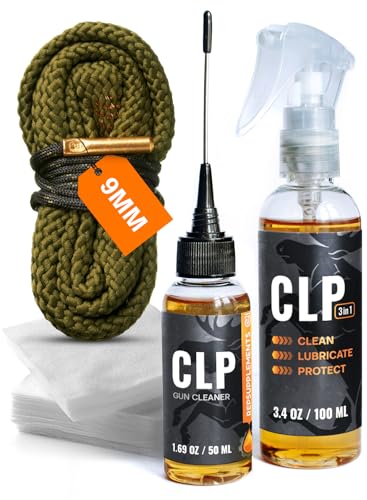
- ARS Mark9.6
ARS Mark is a ranking system developed by bestairriflescopes.com. ARS Mark has no relationship or impact from any manufacturers or sales agent websites. Learn more
- BrandREPSUPPLEMENTS

- ARS Mark9.4
ARS Mark is a ranking system developed by bestairriflescopes.com. ARS Mark has no relationship or impact from any manufacturers or sales agent websites. Learn more
- BrandREPSUPPLEMENTS

Ludex Magazine Speed Loader for Glock 9mm/.40.Fits Glock 17,18,19,22,23,24,26,27,34,35,45 and
View on Amazon- ARS Mark9.2
ARS Mark is a ranking system developed by bestairriflescopes.com. ARS Mark has no relationship or impact from any manufacturers or sales agent websites. Learn more
- BrandLudex

- ARS Mark9.0
ARS Mark is a ranking system developed by bestairriflescopes.com. ARS Mark has no relationship or impact from any manufacturers or sales agent websites. Learn more
- BrandS.T. ACTION PRO INC.
![Byrna SD [Self Defense] Kinetic Launcher Ultimate Bundle - Non Lethal Kinetic Projectile Launcher, Home Defense, Personal Defense (Black) | Proudly Assembled in The USA](https://m.media-amazon.com/images/I/51q1LTzZdRL._SL160_.jpg "Byrna SD [Self Defense] Kinetic Launcher Ultimate Bundle - Non Lethal Kinetic Projectile Launcher, Home Defense, Personal Defense (Black) | Proudly Assembled in The USA")
- ARS Mark9.0
ARS Mark is a ranking system developed by bestairriflescopes.com. ARS Mark has no relationship or impact from any manufacturers or sales agent websites. Learn more
- BrandByrna
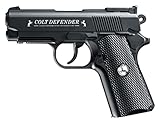
- ARS Mark8.6
ARS Mark is a ranking system developed by bestairriflescopes.com. ARS Mark has no relationship or impact from any manufacturers or sales agent websites. Learn more
- BrandUmarex
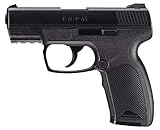
- ARS Mark8.4
ARS Mark is a ranking system developed by bestairriflescopes.com. ARS Mark has no relationship or impact from any manufacturers or sales agent websites. Learn more
- BrandUmarex

- ARS Mark8.2
ARS Mark is a ranking system developed by bestairriflescopes.com. ARS Mark has no relationship or impact from any manufacturers or sales agent websites. Learn more
- BrandRAE Industries
Last update on 2026-06-26 / Affiliate links / Images, Product Titles, and Product Highlights from Amazon Product Advertising API
What Is A 9mm Gun
Confusion kicks in fast once caliber names start flying around. Plenty of people hear terms like .45 ACP, .380, or 9mm and quietly nod along while wondering what any of it actually means. A lot of frustration comes from overly technical explanations that sound more like engineering lectures than practical advice. The phrase what is a 9mm gun usually points to a firearm chambered for a 9mm cartridge, and that cartridge has become one of the most widely used handgun rounds in the world because of its balanced recoil, manageable shooting feel, and easy ammo availability.
Law enforcement agencies across the United States have relied heavily on 9mm pistols for years, largely because officers need firearms that stay controllable during stressful situations. Lower recoil compared to larger calibers often helps improve follow-up shot speed and accuracy. The FBI even shifted back toward 9mm after evaluating performance, ammunition improvements, and shooter efficiency. That move changed plenty of opinions among everyday gun owners who once believed bigger automatically meant better.
Movies and internet arguments have also muddied the waters. Some people assume a 9mm handgun delivers brutal recoil, while others act like it’s barely powerful enough to matter. Reality sits somewhere in the middle. Modern 9mm defensive ammunition performs far better than older designs, and the cartridge usually feels comfortable enough for longer practice sessions without leaving hands sore or wrists aching.
Cost plays a huge role too. Frequent range trips get expensive fast, especially once ammunition prices climb. The affordability of 9mm ammo compared to many larger handgun calibers helps people practice more consistently, and that consistency often matters more than chasing raw power. Better practice builds familiarity, smoother handling, and safer firearm habits over time.
Why 9mm Became So Common
Military history helped push the 9mm cartridge into mainstream use long before modern concealed carry trends exploded. European armed forces adopted it heavily during the 20th century, and eventually law enforcement agencies around the globe followed the same path. Once manufacturers realized demand was massive, handgun options multiplied quickly. That widespread adoption made accessories, spare parts, and ammunition easier to find almost everywhere.
Magazine capacity also changed the conversation around handgun calibers. Many full-size 9mm pistols carry significantly more rounds than similarly sized .45 handguns. That difference matters during defensive situations because reloads take time, and stress tends to wreck fine motor skills. More rounds inside the firearm often provide extra confidence and greater flexibility without dramatically increasing gun size.
Comfort during practice matters more than people expect. Firearms with heavy recoil can make newer shooters flinch before they even realize it. A flinch ruins accuracy and creates bad habits that stick around longer than anyone wants. The softer shooting nature of many 9mm handguns helps reduce that problem, making practice sessions less exhausting and more productive.
Manufacturers have leaned heavily into the popularity of the caliber. Compact carry pistols, duty guns, competition models, and pistol-caliber carbines all exist in huge numbers. Someone can start with a basic entry-level firearm and later upgrade to optics-ready models, threaded barrels, or competition setups while staying with the same ammunition type. That consistency makes the 9mm platform easier to grow into over time.
How A 9mm Cartridge Actually Works
The term “9mm” refers to the bullet diameter, though cartridge naming conventions can get surprisingly messy. Most people discussing a standard 9mm handgun are referring to the 9x19mm Parabellum cartridge. That round contains four major components: the bullet, casing, primer, and gunpowder. Once the trigger is pulled, the firing pin strikes the primer and ignites the powder charge, sending the bullet through the barrel.
Pressure management matters a lot inside modern firearms. Too much pressure can damage the firearm or create dangerous malfunctions, while too little pressure may fail to cycle the slide correctly. Manufacturers carefully engineer 9mm ammunition to balance velocity, recoil, and reliability. That balance explains why the cartridge performs consistently across many handgun designs.
Different bullet weights also change how a 9mm behaves. Common grain weights include 115, 124, and 147 grain rounds, each producing slightly different recoil impulses and velocity characteristics. Lighter rounds often feel snappier, while heavier bullets can feel smoother despite traveling slower. Shooters eventually develop preferences based on comfort, firearm setup, and intended use.
Reliability remains one of the strongest points behind the cartridge’s reputation. Modern 9mm pistols generally feed ammunition smoothly because the cartridge shape works well with semi-automatic magazine designs. That reliability matters during defensive use where malfunctions can create serious problems. A dependable firearm paired with quality ammunition tends to build stronger confidence over time.
Recoil Feels Different Than Many Expect
People often imagine handgun recoil as dramatic Hollywood-style force that sends arms flying backward. Real recoil feels more controlled, though the sensation changes depending on firearm weight, grip texture, and ammunition type. Most 9mm handguns produce a manageable snap rather than a punishing shove. That difference makes practice less intimidating for people still building confidence around firearms.
Grip technique influences recoil control more than raw hand strength. A poor grip can make even lighter calibers feel awkward and unstable. Proper hand placement helps distribute recoil energy through the wrists and arms instead of concentrating it into a sharp upward flip. Small adjustments in grip pressure often improve accuracy faster than expensive upgrades.
Compact pistols tend to recoil harder than larger models despite firing the same ammunition. Shorter barrels and lighter frames leave less mass available to absorb movement. That’s why some ultra-compact carry guns feel surprisingly snappy compared to full-size range pistols. The tradeoff usually comes down to portability versus comfort.
Training consistency matters far more than chasing internet debates about caliber superiority. Someone practicing regularly with a controllable 9mm pistol will often shoot more accurately than someone struggling with a larger caliber they rarely train with. Confidence and familiarity usually beat theoretical advantages during real-world shooting situations.
Different Types Of 9mm Handguns
Walk through a firearm store and the variety can feel overwhelming fast. Full-size pistols, compact carry guns, subcompacts, and competition-focused models all chamber 9mm ammunition. Some prioritize easy concealment, while others focus on accuracy and recoil reduction. That wide range gives shooters room to match a firearm to their specific routine instead of forcing one-size-fits-all solutions.
Full-size pistols generally feel easier to shoot because their added weight softens recoil and improves balance. Longer sight radius also helps with accuracy during slower, deliberate shooting. Many people use these larger firearms for home defense or dedicated range practice. Their downside usually involves bulk and reduced comfort during concealed carry.
Compact models split the difference between concealment and shootability. Plenty of concealed carriers prefer them because they remain easier to hide without becoming excessively snappy. Manufacturers like Glock, Sig Sauer, and Smith & Wesson dominate this category due to reliable designs and widespread aftermarket support. The category keeps growing because many shooters view compact 9mm pistols as the practical middle ground.
Subcompact firearms push portability even further, though smaller grips and shorter barrels introduce tradeoffs. Tiny pistols can feel harder to control during rapid fire, especially for people with larger hands. Reduced sight radius may also impact precision shooting at longer distances. Still, many carriers accept those drawbacks because discreet concealment matters more in daily life.
Common Misunderstandings About 9mm Guns
One persistent myth claims a 9mm lacks enough stopping power for defensive use. Modern ammunition technology has largely crushed that argument. Improved hollow point designs create better expansion and penetration compared to older generations of defensive ammo. Plenty of law enforcement agencies trust 9mm defensive loads specifically because they balance performance with controllability.
Another misconception paints all handguns as identical aside from caliber. Ergonomics change the shooting experience dramatically. Grip angle, trigger pull weight, slide texture, and firearm weight all influence comfort and accuracy. Two different 9mm pistols can feel completely different despite firing the exact same ammunition.
Some newcomers assume bigger calibers automatically make someone safer. Reality doesn’t work that neatly. Accuracy, reliability, and consistent training matter far more than internet bravado about bullet size. A controllable 9mm handgun often gives shooters better real-world performance because they’re more willing to practice regularly.
Noise and muzzle flash also catch people off guard. Indoor shooting ranges amplify sound aggressively, making firearms seem more violent than expected. Ear protection becomes absolutely critical around any handgun caliber. Good safety habits matter every single time a firearm leaves the safe, regardless of whether it’s a 9mm or something much larger.
Ammo Choices Change The Experience
Not all 9mm ammunition behaves the same way. Full metal jacket rounds usually serve as affordable practice ammo because they feed reliably and cost less than defensive loads. Hollow points, meanwhile, are designed for personal protection by expanding during impact. Each serves a different purpose, and mixing them up casually can create unnecessary expense or reduced effectiveness.
Cheap ammunition sometimes feels dirtier during range sessions. Powder residue builds faster, leaving slides and barrels noticeably grimier after extended shooting. Some shooters don’t mind cleaning more often if the savings justify it. Others prefer cleaner-burning rounds because maintenance already feels like a chore.
Bullet weight changes recoil feel more than many people expect. A lighter 115-grain round may feel sharper and quicker, while heavier 147-grain ammo often produces a slower push. Firearm design influences those sensations too, so personal testing matters. Preferences usually develop through repeated range sessions rather than internet recommendations alone.
Storage conditions also matter. Heat, humidity, and moisture can damage ammunition over time if handled carelessly. Proper storage containers help protect both defensive and practice rounds from corrosion issues. Responsible firearm ownership extends beyond shooting itself and includes maintaining safe ammo storage habits.
Why Practice Matters More Than Caliber Debates
Online firearm discussions love turning caliber selection into tribal warfare. One side insists bigger bullets solve everything, while another argues capacity alone matters most. Most experienced shooters eventually realize skill outweighs those arguments. Smooth trigger control, sight alignment, and calm decision-making matter far more than endless forum debates.
Practice exposes weaknesses quickly. Some people struggle with trigger anticipation, while others fight inconsistent grip pressure. Those problems rarely disappear on their own. Regular training with a controllable 9mm firearm helps build habits that become automatic over time.
Dry-fire practice offers another valuable tool without burning through expensive ammunition. Safe dry-fire routines allow shooters to refine trigger control and presentation skills inside controlled environments. Many instructors recommend combining live fire with dry practice because repetition improves consistency. That combination often develops confidence faster than occasional range trips alone.
Explore smoother sight alignment techniques through best single pin slider bow sight discussions that also focus heavily on precision, target tracking, and steady hand control during high-pressure shooting situations.
Concealed Carry Creates Different Priorities
Carrying a firearm daily sounds simple until comfort becomes part of the equation. Heavy firearms pull on belts, print through clothing, and become irritating during long hours of sitting or driving. That discomfort pushes many people toward compact 9mm carry pistols because they balance concealment with manageable recoil. Tiny changes in firearm dimensions can completely alter daily comfort.
Holster quality matters almost as much as the firearm itself. Poorly designed holsters create hot spots, unstable draw angles, and weak retention. A solid holster keeps the firearm secure while allowing smooth access if needed. Cheap gear often becomes obvious after only a few days of real-world carry.
Clothing choices also affect concealment more than expected. Thin shirts or tight-fitting fabrics can print firearm outlines easily. Seasonal changes create new challenges too, especially during hotter months where lighter clothing limits concealment options. People often experiment with multiple carry positions before settling into something comfortable.
Upgrade outdoor carry gear by exploring best bow under 300 setups that highlight balance, portability, and practical handling for long days spent moving through rough terrain.
How A 9mm Gun Fits Real World Carry And Defense
Stress changes everything the second a firearm enters a serious situation. Hands shake, focus narrows, and even simple actions can suddenly feel awkward. That reality explains why so many people lean toward 9mm handguns for personal defense and concealed carry. The balance of manageable recoil, higher magazine capacity, and faster follow-up shots gives shooters practical advantages without demanding excessive strength or experience.
Defensive shooting conversations often drift toward dramatic “stopping power” debates that ignore basic human performance. Accuracy matters. Reliable shot placement matters even more. A firearm that feels controllable during practice usually performs better during stressful moments because the shooter isn’t fighting the recoil every single shot. That’s one reason many instructors continue recommending 9mm pistols for both newer shooters and experienced carriers.
Home defense setups vary wildly from one household to another. Some people prefer compact firearms stored in quick-access safes, while others rely on full-size pistols with mounted lights for better handling in low-light conditions. A larger handgun generally feels steadier and easier to aim under pressure. Smaller carry pistols trade some comfort for portability, which becomes important for people carrying daily.
Noise and muzzle blast deserve more attention than they usually get. Firing any handgun indoors creates intense sound pressure that can temporarily disorient shooters. Short-barreled carry guns often feel louder and snappier because more powder burns outside the barrel. Those details influence comfort, confidence, and long-term practice habits more than flashy marketing claims.
How Grip Size Changes Shooting Comfort
Hand size affects shooting performance far more than caliber debates suggest. A pistol with an oversized grip may force awkward trigger reach, while tiny grips can feel unstable during recoil. Many modern 9mm firearms include interchangeable backstraps specifically because comfort influences accuracy and recoil control. Even small grip adjustments can improve consistency almost immediately.
Texture also matters once sweat, rain, or cold weather enter the picture. Slick grips shift during recoil and force constant readjustment between shots. Aggressive texturing improves control, though some designs become uncomfortable against bare skin during concealed carry. Plenty of carriers eventually modify grip panels or apply tape after spending real time with the firearm.
Trigger reach creates another overlooked issue. Shooters with smaller hands sometimes struggle to maintain proper finger placement on larger pistols. Poor trigger contact can pull shots sideways or create inconsistent pressure during firing. Compact and mid-size 9mm pistols often solve that issue better than oversized duty models.
Explore smoother traditional shooting control through best wood for self bow techniques that also emphasize hand fit, balance, and steady shot placement under physical strain.
Range Practice Builds Confidence Faster
First-time range visits can feel intimidating. Loud gunfire, unfamiliar safety rules, and nervous anticipation create tension quickly. A controllable 9mm handgun helps reduce some of that anxiety because recoil generally feels manageable enough to encourage repetition instead of fear. Confidence grows much faster once shooters stop bracing for painful recoil every trigger press.
Consistency matters more than marathon range sessions. Someone shooting fifty focused rounds every few weeks usually develops better habits than someone firing hundreds once or twice a year. Repetition builds muscle memory, smoother reloads, and stronger recoil management. Small improvements stack up over time in surprisingly noticeable ways.
Targets tell honest stories. Tight groupings often reflect stable grip pressure and proper trigger control, while scattered shots reveal rushed technique or anticipation issues. Plenty of shooters blame the firearm at first before realizing basic fundamentals need attention. That learning curve frustrates almost everyone early on.
Indoor ranges reveal another reality people rarely expect. Cheap rental guns with worn triggers and rough maintenance can create poor first impressions. A properly maintained 9mm pistol usually feels significantly smoother and easier to shoot than heavily abused range rentals. Equipment condition changes the experience more than many newcomers realize.
Cleaning A 9mm Gun Is Simpler Than Expected
Many new gun owners picture firearm cleaning as some complicated mechanical ritual filled with tiny springs flying across the room. Most modern 9mm pistols break down fairly easily once the basic steps become familiar. Field stripping usually involves removing the magazine, clearing the chamber, locking the slide, and separating the upper components. After a few cleanings, the process starts feeling routine instead of stressful.
Carbon buildup collects quickly around the barrel and slide rails during repeated firing. Dirty firearms may continue functioning for quite a while, but excessive residue eventually affects reliability. Regular maintenance helps prevent feeding issues, sticky extraction, and unnecessary wear. A lightly lubricated pistol generally cycles smoother than one running completely dry.
Over-cleaning creates problems too. Scrubbing aggressively with harsh tools can damage finishes or wear components unnecessarily. Most pistols simply need moderate cleaning, proper lubrication, and periodic inspection for damaged springs or cracked parts. Gun maintenance should feel practical rather than obsessive.
Storage conditions also matter. Humid environments increase the risk of corrosion if firearms sit neglected for long periods. Safe storage with controlled moisture levels helps preserve barrel condition, slide finish, and internal reliability. Responsible ownership includes maintenance just as much as range time.
Why Some Shooters Still Prefer Larger Calibers
The popularity of 9mm doesn’t magically erase every criticism. Some experienced shooters still prefer larger calibers like .45 ACP or 10mm for specific uses. Heavier rounds can produce stronger energy transfer and different recoil characteristics that certain shooters simply prefer. Personal comfort and confidence influence firearm selection more than internet arguments ever will.
Larger calibers usually bring tradeoffs though. Increased recoil often slows follow-up shots and causes faster fatigue during longer practice sessions. Magazine capacity also tends to shrink once cartridges grow larger. Plenty of shooters eventually realize they shoot faster and more accurately with a controllable 9mm handgun despite theoretical ballistic advantages from bigger rounds.
Cost becomes another factor. Ammunition for larger calibers frequently costs noticeably more than standard 9mm practice ammo. That price difference affects training frequency over time. A shooter practicing twice as often with affordable ammunition may outperform someone rationing expensive rounds.
Firearm weight also changes dramatically across calibers. Some steel-framed large-caliber pistols feel heavy after hours of carry. Compact 9mm carry guns usually reduce strain while still maintaining reasonable capacity and practical recoil levels. Daily comfort often shapes long-term carry habits more than raw ballistic numbers.
Optics And Accessories Are Changing Handguns
Red dot optics have exploded in popularity across the handgun world. Older shooters often appreciate them because aging eyesight makes traditional iron sights harder to track quickly. A quality optic allows shooters to focus on the target while placing a clear aiming point directly in view. Many modern 9mm pistols now arrive optics-ready straight from the factory.
Weapon-mounted lights also continue gaining traction for defensive setups. Positive target identification matters enormously during low-light situations, especially inside homes where family members may move unexpectedly. A mounted light keeps both hands on the firearm while illuminating dark areas more effectively than handheld flashlights alone.
Accessories introduce tradeoffs too. Optics add weight and sometimes require additional training before they feel natural. Lights increase bulk, making concealed carry less comfortable for some users. People often experiment with different setups before settling into combinations that fit their actual routine rather than internet trends.
Upgrade nighttime hunting visibility by exploring best air rifles for coyote hunting setups that also prioritize optics clarity, low-light accuracy, and stable aiming in unpredictable outdoor conditions.
Ammo Shortages Changed Buying Habits
Recent ammunition shortages taught firearm owners some hard lessons about panic buying and supply chains. Shelves emptied quickly once demand surged, and popular calibers disappeared almost overnight. The huge popularity of 9mm ammunition became both a strength and a weakness during those periods. Availability eventually recovered faster than niche calibers, though shortages hit harder because so many shooters relied on it.
Bulk purchasing became far more common after supply disruptions. Many gun owners now keep reasonable reserves of practice and defensive ammunition instead of buying only a single box at a time. Responsible storage practices matter heavily once larger quantities enter the picture. Ammo cans with moisture control help protect long-term reliability.
Practice habits shifted too. Some shooters reduced live-fire sessions and leaned more heavily on dry-fire drills to conserve ammunition. Others began reloading cartridges at home despite rising component prices. Adaptation became necessary once ammunition costs climbed sharply.
Defensive ammunition remained especially difficult to locate during peak shortages. Hollow point rounds disappeared quickly because many buyers prioritized protection loads first. Those supply swings reminded people that regular practice matters before shortages happen, not after shelves go empty.
The Mental Side Of Responsible Ownership
Owning a firearm changes daily responsibilities in ways many people don’t fully anticipate at first. Safe storage, situational awareness, and legal knowledge become part of the equation immediately. A 9mm handgun may feel approachable from a recoil standpoint, but responsible ownership still demands discipline and maturity. Casual attitudes create unnecessary risks.
Emotional control matters enormously around firearms. Anger, panic, or reckless behavior can turn ordinary situations dangerous fast. Responsible shooters spend time learning de-escalation, safe handling habits, and local laws alongside basic marksmanship. Mechanical skill alone never tells the whole story.
Family considerations also affect firearm ownership decisions. Homes with children often require additional storage precautions and layered safety measures. Quick-access safes, chamber flags, and secure storage routines help reduce preventable accidents. Those habits eventually become second nature with repetition.
Confidence should never drift into overconfidence. Plenty of experienced shooters continue training regularly because skill fades without repetition. Maintaining safe habits around a 9mm pistol involves constant attention to detail, not occasional bursts of enthusiasm followed by neglect.
Why The 9mm Debate Probably Never Ends
Firearm culture thrives on opinions, and caliber debates practically function like sports rivalries at this point. Some shooters swear larger calibers provide unmatched authority, while others prioritize speed and capacity above everything else. The 9mm platform sits right in the middle of those arguments because it balances so many competing priorities reasonably well. That balance keeps the discussion alive year after year.
Technology continues changing the landscape too. Modern bullet designs improved defensive performance dramatically compared to older generations, shifting opinions about what smaller calibers can realistically accomplish. Better recoil systems, optics integration, and magazine designs also helped modern 9mm handguns evolve quickly.
Personal experience shapes preferences heavily. Someone who trains constantly with a .45 may never feel interested in switching, while another shooter may value softer recoil and cheaper practice ammo above all else. Neither perspective automatically becomes right or wrong. Real-world comfort and consistent training matter more than online chest-thumping.
The biggest surprise for many newcomers is how practical the caliber actually feels once they spend time behind the trigger. Internet myths tend to fade pretty quickly after hands-on range sessions. A reliable 9mm firearm usually earns its reputation through consistent performance, manageable shooting behavior, and practical everyday versatility instead of exaggerated marketing hype.


12 Best 22 Pcp Air Rifle For Hunting of 2026 With Quiet Power

7 Best 22 Pcp Air Rifle Under 300 of 2026 For Backyard Pest Control

10 Best 22 Break Barrel Air Rifles of 2026 For Backyard Pest Control

10 Best 30 Caliber Pcp Air Rifle of 2026 For Medium Game

Top Best 177 Air Rifle Under 100: Budget-Friendly Picks for 2026

How to Safely Reload Shotgun Shells at Home

11 Best Co2 Air Rifle For Pest Control of 2026 To Ensure Humane Dispatch

12 Best Inexpensive Air Rifles of 2026 For Dependable Backyard Accuracy






