
What Is a BB Gun and Why People Still Use It

What Is a BB Gun often sounds like a simple question, yet the answer opens the door to a surprisingly wide world of backyard target practice, recreational shooting, and entry-level marksmanship. Plenty of people assume every BB gun feels the same, but that’s not even close. Some models are lightweight and easy to carry around the yard, while others mimic the weight and handling of traditional firearms so closely that the difference catches people off guard. That variety changes the entire experience, especially for someone trying to improve control, accuracy, or safe handling habits.
Noise level matters more than most folks expect. A louder air-powered model can attract unwanted attention in quiet neighborhoods, while a softer shooting setup feels more relaxed for casual target sessions. Spring-powered options usually demand more effort between shots, though they’re often appreciated for their simplicity and lower maintenance. CO2-powered versions deliver faster follow-up shots and smoother operation, but replacing cartridges becomes part of the routine sooner or later. Those little tradeoffs shape how enjoyable the experience feels over time.
BB guns also appeal to people who enjoy repetitive skill-building without dealing with the recoil and expense tied to traditional ammunition. That’s where things get interesting. Trigger control, sight alignment, and steady breathing still matter, even with smaller steel BBs involved. A poorly balanced design can leave hands tired after extended use, while better ergonomics create a smoother rhythm that keeps practice sessions comfortable. Small details like grip texture, safety placement, and loading style end up making a bigger difference than expected.
Weather plays a sneaky role too. Humid conditions can affect metal components if maintenance gets ignored, and cheaper finishes may start showing wear surprisingly fast after outdoor storage. Some people prefer wood-stock styles because they feel classic and solid in the hands, while others lean toward synthetic builds that handle moisture and rough treatment with less fuss. Neither route is automatically better. It really depends on whether long-term durability or traditional aesthetics carries more weight.
Accuracy expectations can trip people up if they head in with unrealistic assumptions. A BB gun built for casual plinking won’t necessarily perform well during precision shooting at longer distances. Then again, not everybody wants pinpoint grouping performance. Plenty of recreational setups focus more on quick handling and easy fun than tiny target clusters. That balance between performance, comfort, and cost tends to steer most buying decisions without people even realizing it.
Storage and maintenance deserve attention too, even though they’re rarely the exciting part of the conversation. Dust buildup, leftover CO2 pressure, and neglected barrels gradually reduce consistency over time. Regular cleaning helps preserve smoother shooting and prevents frustrating jams that can ruin an otherwise relaxing afternoon. A little care goes a long way, honestly. The people who enjoy their BB gun the longest usually stick to simple maintenance habits instead of waiting for problems to appear.
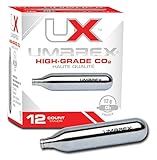
- ARS Mark9.4
ARS Mark is a ranking system developed by bestairriflescopes.com. ARS Mark has no relationship or impact from any manufacturers or sales agent websites. Learn more
- BrandUmarex
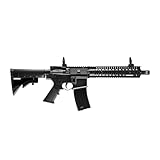
- ARS Mark9.0
ARS Mark is a ranking system developed by bestairriflescopes.com. ARS Mark has no relationship or impact from any manufacturers or sales agent websites. Learn more
- BrandCrosman
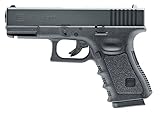
- ARS Mark8.8
ARS Mark is a ranking system developed by bestairriflescopes.com. ARS Mark has no relationship or impact from any manufacturers or sales agent websites. Learn more
- BrandUmarex

- ARS Mark8.8
ARS Mark is a ranking system developed by bestairriflescopes.com. ARS Mark has no relationship or impact from any manufacturers or sales agent websites. Learn more
- BrandDaisy

- ARS Mark8.8
ARS Mark is a ranking system developed by bestairriflescopes.com. ARS Mark has no relationship or impact from any manufacturers or sales agent websites. Learn more
- BrandCrosman

- ARS Mark8.4
ARS Mark is a ranking system developed by bestairriflescopes.com. ARS Mark has no relationship or impact from any manufacturers or sales agent websites. Learn more
- BrandCrosman
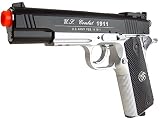
- ARS Mark8.4
ARS Mark is a ranking system developed by bestairriflescopes.com. ARS Mark has no relationship or impact from any manufacturers or sales agent websites. Learn more
- BrandWG
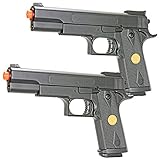
- ARS Mark7.8
ARS Mark is a ranking system developed by bestairriflescopes.com. ARS Mark has no relationship or impact from any manufacturers or sales agent websites. Learn more
- BrandBBTac
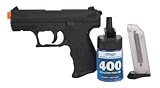
- ARS Mark7.6
ARS Mark is a ranking system developed by bestairriflescopes.com. ARS Mark has no relationship or impact from any manufacturers or sales agent websites. Learn more
- BrandUmarex
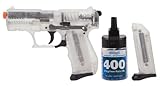
- ARS Mark7.6
ARS Mark is a ranking system developed by bestairriflescopes.com. ARS Mark has no relationship or impact from any manufacturers or sales agent websites. Learn more
- BrandUmarex
Last update on 2026-06-26 / Affiliate links / Images, Product Titles, and Product Highlights from Amazon Product Advertising API
What Is A BB Gun And Why It Still Matters
Backyard target practice sounds simple until a cheap setup starts jamming, shooting crooked, or rattling loud enough to annoy half the neighborhood. Plenty of people pick up a BB gun expecting a smooth afternoon, then realize there’s a big gap between toy-like gimmicks and a properly built air gun. That gap explains why what is a BB gun keeps popping up in conversations among beginners, hobby shooters, and folks trying to sharpen basic shooting habits without draining their wallets. A well-balanced model offers better control, lower shooting costs, and a more relaxed way to practice accuracy at home.
Most BB guns fire small steel BBs using compressed air, spring tension, or CO2 cartridges. Sounds straightforward, right? The tricky part comes from how differently each system behaves once you start shooting regularly. Spring-powered rifles usually feel slower but more dependable over time, while CO2 models deliver faster shooting and lighter trigger pulls. Those little details shape comfort, consistency, and overall enjoyment far more than flashy packaging ever will.
People also underestimate how much handling matters during longer sessions. A heavier frame can steady your aim, though it may tire your arms after thirty minutes of repetitive shooting. Lightweight builds feel easier to carry around the yard, yet some cheaper ones vibrate awkwardly and reduce accuracy. The sweet spot usually sits somewhere between portability and stability, especially for anyone practicing target groups more than quick plinking.
Noise level changes the experience too. Certain BB guns produce a sharp crack that echoes across quiet neighborhoods, while others keep things calm enough for discreet backyard sessions. That difference becomes a pretty big deal if neighbors sit close by or outdoor space feels limited. Quiet operation, smooth loading, and reliable feeding often matter more than raw power for everyday use.
Why BB Guns Appeal To Casual Shooters
Traditional shooting hobbies can get expensive fast. Ammunition prices rise, range fees stack up, and transportation adds another layer of hassle that pushes some people away entirely. A BB gun strips away a lot of those frustrations by offering a low-cost way to practice aim, breathing control, and trigger discipline from home. That convenience keeps many people interested long after the novelty wears off.
Backyard setups also feel less intimidating for beginners. Loud recoil and heavy firearm handling can overwhelm somebody who’s still learning safe habits, but BB guns create a slower learning curve. The lower noise and softer recoil help shooters focus on fundamentals instead of flinching after every shot. Confidence builds gradually instead of feeling forced.
Some people enjoy the simple routine behind target practice. Setting up cans, paper targets, or spinner targets creates a relaxing rhythm after stressful workdays. Others use BB guns as stepping stones before moving toward pellet rifles or traditional firearms. Either way, the lower operating cost makes regular practice feel realistic instead of financially draining.
Storage flexibility adds another layer of appeal. Compact rifle cases fit easily in closets, garages, or workshop corners without taking over the entire room. Smaller shooting accessories also reduce clutter compared to larger firearm setups. Space-saving convenience matters more than many folks admit, especially in tighter living environments.
Different Types Of BB Gun Power Systems
Spring-powered BB guns rely on mechanical tension that compresses air behind the projectile. Every shot usually requires cocking the rifle or pistol again before firing. That extra step slows rapid shooting, though many people appreciate the simple mechanics and lower maintenance needs tied to spring systems. Fewer moving gas components often means fewer headaches later.
CO2-powered setups feel completely different in the hands. Small cartridges provide compressed gas pressure that cycles shots quickly and smoothly, making semi-automatic shooting possible on many models. Faster firing speeds create a more realistic feel, especially for people practicing grip transitions or rapid target engagement. The tradeoff shows up through recurring cartridge costs and occasional cold-weather performance drops.
Pneumatic systems land somewhere in the middle. Some use multiple pumps before each shot, allowing users to control power levels manually. Lower pump counts keep backyard shooting quieter, while extra pumps increase velocity for longer distances. That flexibility appeals to shooters who want more control over how their BB gun behaves in different environments.
Electric-powered air guns exist too, though they’re more common in recreational skirmish games and replica shooting activities. Rechargeable batteries handle cycling instead of manual spring tension or CO2 pressure. Those systems often prioritize shooting speed over precision accuracy. Reliability varies heavily depending on internal motor quality and maintenance habits.
Safety Habits That Actually Matter
Eye protection sits at the top of every responsible shooting setup. Steel BBs can ricochet unpredictably after striking hard surfaces like metal poles, rocks, or concrete walls. One careless shot in the wrong environment creates problems nobody wants to deal with later. Strong safety glasses remain one of the most important pieces of equipment involved in BB gun use.
Backstops deserve more thought than people usually give them. Thin cardboard alone rarely stops steel BBs consistently, especially from higher-powered rifles. Dense rubber mats, thick wood, or layered target traps reduce ricochet risks far more effectively. A safer shooting lane keeps sessions enjoyable instead of stressful.
Storage matters even inside homes without children around. Leaving loaded air guns leaning against walls or resting unsecured inside vehicles creates unnecessary risk. Responsible owners unload their equipment, remove CO2 cartridges if necessary, and secure everything after use. That routine quickly becomes second nature once good habits form.
Safe handling also means respecting the limitations of BB guns. Some people wrongly assume lower-powered air guns can’t cause injuries, which leads to reckless behavior and unsafe horseplay. Even entry-level models can damage eyes, skin, or property if handled carelessly. Responsible use keeps the hobby practical and enjoyable for everybody nearby.
What Accuracy Really Looks Like
Hollywood-style expectations ruin plenty of first experiences with BB guns. Tiny steel BBs naturally behave differently than precision pellets or traditional bullets, especially at longer distances. Wind drift affects lighter projectiles quickly, and cheaper barrels often widen shot groups after only moderate range increases. Realistic expectations create a much smoother learning curve.
Short-range plinking usually delivers the most satisfying results. Targets positioned around 15 to 30 feet allow shooters to focus on steady hand positioning, trigger pull consistency, and sight alignment without fighting excessive spread. Better habits form faster at practical distances instead of chasing unrealistic long-range shots. Consistency matters more than brute velocity.
Trigger feel affects accuracy more than many beginners realize. A stiff or gritty trigger can pull shots sideways even if the sights line up correctly. Better-built models usually provide smoother trigger travel and cleaner break points that improve control during repetitive practice sessions. Small mechanical details often separate frustrating shooting experiences from enjoyable ones.
Weather conditions change shot behavior too. Strong wind can push lightweight BBs off target surprisingly fast, especially outdoors. Humidity and temperature shifts may also influence CO2 pressure levels during longer sessions. Experienced shooters learn to adapt instead of blaming every missed shot on the gun itself.
Choosing The Right BB Gun Size
Oversized rifles may look impressive at first glance, though they aren’t always practical for casual backyard use. Longer barrels and heavier frames can improve steadiness, but carrying them around for extended periods becomes tiring faster than expected. Compact designs often feel more natural for relaxed target practice and easier storage. Balance matters more than sheer size.
Grip comfort changes everything during repetitive shooting. Some pistol grips feel too narrow for larger hands, while bulky tactical frames can feel awkward during smaller grip transitions. Testing how a BB gun fits naturally against the shoulder or inside the hand prevents frustration later. Comfort usually improves consistency more than raw velocity numbers ever will.
Sight placement deserves attention too. Cheap iron sights sometimes loosen after repeated shooting sessions, which throws accuracy off unexpectedly. Adjustable rear sights or simple optic rails create more flexibility for future upgrades. A small improvement in sight visibility can make target shooting feel dramatically smoother.
Weight distribution often gets ignored during online shopping. Front-heavy rifles may steady the muzzle nicely but strain wrists after prolonged use. Rear-heavy builds sometimes feel quick to maneuver yet harder to stabilize during precise aiming. The most comfortable setup usually feels neutral instead of exaggerated in either direction.
Maintenance Problems People Ignore
Neglected barrels slowly reduce shooting consistency even on reliable models. Dust, oil buildup, and metal residue collect over time, causing erratic shots and occasional jams. Regular barrel cleaning keeps airflow smoother and improves overall performance. Simple maintenance habits save money and frustration later.
CO2 cartridges create another maintenance issue many people overlook. Leaving partially used cartridges installed for weeks can wear down internal seals faster than expected. Those seals eventually leak pressure, reducing shooting efficiency and creating inconsistent power levels. Removing cartridges after sessions helps extend component lifespan.
Cheap BB ammunition can also cause headaches. Poorly polished steel BBs sometimes damage internal barrels or feed unevenly through magazines. Spending slightly more on smoother ammunition usually prevents unnecessary wear and feeding issues. Consistency in ammunition often improves accuracy more than people anticipate.
Moisture exposure quietly damages neglected metal surfaces over time. Garage storage sounds convenient, but humidity swings can trigger rust formation on cheaper finishes. Wiping down external metal parts after outdoor sessions helps preserve appearance and mechanical function. Small maintenance routines often separate long-lasting BB guns from short-lived frustrations.
How BB Guns Compare To Pellet Guns
People mix up BB guns and pellet guns constantly, even though they serve slightly different purposes. BB guns usually fire round steel projectiles designed for recreational plinking and short-range practice. Pellet guns typically use shaped lead or alloy pellets built for greater precision and stronger long-range stability. That distinction changes how each platform performs during target shooting.
Pellet rifles generally offer tighter shot grouping because pellet shapes stabilize better during flight. BB guns, meanwhile, often prioritize faster shooting and simpler ammunition handling. Some shooters prefer the relaxed pace and lower maintenance tied to steel BB setups instead of chasing pinpoint accuracy. Others eventually shift toward pellet rifles once precision becomes more important.
Cost differences matter too. BB ammunition usually costs less than quality pellets, especially during larger practice sessions. That affordability makes BB guns appealing for repetitive skill-building and casual backyard shooting. Lower operating costs encourage more practice without creating guilt over wasted ammunition.
To improve outdoor shooting setups and broader hunting-style equipment choices, explore best bow for tall hunters for gear fit insights that also apply surprisingly well to shoulder balance and handling comfort.
How A BB Gun Fits Real Backyard Practice
Most people don’t quit using a BB gun because the hobby gets boring. They stop because cheap equipment becomes frustrating after a few weekends of inconsistent shots, jammed magazines, or awkward handling. A smoother setup changes that experience fast. Better balance, steady feeding, and comfortable grip positioning turn random backyard shooting into something far more relaxing and repeatable.
Daily practice also feels less intimidating compared to larger shooting platforms. A quick ten-minute target session after work doesn’t require hauling heavy gear, expensive ammo cases, or hearing protection bulky enough to squeeze your head. That convenience explains why BB guns remain popular across multiple generations. Simplicity keeps people coming back.
Some shooters eventually realize they care more about consistency than raw speed. Tiny details start standing out once experience builds. Loose sights, rough trigger pulls, and poor magazine alignment suddenly become impossible to ignore. Reliable handling creates confidence, while inconsistent mechanics slowly chip away at enjoyment.
Environmental conditions matter too. Windy afternoons can scatter lighter BBs enough to make accurate grouping frustrating, especially beyond short-range distances. Cooler temperatures may reduce CO2 pressure during longer sessions, causing noticeable power drops after repeated firing. Experienced users adapt by adjusting distance, target size, and shooting rhythm instead of expecting flawless results every single time.
Backyard Setups That Feel Safer And Easier
Backyard shooting spaces don’t need expensive equipment to feel organized and safe. A simple plywood backstop paired with layered rubber material absorbs steel BBs far better than thin cardboard alone. Hard surfaces increase ricochet risks quickly, especially around concrete walls or metal fencing. A controlled shooting lane keeps the entire experience calmer and more predictable.
Target placement changes comfort levels too. Targets positioned too high increase the chance of missed shots traveling farther than expected, while low-level target zones help contain rebounds more effectively. Most casual shooters get better results by keeping practice distances moderate instead of stretching range limits unnecessarily. Accuracy improves naturally once expectations stay realistic.
Lighting also affects shot consistency more than many beginners expect. Dim afternoon shadows can blur iron sights and reduce target visibility surprisingly fast. Brighter target backgrounds or reflective paper targets help sharpen sight focus during longer sessions. Small adjustments create smoother practice without spending much money.
Storage routines deserve attention after every session. Dust-covered garages, damp sheds, and loosely packed toolboxes often shorten the lifespan of air-powered equipment. Wiping down external metal parts and storing the BB gun inside a dry case prevents rust buildup and reduces unnecessary wear. Consistent care keeps performance stable over time.
Common Mistakes New Owners Make
One of the biggest mistakes involves buying based entirely on velocity numbers. Higher feet-per-second ratings sound impressive online, though excessive power doesn’t automatically improve the shooting experience. Faster shots may increase ricochet risks and reduce backyard friendliness if noise levels rise too much. Control, comfort, and consistency usually matter more than maximum speed.
Cheap ammunition creates problems people rarely expect. Poorly polished steel BBs can damage internal barrels, feed unevenly through magazines, and throw off accuracy during repetitive sessions. Spending slightly more on smoother ammunition often reduces frustration immediately. Consistent feeding matters a lot once shooting frequency increases.
Another common issue involves ignoring sight adjustments. Beginners sometimes blame the BB gun for inaccurate shots even though the sights simply need recalibration. Small adjustments to elevation and windage dramatically improve grouping results at short ranges. Taking a few minutes to fine-tune sight alignment saves hours of irritation later.
People also rush maintenance until problems appear. Dirty barrels, dry seals, and neglected CO2 systems gradually reduce performance long before complete failure happens. Regular inspection prevents unexpected jams and inconsistent shot pressure during practice. Maintenance may feel boring, but neglected air guns almost always become unreliable faster.
Why Grip And Weight Matter So Much
Grip comfort affects every single shot, especially during longer practice sessions. A slippery or oversized grip forces awkward wrist positioning that slowly ruins consistency over time. Better grip texture helps maintain stable control even during humid weather or sweaty conditions. Comfort translates directly into smoother shooting rhythm.
Weight distribution changes aiming behavior too. Front-heavy rifles steady the barrel nicely during slower precision shooting, though they may tire the support arm faster after repeated use. Lightweight pistols feel quicker and easier to maneuver but sometimes wobble more during careful aiming. The right balance depends heavily on shooting style and session length.
Shoulder positioning also impacts fatigue. Poor stock geometry can strain neck alignment and create uncomfortable cheek weld pressure after extended shooting. Well-shaped stocks allow more natural posture without forcing awkward adjustments. That subtle ergonomic difference often separates enjoyable sessions from frustrating ones.
Some shooters eventually customize grips, sights, or stock pads to improve handling comfort further. Small modifications create surprisingly noticeable improvements during repetitive practice. To improve equipment durability and assembly work tied to outdoor gear projects, explore best glue for building archery bows for material insights that apply well to long-term gear maintenance too.
How Noise Changes The Shooting Experience
Noise level quietly influences whether a BB gun feels relaxing or stressful to use around residential areas. Louder spring snaps or sharp CO2 discharge sounds can attract unwanted attention quickly, especially in tighter neighborhoods. Quieter models create a more casual environment where longer sessions feel easier to enjoy. That balance becomes important once regular practice enters the routine.
Some people assume lower noise automatically means lower performance, though that’s not always true. Barrel design, air efficiency, and internal seals often shape sound output more than raw velocity alone. Well-sealed systems reduce wasted air pressure and soften discharge noise without sacrificing short-range consistency. Smart engineering matters more than flashy advertising claims.
Indoor shooting spaces amplify sound differently than open outdoor areas. Basement target setups may echo sharply even with lower-powered rifles, while open backyards allow sound to disperse naturally. Foam-backed traps and softer target materials help absorb impact noise during repetitive sessions. Those little adjustments make home practice feel much less disruptive.
Neighbors notice patterns too. Constant rapid firing tends to create more complaints than slower, spaced-out target practice. Responsible shooters usually limit session length and maintain predictable schedules instead of blasting hundreds of rounds unpredictably. Respectful habits preserve the hobby far better than chasing nonstop firing speed.
Air Pressure And Pump Systems Explained
Compressed air systems behave differently depending on temperature, humidity, and maintenance quality. CO2 cartridges lose pressure faster in colder weather, which causes weaker shots and inconsistent accuracy during longer sessions. Pneumatic pump systems avoid some of those issues because pressure builds manually before firing. Each system carries different tradeoffs tied to convenience and consistency.
Multi-pump air rifles allow shooters to adjust shot strength depending on target distance and environment. Lower pump counts keep backyard sessions quieter and easier to control, while additional pumps create stronger impact force at moderate range. Flexibility appeals to shooters who practice across different spaces instead of sticking to one setup.
Manual pumping does require more physical effort over time. Long sessions involving repeated pumping can tire the arms faster than CO2 shooting, especially for younger or smaller-framed shooters. That extra work sometimes slows shooting pace naturally, which surprisingly improves focus and shot discipline. Slower rhythms often create tighter grouping results.
Air compression equipment matters for larger PCP systems too. Shooters interested in more advanced air rifle setups often rely on best pcp air rifle electric pump options to maintain steady pressure without exhausting manual pumping routines.
Practical Skill Building With A BB Gun
A BB gun teaches patience faster than many people expect. Quick jerking motions, rushed breathing, and sloppy trigger pulls show up immediately once targets start drifting off-center. Repetitive practice reveals weaknesses clearly without requiring expensive range trips or large ammunition budgets. That steady repetition builds more controlled shooting habits over time.
Short-distance target drills help sharpen hand-eye coordination surprisingly well. Small reactive targets like bottle caps, hanging cans, or spinner targets create instant feedback after every shot. Watching target movement helps shooters correct mistakes naturally instead of relying on guesswork. Immediate response speeds up learning dramatically.
Breathing rhythm matters too. Many beginners hold their breath too long during aiming, which creates shaky arm tension and rushed trigger pulls. Experienced shooters usually settle into a smoother cycle where breathing, sight alignment, and trigger squeeze work together naturally. Calm rhythm often improves accuracy more than raw equipment upgrades.
Equipment familiarity also reduces hesitation during handling. Loading magazines, adjusting safety mechanisms, and maintaining consistent grip pressure eventually become second nature through repetition. That comfort level makes shooting sessions feel smoother and less mentally draining. Familiarity builds confidence without requiring expensive gear.
Long-Term Wear And Realistic Expectations
No BB gun stays flawless forever, especially after heavy backyard use. Springs weaken gradually, seals dry out, and moving parts collect residue after repeated shooting sessions. Better maintenance slows that process, though wear still happens eventually. Realistic expectations prevent disappointment later.
Budget models usually show wear earlier around trigger assemblies, magazine lips, and sight alignment points. Higher-priced setups often use stronger internal materials that tolerate repetitive cycling more effectively. Still, expensive equipment isn’t magically immune to neglect. Consistent care matters more than price tags alone.
Plastic external components create another tradeoff worth considering. Lightweight polymer frames resist moisture better than unfinished wood or untreated steel, but cheaper plastics sometimes flex awkwardly during handling. Heavier materials feel sturdier in the hands, though they may demand more maintenance against rust or weather exposure. Balance between durability and convenience shapes long-term satisfaction.
Some frustrations never disappear completely. Wind drift, occasional jams, and small accuracy inconsistencies remain part of the BB gun experience no matter how advanced the equipment becomes. Shooters who accept those limitations usually enjoy the hobby far longer than people expecting perfect firearm-level precision from inexpensive backyard air guns.


12 Best 22 Pcp Air Rifle For Hunting of 2026 With Quiet Power

7 Best 22 Pcp Air Rifle Under 300 of 2026 For Backyard Pest Control

10 Best 22 Break Barrel Air Rifles of 2026 For Backyard Pest Control

10 Best 30 Caliber Pcp Air Rifle of 2026 For Medium Game

Top Best 177 Air Rifle Under 100: Budget-Friendly Picks for 2026

How to Safely Reload Shotgun Shells at Home

11 Best Co2 Air Rifle For Pest Control of 2026 To Ensure Humane Dispatch

12 Best Inexpensive Air Rifles of 2026 For Dependable Backyard Accuracy






