
What Is a Bolt Action Rifle and Why It Still Matters

What Is a Bolt Action Rifle sounds like a straightforward question at first glance, but there’s a whole lot packed behind that classic firearm design. Bolt action rifles have stayed relevant for decades because they deliver something shooters still care about deeply: consistency. The manual bolt system creates a controlled shooting experience that feels steady instead of rushed. That slower pace often helps improve focus, especially during long-distance shots where precision matters more than rapid firing.
Hunters often appreciate how dependable a bolt action rifle feels in rough weather and unpredictable terrain. Mud, dust, freezing mornings, or damp conditions can expose weaknesses in more complicated firearm systems pretty quickly. Bolt actions usually handle those situations with fewer mechanical headaches because the design stays relatively simple. That reliability becomes a major advantage during hunting trips where equipment failure simply isn’t an option.
Accuracy also plays a huge role in the ongoing popularity of these rifles. Many shooters prefer bolt action platforms because the locked bolt design can help create more consistent shot placement. Longer barrels, stable actions, and smoother trigger control often contribute to tighter groupings downrange. That level of precision attracts people who enjoy target shooting just as much as those preparing for seasonal hunting trips.
Comfort and handling deserve attention too because not every rifle feels the same after hours outdoors. Some setups remain lightweight enough for long hikes through wooded trails, while heavier rifles may offer better recoil management and long-range stability. A shorter barrel might feel easier to maneuver in tight spaces, though longer barrels can improve velocity and distance performance. Those tradeoffs shape how the rifle performs in real-world situations rather than controlled environments.
Modern firearm owners also enjoy the flexibility many bolt action rifles now offer. Adjustable stocks, threaded barrels, detachable magazines, and optic-ready rails have pushed these rifles far beyond old-school hunting setups. Some shooters build lightweight field rifles for mountain terrain, while others prefer heavier precision rigs for long-range target work. The platform adapts surprisingly well without losing its original simplicity.
Then there’s the shooting experience itself. Cycling the bolt manually creates a deliberate rhythm that many firearm enthusiasts genuinely enjoy. The metallic sound of chambering the next round, combined with the controlled pace of firing, creates a stronger sense of involvement behind every shot. Plenty of experienced shooters still prefer that feeling over faster semi-automatic platforms because it encourages patience and discipline.
Maintenance tends to stay manageable as well, which matters more than people admit. Fewer moving components generally mean easier cleaning and less frustration after a long day at the range. Carbon buildup, debris, and moisture become easier to handle without disassembling overly complicated parts. That simplicity often helps newer firearm owners feel more comfortable learning safe operation and routine care over time.
Optics compatibility has become another major factor in recent years. A quality scope paired with a bolt action rifle can dramatically improve long-distance visibility and shot confidence. Many shooters also rely on spotting equipment to track movement, confirm targets, and monitor terrain conditions before taking a shot. Clear optics often reduce eye strain while improving overall situational awareness during outdoor shooting sessions.

- ARS Mark10.0
ARS Mark is a ranking system developed by bestairriflescopes.com. ARS Mark has no relationship or impact from any manufacturers or sales agent websites. Learn more
- BrandWarlord Games

- ARS Mark10.0
ARS Mark is a ranking system developed by bestairriflescopes.com. ARS Mark has no relationship or impact from any manufacturers or sales agent websites. Learn more
- BrandWarlord Games

- ARS Mark9.2
ARS Mark is a ranking system developed by bestairriflescopes.com. ARS Mark has no relationship or impact from any manufacturers or sales agent websites. Learn more
- BrandWarlord Games
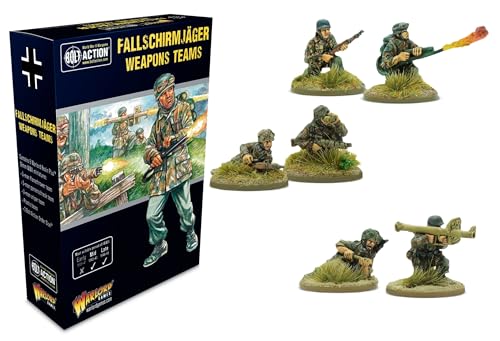
- ARS Mark9.2
ARS Mark is a ranking system developed by bestairriflescopes.com. ARS Mark has no relationship or impact from any manufacturers or sales agent websites. Learn more
- BrandWarlord Games

- ARS Mark9.2
ARS Mark is a ranking system developed by bestairriflescopes.com. ARS Mark has no relationship or impact from any manufacturers or sales agent websites. Learn more
- BrandWarlord Games

- ARS Mark8.8
ARS Mark is a ranking system developed by bestairriflescopes.com. ARS Mark has no relationship or impact from any manufacturers or sales agent websites. Learn more
- BrandWarLord

- ARS Mark8.6
ARS Mark is a ranking system developed by bestairriflescopes.com. ARS Mark has no relationship or impact from any manufacturers or sales agent websites. Learn more
- BrandAGM MASTECH

- ARS Mark7.0
ARS Mark is a ranking system developed by bestairriflescopes.com. ARS Mark has no relationship or impact from any manufacturers or sales agent websites. Learn more
- BrandWarlord Games
Last update on 2026-06-13 / Affiliate links / Images, Product Titles, and Product Highlights from Amazon Product Advertising API
What Is A Bolt Action Rifle
Cold air, wet boots, and a long hike through rough terrain can expose weak gear pretty quickly. Plenty of shooters eventually realize flashy features don’t always matter once conditions turn unpredictable. A dependable bolt action rifle keeps attracting attention because it offers consistency, control, and a more deliberate shooting experience. That balance between simplicity and precision explains why bolt actions still remain trusted across hunting camps and long-range shooting ranges.
Why Bolt Action Rifles Still Matter
Speed looks exciting on paper, but precision usually matters more during real shooting situations. A bolt action rifle chambers each round manually, forcing shooters to slow down and focus on every shot. That extra pause often improves trigger discipline and body positioning naturally. Many experienced shooters actually prefer that slower rhythm because it creates better shot consistency.
Mechanical simplicity gives bolt actions another major advantage. Fewer moving parts often mean fewer reliability problems during rough weather or dirty field conditions. Dust, moisture, and freezing temperatures can frustrate more complicated firearm systems surprisingly fast. Bolt action designs generally handle those situations with less drama and fewer maintenance headaches.
Long-range shooters continue relying on bolt actions because stable lockup helps support tighter shot groupings. Small inconsistencies become obvious once distances stretch farther downrange. A rigid action combined with a quality barrel can help improve accuracy and reduce unpredictable movement during firing. That level of consistency matters enormously during precision shooting.
The shooting experience also feels more personal. Cycling the bolt manually creates a satisfying mechanical rhythm between shots. Every movement feels intentional instead of rushed. Plenty of shooters enjoy that connection because it reinforces focus and patience rather than encouraging rapid firing.
How A Bolt Action Rifle Operates
The operation itself stays relatively straightforward once the basic movement becomes familiar. The shooter lifts the bolt handle upward, pulls it backward to eject the spent cartridge, then pushes it forward to chamber the next round. Rotating the bolt downward locks everything securely into place before firing. That manual system creates strong chamber stability and dependable cartridge alignment.
Many modern bolt actions use rotating locking lugs that secure tightly against the receiver. This helps contain pressure safely during firing while supporting consistent shot placement. Stable lockup can reduce unwanted movement that might affect bullet trajectory. Shooters chasing precision usually appreciate that extra consistency.
Controlled-round feed and push-feed systems offer slightly different cycling characteristics. Controlled-round feed designs maintain contact with the cartridge during the loading cycle, which some hunters trust for rough terrain and dangerous game situations. Push-feed systems often feel smoother and slightly simpler mechanically. Both styles continue attracting loyal followings for different reasons.
Maintenance stays refreshingly manageable too. Removing the bolt for cleaning or inspection usually takes only seconds on many rifles. That easier access helps shooters clean moisture, carbon, and debris more effectively after long range sessions or wet hunting trips. Cleaner rifles generally produce more dependable performance over time.
Accuracy Gives Bolt Actions Their Reputation
Precision remains one of the biggest reasons shooters continue gravitating toward bolt action rifles. A stable action paired with consistent ammunition often delivers tighter shot groups at extended distances. Tiny movements inside the rifle can influence bullet placement dramatically once ranges begin stretching farther out. Bolt actions help minimize some of that unnecessary movement.
Barrel design also influences performance more than many newer shooters expect. Heavier barrels reduce vibration and heat buildup during repeated firing, though they add noticeable weight. Lightweight hunting barrels feel easier to carry over long distances but may heat faster during extended shooting sessions. That tradeoff shapes how the rifle behaves outdoors rather than just inside a showroom.
Trigger quality matters just as much as barrel quality. A crisp, predictable trigger break helps shooters maintain steadier aim during firing. Heavy or inconsistent triggers can pull shots off target surprisingly fast, especially during long-range shooting. Better trigger control often improves confidence and shooting rhythm at the same time.
Optics play a massive role as well. Clear scopes improve target visibility, reduce eye strain, and help shooters maintain consistent sight alignment during difficult lighting conditions. Good glass often matters more than exaggerated magnification numbers. Reliable optics support cleaner target acquisition and steadier shooting habits.
Hunting Situations Where Bolt Actions Shine
Real hunting conditions rarely feel comfortable or predictable. Wet brush, cold temperatures, steep hills, and muddy terrain can wear people down quickly. A durable bolt action rifle handles those environments well because the platform stays relatively simple and rugged. Many hunters trust bolt actions precisely because reliability matters more than firing speed in the field.
Large game hunting remains one of the most common uses for these rifles. Popular calibers like .308 Winchester and .30-06 Springfield continue earning respect because they balance recoil, range, and terminal performance effectively. Different environments influence cartridge selection too. Dense forests demand different setups than open plains or mountainous terrain.
Weight becomes a huge factor after several hours outdoors. Heavy rifles may improve stability but can become exhausting during long hikes. Lightweight hunting rifles feel easier to carry, though they sometimes produce sharper felt recoil during firing. Balancing comfort, recoil control, and portability becomes incredibly important during real hunts.
Weather resistance also matters more than many people realize. Moisture, dirt, and freezing air can expose weaknesses in poorly maintained equipment. Bolt action systems usually remain dependable because fewer moving parts interact during operation. That rugged design continues attracting hunters who spend serious time outdoors.
Common Problems New Shooters Face
Many new rifle owners focus heavily on caliber while ignoring rifle fit entirely. A poorly fitted stock can create awkward shoulder positioning and inconsistent eye alignment behind the optic. Small ergonomic problems quickly turn into frustrating accuracy issues during repeated shooting sessions. Proper fit often matters more than raw cartridge power.
Oversized scopes create another surprisingly common issue. Massive magnification numbers sound impressive at first, but excessive zoom often narrows field of view and slows target acquisition. Moderate magnification usually feels more practical for hunting and general-purpose shooting. Clear optics and reliable adjustments matter far more than exaggerated zoom levels.
Cheap ammunition can also create misleading results. Inconsistent powder charges and lower-quality bullets may produce erratic groupings even with an accurate rifle. Plenty of shooters blame the firearm before properly testing different ammunition types. Matching ammunition to the rifle helps reveal its true performance potential.
Rushing shots creates problems too. Bolt action rifles reward patience, controlled breathing, and steady trigger movement. Shooters who slow down often see dramatic improvements in shot consistency. That deliberate pace reinforces discipline and stronger shooting habits over time.
Optics And Accessories Influence Performance
A rifle setup rarely feels complete without dependable optics. Clear scopes improve visibility during low-light conditions and reduce strain during long shooting sessions. Blurry glass can create hesitation and frustration surprisingly fast once distance increases. Reliable optics support better confidence and cleaner shot placement.
Mounting hardware deserves more attention than many shooters give it. Weak scope rings or improperly secured bases may shift zero after recoil or rough handling outdoors. That becomes incredibly frustrating after spending time carefully sighting in a rifle. Stable mounting systems help maintain consistent accuracy across repeated use.
Bipods, slings, and suppressors also shape the overall shooting experience. A comfortable sling makes long hikes easier, especially with heavier rifles. Bipods improve stability during prone shooting positions, while suppressors reduce recoil impulse and noise levels. Each accessory changes handling characteristics in different ways.
To improve aiming consistency and sight alignment habits during outdoor shooting sessions, explore best peep sight for a compound bow setups that support steadier target focus and improved precision. Better sighting habits often translate across multiple shooting disciplines.
Different Rifle Configurations Serve Different Needs
Not every bolt action rifle performs the same way in the field. Lightweight mountain rifles prioritize portability because carrying heavy equipment uphill becomes exhausting quickly. Precision rifles focus more on stability and long-range consistency, often using heavier barrels and reinforced stocks. Those design choices dramatically affect real-world handling.
Short-action and long-action rifles also feel noticeably different during operation. Short actions generally cycle faster and reduce overall rifle length slightly. Long actions support larger cartridges but can add additional weight and bulk. Cartridge choice usually determines which action length makes more practical sense.
Stock material changes the overall feel of the rifle too. Wooden stocks offer classic styling and natural warmth, though moisture and temperature shifts may affect them over time. Synthetic stocks handle rough weather better while requiring less maintenance. Some shooters still prefer the traditional appearance and balance of wood despite those tradeoffs.
Threaded barrels have become increasingly popular in modern rifle designs. Shooters often install suppressors or muzzle brakes depending on recoil preferences and shooting environments. Muzzle brakes reduce recoil but increase blast and noise dramatically. Suppressors soften recoil and sound levels while adding extra weight toward the front of the rifle.
Long Range Shooting Requires Patience
Distance shooting exposes mistakes quickly. Wind drift, breathing control, trigger pressure, and body positioning all influence where the bullet lands. A dependable bolt action rifle supports precision work because it encourages slower, more deliberate shooting habits. That calm pacing often improves mental focus during demanding shots.
Environmental conditions constantly affect bullet trajectory during long-range sessions. Wind changes may push shots several inches off target even at moderate distances. Temperature, elevation, and humidity also influence performance more than many people expect. Skilled shooters spend plenty of time reading conditions before pressing the trigger.
Stable shooting positions become incredibly important too. Bipods, rear bags, and prone setups help minimize unnecessary movement during firing. Small body shifts can alter point of impact significantly once distance increases. Consistent positioning supports better shot repeatability across multiple rounds.
Archery shooters often appreciate similar discipline-focused shooting habits. To improve target consistency and refine precision practice, compare best arrows for compound bow target shooting options that emphasize repeatable performance and steadier aim under pressure. Similar fundamentals often carry across outdoor sports.
Field Awareness Improves Hunting Success
Good shooting skills only solve part of the problem during hunting trips. Movement patterns, terrain changes, and low-light visibility influence success just as heavily. Experienced hunters usually spend more time observing than shooting. Careful positioning often creates cleaner opportunities than rushing through unfamiliar terrain.
Morning and evening conditions can make visibility frustrating without proper preparation. Fog, heavy brush, and changing shadows may hide movement surprisingly well. Strong observation habits help hunters identify subtle details before taking a shot. Patience and awareness frequently matter more than expensive equipment.
Noise discipline also becomes critical outdoors. Loose gear, rushed movement, or careless positioning can alert animals long before the shooter notices them. Bolt action rifles naturally support slower movement because the platform encourages deliberate pacing. That controlled approach often improves overall field awareness.
To sharpen observation habits and improve movement tracking during low-light hunts, explore how to roost a turkey strategies that help identify positioning patterns before sunrise. Better environmental awareness often leads to smarter shot opportunities and less rushed decision-making.
Best Bolt Action Rifle Features For Accurate Shooting
Hours at the range or long days in rough terrain can expose weak rifle setups pretty quickly. A rifle that feels stable on a bench might suddenly become awkward once heavy gear, uneven ground, and changing weather enter the picture. That’s why experienced shooters usually focus on practical performance instead of flashy upgrades alone. A well-balanced bolt action rifle should feel predictable, comfortable, and dependable across different situations.
Barrel Length Changes Rifle Behavior
Short barrels feel easier to maneuver through dense woods, truck interiors, or tight shooting blinds. Long barrels usually provide better velocity and slightly flatter trajectories at extended distances, though they add extra weight up front. Carrying a heavy rifle all day can wear people down surprisingly fast once hills and rough terrain get involved. Balancing mobility and stability becomes one of the biggest tradeoffs shooters face.
Hunting environments influence barrel preferences more than many newer shooters expect. Thick brush often favors compact rifles because shorter barrels move easier around branches and obstacles. Open-country hunting usually benefits from slightly longer barrels that squeeze more velocity from the cartridge. Different setups solve different field problems rather than one configuration beating everything else.
Threaded barrels have also become far more common on modern rifles. Some shooters install suppressors to reduce recoil impulse and noise levels during long shooting sessions. Others add muzzle brakes for better recoil control, especially with larger calibers. Both upgrades change the rifle’s balance and handling characteristics in noticeable ways.
Heat buildup matters too. Thin lightweight barrels heat quickly after repeated firing, which may influence accuracy during extended range sessions. Heavier barrels stay more stable under sustained fire but add significant carry weight outdoors. That compromise between portability and consistent shot placement affects nearly every rifle setup.
Stock Design Impacts Comfort
Rifle fit can make or break the shooting experience. A stock that feels awkward against the shoulder often creates inconsistent cheek weld and poor eye alignment behind the optic. Small ergonomic problems quickly become frustrating after repeated shooting sessions. Better stock geometry supports comfort and steadier shooting posture.
Wooden stocks still attract shooters who appreciate traditional styling and natural balance. They feel warm in cold weather and often carry classic visual appeal that synthetic stocks simply don’t replicate. Still, moisture and temperature shifts can affect wood over time if maintenance gets ignored. Synthetic stocks usually handle rough outdoor conditions with less hassle.
Adjustable stocks continue gaining popularity because shooters rarely share identical body dimensions. Length of pull, cheek height, and recoil pad position all influence shooting comfort. Proper adjustment helps reduce neck strain and awkward positioning during long sessions. Better ergonomics usually improve consistency more than people expect.
Grip texture also matters during wet weather or cold mornings. Slippery stocks become frustrating fast once gloves, sweat, or rain enter the picture. Textured surfaces help maintain control during awkward shooting positions and steep terrain movement. Small details often create the biggest comfort improvements over time.
Scope Setup Mistakes Cause Problems
Optics problems frustrate plenty of rifle owners before they even realize the issue isn’t the rifle itself. Poor eye relief, weak mounts, or improperly leveled scopes can throw off accuracy dramatically. A dependable optic setup should feel natural instead of forcing awkward head movement during aiming. Comfortable positioning helps maintain faster target alignment and steadier shooting habits.
Cheap mounting systems create headaches surprisingly often. Loose rings or unstable bases may shift zero after recoil or rough handling outdoors. Losing zero before a hunting trip feels incredibly frustrating after spending hours practicing at the range. Solid hardware protects both the optic and the shooter’s confidence.
Magnification also deserves realistic expectations. Massive zoom levels sound impressive but often narrow field of view and slow target acquisition. Moderate magnification usually feels more practical for hunting and general shooting applications. Clear glass and reliable adjustments matter far more than oversized magnification numbers.
To improve optic stability and maintain consistent sight alignment, explore best scope mounts for marlin 336 setups that help reduce movement and support cleaner shot placement. Strong mounting systems often solve accuracy frustrations faster than expensive rifle upgrades.
Caliber Selection Affects Shooting Comfort
Many newer shooters assume bigger calibers automatically mean better performance. Reality feels more complicated once recoil enters the picture. Heavy recoil can create flinching habits, slower recovery between shots, and reduced shooting confidence over time. A balanced cartridge often delivers better real-world accuracy than excessive power.
Popular calibers like .308 Winchester and 6.5 Creedmoor remain common because they balance recoil, range, and ammunition availability reasonably well. Smaller calibers often feel easier to shoot accurately during long practice sessions. Larger cartridges may extend range or increase energy but can become tiring after repeated firing. Practical comfort matters more than bragging rights.
Ammunition availability also influences long-term satisfaction with a rifle. Hard-to-find calibers may become frustrating during hunting season or busy market periods. Consistent access to affordable ammunition encourages more practice and skill development. More range time usually improves shooting consistency far more than expensive accessories.
Suppressors and recoil pads can soften felt recoil noticeably too. Reduced recoil often helps shooters stay focused on fundamentals instead of anticipating discomfort. Better recoil management also supports quicker follow-up shots and improved spotting through the optic. Comfort and precision usually work together rather than against each other.
Weather Conditions Change Everything
Range conditions rarely prepare shooters fully for unpredictable outdoor weather. Rain, mud, wind, and freezing temperatures can expose weak gear and poor habits quickly. A dependable bolt action rifle generally handles rough environments well because the platform stays mechanically simple. Fewer moving parts often reduce potential failure points.
Cold weather creates unique challenges during hunting season. Gloves affect trigger feel, frozen moisture may impact optics, and heavy clothing can alter shooting posture unexpectedly. Rifles with textured grips and smooth bolt operation usually feel easier to manage during freezing conditions. Small ergonomic details suddenly become extremely important outdoors.
Moisture control matters more than many people realize. Rust, condensation, and trapped debris can damage neglected rifles over time. Synthetic stocks and corrosion-resistant finishes help reduce maintenance demands after wet hunts or humid conditions. Regular cleaning protects long-term reliability and consistent performance.
Wind affects accuracy dramatically once shooting distances increase. Crosswinds can push bullets several inches off target even at moderate ranges. Experienced shooters spend plenty of time reading grass movement, tree sway, and environmental changes before firing. Environmental awareness often separates rushed shots from cleaner hits.
Shooting Discipline Improves Accuracy
Gear matters, though shooting habits matter even more. Breathing control, trigger pressure, and body positioning all influence bullet placement at distance. A steady shooting routine helps eliminate unnecessary movement during firing. Bolt action rifles naturally encourage patience because every shot requires deliberate cycling.
Dry-fire practice helps many shooters refine trigger control without wasting ammunition. That slower repetition builds familiarity with the rifle while improving muscle memory over time. Consistent practice also reveals ergonomic issues faster than occasional range trips. Tiny adjustments often create major improvements in shot consistency.
Positioning becomes critical once terrain turns uneven or uncomfortable. Prone positions usually provide the most stability, though field conditions don’t always cooperate. Bipods, shooting bags, and natural support points help reduce body movement during difficult shots. Stable positioning supports cleaner trigger breaks and steadier optics.
Mental discipline matters too. Rushed shots often lead to hesitation, flinching, or poor follow-through. Experienced shooters frequently pause, reset breathing, and rebuild positioning before firing again. That calmer approach helps maintain consistency during stressful situations.
Outdoor Skills Matter Beyond The Rifle
Accurate shooting alone doesn’t guarantee success outdoors. Movement awareness, terrain reading, and environmental observation influence hunting results just as heavily. Many experienced hunters spend far more time scouting than actually shooting. Good positioning often creates easier shot opportunities naturally.
Low-light conditions can make target identification difficult without strong observation habits. Shadows, brush movement, and uneven terrain hide details surprisingly well during dawn or dusk. Careful scanning and slower movement help shooters notice subtle environmental changes earlier. Better awareness usually supports smarter decision-making under pressure.
Noise discipline also becomes incredibly important outdoors. Loose gear, rushed movement, or unstable footing may alert wildlife long before a shooter notices them. Bolt action rifles fit naturally into slower hunting styles because the platform rewards controlled pacing. Patience often matters more than firing speed.
Archery hunters frequently apply similar discipline during scouting and shot preparation. To improve broadhead performance and strengthen target consistency during practice sessions, compare best arrows for 65lb bow options that support cleaner flight and steadier accuracy. Similar shooting fundamentals often carry across different outdoor sports.


12 Best 22 Pcp Air Rifle For Hunting of 2026 With Quiet Power

7 Best 22 Pcp Air Rifle Under 300 of 2026 For Backyard Pest Control

10 Best 22 Break Barrel Air Rifles of 2026 For Backyard Pest Control

10 Best 30 Caliber Pcp Air Rifle of 2026 For Medium Game

Top Best 177 Air Rifle Under 100: Budget-Friendly Picks for 2026

How to Safely Reload Shotgun Shells at Home

11 Best Co2 Air Rifle For Pest Control of 2026 To Ensure Humane Dispatch

12 Best Inexpensive Air Rifles of 2026 For Dependable Backyard Accuracy






