
What Is a Bullpup Firearm and Why It Feels Different

What Is a Bullpup Firearm keeps popping up in shooting conversations because the design looks unusual right away. The magazine sits behind the trigger instead of in front of it, which changes the entire feel of the firearm. At first glance, it almost seems backward. Then you pick one up, shoulder it, and suddenly the shorter profile starts making sense in tight spaces, crowded ranges, or vehicle-based situations.
Compact handling sits at the center of the appeal. Traditional rifles often stretch farther forward, especially with longer barrels attached, and that extra length can feel clumsy during movement. A bullpup layout trims overall size while still keeping respectable barrel length, so shooters don't sacrifice velocity as heavily as they would with extremely short carbines. That balance between maneuverability and ballistic performance pulls plenty of attention from people who hate bulky setups but still want stable shooting characteristics.
Weight distribution also changes the experience in ways many people don't expect. Since more of the firearm's mass shifts toward the rear, the front end may feel lighter during target transitions. Some shooters love that quick movement. Others need time to adjust because muscle memory built around standard rifles doesn't instantly translate. That's where opinions split wide open. One person calls it smooth and efficient, while another says it feels awkward for reloads and controls.
Reloading tends to spark the loudest debates. The magazine position sits closer to the body and farther behind the firing hand, which can slow things down until repetition kicks in. Still, familiarity changes everything. Shooters who spend enough time practicing with a bullpup often adapt surprisingly fast, especially once they stop comparing every movement to a conventional platform. Small ergonomic details, like ambidextrous controls and improved trigger systems, have also pushed modern designs much farther than older generations.
Trigger feel used to carry a rough reputation in many bullpup rifles because the linkage system between the trigger and firing mechanism created extra mushiness. Newer engineering has tightened that gap considerably. Some models now offer cleaner breaks and more predictable resets than people expect after hearing old complaints online. That shift matters because poor trigger response can ruin confidence at the range, even if every other feature looks appealing.
Compact firearm design, faster movement indoors, and easier transport continue pushing interest toward bullpup platforms. Hunters moving through dense brush, range enthusiasts working in tighter bays, and people storing firearms in limited spaces often appreciate the shorter footprint. Also, longer barrels inside smaller frames help preserve accuracy potential without turning the rifle into a cumbersome piece of equipment.
Maintenance and customization vary depending on the model. Some bullpups break down quickly and stay surprisingly user-friendly, while others feel more specialized and less forgiving during cleaning or parts replacement. That's the tradeoff people sometimes overlook. A shorter rifle isn't automatically simpler. Careful research matters because ergonomics, trigger quality, magazine compatibility, and optic placement can differ wildly between platforms.

- ARS Mark10.0
ARS Mark is a ranking system developed by bestairriflescopes.com. ARS Mark has no relationship or impact from any manufacturers or sales agent websites. Learn more
- BrandN/A

- ARS Mark9.4
ARS Mark is a ranking system developed by bestairriflescopes.com. ARS Mark has no relationship or impact from any manufacturers or sales agent websites. Learn more
- BrandVEVOR
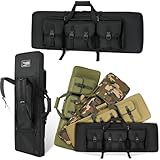
- ARS Mark9.4
ARS Mark is a ranking system developed by bestairriflescopes.com. ARS Mark has no relationship or impact from any manufacturers or sales agent websites. Learn more
- BrandDULCE DOM

- ARS Mark9.2
ARS Mark is a ranking system developed by bestairriflescopes.com. ARS Mark has no relationship or impact from any manufacturers or sales agent websites. Learn more
- BrandDPMS

- ARS Mark9.2
ARS Mark is a ranking system developed by bestairriflescopes.com. ARS Mark has no relationship or impact from any manufacturers or sales agent websites. Learn more
- BrandUmarex

- ARS Mark9.0
ARS Mark is a ranking system developed by bestairriflescopes.com. ARS Mark has no relationship or impact from any manufacturers or sales agent websites. Learn more
- BrandGamo
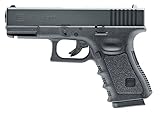
- ARS Mark8.8
ARS Mark is a ranking system developed by bestairriflescopes.com. ARS Mark has no relationship or impact from any manufacturers or sales agent websites. Learn more
- BrandUmarex

- ARS Mark8.8
ARS Mark is a ranking system developed by bestairriflescopes.com. ARS Mark has no relationship or impact from any manufacturers or sales agent websites. Learn more
- BrandRUBY.Q
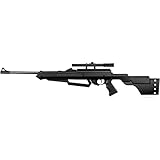
- ARS Mark8.6
ARS Mark is a ranking system developed by bestairriflescopes.com. ARS Mark has no relationship or impact from any manufacturers or sales agent websites. Learn more
- BrandBarra

- ARS Mark8.6
ARS Mark is a ranking system developed by bestairriflescopes.com. ARS Mark has no relationship or impact from any manufacturers or sales agent websites. Learn more
- BrandGamo

- ARS Mark8.4
ARS Mark is a ranking system developed by bestairriflescopes.com. ARS Mark has no relationship or impact from any manufacturers or sales agent websites. Learn more
- BrandCrosman
Last update on 2026-06-10 / Affiliate links / Images, Product Titles, and Product Highlights from Amazon Product Advertising API
What Is A Bullpup Firearm
Long rifles can feel awkward fast. Tight hallways, cramped range lanes, truck storage, and even simple movement around barricades become annoying once extra barrel length starts bumping into everything nearby. That frustration explains why bullpup firearm design keeps grabbing attention from shooters who want a rifle that stays compact without shrinking barrel length too aggressively. The entire setup shifts the action and magazine behind the trigger, creating a shorter overall footprint while still preserving much of the ballistic performance people expect from a full-sized rifle.
Why Bullpup Layouts Feel So Different
The first thing most people notice is balance. A traditional rifle usually places more weight toward the front, but a bullpup firearm keeps more mass closer to the shoulder. That shift changes how the rifle swings between targets and how fatigue builds during extended handling. Some shooters immediately love the tighter feel, while others need range time before the muscle memory settles in.
Reloading also feels unfamiliar at first. The magazine sits farther back, so hand placement changes compared to standard AR-style platforms. Early reloads can feel clunky, especially for shooters who spent years training with conventional rifles. Then repetition kicks in, and suddenly the motions stop feeling strange.
Trigger response often sparks debate too. Older bullpup systems earned criticism because the trigger linkage traveled farther from the trigger shoe to the action. That setup sometimes created a mushier pull. Newer designs improved dramatically, though, and several modern platforms now offer cleaner trigger feel, better reset consistency, and tighter mechanical response than many people expect.
Compact dimensions create another major advantage. A rifle with a full-length barrel but shorter overall size becomes easier to maneuver inside vehicles, narrow trails, and confined shooting spaces. That practicality keeps pushing more shooters toward compact rifle platforms that don't feel oversized during real movement.
Barrel Length Still Matters
Short-barreled rifles may look handy, but reducing barrel length too much can affect velocity, muzzle blast, and ballistic consistency. Bullpup designs approach the problem differently. Instead of cutting the barrel dramatically shorter, they reposition the action farther back into the stock area. That allows shooters to maintain better velocity retention while keeping the rifle compact.
Longer barrels still provide advantages with many calibers. Ammunition often performs more consistently with additional dwell time and stabilized pressure. Bullpup layouts let shooters keep those benefits without carrying a rifle that feels oversized during movement. That's a huge reason military and tactical users started exploring the platform decades ago.
Indoor ranges highlight this difference quickly. Conventional rifles with longer barrels can feel cumbersome while turning corners or transitioning around barricades. Bullpups reduce that awkwardness noticeably. The shorter front profile keeps the rifle tighter to the body, which helps with maneuverability in restricted spaces.
Storage becomes easier too. Rifle cases, vehicle compartments, and safes often accommodate compact layouts more comfortably than long traditional rifles. That convenience sounds minor until somebody spends years trying to fit oversized gear into already crowded setups.
Reload Speed And Handling Tradeoffs
Not every shooter adapts to bullpup reloads right away. Magazine placement behind the grip changes hand movement patterns significantly, and some users never fully enjoy that arrangement. Fast reloads require practice because visual reference points differ from standard rifle platforms. Muscle memory has to rebuild from scratch.
Then again, reload speed alone doesn't define overall effectiveness. Plenty of shooters prioritize handling balance, movement efficiency, and storage convenience over shaving fractions of a second from reload timing. A bullpup often rewards people who value compact control and tighter balance more than traditional manual familiarity.
Control layouts vary heavily between manufacturers too. Some rifles place safety selectors and magazine releases in intuitive spots, while others feel awkward until extensive training smooths everything out. That inconsistency explains why two shooters can walk away from different bullpup platforms with completely opposite opinions.
Optic positioning matters more than many people realize. Since the action sits farther back, cheek weld and eye alignment can feel different depending on the rail height and stock geometry. A properly configured optic setup dramatically improves comfort and target acquisition speed.
Why Bullpups Keep Showing Up In Tactical Discussions
Urban movement changes how rifles perform. Narrow stairwells, vehicles, and confined entry points expose the weaknesses of long front-heavy platforms pretty quickly. Bullpups reduce that burden by shortening the rifle without giving up valuable barrel length. That's why many tactical conversations eventually circle back to compact firearm handling.
Military adoption helped fuel public curiosity as well. Several countries experimented with bullpup service rifles specifically because compact dimensions improved maneuverability for mechanized troops and urban operations. Some programs succeeded. Others struggled due to maintenance issues, training complications, or inconsistent ergonomics.
Civilian interest expanded alongside that exposure. Range enthusiasts started looking for rifles that felt different from the standard AR pattern dominating the market. Bullpups delivered something unique both visually and mechanically. The layout attracts people who enjoy experimenting with alternative rifle configurations rather than repeating the same familiar setup.
Home defense discussions also increased attention around bullpups. Tight indoor movement favors shorter rifles, especially around corners or furniture. Explore compact defensive setups through compound bow for self defense comparisons that also emphasize maneuverability inside restricted spaces.
Trigger Feel Has Changed More Than People Think
Older bullpup triggers developed a rough reputation for good reason. Mechanical linkages stretching from the trigger to the rear action often produced heavier pulls with vague reset points. Shooters complained about inconsistency, sluggish breaks, and lack of precision during controlled shots. Those criticisms still linger online today.
Modern engineering improved the situation quite a bit. Better materials, refined linkage systems, and upgraded trigger packs tightened performance across several newer bullpup models. Some triggers still feel different from premium AR setups, but the gap isn't nearly as dramatic as it used to be. That's an important distinction people miss when relying on decade-old forum opinions.
Practical shooting often matters more than dry-fire impressions anyway. A trigger that feels slightly different on paper may still perform perfectly well during real movement and target transitions. Plenty of shooters adapt after a few range sessions once timing and rhythm settle naturally.
Precision shooting remains more subjective. Some marksmen still prefer traditional rifle triggers for long-distance consistency and fine control. Others prioritize mobility, compact dimensions, and practical handling enough that the trigger tradeoff becomes acceptable.
Bullpup Designs And Recoil Perception
Recoil behavior changes because the rifle balances differently against the shoulder. Bullpups concentrate more weight closer to the shooter's body, which can make recoil impulse feel more centered and controlled. That doesn't automatically reduce recoil energy, but it can change how the movement feels during rapid fire.
Muzzle rise varies between platforms too. Some bullpups stay surprisingly flat during follow-up shots, especially with proper muzzle devices and balanced weight distribution. Others feel slightly more abrupt depending on caliber, stock design, and gas system tuning. No two platforms behave exactly alike.
Cheek weld comfort also matters more than many first-time buyers expect. Since the action sits closer to the face, noise and vibration sometimes feel more noticeable. Certain rifles handle this well with thoughtful stock geometry and recoil management. Others may feel harsher during extended sessions.
Suppressed shooting introduces additional considerations. Bullpups can become louder near the shooter's ear because the chamber sits closer to the head. That's not necessarily a dealbreaker, but hearing protection and gas management become especially important with suppressed configurations.
Compact Storage Changes Daily Convenience
Large rifles become annoying during transport faster than people admit. Long cases eat up trunk space, snag on corners, and complicate storage inside crowded safes. Bullpup rifles reduce those frustrations because the shorter profile fits more naturally into tighter environments.
Traveling to the range often feels easier with compact firearms. Smaller cases slide into vehicles without forcing awkward angles or seat adjustments. Apartment storage benefits too, especially for owners dealing with limited closet or safe capacity.
Outdoor movement highlights the difference immediately. Dense brush, uneven terrain, and crowded shooting lanes expose every inch of unnecessary rifle length. Bullpups reduce front-end bulk while preserving useful barrel length for stability and velocity. That balance appeals strongly to shooters who spend significant time moving rather than bench shooting.
Compact dimensions also influence sling comfort. Rifles with shorter forward sections tend to swing less awkwardly while walking or transitioning between positions. Compare storage-friendly gear setups through best airsoft rifle configurations that also prioritize maneuverability and compact handling.
Training Matters More Than Rifle Style
A bullpup won't magically improve shooting skill. People sometimes buy unconventional platforms expecting instant performance upgrades, then feel disappointed once the novelty wears off. Real improvement still depends on practice, consistency, and familiarity with the controls.
Dry-fire repetitions help tremendously with bullpup adaptation. Magazine changes, safety manipulation, and shoulder transitions all become smoother once repetition removes hesitation. Early awkwardness fades much faster when shooters commit to deliberate practice instead of comparing every motion to a standard rifle.
Shoulder switching deserves special attention too. Certain bullpup models handle ambidextrous shooting gracefully, while others require configuration changes or eject brass less comfortably for left-handed use. Buyers should research those details carefully before committing to a platform.
Optic placement, sling setup, and stance adjustments also influence comfort more than many people realize. Small ergonomic tweaks often solve complaints that initially seem like major flaws. That's especially true with alternative rifle layouts that reward thoughtful setup rather than rushed assumptions.
Why Bullpups Divide Opinions So Hard
Some shooters absolutely love bullpups after the first range trip. Others hate them instantly and never revisit the platform again. That split happens because firearm preferences are deeply tied to familiarity, body mechanics, and shooting habits built over years.
Traditional rifle users often prioritize reload familiarity and predictable ergonomics above everything else. Bullpups challenge those habits directly. Shooters who enjoy experimentation usually adapt more easily because they expect the learning curve instead of fighting it.
Range environments influence opinions too. Someone shooting primarily from benches may care less about compact maneuverability than somebody moving through dynamic courses or confined spaces. A rifle's strengths only matter if they actually match the shooter's routine and priorities.
Customization options also affect long-term satisfaction. Traditional AR platforms dominate accessory markets, while some bullpups offer fewer aftermarket upgrades or proprietary components. Researching maintenance, parts availability, and optic compatibility before buying prevents plenty of frustration later.
How Bullpups Compare To Conventional Rifles
Conventional rifles still dominate for good reasons. Familiar ergonomics, massive aftermarket support, and decades of institutional training make them easy to learn and customize. Plenty of shooters simply shoot better with traditional layouts because the controls feel instinctive.
Bullpups fight back with compact efficiency. Keeping a full-length barrel inside a shorter frame solves problems that conventional rifles sometimes struggle with in confined environments. That advantage becomes especially obvious during movement-heavy shooting scenarios.
Maintenance varies depending on design philosophy. Some bullpups disassemble cleanly and stay relatively straightforward. Others involve unusual internal layouts that feel less intuitive during cleaning or troubleshooting. Research matters because not every platform delivers the same ownership experience.
String tension, compact gear storage, and mobility-focused equipment often overlap in outdoor sports. Explore lightweight setups through best string material for recurve bow comparisons that emphasize balance, durability, and efficient handling during active use.
How Bullpup Firearms Compare To Traditional Rifles
Most shooters don't start out looking for a bullpup rifle. Frustration usually pushes them there first. Long barrels feel awkward inside tight shooting bays, front-heavy builds wear down the shoulders during extended sessions, and transporting oversized rifles quickly becomes a hassle. That's exactly where bullpup firearm platforms start making more sense because they solve several space and balance problems without completely sacrificing ballistic performance.
Why Compact Handling Changes The Experience
Movement changes everything. A rifle that feels perfectly manageable at a shooting bench can suddenly feel oversized while weaving around barricades or stepping through narrow spaces. Bullpup layouts reduce that front-end bulk significantly. The shorter footprint keeps the firearm closer to the body, which often makes direction changes smoother and less physically tiring during long sessions.
Dense outdoor terrain also exposes the downside of long rifles pretty quickly. Thick brush, tree limbs, and uneven paths constantly catch extended barrels at the worst possible moments. Bullpups reduce those interruptions because less rifle extends forward beyond the support hand. That compact shape becomes especially helpful for people carrying gear across uneven ground for hours at a time.
Balance plays a huge role too. Traditional rifles often feel nose-heavy once optics, lights, and accessories get attached. Bullpup rifles shift more weight rearward, creating a different kind of handling rhythm. Some shooters adapt immediately and notice less arm fatigue, while others need extra training before the rifle feels natural.
Storage convenience rarely gets enough attention during buying decisions. Compact rifles fit cases, safes, and vehicle compartments more easily than long conventional setups. Small practical details like that matter more than flashy marketing once somebody starts transporting firearms regularly.
Bullpup Ergonomics Take Time To Learn
The controls don't always feel intuitive during the first range trip. Magazine changes happen farther back, safety selectors vary wildly between manufacturers, and shoulder transitions may initially feel awkward. That learning curve frustrates some shooters fast, especially those deeply familiar with AR-style platforms.
Then the adjustment period starts paying off. Repetition gradually smooths out reloads and positioning until the layout stops feeling foreign. Shooters who spend consistent time practicing often realize the ergonomics weren't necessarily bad. They were simply different.
Cheek weld comfort becomes another major factor. Since the chamber and action sit closer to the face, certain rifles feel louder or sharper during firing. Good stock geometry helps reduce that annoyance. Poor design choices, though, can make extended sessions tiring faster than expected.
Optics setup matters even more on compact platforms. Rail height, eye relief, and head position all influence comfort dramatically. Explore precision-focused aiming systems through best peep sight for bow hunting comparisons that also emphasize alignment consistency and repeatable sight pictures.
Trigger Complaints Are Sometimes Outdated
People still repeat old criticism about bullpup triggers online, and some of those complaints came from legitimate issues years ago. Early linkage systems often produced inconsistent trigger pulls with extra travel and vague reset points. Precision shooters especially hated that feeling because clean trigger breaks matter during controlled shots.
Modern platforms improved quite a bit. Better engineering, stronger materials, and refined linkage systems tightened trigger response on many newer bullpup rifles. Some still feel different from premium AR triggers, but the difference isn't nearly as dramatic as older forum discussions suggest.
Practical shooting tells a more complete story than dry-fire impressions alone. A trigger that initially feels unusual may still perform reliably once movement, recoil management, and target transitions enter the equation. Real-world handling often matters more than obsessing over tiny differences during static comparisons.
Precision-focused shooters still debate the platform heavily. Some prefer the familiar trigger feel of conventional rifles for long-range work. Others prioritize compact handling and mobility enough that slight trigger differences become secondary concerns.
Noise And Recoil Feel Different Up Close
Bullpup rifles place the chamber and action closer to the shooter's face, which changes how recoil impulse and sound are perceived. Certain calibers feel sharper because the mechanical movement happens closer to the ear and cheek. That's not automatically bad, but first-time users often notice the difference immediately.
Suppressors can amplify this effect depending on the rifle design. Gas blowback and chamber noise sometimes feel more noticeable than on traditional rifles. Proper hearing protection becomes especially important during extended sessions with suppressed setups.
Weight distribution can still help control muzzle movement nicely. Some bullpups feel surprisingly stable during rapid strings of fire because the center of gravity stays close to the shoulder. That tighter balance often improves target-to-target transitions in confined shooting environments.
Stock geometry also changes recoil perception. Certain designs spread recoil comfortably across the shoulder, while others create sharper pressure points during repetitive firing. Comfort varies significantly between manufacturers, so platform selection matters more than simply deciding between bullpup or conventional layouts.
Maintenance Feels Different Than Standard Rifles
Disassembly procedures vary more than many buyers expect. Some bullpups break down quickly with simple captive pins and modular internals. Others involve tighter component placement that feels less intuitive during cleaning or troubleshooting.
Compact internal layouts sometimes make deep cleaning slightly more tedious. Accessing certain components may require extra steps compared to traditional rifles with open receiver designs. That doesn't automatically make maintenance difficult, but it changes the ownership experience.
Parts compatibility also deserves attention before buying. AR-platform rifles dominate aftermarket support, while some bullpups rely heavily on proprietary components. Replacement parts, triggers, and accessory mounting solutions may not always be as widely available.
Laser systems, optics, and accessory alignment still play a major role in practical performance. Compare compact aiming upgrades through best laser sight for glock 45 setups that prioritize quick target acquisition and reliable low-light visibility.
Why Some Shooters Never Switch Back
Compact efficiency changes expectations quickly once shooters spend enough time behind a well-designed bullpup. Tight indoor movement feels easier. Vehicle storage becomes less frustrating. Range sessions often involve less shoulder fatigue because the rifle balances closer to the body.
People who train heavily in movement-focused environments usually notice these benefits faster than static bench shooters. Dynamic drills expose the weaknesses of long front-heavy rifles in ways casual range sessions sometimes don't. Bullpups thrive in situations where space becomes limited.
Travel convenience adds another layer of appeal. Smaller rifle cases fit more naturally into crowded vehicles or compact storage setups. That practicality sounds boring compared to flashy specs, but daily convenience influences satisfaction far more than marketing buzzwords.
Then there's the simple reality that some shooters enjoy running something different. AR platforms dominate modern rifle culture, so bullpups naturally attract people who want alternative rifle configurations without stepping into purely novelty territory.
Why Others Still Prefer Traditional Platforms
Traditional rifles remain popular because familiarity matters. Years of muscle memory built around forward magazine wells, standard safety placement, and common manual-of-arms techniques create confidence that many shooters don't want to abandon.
Aftermarket support also heavily favors conventional rifles. Trigger upgrades, rails, stocks, optics mounts, and spare parts are easier to source for mainstream AR-style systems. That flexibility appeals strongly to shooters who constantly tweak and customize their setups.
Competitive shooting environments sometimes favor conventional ergonomics as well. Fast reloads and highly refined controls give experienced shooters an edge when every fraction of a second counts. Bullpups can absolutely perform well, but they may require more dedicated adaptation.
Left-handed compatibility creates another dividing line. Some bullpups handle ambidextrous use gracefully, while others eject brass in ways that make shoulder transitions awkward or uncomfortable. Researching those limitations before purchase prevents expensive disappointment later.
Realistic Expectations Matter More Than Hype
Internet discussions often push firearm platforms into extremes. One side claims bullpups solve every handling issue imaginable. The other side acts like they're unusable gimmicks. Reality sits somewhere in the middle.
A good bullpup rifle can feel incredibly efficient for shooters prioritizing compact movement, storage convenience, and balanced handling. A poorly designed one can feel awkward, noisy, and frustrating during reloads or maintenance. The platform itself isn't magic. Execution matters.
Hands-on range time tells the truth faster than endless online debates. Some shooters instantly connect with rear-balanced handling and compact ergonomics. Others pick up the rifle, run a few drills, and realize conventional platforms still suit them better.
That split in opinion probably won't disappear anytime soon. Bullpup rifles challenge decades of standard rifle habits, and strong habits don't change overnight. Still, shooters willing to adapt often end up appreciating compact rifle performance in ways they never expected before trying the platform seriously.


12 Best 22 Pcp Air Rifle For Hunting of 2026 With Quiet Power

7 Best 22 Pcp Air Rifle Under 300 of 2026 For Backyard Pest Control

10 Best 22 Break Barrel Air Rifles of 2026 For Backyard Pest Control

10 Best 30 Caliber Pcp Air Rifle of 2026 For Medium Game

Top Best 177 Air Rifle Under 100: Budget-Friendly Picks for 2026

How to Safely Reload Shotgun Shells at Home

11 Best Co2 Air Rifle For Pest Control of 2026 To Ensure Humane Dispatch

12 Best Inexpensive Air Rifles of 2026 For Dependable Backyard Accuracy






