
What Is a Compound Bow and Why It Feels Different

What Is a Compound Bow becomes a surprisingly common question once traditional bows start feeling tough on the shoulders or inconsistent during practice. Plenty of people step into archery expecting every bow to work roughly the same way, then quickly realize modern compound setups play by different rules. Cams, cables, and pulley systems completely change the shooting experience. That difference isn't just marketing fluff either. It affects draw weight, stability, aiming comfort, and long-session fatigue in a very real way.
Most archers notice the biggest shift during full draw. A traditional bow keeps tension heavy from start to finish, but a compound bow eases pressure once the string reaches its holding point. That "let-off" effect surprises first-timers because the bow suddenly feels easier to steady. Hands shake less. Sight alignment improves. Also, longer practice sessions become more manageable without burning out your shoulders halfway through the day.
Accuracy plays a huge role in why compound bows gained traction so quickly. The pulley system helps maintain consistent arrow speed while stabilizers and sights improve shot control. Small mistakes still matter, sure, but the setup gives more room for correction than older bow styles. That's why many people who struggled with target grouping suddenly tighten their shots after switching to a compound bow. Confidence rises fast once arrows stop scattering all over the target face.
Comfort matters more than most beginners expect. Long practice sessions with the wrong bow can leave fingers sore, elbows stiff, and shoulders barking the next morning. Compound systems reduce a lot of that strain through mechanical efficiency rather than brute force. So instead of fighting the equipment, archers spend more time focusing on anchor points, breathing rhythm, and release control. Those small improvements stack up quickly.
Size and adjustability also make a big difference. Many compound bows allow changes to draw length and draw weight without replacing the entire setup. That's especially helpful during skill progression because form evolves over time. A bow that felt fine at first may suddenly feel awkward six months later. Adjustable features help avoid that expensive cycle of constantly upgrading equipment before it's actually necessary.
Hunting conversations often bring the topic front and center too. Faster arrow speeds and improved precision give hunters more confidence at moderate distances. Still, compound bows aren't magically easier in every situation. Heavier accessories, maintenance needs, and tuning requirements can frustrate people expecting a grab-and-go experience. Cables need attention. Sights may require adjustments. And yep, poor tuning can wreck accuracy even with expensive gear attached.
Noise and portability create tradeoffs many new archers don't expect. Compound bows tend to carry more moving parts than recurve bows, which means more vibration management becomes important. Stabilizers and dampeners help, but they also add bulk. Carrying a fully rigged bow through dense woods or storing it in tight spaces can become a hassle if the setup gets overloaded with accessories.
What Is a Compound Bow really comes down to one thing: mechanical advantage built around consistency and control. That's the heart of it. The system reduces physical strain while helping shooters maintain steadier aim and cleaner releases. Some people still prefer the simplicity of traditional archery, and honestly, that's fair. But for anyone wanting more forgiveness, stronger precision, and longer shooting comfort, the compound design changes the experience in a noticeable way.

- ARS Mark10.0
ARS Mark is a ranking system developed by bestairriflescopes.com. ARS Mark has no relationship or impact from any manufacturers or sales agent websites. Learn more
- BrandAMEYXGS

- ARS Mark9.6
ARS Mark is a ranking system developed by bestairriflescopes.com. ARS Mark has no relationship or impact from any manufacturers or sales agent websites. Learn more
- BrandGENESIS
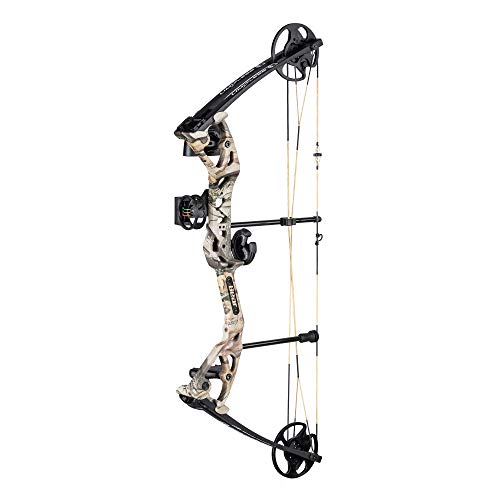
- ARS Mark9.0
ARS Mark is a ranking system developed by bestairriflescopes.com. ARS Mark has no relationship or impact from any manufacturers or sales agent websites. Learn more
- BrandBear Archery
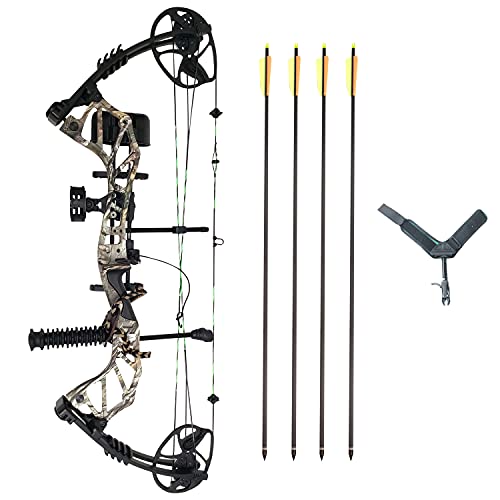
- ARS Mark9.0
ARS Mark is a ranking system developed by bestairriflescopes.com. ARS Mark has no relationship or impact from any manufacturers or sales agent websites. Learn more
- BrandSAS

- ARS Mark8.8
ARS Mark is a ranking system developed by bestairriflescopes.com. ARS Mark has no relationship or impact from any manufacturers or sales agent websites. Learn more
- Brandsanlida

- ARS Mark8.4
ARS Mark is a ranking system developed by bestairriflescopes.com. ARS Mark has no relationship or impact from any manufacturers or sales agent websites. Learn more
- BrandTIETHEKNOT

- ARS Mark8.4
ARS Mark is a ranking system developed by bestairriflescopes.com. ARS Mark has no relationship or impact from any manufacturers or sales agent websites. Learn more
- BrandPANDARUS

- ARS Mark8.0
ARS Mark is a ranking system developed by bestairriflescopes.com. ARS Mark has no relationship or impact from any manufacturers or sales agent websites. Learn more
- BrandLanneret

- ARS Mark7.8
ARS Mark is a ranking system developed by bestairriflescopes.com. ARS Mark has no relationship or impact from any manufacturers or sales agent websites. Learn more
- Brandmotion zeus

- ARS Mark4.6
ARS Mark is a ranking system developed by bestairriflescopes.com. ARS Mark has no relationship or impact from any manufacturers or sales agent websites. Learn more
- BrandS F
Last update on 2026-05-27 / Affiliate links / Images, Product Titles, and Product Highlights from Amazon Product Advertising API
What Is A Compound Bow
Frustration hits fast when arrows keep drifting off target even though your stance feels solid. Sore shoulders, shaky aim, and inconsistent releases can make archery feel way harder than expected. That’s usually the point where people start hearing about the compound bow. Unlike traditional bows that rely heavily on raw holding strength, this modern setup uses cams and cables to reduce strain while improving control during full draw.
Why Compound Bows Feel Easier To Hold
The first thing most people notice is the sudden drop in tension at full draw. A compound bow uses a cam system that creates what archers call let-off. That means the bow might start with 60 pounds of draw weight but only hold around 15 pounds near the anchor point. Arms shake less. Sight pins settle down faster. Long practice sessions stop feeling like a shoulder workout.
That mechanical advantage changes confidence almost immediately. New archers often struggle to maintain proper form because muscles fatigue too quickly. Compound bows reduce that issue enough to let people focus on release timing and consistency instead of simply surviving the draw cycle. The difference feels surprisingly dramatic after only a few arrows.
Stability also improves because the holding phase becomes calmer and slower. Traditional bows demand constant tension from start to finish, while compounds ease that burden near full draw. Plenty of hunters appreciate this during longer waiting periods in a blind or tree stand. Holding steady for an extra few seconds can completely change shot placement.
Still, easier holding doesn’t mean effortless shooting. Poor grip pressure, rushed releases, and bad anchor habits still punish accuracy. A compound bow simply removes some physical barriers that tend to sabotage consistency early on. That balance between assistance and skill development explains why the design became so popular.
How The Cam System Changes Shooting
Cams sit at the heart of every compound bow. These rotating wheels control how force builds and releases during the draw cycle. Some cams feel aggressive with a hard pull upfront, while others stay smoother through the entire motion. That difference matters because comfort directly affects shooting rhythm and confidence.
Single-cam systems usually feel quieter and easier to tune, which appeals to people tired of constant maintenance headaches. Dual-cam bows often deliver faster arrow speeds but may require more precise adjustments over time. Hybrid systems try to balance both worlds by improving synchronization without becoming overly complicated. Every setup comes with tradeoffs.
Arrow speed grabs attention quickly, especially among hunters. Faster arrows flatten trajectory and reduce the amount of holdover needed at longer distances. That sounds fantastic until noise and vibration enter the conversation. Aggressive cams sometimes create harsher shots that feel rough after repeated practice.
Draw cycle personality matters more than marketing slogans. Some bows feel buttery smooth through the pull, while others stack tension sharply near the back wall. Trying different setups often surprises people because advertised specs don’t always match real shooting comfort. A bow that looks perfect on paper may feel awkward after ten shots.
Accuracy Changes People Notice Fast
Consistency improves because compound systems reduce movement during aiming. Less strain at full draw allows steadier sight alignment and cleaner releases. That doesn’t magically create tight groups overnight, but it definitely lowers the physical chaos many beginners fight against. Small corrections become easier to notice and fix.
Release aids also play a huge role in accuracy gains. Many compound shooters use mechanical releases instead of fingers, which helps eliminate inconsistent string contact. Cleaner releases reduce sideways torque on the string. Arrows leave the bow more predictably. Tight grouping suddenly becomes achievable instead of random luck.
Sight systems add another layer of control. Multi-pin sights help estimate distance quickly, especially during hunting scenarios where time disappears fast. Some archers prefer single-pin movable sights for cleaner sight pictures. Others stick with fixed pins because fewer adjustments mean fewer mistakes under pressure.
Then there’s peep alignment. Tiny inconsistencies in anchor position can shift arrows several inches at distance. A properly tuned peep sight improves repeatability by helping archers align their eye consistently every shot. To improve visibility during darker practice sessions, explore low light bow peep sights that maintain a clearer sight picture near sunrise or dusk.
Draw Weight And Real-World Comfort
Heavy draw weights sound impressive until fatigue wrecks shooting form halfway through practice. Plenty of beginners make the mistake of pulling more weight than they can comfortably control. A strained draw usually leads to short drawing, collapsing at release, or shoulder discomfort that lingers for days. Compound bows help, but they don’t erase bad weight choices.
Adjustability solves a lot of early frustration. Many modern compounds allow draw weight reductions without swapping limbs entirely. That flexibility lets archers build strength gradually instead of forcing bad habits through oversized setups. Confidence develops faster when the bow feels manageable rather than intimidating.
Draw length matters just as much. Incorrect draw length creates awkward anchor points and inconsistent posture. Too long, and the shooter overextends while losing control. Too short, and the release feels cramped with reduced power transfer. Proper fit dramatically improves comfort and accuracy at the same time.
Shoulder strain becomes a serious issue when form and weight clash repeatedly. Compound systems reduce holding fatigue, but they still demand healthy mechanics. Smooth shooting comes from alignment, posture, and controlled movement more than brute force. A lighter setup with better technique usually outperforms a heavy bow handled poorly.
Accessories That Change The Experience
A bare compound bow rarely stays bare for long. Stabilizers, sights, quivers, dampeners, and release aids slowly turn simple setups into customized shooting systems. Some accessories genuinely improve consistency. Others mainly add bulk and complexity without much practical payoff.
Stabilizers help reduce vibration and front-end wobble during aiming. Longer stabilizers often improve steadiness but make the bow heavier and less maneuverable in tight hunting spaces. Short hunting stabilizers balance portability with vibration control. The right choice depends heavily on shooting style and environment.
Arrow rests also shape accuracy more than beginners expect. Drop-away rests support the arrow during draw and then move out of the way at release, reducing contact interference. Whisker biscuit rests stay simpler and more durable but may slightly increase arrow friction. Neither option fits every shooter equally well.
Release aids come with learning curves too. Wrist-strap releases feel familiar and straightforward for beginners. Thumb-button releases offer cleaner execution once technique improves. Back-tension releases reward disciplined form but frustrate impatient shooters quickly. Every accessory changes shooting feel in subtle ways.
Common Beginner Mistakes With Compound Bows
Overbowing ruins plenty of early experiences. People often assume higher draw weight automatically means better performance. Then accuracy falls apart because muscles tense up during aiming. A smoother, lighter setup almost always builds stronger shooting habits than forcing oversized poundage too early.
Neglecting tuning creates another headache. Even expensive bows shoot poorly if timing, rest alignment, or nocking points drift out of spec. Paper tuning and broadhead tuning sound technical at first, but they matter for consistent arrow flight. Ignoring tuning issues leads to frustrating misses that feel impossible to explain.
Grip torque sneaks into shots more often than people realize. Twisting the bow slightly during release changes arrow direction immediately. Compound bows respond sharply to inconsistent hand pressure because the setup amplifies tiny errors. Relaxed grip positioning improves consistency far more than squeezing tighter ever will.
Many beginners also chase speed instead of comfort. Fast bows sound exciting in advertisements, but aggressive draw cycles can punish weaker form and increase fatigue. Smooth shooting usually creates better long-term progress than obsessing over feet-per-second numbers. Comfort keeps people practicing longer, and practice sharpens accuracy.
Why Hunters Lean Toward Compound Systems
Bowhunters appreciate the extra control compounds provide during stressful moments. Waiting for the perfect shot angle can take longer than expected, especially with moving animals. Let-off helps archers hold at full draw longer without shaking uncontrollably. That added steadiness matters in real hunting conditions.
Compact axle-to-axle designs also help maneuverability inside blinds or elevated stands. Long traditional bows can feel awkward in tight spaces where movement needs to stay minimal. Compound bows shorten overall length while maintaining strong arrow energy. That combination suits dense woods and narrow shooting windows.
Broadhead accuracy becomes another major factor. Mechanical broadheads and fixed blades perform differently depending on bow tuning and arrow setup. Compound bows generate enough speed and kinetic energy to support a wide range of hunting arrow configurations. Proper tuning still matters, though sloppy setups create inconsistent penetration.
Noise management remains a tradeoff. Faster bows often produce sharper vibrations and louder string noise after release. Dampeners and string silencers help reduce that effect, but completely silent shots don’t exist. Hunters balance speed, forgiveness, and quietness depending on terrain and target species.
How Compound Bows Compare To Recurve Bows
Traditional archery carries a completely different rhythm. Recurve bows feel simpler, lighter, and more connected to raw shooting mechanics. Every pound of draw weight stays active during the hold. That constant tension demands stronger endurance and sharper form discipline than most compound setups.
Compound bows prioritize efficiency and consistency instead. Sights, releases, and let-off systems reduce many physical barriers that frustrate newer archers. Recurve shooters often enjoy the simplicity and instinctive shooting style, while compound shooters lean toward precision and repeatability. Neither approach automatically outranks the other.
Maintenance differs dramatically between the two systems. Recurve bows remain mechanically simple with fewer moving parts to tune or repair. Compound bows require occasional cam timing checks, cable maintenance, and professional press work. That added complexity can frustrate people wanting a low-maintenance setup.
Light poundage practice with recurve equipment still plays a valuable role in skill development. Smooth form work and posture training become easier without excessive draw weight. For archers exploring traditional setups alongside compounds, compare olympic recurve limbs for light poundage archery that encourage cleaner technique and steadier repetition.
Choosing The Right Compound Bow Setup
Marketing hype pushes people toward features they may never actually need. Extra speed, oversized cams, and aggressive draw cycles sound exciting until fatigue or discomfort starts affecting consistency. A comfortable setup that fits properly usually outperforms an overly powerful bow shot poorly. Fit matters more than flashy specs.
Draw length should always come first during setup selection. Poor fit creates awkward posture and inconsistent anchor points that sabotage accuracy fast. Most pro shops measure draw length carefully because even small mistakes affect comfort dramatically. Shooting becomes smoother once the bow actually matches body mechanics.
Budget planning deserves realistic thinking too. Many beginners spend everything on the bow itself and forget arrows, sights, rests, releases, and maintenance costs. Accessories add up quickly. Smart setups prioritize reliable fundamentals instead of chasing every premium attachment immediately.
Starter-friendly bows with wider adjustment ranges often make the best long-term investments. They allow gradual strength growth and technique refinement without forcing immediate upgrades. To compare beginner-focused setups with forgiving draw cycles, explore Hoyt bows for beginners that balance adjustability with manageable shooting comfort.
How Compound Bows Improve Accuracy And Control
Missing shots by only a few inches can drive people nuts, especially after spending hours practicing form and release timing. Plenty of archers blame themselves immediately, even though poor tuning or mismatched equipment often causes the real problem. A properly adjusted compound bow creates more consistent arrow flight because the cam system controls energy delivery more evenly. That smoother transfer helps reduce random inconsistencies that frustrate newer shooters.
Why Tuning Matters More Than People Expect
A bow can feel comfortable in the hand and still shoot poorly if tuning gets ignored. Tiny alignment issues between the arrow rest, cams, and nocking point create weird arrow flight patterns that seem impossible to predict. Left tears, fishtailing, or broadhead drift usually point back to tuning problems rather than bad aim. Getting those details dialed in improves accuracy far faster than endlessly changing shooting form.
Paper tuning remains one of the easiest ways to spot problems early. Shooting through paper exposes how the arrow leaves the bow during release. Clean bullet holes usually mean alignment stays close to correct, while uneven tears signal adjustments are needed. Those small corrections often create tighter groups immediately.
Cam timing also affects shot consistency more than many beginners realize. If one cam rotates slightly ahead of the other, arrow flight can become unpredictable. Some bows tolerate timing imperfections better than others, but synchronization still matters for stable performance. Ignoring timing issues tends to create frustrating misses that appear randomly during practice.
Arrow spine creates another hidden issue. Arrows that flex too much or too little during release won't recover cleanly in flight. Matching spine stiffness to draw weight and arrow length improves stability noticeably. Even strong shooting mechanics struggle if the arrow itself doesn't fit the setup correctly.
How Practice Sessions Go Wrong Fast
Fatigue sneaks into practice sessions long before most people notice it. Shoulders tighten. Grip pressure changes. Anchor points drift slightly without warning. Then arrows suddenly start scattering, and frustration takes over. Compound bows help reduce physical strain, but sloppy practice habits still sabotage progress.
Too many archers shoot nonstop without paying attention to shot quality. Launching fifty rushed arrows rarely improves consistency. Shorter practice sessions with deliberate form checks usually build stronger habits. A calm rhythm often teaches more than grinding through exhaustion.
Target panic creates another problem that catches people off guard. The sight pin floats near the target, panic kicks in, and the release gets punched instead of squeezed smoothly. That rushed reaction destroys clean execution. Slowing down breathing and focusing on controlled release pressure helps calm the shot process.
Lighting conditions also affect aiming more than expected. Indoor ranges feel controlled, but outdoor practice changes constantly through shadows, glare, and fading evening light. Peep visibility can become frustrating during darker shooting conditions. For cleaner sight pictures during low-light sessions, explore best bow peep sight for low light setups that improve visibility without cluttering the sight window.
Arrow Weight And Speed Tradeoffs
Fast arrows grab attention quickly because flatter trajectories reduce distance estimation errors. That benefit feels especially useful during hunting situations where targets rarely stand still for long. Still, lightweight arrows create tradeoffs that many beginners overlook. Increased speed sometimes produces louder shots and harsher vibrations.
Heavier arrows often penetrate better while reducing noise and string shock. The bow tends to feel smoother after release because more energy transfers into the arrow instead of bouncing back into the limbs. Hunters chasing larger game frequently prefer heavier setups for that reason. Comfort and quietness matter just as much as raw speed.
Broadhead tuning becomes more sensitive with lighter arrows too. Tiny alignment issues show up faster because lighter shafts react more aggressively during flight. Heavier arrows usually forgive small tuning flaws a little better. That added forgiveness helps reduce frustration during setup adjustments.
Balance matters more than chasing extreme numbers. Some archers obsess over feet per second while ignoring how the bow actually feels during extended shooting. Smooth execution almost always beats pure speed in real-world conditions. A balanced setup creates more reliable shooting habits over time.
Hunting Situations That Favor Compound Bows
Tree stands and ground blinds create awkward shooting positions that challenge body control quickly. Compound bows help maintain steadier aim during cramped or uneven setups because let-off reduces holding fatigue. Staying calm at full draw becomes easier when the bow isn't fighting back aggressively. That extra control helps shots break cleaner under pressure.
Cold weather introduces another layer of frustration. Thick clothing restricts movement while numb fingers reduce release control. Compact compound designs allow tighter maneuvering in heavy gear compared to longer traditional bows. Smaller axle-to-axle bows fit confined spaces better without constantly snagging branches or blind walls.
Shot timing changes fast during whitetail hunts. Animals rarely stop in ideal positions for long, especially in thicker woods where openings stay narrow. Faster arrow speeds help reduce drop at moderate distances, improving margin for small distance errors. Archers comparing traditional hunting setups alongside compounds often explore best recurve bow for hunting whitetail deer options for a quieter and more instinctive shooting feel.
Noise still matters heavily in hunting situations. Some compound bows create sharper post-shot vibration than expected, especially aggressive speed-focused models. String silencers and dampeners reduce that effect, but no setup becomes perfectly silent. Hunters usually balance speed, comfort, and noise based on terrain and target behavior.
Why Bow Maintenance Gets Ignored
Many archers assume modern bows can survive endless shooting without attention. Then serving separation, stretched cables, or loose accessories suddenly create accuracy problems out of nowhere. Compound bows contain moving systems that slowly shift over time. Ignoring maintenance usually leads to frustrating performance changes right before important hunts or tournaments.
String wax often gets overlooked until fraying becomes visible. Dry strings wear faster and create inconsistent shooting feel. Applying wax regularly helps protect fibers from dirt, moisture, and abrasion. That small habit extends string life more than people expect.
Accessory screws also loosen gradually from vibration. Sight housings, rests, and stabilizers may drift slightly without obvious warning signs. Tiny shifts create noticeable changes in point of impact at longer distances. Quick equipment checks before shooting sessions prevent a lot of unnecessary headaches.
Professional inspections still matter occasionally, especially for heavily used bows. Cam lean, limb stress, or cable wear sometimes develops slowly enough to escape casual observation. Experienced technicians spot those problems early before major failures happen. Preventive maintenance feels boring right up until expensive repairs become necessary.
How Beginners Build Better Shooting Habits
Trying to improve everything at once usually backfires. Grip, anchor position, release pressure, posture, breathing, and follow-through all compete for attention during early practice. Focusing on one adjustment at a time builds cleaner muscle memory. Simpler practice often produces faster improvement.
Blank bale shooting helps isolate form without worrying about target scoring. Shooting at close range removes pressure from aiming and allows archers to focus entirely on execution. Release control and posture become easier to notice without visual distractions. That slower repetition builds stronger consistency.
Video recordings expose bad habits people rarely feel during live shooting. Collapsing shoulders, creeping forward before release, or inconsistent anchor points become obvious on replay. Watching slow-motion footage creates useful feedback without relying entirely on guesswork. Small posture corrections can completely change shot consistency.
Bow fit also shapes long-term comfort more than many people expect. Adjustable beginner-friendly setups often reduce frustration because they adapt as form improves. Archers comparing flexible starter equipment frequently look into best hoyt bow for beginners options that balance smoother draw cycles with manageable tuning requirements.
Mistakes People Make After Buying Better Gear
New equipment creates unrealistic expectations surprisingly often. Archers buy a faster bow or expensive sight system and assume accuracy problems will disappear overnight. Then disappointment hits when poor form still sends arrows wide. Better gear helps consistency, but it can't replace disciplined shooting habits.
Over-accessorizing also creates unnecessary complications. Heavy stabilizers, oversized quivers, complicated sights, and bulky dampeners can turn a balanced bow into an awkward setup. More equipment doesn't always mean more control. Sometimes a simpler configuration feels steadier and easier to manage.
Arrow mismatch remains another common issue after upgrades. New bows often shoot different speeds and draw characteristics that may not pair well with existing arrows. Poor spine selection creates tuning headaches and inconsistent grouping. Matching arrows properly prevents a lot of wasted practice time.
Impatience hurts progress too. Many shooters constantly tweak draw weight, sight settings, or release styles before building consistent fundamentals. Constant changes create confusion instead of improvement. Stable habits usually matter more than chasing every new adjustment immediately.
Comparing Compound Bows With Other Precision Tools
Precision equipment always creates tradeoffs between simplicity and performance. Compound bows lean heavily toward controlled consistency through mechanical assistance. That design feels very different from instinctive shooting methods where simplicity stays front and center. Both approaches demand discipline, just through different skill paths.
Air rifles create a similar conversation around tuning and projectile matching. Pellet weight, barrel harmonics, and sight setup all influence consistency the same way arrow spine and cam timing affect bows. Shooters interested in precision-focused equipment often compare 22 air rifle pellets for pigeons to improve shot stability and cleaner trajectory performance.
Compound bows also reward patience more than brute strength. Smooth execution, controlled breathing, and repeatable mechanics matter far more than forcing power into the shot. That slower learning curve frustrates some people initially, but it creates stronger long-term shooting discipline.
Consistency becomes the real goal over time. Tight groups don't come from random lucky shots. They come from repeatable form, tuned equipment, and calm shot execution under pressure. Compound bows simply provide tools that make that consistency easier to build and maintain.


12 Best 22 Pcp Air Rifle For Hunting of 2026 With Quiet Power

7 Best 22 Pcp Air Rifle Under 300 of 2026 For Backyard Pest Control

10 Best 22 Break Barrel Air Rifles of 2026 For Backyard Pest Control

10 Best 30 Caliber Pcp Air Rifle of 2026 For Medium Game

Top Best 177 Air Rifle Under 100: Budget-Friendly Picks for 2026

How to Safely Reload Shotgun Shells at Home

11 Best Co2 Air Rifle For Pest Control of 2026 To Ensure Humane Dispatch

12 Best Inexpensive Air Rifles of 2026 For Dependable Backyard Accuracy






