
What Is a Dovetail Bow Sight and Do You Need One?

Running into the word dovetail on an archery sight is nothing to stress about. A dovetail bow sight simply uses a sliding extension bar that locks into a wedge-shaped bracket on the bow handle frame instead of bolting flat against it. This setup lets an archer slide the sight forward or backward to change the distance to the pins, and it unlocks quickly without losing your aim.
Choosing one usually comes down to three practical details. Sliding the sight farther out helps the round pin guard line up cleanly inside the peep sight (the small viewing hole in the string). The quick-detach bar also helps anyone who packs a bow into a compact travel case. But that metal extension rail adds noticeable front weight, which some bowhunters dislike during long hikes. Here is how the system works and how to decide if the extra flexibility fits your shooting style.
What makes a dovetail bow sight different?
Most bow sights bolt straight against the side of the bow handle frame. A dovetail bow sight works differently by splitting the mounting system into two separate parts: a base bracket that stays bolted to the bow and a long sliding extension rail that holds your aiming pins.
The name comes from the shape of the rail. The edges of the sliding extension rail flare outward at an angle, resembling the spread tail feathers of a dove. The base bracket has a matching angled slot. When you slide the rail into that slot, the angled edges lock together so the bar cannot twist up, down, or sideways. A thumbscrew, clamping knob, or bolt then squeezes the bracket tight against the rail to freeze it in place.
Handgun shooters often hear the word dovetail and think of a small metal notch cut into a pistol slide. On a compound bow, a dovetail refers to this adjustable sliding extension rail. You can loosen the clamp and slide the sight closer to your face or push it farther out toward the target, changing how you see your pins and how your bow balances.
How does a dovetail compare to a direct mount?
A direct-mount sight bolts flush against the side of the bow handle frame. It uses a short, rigid bracket with fixed bolt slots. Because the bracket has no sliding rail, the round pin guard stays tucked close to the bow.
Direct-mount sights offer great simplicity. They sit close to the riser, keeping the entire setup light, compact, and streamlined. With no long bars sticking out, direct-mount sights rarely snag on branches, tree stand rails, or clothing. They also have fewer moving parts, which means fewer screws that could loosen from bow vibration after thousands of shots. If you hike through dense brush or stalk game in thick woods, a direct mount keeps your bow nimble and easy to carry.
A dovetail sight pushes the round pin guard several inches forward on its sliding extension rail. This shift changes the balance and feel of your bow. Think of it like holding a heavy flashlight. If you hold the flashlight against your chest, your arm stays relaxed and the weight feels light. If you hold that same flashlight at arm's length, your shoulder works harder, but you can point the beam with much smaller, more controlled movements. The extra front weight of a dovetail bar can help settle your pin float on the target, but it also adds noticeable ounces to the front of your bow.
How does moving the sight out improve your aim?
The main reason archers choose a sliding extension rail is peep sight alignment. When you draw your bow to your anchor point, you look through your peep sight, which is the small viewing hole in the string. You line up that circular hole with the round pin guard at the front of your bow.
For consistent accuracy, the round pin guard should fit cleanly inside the viewing hole in your string. You want to see a thin, even ring of daylight all the way around the sight housing. If your sight sits too close to your bow, the housing appears tiny inside your peep. That extra empty space lets your eye wander off-center, causing left and right misses. If your sight sits too far away, the housing appears too large, and the viewing hole cuts off your bubble level or your top yardage pin.
A dovetail sight lets you fix this alignment issue without changing peep apertures. You simply loosen the clamp and slide the extension rail forward or backward until the round pin guard fits cleanly inside your viewing hole. Moving the sight farther out also increases your sight radius, which is the physical distance between your rear peep and your front pins. A longer sight radius makes small aiming errors obvious in your sight picture, helping you learn how to use a bow sight with better accuracy.
Changing the rail position also alters your pin gaps. Pushing the sight farther away widens the visual gap between your yardage pins, making fine aiming easier at longer ranges. Pulling the sight closer narrows the gap between pins, helping archers with shorter draw lengths keep multiple pins inside a small housing.
Can you remove the sight bar for easy travel?
Archery gear takes heavy vibration during travel, and a sight sticking several inches off your bow handle frame is easy to bump or bend. Many molded hard bow cases have shallow lids. If you leave a long sight mounted to your bow, the case lid can press hard against the round pin guard, stripping adjustment gears or snapping fiber-optic pins.
A dovetail sight solves this problem by letting you detach the rail in seconds. You do not need to unbolt the base bracket from the bow handle frame. You simply loosen the clamp, slide the sliding extension rail out of the bracket, and pack the delicate sight head into a padded pouch inside your case.
When you reach your destination, you slide the rail back into the wedge-shaped bracket. As long as you slide it to the exact same position, your bow holds its zero without any resighting. Quality dovetail bars feature laser-etched numbered marks or detent dimples along the rail so you can return to the exact same spot every time.
Here is a quick checklist for removing and remounting your dovetail sight:
- Note the exact position number or line on the sliding extension rail before loosening anything.
- Loosen the main clamping bolt or thumb wheel by two or three turns until the rail slides freely.
- Pull the rail out of the bracket, keeping your fingers clear of the fiber-optic pins and level bubble.
- Store the sight assembly in a soft protective pouch away from heavy gear.
- To reinstall, slide the rail back into the bracket until your reference mark lines up, then hand-tighten the clamp securely.
This quick removal makes dovetail setups popular among hunters packing into tight cases, especially when setting up a bow sight for treestand hunting where transport clearance matters.
Do you actually need a dovetail bow sight?
A dovetail bow sight offers great adjustability, but it is not necessary for every archery setup. Deciding whether to buy one comes down to your shooting style, travel habits, and how much overall weight you want on your bow.
A dovetail sight is a great fit if you:
- Shoot 3D archery or field target events where a longer sight radius helps you spot tiny aiming errors and shoot higher scores.
- Travel frequently with a compact, low-profile bow case that requires you to pack your bow flat.
- Struggle to center your round pin guard inside your peep sight and want an easy way to tune your sight picture.
- Prefer a slightly front-heavy bow that settles into your hand and resists torque at full draw.
You will likely be happier with a direct-mount sight if you:
- Hunt in heavy timber or tight ground blinds where a protruding rail can catch on twigs and vines.
- Hike across steep mountain terrain and want to shave every possible ounce of physical gear weight.
- Shoot a dedicated hunting rig, like a streamlined bow sight for Mathews setup, where direct-mount brackets bolt on flush with the riser.
- Want a simple, budget-friendly setup with fewer moving parts to maintain.
What should you look for before buying one?
If you decide a sliding extension rail fits your shooting style, look for solid materials, dependable clamping, and clear alignment guides. A poorly made dovetail rail can buzz, slip, or flex during the shot, which ruins your arrow flight.
Choose a rail machined from sturdy aluminum or carbon fiber. The extension bar should slide smoothly into the wedge bracket without gritty resistance or side-to-side wobble. Brackets with wide clamping plates or brass shoe inserts press evenly against the rail, preventing the metal from getting gouged or notched over time.
Look for laser-etched lines or numbered reference marks along the rail. These markings let you verify your setting instantly if you take the bar off for transport. Positive detent clicks or locking dimples give you extra confidence that the bar will not creep forward or backward under heavy bow vibration.
Also check for multi-axis leveling adjustments. Extending your sight farther out magnifies any canting or tilt, so having second and third axis adjustments on the sight head ensures your bubble level stays reliable on level ground and steep hunting angles alike.
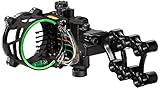
- ARS Mark9.4
ARS Mark is a ranking system developed by bestairriflescopes.com. ARS Mark has no relationship or impact from any manufacturers or sales agent websites. Learn more
- BrandTrophy Ridge

- ARS Mark9.2
ARS Mark is a ranking system developed by bestairriflescopes.com. ARS Mark has no relationship or impact from any manufacturers or sales agent websites. Learn more
- BrandTrophy Ridge
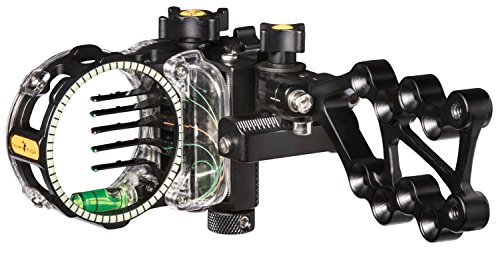
- ARS Mark9.2
ARS Mark is a ranking system developed by bestairriflescopes.com. ARS Mark has no relationship or impact from any manufacturers or sales agent websites. Learn more
- BrandTrophy Ridge
- ARS Mark9.2
ARS Mark is a ranking system developed by bestairriflescopes.com. ARS Mark has no relationship or impact from any manufacturers or sales agent websites. Learn more
- BrandTrophy Ridge
- ARS Mark8.8
ARS Mark is a ranking system developed by bestairriflescopes.com. ARS Mark has no relationship or impact from any manufacturers or sales agent websites. Learn more
- BrandTrophy Ridge
- ARS Mark8.4
ARS Mark is a ranking system developed by bestairriflescopes.com. ARS Mark has no relationship or impact from any manufacturers or sales agent websites. Learn more
- BrandTrophy Ridge

- ARS Mark8.4
ARS Mark is a ranking system developed by bestairriflescopes.com. ARS Mark has no relationship or impact from any manufacturers or sales agent websites. Learn more
- BrandTrophy Ridge
Last update on 2026-10-01 / Affiliate links / Images, Product Titles, and Product Highlights from Amazon Product Advertising API
FAQs
Does a dovetail sight make your bow harder to balance?
It can shift the center of gravity forward because the sight housing sits farther in front of your bow handle frame. Many archers like this forward pull because it helps keep the bow steady at full draw. If the front weight causes the bow to tip forward too quickly, you can balance the setup by adding a short rear stabilizer or sliding the rail closer to the bow.
Will removing the dovetail bar mess up your zero?
No, your zero will stay true as long as you return the rail to the exact same position mark. The base bracket stays bolted to the bow handle frame, so your left-to-right and up-and-down adjustments never change. Just wipe off any dirt or grit from the rail before sliding it back in, as small debris trapped in the bracket channel can tilt the sight.
Can you mount a dovetail sight on any compound bow?
Yes, modern compound bows feature standard threaded accessory holes drilled into the side of the bow handle frame. The mounting bracket of a dovetail sight matches these standard hole patterns. You simply bolt the bracket to the bow frame using the included mounting screws, and the sliding rail is ready to insert.
Why do target archers prefer long dovetail bars?
Target archers use long extension bars to maximize their sight radius. Placing the front pins farther away from the rear peep sight makes any tiny hand wobble or form flaw stand out immediately in the sight picture. That sharp visual feedback helps the archer steady their hold and make cleaner releases for tighter groupings at long distances.


12 Best 22 Pcp Air Rifle For Hunting of 2026 With Quiet Power

7 Best 22 Pcp Air Rifle Under 300 of 2026 For Backyard Pest Control

10 Best 22 Break Barrel Air Rifles of 2026 For Backyard Pest Control

10 Best 30 Caliber Pcp Air Rifle of 2026 For Medium Game

Top Best 177 Air Rifle Under 100: Budget-Friendly Picks for 2026

How to Safely Reload Shotgun Shells at Home

11 Best Co2 Air Rifle For Pest Control of 2026 To Ensure Humane Dispatch

12 Best Inexpensive Air Rifles of 2026 For Dependable Backyard Accuracy






