
What Is a Dovetail Sight and How Does It Mount?

Check the top of the slide or barrel for a small slot cut straight across the steel. That angled channel holds a dovetail sight, an aiming piece built with a wedge-shaped base that slides in sideways to lock securely without screws drilled into the gun. Because the base flares out like a bird's tail, the matching metal lips hold it down tight against recoil.
Finding the right replacement depends on a few specific details. Handguns use unique slot widths and angles that vary by maker, while small rifles often use long parallel grooves along the receiver. The hardware also changes if the goal is a basic iron post or an adapter plate meant to seat a small electronic optic. Matching the cut prevents a loose fit or damaged metal, and the sections below show how these mounts work and how to verify your setup.
Look for the angled wedge shape that locks the sight in place
A dovetail sight gets its name from traditional woodworking. If you look at the corner of an antique wooden drawer, you will notice interlocking pins that flare out like the spread feathers of a dove tail. Gun designers borrowed that exact geometry to solve a mechanical challenge: how to hold an aiming blade firmly on a barrel or slide without drilling screw holes directly through the metal.
The bottom of a dovetail sight has a flared, trapezoid-shaped base that is wider at the bottom and narrower at the top. The slide or barrel features a matching reverse-angled slot cut across its surface. When you slide the sight sideways into this angled slot, the sloping walls trap the sight base. The physical metal above the slot stops the sight from lifting upward or flying off when you fire the gun.
Friction holds the entire setup together. In a proper installation, the sight base is a few thousandths of an inch wider than the slot. Pressing the sight in creates a tight friction fit that locks the metal parts under tension. Because the sight only moves sideways along the cut, it is drift adjustable. That means you can tap it gently to the left or right to change your horizontal point of impact, which shooters call adjusting your windage.
Some dovetail sights also feature a tiny set screw through the top of the blade. This set screw presses down against the bottom of the cut, pulling the flared wings of the sight upward against the angled ceiling of the slot. That clamping force gives you extra security against heavy firearm recoil, but the wedge shape itself does the real structural work.
Distinguish between pistol slide slots and rifle receiver grooves
The word dovetail describes two distinct types of cuts across handguns and long guns. Knowing which style your gun uses keeps you from buying parts that never had a chance of fitting.
On semi-automatic handguns, the dovetail is almost always an angled cross-slot milled directly into the steel slide perpendicular to the barrel. You will find one cross-slot at the rear of the ejection port for the rear sight blade, and often a smaller cross-slot near the muzzle for the front post. Handguns from brands like Glock, Sig Sauer, and Smith & Wesson use cross-slots, though each manufacturer cuts their slots at different angles and depths.
On rifles and airguns, dovetails usually appear in two formats:
- Barrel cross-slots: Traditional lever-action rifles and bolt-action rimfires often feature a small cross-slot cut directly into the steel barrel. A front bead or a rear leaf sight drifts sideways into this slot. Most American rimfires and hunting rifles use a standard 3/8-inch cross-slot for these barrel sights.
- Receiver rail grooves: Many .22 rimfire rifles, pellet guns, and target pistols do not have a cross-slot on the receiver. Instead, they feature two parallel tracks cut lengthwise along the top of the metal frame. These tracks are usually spaced 3/8-inch or 11 millimeters apart. You slide scope rings or red dot clamps directly along these lengthwise tracks from back to front, rather than tapping an iron sight sideways. If you shoot target rimfires, exploring options like finding a red dot sight for Ruger Mark pistols shows how target setups manage these different mounting surfaces.
Both styles share the angled wedge profile, but a cross-slot holds an individual sight blade across the slide, while a receiver groove supports clamp-on optics along the length of the action.
Verify your specific firearm cut before buying any replacement
The single most common mistake shooters make is assuming all dovetails are identical. Dovetail slots have no universal size across the firearm industry. If you purchase a sight cut for one brand and try to press it into another, it will either wobble loosely or crack your slide finish when forced.
Before you place an order for new night sights, a fiber optic blade, or a mounting plate, work through this verification checklist:
- Identify your exact firearm model and generation: A standard full-size Glock uses different rear sight dimensions than a slimline model. Sig Sauer uses specific cuts numbered by sight height, while 1911 pistols use several completely different cuts like Novak, BoMar, or standard military GI profiles.
- Check your factory build specifications: Pull out your owner manual or check the maker website to see the listed cut. For example, American rimfire rifles generally use 3/8-inch cuts, but European sporting rifles frequently use 11mm or 12mm cuts. While 3/8-inch is close to 11mm, the angles differ just enough that the sight will not seat squarely.
- Look for factory optic preparation: If your handgun slide came with a removable metal plate on top secured by vertical screws, you have a factory optics-ready slide cut, not a standard iron sight dovetail. Factory optic cuts sit lower and use dedicated screw patterns.
- Inspect for locking set screws: Look closely at your current rear sight with a bright light. If you see a tiny hex screw in the middle of the notch, loosen that screw completely before attempting to tap or push the sight out of the slot.
Use an adapter plate to mount a red dot into a rear dovetail slot
Many gun owners want the speed of a modern red dot optic but do not want to spend hundreds of dollars sending their pistol slide to a machine shop for custom milling. Dovetail adapter plates solve this problem by turning your existing rear sight slot into an optic platform.
A dovetail red dot adapter is a small metal plate machined with a dovetail wedge on its bottom side and a flat mounting platform on its top side. To install one, you remove your factory rear iron sight blade completely. You then slide the adapter base into the empty rear slot. Once centered, you tighten set screws to clamp the adapter firmly against the slide.
The top of the adapter features a specific footprint, which is the layout of screw holes and raised recoil pins that match an optic base. For example, you can buy an adapter plate cut to match micro open-window sights or compact enclosed tube sights. Once the plate is secured in the slide slot, your red dot bolts directly into the plate from above.
Keep two practical trade-offs in mind when using a dovetail optic plate:
- Higher optic height: Because the plate sits on top of the slide rather than inside a deep milled pocket, your aiming dot sits slightly higher above the bore. You will need to bring the gun up slightly higher to center your visual dot.
- Iron sight backup: Because the plate replaces your rear sight blade, you lose your traditional rear reference notch. If you want backup iron sights visible through the lower half of your optic window, study how shooters set up iron sights for cowitness with red dot sights to see if your firearm can support extra-tall sights alongside an optic plate.
Always secure mounting plate screws with an inch-pound torque tool set to the manufacturer limits, and add a small drop of thread-locking fluid. Handgun slides cycle with intense speed, and proper screw tension keeps your plate from working loose during rapid fire.
Push or tap your dovetail sight safely to protect the finish
Replacing or adjusting a dovetail sight requires steady, controlled sideways force. Hammering a sight with the wrong tools will mar your slide, bend the sight blade, or peen the edges of the metal cut. Follow these steps to adjust or swap your sight safely.
- Clear the firearm completely: Remove the magazine from the gun. Pull the slide back and lock it open. Look inside the chamber and feel with your finger to ensure no cartridge is present. Move all ammunition to another room before touching any tools.
- Disassemble the slide: Remove the slide from the handgun frame so you are working with an empty steel component. If you are working on a rifle, ensure the bolt is removed and the rifle action is held steady in a padded bench vise.
- Loosen any retention hardware: Check the sight for a small set screw located inside or near the rear notch. Use the correct size hex key to back the screw out several turns.
- Choose your tool: The safest tool for handguns is a dedicated sight pusher. A sight pusher is a screw-driven sight clamping tool that cradles your slide between protective blocks and uses a threaded bolt to push the sight sideways with smooth mechanical leverage. If you do not have a sight pusher, use a brass or nylon drift punch and a light hammer. Never strike a sight with a steel punch or standard carpenter hammer, as steel tools will gouge the firearm surface.
- Confirm removal direction: Many firearm slides have a slight taper in the dovetail cut. On most modern handguns, sights are pressed in from right to left and pushed out from left to right (as viewed from behind the gun, looking toward the muzzle). Check your gun manual to verify if your slide has a directional taper.
- Apply steady pressure to the base: Place your punch or sight pusher shoe against the thick lower base of the sight, as close to the slide surface as possible. Do not press against the thin upper wings or fiber optic tubes, or you will snap the sight blade in half. Tap the brass punch lightly and evenly until the sight slides free from the groove.
- Test fit the new sight: Slide the new sight into the groove by hand. It should slide roughly one-third to halfway into the slot under firm finger pressure. If it stops immediately at the edge, the base is slightly oversized. Rub the flat bottom of the replacement sight across 400-grit sandpaper laid flat on a smooth counter to remove a tiny layer of metal. Never file or sand your slide cut.
- Press and center: Push the new sight into the center of the slide using your sight pusher tool or brass drift. Measure the distance from each side of the sight base to the slide edge with calipers or a small ruler to ensure it is centered before tightening your set screw.
Choose the right dovetail sights or optic adapters for your setup
Upgrading a factory dovetail sight solves common shooting frustrations like dim three-dot sights, hard-to-see rimfire beads, or the inability to run a modern aiming dot. When you browse replacement iron sights, fiber optic sets, or red dot adapter plates, focus on the physical build quality and exact firearm compatibility rather than cosmetic features.
For replacement iron sights, look for units CNC-machined from solid steel or aircraft-grade aluminum alloy. Stamped sheet metal sights can deform when pressed into tight slide cuts, while machined steel withstands the friction of installation and years of holster wear. If you choose a fiber optic front sight, pay close attention to blade height. Sights that sit too low or too high relative to your rear blade will shift your elevation clicks so far that you run out of vertical adjustment.
If you are buying a red dot dovetail adapter plate, verify that the plate matches both your slide cut and your optic footprint. Premium mounting plates machined from titanium or hardened aluminum provide rigid support that keeps your zero stable round after round. Check that the plate includes proper locating pins and matching screws so your optic stays locked in place through thousands of recoil cycles.

- ARS Mark9.0
ARS Mark is a ranking system developed by bestairriflescopes.com. ARS Mark has no relationship or impact from any manufacturers or sales agent websites. Learn more
- BrandTRUGLO

- ARS Mark9.0
ARS Mark is a ranking system developed by bestairriflescopes.com. ARS Mark has no relationship or impact from any manufacturers or sales agent websites. Learn more
- BrandTRUGLO

- ARS Mark9.0
ARS Mark is a ranking system developed by bestairriflescopes.com. ARS Mark has no relationship or impact from any manufacturers or sales agent websites. Learn more
- BrandTRUGLO

- ARS Mark9.0
ARS Mark is a ranking system developed by bestairriflescopes.com. ARS Mark has no relationship or impact from any manufacturers or sales agent websites. Learn more
- BrandDPP Titanium

- ARS Mark9.0
ARS Mark is a ranking system developed by bestairriflescopes.com. ARS Mark has no relationship or impact from any manufacturers or sales agent websites. Learn more
- BrandATG
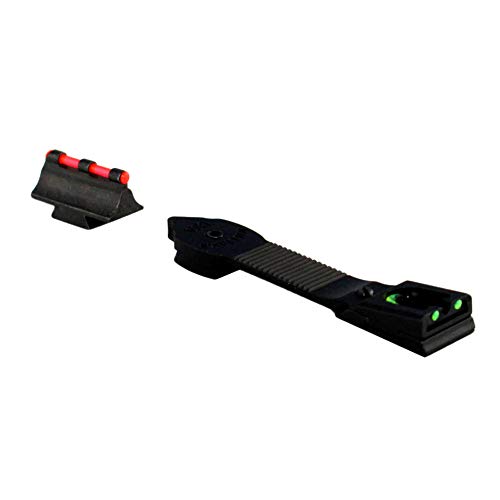
- ARS Mark8.8
ARS Mark is a ranking system developed by bestairriflescopes.com. ARS Mark has no relationship or impact from any manufacturers or sales agent websites. Learn more
- BrandWilliams Gun Sight Company

- ARS Mark8.8
ARS Mark is a ranking system developed by bestairriflescopes.com. ARS Mark has no relationship or impact from any manufacturers or sales agent websites. Learn more
- BrandWilliams
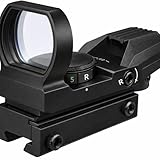
- ARS Mark8.6
ARS Mark is a ranking system developed by bestairriflescopes.com. ARS Mark has no relationship or impact from any manufacturers or sales agent websites. Learn more
- BrandGotical

- ARS Mark8.0
ARS Mark is a ranking system developed by bestairriflescopes.com. ARS Mark has no relationship or impact from any manufacturers or sales agent websites. Learn more
- BrandMAYMOC
Last update on 2026-10-01 / Affiliate links / Images, Product Titles, and Product Highlights from Amazon Product Advertising API
FAQs
What does drift adjustable mean on a dovetail sight?
Drift adjustable means you adjust your horizontal aim by physically tapping or sliding the sight sideways in its slot. Unlike target sights that use small click dials to shift your aim, a drift sight stays stationary until you apply force with a brass punch or sight pusher tool. Moving the rear sight in the direction you want your shots to go centers your windage on the target.
Can I install a dovetail sight at home without a gunsmith?
You can install a dovetail sight at home if you have the right tools and take your time. A dedicated sight pusher tool makes the job simple and eliminates the risk of hammer marks on your slide. If you only have hand punches, stick to non-marring brass or nylon rods, support the slide in a padded vise, and take the gun to a qualified professional if the sight requires heavy filing to fit.
Will a red dot dovetail adapter plate hold zero under heavy recoil?
A quality red dot dovetail adapter plate will hold zero reliably if it is properly fitted to your slide slot. The plate base must fit tightly enough that it cannot wiggle sideways, and the mounting screws must be secured with thread-locking fluid. While direct slide milling sits lower, a properly torqued dovetail adapter provides a dependable optic mount for self-defense and target shooting.
What is the difference between a dovetail cut and a Picatinny rail?
A dovetail cut is a narrow angled slot or groove that holds an individual sight base or small scope clamp through inward wedge tension. A standard Picatinny rail is a raised rail platform with flat sides, angled locking shoulders, and deep crosswise recoil slots spaced at regular intervals. Picatinny rails are wider, handle heavier optics, and use cross-bolts that drop into the rail slots to absorb recoil force.


12 Best 22 Pcp Air Rifle For Hunting of 2026 With Quiet Power

7 Best 22 Pcp Air Rifle Under 300 of 2026 For Backyard Pest Control

10 Best 22 Break Barrel Air Rifles of 2026 For Backyard Pest Control

10 Best 30 Caliber Pcp Air Rifle of 2026 For Medium Game

Top Best 177 Air Rifle Under 100: Budget-Friendly Picks for 2026

How to Safely Reload Shotgun Shells at Home

11 Best Co2 Air Rifle For Pest Control of 2026 To Ensure Humane Dispatch

12 Best Inexpensive Air Rifles of 2026 For Dependable Backyard Accuracy






