
What Is a Ghost Ring Sight and How Does It Work?

Look directly past the rear metal circle and keep your eyes locked on the target ahead. Doing this shows how a ghost ring sight works: the wide circular opening blurs and nearly disappears like a ghost, while your eye naturally centers the front post inside it. This setup trades tiny bullseye precision for raw speed, helping you line up shots without fussing over rear notches.
How well this setup serves you depends on your firearm and your shooting goals. Shotguns and handy carbines gain the most because the wide ring thrives at close to medium distances where fast target pickup matters most. The open ring also lets in plenty of natural light during dawn or dusk, unlike tiny target peep sights. Handguns can use them too, though they take some practice. Here is how the design works and how to tell if it fits your firearm.
Why Is It Called a Ghost Ring Sight?
A ghost ring sight is an iron sight made of two main parts: a rear viewing ring and a front aiming blade. The rear viewing ring (often called an aperture) sits near the back of the firearm, closest to your eye. The front aiming blade (often called a front post) sits near the muzzle end of the barrel. When you shoulder the firearm, the rear ring sits just two inches from your eye.
The name comes from how your vision works when looking through that circular opening. Your eye cannot focus on an object two inches away while also focusing downrange. Because the ring is so close to your face, the rim blurs completely out of focus. Ghost ring designs also feature a thin outer metal wall rather than a thick disc.
Because the rim is thin and blurred, it practically disappears. It turns into a faint, translucent gray ring that you can see straight through, just like a ghost. You see the entire target area clearly, with the sharp front aiming blade centered inside a ghostly halo. The rear ring guides your aim without blocking your view of what happens around your target.
Holding a thin wire loop near your eye while looking across the room creates the same effect. The wire blurs into a faint haze you see right through. That is exactly how the ghost ring functions.
How Does Your Eye Center the Front Post?
New shooters often worry that a wide rear opening will cause them to miss. With standard notch sights, failing to center the front blade properly throws your shot off target. It seems natural to assume that a large circular opening leaves too much room for error. But ghost ring sights rely on human eye biology rather than slow mechanical alignment.
Your eye and brain possess a natural optical reflex called concentric alignment. When you look through a circular opening, your eye automatically seeks the area of greatest light. In any circle, the brightest and most balanced light sits dead center. Your brain detects this balance without conscious effort.
When you raise your firearm, your eye naturally draws the tip of the front aiming blade into the center of that blurry rear ring. You do not need to measure the space around the blade. You simply place the front post on your target, and your eye handles centering behind the scenes.
Trying to force this alignment is the most common mistake shooters make. If you stop looking at the target and try to stare at the rear ring, the ring sharpens, the target blurs, and your aim slows down. Your visual system centers the sight picture in milliseconds, but only if you let the rear ring remain blurry.
How Does It Differ From Other Iron Sights?
Iron sights fall into a few clear categories, and their designs serve different shooting goals.
Standard open sights feature a rear notch shaped like a square, a U, or a V. To aim an open sight, you must align three separate visual points: the rear notch, the front aiming blade, and the target downrange. Because your eye cannot focus at three distances at once, you have to shift your focus back and forth. Open notch sights also block the lower half of your target because the solid rear blade sits directly under your sightline.
Peep sights, common on target rifles, also use a round rear viewing ring, but their opening is tiny, often the size of a pinhole. Target shooters love pinhole peep sights because looking through a tiny hole acts like a pinhole camera aperture. It sharpens both the front post and the bullseye. The downside is that a tiny hole cuts out ambient light and creates severe tunnel vision. Tracking a moving target or shooting in dim light through a pinhole peep is nearly impossible.
A ghost ring splits the difference. It gives you the natural centering speed of an aperture sight, but with a wide opening and a thin rim. This design lets in plenty of light, preserves your wide field of view, and lets you track moving targets easily. You trade away tiny group precision at long range in exchange for speed and situational awareness inside 100 yards.
Which Firearms Work Best With Ghost Ring Sights?
Ghost ring sights work best on firearms built for fast handling, moderate distances, and rapid target acquisition.
- Defensive Shotguns: Ghost rings are a top choice for home defense shotguns. A simple front bead is fast at point-blank range, but past 15 yards with slugs, it leaves room for vertical error. A ghost ring provides rapid aiming while giving you the elevation control needed to hit reliably at 50 to 75 yards.
- Lever-Action and Brush Rifles: Hunters in heavy woods often mount ghost rings on lever-action rifles and carbines. In thick woods, shots happen fast inside 100 yards. The long sight radius (the distance between front and rear sights) on a rifle barrel makes the ghost ring fast to shoulder while retaining solid hunting accuracy.
- Defensive Handguns: Aftermarket manufacturers offer ghost ring sets for popular defensive handguns. On a handgun, your eye sits at arm's length (about 20 to 25 inches away), so the rear ring blurs less than it does on a rifle stock. Even so, many shooters find a circular rear sight much faster to align than a traditional square notch.
- Optic Backup Systems: Ghost rings also serve as dependable backup sights. Shooters often install tall iron sights to achieve co-witness (lining up your backup iron sights through the optic glass) so they can keep shooting if a primary optic fails. You can check the best iron sights for cowitness with red dot sights in 2026 to see how tall backup irons align through open-window sights.
What Is the Proper Way to Aim With One?
Aiming with a ghost ring requires breaking old habits formed on open notch sights. The process should feel smooth, intuitive, and relaxed.
Always handle firearms safely. Clear the firearm chamber, drop the magazine, and physically verify that the gun is completely unloaded before practicing your sight picture.
- Focus on the Target: Lock your visual attention on the exact spot you want to hit. Keep both eyes open if you can. Shooting with both eyes open reduces eye strain and keeps your peripheral vision clear.
- Bring the Firearm Up: Lift the firearm smoothly to your cheek or eye line. Bring the rear viewing ring between your dominant eye and the target. Do not drop your head to hunt for the sights; bring the firearm up to meet your eye level.
- Ignore the Rear Ring: As the firearm settles, you will see a fuzzy, translucent circle. Do not stare at it. Do not attempt to center the front post inside the circle with conscious effort. Trust your eye to find the center automatically.
- Place the Post on Target: Place the crisp top edge of the front aiming blade directly onto your target. Your visual focus should rest on the front post, with the target visible just behind it and the rear ring blurred out.
- Press the Trigger Smoothly: Once the front post covers your aiming point, press the trigger smoothly straight back without disturbing the firearm.
To confirm zeroing (adjusting the sight so your shots land exactly where the blade points at a set distance), visit a shooting range and use the rear sight's left-to-right and up-and-down adjustment click dials. When installing new sights, use an inch-pound torque tool and thread-locking fluid on mounting screws so recoil does not shake the base loose. If you lack sight pusher tools for dovetail mounts, have a qualified gunsmith handle installation.
What Should You Look For in an Upgrade Set?
If you want to upgrade your factory sights to a ghost ring setup, keeping a few key features in mind will help you pick the right kit.
First, consider the build material. Heavy recoil from 12-gauge shotguns and hunting carbines puts constant strain on sight bases. Look for sets machined from durable steel or aluminum rather than molded plastic, ensuring the rear ring stays secure through rough handling.
Second, pay attention to front blade visibility. Because ghost rings rely entirely on tracking the front post, that front blade must stand out in different lighting conditions. High-visibility front posts featuring fiber optic pipes or glowing tritium night sight inserts allow for much quicker target pickup against dark backgrounds.
Third, confirm the mounting pattern for your firearm. Sights install in several ways: some bolt directly to factory receiver screw holes, some attach to standard Picatinny rails, and others press into slide dovetails. Check your specific firearm make, model, and barrel configuration before ordering to ensure a direct fit.

- ARS Mark9.2
ARS Mark is a ranking system developed by bestairriflescopes.com. ARS Mark has no relationship or impact from any manufacturers or sales agent websites. Learn more
- BrandAmeriGlo

- ARS Mark9.0
ARS Mark is a ranking system developed by bestairriflescopes.com. ARS Mark has no relationship or impact from any manufacturers or sales agent websites. Learn more
- BrandAmeriGlo

- ARS Mark8.4
ARS Mark is a ranking system developed by bestairriflescopes.com. ARS Mark has no relationship or impact from any manufacturers or sales agent websites. Learn more
- BrandN/A

- ARS Mark8.2
ARS Mark is a ranking system developed by bestairriflescopes.com. ARS Mark has no relationship or impact from any manufacturers or sales agent websites. Learn more
- BrandWilliams Gun Sight Company

- ARS Mark7.9
ARS Mark is a ranking system developed by bestairriflescopes.com. ARS Mark has no relationship or impact from any manufacturers or sales agent websites. Learn more
- BrandAmeriGlo
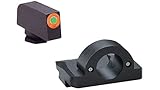
- ARS Mark7.7
ARS Mark is a ranking system developed by bestairriflescopes.com. ARS Mark has no relationship or impact from any manufacturers or sales agent websites. Learn more
- BrandAmeriGlo

- ARS Mark7.6
ARS Mark is a ranking system developed by bestairriflescopes.com. ARS Mark has no relationship or impact from any manufacturers or sales agent websites. Learn more
- BrandAmeriGlo
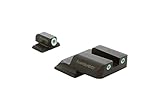
- ARS Mark7.1
ARS Mark is a ranking system developed by bestairriflescopes.com. ARS Mark has no relationship or impact from any manufacturers or sales agent websites. Learn more
- BrandAmeriGlo

- ARS Mark9.5
ARS Mark is a ranking system developed by bestairriflescopes.com. ARS Mark has no relationship or impact from any manufacturers or sales agent websites. Learn more
- BrandAmeriGlo

- ARS Mark7.6
ARS Mark is a ranking system developed by bestairriflescopes.com. ARS Mark has no relationship or impact from any manufacturers or sales agent websites. Learn more
- BrandAmeriGlo

- ARS Mark7.5
ARS Mark is a ranking system developed by bestairriflescopes.com. ARS Mark has no relationship or impact from any manufacturers or sales agent websites. Learn more
- BrandWilliams Gun Sight Company
Last update on 2026-10-01 / Affiliate links / Images, Product Titles, and Product Highlights from Amazon Product Advertising API
FAQs
Can you shoot accurately at long range with a ghost ring sight?
Ghost ring sights perform reliably out to 100 yards, which covers typical defensive shotgun and brush hunting distances. Past 100 yards, the wide rear opening and front aiming blade cover smaller targets. For tiny groups at long distance, a pinhole peep sight or a magnified scope is a better choice.
Why does the rear ring look blurry when aiming?
The rear ring blurs because your eye cannot focus on objects two inches away and fifty yards away at the same time. When the rear viewing ring sits close to your eye, your vision naturally focuses on the front aiming blade and the target. That blur is intentional and allows you to look right through the rear ring without blocking your target.
Can a ghost ring sight work alongside a red dot optic?
Yes, ghost ring sights work well as backup iron sights mounted on the same rail or slide as a red dot. If your electronic optic runs out of battery or suffers damage, you can look through the bottom third of the optic glass and use your ghost ring immediately. You just need to verify that your iron sight height matches your optic mount for a clean co-witness.
Do ghost ring sights work well in low light conditions?
Ghost rings work far better in dim lighting than small target peep sights because the large opening lets in plenty of ambient light. However, you still need to see your front post clearly in poor light. Pairing a wide ghost ring with a bright fiber optic or glowing tritium front blade ensures fast aiming during dawn, dusk, or indoor home defense.


12 Best 22 Pcp Air Rifle For Hunting of 2026 With Quiet Power

7 Best 22 Pcp Air Rifle Under 300 of 2026 For Backyard Pest Control

10 Best 22 Break Barrel Air Rifles of 2026 For Backyard Pest Control

10 Best 30 Caliber Pcp Air Rifle of 2026 For Medium Game

Top Best 177 Air Rifle Under 100: Budget-Friendly Picks for 2026

How to Safely Reload Shotgun Shells at Home

11 Best Co2 Air Rifle For Pest Control of 2026 To Ensure Humane Dispatch

12 Best Inexpensive Air Rifles of 2026 For Dependable Backyard Accuracy






