
What Is a Glock and How Does It Work?

Check whether the item in front of you uses gunpowder or compressed gas before touching anything else. That single detail reveals whether you are dealing with a real powder-burning firearm or a training replica. At its heart, a Glock is a semi-automatic handgun famous for pairing a lightweight polymer plastic frame with a simple internal firing pin instead of an outside hammer. It earned a worldwide reputation for working reliably in harsh conditions without complicated switches or levers.
What this name means in practice depends on how the pistol is powered and sized. Traditional models rely on gunpowder cartridges, while airgun versions use small cylinders of CO2 gas to shoot steel BBs for quiet target shooting. Different model numbers simply indicate the physical size, from full-size duty pistols down to compact frames. Understanding these basic differences clears up the confusion between firearms and airguns so anyone can explore safe target practice with confidence.
What exactly is a Glock?
A Glock is a brand of semi-automatic handgun originally designed in Austria by Gaston Glock. A semi-automatic pistol fires one shot each time you pull the trigger, automatically loading the next round into the chamber from a spring-loaded magazine. Before Glock introduced his design in the early 1980s, handguns were made mostly of heavy steel or aluminum alloy. Glock shifted the industry by molding the lower frame from durable synthetic plastic called polymer.
When people hear polymer, they often imagine brittle plastic that cracks under pressure. Glock used an advanced nylon-based blend that resists extreme heat, freezing cold, sweat, and chemicals. The top slide and barrel are forged from steel, keeping the pressure of firing safely contained. By using a polymer frame, the pistol became much lighter to carry without sacrificing strength.
Another defining feature is its striker-fired design. Traditional handguns often feature an outside hammer cocked with a thumb. When you pull the trigger on a hammer-fired gun, that hammer swings forward to strike a firing pin. A Glock has no outside hammer. Instead, it uses an internal firing pin (called a striker) tucked inside the slide. This hammer-free design gives the pistol a smooth profile that will not snag on clothing or gear.
Why did Glock pistols become so famous?
Glock earned its reputation by firing without failure in extreme conditions. Early military trials showed that these pistols fired reliably after being submerged in mud, frozen in ice, buried in sand, and dropped onto rock. While many traditional steel pistols choked on grit or needed constant oiling, the Glock kept cycling.
Simplicity is the secret behind that reliability. A standard Glock contains only about 34 parts, including the magazine. Older handguns often contained between 50 and 70 small pins, levers, and springs. With fewer moving components, fewer pieces wear out or break. A user can take apart a Glock for cleaning in less than ten seconds without tools.
During the late 1980s and early 1990s, American police departments replaced six-shot revolvers with semi-automatic pistols. Glock offered high-capacity magazines holding 15 to 17 rounds, lightweight frames, and low maintenance. Within a decade, most American law enforcement agencies carried the pistol for daily duty.
Pop culture amplified that success. Movies, television shows, and hip-hop music featured the brand constantly. Over time, the word Glock entered everyday vocabulary. Many people who do not own firearms now use the name Glock to describe any modern black polymer handgun, much like using Band-Aid for an adhesive bandage.
How do real Glocks differ from airgun replicas?
Beginners often see a Glock in a store and wonder whether it is a firearm or an airgun. Real Glocks and licensed air pistols look identical on the outside, but they operate on completely different principles. Understanding this distinction is vital for safe handling.
A real Glock is a firearm powered by gunpowder. When you pull the trigger, the striker hits a primer on a brass cartridge. That primer ignites gunpowder inside the case, creating expanding gas that forces a heavy lead bullet down the barrel at high speed. A firearm creates loud noise, strong recoil, and high kinetic energy meant for defense, duty, or hunting.
A Glock air pistol is powered by a disposable 12-gram CO2 cartridge filled with compressed carbon dioxide. Instead of burning gunpowder, the airgun releases a controlled burst of gas to shoot a small steel BB. These airguns produce minimal noise and light recoil. They function like reliable semi-auto air rifles, allowing you to practice trigger control and sight alignment on backyard targets.
Even though airgun replicas do not use gunpowder, they are not toys. A steel BB leaves the barrel fast enough to pierce skin, cause eye injury, or break glass. Always set up a reliable backstop, such as a thick rubber mulch box or a steel pellet trap, to absorb every shot and stop ricochets. Handle every Glock replica with strict firearm safety rules: keep the muzzle pointed in a safe direction, and keep your finger off the trigger until your sights are on the target.
What do the different Glock model numbers mean?
The numbering system often confuses newcomers. Model numbers like 17, 19, or 43 do not describe caliber, release year, or shot capacity. Instead, they reflect Gaston Glock's patent sequence. The Glock 17 was simply his 17th company patent, which happened to be his first pistol.
Handguns and their airgun counterparts fall into several distinct frame sizes:
- Full-size models (such as the Glock 17): These pistols feature a long grip and slide. They are easy to hold, offer a long sight radius for accurate aiming, and carry the most ammunition. They suit target practice, but their larger size makes them bulkier to carry.
- Compact models (such as the Glock 19): The compact frame has a slightly shorter grip and slide. It fits almost all hand sizes comfortably while being easier to carry. The Glock 19 is widely regarded as one of the most balanced handguns ever made.
- Crossover models (such as the Glock 19X): This design blends a full-size Glock 17 grip with a shorter Glock 19 slide. It provides the full handhold of a duty gun alongside the quick handling of a shorter slide, often finished in coyote tan.
- Subcompact models (such as the Glock 26 and Glock 43): These small models feature short, thin grips designed for deep concealment. While simple to carry, their small size provides less grip area and creates sharper felt recoil.
You will also see labels like Gen3, Gen4, or Gen5, which stand for generations. Gen3 models feature molded finger grooves on the grip. Gen4 models added a rougher grip texture and interchangeable backstraps to fit different hand sizes. Gen5 models removed the finger grooves, added front slide serrations for easier cocking, and introduced optics-ready slide cuts (the Modular Optics System, or MOS) to mount small red-dot sights.
Does a Glock have an external safety switch?
Beginners inspecting a Glock often search for a thumb safety switch on the frame and find nothing there. Many classic handguns feature a lever you flip up or down to lock the trigger. Glock pistols do not use an outside switch. Instead, they rely on an engineered Safe Action system with three internal safeties that work automatically.
The first safety is the trigger safety. A small plastic lever sits inside the center of the trigger face. Unless your finger presses that small lever flat, the trigger is physically blocked from moving backward. If the gun is bumped or dropped, the trigger cannot move back on its own.
The second safety is an internal firing pin block. Inside the steel slide sits a spring-loaded metal pin that blocks the firing pin channel. Even if the gun experiences a heavy drop, the firing pin cannot move forward to strike ammunition. This pin only lifts upward when the trigger is pulled all the way back.
The third safety is the drop shelf. The internal trigger bar rests on a solid metal shelf inside the frame. The firing pin stays partially cocked against this bar, but it cannot release until the trigger is pulled fully to the rear.
Together, these three mechanisms ensure the pistol is drop-safe and fires only when a finger intentionally presses the trigger. But this also means the gun has no manual switch to prevent careless handling. Keeping your handgun secure in proper bedside gun holsters or rigid cases shields the trigger from accidental contact. On licensed Glock airgun replicas, manufacturers include the authentic trigger tab, but they also tuck a small manual sliding switch under the front frame for extra safety during backyard practice.
What kind of Glock air pistol works for home practice?
If you want to build handgun handling skills, practice marksmanship, or enjoy target shooting at home without the noise and expense of live ammunition, an officially licensed Glock air pistol is an effective option. Before choosing an air pistol, check for a few key features that ensure realistic handling and dependable performance.
Look for a model with a metal slide and authentic blowback action. On a blowback airgun, compressed CO2 gas kicks the metal slide backward every time you squeeze the trigger, just like a real firearm cycling a cartridge. This movement creates a realistic snap, requires you to re-acquire your sights between shots, and makes drills feel authentic. Non-blowback models use less gas per shot, but they lack that mechanical motion.
Next, confirm dimensions and weight. Licensed replicas match real dimensions down to fractions of an inch and weigh around 1.5 to 1.7 pounds, matching the feel of a loaded firearm. This exact scale means you can use the same holsters, lights, and pouches that you would use for a firearm.
Check the magazine style as well. The most practical models feature a drop-free magazine that houses both the 12-gram CO2 cartridge and the steel BBs in a single metal unit. Dropping and inserting a full-size magazine builds muscle memory for reloading. If you plan to mount accessories, check for an integrated lower rail, or an optics-ready slide if you want to install a miniature reflex sight.

- ARS Mark9.0
ARS Mark is a ranking system developed by bestairriflescopes.com. ARS Mark has no relationship or impact from any manufacturers or sales agent websites. Learn more
- BrandN/A

- ARS Mark9.6
ARS Mark is a ranking system developed by bestairriflescopes.com. ARS Mark has no relationship or impact from any manufacturers or sales agent websites. Learn more
- BrandGLOCK

- ARS Mark9.4
ARS Mark is a ranking system developed by bestairriflescopes.com. ARS Mark has no relationship or impact from any manufacturers or sales agent websites. Learn more
- BrandLUSOFAE

- ARS Mark9.2
ARS Mark is a ranking system developed by bestairriflescopes.com. ARS Mark has no relationship or impact from any manufacturers or sales agent websites. Learn more
- BrandGLOCK

- ARS Mark9.0
ARS Mark is a ranking system developed by bestairriflescopes.com. ARS Mark has no relationship or impact from any manufacturers or sales agent websites. Learn more
- BrandUmarex
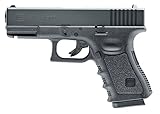
- ARS Mark8.8
ARS Mark is a ranking system developed by bestairriflescopes.com. ARS Mark has no relationship or impact from any manufacturers or sales agent websites. Learn more
- BrandUmarex

- ARS Mark8.8
ARS Mark is a ranking system developed by bestairriflescopes.com. ARS Mark has no relationship or impact from any manufacturers or sales agent websites. Learn more
- BrandUmarex
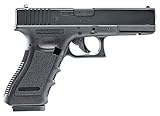
- ARS Mark8.6
ARS Mark is a ranking system developed by bestairriflescopes.com. ARS Mark has no relationship or impact from any manufacturers or sales agent websites. Learn more
- BrandUmarex

- ARS Mark8.6
ARS Mark is a ranking system developed by bestairriflescopes.com. ARS Mark has no relationship or impact from any manufacturers or sales agent websites. Learn more
- BrandUmarex

- ARS Mark8.6
ARS Mark is a ranking system developed by bestairriflescopes.com. ARS Mark has no relationship or impact from any manufacturers or sales agent websites. Learn more
- BrandUmarex

- ARS Mark8.4
ARS Mark is a ranking system developed by bestairriflescopes.com. ARS Mark has no relationship or impact from any manufacturers or sales agent websites. Learn more
- BrandUmarex
Last update on 2026-09-29 / Affiliate links / Images, Product Titles, and Product Highlights from Amazon Product Advertising API
FAQs
Can a Glock air pistol fire real firearm ammunition?
No, a Glock air pistol cannot fire real ammunition. Air pistols are made from lighter metals and polymers designed specifically to channel low-pressure CO2 gas and shoot small steel BBs. The internal chambers, barrels, and firing pins cannot handle explosive gunpowder cartridges, and attempting to modify an airgun to shoot live rounds is dangerous and illegal.
Are Glock air pistols legal to shoot in your backyard?
Whether you can shoot an air pistol in your backyard depends on your local city and county ordinances. Many municipalities classify discharging an airgun the same as discharging a firearm, which prohibits outdoor shooting within city limits. Always check your local police regulations first, and only shoot on private property with a safe backstop that stops BB ricochets.
What does blowback action mean on a Glock BB gun?
Blowback action means the air pistol uses a portion of its compressed CO2 gas to shove the top metal slide backward every time you pull the trigger. This motion copies the cycling slide and light recoil of a real semi-automatic firearm. It resets the internal firing pin and provides an authentic shooting feel, making target practice much closer to handling a real pistol.
How should you store a Glock CO2 air pistol safely?
Store your Glock air pistol unloaded with the magazine removed, kept in a locked storage box out of reach of children. Remove the 12-gram CO2 gas cylinder before storing the pistol for more than a few days, because leaving compressed gas inside crushes and dries out the internal rubber seals. Store your supply of steel BBs and spare CO2 cartridges in a separate, dry location.


12 Best 22 Pcp Air Rifle For Hunting of 2026 With Quiet Power

7 Best 22 Pcp Air Rifle Under 300 of 2026 For Backyard Pest Control

10 Best 22 Break Barrel Air Rifles of 2026 For Backyard Pest Control

10 Best 30 Caliber Pcp Air Rifle of 2026 For Medium Game

Top Best 177 Air Rifle Under 100: Budget-Friendly Picks for 2026

How to Safely Reload Shotgun Shells at Home

11 Best Co2 Air Rifle For Pest Control of 2026 To Ensure Humane Dispatch

12 Best Inexpensive Air Rifles of 2026 For Dependable Backyard Accuracy






