
What is a Good Barometric Pressure for Deer Hunting

Many hunters chase deer for years, yet they overlook one of the biggest game changers, barometric pressure. It’s not just about your gear, your camo, or even your location. The air pressing down on the earth can quietly dictate how deer behave, where they feed, and when they move. Ignoring it is like skipping out on half the story. Hunters who pay attention to barometric pressure shifts often notice a dramatic spike in deer activity. A falling pressure before a storm can stir deer into movement, while rising pressure afterward often keeps them feeding longer in the open. These patterns aren’t random; they’re tied to a deer’s natural survival instinct. For anyone serious about upping their odds, keeping track of this critical factor is as important as your rifle or bow. What’s more, many hunters get tangled up in numbers, obsessing over the exact figure. Yet it’s not the single number but the change in pressure that really sets deer on the move. Whether it’s dropping from 30.2 to 29.8 or climbing back up after a storm, those shifts trigger instincts. That’s where smart hunters gain the edge, blending weather knowledge with timing. Another key insight is that deer often move more during the transitional windows, just before or after weather events, than during stable conditions. This means that tracking pressure is like holding a sneak preview of nature’s script. By aligning your hunts with these signals, you position yourself where the action unfolds. Barometric pressure isn’t just a science term; it’s a secret compass every hunter should use.Ask any seasoned hunter and you’ll hear the same thing: the woods can be full of surprises, but deer rarely move without reason. One of those hidden forces shaping their behavior is barometric pressure. It might sound technical, yet for hunters, it’s pure gold. The way the air presses down on the earth affects not just the weather but also how deer feed, bed, and travel. Think about those crisp mornings after a storm when the forest feels alive and deer seem everywhere. That’s no accident, it’s a response to a rising barometric pressure. On the flip side, the eerie quiet before heavy rain often signals a drop in pressure, and deer hustle to feed before hunkering down. By recognizing these subtle shifts, hunters can turn random luck into well-timed strategy. The beauty of watching barometric pressure trends is that it doesn’t require fancy gadgets, just attention and a bit of planning. The payoff? More sightings, smarter stand time, and the thrill of connecting with deer when they’re most active. It’s not about memorizing numbers; it’s about reading nature’s cues and acting before the moment passes. For anyone serious about stacking the odds in their favor, paying attention to barometric pressure is no longer optional, it’s essential.

- ARS Mark-
ARS Mark is a ranking system developed by bestairriflescopes.com. ARS Mark has no relationship or impact from any manufacturers or sales agent websites. Learn more
- BrandGuide Gear

- ARS Mark9.0
ARS Mark is a ranking system developed by bestairriflescopes.com. ARS Mark has no relationship or impact from any manufacturers or sales agent websites. Learn more
- BrandAcuRite
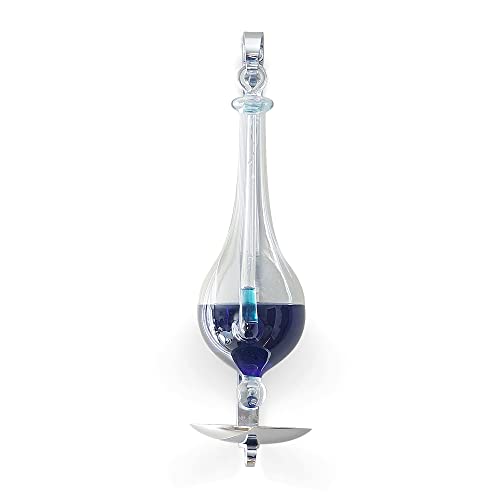
- ARS Mark9.0
ARS Mark is a ranking system developed by bestairriflescopes.com. ARS Mark has no relationship or impact from any manufacturers or sales agent websites. Learn more
- BrandAmbient Weather
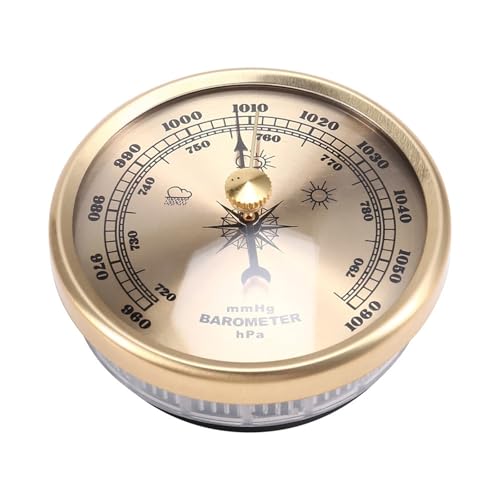
- ARS Mark8.0
ARS Mark is a ranking system developed by bestairriflescopes.com. ARS Mark has no relationship or impact from any manufacturers or sales agent websites. Learn more
- BrandDranvosk

- ARS Mark7.8
ARS Mark is a ranking system developed by bestairriflescopes.com. ARS Mark has no relationship or impact from any manufacturers or sales agent websites. Learn more
- BrandCamco
Last update on 2025-11-07 / Affiliate links / Images, Product Titles, and Product Highlights from Amazon Product Advertising API
Hunters often chase patterns, but one of the most critical factors is hidden in plain sight: barometric pressure. It influences not only deer movement but also how long they stay active. Studies have shown that shifts in air pressure can increase deer activity by nearly 20%, giving hunters a measurable edge. When the air feels heavier or lighter, deer instinctively react to protect their feeding and survival routines.
For hunters frustrated by “quiet woods” days, ignoring barometric pressure trends can be the missing puzzle piece. Stable conditions may lull deer into less movement, while sudden drops or rises stir them into action. A bow or rifle hunter who tracks this factor gains more than luck; they gain predictability. By linking pressure shifts to deer habits, hunters turn random sightings into planned encounters.
Another key benefit of studying barometric pressure is the ability to time hunts around storm systems. A quick drop often signals deer feeding before bad weather, while a rise can draw them out afterward. Rather than wasting hours in unproductive sits, hunters maximize effort where nature gives them the upper hand. This knowledge transforms strategy from trial and error into tactical precision.
Hunters who commit to tracking barometric pressure often find their confidence growing. Instead of second-guessing where deer might be, they build a reliable playbook. And when that buck finally steps out after a storm, the payoff is not just luck, it’s the reward of reading nature’s signals and acting on them.
Deer are highly sensitive creatures, finely tuned to their environment. One important factor that alters their routine is the change in barometric pressure. While humans may barely notice, deer rely on these shifts as cues for feeding and moving. Just as farmers use the sky to forecast weather, deer use atmospheric pressure to guide survival decisions.
A falling barometer tells deer that weather is about to worsen. This instinct sparks them to feed more aggressively before conditions turn rough. Hunters who anticipate this reaction can intercept deer during high-activity windows. By contrast, during stable pressure, deer often retreat to bedding areas, conserving energy until nature signals otherwise.
Scientific studies reveal that deer tend to move most when barometric pressure sits between 29.8 and 30.2 inches of mercury. These mid-range values often accompany transitional weather, which aligns with deer activity peaks. Still, it’s not the number alone, it’s the trend of rising or falling that drives their instincts. Hunters who chase numbers without context risk missing the bigger picture.
To drive the point home, imagine sitting in a stand as the pressure climbs after a storm. The woods seem to “wake up,” birds chatter, and deer step into open feeding grounds. This isn’t chance, it’s the direct impact of pressure shifts that hunters can harness to their advantage.
One of the most powerful advantages in deer hunting comes from aligning hunts with weather patterns. A hunter who knows when pressure is shifting gains a huge step over someone who simply hunts at random. Rising pressure, especially after rain or snow, is one of the most consistent indicators of increased deer activity.
For example, experienced hunters often mark calendars for those post-storm mornings when the air feels crisper. Deer are usually on their feet, feeding longer than usual. This pattern repeats season after season, making it a reliable predictor of success. Conversely, a sudden drop before a storm can be equally rewarding, as deer rush to feed before sheltering.
Still, hunters must balance these insights with location and season. A pressure drop in early fall may drive different behavior than the same drop in midwinter. The key factor lies in combining pressure knowledge with scouting and seasonal patterns. This synergy ensures hunters are not just chasing pressure but aligning it with the deer’s broader rhythm.
By syncing hunt schedules with pressure swings, hunters can cut down on wasted sits. Instead of logging endless hours with little reward, they focus efforts where the odds favor action. That confidence alone is worth as much as the buck on the wall, it fuels persistence and smarter choices.
Many hunters get bogged down chasing a “magic number” on the barometer. They believe success hinges on finding the single best reading. But here’s the truth: it’s not about the exact number, it’s about the change in pressure. Deer respond to the movement of the needle, not a static measurement.
A barometer sitting steady at 30.1 might not trigger much activity, but if it climbs from 29.7 to 30.1 in a few hours, the effect can be profound. That rising trend is what sends deer moving, not the figure itself. Hunters who understand this difference gain a sharper edge over those stuck chasing false absolutes.
Quotes from seasoned hunters echo this wisdom: “I’ve killed my best bucks when the pressure was climbing, not when it was sitting high.” Their experience underscores the importance of trend over number. By watching the rate of change, hunters can better predict deer activity windows.
This myth of the perfect number has led many hunters astray, keeping them in stands when movement is unlikely. Breaking free of this mindset allows hunters to adapt, stay flexible, and hunt smarter rather than harder. That shift in thinking alone can be the difference between empty-handed trips and success stories.
Fortunately, tracking barometric pressure has never been easier. With modern weather apps, handheld devices, and even watches, hunters can monitor pressure shifts in real time. These tools replace guesswork with actionable data, letting hunters plan trips more effectively.
For those who prefer traditional methods, a simple barometer at camp still works wonders. By recording daily readings and noting deer activity, hunters build their own localized “playbook.” Over time, these notes reveal patterns unique to their hunting grounds, sharpening instincts beyond what any chart can provide.
Another tip is pairing pressure data with trail cameras. By syncing timestamps of deer photos with barometric readings, hunters see firsthand how pressure impacts movement. This evidence strengthens decisions, replacing hunches with hard proof.
Above all, the smartest hunters combine tech with experience. They trust the numbers but also listen to the woods. This balance ensures that while they use important tools for guidance, they never lose the instinct that makes hunting such an art.
Not all hunting grounds react the same way to barometric pressure changes. A pressure swing in the Midwest during rut can set deer into a frenzy, while the same swing in the deep South may produce a subtler effect. Regional climate, vegetation, and hunting pressure all influence how deer respond. For hunters, knowing the local pattern is as valuable as knowing the wind.
In colder climates, deer often move more aggressively during rising pressure after snow or sleet. They’re motivated to feed while the weather clears. On the other hand, in warmer regions, deer may use shaded areas to feed during a pressure change, making them harder to spot. Recognizing these differences across regions is a critical edge.
Season also plays a role. During early fall, pressure changes often dictate feeding in crop fields, while late-season deer may favor food plots or acorns. Hunters who adapt their strategies by season and region consistently see more deer. The key is blending barometric insights with boots-on-the-ground scouting.
Ultimately, the smartest hunters don’t just chase numbers; they interpret them through the lens of their terrain. This way, barometric knowledge becomes less about data and more about reading the land like a seasoned storyteller.
Relying only on barometric pressure is like fishing with one hook when you could cast a net. While it’s a powerful predictor, pairing it with other hunting factors multiplies success. Wind direction, moon phases, food sources, and rut timing all work alongside pressure.
For example, a rising pressure paired with a favorable wind can create the perfect storm for deer activity. Add rut activity to the mix, and hunters may find themselves in the middle of an unforgettable sit. This holistic approach means every element supports the other, stacking odds in the hunter’s favor.
Ignoring complementary factors often leads to frustration. A hunter may notice a perfect pressure rise but sit with the wrong wind and spook deer before they arrive. The lesson? Pressure is part of the puzzle, not the entire picture.
The main key is synergy. By weaving together pressure trends with broader patterns, hunters develop strategies that feel almost unfairly effective. This combination transforms a good plan into a consistently successful one.
Numbers tell part of the tale, but nothing drives it home like stories from the woods. Many seasoned hunters swear by barometric pressure trends, and their experiences add weight to the science. One hunter recalled tagging his largest buck after a pressure rise from 29.8 to 30.1 within twelve hours. He described the woods as “alive” compared to the quiet two days before.
Another hunter in the Appalachian region noted that every time the pressure dropped quickly before rain, deer showed up near his stand earlier than usual. His notes over five seasons showed a 30% increase in sightings during these dips. These stories reveal not just patterns but real opportunities hunters can apply.
Listening to veterans provides more than anecdotes; it offers reassurance that barometric insights are worth the effort. When multiple hunters from different regions report the same pressure-linked movements, it confirms that deer instincts are universal, even if local behavior varies.
For newcomers, these stories act as motivation. They prove that investing in pressure tracking isn’t theory, it’s a proven tactic backed by years of boots-on-the-ground experience.
Even with the right tools, many hunters stumble by misreading barometric pressure data. The most common mistake is chasing a “perfect number” instead of watching for changes. Another is focusing on pressure alone while ignoring wind or food availability. Both errors waste valuable stand time.
Another pitfall is failing to record personal observations. Hunters who don’t track pressure alongside sightings miss the chance to build their own playbook. Overreliance on generalized charts often leads to missed opportunities because every piece of land responds a little differently.
Some hunters also fall into the trap of overconfidence. They see a rising barometer and expect guaranteed movement, only to find deer shifting elsewhere due to other factors. Overconfidence blinds them to the nuanced dance between weather and wildlife.
Avoiding these mistakes requires humility, patience, and discipline. By treating pressure as a tool, not a magic wand, hunters remain adaptable and ready to pivot when the woods tell a different story.
The real power of barometric pressure insights comes with time. Recording pressure shifts, deer sightings, and harvests over multiple seasons builds a hunter’s private library of knowledge. This personal database becomes far more valuable than any app or forecast.
With consistent notes, patterns emerge. A hunter might notice that a rising pressure after storms consistently brings deer to certain fields, while falling pressure triggers movement along ridgelines. Over years, this kind of intel is priceless. It transforms hunting into a calculated pursuit rather than a guessing game.
Combining this historical data with modern tools creates the perfect balance of tradition and technology. Hunters learn to trust their notes while fine-tuning predictions with real-time readings. This dual approach strengthens confidence and cuts down wasted effort.
In the end, the important point is commitment. By investing the effort to track and apply barometric pressure knowledge, hunters evolve from casual observers into tactical strategists. And that growth is what leads to not just filled tags, but a richer hunting experience season after season.


12 Best 22 Pcp Air Rifle For Hunting of 2026 With Quiet Power

7 Best 22 Pcp Air Rifle Under 300 of 2026 For Backyard Pest Control

10 Best 22 Break Barrel Air Rifles of 2026 For Backyard Pest Control

10 Best 30 Caliber Pcp Air Rifle of 2026 For Medium Game

Top Best 177 Air Rifle Under 100: Budget-Friendly Picks for 2026

How to Safely Reload Shotgun Shells at Home

11 Best Co2 Air Rifle For Pest Control of 2026 To Ensure Humane Dispatch

12 Best Inexpensive Air Rifles of 2026 For Dependable Backyard Accuracy






