What is a Good Binocular Magnification for You
Choosing the right binocular magnification can feel like trying to pick the perfect pair of shoes—you want something that fits your lifestyle, feels comfortable, and gets the job done without weighing you down. Many first-time buyers believe that the higher the magnification, the better the view. But here’s the catch: too much magnification can actually make the image shaky, reduce brightness, and leave you frustrated instead of thrilled. On the flip side, too little magnification might not give you the detail you crave when spotting birds in the trees, deer on the ridge, or the distant landscape. That’s why the sweet spot usually lies between 8x and 10x binoculars, offering a balance of detail, stability, and ease of use. Outdoor enthusiasts, from weekend hikers to passionate hunters, often ask, “What’s the best magnification for me?” The answer isn’t one-size-fits-all—it’s about your activity, your comfort level, and how steady your hands are. Birdwatchers lean toward 8x magnification for wide views and less shake, while hunters and long-range observers might prefer 10x magnification for spotting details far away. If you’re traveling light or attending sports events, compact binoculars with lower magnification could be your winning choice. The biggest insight is this: picking good binocular magnification is not about numbers alone; it’s about finding a match that aligns with your adventures, your eyes, and your patience. By understanding how magnification affects brightness, steadiness, and field of view, you’ll make smarter choices—and enjoy sharper, steadier, and more satisfying views every single time.
Have you ever lifted a pair of binoculars to your eyes, only to feel disappointed that the image wasn’t as crisp or steady as you hoped? That’s where the puzzle of what is a good binocular magnification comes in. Too many outdoor lovers fall into the trap of thinking that higher numbers automatically equal better performance, but in reality, it’s a balancing act. Magnification affects brightness, steadiness, and the field of view, so choosing the wrong level can turn your adventure into a blurry letdown. For birdwatchers, a wide view with less shake is golden, making 8x magnification a trusted favorite. Hunters and stargazers, on the other hand, often crave those extra details from 10x magnification, though it requires steadier hands or even a tripod. Travelers, sports fans, or casual explorers might discover that a lower magnification gives them a lighter, more comfortable experience. The secret lies in matching the binoculars to your lifestyle, not just chasing bigger numbers. By grasping the core benefits and trade-offs, you’ll see that the right magnification isn’t a rigid rule but a personal choice. And once you find that perfect balance, your binoculars will stop being just a tool—they’ll become the window that connects you more deeply to the world around you.
Many people step into the world of optics thinking that higher magnification equals better viewing. It sounds logical, but in practice, this belief often backfires. Too much magnification narrows the field of view, exaggerates hand shakes, and makes images darker in low light. On the other hand, too little magnification can make details fuzzy and leave you frustrated during outdoor adventures. The sweet spot is usually between 8x and 10x, striking the perfect balance for most activities.
Take birdwatchers, for example. They don’t just want to see a bird—they want to watch how it moves, spot colors on its feathers, and keep it in view as it flits between branches. For them, 8x magnification provides a wider field and less image shake. Meanwhile, hunters might choose 10x binoculars, giving them the edge in spotting deer or elk across long stretches of terrain. It’s not about chasing numbers—it’s about fitting the tool to your task.
Statistics back this up. According to the American Birding Association, over 70% of birdwatchers prefer 8x binoculars, citing comfort and steadiness as critical reasons. For hunters, surveys show a tilt toward 10x because of the need for detail at distance. The big insight? There’s no universal best; the right choice depends entirely on how you use your binoculars.
What becomes clear is that choosing a good binocular magnification is less about “more power” and more about balance, stability, and usability. If your binoculars tire your arms, strain your eyes, or make you miss fast-moving subjects, then the magnification is working against you—not for you.
So where do you draw the line? The debate between 8x vs. 10x binoculars is as old as the gear itself. 8x magnification offers a wider field of view, brighter images, and less shake. This makes them perfect for dynamic situations like birdwatching or sports. In contrast, 10x magnification pulls distant objects closer but also magnifies hand tremors, narrows your view, and may demand a tripod for long sessions.
Imagine sitting at the edge of a forest clearing. With 8x magnification, you see the whole scene—trees, shadows, and a bird darting through the branches. With 10x magnification, you can zoom in on the bird’s eye, but you risk losing sight when it moves suddenly. The difference may seem small on paper, but in the field, it changes your entire experience.
Comfort plays a big role too. A pair of 10x binoculars often feels heavier on long hikes and can strain your neck. Meanwhile, 8x models are easier to carry and stabilize, especially for beginners. If you’re new to optics, starting with 8x might save you headaches and money in the long run.
A quote from a seasoned hunter sums it up best: “I used to think more magnification meant better hunting. But after a few seasons of shaky views and missed shots, I switched to 8x, and my success rate jumped.” The lesson? Good binocular magnification isn’t about bragging rights—it’s about practical results.

One of the most overlooked aspects of binocular magnification is how it impacts brightness and field of view. Here’s the deal: higher magnification narrows your field and makes images darker, especially in dawn or dusk conditions. Why? Because the exit pupil—the beam of light reaching your eyes—shrinks as magnification goes up.
For example, an 8x42 binocular has an exit pupil of 5.25mm, which is ideal for low-light conditions. A 10x42, however, shrinks that to 4.2mm. While it doesn’t sound dramatic, in fading light, that difference can determine whether you clearly see a deer at the tree line or just a moving shadow. Brightness matters, particularly for hunters and birdwatchers who rely on early morning or late evening activity.
Field of view is another casualty of higher magnification. At 8x, you might see 400 feet at 1,000 yards. Switch to 10x, and suddenly you’re down to around 330 feet. That means scanning large areas becomes harder, and tracking moving objects becomes more challenging. For activities like watching a football game, wildlife safaris, or even stargazing, that extra width can feel like a game changer.
The takeaway here? A good binocular magnification balances brightness, field of view, and detail. If your purpose involves wide, dynamic landscapes or fast movement, 8x should be your companion. If your focus is long-distance detail and you don’t mind some trade-offs, 10x has its place. The smart move is matching magnification to the environment where you’ll use it most.
Let’s face it—no matter how steady you think your hands are, binocular shake is real, and higher magnification makes it worse. Every small tremor multiplies through the lenses, turning your view into a jittery mess. That’s why stability is just as important as magnification power.
Think about holding your smartphone to take a photo. Zoom in too far without a tripod, and the image becomes shaky. Binoculars work the same way. At 8x magnification, your natural movements are manageable. At 10x or higher, they become glaringly obvious. This is why professional wildlife watchers often carry tripods or monopods to stabilize their optics.
But not everyone wants to lug around extra gear. If you’re hiking through mountains or strolling along the beach, you need binoculars that you can hold steady with your hands. In such cases, 8x binoculars often win because they’re easier to manage, especially during long viewing sessions.
A study by Outdoor Life found that casual users overwhelmingly reported less eye fatigue and longer comfort using 8x magnification compared to 10x. The result? They spent more time actually enjoying the view and less time fighting with their equipment. That’s the heart of it: a good binocular magnification enhances your experience, not hinders it.
The final question most people ask is: “Which magnification is right for me?” The answer lies in your lifestyle, habits, and expectations. There’s no “one-size-fits-all.” Instead, think about how you’ll use your binoculars most often.
If you’re a birdwatcher, prioritize wider views, brighter images, and less shake—8x magnification is the safer bet. If you’re a hunter, detail matters, and the extra reach of 10x binoculars might give you the edge, especially in open terrain. For travelers and sports fans, lighter and more compact binoculars with lower magnification may be your best friend. And if you’re into stargazing, you might lean on higher magnification but will almost certainly need a tripod.
What’s clear is that your binocular choice should reflect your day-to-day activities. Are you climbing steep trails, sitting quietly in a blind, or casually scanning the horizon? Each lifestyle points toward a different magnification sweet spot.
In the end, what is a good binocular magnification is less about raw power and more about how the tool blends into your life. The right pair doesn’t just magnify the world—it enhances how you interact with it, turning every glance into a richer, more rewarding experience.
One detail that often flies under the radar is eye relief, the distance between your eye and the eyepiece where the image remains clear. If you wear glasses, this factor becomes a game changer. Longer eye relief—typically 15mm or more—ensures you can see the entire field of view without pressing your glasses uncomfortably against the lenses. When magnification climbs, manufacturers sometimes sacrifice eye relief to keep designs compact, which can be a dealbreaker for many users.
Comfort isn’t just about your eyes; it’s about how your body responds to long viewing sessions. Higher magnification binoculars often lead to eye strain, headaches, and fatigue if not paired with the right ergonomic design. Outdoor enthusiasts who spend hours tracking birds, scanning landscapes, or attending sports games quickly discover that magnification is only half the story—comfort is the other half.
Imagine standing at a stadium with binoculars that cut into your nose bridge or demand awkward angles to get a clear view. It doesn’t matter if the magnification is perfect—your enjoyment plummets. The real insight here is that a good binocular magnification works hand-in-hand with comfort, making your adventures last longer and feel more rewarding.
Another critical yet overlooked factor is the exit pupil, which directly influences how bright an image looks. The exit pupil is calculated by dividing the objective lens diameter by the magnification. For example, with 8x42 binoculars, you get a 5.25mm exit pupil; with 10x42, it drops to 4.2mm. This seemingly small difference has a huge impact, especially in dawn, dusk, or shaded forest conditions.
Our eyes naturally dilate up to about 7mm in low light. If the exit pupil of your binoculars doesn’t match this, you lose brightness. That’s why hunters, birders, and stargazers lean heavily toward models with larger exit pupils. Simply put, magnification without adequate light transmission is wasted potential.
The big takeaway is this: binocular magnification and exit pupil must be balanced. Choosing high magnification without considering brightness will leave you frustrated when light fades. On the other hand, a moderate magnification paired with a wide exit pupil delivers crisp, vibrant images that keep you hooked.
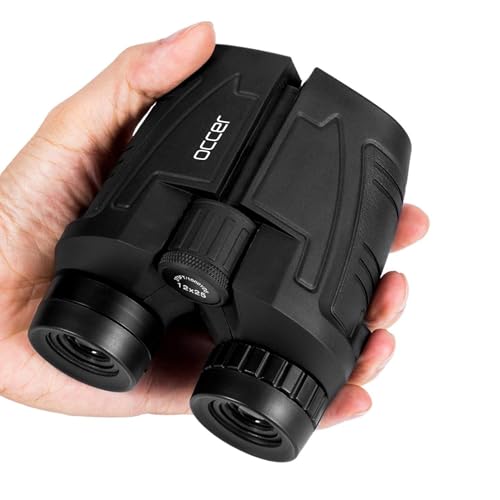
Ask any experienced outdoorsman, and they’ll tell you: field of view (FOV) can make or break your binocular experience. While magnification pulls objects closer, it also narrows how much of the scene you can see. An 8x binocular typically provides a broader FOV, making it easier to scan landscapes and follow movement. A 10x binocular, however, zooms in but sacrifices peripheral vision.
Think of watching a soccer game. With 8x magnification, you see the players, the field, and the overall action. With 10x, you focus tightly on one player but risk losing the big picture. The same applies to birdwatching or wildlife spotting—sometimes you need context, not just detail.
A National Audubon Society survey revealed that over 65% of birdwatchers prefer wider fields of view because they make it easier to track fast-moving birds. The insight? While magnification delivers precision, FOV ensures immersion. And without immersion, your binoculars may feel more like a technical tool than a natural extension of your vision.
Another element tied to good binocular magnification is portability. High-powered binoculars tend to be bulkier, heavier, and harder to carry. If you’re trekking for hours or traveling overseas, every ounce counts. Compact binoculars with moderate magnification often strike a better balance for explorers who value mobility.
For instance, an 8x32 pair can weigh significantly less than 10x50 models, yet still deliver excellent clarity for most casual users. The trade-off comes in low-light performance, but for daytime activities, they’re often the smarter pick. Portability and performance must work together, especially for those who live active, on-the-go lifestyles.
A travel blogger once noted: “Switching from heavy 10x50 binoculars to lighter 8x32s saved my shoulders and doubled my enjoyment on hikes.” That testimonial highlights the reality—magnification means little if carrying your binoculars feels like a burden. Your choice should complement your stamina, not challenge it.
So how do you turn all this knowledge into a decision? Start by asking yourself: Where will you use your binoculars most? If the answer is forests, birding trails, or sports events, lean toward 8x magnification. If it’s wide open spaces, mountains, or long-distance hunting, consider 10x magnification. Always factor in comfort, exit pupil, brightness, and portability alongside magnification.
Test before you buy. Borrow a friend’s pair or visit a store where you can try models side by side. The difference between 8x and 10x feels subtle at first, but once you track a moving object or try steady viewing for ten minutes, the winner becomes clear.
And remember: a good binocular magnification isn’t universal—it’s personal. The best pair isn’t the one with the highest numbers but the one that enhances your experience and fits seamlessly into your lifestyle. Once you find that balance, every view—whether of a bird, a mountain, or a starry sky—feels like stepping into a vivid, living painting.

Top Best Rifle Scopes For 5.56 Under 200 Dollars 2026 - Highly Rated

Best Piston Air Rifles 2026 - 7 picks to buy

Best .22 Air Rifle Pellets for Hunting: Master the Game
Top 10 Best Mid Range Rifle Scopes: Expert Reviews
Top Best Gamo Air Rifles 2026 - (Newtest)
Unleash the Mechanism: The Science Behind Air Rifles

Unveiling the Art of Chatter Bait Fishing

Embrace the Art: How to Hook a Shiner