
What Is a Good Crossbow FPS for Accuracy and Power

Choosing the right crossbow FPS isn’t just about speed, it’s about matching your shooting style, hunting needs, and comfort level. Many beginners get caught up in chasing the highest numbers, thinking more speed always means better performance. But here’s the kicker: a bow that’s too fast can sacrifice accuracy, make cocking harder, and even increase noise that spooks game. On the flip side, going too low can cause bolts to drop quickly, leaving you frustrated when you miss your mark. For hunters, a sweet spot usually lands between 300–370 FPS. This range delivers enough kinetic energy to take down deer-sized game ethically, while keeping the shot manageable and precise. Target shooters, meanwhile, often prioritize consistency over raw power, finding that moderate FPS helps build confidence and accuracy without straining the arms. Another crucial factor is the type of bolts you plan to use, lighter bolts may fly faster but can lose momentum, while heavier bolts may travel slower but pack a serious punch on impact. What makes a crossbow enjoyable isn’t always the advertised speed, it’s the balance between FPS, draw weight, and your ability to control each shot. Going too extreme in either direction often leaves shooters disappointed. By focusing on what you actually need, whether that’s penetration for hunting or precision for target shooting, you’ll avoid the trap of chasing specs that look good on paper but don’t serve you in the field. A “good” FPS, then, isn’t a universal number. It’s the one that feels natural, fits your purpose, and allows you to shoot with confidence every single time.
So, what makes a good crossbow FPS? Ask ten shooters, and you’ll get ten different answers, each colored by personal experience, hunting grounds, or favorite brands. But at the heart of it, FPS, or feet per second, is more than just a bragging right. It’s the force that shapes your accuracy, determines how far your bolt will travel, and influences how comfortable you feel behind the string. Many newcomers assume that faster is always better. They’ll eye that 400+ FPS model with excitement, thinking it guarantees success. Yet seasoned hunters know that shooting comfort, control, and balance often trump raw speed. An ultra-fast bow can introduce vibration, noise, and reduced accuracy if you can’t handle its punch. On the flip side, too little speed can leave your bolts sluggish, dropping off too soon and lacking penetration. The truth is, a “good” FPS isn’t set in stone, it’s shaped by your goals. Are you chasing whitetails in thick woods? Or are you setting up targets at the range for consistent practice? Each scenario calls for a slightly different approach. By the end of this read, you’ll see why the right crossbow FPS isn’t about chasing extremes, it’s about finding the balance that helps you hit your mark with confidence and control.

- ARS Mark8.8
ARS Mark is a ranking system developed by bestairriflescopes.com. ARS Mark has no relationship or impact from any manufacturers or sales agent websites. Learn more
- BrandCenterPoint Archery
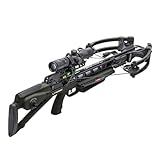
- ARS Mark8.8
ARS Mark is a ranking system developed by bestairriflescopes.com. ARS Mark has no relationship or impact from any manufacturers or sales agent websites. Learn more
- BrandTenPoint

- ARS Mark8.4
ARS Mark is a ranking system developed by bestairriflescopes.com. ARS Mark has no relationship or impact from any manufacturers or sales agent websites. Learn more
- BrandKiller Instinct
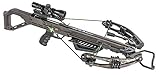
- ARS Mark8.4
ARS Mark is a ranking system developed by bestairriflescopes.com. ARS Mark has no relationship or impact from any manufacturers or sales agent websites. Learn more
- BrandKiller Instinct

- ARS Mark8.4
ARS Mark is a ranking system developed by bestairriflescopes.com. ARS Mark has no relationship or impact from any manufacturers or sales agent websites. Learn more
- BrandSnake Eye Tactical

- ARS Mark8.4
ARS Mark is a ranking system developed by bestairriflescopes.com. ARS Mark has no relationship or impact from any manufacturers or sales agent websites. Learn more
- BrandCenterPoint Archery

Killer Instinct BOSS 405 Camo Crossbow - 405 FPS Compact Hunting Package with Micro‑Lite
View on Amazon- ARS Mark8.2
ARS Mark is a ranking system developed by bestairriflescopes.com. ARS Mark has no relationship or impact from any manufacturers or sales agent websites. Learn more
- BrandKiller Instinct

- ARS Mark8.2
ARS Mark is a ranking system developed by bestairriflescopes.com. ARS Mark has no relationship or impact from any manufacturers or sales agent websites. Learn more
- BrandXpedition Archery

- ARS Mark7.6
ARS Mark is a ranking system developed by bestairriflescopes.com. ARS Mark has no relationship or impact from any manufacturers or sales agent websites. Learn more
- BrandKiller Instinct

- ARS Mark7.0
ARS Mark is a ranking system developed by bestairriflescopes.com. ARS Mark has no relationship or impact from any manufacturers or sales agent websites. Learn more
- BrandXpedition Archery
Last update on 2025-11-13 / Affiliate links / Images, Product Titles, and Product Highlights from Amazon Product Advertising API
Many shooters get caught up chasing numbers, thinking that the higher FPS they see on the box automatically translates to success. The truth? FPS, feet per second, is just one piece of the puzzle. While speed is thrilling, accuracy, control, and comfort often matter more in the long run. A bow that shoots 400+ FPS may look impressive on paper but can be harder to manage, noisier, and even less accurate for everyday shooters.
For a new archer, balancing speed with accuracy is the key. Too much speed can amplify mistakes, while too little can leave your bolts struggling for distance. That’s why seasoned hunters often talk about the sweet spot: an FPS range that delivers both penetration and precision without overwhelming the shooter. In other words, the best FPS isn’t the fastest, it’s the one that fits your actual purpose.
A critical point many overlook is that manufacturers advertise FPS numbers based on lightweight bolts, often lighter than what you’ll actually use in the field. So, while the label might scream 410 FPS, your real-world shooting with a heavier bolt could clock closer to 360 FPS. That doesn’t mean your bow is underperforming, it means the advertised FPS isn’t the full story.
This matters because heavier bolts carry more energy. They might move slower, but they hit harder and maintain momentum better, especially at longer ranges. Hunters targeting deer or elk often prefer this trade-off. Target shooters, meanwhile, may lean toward lighter bolts that provide a flatter trajectory for practice sessions. Either way, knowing that advertised FPS isn’t the whole truth helps you avoid the frustration of expecting too much from marketing claims.
For hunters, the conversation about a good crossbow FPS usually centers around power and ethical shots. Experts often recommend the 300–370 FPS range because it provides enough kinetic energy to take down deer-sized game without making the crossbow excessively hard to draw or cock. Going beyond that range is possible, but it often introduces trade-offs: louder shots, more vibration, and more expensive equipment.
Consider this: a deer can be taken down cleanly with a bolt traveling at around 300 FPS, provided the shot placement is right. In fact, a study in Field & Stream highlighted that accuracy and bolt weight matter more than chasing 400 FPS. For many hunters, a bow that’s smooth, reliable, and balanced will always outperform one that’s just “faster.”
Target shooters often face a different challenge. For them, a bow shooting around 280–330 FPS is often more than enough. Why? Because consistency, not speed, wins in accuracy competitions. Shooting at paper or foam targets doesn’t require the same penetration power needed for hunting, so keeping FPS moderate helps shooters focus on form, breathing, and rhythm.
Too high an FPS can actually hurt practice sessions. A bolt flying at extreme speeds can exaggerate small errors in form, making the shooter feel less accurate than they really are. By staying in a moderate range, archers can train their muscles, build confidence, and enjoy the sport without feeling like every shot is a wrestling match against their crossbow.
Another overlooked factor is the relationship between FPS and draw weight. Crossbows with high draw weights can generate massive speed, but they demand more effort to cock and often require specialized cocking devices. While 200-pound draw weights may sound impressive, they can quickly become impractical for shooters who value convenience and frequent practice.
The trick is to balance your draw weight with your desired FPS. A bow with a moderate 150-pound draw weight can still push bolts to speeds of 320–350 FPS, which is plenty for most hunting and target needs. Chasing higher draw weights often leads to fatigue, making practice sessions shorter and less enjoyable. Ultimately, the “best” FPS should fit comfortably with the physical effort you’re willing to put into each shot.
It’s tempting to believe that a faster crossbow FPS guarantees better shots, but speed alone doesn’t equal accuracy. In fact, accuracy is often compromised when shooters can’t comfortably handle the recoil, noise, and vibration of a high-powered bow. A steady hand, good form, and reliable bolt flight matter far more in hitting the bullseye or making an ethical hunting shot. Hunters who’ve upgraded to ultra-fast models sometimes find that their groups widen instead of tighten, proving that control and shot placement trump raw speed every time.
The same applies to target shooters. A bow firing at 300 FPS with consistent form will almost always outperform a bow at 420 FPS that the shooter struggles to manage. The key lesson? Accuracy first, speed second. Your FPS should complement your shooting style, not overpower it.
Different animals require different levels of power, which means your crossbow FPS decision should reflect your hunting targets. For small game like rabbits or turkeys, anything in the 250–300 FPS range is sufficient. You’ll get humane kills without over-penetration, and the crossbow remains easy to handle.
When stepping up to deer, most hunters look for 300–370 FPS, ensuring bolts carry enough kinetic energy to pass through vitals. For larger animals like elk or bear, crossing into the 370–400 FPS range may be necessary to achieve deep penetration, but again, bolt weight and shot placement remain critical. It’s less about having “the fastest bow” and more about aligning your FPS with the game you’re pursuing.
Here’s a point many overlook: as FPS increases, so does noise and vibration. That’s bad news for hunters, since spooked animals can react to noise even before the bolt connects. A faster bow isn’t always a stealthier one. In fact, bows with excessive speed often create a louder report, which can work against your hunting goals.
Some manufacturers add dampeners and suppressors to help, but these only reduce, not eliminate, the issue. This is why many hunters stick to the moderate 300–350 FPS range, where quiet shooting and accuracy create more real-world success than top-end speed numbers. If your crossbow feels like a jackhammer every time you pull the trigger, your hunt will suffer no matter how fast the bolt flies.
It’s easy to get swept up by premium crossbows boasting blistering FPS ratings and space-age technology. But do you really need a $2,000 rig shooting 440 FPS when a $700 model at 340 FPS will serve your needs? For many shooters, the answer is no. Your money may be better spent on quality bolts, reliable optics, and practice time rather than chasing marginal speed gains.
The real cost of ultra-fast crossbows isn’t just in the purchase price, it’s in maintenance, string wear, and accessories. Faster bows put more stress on components, which means you’ll replace strings more often and potentially deal with more repairs. A steady, reliable 320–350 FPS bow often proves more economical and enjoyable in the long run.
Ultimately, the question of what is a good crossbow FPS comes down to you, your body, your goals, and your style of shooting. Some shooters thrive on the adrenaline of firing bolts at 400 FPS, while others prefer the smooth, controlled rhythm of a 300 FPS setup. Neither is wrong. The “good” FPS is the one that makes you confident every time you step into the woods or onto the range.
The smartest shooters don’t just chase numbers, they chase performance they can actually control. By balancing speed with accuracy, draw weight with comfort, and budget with value, you’ll find the FPS that feels less like a stat on a box and more like an extension of your own shooting identity. In the end, confidence and control are worth far more than an extra 50 feet per second.


12 Best 22 Pcp Air Rifle For Hunting of 2026 With Quiet Power

7 Best 22 Pcp Air Rifle Under 300 of 2026 For Backyard Pest Control

10 Best 22 Break Barrel Air Rifles of 2026 For Backyard Pest Control

10 Best 30 Caliber Pcp Air Rifle of 2026 For Medium Game

Top Best 177 Air Rifle Under 100: Budget-Friendly Picks for 2026

How to Safely Reload Shotgun Shells at Home

11 Best Co2 Air Rifle For Pest Control of 2026 To Ensure Humane Dispatch

12 Best Inexpensive Air Rifles of 2026 For Dependable Backyard Accuracy






